
Education in the Gupta Empire: The Foundation of Knowledge

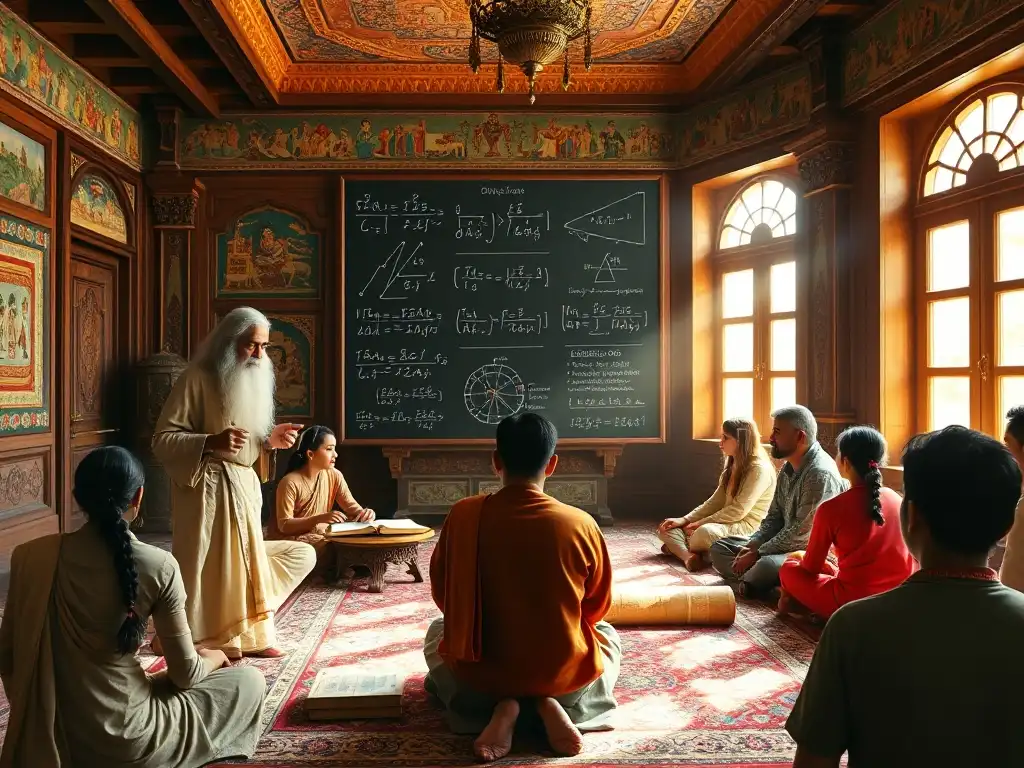
Welcome to Ancient India History, where we invite you to journey through the fascinating tapestry of India's ancient civilizations. In this exploration, we delve into the theme of education in the Gupta Empire, a period renowned for its remarkable advancements in knowledge and learning. Discover how this golden age laid the groundwork for future generations and shaped the educational landscape of India. Curious about the profound impact of Gupta scholars and institutions? Join us as we uncover the stories and legacies that continue to influence us today, sparking a passion for history that beckons you to read further!
- Introduction to Education in the Gupta Empire
- The Structure of Education in the Gupta Empire
- Curriculum and Subjects Taught in Gupta Education
- Role of Teachers and Students in Gupta Education
- Contributions of Gupta Education to Ancient Indian Knowledge
- The Impact of Education on Society and Culture in the Gupta Empire
- Comparison of Gupta Education with Other Ancient Civilizations
- Legacy of Gupta Education in Modern India
- Conclusion: The Lasting Impact of Education in the Gupta Empire
-
Frequently Asked Questions
- What was the significance of education in the Gupta Empire?
- How did the education system function during the Gupta Empire?
- What were the main subjects taught in Gupta schools?
- Who were the primary educators in the Gupta Empire?
- How did education during the Gupta Empire influence later civilizations?
- Final Reflection: The Enduring Legacy of Education in the Gupta Empire
- Unveil the Legacy of Gupta Education!
Introduction to Education in the Gupta Empire
The Gupta Empire, often referred to as the "Golden Age" of ancient India, was a period marked by remarkable advancements in various fields, including science, mathematics, literature, and philosophy. One of the cornerstones of this thriving civilization was its education system, which played a pivotal role in fostering intellectual growth and cultural development.
During this era, education was not merely a means of acquiring knowledge; it was a way of life that shaped the society's values, ethics, and worldview. The emphasis on learning, along with the establishment of renowned educational institutions, laid a solid foundation for future generations and significantly contributed to the rich tapestry of Indian history.
Overview of the Gupta Empire's Golden Age
The Gupta Empire, which flourished from approximately 320 to 550 CE, is celebrated for its unparalleled contributions to art, literature, and science. Under the rule of influential emperors like Chandragupta I and his grandson Chandragupta II, the empire expanded its territory and influence, creating a stable environment conducive to growth and innovation.
Key features of this Golden Age include:
- Political Stability: The Gupta rulers established a strong central government, which minimized external threats and fostered internal peace.
- Cultural Flourishing: This era saw the emergence of great poets, playwrights, and scholars, with notable figures such as Kalidasa and Aryabhata making significant contributions to literature and mathematics.
- Scientific Advancements: The Gupta period is renowned for advancements in mathematics, astronomy, and medicine, including the introduction of the concept of zero and detailed astronomical observations.
As a result, the Gupta Empire became a beacon of knowledge and culture, attracting scholars from various regions and laying the groundwork for a rich educational tradition.
Importance of Education in Ancient Indian Civilizations
Education during the Gupta Empire was integral not only to individual development but also to societal progress. The emphasis on learning and knowledge creation had profound implications for the civilization as a whole. Some key aspects of the importance of education in ancient Indian civilizations include:
- Cultural Transmission: Education served as a vehicle for passing down cultural values, religious beliefs, and historical narratives from one generation to the next.
- Social Mobility: Access to education provided individuals from diverse backgrounds the opportunity to rise in social status and contribute to society's intellectual legacy.
- Foundation for Innovation: The robust educational framework encouraged inquiry and experimentation, leading to groundbreaking discoveries in various domains.
Education was not merely an academic pursuit; it was a foundational element that shaped the identity and future of the Gupta Empire and, by extension, ancient Indian civilizations. The legacy of this educational ethos endures, continuing to influence modern perspectives on learning and knowledge.
The Structure of Education in the Gupta Empire

The Gupta Empire, often referred to as the Golden Age of India, was marked by significant advancements in various fields, including education. The educational system during this period was diverse and comprehensive, designed to meet the needs of a rapidly developing society. It emphasized both secular and spiritual learning, promoting a holistic approach to education that nurtured intellect, morality, and cultural values.
Types of Educational Institutions in the Gupta Era
The Gupta Empire boasted a variety of educational institutions that catered to different segments of society. These included traditional learning centers, universities, and specialized schools. Each type played a crucial role in shaping the educational landscape of the time.
Gurukulas: The Traditional Learning Centers
Gurukulas were the cornerstone of education in ancient India, serving as residential schools where students lived and learned under the guidance of a guru (teacher). The structure of these institutions was intimate, often comprising a small number of students who received personalized attention.
- Curriculum: The education provided in gurukulas included a wide range of subjects such as:
- Vedas: The sacred texts central to Hindu philosophy.
- Literature: Works of poets like Kalidasa.
- Mathematics: Basic arithmetic and advanced concepts like zero and place value.
- Philosophy: Instruction in various schools of thought, including Nyaya and Vedanta.
- Teaching Methodology: The pedagogical approach was primarily oral, relying on memorization, recitation, and discussion. Students were encouraged to engage critically with the material, fostering a strong foundation in logical reasoning and debate.
- Cultural Significance: Gurukulas were not only academic institutions but also cultural hubs where students learned about ethics, social responsibilities, and the importance of community service. The relationship between the guru and shishya (student) was deeply respected, often seen as a sacred bond.
Universities: Nalanda and Takshashila
In addition to gurukulas, the Gupta Empire was home to some of the world's earliest universities, particularly Nalanda and Takshashila (Taxila). These institutions represented the pinnacle of educational achievement during this period.
- Nalanda University:
- Establishment: Founded in the 5th century CE, it became one of the first residential universities in the world.
- Curriculum: Nalanda offered a diverse curriculum that included:
- Buddhism: Advanced studies in Buddhist philosophy and texts.
- Medicine: Ayurveda and surgical practices.
- Astronomy and Mathematics: Pioneering studies that laid the groundwork for future scientific progress.
- Global Influence: Attracted scholars from various regions, including China, Korea, and Tibet, making it a melting pot of ideas and cultures.
- Takshashila University:
- Historical Significance: Established even earlier than Nalanda, it was a prominent center for higher learning from around the 6th century BCE.
- Subjects Offered: Emphasized a broad range of disciplines, including:
- Military Science: Training in warfare and strategy.
- Political Science: Studies on governance and administration.
- Arts and Crafts: Practical skills that were vital for trade and commerce.
- Legacy: Takshashila's influence extended beyond its geographical boundaries, contributing to the spread of Indian culture and education across Asia.
The educational institutions of the Gupta Empire were instrumental in fostering a culture of learning and inquiry. Their legacy continues to influence modern education in India and serves as a testament to the rich intellectual heritage of ancient Indian civilizations.
Curriculum and Subjects Taught in Gupta Education
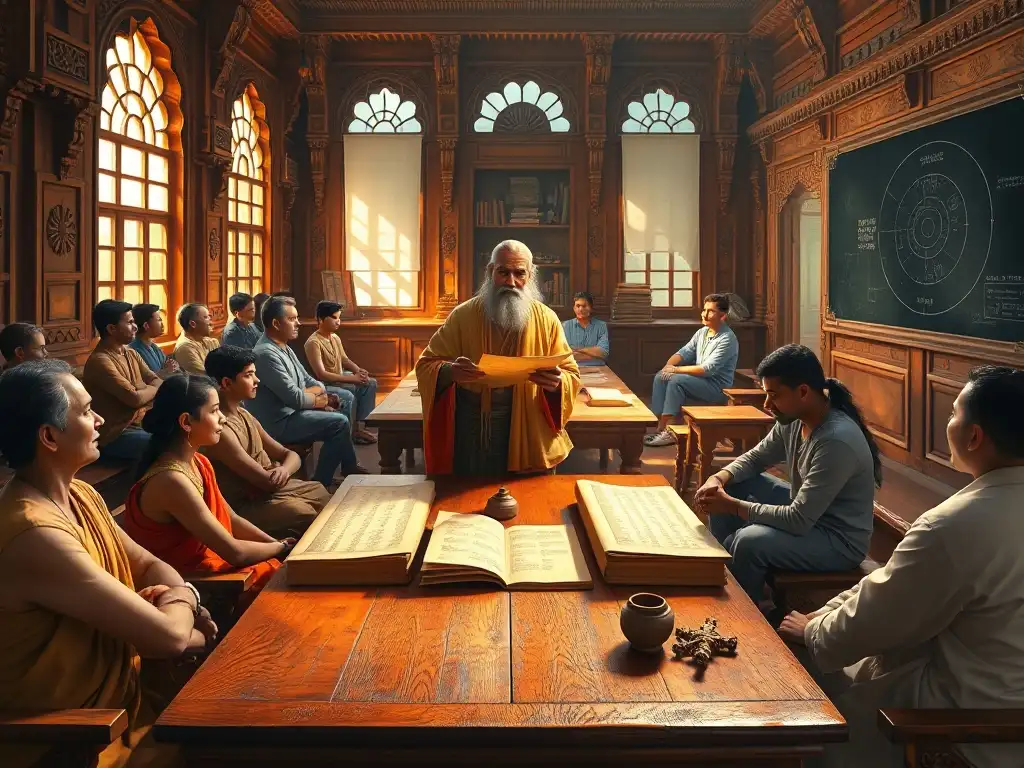
The education system in the Gupta Empire was characterized by a well-structured curriculum that laid the foundation for various disciplines. The emphasis on education during this period was pivotal in fostering intellectual growth and cultural advancement. Central to this educational framework were core subjects that not only aimed at imparting knowledge but also at cultivating critical thinking and analytical skills among students. The subjects taught in Gupta educational institutions included philosophy, mathematics, astronomy, literature, and grammar, which contributed significantly to the Empire's reputation as a hub of knowledge.
Core Subjects in Gupta Educational Systems
In the Gupta Empire, education was primarily provided through Gurukuls (traditional schools) and Buddhist monasteries, where students learned under the guidance of esteemed teachers or Gurus. The curriculum was diverse, reflecting the Empire's rich cultural tapestry and intellectual pursuits. Below are some of the core subjects that formed the backbone of education in the Gupta Empire:
Philosophy and Logic
Philosophy and logic were integral to the educational curriculum of the Gupta Empire. The teachings were primarily influenced by ancient Indian philosophies such as Vedanta, Nyaya, and Buddhism.
- Key Focus Areas:
- Metaphysics: Exploring the nature of reality and existence.
- Epistemology: Understanding the nature and scope of knowledge.
- Ethics: Discussions on morality and the principles of good conduct.
Students engaged in rigorous debates and discussions, fostering a culture of critical thinking. The emphasis on logic, particularly through the Nyaya school, trained students to formulate arguments, analyze philosophical texts, and engage in dialectical reasoning.
Mathematics and Astronomy
Mathematics and astronomy flourished during the Gupta period, with significant contributions from scholars like Aryabhata. The educational curriculum included a focus on both theoretical and practical aspects of these subjects.
- Mathematics:
- Students learned arithmetic, algebra, and geometry.
- Innovations such as the concept of zero and the decimal system were developed during this time, which had a profound impact on mathematics globally.
- Astronomy:
- The curriculum covered celestial navigation, the calculation of eclipses, and the movement of planets.
- Students studied texts like the Aryabhatiya, which provided insights into planetary positions and timekeeping.
This dual focus on mathematics and astronomy not only aided in scientific advancements but also supported agricultural and navigational practices within the Empire.
Literature and Grammar
Literature and grammar were highly esteemed in Gupta education, reflecting the Empire's rich literary heritage. The study of these subjects was essential for cultivating eloquence and effective communication skills.
- Literature:
- Students engaged with classical texts, poetry, and epics such as the Mahabharata and Ramayana.
- The curriculum promoted the appreciation of literary forms and styles, encouraging creative expression.
- Grammar:
- The study of grammar was pivotal for mastering language, particularly Sanskrit, which was the lingua franca of the educated elite.
- Students learned the intricacies of syntax, semantics, and prosody, enabling them to write and speak fluently.
The focus on literature and grammar not only enriched the cultural landscape of the Gupta Empire but also preserved its linguistic heritage for future generations.
Through a curriculum that encompassed philosophy, mathematics, astronomy, literature, and grammar, the education system in the Gupta Empire laid a robust foundation for knowledge that would influence generations to come. The contributions of this era in education continue to resonate, highlighting the Empire's significance in the history of ancient Indian civilizations.
Role of Teachers and Students in Gupta Education
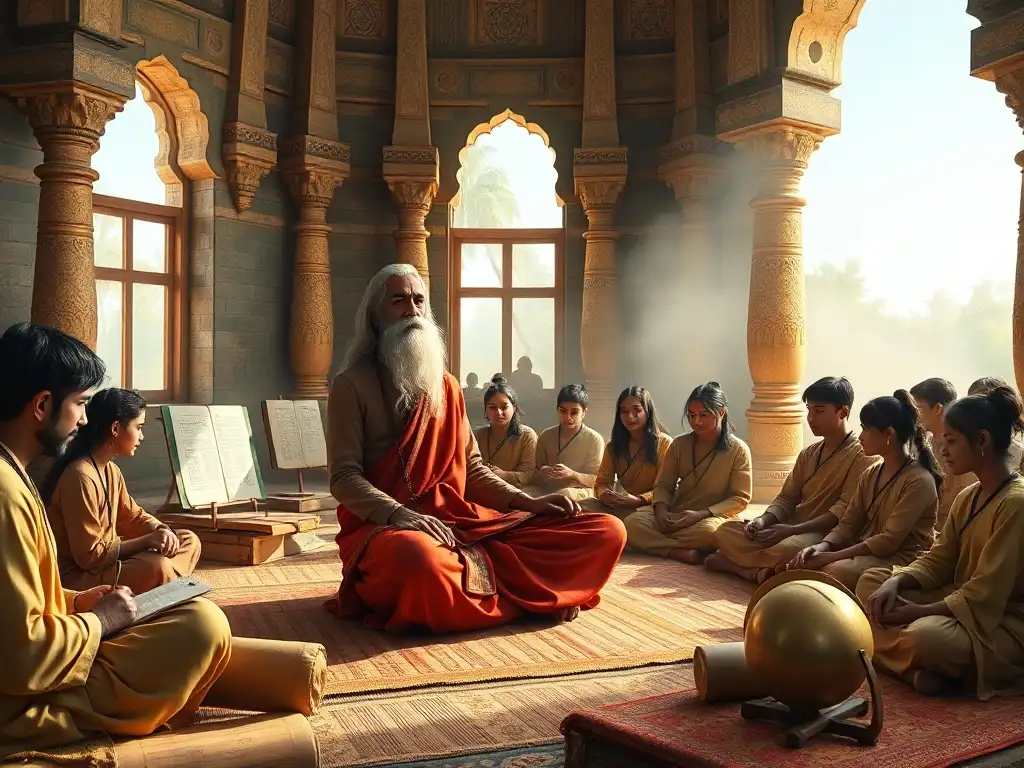
In the Gupta Empire, education was highly valued and played a crucial role in shaping the society. The relationship between teachers and students was foundational to the educational structure, nurturing not only academic learning but also moral and ethical values. This relationship was primarily defined by the Guru-Shishya tradition, where the teacher (Guru) imparted knowledge and wisdom to the student (Shishya) in a personalized and intimate setting.
The Guru-Shishya Tradition in the Gupta Empire
The Guru-Shishya tradition was a hallmark of education in the Gupta Empire, characterized by a close bond between the teacher and the student. This system was not merely instructional; it emphasized holistic development, including intellectual, emotional, and spiritual growth.
- Personal Mentorship: Gurus were revered figures, often regarded as spiritual guides. They provided individualized attention, focusing on the unique needs and potential of each student.
- Curriculum Focus: The curriculum under this tradition included a wide array of subjects such as philosophy, mathematics, astronomy, medicine, and the arts. Students were encouraged to engage deeply with their studies, fostering a love for learning.
- Cultural Transmission: This system also served as a means of transmitting cultural values and traditions, with teachers instilling respect for knowledge and ethical conduct in their disciples.
The significance of the Guru-Shishya tradition can be seen in its long-lasting impact on Indian education systems, influencing future generations well beyond the Gupta period.
Student Life and Responsibilities
Student life during the Gupta Empire was characterized by rigorous training and a strong sense of responsibility. Students were often required to live with their Gurus, which fostered a community of learning and mutual respect.
- Daily Routine: Students followed a disciplined daily routine that included:
- Early morning prayers and meditation.
- Engaging in physical activities like yoga and martial arts.
- Attending lectures and participating in discussions.
- Conducting research and practical experiments, especially in subjects like mathematics and medicine.
- Responsibilities: The responsibilities of students included:
- Assisting their Gurus in daily tasks, which reinforced their learning and fostered a sense of duty.
- Engaging in group discussions and debates, promoting critical thinking skills.
- Upholding ethical standards and values taught by their Gurus, which was essential for their development into responsible citizens.
The educational experience was thus not just about acquiring knowledge; it was about personal growth, social responsibility, and preparation for future roles in society. This comprehensive approach to education contributed significantly to the intellectual and cultural advancements of the Gupta Empire, solidifying its reputation as a Golden Age of Learning.
Contributions of Gupta Education to Ancient Indian Knowledge
The Gupta Empire, often referred to as the "Golden Age" of India, was a period marked by remarkable advancements in education and knowledge. The educational institutions established during this time laid the groundwork for various fields, influencing not only India but also the world. The contributions of Gupta education can be broadly categorized into significant advancements in mathematics and astronomy, as well as a profound influence on literature and the arts.
Advances in Mathematics and Astronomy
The Gupta period is renowned for its extraordinary contributions to mathematics and astronomy, which were fundamentally shaped by the educational frameworks of the time. Scholars such as Aryabhata emerged, whose work laid the foundation for future generations.
- Mathematical Innovations:
- The concept of zero as a numeral was widely accepted and utilized, transforming mathematical calculations. This innovation is attributed to the work of mathematicians during the Gupta Empire.
- The decimal system was developed and refined, allowing for more complex calculations and paving the way for modern arithmetic.
- Astronomical Discoveries:
- Aryabhata's seminal work, the Aryabhatiya, introduced theories about the rotation of the Earth on its axis and the calculation of planetary positions. He proposed that the Earth rotates daily and that it is the motion of the Earth, rather than the Sun, that causes the apparent movement of celestial bodies.
- The calculation of the length of the solar year was remarkably accurate, at approximately 365.358 days, demonstrating advanced observational techniques and mathematical prowess.
These advancements not only enriched Indian mathematics and astronomy but also had a lasting impact on the Islamic Golden Age and European Renaissance, showcasing the far-reaching influence of Gupta education on global knowledge systems.
Influence on Literature and Arts
The Gupta Empire was characterized by a flourishing of literature and the arts, supported by a robust educational infrastructure. This era saw the rise of notable poets, playwrights, and philosophers who contributed to the cultural legacy of ancient India.
- Literary Achievements:
- The works of Kalidasa, one of the greatest Sanskrit poets and dramatists, exemplify the literary excellence of this period. His plays, such as Shakuntala, reflect the sophisticated use of language and themes that resonate with human emotions.
- The Panchatantra, a collection of fables, was compiled during this time, illustrating moral lessons through engaging narratives and animal characters. This text has been translated into numerous languages and continues to influence storytelling globally.
- Artistic Flourishing:
- The Gupta period is also noted for its exceptional contributions to sculpture and painting. The intricate carvings in temples, such as those found in Ajanta and Ellora, embody the artistic sophistication achieved during this time.
- The Gupta style of art emphasized naturalism and human emotion, with sculptures often depicting deities and everyday life with remarkable detail and grace.
The education in the Gupta Empire played a pivotal role in shaping the intellectual landscape of ancient India. Its contributions to mathematics, astronomy, literature, and the arts not only defined an era but also laid the groundwork for future advancements in these fields, highlighting the enduring legacy of Gupta civilization in the annals of history.
The Impact of Education on Society and Culture in the Gupta Empire
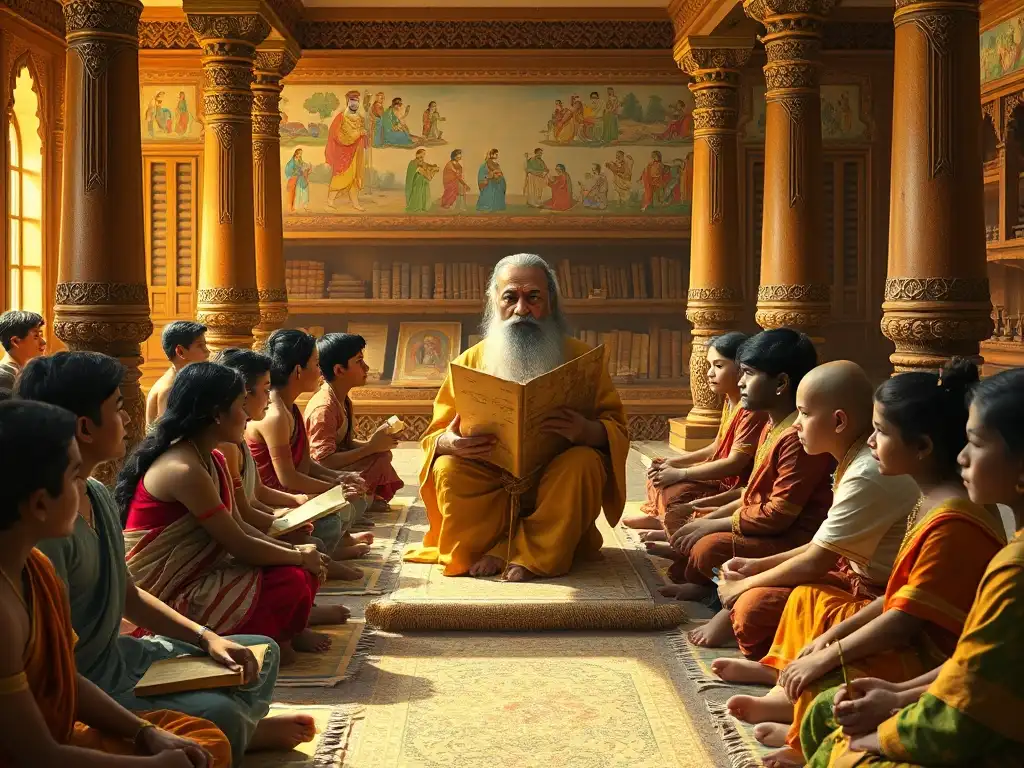
The Gupta Empire, often regarded as the Golden Age of India, witnessed significant advancements in various fields, particularly in education. The educational framework established during this period not only fostered intellectual growth but also had a profound impact on the overall social and cultural fabric of the society. Education in the Gupta Empire was characterized by its inclusivity, accessibility, and emphasis on diverse subjects, which ultimately contributed to the flourishing of arts, sciences, and philosophy.
The Gupta Empire's educational system played a crucial role in promoting social mobility. Unlike previous eras, where caste restrictions limited access to knowledge, the Gupta period saw a more egalitarian approach to education. Institutions like Gurukuls and Viharas became centers of learning where students from various backgrounds could come together to study.
- Inclusivity in Education:
- Gurukuls: These were traditional schools run by gurus (teachers) where students lived and learned together. The emphasis was on personal mentorship, enabling students from different castes to acquire knowledge.
- Viharas: Monastic universities that attracted scholars from across the subcontinent and beyond, allowing for an exchange of ideas and cultures.
- Subjects Offered:
- The curriculum included a wide range of subjects such as grammar, logic, mathematics, astronomy, medicine, and philosophy. This diversity encouraged students to explore various fields, enhancing their social mobility.
- Notable scholars like Aryabhata and Varahamihira emerged from this educational environment, contributing significantly to mathematics and astronomy, which were celebrated across the empire.
- Economic Opportunities:
- Education opened avenues for various professions, including administration, trade, and the arts. As educated individuals entered the workforce, they contributed to economic development, which further stimulated the desire for education among the populace.
The emphasis on education in the Gupta Empire fostered a meritocratic society where knowledge and skill were valued over hereditary status, thus transforming the social landscape.
Education and Religion: The Interplay of Knowledge and Faith
The relationship between education and religion during the Gupta Empire was intricate, as religious institutions also served as centers of learning. This interplay significantly influenced the cultural and spiritual dimensions of Gupta society.
- Buddhism and Hinduism:
- Both major religions practiced during the Gupta period encouraged the pursuit of knowledge. Buddhist monasteries, for instance, became prominent educational institutions where philosophical and religious texts were studied.
- Hindu temples often functioned as educational hubs, where subjects related to philosophy, arts, and sciences were taught alongside spiritual teachings.
- Role of Religious Scholars:
- Renowned scholars like Kalidasa and Vasubandhu contributed to literature and philosophy, drawing from religious texts. Their works were instrumental in shaping the educational curriculum that intertwined secular and sacred knowledge.
- The synthesis of religious teachings with educational content helped in promoting moral values and ethics among students, which were seen as essential for personal development and societal harmony.
- Patronage of Learning:
- The Gupta rulers were great patrons of learning, supporting both religious and secular scholars. This patronage enabled the establishment of various educational institutions, which nurtured a culture of scholarly discourse and innovation.
- Temples and monasteries received funding and resources, fostering an environment where education thrived and knowledge was preserved for future generations.
The interplay between education and religion in the Gupta Empire not only enriched the intellectual landscape but also contributed to a harmonious society where knowledge was revered. This foundational approach to education laid the groundwork for subsequent advancements in various fields, further solidifying the Gupta Empire's legacy as a beacon of knowledge in ancient history.
Comparison of Gupta Education with Other Ancient Civilizations
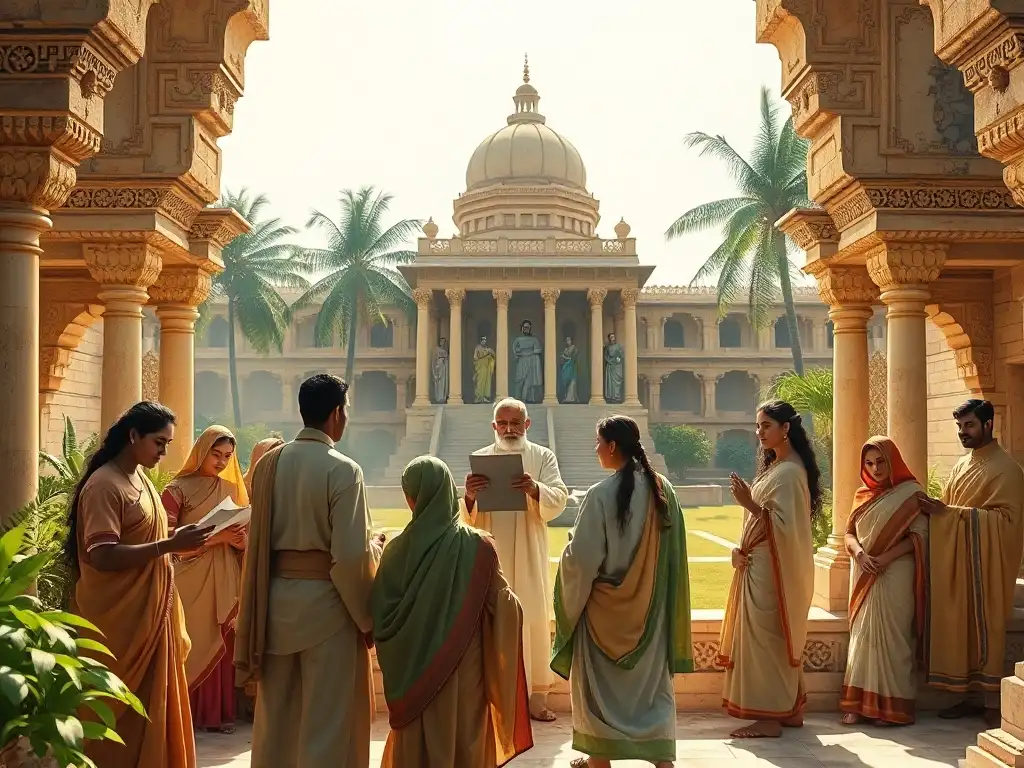
The Gupta Empire, often referred to as the Golden Age of India, witnessed remarkable advancements in various fields, including education. Comparing the educational systems of the Gupta Empire with those of other ancient civilizations provides valuable insights into their philosophies, structures, and curricula.
Gupta Empire vs. Ancient Greece: Philosophical Approaches
The educational philosophies of the Gupta Empire and Ancient Greece share some similarities yet exhibit distinct differences.
- Focus on Knowledge:
- In the Gupta Empire, education was centered around practical knowledge and its application. Subjects such as mathematics, astronomy, and medicine were emphasized, reflecting a pragmatic approach to learning.
- Ancient Greece, particularly during the time of philosophers like Socrates, Plato, and Aristotle, prioritized philosophical inquiry and the pursuit of truth. Education was seen as a means to cultivate virtue and civic responsibility.
- Educational Institutions:
- The Gupta period saw the establishment of renowned centers of learning, such as Nalanda University, which attracted students from various regions, promoting a diverse intellectual environment.
- In contrast, Greece featured the Academy of Athens founded by Plato, which focused on philosophical discussion and critical thinking, emphasizing the importance of dialectics.
- Role of Teachers:
- In the Gupta Empire, teachers, known as Gurus, played a vital role in mentoring students, fostering a close-knit relationship that facilitated personalized learning.
- Greek education often relied on Sophists, who were skilled in rhetoric and public speaking, emphasizing the art of persuasion and debate.
Overall, while both civilizations valued education, the Gupta Empire's approach was notably practical and rooted in application, whereas Ancient Greece emphasized philosophical discourse and civic virtue.
Gupta Education vs. Roman Education: Structure and Curriculum
The educational systems of the Gupta Empire and Ancient Rome demonstrate significant contrasts in their structure and curriculum.
- Curricular Focus:
- The Gupta Empire emphasized a wide range of subjects, including mathematics, science, literature, and religion. The curriculum was designed to develop well-rounded individuals capable of contributing to society.
- In contrast, Roman education primarily focused on rhetoric and grammar, aiming to prepare students for public life and governance. Subjects like law, oratory, and history were deemed essential for civic engagement.
- Educational Structure:
- The education in the Gupta Empire began at an early age, often in Gurukuls, where students lived with their teachers and engaged in an informal yet rigorous learning environment. This system fostered a strong bond between students and their Gurus.
- Roman education was more formalized, with three stages: the ludus (elementary school), grammaticus (secondary school focusing on literature and grammar), and rhetor (advanced training in rhetoric). This structure emphasized progression through distinct educational phases.
- Accessibility:
- Education in the Gupta Empire was more inclusive, allowing access to individuals from various backgrounds, although it still favored the upper castes. The emphasis was on individual merit and potential.
- In Rome, education was primarily accessible to the elite, with the majority of the population receiving little to no formal education. This exclusivity shaped the social and political structures of Roman society.
While both the Gupta Empire and Ancient Rome recognized the importance of education, their approaches differed significantly in curricular focus, structure, and accessibility, reflecting their unique cultural values and societal needs.
Legacy of Gupta Education in Modern India

The legacy of education in the Gupta Empire has left an indelible mark on the modern educational landscape of India. During the Gupta period, education was not only a means of acquiring knowledge but also a holistic approach to personal development and societal contribution. The emphasis on subjects such as mathematics, astronomy, medicine, and literature created a structured educational system that laid the groundwork for future generations.
Contributions to Contemporary Indian Educational Systems
The Gupta Empire's focus on education has significantly influenced contemporary Indian educational systems in various ways:
- Curriculum Development:
- The Gupta period witnessed the establishment of formal curriculums that included a diverse range of subjects.
- Modern Indian education still reflects this diversity, with a curriculum that encompasses sciences, arts, and humanities.
- Institutional Framework:
- The establishment of renowned centers of learning, such as Nalanda and Takshashila, served as prototypes for modern universities.
- These institutions not only focused on academic pursuits but also promoted critical thinking and debate, principles that are integral to today's higher education.
- Pedagogical Methods:
- The Gupta education system utilized various teaching methodologies, including lectures, discussions, and practical applications.
- Today’s classrooms continue to adopt interactive and student-centered teaching practices, echoing the Gupta emphasis on engagement and participation.
- Access to Education:
- While education during the Gupta era was primarily for the elite, there was a gradual shift towards inclusivity.
- Contemporary India strives for universal access to education, influenced by the foundational ideals of the Gupta period.
- Cultural Integration:
- The Gupta Empire fostered a culture of learning that integrated local traditions with broader philosophical ideas.
- This cultural integration is still evident in modern India, where educational institutions promote a blend of indigenous knowledge systems alongside global perspectives.
The Enduring Influence of Gupta Knowledge in Today’s Society
The influence of Gupta knowledge extends beyond formal education into various facets of contemporary society:
- Scientific Advancements:
- The Gupta Empire made remarkable contributions to mathematics and astronomy, with scholars like Aryabhata paving the way for future innovations.
- Today, Indian mathematicians and scientists continue to build on this legacy, contributing to global advancements in technology and research.
- Literary Heritage:
- The literary works produced during the Gupta period, including plays and poetry, have shaped modern Indian literature.
- The appreciation for classical literature is evident in contemporary literary studies and creative expressions, reflecting the rich narratives established during the Gupta era.
- Philosophical Thought:
- Gupta scholars contributed significantly to philosophical discourse, particularly in the realms of ethics and governance.
- Modern Indian thinkers draw upon these ancient philosophies to address contemporary social and political issues, showcasing the relevance of Gupta ideas in today's ethical debates.
- Cultural Identity:
- The values and educational practices of the Gupta Empire help shape the cultural identity of modern India.
- The continued reverence for knowledge and learning as societal pillars can be traced back to the educational ethos established during this golden age.
The education in the Gupta Empire not only laid the foundation for a structured educational system but also fostered a culture of knowledge that continues to resonate in modern India. The legacy of Gupta education remains a vital component of India's identity, influencing contemporary practices and societal norms.
Conclusion: The Lasting Impact of Education in the Gupta Empire
The Gupta Empire, often regarded as the Golden Age of India, laid a robust foundation for education that significantly influenced subsequent generations. The educational practices and institutions established during this era were not only pivotal in promoting knowledge across various fields but also in shaping the cultural and intellectual landscape of ancient India. The emphasis on learning, combined with the flourishing arts and sciences, created an environment where scholars, students, and educators thrived.
Educational establishments such as nalanda and takshashila became beacons of higher learning, attracting students from various regions, including China, Korea, and Japan. This cross-cultural exchange of knowledge led to advancements in mathematics, astronomy, medicine, and literature that are still revered today. The pedagogical methods and curriculum of the Gupta period fostered critical thinking and inquiry, which can be traced through various historical texts and records.
As we reflect on the legacy of education in the Gupta Empire, it is clear that its impact extends far beyond the confines of history; it laid the groundwork for modern educational systems and continues to resonate within the framework of Indian culture today.
Reflection on the Foundations of Knowledge in Ancient India
The Gupta Empire's emphasis on education can be seen as a cornerstone of its civilization, enabling the flourishing of arts, sciences, and philosophy. The educational framework established during this period was comprehensive, encompassing a wide array of subjects such as:
- Mathematics: Contributions like the concept of zero and advancements in algebra and geometry.
- Astronomy: Pioneering work in identifying celestial bodies and predicting astronomical events.
- Medicine: Development of surgical techniques and medicinal practices documented in texts like the Sushruta Samhita.
- Literature: The creation of epic poems and plays, which enriched the cultural tapestry of the time.
The intellectual environment fostered by the Gupta rulers encouraged scholars to engage in dialogue and debate, which was crucial for the development of critical thinking skills. Moreover, the patronage of education by the Gupta emperors illustrated their recognition of knowledge as a powerful tool for governance and societal development.
The Importance of Preserving Gupta Educational Heritage
Preserving the educational heritage of the Gupta Empire is essential for understanding the evolution of knowledge in Indian civilization. The insights gained from this period offer valuable lessons that can inform contemporary educational practices. Here are several reasons why this heritage is significant:
- Cultural Identity: Understanding the educational practices of the Gupta Empire helps to reinforce cultural identity and pride in India's rich history.
- Historical Context: It provides context for the advancements in various fields that emerged during this period, highlighting the continuity of knowledge through centuries.
- Inspiration for Modern Education: The principles of inquiry-based learning and interdisciplinary studies that were prevalent in Gupta times can inspire modern educational frameworks.
- Global Influence: Recognizing the Gupta Empire's contribution to global knowledge can foster international collaborations in education and research.
The study of education in the Gupta Empire not only enriches our understanding of ancient Indian civilization but also serves as a reminder of the enduring power of knowledge. By preserving and promoting this heritage, we contribute to a more profound appreciation of our shared human experience in the pursuit of learning.
Frequently Asked Questions
What was the significance of education in the Gupta Empire?
Education in the Gupta Empire was crucial for the development of knowledge and scholarship, laying the groundwork for future intellectual pursuits in various fields.
How did the education system function during the Gupta Empire?
The education system was organized, with gurukuls and universities like Nalanda, focusing on subjects such as literature, mathematics, and philosophy.
What were the main subjects taught in Gupta schools?
Students in Gupta schools studied grammar, logic, astronomy, medicine, and mathematics, contributing to the empire's reputation as a center of learning.
Who were the primary educators in the Gupta Empire?
Educators were often Brahmins and scholars who played an essential role in imparting knowledge and preserving ancient texts and traditions.
How did education during the Gupta Empire influence later civilizations?
The emphasis on scholarship and the establishment of centers of learning in the Gupta Empire significantly influenced educational systems in subsequent Indian dynasties and beyond.
Final Reflection: The Enduring Legacy of Education in the Gupta Empire
Education in the Gupta Empire remains a cornerstone of intellectual development that resonates profoundly in today's world. The Gupta period, often referred to as the Golden Age of India, laid the groundwork for educational systems that emphasized not only academic knowledge but also moral and ethical values. This historical emphasis on learning and scholarship serves as a powerful reminder of the transformative power of education in shaping societies and cultures.
The influence of the Gupta Empire's educational practices can still be felt in contemporary discussions about the importance of holistic education. From the establishment of universities like Nalanda to the promotion of various disciplines, the Gupta Empire set a precedent for learning that transcends time. As Mahatma Gandhi once said, "> Live as if you were to die tomorrow. Learn as if you were to live forever." This quote encapsulates the spirit of lifelong learning that was championed during the Gupta period and continues to inspire generations today.
As we reflect on the lessons from the Gupta Empire, let us embrace the call to prioritize education in our own lives and communities. Consider how you can contribute to fostering a culture of knowledge and inquiry, whether through mentoring, supporting educational initiatives, or simply nurturing your own curiosity. The legacy of the Gupta Empire reminds us that education is not merely a means to an end but a lifelong journey that enriches our lives and the world around us.
Unveil the Legacy of Gupta Education!
Thank you for diving into the rich tapestry of education in the Gupta Empire! You've uncovered the remarkable foundations that shaped knowledge and learning in ancient India. Now, it’s time to take the insights you've gained and explore how they can inspire modern education.
Here are a few actions you can take:
- Start a discussion with friends or family about how ancient educational practices can inspire today’s learning environments.
- Visit a local library or online resource to explore books and articles that delve deeper into the contributions of Gupta scholars. You might even consider attending a lecture or webinar on the topic.
- Share this article with your community on social media to spark awareness and conversation about the importance of historical education models.
What aspect of Gupta education do you find most relevant to today’s educational challenges? Let’s engage in a thoughtful discussion!