
The Education System of the Indus Valley Civilization: A Forgotten Legacy

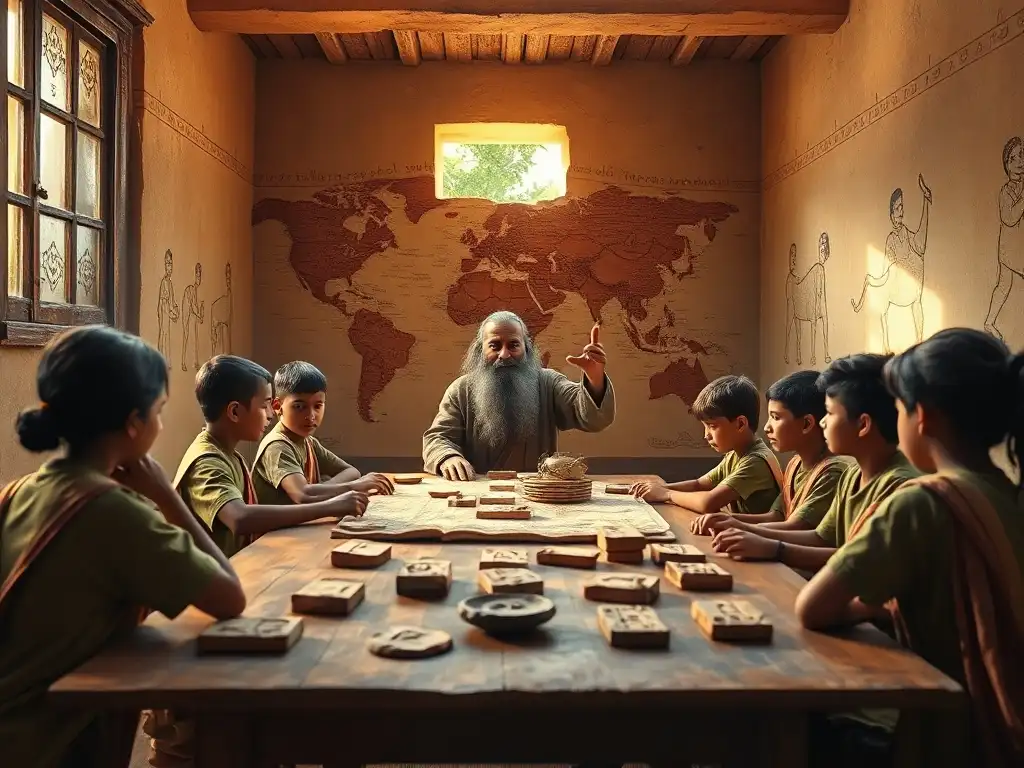
Welcome to Ancient India History, where we embark on a captivating journey through the rich tapestry of India's past. In our latest exploration, we delve into the remarkable education system of the Indus Valley Civilization, a fascinating yet often overlooked legacy that laid the groundwork for knowledge and learning in ancient times. What did classrooms look like thousands of years ago, and how did these early scholars shape the future? Join us as we uncover the secrets of this ancient educational framework and discover its lasting impact on civilization. Your adventure into history begins now!
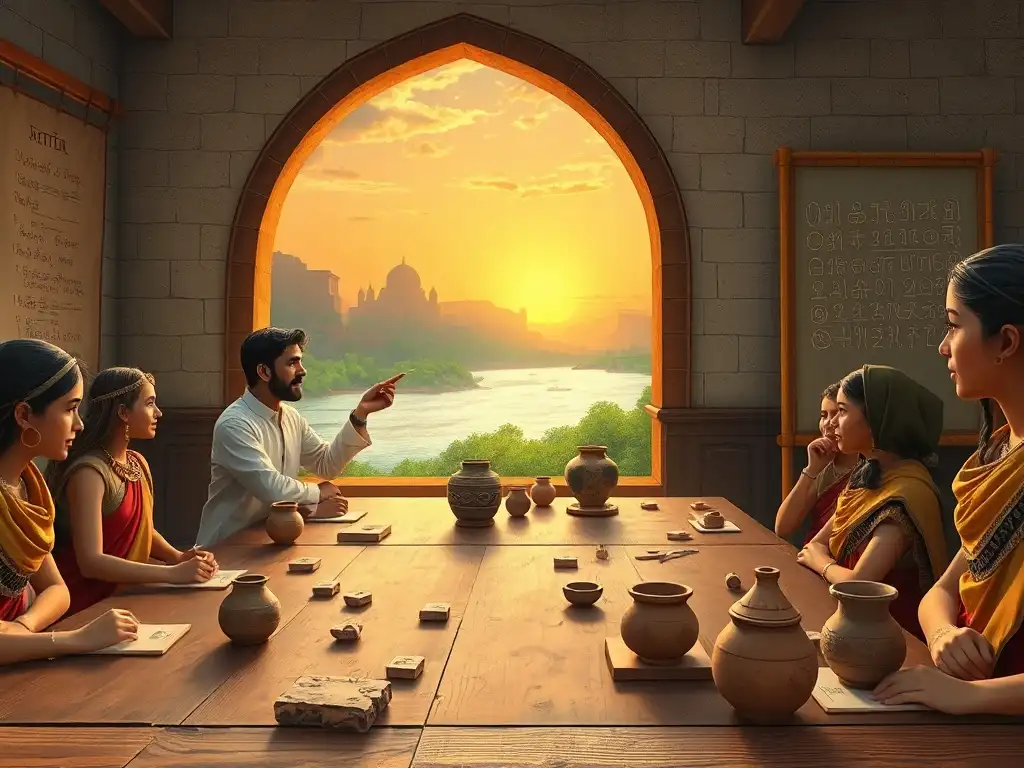
Introduction to the Indus Valley Education System
The Indus Valley Civilization, one of the world's oldest urban cultures, flourished from approximately 3300 BCE to 1300 BCE in what is now Pakistan and northwest India. Its sophisticated cities, advanced architecture, and extensive trade networks highlight the remarkable achievements of this civilization. Yet, one aspect of the Indus Valley that remains largely overlooked is its education system, which played a crucial role in shaping the society's intellectual and cultural landscape. Understanding the Indus Valley education system not only sheds light on the civilization's achievements but also provides valuable insights into the continuity of educational practices in ancient societies.
Overview of the Indus Valley Civilization
The Indus Valley Civilization, often referred to as the Harappan Civilization, was marked by its well-planned cities such as Harappa and Mohenjo-Daro, featuring advanced drainage systems, standardized weights, and grid-patterned streets. This civilization emerged in a fertile region, supported by the Indus River, which facilitated agriculture and trade.
- Major Characteristics:
- Urban Planning: Cities were strategically designed with public baths, granaries, and marketplaces.
- Trade Networks: Extensive trade routes connected the Indus Valley with distant regions, including Mesopotamia.
- Cultural Achievements: The civilization developed a script that remains undeciphered, showcasing its literacy and administrative capabilities.
The educational practices of the Indus Valley were likely intertwined with these urban advancements, fostering a society where knowledge and skills were essential for maintaining its complex systems.
Importance of Education in Ancient Societies
Education in ancient societies was fundamental for several reasons:
- Preservation of Knowledge: Education ensured the transmission of knowledge across generations, crucial for societal continuity.
- Skill Development: It equipped individuals with necessary skills for various trades and professions, enhancing economic productivity.
- Cultural Identity: Education played a vital role in instilling cultural values and social norms, thereby promoting societal cohesion.
In the context of the Indus Valley, education would have been pivotal in maintaining the civilization's elaborate administrative and trade systems, ensuring that knowledge was passed down effectively.
Historical Context of the Indus Valley Education System
Emergence of the Indus Valley Civilization
The emergence of the Indus Valley Civilization marked a significant transition in human history, moving from nomadic lifestyles to settled agricultural communities. This transition necessitated a system of education that could support the growing complexity of society.
- Agricultural Developments: Improved agricultural techniques led to surplus production, allowing for specialization in various trades.
- Urbanization: As cities developed, the need for skilled labor and administrative capabilities grew, further emphasizing the importance of education.
This historical backdrop set the stage for the development of an education system that would cater to the needs of an increasingly organized and stratified society.
Socioeconomic Factors Influencing Education
Several socioeconomic factors influenced the education system of the Indus Valley Civilization:
- Economic Prosperity: The flourishing economy allowed for the establishment of schools or informal centers of learning.
- Social Hierarchies: As with many ancient societies, social structures likely impacted access to education, with elites benefiting more from formalized educational practices.
- Trade and Interaction: Exposure to other cultures through trade may have led to the incorporation of diverse educational practices, enriching the local system.
Understanding these factors is crucial for comprehending how the Indus Valley education system functioned and evolved, reflecting the complex interplay between society, economy, and culture in this ancient civilization.
Structure of Education in the Indus Valley
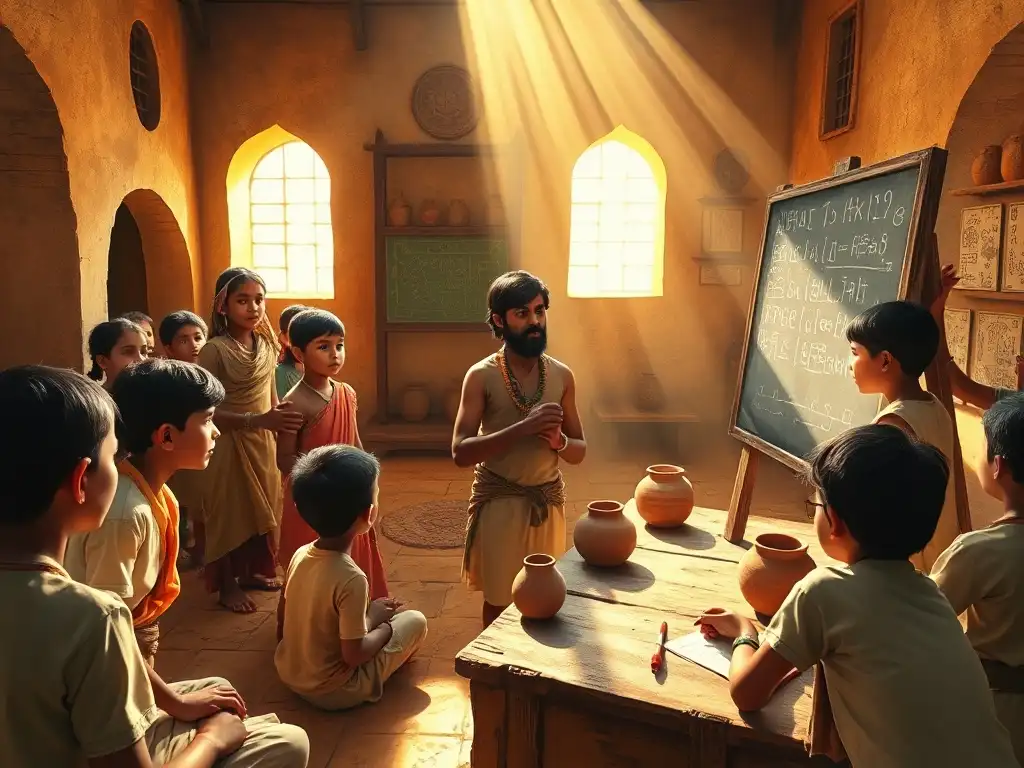
The education system of the Indus Valley Civilization, which flourished around 2500 BCE to 1900 BCE, reflects a sophisticated societal framework. Although much about this ancient education system remains a mystery due to limited archaeological evidence, certain aspects can be inferred through the analysis of artifacts, urban planning, and the social structure of the civilization.
At its core, the education system was likely structured around community needs and the practical skills required for daily life. It is believed that education was informal and community-based, with a focus on imparting knowledge and skills relevant to trade, agriculture, and domestic responsibilities. Children likely learned through observation and participation in daily activities, developing skills necessary for their future roles within the society.
The emphasis on practical skills does not overshadow the potential for more formalized education. Evidence suggests the existence of specialized institutions where subjects such as mathematics, writing, and craftsmanship were taught, indicating a structured approach to learning that catered to various societal needs.
Types of Educational Institutions
While specific details about educational institutions in the Indus Valley remain scarce, scholars suggest the presence of several types of learning environments. These may have included:
- Family-Based Learning: Most education likely took place within the household, where children learned from their parents and elders. This informal method allowed for the transmission of cultural values and practical skills relevant to family trades and responsibilities.
- Community Centers: Some scholars propose that communal spaces, possibly linked to religious or social gatherings, served as informal educational hubs. Here, elders could share knowledge about traditions, crafts, and agricultural practices.
- Craftsmen Guilds: Specialized training may have occurred within guilds or workshops where apprentices learned directly from skilled artisans. This system would have been essential for the transmission of specific technical skills, such as pottery, metallurgy, and textile production.
Despite the lack of explicit evidence, these institutions highlight the multifaceted nature of education in the Indus Valley, catering to different aspects of life and community engagement.
Curriculum and Subjects Taught
The curriculum of the Indus Valley education system was likely practical and closely tied to the needs of the society. Key subjects may have included:
- Agriculture: Given the agrarian nature of the civilization, knowledge of farming techniques, crop rotation, and seasonal cycles would have been crucial.
- Craftsmanship: Skills in pottery, weaving, and metallurgy were essential, with a focus on both technique and design. Children likely learned these skills through hands-on experience in workshops or home settings.
- Trade and Commerce: As a hub of trade, understanding weights, measures, and barter systems would have been important, possibly introduced through practical experiences in marketplaces.
- Writing and Mathematics: While the extent of literacy is still debated, it is believed that some form of writing and basic mathematical concepts were taught, likely for administrative purposes and trade transactions.
This curriculum highlights the practical orientation of education in the Indus Valley, emphasizing the acquisition of skills that directly benefited the community and economy.
Methods of Teaching in the Indus Valley Civilization
The methods of teaching in the Indus Valley Civilization were likely diverse and adaptable, focusing on experiential learning and community involvement.
Pedagogical Approaches
Education was probably characterized by hands-on and experiential learning, where students learned through doing rather than through formal lectures. Key pedagogical approaches might have included:
- Apprenticeship: Young learners would have been trained directly by skilled adults, allowing them to acquire specialized skills in various crafts and trades.
- Storytelling and Oral Tradition: Elders may have passed down cultural knowledge, moral lessons, and practical skills through stories, which fostered a sense of identity and community cohesion.
- Observation: Children likely learned by observing the activities of adults, mimicking their actions to develop practical skills. This method reinforced learning through repetition and practice.
These approaches suggest that the education system was deeply rooted in the community and practical life, ensuring that knowledge and skills were relevant and effectively transmitted.
Role of Community in Education
The community played a pivotal role in the education of children in the Indus Valley Civilization. Education was not confined to formal institutions but was a collective responsibility.
- Shared Knowledge: Community members, especially elders, would have shared their expertise and experiences, emphasizing the importance of communal learning.
- Cultural Transmission: The community acted as a custodian of cultural values, traditions, and practical skills, embedding these within the educational practices that shaped the identities of young learners.
- Supportive Environment: The communal context provided a supportive environment for learning, where children felt encouraged to explore and engage in various activities, fostering collaboration and teamwork.
In essence, the collective nature of education in the Indus Valley Civilization highlights the significance of community involvement in nurturing the next generation, ensuring the continuity of knowledge, culture, and skills.
Legacy of the Indus Valley Education System
The education system of the Indus Valley Civilization (IVC) represents a significant yet often overlooked aspect of its rich legacy. Evidence suggests that education in this ancient society was systematic and well-structured, focusing on practical skills and moral values essential for community living. Archaeological findings, such as seals, pottery, and inscriptions, indicate that literacy was valued, and a script—though undeciphered—was likely used for communication and record-keeping.
Education likely took place in informal settings, such as homes or community centers, emphasizing vocational training, craftsmanship, and trade skills. The emphasis on artisanship can be seen in the advanced techniques used in metallurgy, pottery, and textiles, suggesting that education was geared toward preparing individuals for specialized roles in society. This focus on practical knowledge not only equipped individuals with the necessary skills for their trades but also perpetuated the continuity of cultural practices and technological advancements, contributing to the civilization's resilience and prosperity.
Influence on Subsequent Indian Educational Systems
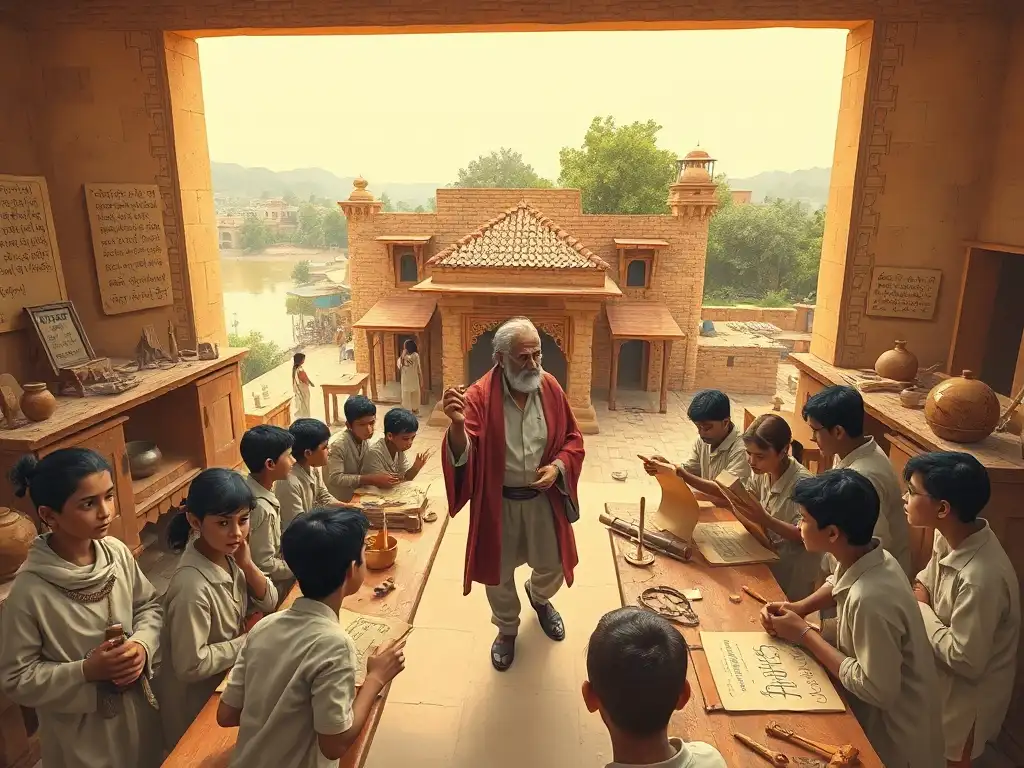
The educational principles established in the IVC laid foundational stones for subsequent Indian educational systems. As the civilization evolved, its educational practices influenced the later Vedic and Buddhist traditions. The emphasis on practical knowledge and moral upbringing can be seen reflected in the Gurukul system, where students lived with their teachers to learn not just academics but also ethics, arts, and trades.
Moreover, the importance of community involvement in education found its way into later systems, where local communities played a significant role in supporting educational initiatives. The IVC's legacy can be traced through these educational models, demonstrating how ancient wisdom has shaped the values and structures of education in India through the ages.
Comparisons with Other Ancient Civilizations
When compared to other ancient civilizations, the education system of the Indus Valley stands out for its focus on vocational training and practical skills. For instance, while ancient Greece emphasized philosophical discussions and public oratory, and ancient China prioritized Confucian teachings and bureaucratic education, the IVC appeared to prioritize the immediate needs of its economy and society.
In ancient Mesopotamia, education was predominantly focused on scribal training for the elite, whereas in the IVC, evidence suggests a more inclusive approach, possibly allowing various social strata to gain skills relevant to their roles. This practical orientation may have contributed to the IVC's economic stability and cultural richness, showcasing a unique educational paradigm that differed markedly from its contemporaries.
Conclusion: The Lasting Impact of the Indus Valley Education System
The education system of the Indus Valley Civilization was not merely a means of knowledge transmission; it played a crucial role in fostering a cohesive society. Its lasting impact can be seen in the way communities functioned and thrived, underscoring the importance of education in maintaining social order and cultural continuity.
Reflection on Forgotten Educational Legacies
Despite the advancements in modern education, the lessons from the Indus Valley's educational legacy remain relevant. The civilization's holistic approach, combining practical skills with moral teachings, offers valuable insights that can enrich contemporary educational frameworks. Recognizing and reflecting on these forgotten legacies can inspire a more integrated approach to education, one that values both knowledge and the cultivation of character.
The Importance of Reviving Ancient Wisdom in Modern Education
In an era where education often prioritizes standardized testing and rote memorization, revisiting the principles of the Indus Valley education system could provide a pathway to a more balanced educational experience. Emphasizing hands-on learning, community engagement, and ethical development could foster not only skilled professionals but also responsible citizens. By reviving ancient wisdom, educators can create a more enriching and meaningful learning environment that honors the diverse legacies of human civilization.
References and Further Reading
The education system of the Indus Valley Civilization, though often overlooked, is a subject of increasing scholarly interest. Numerous texts and resources provide insights into the educational practices, societal structures, and cultural norms of this ancient civilization. Below are some key texts and additional resources that can deepen your understanding of this fascinating topic.
Key Texts on Indus Valley Civilization
-
"The Indus Civilization: A Contemporary Perspective" by Gregory L. Possehl
This comprehensive book explores various aspects of the Indus Valley Civilization, including its urban planning, trade networks, and educational practices. Possehl's work is essential for understanding the broader context of the civilization's achievements.
-
"Indus Valley Civilization: An Encyclopedia" by S. P. Gupta
Gupta's encyclopedia provides an extensive overview of the Indus Valley Civilization, detailing its history, culture, and innovations, including education. This resource serves as a foundational text for anyone interested in the topic.
-
"The Archaeology of Ancient India" by Dilip K. Chakrabarti
This text offers archaeological insights into the Indus Valley and other ancient Indian civilizations. Chakrabarti discusses educational artifacts and structures, shedding light on the educational practices of the time.
-
"Indus Valley: The Ancient City" by Michael Jansen
Jansen's illustrated volume discusses the urban and cultural aspects of the Indus Valley Civilization, including education systems and their implications for social organization.
Additional Resources for Understanding Ancient Indian Education
-
Research Papers and Journals
Academic journals such as the Journal of Indian History and the Indian Historical Review often publish research articles focusing on ancient education systems in India, including those of the Indus Valley. Searching for peer-reviewed articles can yield valuable insights.
-
Online Databases and Archives
Websites like JSTOR and Google Scholar provide access to a wealth of academic papers related to the Indus Valley Civilization. Keywords such as "Indus Valley education" or "ancient Indian education systems" can help refine searches.
-
Documentaries and Lectures
Various documentaries available on platforms like YouTube delve into the Indus Valley Civilization, offering visual representations of archaeological findings and expert analyses. Watching lectures from historians and archaeologists can also enhance understanding.
-
Museums and Exhibitions
Visiting museums with collections on the Indus Valley Civilization, such as the National Museum in New Delhi or the British Museum, allows for firsthand observation of artifacts that may provide context to educational practices of the time.
These resources collectively contribute to a more nuanced understanding of the Indus Valley education system, illuminating the legacy of this remarkable civilization and its influence on subsequent educational frameworks in ancient India.
- Introduction to the Indus Valley Education System
- Overview of the Indus Valley Civilization
- Importance of Education in Ancient Societies
- Historical Context of the Indus Valley Education System
- Structure of Education in the Indus Valley
- Methods of Teaching in the Indus Valley Civilization
- Legacy of the Indus Valley Education System
- Influence on Subsequent Indian Educational Systems
- Conclusion: The Lasting Impact of the Indus Valley Education System
- References and Further Reading
- What was the education system like in the Indus Valley Civilization?
- Did the Indus Valley Civilization have any written language?
- How did the education system contribute to the Indus Valley's prosperity?
- Were there any specific subjects taught in Indus Valley education?
- What legacy did the Indus Valley education system leave behind?
Frequently Asked Questions
What was the education system like in the Indus Valley Civilization?
The Indus Valley education system focused on practical skills and vocational training, reflecting the society's emphasis on trade and craftsmanship. While formal schools are not well-documented, evidence suggests an organized approach to learning.
Did the Indus Valley Civilization have any written language?
Yes, the Indus Valley Civilization used a form of script, often referred to as the Indus script. However, it remains largely undeciphered, which limits our understanding of their literature and educational philosophies.
How did the education system contribute to the Indus Valley's prosperity?
The education system promoted specialized skills in areas like agriculture, artisanship, and trade, which were essential for the economic prosperity of the Indus Valley Civilization. This focus on practical knowledge helped sustain their complex society.
Were there any specific subjects taught in Indus Valley education?
While specific subjects are not clearly documented, it is believed that education included mathematics, geometry, and arts. This curriculum supported their achievements in architecture and urban planning.
What legacy did the Indus Valley education system leave behind?
The Indus Valley education system laid the groundwork for future civilizations in the region, influencing methods of learning and knowledge transfer. Its emphasis on practical skills continues to resonate in modern educational practices.
Final Reflection: Rediscovering the Indus Valley Education System's Legacy
The education system of the Indus Valley Civilization serves as a poignant reminder of the profound impact that structured learning can have on society. In today's fast-paced world, where education often feels standardized and impersonal, we must recognize the value of diverse educational practices that once flourished in ancient civilizations. The Indus Valley education system, with its emphasis on practical skills and holistic development, invites us to rethink our current approaches and adapt them to meet the needs of a rapidly evolving society.
Cultural legacies like that of the Indus Valley continue to shape our understanding of education and community. The principles embedded in their educational practices resonate through time, influencing modern pedagogies and inspiring educators to foster environments that prioritize creativity and critical thinking. > “Education is the most powerful weapon which you can use to change the world.” – Nelson Mandela. This quote encapsulates the essence of the Indus Valley's approach, urging us to harness the transformative power of education not just for individual growth, but for the betterment of society as a whole.
As we reflect on the lessons from the Indus Valley education system, let us embrace the opportunity to cultivate a learning environment that values diversity, creativity, and community engagement. I invite you to explore how you can incorporate these timeless principles into your own educational journey or support systems. By honoring the legacy of the past, we can inspire future generations to build a more inclusive and enlightened world, ensuring that the wisdom of ancient civilizations continues to guide us in our pursuit of knowledge and understanding.
Unveil the Secrets of Ancient Learning!
Thank you for your interest in exploring the fascinating education system of the Indus Valley Civilization! By delving into this forgotten legacy, you've unlocked a glimpse into the innovative practices and values that shaped early society. Now, let’s continue this journey with actionable steps that allow you to connect more deeply with this intriguing topic.
- Dive Deeper: Visit our resource section to access exclusive materials that provide deeper insights into the educational practices of the Indus Valley.
- Share Your Thoughts: Engage with fellow history enthusiasts by sharing this article on social media and starting conversations with your friends about your newfound knowledge.
- Explore New Horizons: Discover additional articles on our site that illuminate ancient educational methods across various cultures.
What aspect of the Indus Valley's educational practices fascinates you the most, and how do you think it compares to our current education system?