
The Environmental Adaptations of the Indus Valley Civilization

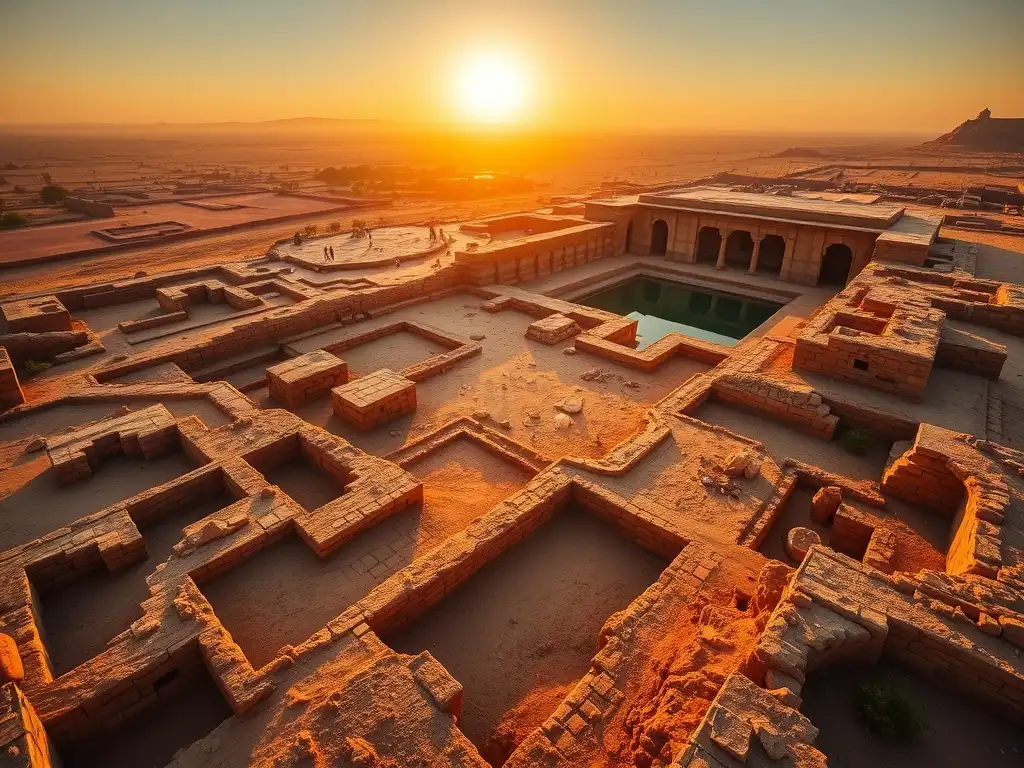
Welcome to Ancient India History, where we embark on a fascinating journey through time to uncover the rich tapestry of ancient Indian civilizations. In our featured article, "The Environmental Adaptations of the Indus Valley Civilization," we delve into the ingenious ways this remarkable society responded to their environment, shaping their culture and innovations. As you explore the intricate connections between geography and human ingenuity, prepare to be captivated by the legacy of the Indus Valley.
What secrets lie in their adaptations? Join us as we unveil the answers and invite you to discover more about the vibrant history that laid the foundation for modern India.
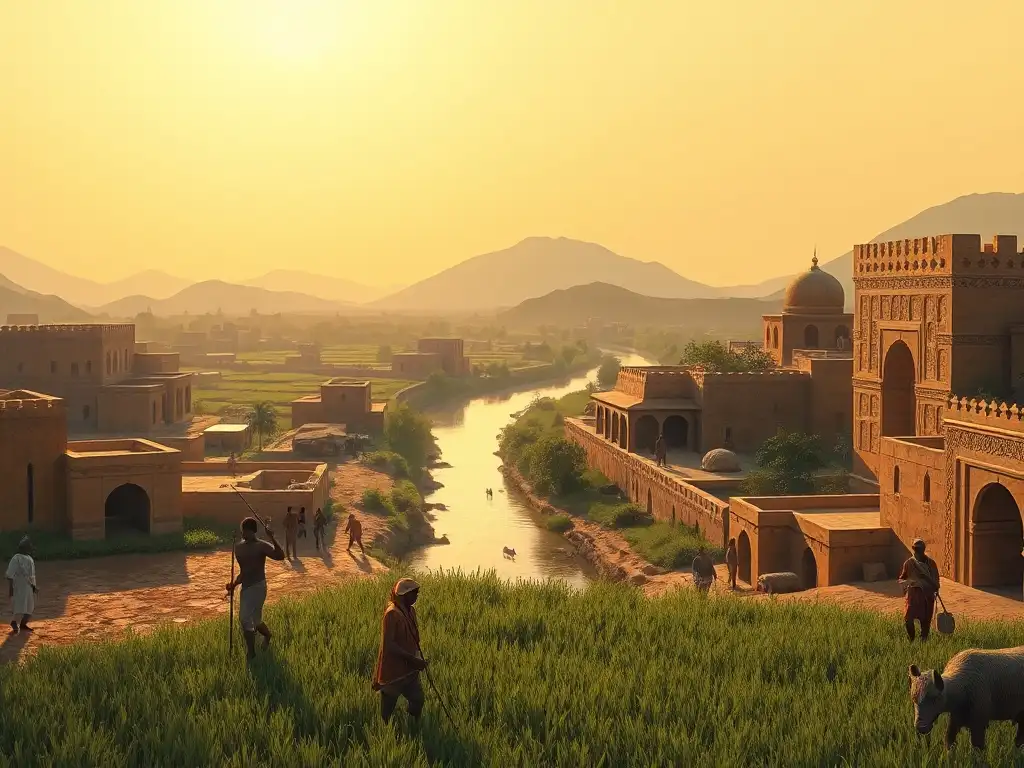
The Indus Valley Civilization, one of the earliest urban cultures in the world, flourished between 3300 BCE and 1300 BCE, primarily in what is now modern-day Pakistan and northwest India. This civilization is renowned not only for its advanced urban planning and architecture but also for its profound understanding of environmental adaptations.
The ability of the Indus Valley inhabitants to effectively harness their environment played a crucial role in their sustained prosperity and cultural achievements. This article delves into the various adaptations made by the Indus Valley Civilization, exploring how geography, climate, and innovative practices contributed to their survival and success in a challenging landscape.
Introduction to the Indus Valley Civilization
Overview of the Indus Valley Civilization
The Indus Valley Civilization, often referred to as the Harappan Civilization, was characterized by its well-planned cities such as Harappa and Mohenjo-Daro, sophisticated drainage systems, and impressive architecture. With a population estimated to be in the millions at its peak, this civilization demonstrated remarkable advancements in various aspects of life, including trade, craft, and governance. The urban centers were strategically located along the banks of the Indus River, allowing for agricultural productivity and facilitating trade with neighboring regions.
Importance of Environmental Adaptations in Ancient Civilizations
Understanding the environmental adaptations of ancient civilizations is vital to comprehending their longevity and success. These adaptations allowed societies to optimize their resource use, mitigate risks from natural disasters, and enhance agricultural output. For the Indus Valley Civilization, environmental adaptations were not merely reactions to their surroundings; they were integral to their identity and cultural evolution. Innovations in irrigation, architecture, and urban planning illustrate how the Indus people engaged with their environment, ensuring their civilization thrived for centuries.
Geographic Context of the Indus Valley Civilization
Location and Landscape of the Indus Valley
The Indus Valley Civilization occupied a vast area that extended across present-day Pakistan and parts of northwestern India. This region is marked by diverse landscapes, including fertile plains, deserts, and river valleys. The Indus River, along with its tributaries, provided essential water resources for agriculture, while the surrounding landscape facilitated trade routes and cultural exchange. The geographic positioning of the civilization enabled access to valuable resources such as timber, minerals, and agricultural products, contributing to its economic stability.
Climate Conditions in the Indus Valley Region
The climate of the Indus Valley region is generally characterized by a semi-arid climate, with distinct wet and dry seasons. The summer monsoon, which typically occurs between June and September, brings significant rainfall, replenishing rivers and supporting agriculture. However, variations in climate, including periods of drought, posed challenges for the inhabitants. The Indus Valley Civilization’s ability to adapt to these climatic conditions through effective water management techniques and agricultural practices illustrates their resilience and ingenuity in the face of environmental challenges.
Key Environmental Adaptations of the Indus Valley Civilization
The Indus Valley Civilization (IVC), flourishing around 2500 BCE in what is now Pakistan and northwest India, showcases remarkable environmental adaptations that allowed its people to thrive in a challenging landscape. The civilization was characterized by its advanced urban planning, agricultural techniques, and social organization, all tailored to the distinct geographical and climatic conditions of the region. These adaptations not only ensured the survival of the civilization but also fostered its growth and complexity.
The inhabitants of the IVC skillfully managed the seasonal monsoon rains, utilizing intricate irrigation systems to divert water from rivers and streams to their fields. They also developed a sophisticated understanding of crop rotation and soil management, which maximized agricultural yields. Moreover, their urban centers were strategically located near rivers, which provided essential resources for trade and sustenance. The interplay between these environmental factors and human ingenuity is evident in the lasting legacy of the Indus Valley Civilization.
Agricultural Innovations in the Indus Valley
Agriculture was the backbone of the Indus Valley Civilization, and its innovations were crucial for sustaining its population. The fertile floodplains of the Indus River allowed for the cultivation of various crops, including wheat, barley, peas, and cotton. The IVC people developed advanced farming techniques, such as:
- Irrigation systems: Utilizing canals and reservoirs to manage water supply effectively.
- Crop domestication: Selecting and breeding crops that were best suited to local conditions, enhancing resilience to climate variations.
- Plough cultivation: The introduction of the plough increased agricultural efficiency, allowing for deeper tillage and improved soil aeration.
These innovations not only supported the local diet but also laid the foundation for trade, as surplus production enabled the exchange of goods with neighboring regions.
Urban Planning and Infrastructure Adaptations
The cities of the Indus Valley Civilization, such as Harappa and Mohenjo-Daro, exemplified advanced urban planning and infrastructure adaptations. The layout of these cities reflects a sophisticated understanding of urban design, including:
- Grid patterns: Streets were laid out in a grid pattern, facilitating movement and organization.
- Drainage systems: The presence of advanced drainage systems indicates a high degree of public health awareness and urban sanitation.
- Public baths and granaries: Structures like the Great Bath and large granaries highlight the importance of communal activities and storage, which were essential for managing resources.
These urban adaptations not only optimized living conditions but also fostered a sense of community and social cohesion among the inhabitants.
Adaptation to Natural Disasters
The geographical location of the Indus Valley made it vulnerable to natural disasters, including floods and earthquakes. The civilization exhibited resilience through various adaptations, such as:
- Elevated construction techniques: Buildings were often constructed on raised platforms to mitigate flood damage.
- Urban layout: The strategic layout of cities allowed for easy evacuation and access to higher ground during emergencies.
- Diverse agricultural practices: By diversifying crops and using varied farming techniques, the IVC reduced the risk of total crop failure due to adverse weather conditions.
These proactive measures illustrate the civilization's capacity to adapt to and mitigate the impacts of environmental challenges.
The environmental adaptations of the Indus Valley Civilization had profound social and economic implications, shaping the dynamics of daily life and community organization.
Impact on Trade and Economy
The agricultural surplus generated by innovative farming practices led to a thriving economy, with trade networks extending across the region and beyond. The IVC engaged in trade of essential goods such as:
- Textiles: Cotton fabric produced in the region was highly valued.
- Metals: Copper and bronze tools and ornaments were traded extensively.
- Agricultural products: Grains and pulses were exchanged with neighboring cultures.
The economic prosperity fostered by these adaptations facilitated the growth of urban centers and enhanced cultural exchanges, contributing to the civilization’s overall richness.
Role of Adaptations in Community Organization
The successful environmental adaptations also played a crucial role in community organization. As agricultural productivity increased, social structures became more complex, leading to:
- Specialization of labor: The division of labor emerged, with individuals taking on specific roles such as artisans, traders, and farmers.
- Formation of social hierarchies: Economic prosperity contributed to the development of distinct social classes, influencing governance and communal responsibilities.
- Cultural identity: Shared adaptations to the environment fostered a sense of community and cultural identity, as practices such as water management and agricultural techniques were passed down through generations.
These social dynamics were integral to the cohesion and sustainability of the Indus Valley Civilization, illustrating how environmental adaptations shaped not only the economy but also the very fabric of society.
Cultural Reflections of Environmental Adaptations
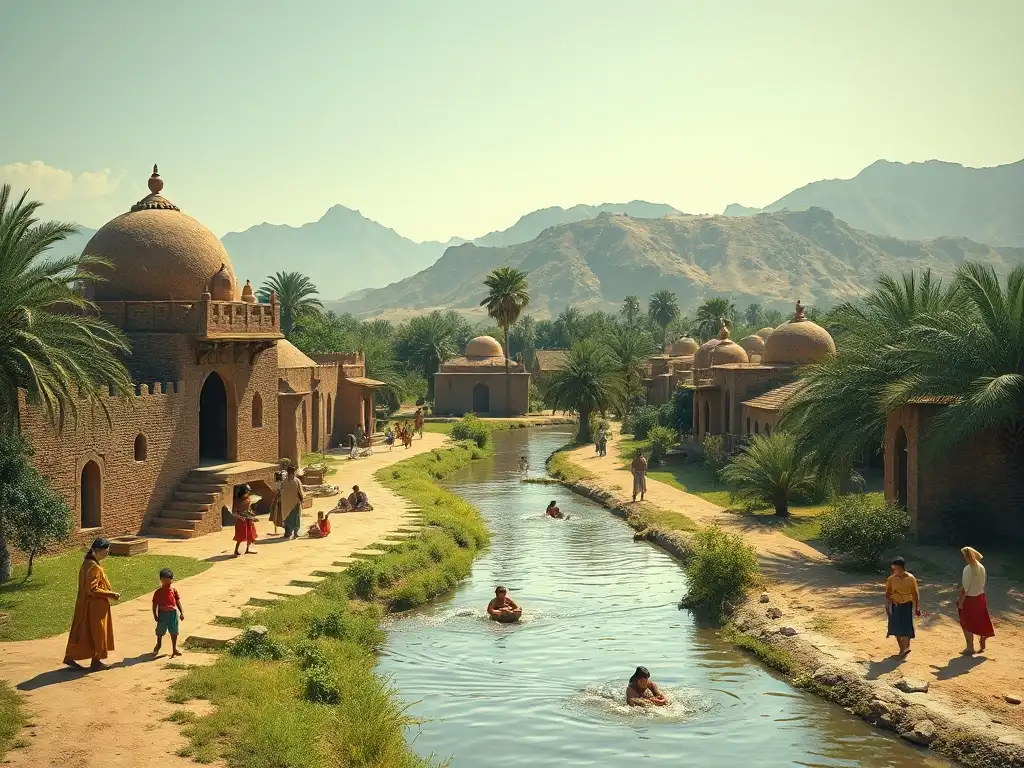
The Indus Valley Civilization (IVC) is renowned for its remarkable environmental adaptations that are intricately woven into its cultural fabric. The civilization thrived in a diverse geographic setting, influenced heavily by the rich alluvial plains of the Indus River and the surrounding natural resources. This interplay between environment and culture is evident in various aspects, including art, architecture, and spiritual practices. The inhabitants of the IVC demonstrated a profound understanding of their surroundings, leading to innovations that not only ensured their survival but also shaped their identity and societal norms.
Art and Architecture Influenced by Environment
The architectural achievements of the Indus Valley Civilization reflect a deep connection to the environment. Cities like Harappa and Mohenjo-Daro were meticulously planned, showcasing advanced urban planning that took into account the local climate and geography. Buildings were constructed using locally sourced materials such as baked bricks, which were durable and suited to the hot and arid climate.
The layout of these cities also displayed an understanding of water management, with sophisticated drainage systems and wells. The use of raised platforms in some structures indicates adaptation to seasonal flooding, a common challenge in the region. Additionally, artistic expressions often depicted natural elements, with seals and pottery featuring motifs of flora and fauna, suggesting a reverence for the environment that surrounded them.
Spiritual and Religious Practices Related to Nature
Spirituality in the Indus Valley Civilization was closely linked to the natural world. Archaeological finds suggest that the people worshipped various deities, many of whom were associated with natural elements such as rivers, mountains, and fertility. The reverence for the Indus River itself may have played a central role in their spiritual practices, symbolizing sustenance and life.
Rituals and ceremonies likely revolved around agricultural cycles, celebrating the changing seasons and the bounty they brought. The presence of fire altars and the emphasis on purity and cleanliness in their urban design further indicate that the environment significantly influenced their religious beliefs and practices. This relationship between spirituality and nature not only highlights their adaptive strategies but also serves as a reflection of their worldview, where nature was both a provider and a sacred entity.
Conclusion: Lasting Legacy of the Indus Valley Civilization Adaptations
The environmental adaptations of the Indus Valley Civilization laid the groundwork for many aspects of subsequent Indian cultures. Their innovative approaches to urban planning, resource management, and spiritual practices have left an indelible mark on the region's history.
Summary of Key Environmental Adaptations
The Indus Valley Civilization's key adaptations included:
- Advanced urban planning with grid-like city layouts.
- Sophisticated water management systems, including drainage and wells.
- Utilization of local materials for construction, particularly baked bricks.
- Agricultural practices that aligned with seasonal shifts and environmental conditions.
These adaptations not only ensured their survival but also set a precedent for future civilizations in the Indian subcontinent.
Influence on Subsequent Indian Civilizations
The legacy of the Indus Valley Civilization's environmental adaptations can be seen in various subsequent Indian civilizations. Techniques in urban planning and water management were adopted and refined by later cultures, including the Mauryas and the Guptas. Furthermore, the spiritual practices that emerged from this civilization influenced the development of later religious traditions in India, emphasizing the continued significance of the natural world in shaping cultural and spiritual identities. The enduring connection to their environment illustrates how the adaptations of the IVC have resonated through time, influencing the trajectory of Indian civilization as a whole.
Further Reading and Resources on Indus Valley Civilization Adaptations
Exploring the environmental adaptations of the Indus Valley Civilization (IVC) provides valuable insights into how this ancient society thrived in a challenging landscape. For those interested in delving deeper into the adaptations and innovations of the IVC, a variety of resources are available. Below, we outline recommended books, articles, and online resources that shed light on this fascinating topic.
Recommended Books and Articles
-
"The Indus Civilization: A Contemporary Perspective" by Gregory L. Possehl
This book provides an in-depth analysis of the archaeological findings related to the IVC, focusing on how the civilization adapted to its environment. It covers aspects such as urban planning, agricultural practices, and trade.
-
"Indus Valley Civilization" by R.S. Sharma
This comprehensive overview discusses the socio-economic structures of the IVC, including their advanced irrigation systems and urban planning that facilitated adaptation to varied environmental conditions.
-
"The Archaeology of the Indus River Valley" by E.C. Possehl
This article delves into the archaeological evidence of the IVC’s environmental adaptations, emphasizing water management and agricultural innovations that supported a large population.
-
"Environmental Adaptations and Settlement Patterns of the Indus Valley Civilization" by Rani Mohan
This research paper highlights the relationship between environmental conditions and settlement choices made by the IVC, showcasing how geography influenced their societal structure.
-
"Ancient Cities of the Indus Valley Civilization" by John S. Manley
This book offers a detailed look at the urban centers of the IVC, exploring how city planning and architecture were influenced by the surrounding environment.
Online Resources and Documentaries
-
The British Museum's Indus Valley Civilization Page
This online resource provides a wealth of information about the artifacts, culture, and environmental adaptations of the IVC, along with interactive features that enhance understanding.
-
"The Indus Valley Civilization: A Journey Through Time" - YouTube Documentary
This documentary explores the rise and fall of the IVC, highlighting their remarkable adaptations to the environment through visuals and expert interviews.
-
National Geographic's Feature on the Indus Valley Civilization
This feature includes articles, images, and videos that discuss the environmental aspects of the IVC, focusing on their innovative farming techniques and urban design.
-
"The Indus Valley Civilization: A Web Portal" by Archaeological Survey of India
This portal offers access to archaeological reports, excavation findings, and research papers related to the IVC, providing an invaluable resource for further study on their adaptations.
-
"Indus Valley Civilization: The Great Urban Society" - TED-Ed Lesson
This animated lesson introduces the key concepts of the IVC, including how they adapted to their environment, making it an engaging resource for visual learners.
By exploring these resources, readers can gain a more comprehensive understanding of how the Indus Valley Civilization adeptly adapted to its environment, ensuring its prosperity and longevity.
- Introduction to the Indus Valley Civilization
- Geographic Context of the Indus Valley Civilization
- Key Environmental Adaptations of the Indus Valley Civilization
- Social and Economic Implications of Environmental Adaptations
- Cultural Reflections of Environmental Adaptations
- Conclusion: Lasting Legacy of the Indus Valley Civilization Adaptations
- Further Reading and Resources on Indus Valley Civilization Adaptations
- What were the main environmental adaptations of the Indus Valley Civilization?
- How did the Indus Valley Civilization manage water resources?
- What crops were primarily cultivated by the Indus Valley inhabitants?
- How did trade influence the adaptations of the Indus Valley Civilization?
- What role did urban planning play in the Indus Valley Civilization's adaptations?
Frequently Asked Questions
What were the main environmental adaptations of the Indus Valley Civilization?
The Indus Valley Civilization adapted to diverse environments by developing advanced agricultural techniques, utilizing irrigation systems, and crafting durable buildings to withstand local climatic conditions.
How did the Indus Valley Civilization manage water resources?
They constructed a complex drainage system and used reservoirs and water channels for irrigation, which were crucial for supporting agriculture and urban life in a semi-arid climate.
What crops were primarily cultivated by the Indus Valley inhabitants?
The civilization cultivated a variety of crops, including wheat, barley, and cotton, which were essential for their diet and also formed the basis of their trade with neighboring regions.
How did trade influence the adaptations of the Indus Valley Civilization?
Trade with regions like Mesopotamia allowed the Indus people to acquire new technologies and materials, which in turn influenced their agricultural practices and contributed to economic prosperity.
What role did urban planning play in the Indus Valley Civilization's adaptations?
The Indus Valley cities featured well-planned layouts with grid patterns, sophisticated drainage, and public baths, showcasing their ability to adapt to urban living in a challenging environment.
Final Reflection: The Enduring Legacy of Indus Valley Civilization Adaptations
The environmental adaptations of the Indus Valley Civilization are not just a relic of the past; they resonate profoundly with our current challenges in sustainability and resource management. As we grapple with climate change and the need for innovative solutions, the ingenuity displayed by this ancient civilization serves as a powerful reminder of humanity's capacity to adapt and thrive in the face of adversity. Their ability to engineer sophisticated urban planning and agricultural techniques highlights a striking truth: adaptability is key to survival.
The influence of the Indus Valley Civilization extends far beyond its historical context; it continues to shape our cultural and social landscapes today. Their legacy is a testament to the importance of harmonizing human activity with environmental stewardship. As we navigate modern challenges, we can draw inspiration from their practices. The greatest threat to our planet is the belief that someone else will save it.
– Robert Swan. This quote encapsulates the urgency of taking personal responsibility for our environment, a principle that was deeply embedded in the ethos of the Indus Valley people.
As we reflect on the lessons from the Indus Valley Civilization, I invite you to consider how you can apply these insights in your own life. Embrace the spirit of innovation and adaptability that characterized this remarkable civilization. Whether it's through sustainable practices in your daily routine or advocating for environmental policies, your actions can contribute to a more resilient future. Let us honor the legacy of the Indus Valley by committing to a path of conscious living and environmental stewardship, ensuring that we, too, can adapt and thrive in harmony with our planet.
Unveil the Secrets of Sustainable Living Today!
Thank you for diving into the fascinating world of the Indus Valley Civilization. Your exploration of their remarkable environmental adaptations highlights the innovative ways ancient societies harmonized with nature. Now, it’s time to apply these timeless lessons to our modern lives!
Here are a few steps you can take to embrace sustainable practices inspired by the Indus Valley:
- Implement a water conservation strategy at home: Start by fixing leaks, collecting rainwater, or using water-efficient appliances.
- Explore sustainable agriculture: Consider planting drought-resistant crops or establishing a community garden to enhance local food sources.
- Share your knowledge! Initiate a conversation with friends and family about the importance of adopting eco-friendly practices.
What actions will you take today to honor the wisdom of the past while creating a greener future?