
The Role of the Indus Valley in Shaping Ancient Indian Technology and Science

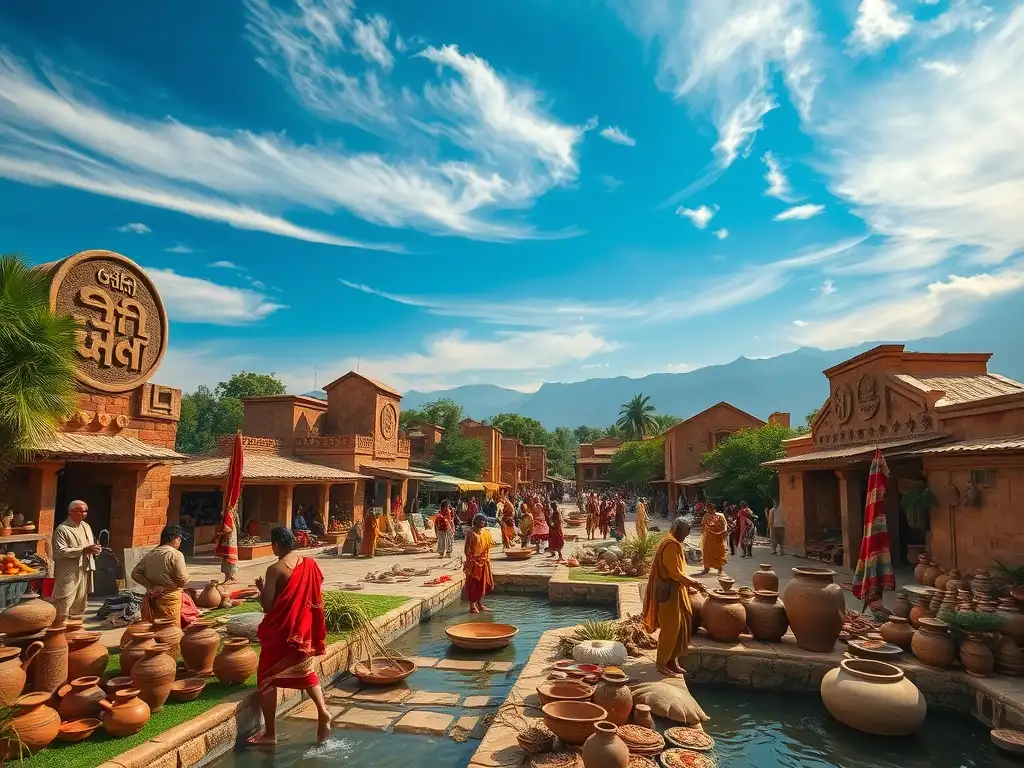
Welcome to Ancient India History, where we embark on an exhilarating journey through the captivating tapestry of ancient Indian civilizations. From the awe-inspiring innovations of the Indus Valley to the profound intellectual achievements of the Gupta Empire, our exploration reveals how these cultures have shaped not only their time but also the world.
In our featured article, “The Role of the Indus Valley in Shaping Ancient Indian Technology and Science,” we delve into the remarkable contributions of Indus Valley ancient technology, uncovering secrets that continue to influence modern advancements. Prepare to ignite your curiosity and deepen your understanding as you navigate through the pages of history that are rich with knowledge and discovery!
Introduction to the Indus Valley Civilization
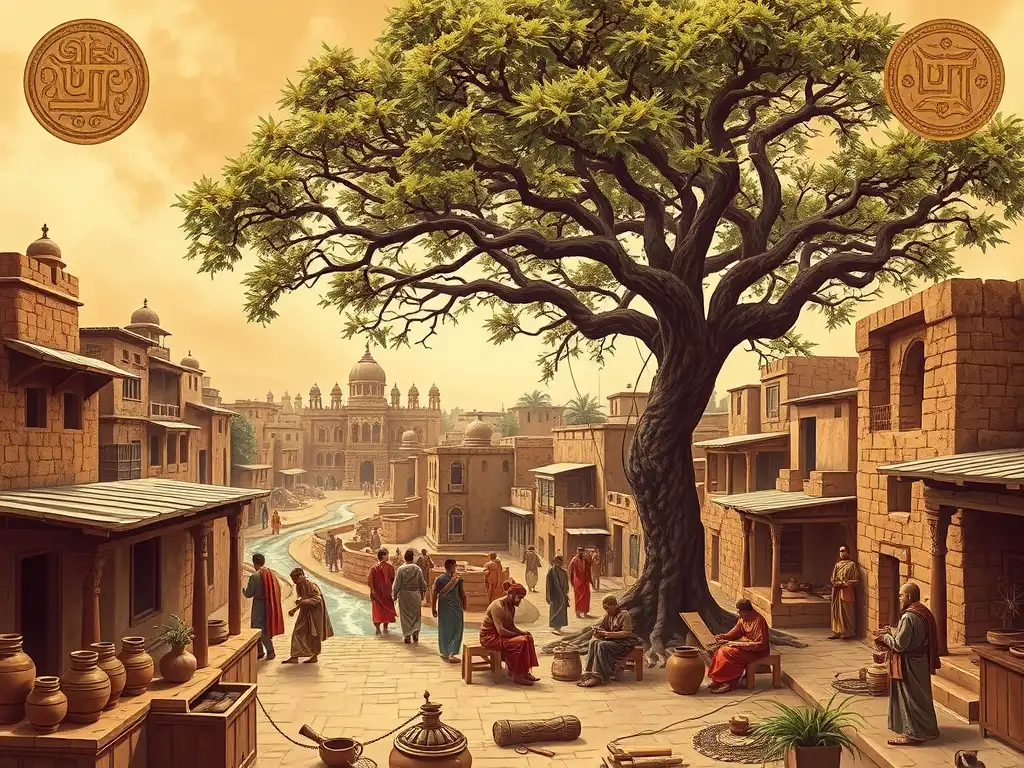
The Indus Valley Civilization (IVC), emerging around 2500 BCE, stands as one of the most remarkable ancient cultures in the world. Spanning modern-day Pakistan and northwest India, this civilization was distinguished by its sophisticated urban centers, advanced technology, and intricate social structures.
As we delve into the Indus Valley ancient technology contributions, we uncover how this civilization not only laid the groundwork for future advancements in the Indian subcontinent but also influenced various aspects of life, including urban planning, agriculture, and craftsmanship. The innovations birthed in the IVC continue to resonate through time, reflecting a legacy of ingenuity and resilience that is foundational to understanding ancient Indian history.
Overview of the Indus Valley Civilization
The IVC, also known as the Harappan Civilization, was characterized by its well-planned cities such as Harappa and Mohenjo-Daro. These cities featured a grid layout, advanced drainage systems, and standardized fired brick construction, which exemplify the architectural prowess of the time. The civilization thrived on the banks of the Indus River, which provided fertile land for agriculture and facilitated trade. The people of the IVC engaged in various economic activities, including farming, trading, and crafting, leading to a vibrant, interconnected society.
Significance of the Indus Valley in Ancient Indian History
The significance of the Indus Valley Civilization extends beyond its immediate geographical confines. It played a crucial role in shaping the technological and scientific landscape of ancient India. Scholars believe that the innovations developed during the Harappan era laid the foundations for subsequent Indian civilizations, influencing everything from urban development to agricultural practices. The IVC's emphasis on trade and craftsmanship fostered a culture of knowledge sharing, which contributed to advancements in various fields, including metallurgy, mathematics, and engineering.
Key Contributions of Indus Valley Ancient Technology
The technological advancements of the Indus Valley Civilization were pivotal in setting the stage for future innovations in India. The contributions of the IVC can be categorized into several key areas:
Urban Planning and Architecture
The urban planning of the Indus Valley cities is perhaps one of the most notable achievements of this civilization. The cities were equipped with:
- Grid layouts: Streets were laid out in a systematic grid pattern, enhancing mobility and organization.
- Advanced drainage systems: The civilization implemented sophisticated sewage and drainage systems, showcasing their understanding of urban sanitation.
- Public baths and granaries: Structures like the Great Bath of Mohenjo-Daro indicate the importance of public health and storage management.
These architectural innovations reflect a remarkable degree of planning and engineering skill, setting a precedent for future urban development in the region.
Agricultural Innovations
Agriculture in the Indus Valley was significantly advanced for its time, characterized by:
- Irrigation techniques: The civilization developed various irrigation methods to harness the waters of the Indus River, boosting crop yields.
- Crop diversification: Evidence suggests that the Harappans cultivated a range of crops, including wheat, barley, and cotton, which played a vital role in their economy.
- Animal husbandry: The domestication of animals such as cattle and sheep contributed to agricultural productivity and provided resources for trade.
These agricultural innovations not only ensured food security but also facilitated the growth of trade networks.
Craftsmanship and Manufacturing
The craftsmanship of the Indus Valley Civilization is evident in the high-quality artifacts that have been discovered, such as:
- Terracotta figurines: These intricate pieces reflect the artistic skills and cultural expressions of the Harappans.
- Metalwork: The use of bronze and copper for tools and ornaments indicated advanced metallurgical practices.
- Textiles: The production of cotton textiles was a hallmark of the IVC, which later became a major trade commodity.
The manufacturing techniques developed during this time laid the groundwork for future industries in the Indian subcontinent, showcasing the IVC's influence on ancient technology.
The Indus Valley Civilization's contributions to ancient technology and science are profound and far-reaching. By exploring these innovations, we gain insight into how the IVC shaped the technological landscape of ancient India, leaving a legacy that continues to inspire and inform our understanding of civilization development.
Scientific Advancements in the Indus Valley
The Indus Valley Civilization (IVC), which thrived around 2600 to 1900 BCE, is renowned for its remarkable scientific advancements that laid the groundwork for future developments in various fields. Characterized by well-planned cities, advanced drainage systems, and standardized weights and measures, the IVC demonstrated a sophisticated understanding of engineering and urban planning. The civilization’s ability to create large, fortified settlements like Mohenjo-Daro and Harappa reflects their significant achievements in construction and architecture.
One of the notable aspects of their scientific prowess was in metallurgy. The people of the Indus Valley were adept at working with copper, bronze, lead, and tin. Evidence suggests that they developed techniques for smelting and casting metals, which were critical for creating tools, weapons, and ornamental items. This knowledge not only showcases their technical skills but also indicates a deep understanding of material properties and their applications.
Furthermore, the IVC's contributions to weights and measures were pivotal. The use of standardized weights made trade more efficient and laid the foundation for future economic systems. These advancements contributed to the establishment of a complex society that was capable of supporting large populations and facilitating commerce.
Mathematical Knowledge and Practices
Mathematics in the Indus Valley Civilization was integral to various aspects of daily life, including trade, construction, and astronomy. Archaeological findings suggest that the Indus people utilized a decimal system, which is evident in their use of standardized weights and measures. This decimal system allowed for precise calculations and efficient trade practices.
Moreover, the layout of cities reflects advanced mathematical planning. The grid pattern of streets in cities like Harappa indicates a sophisticated understanding of geometry. The IVC also demonstrated knowledge of geometry through the construction of intricate drainage systems that required careful planning and execution.
In terms of astronomical practices, the alignment of certain structures suggests that the Indus Valley people may have had an understanding of celestial bodies and their movements. This knowledge would have been crucial for agricultural planning and navigation.
Medical Practices and Herbal Medicine
The medical practices of the Indus Valley Civilization reveal a deep understanding of health and wellness. The archaeological record indicates that the people employed a variety of herbal remedies derived from local flora. The use of plants for medicinal purposes suggests that they had a keen awareness of natural resources and their healing properties.
Evidence of surgical instruments, such as scalpels and forceps, hints at advanced surgical practices. The presence of baths in urban centers like Mohenjo-Daro indicates that hygiene was a priority, and this focus on cleanliness may have contributed to their overall health and well-being.
Furthermore, seals and inscriptions found in the region may suggest early forms of medical texts, documenting treatments and remedies, which would have been passed down through generations. This integration of practical medicine and herbal knowledge played a vital role in the health practices of the civilization and influenced subsequent medical traditions in ancient India.
The Influence of Indus Valley Technology on Subsequent Civilizations
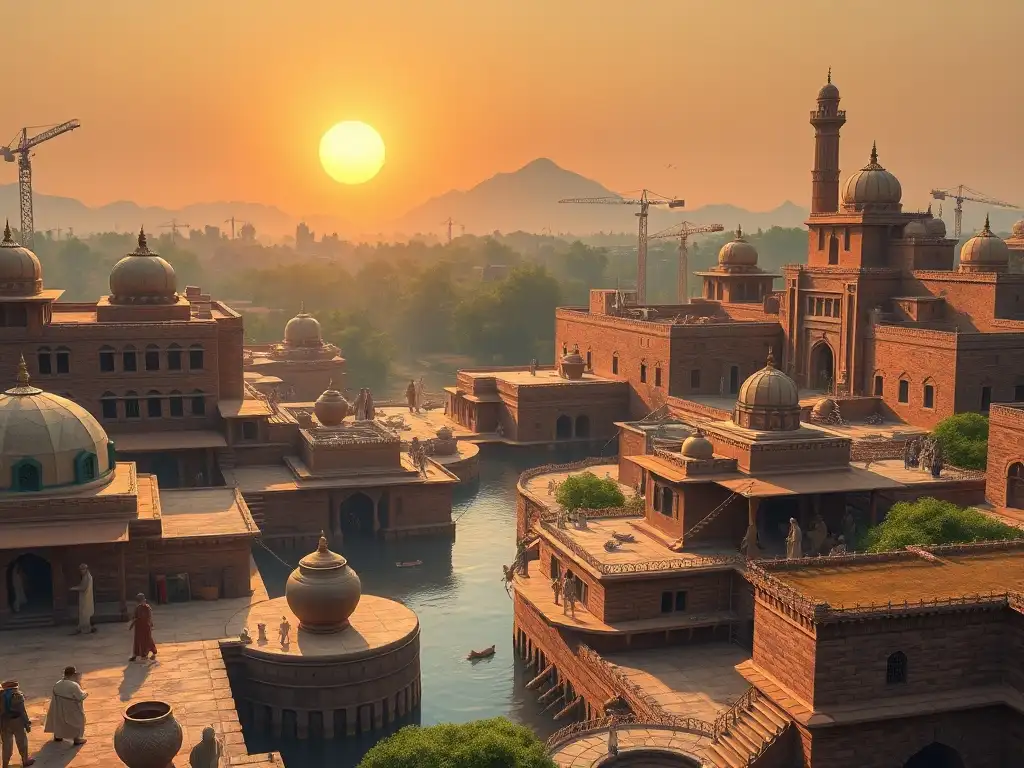
The technological and scientific innovations of the Indus Valley Civilization significantly influenced later Indian cultures and other neighboring regions. The advancements made in urban planning, metallurgy, and mathematics served as a foundation for future developments in technology and science across the subcontinent.
Impact on Later Indian Cultures
The legacy of the Indus Valley's technological contributions can be seen in later Indian civilizations, particularly during the Vedic period and beyond. The principles of urban planning and architecture established by the IVC are reflected in the cities built by subsequent cultures. The emphasis on trade and commerce, which was fostered by the use of standardized weights and measurements, continued to thrive in later societies, enhancing economic interactions.
Moreover, the medicinal knowledge and practices developed by the IVC influenced Ayurvedic medicine, which became a cornerstone of health and wellness in ancient India. The integration of herbal remedies and holistic practices has persisted through the ages, showcasing the enduring impact of Indus Valley medical advancements on Indian culture.
Transmission of Knowledge to Neighboring Regions
The influence of Indus Valley technology extended beyond the Indian subcontinent, reaching neighboring regions through trade and cultural exchange. As the IVC engaged in commerce with Mesopotamia and other civilizations, they shared not only goods but also knowledge and practices. This exchange facilitated the transmission of mathematical concepts, metallurgical techniques, and urban planning ideas to other cultures.
Archaeological evidence indicates that the IVC's innovations in agriculture, such as irrigation methods and crop cultivation techniques, influenced agricultural practices in regions like Persia and beyond. The spread of these techniques contributed to the development of more complex societies, illustrating the far-reaching effects of the Indus Valley's technological contributions on the ancient world.
Conclusion: The Lasting Legacy of Indus Valley Ancient Technology Contributions
The Indus Valley Civilization, known for its remarkable urban planning and technological advancements, has left an indelible mark on the history of ancient Indian technology and science. Its innovations in various fields, from water management to metallurgy, not only shaped the region's development during its time but also laid a foundation for future generations. The sophisticated methodologies developed by the Indus Valley people have influenced subsequent civilizations in India and beyond, highlighting the significance of their contributions to the broader narrative of human progress.
The legacy of the Indus Valley is evident in modern practices, such as urban planning and agricultural techniques. Their ability to adapt to environmental challenges and implement sustainable practices resonates with contemporary concerns about ecology and resource management. By studying and appreciating the technological achievements of the Indus Valley Civilization, we can draw parallels to modern innovations, emphasizing the continuity of human ingenuity across the ages.
Summary of Key Contributions
The Indus Valley Civilization made several noteworthy contributions that significantly impacted ancient technology and science:
- Urban Planning: Cities like Mohenjo-Daro and Harappa were meticulously planned with advanced drainage systems, grid layouts, and standardized brick sizes, showcasing an understanding of urban infrastructure that was revolutionary for its time.
- Water Management: The development of sophisticated water supply systems, including wells and reservoirs, underscores their expertise in hydraulic engineering, allowing for effective irrigation and sanitation.
- Metallurgy: The Indus Valley people were skilled in metallurgy, producing high-quality tools and ornaments from copper, bronze, and precious metals. Their techniques in alloying contributed to advancements in tool-making.
- Weights and Measures: The civilization established a system of standardized weights and measures, facilitating trade and commerce, which was crucial for economic development.
- Craftsmanship: The artisans of the Indus Valley excelled in bead-making, pottery, and textile production, reflecting a high level of craftsmanship that influenced later artistic traditions in the region.
These contributions not only highlight the technological prowess of the Indus Valley Civilization but also its role in fostering trade and cultural exchanges across ancient India and neighboring regions.
The Importance of Preserving Indus Valley Heritage
Preserving the heritage of the Indus Valley Civilization is vital for several reasons. Firstly, it serves as a testament to the ingenuity and resilience of early human societies. By safeguarding archaeological sites and artifacts, we ensure that future generations can learn from and appreciate the advancements made by our ancestors.
Moreover, understanding the Indus Valley's contributions to technology and science can inspire contemporary innovation. By studying their methods, modern scientists and engineers can find sustainable solutions to current challenges, such as water scarcity and urbanization.
Additionally, the preservation of Indus Valley heritage fosters a sense of identity and pride among communities in the region. It encourages cultural tourism, which can significantly benefit local economies while promoting awareness and appreciation of ancient Indian history.
References and Further Reading
To deepen your understanding of the Indus Valley Civilization and its technological contributions, consider the following resources:
Suggested Books on Indus Valley Technology
-
"The Indus Civilization: A Contemporary Perspective" by Gregory L. Possehl
This book provides a comprehensive overview of the Indus Valley Civilization, covering its technological advancements and cultural significance.
-
"In Search of the Indus Valley Civilization" by R. S. Sharma
This work explores the archaeological findings and technological achievements of the Indus Valley, presenting a detailed analysis of its societal structures.
-
"Ancient India: From the Earliest Times to the First Century A.D." by Romila Thapar
A scholarly examination of early Indian history, including the contributions of the Indus Valley to ancient technology and society.
Online Resources for Exploring Ancient Indian Science
- Archaeological Survey of India: The official website offers insights into ongoing excavations and research related to the Indus Valley Civilization, along with educational materials.
- Indus Valley Civilization - National Geographic: This resource provides articles and visuals that explore the technological advancements and daily life in the Indus Valley.
- The British Museum - Indus Valley Exhibitions: A collection of online exhibits showcasing artifacts from the Indus Valley, accompanied by detailed descriptions and historical context.
By engaging with these resources, readers can further appreciate the remarkable achievements of the Indus Valley Civilization and its lasting impact on technology and science in ancient India.
- Introduction to the Indus Valley Civilization
- Key Contributions of Indus Valley Ancient Technology
- Scientific Advancements in the Indus Valley
- The Influence of Indus Valley Technology on Subsequent Civilizations
- Conclusion: The Lasting Legacy of Indus Valley Ancient Technology Contributions
- References and Further Reading
- What were some key technologies developed in the Indus Valley?
- How did the Indus Valley's contributions influence later Indian civilizations?
- What role did trade play in the technological development of the Indus Valley?
- How did the Indus Valley contribute to urbanization in ancient India?
- What are some examples of scientific practices from the Indus Valley?
Frequently Asked Questions
What were some key technologies developed in the Indus Valley?
The Indus Valley civilization is known for its advanced urban planning, including the use of drainage systems and water management techniques that were ahead of their time.
How did the Indus Valley's contributions influence later Indian civilizations?
The technological innovations from the Indus Valley laid the groundwork for future scientific advancements in areas like mathematics, metallurgy, and agriculture throughout ancient India.
What role did trade play in the technological development of the Indus Valley?
Trade networks established by the Indus Valley civilization facilitated the exchange of ideas and technologies, which significantly contributed to their technological advancements and economic prosperity.
How did the Indus Valley contribute to urbanization in ancient India?
The sophisticated city layouts and infrastructure of the Indus Valley, such as brick buildings and organized streets, set a precedent for urban development in subsequent Indian civilizations.
What are some examples of scientific practices from the Indus Valley?
The Indus Valley civilization showcased early practices in metallurgy, including the use of copper and bronze, and demonstrated knowledge in weight measurement and geometry, influencing later scientific pursuits.
Final Reflection: The Enduring Legacy of Indus Valley Ancient Technology Contributions
The Indus Valley civilization stands as a testament to the ingenuity and sophistication of ancient technology, with its remarkable contributions shaping not only the region but also laying the groundwork for future advancements in science and engineering. Today, as we navigate a world increasingly driven by technology, the lessons from the Indus Valley remind us of the importance of innovation and sustainability in our own practices. The echoes of their achievements resonate in our modern society, urging us to appreciate the foundations upon which our current technologies are built.
The influence of the Indus Valley extends far beyond its geographical boundaries, intertwining with the cultural and social fabric of contemporary India and beyond. Their pioneering work in urban planning, metallurgy, and trade has set a precedent that continues to inspire engineers, architects, and scientists today. As we reflect on this ancient civilization, we are reminded of the words of historian David Wengrow: The past is not a foreign country; it is a part of our shared heritage that informs our present and shapes our future.
This perspective encourages us to recognize the interconnectedness of our technological evolution and the ancient wisdom that still holds relevance.
As we conclude our exploration of the Indus Valley's contributions, I invite you to reflect on how these ancient innovations can inspire your own journey. Consider the ways in which you can incorporate sustainable practices and innovative thinking into your daily life. Let the legacy of the Indus Valley motivate you to embrace creativity and resourcefulness, reminding you that the seeds of progress were sown long ago, and it is our responsibility to nurture them for the future.
Unveil the Innovations of the Indus Valley!
Thank you for taking the time to explore the remarkable contributions of the Indus Valley to ancient Indian technology and science! We hope you gained valuable insights into how these innovations shaped our understanding of the world. Now, it's time to dive deeper and connect with this incredible history.
Here are a few actionable steps you can take:
- Explore local museums or online exhibits featuring artifacts from the Indus Valley civilization to truly appreciate their advanced technologies.
- Join a discussion group or forum online to share what you’ve learned and discover more about ancient innovations.
- Document your thoughts in a blog or journal entry about how the technological advancements of the Indus Valley continue to inspire modern science and innovation.
Which aspect of the Indus Valley’s technology fascinates you the most, and how do you think it influences our current advancements?