
Unveiling the Legacy of Ashoka's Edicts: Messages of Morality and Governance

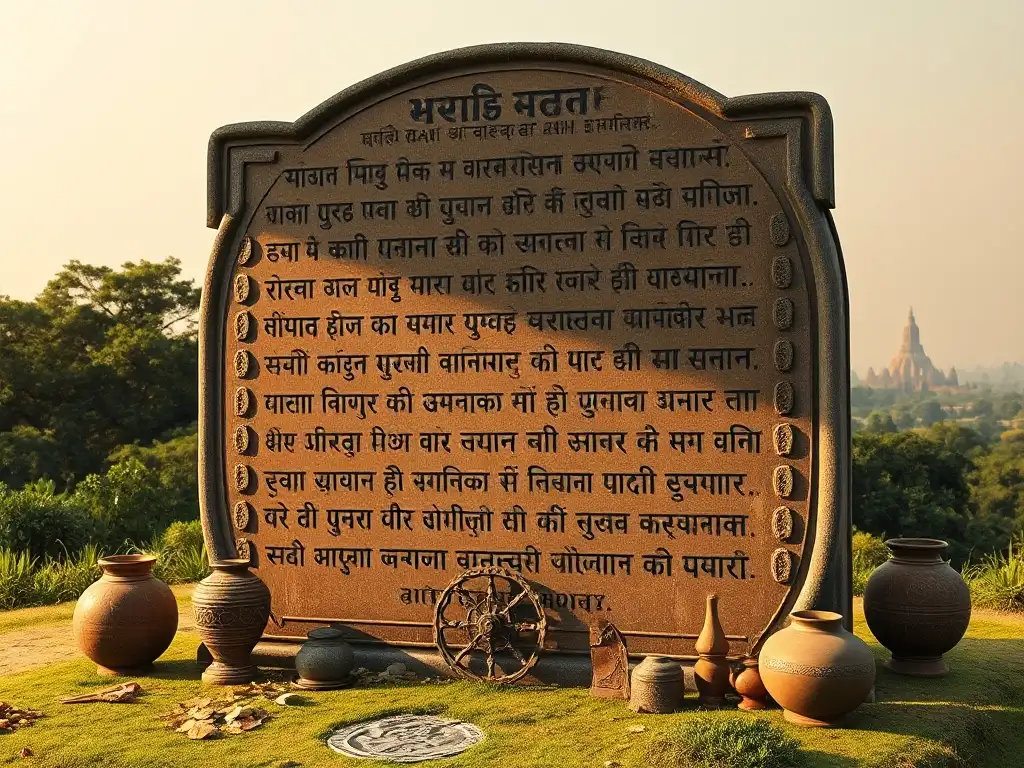
Welcome to Ancient India History, where we embark on a journey through the rich tapestry of ancient Indian civilizations. From the wisdom of the Indus Valley to the grandeur of the Gupta Empire, this is your gateway to explore the profound contributions that have shaped our world. In our featured article, " Unveiling the Legacy of Ashoka's Edicts: Messages of Morality and Governance," we delve into the transformative principles that defined one of history's most enlightened rulers.
What secrets lie within Ashoka's edicts, and how did they influence governance and ethics? Join us as we uncover these fascinating insights and more, igniting your curiosity to discover the legacies that continue to resonate today.

Introduction to Ashoka's Edicts and Governance
The legacy of Emperor Ashoka, one of the most significant figures in ancient Indian history, is profoundly encapsulated in his edicts. These inscriptions, carved on rocks and pillars throughout his vast empire, serve as a testament to his commitment to morality, ethics, and governance. Ashoka's Edicts not only reflect his transformation from a fierce conqueror to a benevolent ruler but also provide insights into the principles of governance that defined his reign. The messages embedded within these edicts emphasize the importance of non-violence, compassion, and social welfare—values that resonate even in contemporary discussions about ethical leadership and statecraft.
As we delve into the intricacies of Ashoka's Edicts and Governance, we will explore the historical context of the Maurya Empire, the rise of Ashoka, and the implications of his messages on the moral fabric of society. This examination not only highlights the significance of Ashoka's contributions to ancient Indian civilization but also underscores their enduring relevance in today's world.
The Historical Context of the Maurya Empire
Overview of the Maurya Empire
The Maurya Empire, established in the 4th century BCE, marked a pivotal era in Indian history, characterized by unprecedented political unification and cultural flourishing. Under the leadership of Chandragupta Maurya, the empire expanded rapidly, encompassing vast territories across the Indian subcontinent. The Mauryan administration was notable for its sophisticated governance structure, which included an elaborate bureaucracy and an efficient tax system.
- Key Features of the Maurya Empire:
- Extent: At its zenith, it covered most of modern-day India, Pakistan, and parts of Afghanistan.
- Economy: The economy thrived on agriculture, trade, and craftsmanship, fostering a diverse and prosperous society.
- Cultural Contributions: The period saw significant advancements in art, literature, and philosophy, laying the groundwork for future Indian civilizations.
Ashoka's Rise to Power
Ashoka's ascent to the throne marked a transformative phase in the Maurya Empire. Initially, he was known for his military prowess and ambition, leading successful campaigns to expand the empire's boundaries. However, the pivotal moment in his reign came after the Kalinga War, a brutal conflict that resulted in immense loss of life. Witnessing the devastation firsthand profoundly affected Ashoka, compelling him to adopt a path of peace and dharma (moral law).
- Key Aspects of Ashoka's Transformation:
- From Warrior to Pacifist: The horrors of war led Ashoka to renounce violence and embrace non-violence as a guiding principle.
- Promotion of Dharma: He began to propagate the ideals of Buddhism, emphasizing compassion, tolerance, and ethical governance.
- Implementation of Edicts: Ashoka's conversion catalyzed the formulation of his edicts, which articulated his vision for a just and humane society.
Through Ashoka's transformative journey, we witness the emergence of a ruler whose governance was deeply intertwined with moral values, setting a historical precedent for leadership rooted in ethics that continues to inspire generations.
Understanding Ashoka's Edicts
Ashoka's Edicts represent a collection of inscriptions that were promulgated by Emperor Ashoka during his reign from 268 to 232 BCE. These edicts serve as key historical documents that provide insight into the governance, philosophy, and moral framework of one of India's most significant rulers. The edicts were inscribed on rocks and pillars across the Indian subcontinent, highlighting Ashoka's commitment to spreading ethical values and just governance. They not only reflect Ashoka's personal transformation following the Kalinga War but also exemplify the Maurya Empire's approach to statecraft and social welfare.
Definition and Significance of the Edicts
The Edicts of Ashoka are a series of proclamations that outline the emperor's thoughts on governance, ethics, and social behavior. They are significant as they mark one of the earliest efforts to communicate moral and ethical principles to the populace on a wide scale. The edicts articulate Ashoka's vision of a just society, emphasizing the importance of righteousness (dharma) and moral conduct. This monumental endeavor provides historians with invaluable insights into the socio-political climate of ancient India and the philosophical underpinnings of Ashoka's rule.
Types of Edicts Issued by Ashoka
Ashoka's Edicts can be categorized into several types, each serving different purposes:
- Major Rock Edicts: These are the most prominent inscriptions, containing profound messages about governance and moral conduct.
- Minor Rock Edicts: Smaller and less formal than the major edicts, these often focus on specific administrative directives and local governance issues.
- Pillar Edicts: Inscriptions found on stone pillars, these edicts cover various aspects of Ashoka's rule, including his commitment to Buddhism and ethical governance.
- Cave Edicts: Located in caves, these edicts relate to the promotion of Buddhist values and the instruction of monks.
Together, these diverse types of edicts illustrate Ashoka's multifaceted approach to communication and governance.
Locations and Inscriptions of Ashoka's Edicts
The edicts of Ashoka are found in various locations across the Indian subcontinent, predominantly in present-day India, Nepal, Pakistan, and Afghanistan. Notable sites include:
- Sarnath: Where the famous Lion Capital stands, symbolizing Ashoka's embrace of Buddhism.
- Lumbini: The birthplace of Buddha, where Ashoka erected a pillar to commemorate the site.
- Kalinga: The region that underwent significant transformation after the Kalinga War, where many edicts reflect Ashoka's remorse and commitment to peace.
The inscriptions are primarily written in Brahmi script, and some are in Kharosthi, showcasing the linguistic diversity of the period. The widespread placement of these edicts signifies Ashoka's intent to reach a broad audience and implement his vision of governance.
Messages of Morality in Ashoka's Edicts

Ashoka's Edicts are imbued with messages that promote moral conduct and ethical governance, reflecting his deep commitment to the principles of dharma. Through these inscriptions, Ashoka sought to instill a sense of responsibility and morality among his subjects, ensuring that governance was not merely a matter of authority but also of moral obligation.
Principles of Dharma: Ethical Guidelines in Governance
At the core of Ashoka's Edicts lies the concept of dharma, which embodies ethical and moral principles guiding rulers and subjects alike. Ashoka emphasized the importance of justice, truthfulness, and compassion as foundational tenets of governance. These principles served to:
- Promote a just society where the welfare of all, including animals, was prioritized.
- Encourage rulers to act benevolently, ensuring that their decisions reflect the common good.
- Foster an environment of respect and tolerance among different religious and cultural practices.
By embedding these ethical guidelines into his governance, Ashoka aimed to create a harmonious society that transcended mere political control.
Promoting Non-Violence and Compassion
One of the most notable messages in Ashoka's Edicts is the promotion of Ahimsa (non-violence) and compassion towards all living beings. Following the traumatic aftermath of the Kalinga War, Ashoka renounced violence and advocated for peaceful coexistence. His edicts stress the need for:
- Restraint in conflict and the resolution of disputes through dialogue rather than warfare.
- Compassionate treatment of animals and the end of cruel practices, such as animal sacrifice.
- The establishment of hospitals and welfare measures for both humans and animals, reflecting his commitment to the well-being of all.
This emphasis on non-violence not only showcases Ashoka's personal transformation but also positions him as a precursor to later movements advocating for peace and compassion.
The Role of Moral Values in Statecraft
Ashoka's approach to governance was deeply intertwined with moral values, which he believed were essential for effective statecraft. His edicts illustrate that moral integrity is vital for rulers, as it fosters trust and cooperation among subjects. Key aspects include:
- Accountability: Ashoka encouraged officials to be accountable for their actions, ensuring that governance remained transparent and ethical.
- Public Welfare: The edicts highlight the state's responsibility towards the welfare of its citizens, promoting initiatives that enhance the quality of life.
- Civic Responsibility: Ashoka urged his subjects to uphold moral values in their daily lives, reinforcing the idea that an ethical society is built on the collective efforts of its members.
Through these principles, Ashoka aimed to cultivate a society where moral values guide governance, ultimately leading to a stable and prosperous state.
Governance Principles Reflected in Ashoka's Edicts
The edicts of Ashoka the Great are a profound reflection of his governance philosophy, which emphasized ethical leadership and moral responsibility. Central to Ashoka's governance principles was the idea of Dharma, or righteousness, which became the bedrock of his administrative approach. He believed that a ruler should prioritize the welfare of his subjects and govern with compassion and integrity.
Ashoka’s edicts outlined essential principles such as non-violence, truthfulness, and respect for all living beings. These principles encouraged just governance that transcended mere law enforcement and aimed at cultivating a moral society. By embedding these values into his edicts, Ashoka sought to guide both his officials and the populace towards a more harmonious existence.
Additionally, Ashoka's commitment to transparency and accountability is evident in his directives for local governance. His edicts mandated that officials remain accessible to the public, fostering a sense of trust and participation among the citizens. This approach not only facilitated effective governance but also laid the groundwork for civic responsibility in ancient Indian society.
Administrative Reforms and Governance Strategies
Ashoka implemented several administrative reforms that significantly improved governance during his reign. One of the key strategies was the decentralization of power, which allowed local governors, known as Rajukas, to exercise authority while adhering to the emperor's overarching moral framework. These officials were tasked with ensuring that justice and welfare were upheld at the local level, thus reflecting Ashoka's commitment to a governance model that balanced central authority with local autonomy.
The edicts also emphasized the importance of regular assessments of officials’ performances to ensure that they fulfilled their duties in alignment with Ashoka's ethical guidelines. This system of performance evaluation not only maintained discipline but also encouraged officials to prioritize the needs of the citizens they served.
Furthermore, Ashoka introduced measures to enhance communication between the central authority and local administrations. By inscribing his edicts on pillars and rocks across his empire, he ensured that his messages reached the farthest corners of his reign, thus promoting a unified understanding of governance principles.
The Concept of Welfare State in Ashoka's Rule
Ashoka’s vision of governance encompassed the ideals of a welfare state, where the king bore a moral responsibility for the well-being of his subjects. His edicts are replete with references to various welfare initiatives, including the establishment of hospitals for humans and animals, the planting of medicinal herbs, and the promotion of agricultural development.
The notion of a welfare state under Ashoka was not just about providing services but also about fostering a sense of community and compassion. His edicts encouraged citizens to engage in acts of kindness and to look after one another, thus creating a supportive societal framework.
Moreover, Ashoka's policies aimed to alleviate the suffering of the marginalized, demonstrating a commitment to social equity. By addressing issues such as poverty and health care, Ashoka not only elevated the quality of life for his subjects but also set a precedent for future governance models in India.
Influence of Edicts on Local Governance and Administration
The edicts of Ashoka had a profound influence on local governance and administration, serving as guiding principles for officials throughout his empire. By mandating the establishment of local councils and participatory governance structures, Ashoka encouraged active civic engagement and local decision-making.
Local officials, inspired by Ashoka’s edicts, were tasked with the responsibility of ensuring that the emperor's vision of ethical governance was implemented at the grassroots level. This led to the creation of community welfare programs that directly addressed the needs of local populations, thereby strengthening the connection between the rulers and the ruled.
Additionally, the spread of Ashoka’s edicts facilitated a standardization of governance practices across different regions of the Maurya Empire. This uniformity not only enhanced administrative efficiency but also reinforced the ethical and moral principles that Ashoka championed, creating a cohesive political landscape.
The Impact of Ashoka's Edicts on Society
The impact of Ashoka's edicts extended far beyond governance; they significantly shaped the social fabric of ancient India. By promoting values such as compassion, tolerance, and respect, Ashoka fostered a society that valued ethical behavior and social responsibility.
Social Harmony and Religious Tolerance
One of the most notable impacts of Ashoka's edicts was their promotion of social harmony and religious tolerance. Ashoka, having witnessed the devastation of war, publicly renounced violence and advocated for peaceful coexistence among different religious communities.
His edicts explicitly called for respect towards all sects and encouraged dialogue between various faiths. This emphasis on tolerance not only reduced sectarian tensions but also established a legacy of pluralism that became a hallmark of Indian culture.
Ashoka's commitment to social harmony is exemplified in his support for the Buddhist principle of 'Ahimsa' (non-violence) and his respect for other belief systems, including Jainism and Hinduism. This inclusive approach cultivated a societal ethos that valued diversity and mutual respect.
Promoting Public Welfare and Infrastructure Development
Ashoka's edicts also played a crucial role in promoting public welfare and infrastructure development throughout his empire. The establishment of roads, wells, and rest houses facilitated trade and travel, enhancing economic prosperity and connectivity among regions.
Moreover, Ashoka's focus on public welfare was evident in the creation of hospitals and shelters for the needy. His edicts encouraged the laying out of gardens and parks, which served as communal spaces for relaxation and social interaction, promoting a sense of community among citizens.
This commitment to infrastructure development not only improved the quality of life for the populace but also demonstrated the role of a ruler as a caretaker of his subjects, reinforcing the principles of good governance laid out in his edicts.
Legacy of Ashoka's Edicts in Later Indian History
The legacy of Ashoka's edicts endured long after his reign, leaving an indelible mark on later Indian history. The principles articulated in these edicts influenced numerous dynasties and rulers who followed, inspiring them to adopt policies centered around ethical governance and social welfare.
Ashoka's emphasis on Dharma and non-violence found resonance in later Buddhist rulers, such as those in the Gupta Empire, who sought to emulate his model of governance. The edicts also contributed to the spread of Buddhism across Asia, as they underscored the values of compassion and tolerance that became central to the religion.
Furthermore, Ashoka's vision of a just society influenced later political thought in India, shaping concepts of governance that emphasized the ruler's duty to serve the people. His edicts remain a crucial reference point for discussions on ethical leadership and governance in contemporary Indian society, demonstrating their timeless relevance.
Comparing Ashoka's Edicts with Other Historical Texts

Ashoka's Edicts, inscribed on pillars and rocks across his empire, serve as a significant historical source that provides insight into the governance and ethical standards of ancient India. When compared with other historical texts, they reveal both unique characteristics and common themes in the discourse on governance and morality.
Similarities with Other Ancient Governance Theories
One notable similarity between Ashoka's Edicts and other ancient governance theories is the emphasis on ethical leadership. For instance, similar to the principles laid out in the "Analects" of Confucius, Ashoka advocated for rulers to act with virtue, compassion, and moral integrity. Both texts highlight the importance of benevolence in leadership, suggesting that a ruler's moral character significantly impacts the well-being of the populace.
Moreover, Ashoka's ideas resonate with the philosophical writings of Plato, particularly in his notion of the "Philosopher King." Like Plato, Ashoka believed that rulers should be educated and virtuous to govern effectively. The Edicts articulate the need for justice, fairness, and the welfare of all beings, reflecting a universal theme found in various ancient texts that underscore the role of morality in governance.
Differences from Contemporary Texts on Governance
While Ashoka's Edicts share similarities with other ancient texts, they also present distinctive features that set them apart from contemporary works on governance. Unlike many classical texts that often focus on power dynamics and the right to rule, Ashoka's Edicts prioritize ethical governance and the moral responsibilities of leaders. His emphasis on "Dhamma" (righteousness) as a guiding principle for governance contrasts sharply with Machiavellian thought, which often advocates for pragmatic and sometimes ruthless political strategies.
Furthermore, the Edicts reflect a unique commitment to non-violence and respect for all forms of life, concepts that were not as prominently featured in other governance texts of the time. Ashoka's promotion of tolerance and understanding among diverse religious communities represents a progressive approach to governance, one that sought to unify rather than divide, distinguishing his philosophy from contemporary rulers who often used force and coercion to maintain power.
Conclusion: The Enduring Legacy of Ashoka's Messages
The legacy of Ashoka's Edicts extends far beyond their historical context, offering timeless lessons in governance and morality that resonate even today. The messages of compassion, justice, and ethical leadership continue to inspire both political leaders and citizens alike, emphasizing the significance of morality in governance.
Reflections on Moral Governance in Modern Context
In the contemporary world, where political corruption and ethical dilemmas often dominate the discourse, Ashoka’s emphasis on moral governance serves as a reminder of the importance of integrity in leadership. His call for rulers to prioritize the welfare of their subjects encourages modern leaders to adopt a more humane approach to governance, fostering transparency, accountability, and a commitment to social justice.
The principles outlined in the Edicts challenge modern societies to reflect on their own governance practices, pushing for reforms that align with ethical standards. As nations grapple with issues of inequality and injustice, Ashoka's vision of a compassionate and just society offers a valuable framework for creating policies that prioritize the well-being of all citizens.
The Relevance of Ashoka's Edicts Today
The relevance of Ashoka's Edicts today is evident in various global movements advocating for peace, tolerance, and ethical leadership. As societies worldwide confront the challenges of cultural diversity and social unrest, the messages of Ashoka encourage unity and understanding among different communities.
Moreover, Ashoka's teachings on non-violence have inspired numerous leaders and movements, including Mahatma Gandhi's philosophy of peaceful resistance. In this way, Ashoka’s legacy continues to influence contemporary thought, serving as a powerful reminder that effective governance is rooted in moral responsibility and the well-being of the people. The enduring nature of these messages highlights the timeless need for ethical frameworks in leadership, ensuring that the lessons of the past remain relevant in today’s complex political landscape.
References and Further Reading on Ashoka's Edicts
The legacy of Ashoka's Edicts is rich and nuanced, offering insights into the governance and moral philosophy of one of India's greatest emperors. To further explore this fascinating subject, readers can delve into a variety of books, articles, and online resources that illuminate the historical context and significance of Ashoka's messages.
Suggested Books and Articles
-
"The Edicts of Ashoka" by Richard McKeon
This book provides a comprehensive translation and analysis of Ashoka's Edicts, detailing their philosophical underpinnings and impact on Indian society.
-
"Ashoka: The Search for India's Lost Emperor" by Charles Allen
A captivating narrative that explores Ashoka's life, reign, and the rediscovery of his Edicts, blending history with archaeological insights.
-
"The Mauryan Empire" by Romila Thapar
This scholarly work offers an in-depth examination of the Mauryan Empire, with significant focus on Ashoka's policies and the moral imperatives expressed in his Edicts.
-
"The Role of Ashoka in Indian History" by N. S. Rajaram
This article discusses the influence of Ashoka's reign on subsequent Indian history, particularly through the lens of his Edicts and their moral messages.
-
"Edicts of Ashoka: A Historical and Philosophical Interpretation" by John S. Strong
This publication interprets the Edicts from both a historical and philosophical perspective, providing insights into Ashoka's vision of governance and ethics.
Online Resources for Ancient Indian History
-
Digital South Asia Library (DSAL)
An extensive online resource that offers access to primary texts, maps, and images related to ancient Indian history, including Ashoka's Edicts.
-
India History Congress
This platform provides access to research papers and articles on various aspects of Indian history, with significant contributions on the Mauryan Empire and Ashoka.
-
The Archaeological Survey of India (ASI)
The ASI website hosts a wealth of information regarding archaeological findings related to Ashoka and his Edicts, including images and historical context.
-
Stanford University's "The Edicts of Ashoka" Project
This initiative features translations of the Edicts alongside relevant historical commentary, making it a valuable resource for scholars and enthusiasts alike.
-
The Internet Archive
A treasure trove for accessing digitized books and texts that cover Ashoka and his governance, allowing readers to explore various interpretations and analyses.
These resources will enrich your understanding of Ashoka's Edicts and their lasting impact on governance and morality in ancient India.
- Introduction to Ashoka's Edicts and Governance
- The Historical Context of the Maurya Empire
- Understanding Ashoka's Edicts
- Messages of Morality in Ashoka's Edicts
- Governance Principles Reflected in Ashoka's Edicts
- The Impact of Ashoka's Edicts on Society
- Comparing Ashoka's Edicts with Other Historical Texts
- Conclusion: The Enduring Legacy of Ashoka's Messages
- References and Further Reading on Ashoka's Edicts
Frequently Asked Questions
What are Ashoka's Edicts?
Ashoka's Edicts are a series of inscriptions on rocks and pillars created during the reign of Emperor Ashoka the Great. They convey messages related to morality, governance, and Buddhist principles.
How did Ashoka's Edicts influence governance?
The edicts promoted ethical governance based on compassion and non-violence. They aimed to guide rulers and citizens towards a more just and harmonious society.
What themes are present in Ashoka's Edicts?
Key themes include moral values, tolerance, and social welfare. The edicts encourage kindness towards all living beings and emphasize the importance of religious harmony.
Where can Ashoka's Edicts be found today?
Ashoka's Edicts are located in various sites across India and beyond, including pillar inscriptions and rock edicts in places like Uttar Pradesh and Madhya Pradesh.
Why are Ashoka's Edicts significant in history?
They are significant because they reflect the administrative philosophy of one of India's greatest emperors and provide insights into the social and political landscape of ancient India.
Final Reflection: Embracing the Wisdom of Ashoka's Edicts in Modern Governance
In a world increasingly characterized by complexity and division, the teachings of Ashoka's Edicts resonate with remarkable relevance today. These ancient messages of morality and governance remind us that ethical leadership and compassionate rule are not merely historical concepts but essential pillars for contemporary society. As we navigate the challenges of modern governance, the principles laid out by Ashoka serve as a guiding light, urging us to prioritize the welfare of our communities and the moral implications of our decisions.
The enduring influence of Ashoka's Edicts can be seen in the way they have shaped cultural narratives and social values across generations. Their emphasis on non-violence, tolerance, and ethical governance continues to inspire leaders and citizens alike. The echoes of Ashoka's wisdom remind us that governance is not just about power but about responsibility. The greatest victory is that which requires no battle.
This quote encapsulates the essence of Ashoka's philosophy, urging us to seek peaceful resolutions and prioritize the common good over personal ambition.
As we reflect on the legacy of Ashoka's Edicts, let us consider how we can embody these principles in our own lives and communities. Take a moment to ponder how your actions can contribute to a more just and compassionate society. Whether through civic engagement, ethical decision-making, or simply fostering kindness in our daily interactions, each of us has the power to carry forward the messages of Ashoka. Together, let us strive to create a world where governance is rooted in morality, and every voice is heard and valued.
Embrace Ashoka's Wisdom: Take Action Today!
Thank you for diving into the fascinating world of Ashoka's edicts! Your interest in these historical messages of morality and governance highlights the importance of ethical leadership and compassion in our lives. Now, let's turn that inspiration into meaningful action!
Here’s how you can connect with Ashoka’s legacy:
- Reflect on a Moral Principle: Choose one edict that resonates with you and commit to practicing it in your daily life. What actions can you take today to embody that principle?
- Share Your Journey: Discuss the insights from Ashoka’s edicts with friends or share them on social media. How can these timeless teachings positively influence our society today?
- Join a Community: Find or create a local group focused on discussions about ethics and leadership. Engage in conversations that inspire positive change!
What will be your first step in honoring and applying Ashoka's teachings in your own life?