
The Gupta Empire’s Understanding of Biology: Insights from Ancient Texts

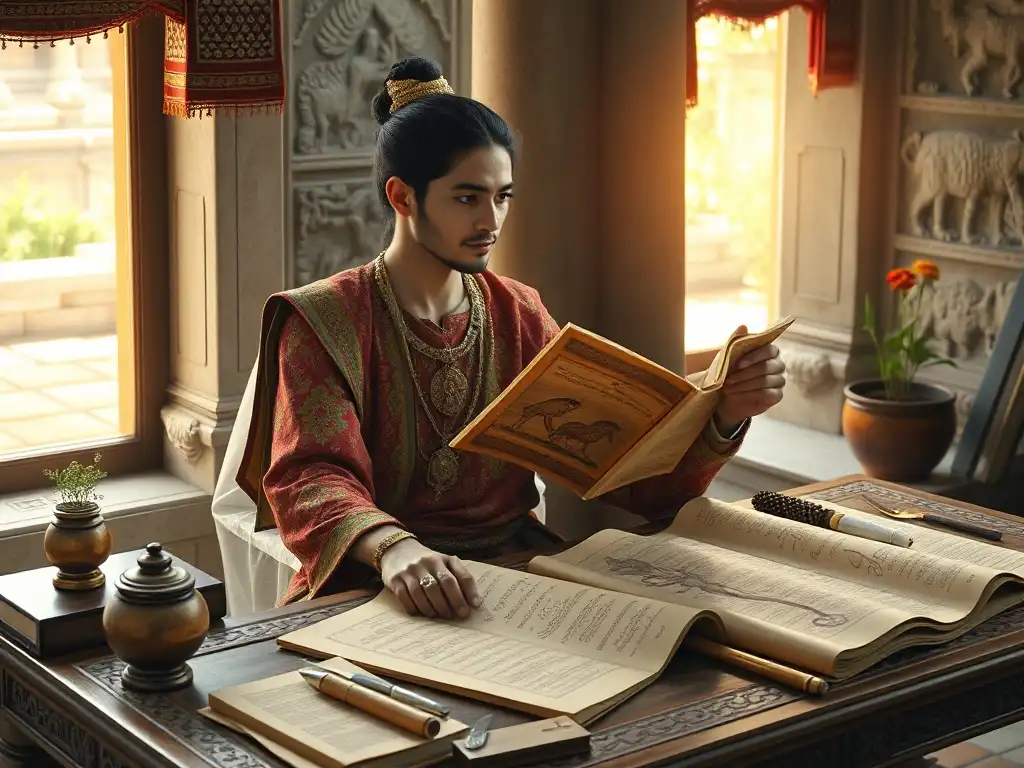
Welcome to Ancient India History, where we invite you to embark on a fascinating journey through time, exploring the rich and diverse tapestry of ancient Indian civilizations. Dive deep into the remarkable insights of the Gupta Empire, renowned for its advancements in science and culture, as we uncover the secrets of biology through the lens of ancient texts.
What wisdom did these early scholars impart, and how did their understanding shape the world we know today? Prepare to be captivated and inspired as you delve into this remarkable chapter of history, and discover the profound contributions that have influenced generations.

Introduction to Gupta Empire Biology
The Gupta Empire, often referred to as the Golden Age of India, flourished between 320 and 550 CE and is renowned for its remarkable advancements in various fields, including science, mathematics, and the arts. Among its many contributions, the understanding of biology during this period stands out, particularly through the examination of ancient texts that provide insights into the biological knowledge of the time.
The Gupta scholars engaged in profound studies of life sciences, interweaving their findings with philosophical inquiries and traditional practices. This article explores how the Gupta Empire's understanding of biology, as captured in ancient texts, reflects the civilization's scientific prowess and cultural richness.
Overview of Gupta Empire Contributions to Science
The Gupta Empire made significant strides in various scientific disciplines, with biology being a notable area of exploration. Scholars like Vagbhata and Sushruta contributed extensively to the field of medicine, laying the foundation for Ayurvedic practices that are still revered today. Their texts, such as the Sushruta Samhita and Ashtanga Hridayam, not only catalogued medicinal plants and treatments but also provided insights into anatomy and surgical techniques.
Key Contributions:
- Surgery and Medicine: The Gupta period saw the development of advanced surgical procedures, including cataract surgery and plastic surgery techniques.
- Botanical Studies: Extensive documentation of medicinal herbs and their uses in treatments, emphasizing the importance of plants in ancient Indian medicine.
- Anatomy: Detailed descriptions of human anatomy, showcasing an understanding of the body's systems and functions.
Importance of Ancient Texts in Understanding Biology
Ancient texts are invaluable resources that illuminate the biological knowledge of the Gupta Empire. These writings not only reflect the empirical observations made by scholars but also embody the philosophical and cultural contexts in which they were developed. The meticulous documentation of biological concepts in texts like the Sushruta Samhita and Charaka Samhita serves as a testament to the scientific inquiry of the time.
- Preservation of Knowledge: Ancient texts preserved knowledge that would otherwise have been lost, allowing future generations to build upon the findings.
- Interdisciplinary Approach: The integration of biology with philosophy and ethics in these texts highlights a holistic approach to understanding life and health.
- Cultural Significance: These writings also provide insights into the societal values and practices surrounding health and medicine during the Gupta period.
Historical Context of Biological Studies in the Gupta Empire
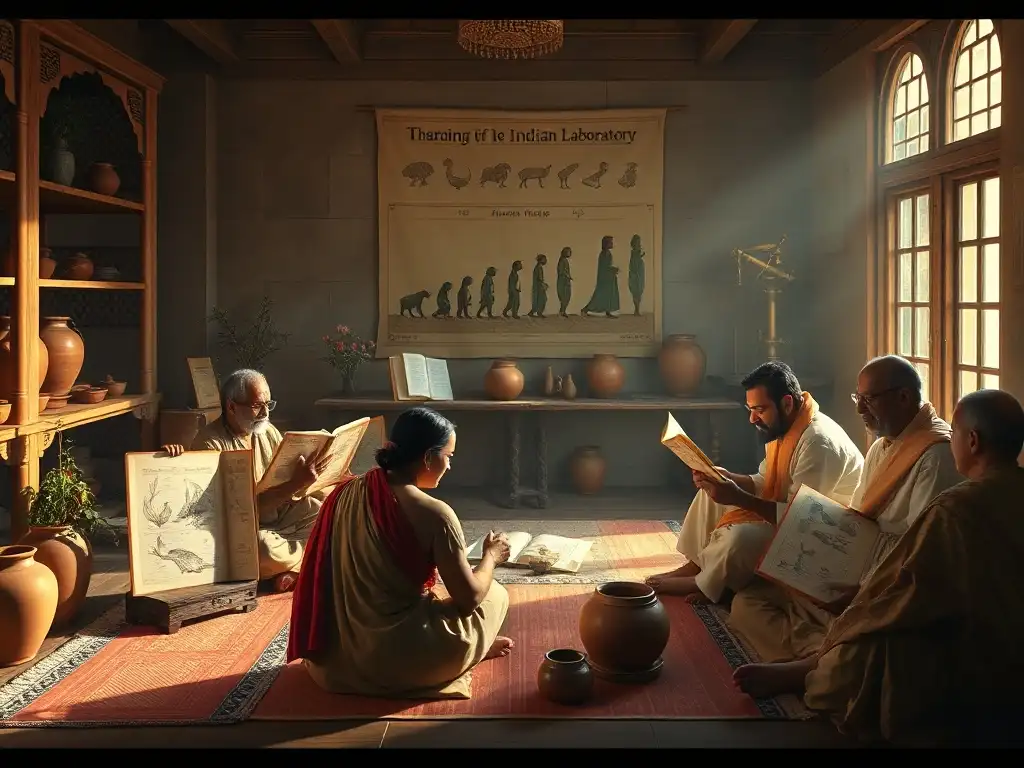
The Gupta Empire's contributions to biology did not emerge in isolation; rather, they were influenced by a rich tapestry of earlier civilizations and traditional practices. Understanding the historical context helps to appreciate the advancements made during this period.
The Role of Traditional Practices in Ancient Indian Biology
Traditional practices played a crucial role in shaping biological studies in the Gupta Empire. Ayurveda, rooted in ancient Indian philosophy, emphasized the balance between body, mind, and spirit, influencing the understanding of health and disease.
- Holistic Health: The Ayurveda system focused on preventive care and the treatment of ailments through natural remedies.
- Practical Applications: Traditional practices informed medical treatments and surgical procedures, demonstrating an empirical approach to biology.
Influence of Earlier Civilizations on Gupta Biological Concepts
The Gupta Empire’s understanding of biology was significantly influenced by earlier Indian civilizations, such as the Indus Valley Civilization, as well as interactions with neighboring cultures.
- Continuity of Knowledge: The accumulation of knowledge from previous eras laid the groundwork for the Gupta scholars to expand upon and refine biological concepts.
- Cross-Cultural Exchanges: Interactions with other ancient civilizations, including Greek and Persian, led to the exchange of ideas and techniques that enriched the Gupta understanding of biology.
The Gupta Empire's understanding of biology, as revealed through ancient texts, showcases a sophisticated approach to life sciences that integrates empirical observation, traditional practices, and philosophical inquiry. This period's achievements continue to influence modern science and medicine, highlighting the enduring legacy of ancient Indian civilizations.
Key Ancient Texts on Biology from the Gupta Period
The Gupta Empire, known for its remarkable advancements in various fields, also made significant contributions to the understanding of biology. Several ancient texts from this period encapsulate the biological knowledge and practices of the time. These texts not only reflect the scientific thought processes of the Gupta period but also serve as foundational documents that influenced future generations of scholars both in India and beyond.
Overview of Prominent Texts Related to Biology
Among the key texts from the Gupta period, two stand out for their comprehensive exploration of biological concepts: the Sushruta Samhita and the Charaka Samhita. The Sushruta Samhita, attributed to Sushruta, is primarily focused on surgery and medicinal practices, while the Charaka Samhita, linked to Charaka, emphasizes internal medicine and the principles of Ayurveda. Together, these texts provide a holistic view of biological sciences, intertwining anatomy, physiology, and the medicinal use of plants and animals.
These texts were written in Sanskrit and highlight the empirical observations and practical knowledge accumulated over centuries. They include detailed descriptions of surgical techniques, medicinal plants, and treatments, illustrating the Gupta scholars' empirical approach to biology.
Detailed Analysis of the Sushruta Samhita and Its Biological Insights
The Sushruta Samhita is often regarded as one of the earliest surgical texts in the world. It not only outlines surgical techniques but also delves into human anatomy in remarkable detail. The text describes various anatomical structures, including bones, muscles, and organs, showcasing a sophisticated understanding of human physiology.
Sushruta's work emphasizes the importance of dissection, which was crucial for acquiring accurate knowledge of human anatomy. He categorizes surgical procedures according to the body parts involved, demonstrating a systematic approach to medical practice. Furthermore, the text provides insights into the biological basis of injuries and diseases, offering treatments that reflect an understanding of the natural healing processes of the body.
Notably, the Sushruta Samhita also discusses the concepts of hygiene and the preparation of surgical instruments, highlighting the significance of cleanliness in medical practices—a principle that resonates with modern biological sciences.
Examination of the Charaka Samhita and Its Contributions to Biological Understanding
The Charaka Samhita is a seminal text in the field of Ayurveda and provides extensive knowledge on internal medicine. This text significantly contributes to our understanding of various biological concepts, particularly in the areas of digestion, metabolism, and the functioning of different bodily systems.
Charaka’s work emphasizes the concept of balance among the three doshas (Vata, Pitta, and Kapha), which are seen as fundamental biological elements that govern human health. The text outlines the physiological processes associated with these doshas, linking them to overall wellness and disease prevention.
Moreover, the Charaka Samhita includes detailed classifications of medicinal plants and their therapeutic properties, emphasizing the role of herbal medicine in biological health. The systematic approach to diagnosis and treatment showcased in this text reflects a deep understanding of human biology and the interconnectedness of various bodily functions.
Biological Concepts and Theories in Gupta Texts
The Gupta texts offer a rich tapestry of biological concepts that reveal the intellectual depth of ancient Indian scholars. These works encompass a range of topics, including anatomy, herbal medicine, and the ecological significance of animals, all of which contribute to the broader understanding of biology during this period.
Understanding Human Anatomy and Physiology
The Gupta period's biological texts provide an intricate understanding of human anatomy and physiology. Both the Sushruta Samhita and the Charaka Samhita detail the structure and function of various organs, emphasizing the importance of understanding the body for effective medical treatment.
For instance, the texts describe the circulatory system, respiratory functions, and the digestive process, illustrating how ancient Indian scholars recognized the interdependencies of bodily systems. This foundational knowledge laid the groundwork for later advancements in medicine and biology.
The Gupta Perspective on Plant Biology and Herbal Medicine
The Gupta Empire's contributions to plant biology are primarily reflected in the extensive classification and therapeutic use of medicinal plants found in the Charaka Samhita. The text provides a comprehensive list of herbs, detailing their properties, uses, and preparations.
This emphasis on herbal medicine underscores the Gupta scholars' understanding of the natural world and its relevance to human health. The integration of botanical knowledge into medical practices illustrates a sophisticated approach to biology that regarded plants not merely as resources but as vital components of health and wellness.
Animal Life and Its Significance in Gupta Biological Studies
Animal life also played a crucial role in Gupta biological studies, as reflected in both major texts. The Sushruta Samhita discusses the anatomical and physiological properties of various animals, emphasizing their importance in understanding human biology and surgical practices.
Furthermore, the texts explore the significance of animals in medicinal practices, including the use of animal products in treatments. This highlights a holistic view where human biology was studied in conjunction with the broader ecological system, recognizing the interrelationships among species and the environment.
The Gupta Empire’s understanding of biology, as documented in ancient texts, reveals a deep and nuanced appreciation for the complexities of life. This legacy continues to influence modern biological sciences and underscores the intellectual achievements of ancient Indian civilizations.
Case Studies from Gupta Texts Illustrating Biological Principles

The Gupta Empire, often referred to as the Golden Age of India, made significant strides in various branches of knowledge, including biology. Ancient texts from this period, particularly the Sushruta Samhita and the Charaka Samhita, contain profound insights into biological principles and practices. These texts not only reflect the advanced understanding of human anatomy and physiology but also demonstrate the application of biological knowledge in healthcare and surgical techniques. By examining case studies from these texts, we can gain a clearer perspective on the Gupta Empire's biological understanding.
Case Study: Surgical Techniques in the Sushruta Samhita and Its Biological Relevance
The Sushruta Samhita, attributed to the ancient physician Sushruta, is one of the earliest surgical texts in history. It outlines various surgical procedures and techniques, grounding them in a detailed understanding of human anatomy. Sushruta’s approach emphasized the importance of dissection and observation, which were revolutionary at the time.
- Anatomical Knowledge: The text provides intricate descriptions of the human body, including the identification of various organs, tissues, and their functions. Sushruta classified over 100 diseases and detailed about 300 surgical procedures, including plastic surgeries, which are particularly noted for their complexity and innovation.
- Surgical Instruments: Sushruta also introduced a variety of surgical instruments, many of which were made from materials like iron and bronze, showcasing an early understanding of material properties in biology.
- Biological Principles: The emphasis on sterilization and the use of herbal antiseptics illustrates an early grasp of infection control, reflecting a sophisticated biological perspective that prioritized the well-being of patients.
Overall, the surgical techniques documented in the Sushruta Samhita not only advanced the field of surgery during the Gupta Empire but also laid the groundwork for future medical practices in India and beyond.
Case Study: Ayurvedic Treatments in the Charaka Samhita and Its Impact on Ancient Biology
The Charaka Samhita, another cornerstone of ancient Indian medicine, focuses on Ayurveda, the traditional system of medicine in India. This text elaborates on the principles of health, disease, and treatment, deeply rooted in biological concepts.
- Holistic Approach: The Charaka Samhita emphasizes the balance of the three doshas (Vata, Pitta, and Kapha), which are considered the fundamental bodily humors. This concept reflects an early understanding of physiology and the interconnectedness of bodily systems.
- Pharmacology: The text details an extensive range of medicinal plants and their properties, outlining how specific herbs can be used to treat various ailments. This knowledge showcases an understanding of botanical biology and its application to health.
- Diagnostic Techniques: Charaka elaborates on diagnostic methods, including pulse diagnosis and urine analysis, demonstrating a scientific approach to understanding health that incorporates biological indicators.
The impact of the Charaka Samhita on ancient biology was profound, influencing not only the practice of medicine in ancient India but also contributing to the global understanding of health and disease.
Legacy of Gupta Empire Biology in Ancient Indian Civilization
The biological knowledge developed during the Gupta Empire has left a lasting legacy on various aspects of ancient Indian civilization. The meticulous documentation and analysis of biological principles in texts like the Sushruta Samhita and the Charaka Samhita paved the way for future advancements in medical science and biological research in India.
Influence on Later Scientific Developments in India
The foundational biological principles established during the Gupta Empire significantly influenced later scientific developments in India. Medical scholars in subsequent centuries built upon the ideas presented in Gupta texts, enhancing and refining surgical and medical practices.
- Continued Research: The traditions of dissection and anatomical study initiated by Sushruta continued to be practiced, leading to further discoveries in human anatomy.
- Integration of Knowledge: The principles of Ayurveda, as described in the Charaka Samhita, were integrated into various fields, such as alchemy and astrology, demonstrating an interdisciplinary approach that characterized Indian scholarship.
This legacy not only preserved ancient knowledge but also inspired new generations of scholars, contributing to a rich tradition of scientific inquiry in India.
Gupta Biology's Impact on Modern Understanding of Ancient Science
The biological insights from the Gupta Empire have had a significant impact on the modern understanding of ancient science. Contemporary scholars and scientists continue to explore these ancient texts, recognizing their contributions to various fields, including medicine, biology, and surgery.
- Historical Relevance: The study of Gupta biology highlights the sophistication of ancient Indian civilizations, challenging the perception of historical scientific knowledge and its evolution.
- Cultural Heritage: The advancements in biological understanding during the Gupta Empire have become an integral part of India's cultural heritage, fostering pride in ancient achievements and inspiring modern scientific endeavors.
The biological insights derived from Gupta texts not only illuminate the scientific prowess of ancient Indian civilization but also underscore the importance of these contributions in shaping contemporary biology and medicine.
Conclusion: The Gupta Empire’s Lasting Impact on Biological Knowledge
The Gupta Empire, often regarded as the Golden Age of India, made significant strides in various fields, including biology. Through ancient texts, scholars of this period documented their observations and understandings of the biological world, laying the groundwork for many scientific principles we recognize today. This era's contributions to biology were not merely limited to theoretical observations but also encompassed practical applications in medicine, agriculture, and environmental sciences.
The impact of Gupta biological knowledge is evident in the evolution of Ayurvedic practices, which emphasized the balance of bodily elements and the interconnectedness of health and the environment. Texts such as the Sushruta Samhita and Charaka Samhita provided detailed accounts of human anatomy, surgical techniques, and medicinal plants, showcasing a sophisticated understanding of the body and its functions. These works not only influenced medical practices in ancient India but also resonated across cultures, impacting practices in neighboring regions.
The legacy of the Gupta Empire's biological insights continues to be relevant, as modern science revisits these ancient principles. The holistic approach to health and the emphasis on observation and documentation in ancient texts can inform contemporary practices, encouraging a blend of traditional knowledge and modern science.
Summary of Key Insights from Ancient Texts
The ancient texts from the Gupta Empire provide a wealth of knowledge and insights into biological concepts that were advanced for their time. Key insights include:
- Anatomical Understanding: The Sushruta Samhita is renowned for its detailed descriptions of human anatomy. Sushruta, often referred to as the "father of surgery," outlined various surgical procedures and anatomical structures, emphasizing the importance of dissection and observation in understanding the human body.
- Medicinal Practices: The Charaka Samhita focuses on the principles of Ayurveda, detailing various herbal remedies and their applications in treating diseases. This text highlights the significance of balancing the body's doshas (Vata, Pitta, and Kapha) for maintaining health.
- Ecological Awareness: Gupta scholars recognized the importance of the environment in biological studies. Texts emphasized the interdependence of living organisms and their habitats, showcasing an early understanding of ecological principles.
- Classification Systems: The classification of plants and animals based on their medicinal properties reflects an organized approach to biological categorization. This systematization laid the groundwork for future biological classifications.
These insights demonstrate the Gupta Empire's sophisticated understanding of biology, which integrated practical applications with philosophical underpinnings.
Reflection on the Importance of Studying Gupta Biology Today
Studying the biological knowledge of the Gupta Empire holds great significance for multiple reasons. Firstly, it offers a glimpse into the historical context of scientific inquiry, showcasing how ancient civilizations approached the study of life and health. This understanding can inspire modern scientists and researchers to appreciate the roots of their disciplines.
Furthermore, the emphasis on holistic health in Gupta biology aligns with current trends in integrative medicine, where traditional practices are increasingly recognized for their value in promoting well-being. By revisiting these ancient texts, contemporary practitioners can find relevant insights that enhance modern medical practices and patient care.
Lastly, understanding Gupta biology contributes to the broader narrative of global science history. It highlights the interconnectedness of knowledge across cultures and epochs, reminding us that scientific development is not a linear progression but rather a tapestry woven from diverse contributions. The study of Gupta biological texts fosters a deeper respect for the wisdom of ancient civilizations and encourages a multidisciplinary approach to scientific exploration today.
- Introduction to Gupta Empire Biology
- Overview of Gupta Empire Contributions to Science
- Importance of Ancient Texts in Understanding Biology
- Historical Context of Biological Studies in the Gupta Empire
- Key Ancient Texts on Biology from the Gupta Period
- Biological Concepts and Theories in Gupta Texts
- Case Studies from Gupta Texts Illustrating Biological Principles
- Legacy of Gupta Empire Biology in Ancient Indian Civilization
- Conclusion: The Gupta Empire’s Lasting Impact on Biological Knowledge
- What were the main contributions of the Gupta Empire to biology?
- How did ancient texts from the Gupta Empire influence modern biology?
- What role did Ayurveda play in Gupta biology?
- Are there specific ancient texts that focus on biology during the Gupta period?
- How can the study of Gupta biology help us today?
Frequently Asked Questions
What were the main contributions of the Gupta Empire to biology?
The Gupta Empire made significant strides in understanding biology, particularly in fields like medicine and anatomy, as documented in ancient texts that emphasized the importance of observation and experimentation.
How did ancient texts from the Gupta Empire influence modern biology?
Ancient texts from the Gupta Empire, such as Sushruta Samhita, laid foundations for modern surgical practices and medical knowledge, emphasizing the relevance of ancient wisdom in today's biological sciences.
What role did Ayurveda play in Gupta biology?
Ayurveda, a traditional system of medicine that flourished during the Gupta Empire, provided a comprehensive approach to health and well-being, integrating botanical knowledge and therapeutic practices that are still relevant today.
Are there specific ancient texts that focus on biology during the Gupta period?
Yes, texts like Sushruta Samhita and Charaka Samhita are pivotal, containing extensive information on anatomy, physiology, and pathology, reflecting the advanced understanding of biological concepts in ancient India.
How can the study of Gupta biology help us today?
Studying Gupta biology offers insights into ancient medical practices and holistic approaches to health, enriching our understanding of biological sciences and potentially guiding modern medical research and treatment methodologies.
Final Reflection: The Enduring Legacy of Gupta Empire Biology
The Gupta Empire's insights into biology, as revealed through ancient texts, resonate profoundly in today's world, illustrating the timeless nature of knowledge. In an era where science and technology dominate our understanding of life, the foundational principles laid down by ancient scholars remind us that the quest for knowledge is not a modern phenomenon but a continuous journey that spans centuries. The wisdom of the Gupta Empire serves as a bridge connecting past and present, urging us to appreciate the depth of human inquiry into the natural world.
The Gupta Empire's contributions to biology have not only shaped historical scientific thought but continue to influence contemporary discussions on health, medicine, and environmental understanding. As we navigate modern challenges, such as pandemics and climate change, the ancient texts provide a framework for holistic approaches to biology that emphasize harmony with nature. The greatest discoveries are those that shed light on the human condition,
a sentiment echoed by many scholars who recognize the profound impact of ancient wisdom on our current practices.
As we reflect on the Gupta Empire's remarkable achievements in biology, I invite you to consider how these ancient insights can inspire your own journey of discovery. Embrace the lessons from the past, and let them guide you in your pursuit of knowledge and understanding. Whether through personal study, community engagement, or scientific inquiry, each of us has the potential to contribute to the ongoing legacy of exploration and innovation that began long ago. Together, let us honor the wisdom of our ancestors by applying their insights to the challenges of our time.
Unveil the Secrets of Ancient Biology!
Thank you for exploring the fascinating insights into the Gupta Empire’s understanding of biology. You’ve journeyed through the remarkable perspectives of ancient texts, and now it's time to put that knowledge into action!
Here are some simple yet powerful steps you can take to dive deeper into this captivating subject:
- Explore ancient texts and literature related to Gupta biology, and share your findings with fellow history enthusiasts in online forums.
- Join a discussion group or community focused on ancient science to exchange thoughts and interpretations about the contributions of the Gupta Empire.
- Experiment with a modern twist by researching how ancient biological practices influence current methods in fields such as medicine or agriculture.
What aspect of ancient biology excites you the most, and how do you think it can be applied to today's world?