
Governance Challenges of the Maurya Empire: Lessons Learned


Welcome to Ancient India History, where we embark on a captivating journey through the rich tapestry of ancient Indian civilizations. Today, we delve into the intriguing realm of governance in the Maurya Empire, exploring the challenges faced by one of history's most influential empires. What lessons can we glean from their strategies and struggles? Join us as we uncover the complexities of their governance and the lasting impact it has on our understanding of leadership today. Prepare to be enlightened and inspired as you navigate through the depths of history that shaped a civilization!
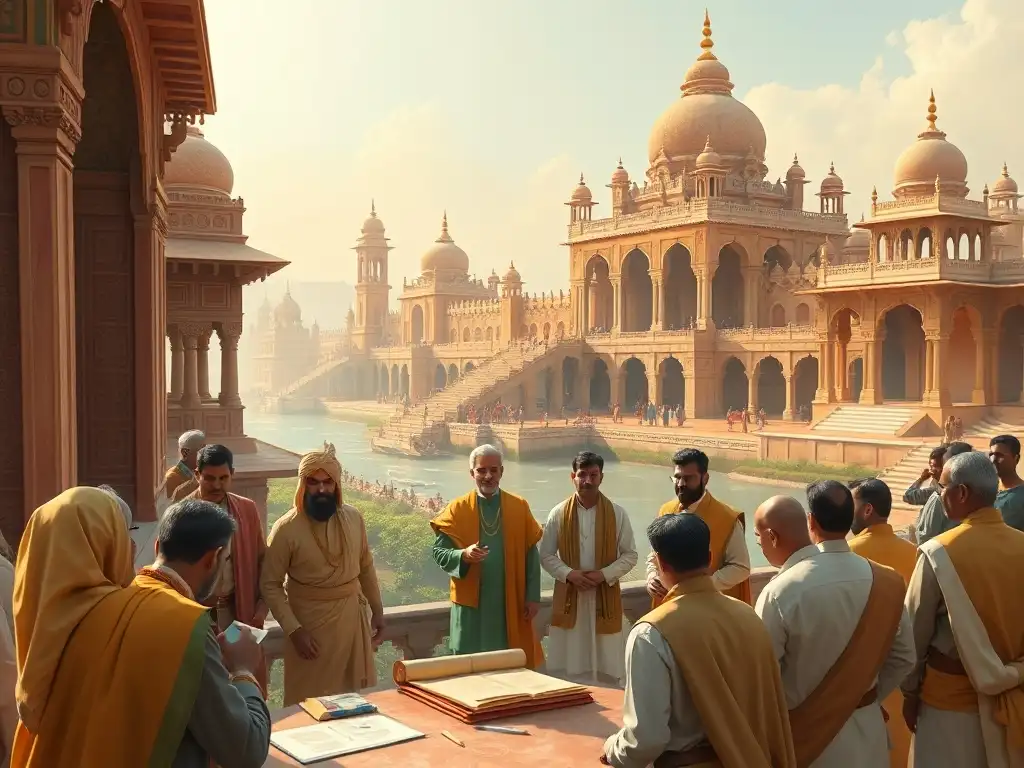
Introduction to Governance in the Maurya Empire
The Maurya Empire, which flourished from approximately 322 to 185 BCE, stands as one of the most remarkable and expansive political entities in ancient India. Renowned for its sophisticated governance systems and administrative frameworks, the Maurya Empire provides invaluable insights into the complexities of statecraft during a time of significant cultural and economic development.
This article delves into the multifaceted challenges faced by the Maurya Empire in its governance, exploring critical aspects that contributed to its successes and setbacks. By examining the lessons learned from the governance practices of this ancient civilization, we can glean important insights applicable to contemporary governance issues.
Overview of the Maurya Empire's Administration
The administration of the Maurya Empire was characterized by a highly structured hierarchy that facilitated control over its vast territories, which extended from the northwestern regions of modern-day India to parts of Afghanistan. The empire was established by Chandragupta Maurya and later expanded under the leadership of his grandson, Ashoka the Great.
Key features of the Mauryan administration included:
- Centralized Authority: The emperor held supreme power, supported by a council of ministers known as the Mantriparishad, which advised on various governance issues.
- Provincial Administration: The empire was divided into several provinces, each governed by a Mahamatra or Uparika, tasked with local administration and law enforcement.
- Bureaucratic Structure: A well-organized bureaucracy managed taxation, justice, and infrastructure, ensuring that the emperor's decrees were effectively implemented across the empire.
This centralized framework allowed for efficient governance but also introduced challenges, particularly in balancing power and managing diverse populations.
Importance of Governance in Ancient Civilizations
Governance is a critical cornerstone of any civilization, influencing its longevity, stability, and prosperity. In ancient civilizations like the Maurya Empire, effective governance played a significant role in:
- Maintaining Order: A robust governance system helped in maintaining social order and reducing conflicts among various communities.
- Economic Growth: Governance structures facilitated trade, resource management, and economic activities, contributing to the overall wealth of the empire.
- Cultural Integration: Effective governance enabled the integration of diverse cultures and traditions, fostering a sense of unity among the populace.
Understanding the intricacies of governance in the Maurya Empire is essential to appreciate its historical significance and the enduring lessons it imparts.
Key Governance Challenges Faced by the Maurya Empire
Despite its remarkable achievements, the Maurya Empire faced several governance challenges that tested its administrative capacities and resilience.
Centralization vs. Decentralization in Governance
One of the primary governance challenges was the tension between centralization and decentralization. While a strong centralized authority allowed for swift decision-making and uniform policy implementation, it often led to:
- Local Dissatisfaction: Provincial governors sometimes resisted central mandates, resulting in local uprisings and dissent.
- Bureaucratic Overreach: A highly centralized system could become unwieldy, leading to corruption and inefficiency among officials.
Balancing the need for centralized control with local autonomy was a continuous struggle for the Mauryan rulers.
Managing a Diverse Population: Ethnic and Cultural Challenges
The Maurya Empire encompassed a vast and diverse population, comprising various ethnic groups, languages, and religions. This diversity posed significant governance challenges, including:
- Cultural Integration: Efforts to promote a cohesive identity often clashed with local traditions and customs, leading to tensions.
- Religious Conflicts: The empire's policies toward different religious communities sometimes resulted in friction, necessitating careful diplomatic handling.
The ability to manage this diversity was crucial for social cohesion and stability.
Economic Governance: Taxation and Resource Distribution
Economic governance was another critical challenge, as the empire needed to ensure fair taxation and efficient resource distribution. Key issues included:
- Taxation Burden: Heavy taxation could lead to resentment among the populace, particularly among farmers and laborers.
- Resource Allocation: Ensuring equitable distribution of resources across various regions was vital to prevent economic disparities and unrest.
Effective economic governance was essential for maintaining the empire's wealth and supporting its extensive administrative network.
Military Oversight and Civil-Military Relations
The Maurya Empire maintained a formidable military to protect its vast territories and suppress dissent. However, this military power also introduced governance challenges, such as:
- Civil-Military Tensions: Striking a balance between military authority and civilian governance was crucial to avoid authoritarianism.
- Military Overextension: Engaging in prolonged military campaigns could strain resources and divert attention from internal governance.
The relationship between the military and civil administration was pivotal in shaping the empire's overall stability and governance effectiveness.
The Role of Ashoka in Addressing Governance Challenges
Ashoka, the third emperor of the Maurya Empire, is a pivotal figure in the history of ancient Indian governance. He ascended to the throne around 268 BCE and is best known for his transformation from a ruler who initially engaged in warfare to one who embraced the principles of non-violence and moral governance after witnessing the devastation of the Kalinga War. His reign marked a significant shift in the Mauryan approach to governance, reflecting a deep commitment to the welfare of his subjects and the ethical responsibilities of leadership.
Faced with the challenges of managing a vast and diverse empire, Ashoka implemented various reforms aimed at enhancing administrative efficiency and promoting social justice. His approach included the establishment of a more structured bureaucratic system, which allowed for better governance across the expansive territories of the Maurya Empire. Ashoka's emphasis on Dharma, or moral law, played a crucial role in shaping the governance framework, encouraging officials to act in accordance with ethical principles in their administrative duties.
Ashoka's Reforms and Their Impact on Governance
Ashoka's reforms had a profound impact on the governance of the Maurya Empire, addressing several key issues of the time. One of his significant reforms was the promotion of Dhamma, which emphasized moral conduct, ethical behavior, and social responsibility among both rulers and subjects. This reform helped to foster a sense of unity and purpose within the empire, as it encouraged citizens to live harmoniously and support the welfare of the community.
Additionally, Ashoka established a network of administrative officers known as Dhamma Mahamatras, who were responsible for spreading the principles of Dhamma and ensuring the well-being of the population. These officials played a crucial role in implementing policies related to public health, education, and welfare, thus enhancing the efficiency of governance.
Furthermore, Ashoka's focus on infrastructure development, including the construction of roads, hospitals, and rest houses, greatly improved communication and trade across the empire. This not only facilitated administrative functions but also contributed to economic stability, which was essential for effective governance.
The Edicts of Ashoka: A Tool for Governance and Morality
The Edicts of Ashoka are a remarkable collection of inscriptions that serve as a primary source for understanding his governance philosophy. Carved on pillars and rocks throughout the empire, these edicts articulated Ashoka's vision of governance based on ethical principles and social welfare. They addressed various aspects of societal conduct, including respect for all living beings, the importance of truth, and the necessity of compassion.
These edicts functioned not only as a means of communication with the populace but also as a moral guide for administrators. By publicly proclaiming his commitment to Dhamma, Ashoka sought to create a governance model that would resonate with the values of his subjects. The widespread dissemination of these edicts helped reinforce the ethical framework within which the empire was governed, fostering a sense of accountability among officials and promoting a spirit of cooperation among the populace.
Lessons Learned from the Governance of the Maurya Empire
The governance challenges faced by the Maurya Empire under Ashoka provide valuable lessons that are relevant even today. Analyzing these challenges and the strategies employed to address them can offer insights into effective governance practices.
Effective Communication Strategies in Governance
One of the key lessons from Ashoka's reign is the importance of effective communication in governance. The Edicts of Ashoka exemplify how clear and accessible communication can enhance public understanding and compliance with governmental policies. By utilizing multiple languages and ensuring that the edicts were prominently displayed, Ashoka ensured that his messages reached diverse audiences across the empire. This approach underscores the need for modern governance systems to prioritize transparency and clarity in communication to foster trust and cooperation among citizens.
Balancing Power: Central Authority vs. Local Governance
The Maurya Empire's governance structure highlighted the delicate balance between central authority and local governance. Ashoka's reliance on local officials to implement his policies demonstrates the necessity of empowering local governance structures while maintaining central oversight. This balance is crucial for addressing regional needs and challenges effectively, suggesting that modern governance should also strive to distribute power in a way that respects local autonomy while ensuring alignment with national objectives.
Lessons in Religious Tolerance and Cultural Integration
Ashoka's promotion of religious tolerance and cultural integration is another significant lesson from his governance. By advocating for respect among different religious communities and encouraging dialogue, Ashoka created an environment of harmony in a culturally diverse empire. This approach serves as a reminder for contemporary governance to embrace pluralism and foster inclusivity, recognizing that diverse perspectives can enhance societal cohesion and resilience.
The Importance of Economic Stability in Governance
Lastly, Ashoka's focus on economic stability as a cornerstone of effective governance cannot be overstated. His investments in infrastructure and public welfare initiatives laid the groundwork for a prosperous society. The lessons learned from the Maurya Empire underscore that modern governance must prioritize economic stability and development, as a strong economy is essential for sustaining social programs and maintaining public trust in leadership.
Comparative Analysis: Governance in the Maurya Empire vs. Other Ancient Empires
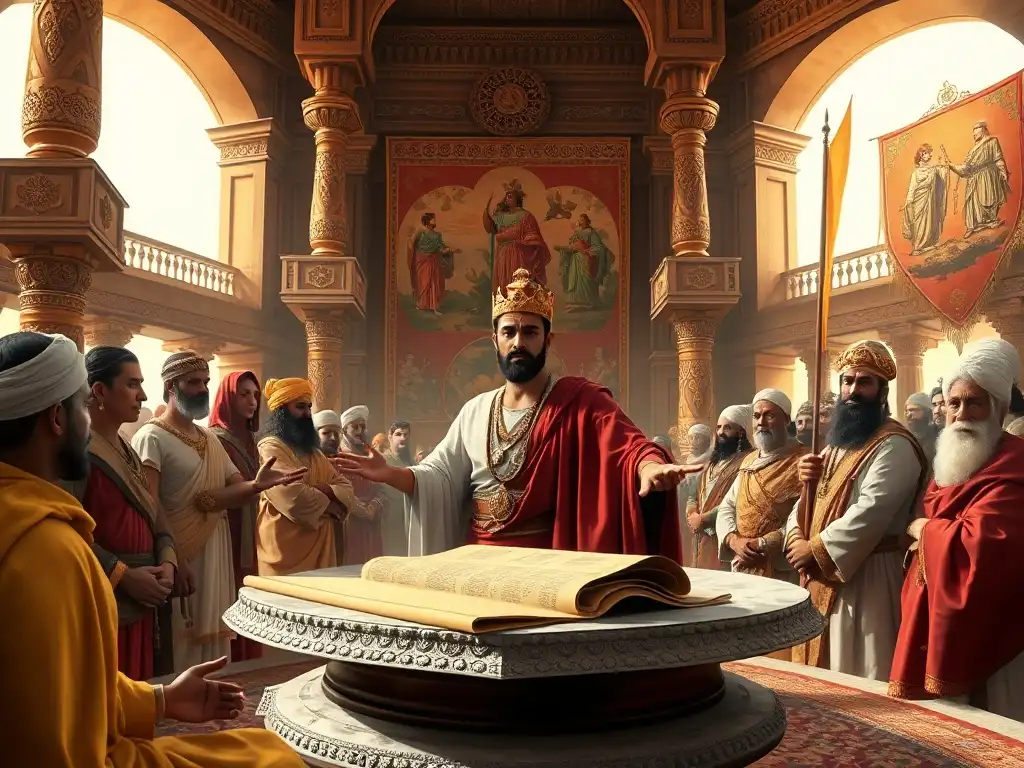
The Maurya Empire, which flourished from 322 to 185 BCE, is often compared to other ancient empires for its unique governance practices and challenges. Understanding these comparisons reveals not only the strengths and weaknesses of Mauryan governance but also the broader context of ancient statecraft. The Maurya Empire's centralized administration, characterized by a bureaucratic system and a network of spies, can be contrasted with the decentralized governance seen in the Roman and Persian empires.
While the Roman Empire relied heavily on local governance and military oversight, the Maurya Empire maintained a more unified approach under the leadership of Emperor Ashoka. This centralization enabled Ashoka to implement widespread reforms and propagate Buddhism, which was a unique aspect of Mauryan governance. On the other hand, the Persian Empire’s governance was marked by a combination of local autonomy and a network of satraps who reported to the king, creating a more fragmented system.
These differences highlight the Maurya Empire's attempts to balance authority and local governance, a challenge faced by many ancient empires. The lessons learned from these comparisons emphasize the significance of governance structures in shaping the stability and longevity of empires.
Governance Structures: Maurya Empire vs. Gupta Empire
The governance structures of the Maurya Empire and the subsequent Gupta Empire reflect two distinct approaches to administration in ancient India. The Maurya Empire established a highly centralized government, with a strong emphasis on bureaucracy. The empire was divided into provinces, each overseen by a governor, or "mahaamatya," who was responsible for local administration, tax collection, and law enforcement. This system allowed for effective control over vast territories, ensuring that the emperor's policies were uniformly implemented.
In contrast, the Gupta Empire, which emerged around 240 CE, adopted a more decentralized approach. While retaining a strong central authority, Gupta rulers granted considerable autonomy to local rulers or "janapadas." This shift allowed for greater regional flexibility and responsiveness to local needs but also risked creating disparities in governance and loyalty to the central authority.
The differences in governance between these two empires illustrate the evolution of administrative practices in ancient India, highlighting the balance between central control and local autonomy as a critical factor in sustaining an empire's coherence.
Economic Policies: A Comparison with the Persian Empire
The economic policies of the Maurya Empire were fundamentally shaped by its governance strategies, particularly in comparison to the Persian Empire. The Mauryan economy was characterized by state control over key industries, including agriculture, mining, and trade. The government imposed taxes on agricultural produce, which were collected by a well-organized bureaucratic system. This centralized control allowed the Maurya Empire to fund large-scale public works and military campaigns.
In contrast, the Persian Empire's economic policies were more market-oriented, with a greater emphasis on trade and commerce. The Persians facilitated trade through the establishment of a vast road network, such as the Royal Road, which connected various regions of the empire. Taxation was lighter compared to Mauryan practices, enabling merchants to thrive, but also leading to challenges in revenue collection and state control.
The Maurya Empire's stringent economic policies, while effective in generating revenue, may have stifled individual enterprise compared to the more liberal approach of the Persian Empire. This comparison reveals the complexities of economic governance and its impact on the empire's sustainability.
Military Governance: Lessons from the Roman Empire
The military governance of the Maurya Empire shares notable similarities and contrasts with that of the Roman Empire. Both empires understood the crucial role of military strength in maintaining control over vast territories. The Maurya Empire, under Ashoka, established a formidable army supported by a sophisticated logistics system, allowing for rapid deployment and effective administration of conquered regions.
However, the Roman Empire's military governance was characterized by a more complex integration of military and civil authority. Roman generals often held significant political power, and military victories were closely tied to their careers in governance. This dual role created a dynamic where military leaders could challenge imperial authority, leading to civil strife.
In contrast, the Maurya Empire maintained a clearer distinction between military and civil governance, which helped prevent the rise of military factions that could threaten the emperor's power. This lesson in maintaining a balance between military prowess and civil authority is crucial for understanding the challenges of governance in any large empire.
Conclusion: The Legacy of Maurya Empire Governance
The governance of the Maurya Empire left an indelible mark on subsequent Indian civilizations, influencing administrative practices and statecraft for centuries to come. The centralized bureaucratic model, which emphasized efficiency and control, served as a template for later empires, including the Gupta Empire. The Mauryan approach to governance, particularly under Ashoka, fostered a sense of unity and shared identity among diverse populations, setting a precedent for future rulers.
Impact on Subsequent Indian Civilizations
The legacy of Mauryan governance can be seen in the administrative structures of later Indian states. The emphasis on a strong bureaucracy, tax collection systems, and public welfare initiatives became hallmarks of governance in subsequent empires. Moreover, the propagation of Buddhism and the notion of dharma as a guiding principle for rulers had lasting effects on the moral and ethical dimensions of governance in India.
This influence extended beyond governance, shaping cultural and social norms that persisted through various dynasties. The Maurya Empire's model of governance thus not only impacted political structures but also contributed to the philosophical underpinnings of Indian civilization.
Relevance of Governance Lessons in Modern Context
The lessons learned from the governance of the Maurya Empire are particularly relevant in today's context. The balance between central authority and local autonomy remains a critical issue for modern states. The Mauryan experience underscores the importance of effective administration, transparency, and accountability in governance.
Moreover, the emphasis on ethical leadership and the welfare of the populace, as exemplified by Ashoka's policies, resonates with contemporary discussions on governance and public policy. By studying the governance challenges of the Maurya Empire, modern societies can glean insights into building resilient and responsive governance structures that can adapt to the complexities of today's world.
References and Further Reading on Governance in Ancient India
The governance of the Maurya Empire presents a fascinating study that reveals both its achievements and challenges. Understanding these intricacies not only enhances our appreciation of ancient Indian political structures but also provides valuable lessons applicable to modern governance. To delve deeper into this topic, the following resources are recommended.
Recommended Books and Articles
-
"A History of Ancient India" by Upinder Singh
This comprehensive text covers the political, social, and cultural aspects of ancient India, including a detailed examination of the Maurya Empire's governance structures.
-
"The Mauryan Empire" by Romila Thapar
Thapar's work provides insights into the administration and governance strategies used during the Maurya period, highlighting both successes and setbacks.
-
"The Arthashastra" by Kautilya (Chanakya)
This ancient treatise on statecraft and military strategy offers crucial insights into the governance principles during the Maurya Empire, particularly under Chandragupta Maurya and Ashoka.
-
"India: A History" by John Keay
Keay’s narrative includes a section specifically focusing on the Maurya Empire, discussing its governance challenges and the administrative innovations introduced during this time.
-
"The Maurya Dynasty: An Overview" by S. S. Bhattacharya
This article provides a concise overview of the political systems and challenges faced by the Maurya rulers, which is essential for understanding their governance model.
Online Resources for Further Exploration
-
Ancient History Encyclopedia
This online platform features a wealth of articles and resources related to the Maurya Empire, including governance structures and administrative challenges.
-
Google Scholar
A search on Google Scholar can yield numerous academic papers discussing various aspects of governance in the Maurya Empire, including case studies and comparative analyses.
-
The British Museum's Online Collection
The British Museum offers access to artifacts and documents from the Maurya period, providing context for the cultural and administrative practices of the time.
-
The Internet Archive
This digital library contains numerous historical texts and books on ancient Indian governance, allowing users to explore primary sources related to the Maurya Empire.
-
Podcast Series on Ancient Civilizations
Many educational podcasts discuss the Maurya Empire and its governance challenges, giving listeners a dynamic way to engage with the material.
By utilizing these references and resources, readers can gain a deeper understanding of the governance challenges faced by the Maurya Empire and extract lessons that remain relevant in contemporary discussions of political administration and leadership.
- Introduction to Governance in the Maurya Empire
- Key Governance Challenges Faced by the Maurya Empire
- The Role of Ashoka in Addressing Governance Challenges
- Lessons Learned from the Governance of the Maurya Empire
- Comparative Analysis: Governance in the Maurya Empire vs. Other Ancient Empires
- Conclusion: The Legacy of Maurya Empire Governance
- References and Further Reading on Governance in Ancient India
- What were the main governance challenges faced by the Maurya Empire?
- How did the Mauryan rulers address these governance challenges?
- What role did Ashoka the Great play in governance?
- How did the Maurya Empire's governance influence later Indian states?
- What lessons can modern states learn from the governance of the Maurya Empire?
Frequently Asked Questions
What were the main governance challenges faced by the Maurya Empire?
The Maurya Empire encountered challenges such as maintaining administrative efficiency, managing diverse populations, and dealing with insurrections and local governance issues.
How did the Mauryan rulers address these governance challenges?
Mauryan rulers implemented a centralized administration, established a network of provincial governors, and used law codes to maintain order and address local grievances effectively.
What role did Ashoka the Great play in governance?
Ashoka significantly transformed governance by promoting Buddhist principles, implementing moral governance, and focusing on the welfare of his subjects, which helped in consolidating his rule.
How did the Maurya Empire's governance influence later Indian states?
The administrative practices and bureaucratic structures developed during the Maurya Empire set a precedent for subsequent Indian states, influencing their governance models and approaches to local administration.
What lessons can modern states learn from the governance of the Maurya Empire?
Modern states can learn the importance of centralized authority, balancing local governance, and the need for effective communication between rulers and subjects to ensure stability and harmony in diverse societies.
Final Reflection: Lessons from the Governance of the Maurya Empire
The governance challenges faced by the Maurya Empire resonate profoundly in today's political landscape, reminding us that effective governance is a timeless pursuit. The complexities of managing a vast empire with diverse populations and interests reveal that the principles of leadership, justice, and accountability are as relevant now as they were over two millennia ago. In an era where governance is often scrutinized, the lessons learned from the Maurya Empire serve as a beacon, urging contemporary leaders to reflect on their practices and strive for a more inclusive and effective administration.
The influence of the Maurya Empire's governance extends beyond historical analysis; it continues to shape our understanding of leadership in diverse societies. The challenges of balancing power, ensuring justice, and fostering unity in diversity are themes that echo through time. As we navigate our own governance challenges, we can draw inspiration from the past. The greatest gift of leadership is a boss who wants you to be successful.
This quote encapsulates the essence of leadership that the Maurya Empire exemplified, where the ruler's responsibility was not only to govern but to uplift and empower the people.
As we reflect on the governance lessons from the Maurya Empire, I invite you to consider how these insights can be applied in your own life and community. What can you learn from the past to influence your approach to leadership and governance today? Embrace the opportunity to engage with these lessons, whether in your personal relationships, professional endeavors, or civic responsibilities. By doing so, you contribute to a legacy of thoughtful governance that honors the complexities of our shared human experience and paves the way for a more equitable future.
Unveil Insights and Shape the Future of Governance!
Thank you for exploring the governance challenges of the Maurya Empire. Your curiosity not only enhances your understanding of ancient systems but also empowers you to apply these lessons in contemporary discussions. Now, let’s transform this knowledge into action!
Here are some steps you can take to deepen your understanding and engage with others:
- Reflect on Governance: Identify a current governance challenge in your community or country and consider how the lessons from the Maurya Empire could provide effective solutions.
- Join the Conversation: Share your insights on social media or in community forums. Initiate a discussion about ancient governance models and their relevance to today’s leadership challenges.
- Explore Further: Look for additional resources on ancient governance practices and their influence on modern systems; discovering parallels can inspire innovative ideas!
Which governance strategies from the Maurya Empire do you believe could address the challenges faced in today's leadership?