
The Role of Trade Routes in the Spread of Indus Valley Art

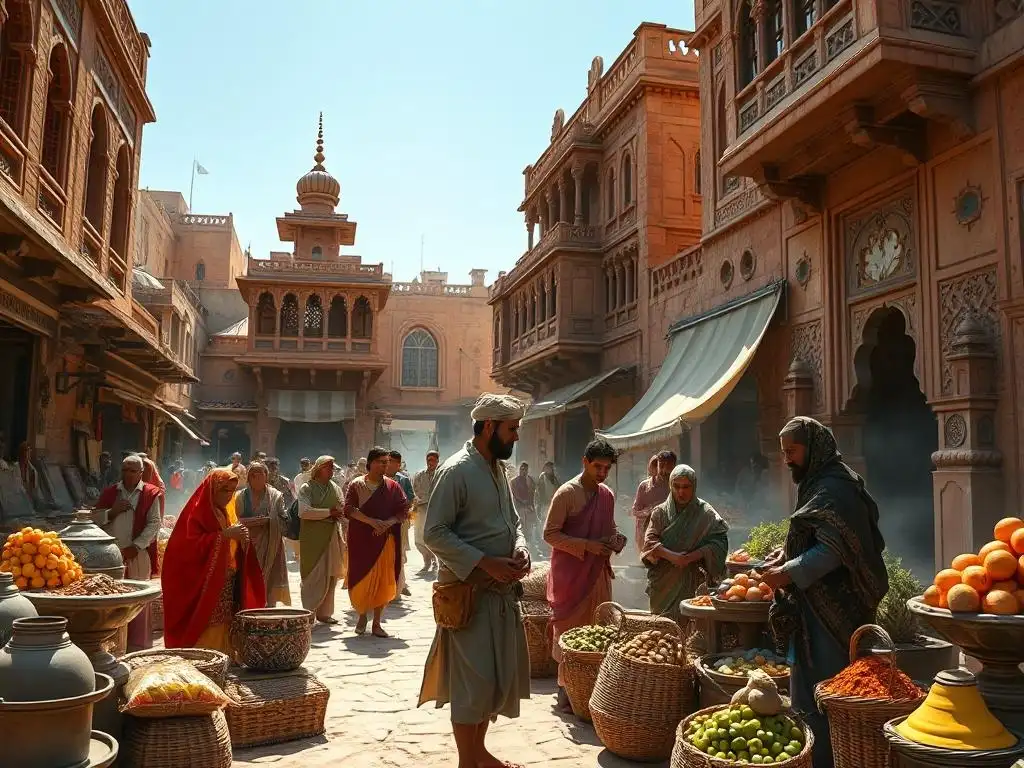
Welcome to Ancient India History, where we embark on a journey through time to uncover the fascinating tapestry of ancient Indian civilizations. Today, we delve into the Indus Valley trade routes history, a pivotal aspect that shaped not only commerce but also the vibrant art and culture of this remarkable era. As we explore how trade routes facilitated the exchange of ideas and artistic expressions, prepare to be captivated by the intricate connections that defined the Indus Valley civilization. Join us as we unravel the mysteries of the past and discover the legacy that continues to inspire today!
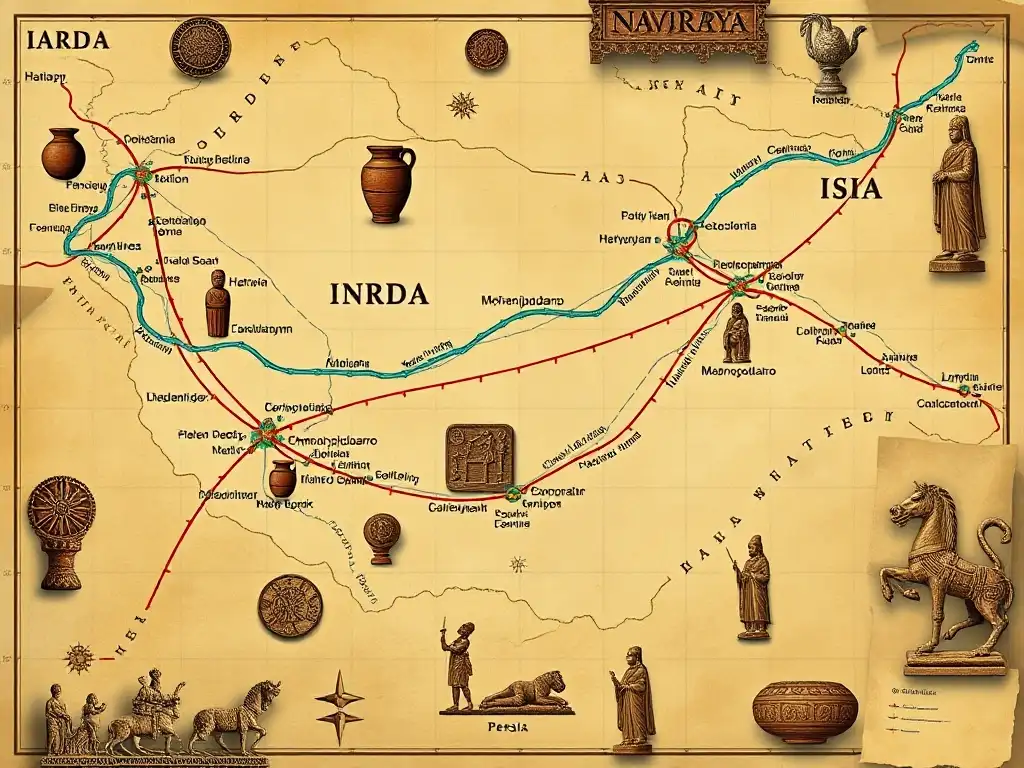
Introduction to Indus Valley Trade Routes History
The Indus Valley Civilization (IVC), flourishing around 2500 BCE, is renowned for its advanced urban planning, sophisticated architecture, and remarkable artistic achievements. One of the crucial yet often understated elements that facilitated the spread of Indus Valley art was its extensive network of trade routes. These routes not only connected various regions within the civilization but also extended beyond its borders, linking it to neighboring cultures and societies. Understanding the Indus Valley trade routes history is essential to appreciate how commerce influenced artistic expression and cultural exchange in ancient India.
Overview of the Indus Valley Civilization
The Indus Valley Civilization, one of the world's earliest urban cultures, encompassed a vast territory that included modern-day Pakistan, northwest India, and parts of Afghanistan. Characterized by its well-planned cities like Harappa and Mohenjo-Daro, the IVC showcased a high degree of craftsmanship and artistic innovation. Artisans produced a variety of objects, from intricate pottery and seal carvings to metalwork and jewelry, reflecting both everyday life and spiritual beliefs.
The civilization's success can be attributed to its advanced agricultural practices, which supported a growing population, and its ability to engage in trade with distant regions. As a result, the IVC became a melting pot of ideas, cultural practices, and artistic styles, significantly impacting its artistic output.
Importance of Trade Routes in Ancient Civilizations
Trade routes have historically played a pivotal role in shaping civilizations. They facilitated the exchange of not only goods but also ideas, technologies, and cultural practices. In ancient times, these routes served as conduits for interaction between diverse groups, leading to the diffusion of art, religion, and social norms.
In the context of the Indus Valley Civilization, trade routes allowed for the movement of various materials—such as semi-precious stones, metals, and textiles—which were essential for artistic production. Furthermore, the interactions with neighboring cultures through trade enabled the incorporation of new styles and techniques into Indus Valley art, enriching its aesthetic diversity.
The Geography of Indus Valley Trade Routes
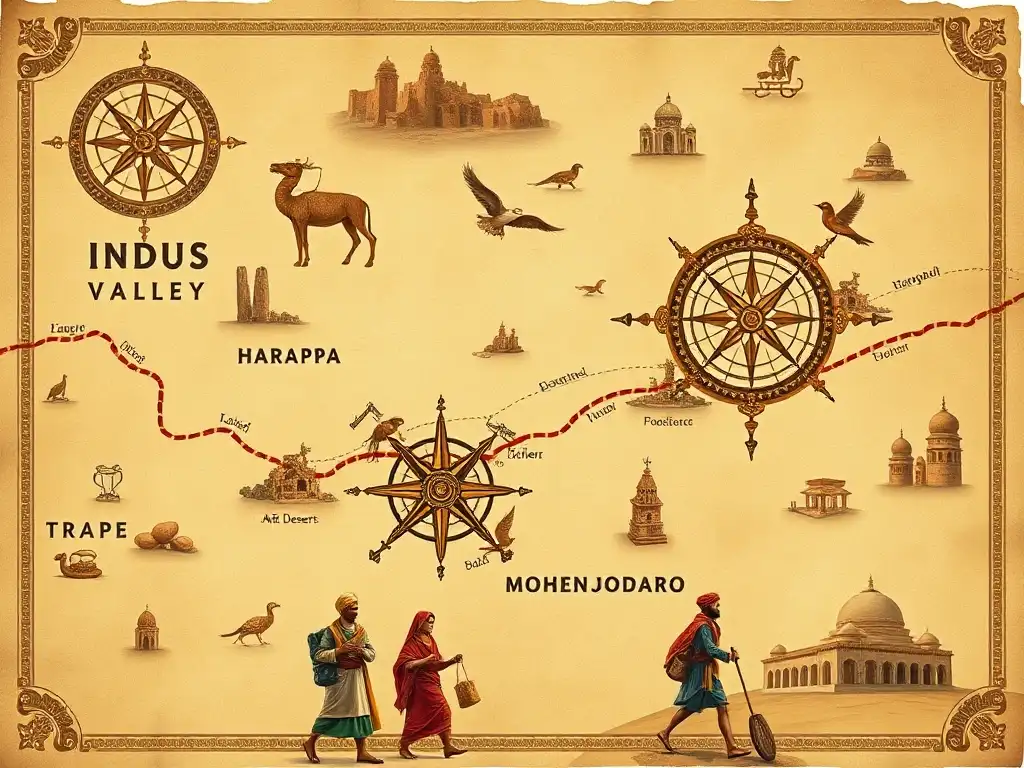
The geography of the Indus Valley played a significant role in shaping its trade routes. The civilization was strategically located near key waterways, including the Indus River, which served as a vital transportation artery. Additionally, the surrounding mountain ranges provided natural barriers that defined trade routes and connections with other regions.
Major Trade Routes of the Indus Valley
The primary trade routes of the Indus Valley included:
- The Indus River Route: Facilitating transportation of goods between cities and regions along the riverbanks.
- Overland Routes to Mesopotamia: Connecting the IVC with ancient Mesopotamia, promoting the exchange of luxury items and artistic influences.
- Coastal Trade Routes: Linking the Indus Valley with Arabian Peninsula trade networks, allowing for maritime commerce.
These routes not only enabled the flow of goods but also served as channels for cultural exchange, influencing the artistic landscape of the Indus Valley.
Key Trading Partners and Regions
The Indus Valley Civilization engaged with several key trading partners, including:
- Mesopotamia: Known for its advanced culture and trade in textiles and metals.
- Persian Gulf Regions: Providing access to exotic goods and materials.
- Central Asia: Offering trade in livestock and crafts.
These interactions significantly contributed to the evolution of Indus Valley art, as artisans adapted and integrated diverse influences into their work, leading to a rich tapestry of artistic expression that continues to fascinate historians and art enthusiasts alike.
The Influence of Trade on Indus Valley Art
Trade played a pivotal role in shaping the artistic expressions of the Indus Valley Civilization (IVC), which thrived between 3300 and 1300 BCE. The extensive network of trade routes connected the IVC with various regions, including Mesopotamia, Persia, and the Arabian Peninsula. This interaction not only facilitated the exchange of goods but also led to the diffusion of artistic ideas and techniques.
As merchants traveled along these trade routes, they brought back new influences, which were reflected in the art of the IVC. The introduction of foreign motifs, styles, and materials enriched the artistic landscape of the civilization. The resulting amalgamation of local and foreign artistic elements is evident in various artifacts, such as seals, pottery, and sculptures, showcasing how trade fostered creativity and innovation in art.
Furthermore, the economic prosperity derived from trade encouraged artisans to experiment with new forms of expression and craftsmanship. This blend of influences contributed to a unique artistic identity for the IVC, distinguishing it from other contemporary civilizations.
Artistic Exchange through Trade
The exchange of art and artistic ideas through trade routes was a significant aspect of the Indus Valley Civilization's cultural development. As traders established connections with distant lands, they not only traded goods but also ideas and artistic techniques. This exchange can be traced through various artifacts that display a blend of local styles and foreign influences.
For instance, the seals of the Indus Valley often feature motifs and symbols reminiscent of Mesopotamian art, suggesting that artisans were inspired by the intricate designs and themes prevalent in neighboring cultures. The presence of animal motifs, geometric patterns, and intricate carvings on seals indicates a dialogue between cultures facilitated by trade.
In addition, the exchange extended beyond mere aesthetics. Techniques such as lost-wax casting and the use of faience emerged in the IVC, likely influenced by interactions with other civilizations. These methods enriched the artistic repertoire of the Indus Valley artisans, allowing for greater creativity and complexity in their works.
Materials and Techniques Influenced by Trade
The trade routes of the Indus Valley were instrumental in introducing new materials and techniques that significantly impacted the art of the civilization. For example, the availability of lapis lazuli, a precious blue stone sourced from Afghanistan, became a hallmark of Indus Valley jewelry and ornaments. This material was not only valued for its beauty but also for the status it conferred upon its wearers.
Moreover, trade with regions such as Persia and Mesopotamia facilitated the exchange of raw materials like copper, tin, and ivory, which were essential for crafting tools and decorative items. The sourcing of these materials allowed artisans to create a diverse array of artworks, from intricate jewelry to finely crafted pottery.
The techniques employed by Indus Valley artisans also evolved due to external influences. Pottery styles, for instance, were enriched by the addition of new glazing techniques and decorative methods learned from trading partners. This cross-pollination of ideas and materials resulted in an artistic landscape that was both innovative and reflective of the IVC's extensive trade connections.
Case Studies of Artifacts Spread via Trade Routes
The examination of specific artifacts provides valuable insights into how trade routes facilitated the spread of Indus Valley art beyond its geographical boundaries. These artifacts not only showcase the craftsmanship of the civilization but also highlight the cultural exchanges that took place through trade.
Iconic Art Pieces of the Indus Valley
Among the most iconic art pieces from the Indus Valley are the seals, which were used for trade and administrative purposes. The famous "Unicorn Seal," featuring a mythical creature, exemplifies the intricate artistry and the symbolic significance of seals in trade transactions. This particular seal has been found in sites as far as Mesopotamia, indicating the far-reaching influence of Indus Valley art.
Another notable example is the terracotta figurines, which depict various aspects of daily life and religious practices. These figurines have been discovered in various archaeological sites outside the IVC, pointing to their popularity and the demand for Indus Valley art in foreign markets.
Additionally, the craftsmanship seen in the jewelry, especially those made from semi-precious stones, showcases the sophistication of Indus artisans. Many of these pieces have been found in burial sites across regions connected by trade, indicating their value and the cultural significance attached to them.
Analysis of Artifacts Found in Foreign Locations
The analysis of artifacts found in foreign locations reveals the extent of the Indus Valley's trade networks and their impact on artistic exchange. For example, numerous seals and beads have been unearthed in Mesopotamian sites, underscoring the commercial relationships that existed between these ancient civilizations.
Archaeological findings at sites such as Ur and Susa have yielded Indus Valley pottery and decorative items, indicating that these goods were not merely traded but appreciated and integrated into local cultures. The unique style and craftsmanship of Indus Valley artifacts left a lasting impression, influencing local artisans and contributing to a rich tapestry of artistic expression across regions.
Moreover, the presence of Indus Valley art in foreign contexts provides insight into the cultural perceptions of the civilization. These artifacts were often viewed as exotic and luxurious, thereby enhancing the prestige of the cultures that adopted them. The spread of Indus Valley art through trade routes thus serves as a testament to its enduring legacy and significance in the ancient world.
The Impact of Trade Routes on Cultural Exchange
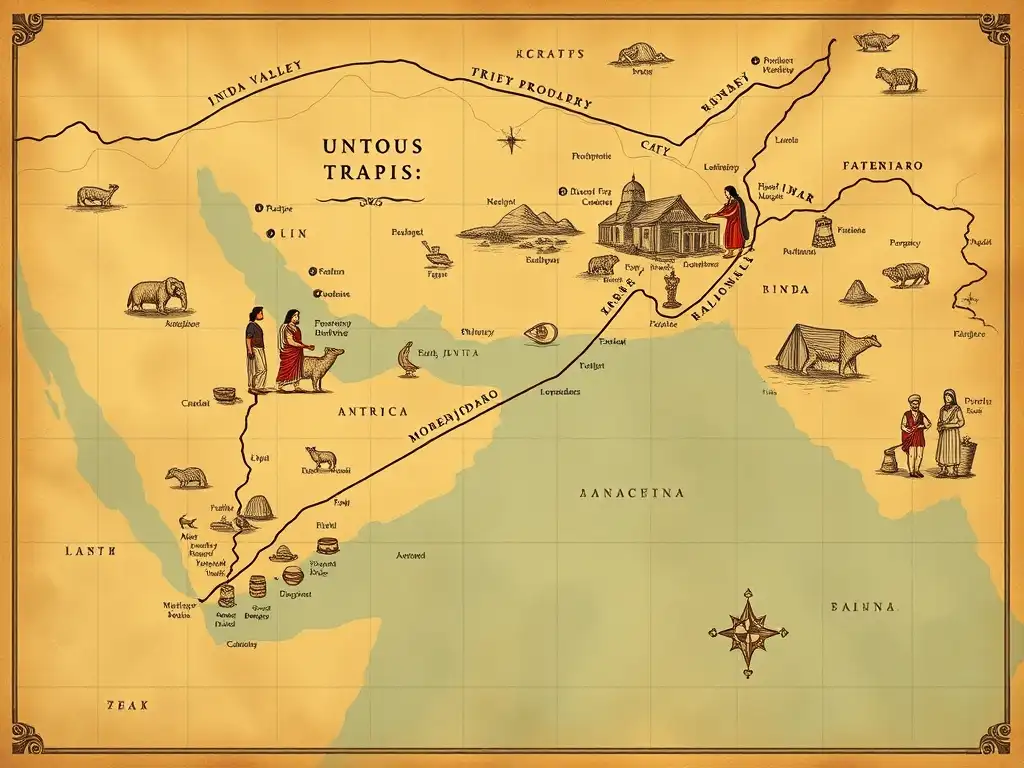
The trade routes established during the Indus Valley Civilization were not merely pathways for the exchange of goods; they served as vibrant arteries of cultural interaction. Stretching from the Indus Valley to various regions, including Mesopotamia and Central Asia, these routes facilitated the movement of artisans, traders, and ideas. As a result, the art of the Indus Valley was profoundly influenced by the diverse cultures encountered along these routes, leading to a rich tapestry of artistic expression.
The interaction with neighboring civilizations allowed for an exchange of techniques, materials, and motifs. For instance, the introduction of new materials such as ivory and semi-precious stones enabled Indus Valley artisans to expand their repertoire, creating intricate jewelry and decorative items that reflected both local traditions and foreign influences. This fusion is exemplified in pottery, where motifs from both the Indus Valley and Mesopotamian cultures can be seen, showcasing a blend that enriched the artistic vocabulary of the region.
Furthermore, the movement of ideas and styles across these trade networks contributed to the evolution of artistic practices. The adoption of seals, which were used for trade and administrative purposes, is a prime example. The designs on these seals often featured animals and mythological figures, indicating a synthesis of local beliefs and external artistic influences. Such cultural exchanges not only enhanced the artistic landscape of the Indus Valley but also laid the groundwork for future artistic developments in the region.
Cross-Cultural Influences in Indus Valley Art
The artistry of the Indus Valley reflects a complex interplay of local and foreign influences, primarily due to the extensive trade networks that connected this ancient civilization with other cultures. Artifacts discovered in sites like Mohenjo-Daro and Harappa reveal stylistic elements that resonate with artistic traditions from distant lands, indicating a vibrant cross-cultural dialogue.
One significant influence came from the Mesopotamian civilization, where the artistic techniques of sculpting and pottery-making were particularly advanced. Indus Valley artisans adopted and adapted these techniques, incorporating them into their own artistic practices. For example, the use of intricate geometric patterns and motifs in Indus pottery suggests a shared aesthetic sensibility with contemporary Mesopotamian crafts. This not only enriched Indus art but also revealed a mutual appreciation for beauty and craftsmanship.
Additionally, the presence of similar iconographic elements, like animal representations and divine figures, points to a deeper cultural exchange. The cross-cultural influences are not merely superficial; they signify an exchange of ideas about spirituality and social structure. The resulting artworks served as a canvas for storytelling, reflecting the diverse cultural identities of the people engaged in trade.
The Role of Merchants in Cultural Transmission
Merchants played a pivotal role in the cultural transmission of the Indus Valley Civilization, acting as intermediaries not only in the exchange of goods but also in the dissemination of artistic ideas and practices. These traders, who traveled vast distances, carried with them not just commodities but also the cultural nuances of their homeland.
Through their interactions with various cultures along trade routes, merchants facilitated the introduction of new artistic concepts. For instance, the movement of goods such as textiles, metals, and ceramics often accompanied the sharing of techniques and styles. As merchants engaged with artisans from different regions, they exchanged knowledge, leading to the incorporation of foreign motifs and methods into local art forms.
Moreover, the social networks established through trade fostered a sense of community among diverse groups. This community spirit allowed for collaborative artistic ventures, where artisans from different backgrounds worked together, blending their styles and traditions. The result was a dynamic artistic environment that reflected the multicultural essence of the Indus Valley’s trade interactions.
Challenges and Changes in Trade Routes Over Time
As the Indus Valley Civilization flourished, its trade routes faced numerous challenges that impacted the flow of goods and cultural exchange. Factors such as climate change, political shifts, and natural disasters contributed to the fluctuating dynamics of these crucial pathways.
One significant challenge was the changing geography of the region. Over time, the shifting courses of rivers and the onset of droughts affected the accessibility of certain trade routes. This led to the decline of some established trading centers, which in turn created a ripple effect on the art produced in those regions. Artisans who relied on trade for materials and inspiration were particularly impacted, forcing them to adapt their practices in response to these environmental changes.
Political instability also played a crucial role in the evolution of trade routes. The rise and fall of empires, coupled with conflicts among neighboring states, often disrupted established trade networks. Such disruptions not only hindered trade but also affected the cultural exchanges that were intrinsic to the flourishing of Indus Valley art. The need for merchants to navigate these challenges often led to the exploration of new routes and markets, ultimately reshaping the cultural landscape.
Historical Events Affecting Trade Routes
Several historical events significantly influenced the Indus Valley trade routes, altering their course and the nature of cultural exchange. The rise of powerful neighboring kingdoms, such as the Achaemenid Empire, created new opportunities for trade but also introduced competition and conflict.
The establishment of trade agreements and alliances often led to the flourishing of certain routes. For instance, the connection with Mesopotamia facilitated a thriving exchange of goods like textiles and metals, which were highly sought after. However, geopolitical tensions, such as invasions or territorial disputes, could abruptly change the landscape of trade, leading to the decline of previously lucrative routes.
Natural disasters, such as floods or earthquakes, also played a critical role in shaping trade dynamics. These events could lead to the destruction of infrastructure, rendering routes impassable and forcing merchants to seek alternative paths. The ability of the Indus Valley civilization to adapt to these challenges was crucial for maintaining its artistic and cultural vibrancy.
Adaptations in Art Due to Changing Trade Dynamics
The changing dynamics of trade routes necessitated adaptations in the artistic practices of the Indus Valley Civilization. As merchants encountered new materials and techniques, artisans began to incorporate these elements into their work, leading to a transformation of local art forms.
For instance, the introduction of new colors and materials from distant lands enabled craftsmen to experiment with different styles and motifs. This is evident in the evolution of pottery, where the influence of foreign designs can be seen in the use of intricate patterns and vibrant glazes. Such adaptations not only enhanced the aesthetic quality of the art but also made it more appealing to a broader audience.
Moreover, the shifting trade dynamics also encouraged the fusion of artistic traditions. As artisans interacted with diverse cultures, they began to blend their traditional techniques with foreign influences, resulting in unique artistic expressions. This innovative spirit was crucial for the survival and evolution of Indus Valley art, allowing it to remain relevant in a changing world.
The art of the Indus Valley Civilization was deeply intertwined with its trade routes, reflecting a rich history of cultural exchange, adaptation, and resilience.
Conclusion: The Lasting Legacy of Indus Valley Trade Routes on Art
The trade routes established by the Indus Valley Civilization played a pivotal role in shaping the artistic landscape of ancient India and beyond. These routes facilitated not only the exchange of goods but also the transmission of ideas, techniques, and cultural motifs. The artifacts unearthed from various sites, such as terracotta figurines, seals, and pottery, reveal a rich tapestry of influences that can be traced back to these early trade networks. The interaction with neighboring cultures, including the Mesopotamians and Persians, allowed for a fusion of artistic styles that contributed to the unique identity of Indus Valley art.
Moreover, the craftsmanship seen in the jewelry and sculptural works reflects the sophistication of artisans who thrived in urban centers like Harappa and Mohenjo-Daro. The legacy of these trade routes is evident in how they enabled the Indus Valley Civilization to leave an indelible mark on the artistic traditions of subsequent Indian cultures. The motifs and techniques developed during this period can be seen echoed in later art forms, suggesting a continuity of influence that persists to this day.
The Indus Valley trade routes were essential not only for economic exchange but also for the dissemination of artistic heritage, contributing to a broader understanding of ancient Indian art's evolution.
Reflection on the Importance of Trade Routes in Art History
Trade routes serve as vital conduits for cultural exchange, and the Indus Valley trade routes exemplify this phenomenon in art history. The movement of goods across these networks facilitated not just commerce but also the sharing of artistic practices and styles. For instance, the intricate designs found on Indus seals demonstrate influences from other contemporary civilizations, showcasing how trade interactions led to a diversification of artistic expressions.
The role of trade routes extends beyond mere physical exchanges; they were avenues for the sharing of technological advancements in materials and techniques. The use of specific pottery styles, for example, can be linked to interactions along these routes, as artisans adapted foreign influences to suit local tastes. This cross-pollination of ideas resulted in a dynamic art scene that reflected the complexity of social and cultural relationships in ancient times.
Furthermore, understanding the importance of these trade routes in the context of art history allows historians and archaeologists to piece together the interconnectedness of ancient civilizations. By examining artifacts found along these routes, researchers can trace the flow of artistic influences and the socio-economic factors that drove these exchanges.
Future Research Directions in Indus Valley Art and Trade History
As the field of Indus Valley art and trade history continues to evolve, several promising directions for future research emerge. One area of focus could be the detailed analysis of artifacts discovered at key trade hubs, which may provide deeper insights into the artistic exchanges that took place. By employing advanced technologies such as 3D imaging and chemical analysis, scholars can uncover hidden layers of information regarding the materials and techniques used by artisans.
Another potential avenue for exploration lies in comparative studies between Indus Valley artifacts and those from neighboring civilizations. Investigating the similarities and differences in artistic styles can reveal the nuances of cultural exchange and adaptation. A multidisciplinary approach, integrating archaeology, art history, and ethnography, could yield a more comprehensive understanding of how trade routes influenced artistic development.
Additionally, more extensive fieldwork in unexplored regions along ancient trade routes may yield new discoveries that can reshape our understanding of the Indus Valley's artistic legacy. Collaborations with local communities could also enhance research efforts, providing valuable context and oral histories that enrich the narrative of trade and art in ancient India.
The interplay between trade routes and art in the Indus Valley Civilization is a rich area ripe for further investigation, promising to unveil the complexities of cultural interaction and artistic evolution in ancient India.
- Introduction to Indus Valley Trade Routes History
- Overview of the Indus Valley Civilization
- Importance of Trade Routes in Ancient Civilizations
- The Geography of Indus Valley Trade Routes
- The Influence of Trade on Indus Valley Art
- Case Studies of Artifacts Spread via Trade Routes
- The Impact of Trade Routes on Cultural Exchange
- Challenges and Changes in Trade Routes Over Time
- Conclusion: The Lasting Legacy of Indus Valley Trade Routes on Art
Frequently Asked Questions
What were the main trade routes of the Indus Valley civilization?
The Indus Valley trade routes primarily included overland paths to regions like Mesopotamia and maritime routes connecting to the Persian Gulf. These routes facilitated the exchange of goods and culture.
How did trade influence Indus Valley art?
Trade significantly impacted Indus Valley art by introducing various materials and artistic styles from other cultures, which enriched local craftsmanship and led to a fusion of artistic techniques.
What goods were commonly traded in the Indus Valley?
The Indus Valley was known for trading cotton textiles, pottery, metalwork, and precious stones. These goods were exchanged for copper, gold, and luxury items from neighboring regions.
How did the decline of trade routes affect the Indus Valley civilization?
The decline of trade routes due to environmental changes and invasions led to economic downturns, contributing to the eventual decline of the Indus Valley civilization and its urban centers.
What legacy did the Indus Valley trade routes leave behind?
The legacy of the Indus Valley trade routes includes the establishment of early global trade networks, which influenced subsequent civilizations in terms of economic practices and cultural exchanges.
Final Reflection: The Enduring Legacy of Indus Valley Trade Routes
The exploration of Indus Valley trade routes history reveals not only the intricate networks that facilitated the exchange of goods but also the profound cultural connections that emerged from these interactions. In an era where globalization is at the forefront of our societal evolution, understanding the historical significance of these trade routes reminds us that the sharing of art and ideas transcends borders and time. The legacy of the Indus Valley civilization continues to resonate today, illustrating the timeless impact of commerce on cultural development.
The influence of the Indus Valley trade routes is evident in the rich tapestry of cultural exchange that has shaped our world. As we navigate our interconnected societies, the lessons from the past remind us of the importance of collaboration and understanding. The art and artifacts that traveled along these routes serve as a testament to the creativity and ingenuity of ancient peoples. Art is the most beautiful of all lies.
— Claude Debussy. This sentiment encapsulates how the artistic expressions born from these exchanges continue to inspire and provoke thought, fostering a deeper appreciation for the diverse cultures that have contributed to our shared human experience.
As we reflect on the significance of trade routes in the spread of Indus Valley art, I invite you to consider how you can embrace the spirit of connection in your own life. Whether through supporting local artists, engaging in cultural exchanges, or simply exploring the stories behind the art that surrounds you, each action contributes to a broader understanding of our shared heritage. Let us honor the past by fostering a future where art and culture continue to flourish, bridging gaps and uniting us in our shared humanity.
Thank you for exploring the fascinating world of Indus Valley art and its intriguing links to trade routes! Your interest not only shines a light on ancient civilizations but also enhances your understanding of how culture transcends borders. Now, let’s take the next step in your journey of discovery.
- Dive deeper by researching specific trade routes that influenced the artistry of the Indus Valley. Consider exploring resources at your local library or reputable online databases.
- Share your findings with friends or engage in social media groups dedicated to ancient history. Your insights could spark meaningful discussions!
- Join a community of history enthusiasts by participating in forums or attending local lectures about ancient civilizations.
What unique perspective do you believe the trade routes contributed to the evolution of art in the Indus Valley?