
The Gupta Empire and Its Role in the Evolution of Indian Festivals

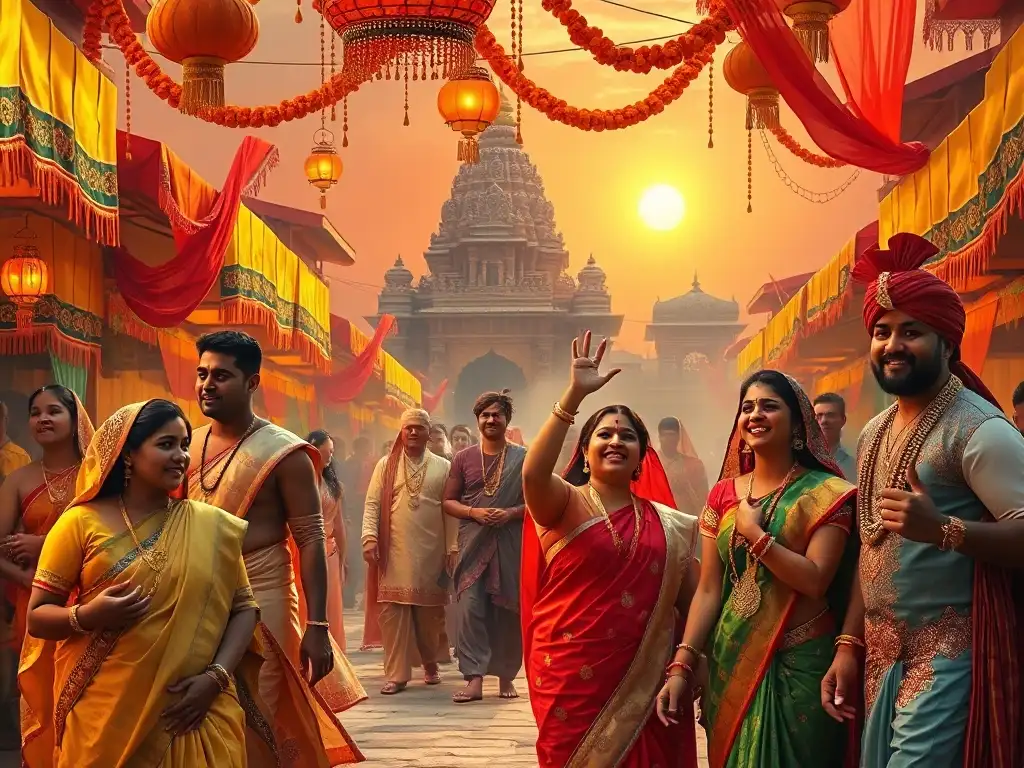
Welcome to Ancient India History, where we embark on a fascinating journey through the vibrant tapestry of ancient Indian civilizations. Delve into the Gupta Empire, a golden era that not only shaped the cultural landscape but also laid the foundation for many festivals we celebrate today. In our feature article, “The Gupta Empire and Its Role in the Evolution of Indian Festivals,” you’ll uncover the rich history behind these celebrations that have transcended time.
Prepare to be captivated as we explore the legacy of this remarkable empire and its enduring influence on the festivities that unite us. Let the exploration begin!
Introduction to the Gupta Empire
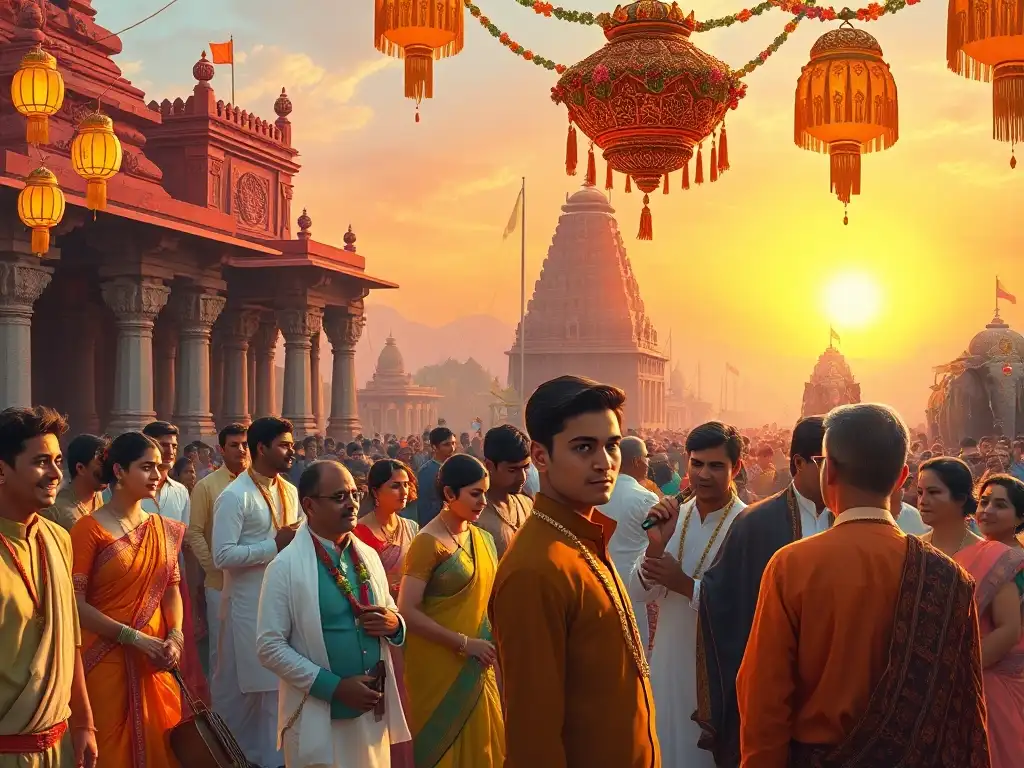
The Gupta Empire, often referred to as the Golden Age of India, holds a significant place in the annals of ancient Indian history. Spanning from approximately 320 to 550 CE, this era is renowned not only for its remarkable advancements in arts, science, and philosophy but also for its profound influence on the cultural fabric of India, particularly through the evolution of festivals.
This article delves into the intricate relationship between the Gupta Empire and the history of Indian festivals, highlighting how this period shaped celebratory practices that continue to resonate in modern times. By exploring the rich traditions and religious influences during the Gupta era, we can gain a deeper understanding of the festivals that form an integral part of Indian culture today.
Overview of the Gupta Empire
The Gupta Empire emerged as a prominent political force in northern India and is celebrated for its extensive contributions across various domains. Founded by Maharaja Sri Gupta, the empire reached its zenith under the rule of Chandragupta II, known as Vikramaditya. This period witnessed significant achievements in:
- Art and Architecture: The construction of magnificent temples and sculptures, exemplified by the intricate carvings of the Ajanta and Ellora caves.
- Literature and Philosophy: The flourishing of Sanskrit literature, with notable works including Kalidasa’s plays and Aryabhata’s astronomical texts.
- Science and Mathematics: Innovations in mathematical concepts, such as the introduction of the zero and advancements in algebra.
The Gupta Empire's emphasis on cultural patronage not only enriched the arts but also fostered a vibrant societal structure that allowed festivals to evolve and flourish.
Significance of the Golden Age in Indian History
The Golden Age of the Gupta Empire was characterized by an unprecedented level of stability and prosperity, which laid the foundation for a rich cultural milieu. This era is often regarded as a turning point in Indian history, as it facilitated:
- Cultural Synthesis: The blending of various local traditions and practices, leading to a more diverse festival landscape.
- Religious Pluralism: The co-existence of various religions, including Hinduism, Buddhism, and Jainism, each contributing unique elements to festival celebrations.
- Economic Prosperity: The growth of trade and commerce, which allowed for the exchange of cultural practices and ideas across regions.
Festivals during this time were not merely religious observances but became a means of community bonding and cultural expression, setting the stage for the vibrant festival traditions we see in India today.
Historical Context of Indian Festivals
Understanding the evolution of Indian festivals requires a look into their historical context, particularly how they transformed during the Gupta Empire.
Evolution of Festivals in Ancient India
Festivals in ancient India have their roots in agrarian practices, seasonal changes, and religious observances. Over time, they evolved into elaborate celebrations that reflected societal values and cultural identities. Key factors influencing their evolution include:
- Agricultural Cycles: Festivals often coincided with harvest seasons, celebrating abundance and gratitude to deities.
- Religious Narratives: Many festivals are linked to mythological stories and religious texts, providing deeper meaning and context.
- Cultural Exchanges: Interactions between different communities and regions led to the incorporation of diverse customs and practices into festival celebrations.
During the Gupta period, this evolution was marked by the formalization of certain festivals, which began to be recognized and celebrated across broader regions, fostering a sense of unity among diverse populations.
Influence of Religion and Society on Festival Celebrations
Religion played a central role in shaping the festivals of the Gupta Empire. The interplay between societal norms and religious beliefs influenced how festivals were celebrated, leading to distinct characteristics:
- Hindu Festivals: Celebrations such as Diwali and Makar Sankranti emerged prominently, marked by rituals, community gatherings, and feasts.
- Buddhist Observances: Festivals like Buddha Purnima highlighted the significance of spiritual teachings and communal harmony.
- Jain Festivals: Celebrations such as Paryushana not only reflected religious devotion but also emphasized ethical living and community service.
The societal structure of the Gupta Empire, with its emphasis on dharma (duty) and social harmony, further enriched the significance of these festivals, making them a vital aspect of daily life and cultural identity.
The Gupta Empire not only marked a high point in Indian civilization but also played a crucial role in shaping the rich tapestry of Indian festivals, influencing their evolution and cultural significance that persists to this day.
The Role of the Gupta Empire in Shaping Festivals
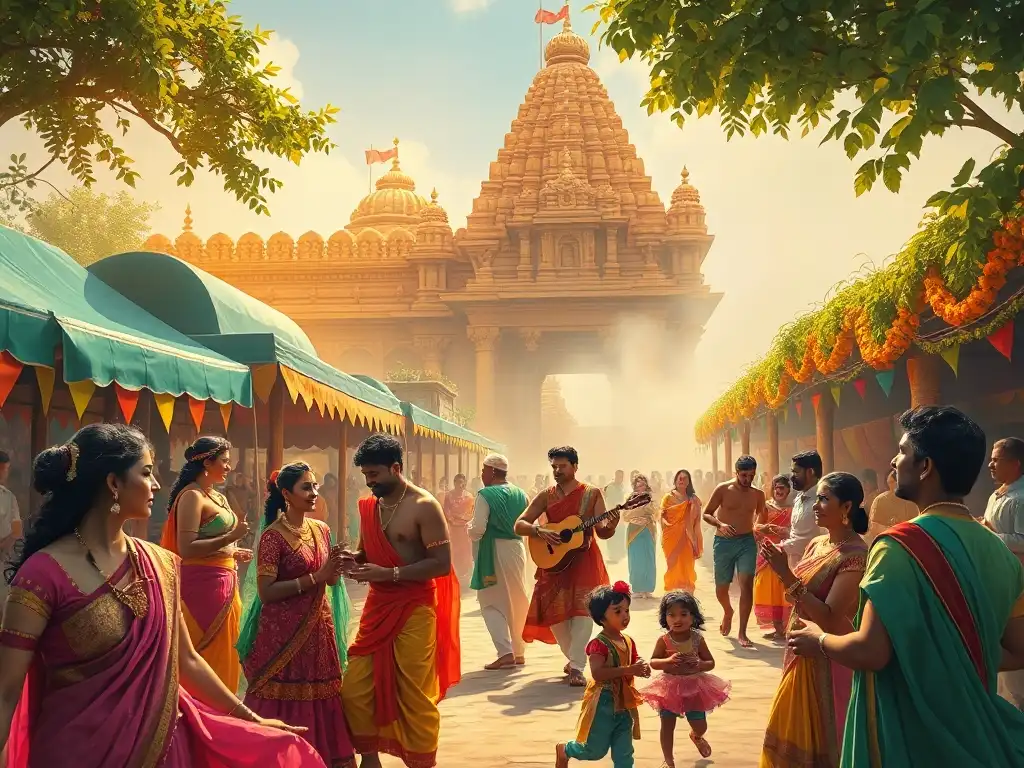
The Gupta Empire, often referred to as the Golden Age of India, played a pivotal role in the evolution of Indian festivals. This period, which lasted from approximately 320 to 550 CE, was characterized by significant advancements in art, science, and culture, which in turn influenced the festive practices of the time. Festivals during the Gupta era were not merely religious observances; they were vibrant expressions of social cohesion, cultural identity, and political stability.
The Gupta rulers actively supported various religious traditions, including Hinduism, Buddhism, and Jainism. This patronage contributed to the flourishing of festivals that celebrated these diverse beliefs, fostering a sense of unity among the populace. Moreover, the Gupta Empire’s extensive trade networks facilitated cultural exchanges, leading to the assimilation of various regional customs and practices into the festival calendar. Thus, the festivals of the Gupta period became a reflection of a rich cultural tapestry, showcasing the empire's diversity and inclusivity.
Administrative Policies and Their Impact on Festivals
The administrative policies of the Gupta Empire significantly influenced the organization and celebration of festivals. The centralized governance ensured that festivals were celebrated with state support, often accompanied by public festivities that reinforced the authority of the rulers. This support was crucial for the large-scale organization of festivals, which included elaborate processions, communal feasts, and public performances.
Additionally, the Gupta rulers enacted policies that promoted religious tolerance, allowing various communities to celebrate their respective festivals. This inclusivity not only enriched the cultural landscape but also encouraged inter-community participation in festivities, fostering harmony among different groups. For instance, Hindu festivals like Diwali and Buddhist festivals like Buddha Purnima were celebrated side by side, reflecting the empire's commitment to cultural pluralism.
Promotion of Arts and Culture During the Gupta Period
The Gupta Empire is renowned for its remarkable contributions to arts and culture, which directly impacted the nature and grandeur of festivals. The period witnessed a flourishing of literature, music, dance, and visual arts, elements that became integral to festival celebrations. Temples constructed during this time, adorned with intricate sculptures and frescoes, served as sites for various religious festivals, thus enhancing their visual and spiritual significance.
Moreover, the patronage of poets and playwrights led to the composition of numerous literary works that celebrated the themes of love, devotion, and mythology, which were often performed during festivals. The classical dance forms that emerged during this era also found their roots in festival celebrations, as they became a medium for storytelling and religious expression. Consequently, the artistic endeavors of the Gupta period enriched the festive experience, making it a vibrant amalgamation of spirituality and creativity.
Major Festivals During the Gupta Empire
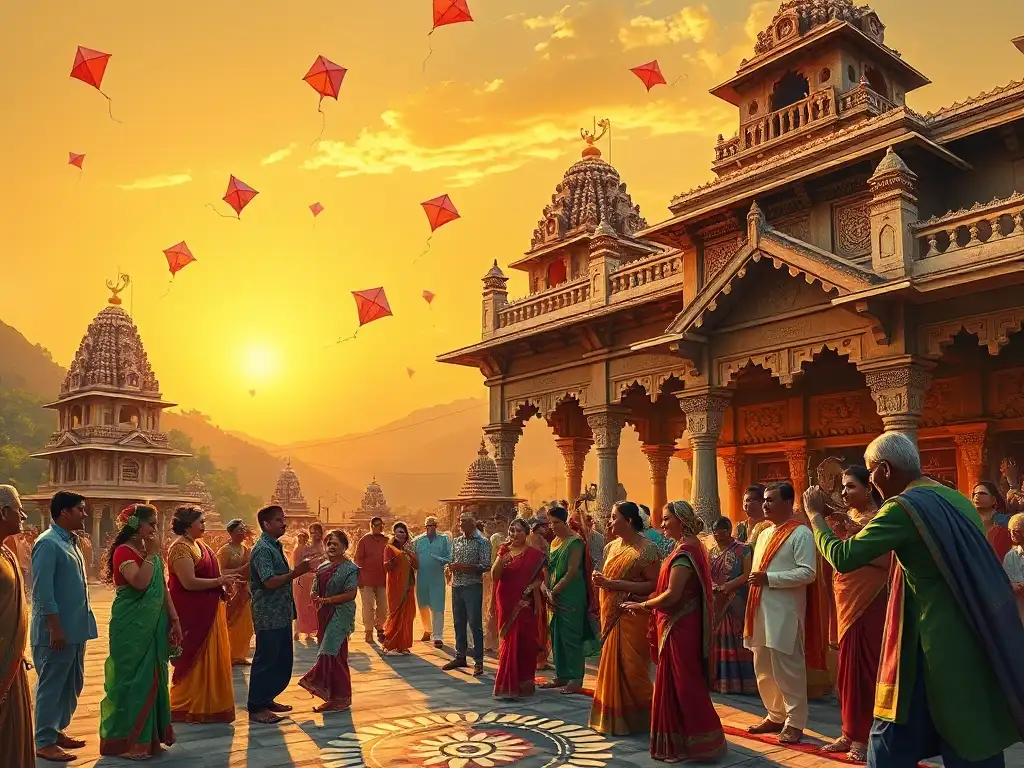
The Gupta Empire was marked by a rich tapestry of festivals that celebrated various aspects of life, religion, and culture. Some of the major festivals during this period included:
- Diwali: Celebrated as the festival of lights, Diwali symbolized the victory of light over darkness and good over evil. It included lighting lamps, fireworks, and communal feasting.
- Maha Shivaratri: Dedicated to Lord Shiva, this festival involved night-long vigils, prayers, and offerings at temples, reflecting the deep spiritual significance attributed to Shiva.
- Holi: Known as the festival of colors, Holi was a joyous celebration marking the arrival of spring, characterized by vibrant colors, singing, dancing, and community gatherings.
- Buddha Purnima: This festival celebrated the birth, enlightenment, and death of Buddha, drawing significant participation from Buddhist communities across the empire.
Key Festivals Celebrated in Gupta India
The festivals celebrated during the Gupta Empire were not just events; they were occasions that fostered community spirit and cultural pride. Each festival had its unique rituals and significance:
- Diwali: Beyond its religious importance, Diwali also served as a harvest festival, marking the end of the agricultural season. The illumination of homes and public spaces reflected the empire's prosperity and sense of community.
- Maha Shivaratri: The festival's observances included fasting and night-long vigils, which were believed to purify the soul and invoke blessings. Temples became hubs of activity, drawing devotees from far and wide.
- Holi: This festival was marked by playful interactions and the throwing of colored powders, symbolizing the joy of life and the arrival of spring. It also served as a means to reduce social barriers, allowing people from various backgrounds to celebrate together.
- Buddha Purnima: The observance of this festival often included lectures on Buddhist teachings and communal prayers, promoting a sense of unity among practitioners. It highlighted the importance of moral conduct and compassion.
Overall, the festivals of the Gupta Empire encapsulated the essence of Indian culture, intertwining religious devotion with artistic expression and community participation, and their legacy continues to influence contemporary Indian festivals today.
Influence of the Gupta Empire on Modern Indian Festivals
The Gupta Empire, often referred to as the Golden Age of India, had a profound impact on cultural practices, including the celebration of festivals. During this period, numerous traditions were formalized, many of which continue to influence modern Indian festivals. The Gupta rulers embraced and promoted various religious and cultural activities, leading to a rich tapestry of festivities that blended local customs with broader Indian cultural elements.
The Gupta period saw the flourishing of art, literature, and religious practices, which in turn enriched the festival culture. Important festivals like Diwali, which celebrates the victory of light over darkness, can trace their roots back to this era. The formalization of deities and their associated festivals during the Gupta Empire laid the groundwork for how these celebrations are observed today.
Furthermore, the Gupta Empire's patronage of various religious sects, including Hinduism, Buddhism, and Jainism, led to diverse festival traditions that catered to different communities. This inclusivity helped foster a sense of unity and cultural identity that is still evident in modern India.
Continuity of Festival Traditions
Many festivals celebrated today in India can be traced back to the Gupta period, showcasing a remarkable continuity of traditions. For instance, key Hindu festivals like Makar Sankranti, Holi, and Navaratri have roots that extend back to this influential era. The rituals, customs, and even the mythological stories associated with these festivals have been passed down through generations, often remaining unchanged.
The Gupta Empire's establishment of calendar systems also played a vital role in the continuity of festival celebrations. The festivals were often aligned with agricultural cycles, ensuring that they remained relevant to the lives of the people. This alignment with nature and seasonal changes is still reflected in how modern festivals are celebrated across India, emphasizing the connection between cultural practices and the environment.
Transformation of Festivals Over Centuries
While many festivals have maintained their core elements since the Gupta period, they have also evolved in response to changing social, political, and cultural dynamics. The influence of regional variations, the introduction of new customs, and the impact of colonial rule have all contributed to the transformation of these festivals over the centuries.
For example, Diwali, originally focused on the worship of Lakshmi and the celebration of harvest, has incorporated various regional practices and interpretations over time. Similarly, Holi’s evolution from a festival marking the arrival of spring to a celebration of love and unity reflects broader societal changes.
These transformations illustrate how festivals are living traditions that adapt and respond to contemporary contexts while still honoring their historical roots. The Gupta Empire laid the foundation for this adaptability by promoting a culture of innovation and diversity in ritual practices.
Conclusion
Summary of the Gupta Empire's Contribution to Indian Festivals
The Gupta Empire played a pivotal role in shaping the landscape of Indian festivals. By promoting religious inclusivity and cultural richness, the Guptas helped establish many of the traditions that are celebrated today. Their legacy is evident in the continuity of customs, the alignment of festivals with agrarian cycles, and the vibrant tapestry of celebrations that reflect India's diverse heritage.
The Lasting Legacy of Gupta Festivals in Contemporary India
The festivals of the Gupta Empire have left an indelible mark on contemporary India, with their influence still felt in how festivals are observed and celebrated today. The blending of ancient traditions with modern practices illustrates the resilience and adaptability of Indian culture. As people across the nation gather to celebrate these festivals, they not only honor their ancestors but also keep the spirit of the Gupta Empire alive, ensuring that its contributions to Indian festivals continue to resonate through time.
- Introduction to the Gupta Empire
- Overview of the Gupta Empire
- Significance of the Golden Age in Indian History
- Historical Context of Indian Festivals
- The Role of the Gupta Empire in Shaping Festivals
- Administrative Policies and Their Impact on Festivals
- Promotion of Arts and Culture During the Gupta Period
- Major Festivals During the Gupta Empire
- Influence of the Gupta Empire on Modern Indian Festivals
- Conclusion
- What was the Gupta Empire's contribution to Indian festivals?
- How did festivals evolve during the Gupta period?
- Are there any specific festivals that originated in the Gupta Empire?
- What role did religion play in Gupta festivals?
- How do modern Indian festivals relate to their Gupta-era counterparts?
Frequently Asked Questions
What was the Gupta Empire's contribution to Indian festivals?
The Gupta Empire played a significant role in the evolution of Indian festivals by promoting art, literature, and culture, which enriched the celebrations and rituals associated with various festivals.
How did festivals evolve during the Gupta period?
During the Gupta period, festivals became more organized, with an emphasis on community participation and the establishment of rituals that reflected the socio-cultural values of the time.
Are there any specific festivals that originated in the Gupta Empire?
Yes, several Indian festivals, such as Diwali, were influenced by the cultural developments during the Gupta Empire, leading to their widespread celebration across the subcontinent.
What role did religion play in Gupta festivals?
Religion was central to festivals during the Gupta Empire, with Hinduism and Buddhism influencing the themes and rituals of many celebrations, reflecting the spiritual beliefs of the people.
How do modern Indian festivals relate to their Gupta-era counterparts?
Many modern Indian festivals can trace their origins back to the Gupta era, showcasing how traditions have been preserved and adapted over centuries, maintaining a cultural continuity in celebrations.
Final Reflection: The Gupta Empire's Enduring Legacy in Indian Festivals
The Gupta Empire's influence on Indian festivals is not just a historical footnote; it is a vibrant thread woven into the cultural fabric of contemporary India. As we explore the rich tapestry of Indian festivals today, we can see how the traditions and practices established during the Gupta period continue to resonate, shaping celebrations that unite communities and honor shared heritage. The legacy of the Gupta Empire serves as a powerful reminder of how history can inform and enrich our present.
Cultural festivals are a reflection of societal values, and the Gupta Empire played a pivotal role in shaping these values through its patronage of art, religion, and community gatherings. The festivals that emerged during this golden age of Indian history not only celebrated religious beliefs but also fostered social cohesion and cultural identity. As noted by historian Romila Thapar, Festivals are a mirror to the society that celebrates them, revealing its values, aspirations, and collective memory.
This observation underscores the ongoing impact of Gupta-era festivals, which continue to inspire and influence the way we celebrate today.
As we reflect on the significance of the Gupta Empire in the evolution of Indian festivals, I invite you to consider how you can engage with these traditions in your own life. Take a moment to explore the festivals that resonate with you, and think about how they connect you to your heritage and community.
Whether through participation, learning, or sharing stories, you have the power to keep these rich traditions alive and relevant. Embrace the lessons of the past, and let them guide you in celebrating the vibrant culture that is an integral part of our shared human experience.
Unveil the Rich Tapestry of Indian Festivals!
Thank you for taking the time to explore the remarkable legacy of the Gupta Empire and its profound impact on the evolution of Indian festivals! You've now gained valuable insights into how these celebrations have shaped culture and community throughout history.
Now it’s time to take action and further enrich your understanding! Here are some engaging ways to dive deeper:
- Explore a Local Festival: Visit a nearby festival that resonates with the traditions we've discussed. Immerse yourself in the celebrations and discover the cultural significance behind them.
- Share Your Insights: Write a blog post or a social media update about your favorite festival from the Gupta period and discuss how it has evolved over time. Encourage your friends and family to join the conversation!
- Join a Community Group: Seek out a local or online community focused on Indian culture and festivals. Share what you've learned and connect with others who are passionate about this rich heritage.
What aspect of Indian festivals excites you the most—the rituals, the food, or the captivating stories behind them? We would love to hear your thoughts in the comments below!