
The Gupta Empire's Legacy in Contemporary Indian Culture

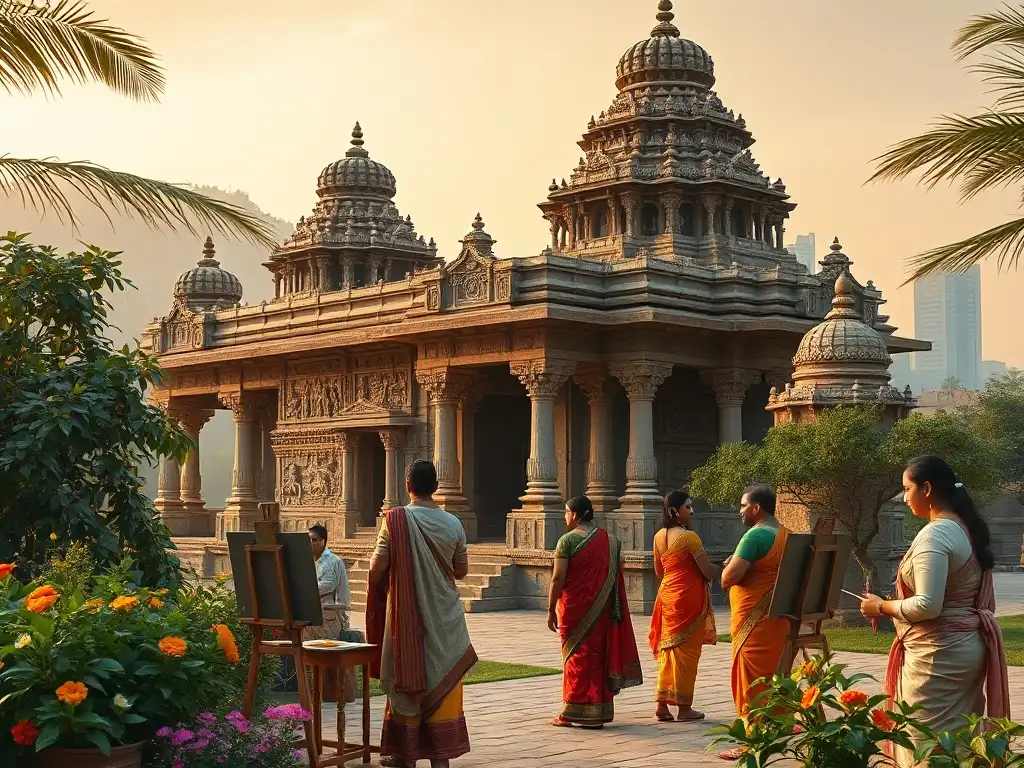
Welcome to Ancient India History, where we invite you to journey through the captivating tapestry of one of the world's oldest civilizations. In our featured article, we delve into the profound influence of the Gupta Empire on culture, exploring how this remarkable period has shaped contemporary Indian society in ways you might not expect. From art and literature to philosophy and governance, the Gupta Empire's legacy resonates in today's world. Are you ready to uncover the hidden gems of ancient wisdom and creativity? Join us as we explore the far-reaching impact of this extraordinary era!
-
The Gupta Empire's Influence on Culture in Contemporary India
- Introduction to the Gupta Empire
- The Gupta Empire's Cultural Contributions
- The Influence of Gupta Philosophy on Contemporary Thought
- The Gupta Empire's Role in Shaping Modern Indian Identity
- Comparative Analysis: Gupta Empire vs. Other Ancient Civilizations
- Conclusion: The Lasting Impact of the Gupta Empire on Contemporary Indian Culture
-
Frequently Asked Questions
- What was the Gupta Empire's contribution to Indian culture?
- How did the Gupta Empire impact religion in India?
- What are some notable achievements in art during the Gupta Empire?
- How did the Gupta Empire influence education and learning?
- In what ways does the Gupta Empire's legacy persist in modern India?
- Final Reflection: The Enduring Influence of the Gupta Empire on Contemporary Indian Culture
- Unveil the Gupta Empire's Influence Today!
The Gupta Empire's Influence on Culture in Contemporary India
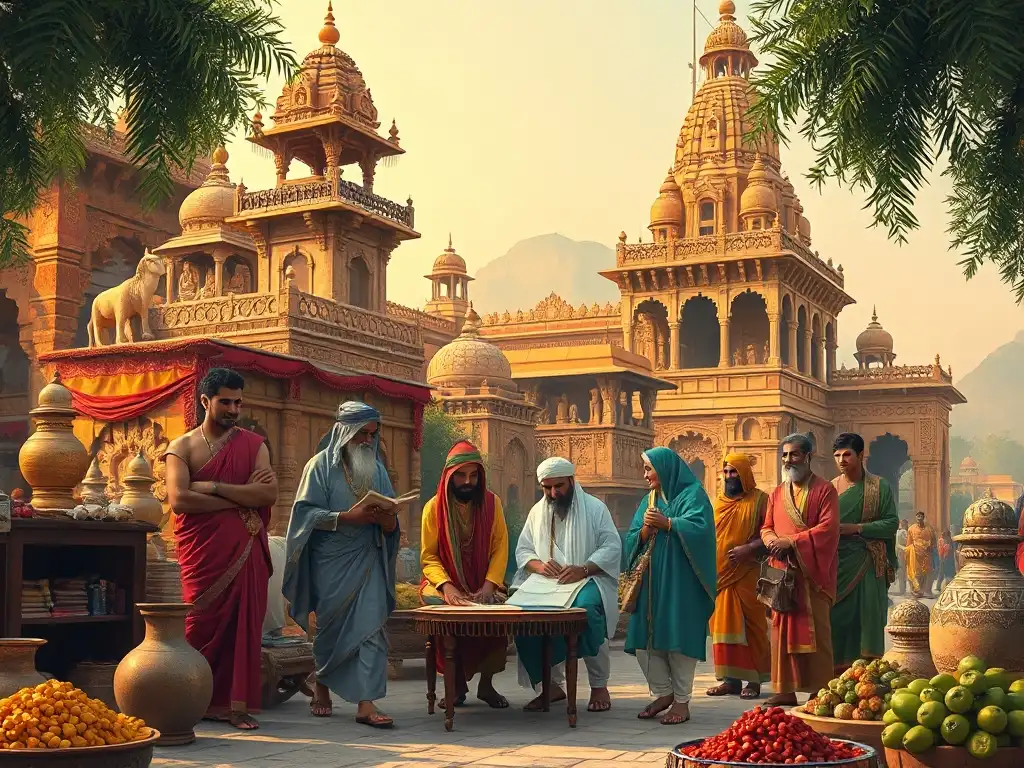
The Gupta Empire, often heralded as the "Golden Age" of India, represents a pinnacle of cultural, scientific, and artistic achievement that has left an indelible mark on contemporary Indian society. Flourishing from approximately 320 to 550 CE, this period was characterized by remarkable advancements in various fields including literature, art, science, and mathematics.
The legacy of the Gupta Empire continues to resonate today, as many aspects of modern Indian culture can trace their roots back to this influential era. In this article, we will explore the profound influence of the Gupta Empire on contemporary Indian culture, delving into its historical significance, key features, and specific cultural contributions that have shaped the identity of India.
Introduction to the Gupta Empire
The Gupta Empire emerged as a major political and cultural force in ancient India, unifying large parts of the subcontinent under a central authority. This period is often regarded as a time of great prosperity, stability, and cultural flourishing, which laid the groundwork for many elements of Indian civilization that still endure today.
Overview of the Gupta Empire's Historical Significance
The Gupta Empire is significant for its role in consolidating power and promoting a sense of unity among diverse groups across India. Under the rule of notable emperors such as Chandragupta I, Samudragupta, and Chandragupta II, the empire expanded its territories and influence, facilitating trade and cultural exchanges that enriched the Indian subcontinent. This period also saw the rise of Hinduism as a dominant religious force, alongside the flourishing of Buddhism and Jainism. The patronage of these religions fostered a rich tapestry of philosophical thought and artistic expression.
Key Features of the Gupta Period
The Gupta period is marked by several key features that distinguish it from other historical epochs:
- Political Stability: The strong centralized governance allowed for the maintenance of law and order, fostering an environment conducive to cultural and economic growth.
- Economic Prosperity: Trade routes flourished, leading to increased commerce both within the empire and with neighboring regions.
- Cultural Interactions: A blend of various cultural influences contributed to a vibrant society where art, literature, and philosophy thrived.
The Gupta Empire's Cultural Contributions
The contributions of the Gupta Empire to culture are vast and varied, reflecting the dynamism of this historical period.
Literature and Poetry During the Gupta Era
The Gupta period is renowned for its literary advancements, with significant contributions from poets and playwrights. Kalidasa, one of the most celebrated Sanskrit poets, emerged during this time, producing masterpieces such as "Shakuntala" and "Meghaduta." His works are characterized by their exquisite language and profound exploration of human emotions, themes which continue to influence contemporary Indian literature.
Artistic Achievements of the Gupta Empire
Art during the Gupta Empire flourished, with remarkable achievements in sculpture, painting, and architecture. The intricate carvings at sites like Ajanta and Ellora showcase the sophistication of Gupta artistry, blending religious themes with natural beauty. These artistic expressions not only reflect the religious fervor of the time but also depict everyday life, providing insight into the culture of ancient India.
Scientific and Mathematical Innovations
The Gupta Empire is also credited with significant advancements in science and mathematics. Scholars like Aryabhata pioneered concepts in astronomy and mathematics, introducing the idea of zero and place value, which revolutionized mathematics. These innovations laid the groundwork for future scientific discoveries and continue to be foundational in contemporary mathematical practices.
Through an exploration of these cultural contributions, we can see how the Gupta Empire's influence on culture is not only significant for historical understanding but also vital for appreciating the richness of contemporary Indian identity.
The Influence of Gupta Philosophy on Contemporary Thought
The Gupta Empire, often referred to as the Golden Age of India, not only flourished in the arts and sciences but also saw significant advancements in philosophical thought. The philosophies developed during this period have left an indelible mark on contemporary Indian thought, shaping various aspects of spirituality, ethics, and social norms. Philosophical ideas from this era, particularly those rooted in Hinduism, Buddhism, and Jainism, continue to resonate in modern discourse, influencing how individuals approach morality, existence, and the nature of reality.
The Gupta period emphasized the importance of rational thought, inquiry, and the synthesis of various religious beliefs, allowing for a pluralistic approach to philosophy that is still prevalent today. This intellectual legacy encourages contemporary thinkers to explore diverse perspectives and engage in dialogues that transcend traditional boundaries, fostering an environment of inclusivity and understanding.
Major Philosophical Schools During the Gupta Period
During the Gupta Empire, several philosophical schools emerged, each contributing to the rich tapestry of thought that characterizes Indian philosophy today. The most prominent among them include:
- Nyaya: Focused on logic and epistemology, Nyaya laid the groundwork for critical thinking. Its emphasis on reason and debate influences modern Indian legal systems and academic discourse.
- Vaisheshika: This school explored the nature of reality and categorization of substances, significantly impacting scientific inquiry. Its ideas about atomism and the nature of matter resonate in contemporary scientific discussions.
- Advaita Vedanta: Promoted by philosophers like Adi Shankaracharya during the Gupta period, this non-dualistic philosophy emphasizes the unity of the individual soul (Atman) and the ultimate reality (Brahman). Its teachings on self-realization and spirituality continue to inspire modern spiritual seekers.
- Buddhism: Though it experienced a decline post-Gupta, its philosophical tenets on impermanence and compassion continue to influence contemporary thought, particularly in discussions around mental health and mindfulness.
- Jainism: Jain philosophy’s emphasis on non-violence (Ahimsa) and truth has significantly shaped ethical frameworks in modern Indian society, promoting peace and vegetarianism.
These philosophical schools established during the Gupta Empire fostered a culture of intellectual curiosity that remains a cornerstone of contemporary philosophical inquiry in India.
The Relevance of Gupta Philosophy in Modern Indian Spirituality
Gupta philosophy plays a vital role in contemporary Indian spirituality, characterized by its inclusive and holistic approach to spiritual practices. The emphasis on meditation, self-inquiry, and ethical living from this period has permeated various spiritual movements in India today.
Modern spiritual leaders often draw upon the teachings of Gupta-era philosophers to address contemporary issues. For instance, the principles of Advaita Vedanta are frequently integrated into modern yoga practices, emphasizing self-awareness and the interconnectedness of all beings. In addition, the focus on compassion and non-violence from Jain teachings has gained renewed interest in the context of global peace movements.
Furthermore, the fusion of different philosophical traditions during the Gupta period has paved the way for a diversified spiritual landscape in India. This pluralism encourages a dialogue among various belief systems, promoting a greater understanding of spirituality that transcends singular religious identities.
The Gupta Empire's Role in Shaping Modern Indian Identity
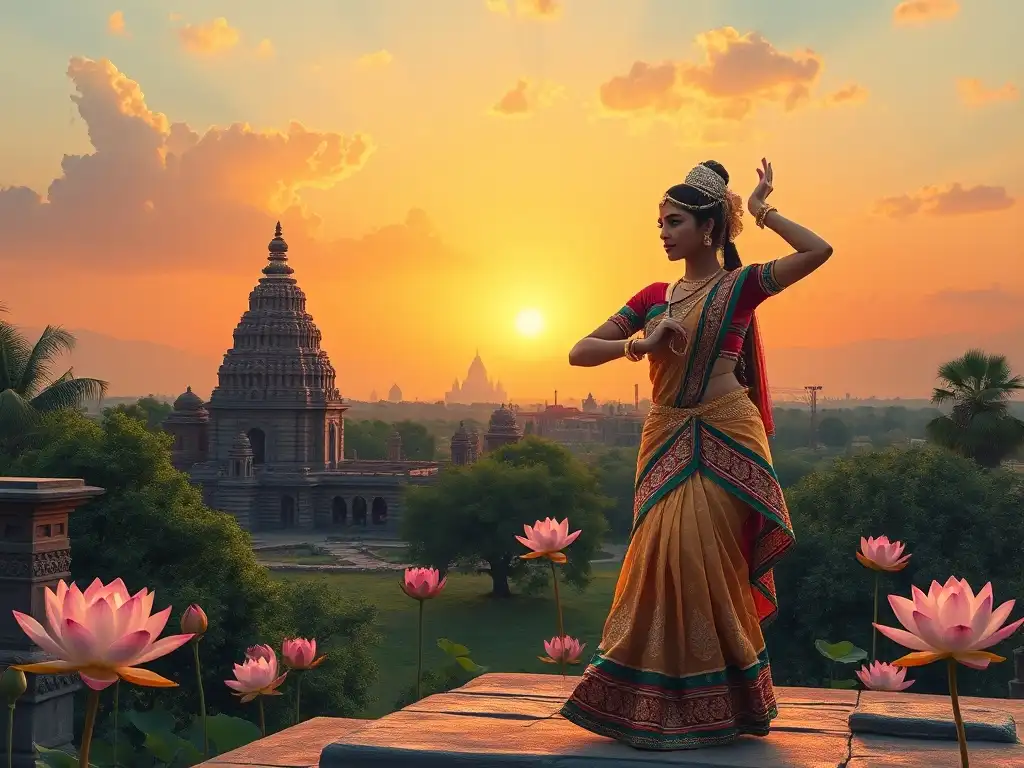
The Gupta Empire's cultural and intellectual contributions have profoundly influenced modern Indian identity, intertwining historical legacies with contemporary societal values. The rich traditions of art, literature, philosophy, and governance established during this period continue to resonate, shaping how Indians perceive themselves and their heritage.
The Gupta period is often viewed as a benchmark of cultural excellence, with its influence evident in modern Indian literature, art, and even political discourse. The values of tolerance, secularism, and community that characterized Gupta society are often echoed in contemporary India's democratic framework, reinforcing a collective identity that embraces diversity.
Cultural Practices Rooted in the Gupta Legacy
Many cultural practices in contemporary India can trace their origins back to the Gupta Empire. Festivals, art forms, and traditional practices reflect the richness of the Gupta legacy:
- Classical Dance and Music: The roots of various classical dance forms, such as Bharatanatyam and Kathak, can be linked to the artistic expressions of the Gupta period. The intricate storytelling and emotive expressions in these dances reflect the rich narrative traditions that flourished during this time.
- Literature: The Gupta period was marked by prolific literary contributions, including the works of Kalidasa. The appreciation for poetry and drama continues to thrive in modern Indian literature, inspiring contemporary writers to explore themes of love, nature, and spirituality.
- Architecture: The architectural innovations of the Gupta Empire, particularly in temple design, have influenced modern Indian architecture. The use of intricate carvings and the emphasis on spirituality in architectural spaces remain significant in contemporary constructions.
Festivals and Traditions Influenced by Gupta Culture
Numerous festivals and traditions celebrated in modern India have their roots in the Gupta Empire, reflecting the continuity of cultural practices across centuries.
- Diwali: The festival of lights, which symbolizes the victory of light over darkness, has connections to the Gupta period's emphasis on religious pluralism and the celebration of diverse beliefs.
- Makar Sankranti: This harvest festival, which marks the transition of the sun into Capricorn, embodies the agrarian practices that were prevalent during the Gupta period, showcasing the importance of nature and seasonal cycles.
- Navaratri: Celebrated to honor the divine feminine, Navaratri's rituals and dances can be traced back to the cultural practices established during the Gupta Empire, emphasizing the role of women in spiritual and social spheres.
The Gupta Empire's influence on culture continues to be a vibrant thread in the fabric of contemporary Indian society, enriching its identity, practices, and philosophical outlook.
Comparative Analysis: Gupta Empire vs. Other Ancient Civilizations
The Gupta Empire, often referred to as the Golden Age of India, is renowned for its remarkable advancements in various fields, particularly in art, literature, science, and philosophy. When comparing the Gupta Empire to other ancient civilizations, such as the Roman Empire and ancient China, several distinct features emerge.
- Cultural Flourishing: While the Roman Empire focused on military conquests and infrastructure, the Gupta Empire excelled in intellectual achievements and cultural development. The period witnessed the creation of significant literary works, including Kalidasa's plays and Aryabhata's astronomical texts, which were rooted in a rich philosophical tradition.
- Artistic Excellence: Gupta art, characterized by its intricate sculptures and cave paintings, stands out for its emphasis on spiritual themes and realistic human forms. In contrast, Roman art often emphasized grandeur and realism, focusing mainly on civic life and military achievements. The Gupta style laid the groundwork for classical Indian art, influencing generations to come.
- Scientific Advancements: The Gupta Empire made profound contributions to mathematics and astronomy, introducing concepts such as zero and the decimal system, which were less developed in contemporaneous civilizations. While ancient China made significant strides in technology and medicine, Gupta scholars like Aryabhata laid foundational work in mathematics that has shaped modern numerical systems.
The Gupta Empire's Unique Contributions to Culture
The Gupta Empire's contributions to culture are multifaceted and enduring. One of the most significant aspects was the promotion of religious tolerance and the synthesis of various cultural traditions.
- Literature: The Gupta period saw the emergence of classical Sanskrit literature, with poets and playwrights producing works that remain influential. Kalidasa, for instance, is celebrated for his poetic depictions of nature and love, which have inspired countless writers.
- Visual Arts: The Gupta Empire is noted for its advancements in sculpture and architecture, particularly the creation of intricate carvings in temples and cave complexes. The Ajanta and Ellora caves, adorned with elaborate frescoes and sculptures, reflect the spiritual and aesthetic values of the time.
- Mathematics and Science: The introduction of the concept of zero and advancements in algebra during the Gupta period revolutionized mathematics. Scholars like Aryabhata not only contributed to mathematics but also made significant observations in astronomy, influencing both Indian and global scientific thought.
Similarities and Differences with Other Ancient Indian Civilizations
When examining the Gupta Empire in the context of other ancient Indian civilizations, such as the Mauryan and Harappan civilizations, similarities and differences arise.
- Similarities:
- Cultural Integration: Like the Mauryan Empire, the Gupta Dynasty promoted cultural integration and religious pluralism, ensuring that various traditions coexisted and thrived.
- Urbanization: Both the Gupta and Mauryan periods saw significant urban development, with flourishing trade routes and urban centers that fostered economic growth and cultural exchange.
- Differences:
- Political Structure: The Gupta Empire was marked by a decentralized political structure, allowing local rulers significant autonomy, which differed from the centralized governance of the Mauryan Empire.
- Focus on Arts and Sciences: While earlier civilizations like the Harappan culture were known for their urban planning and trade networks, the Gupta Empire distinguished itself through a concentrated emphasis on intellectual pursuits and artistic expression.
Conclusion: The Lasting Impact of the Gupta Empire on Contemporary Indian Culture
The legacy of the Gupta Empire continues to resonate in contemporary Indian culture, influencing various aspects of society, from language and literature to art and science. Their contributions have become foundational elements of Indian identity.
Summary of Key Cultural Influences
The Gupta Empire's influence can be summarized in several key areas:
- Literature: The resurgence of Sanskrit literature during this period has led to the continued reverence for classical texts in modern Indian education.
- Art and Architecture: The aesthetic principles established during the Gupta era are evident in contemporary Indian art, architecture, and temple design, which often draw on Gupta styles and motifs.
- Scientific Thought: The mathematical concepts introduced during this time remain integral to modern mathematics and science, reflecting a continuity in intellectual heritage.
Reflecting on the Gupta Empire's Legacy in Today’s Society
In today’s society, the Gupta Empire's legacy manifests in various forms—cultural festivals that celebrate classical literature, architectural styles that pay homage to ancient designs, and educational curricula that emphasize the importance of historical knowledge. As modern India navigates its cultural identity, the contributions of the Gupta Empire serve as a cornerstone, reminding us of the rich tapestry of history that has shaped contemporary life. The influence of this era not only enriches Indian culture but also fosters a sense of pride in its long-standing traditions and achievements.
Frequently Asked Questions
What was the Gupta Empire's contribution to Indian culture?
The Gupta Empire significantly influenced Indian culture through advancements in art, literature, and science, laying the groundwork for later developments.
How did the Gupta Empire impact religion in India?
The Gupta period saw the flourishing of Hinduism, promoting its philosophies and practices, while also protecting Buddhism and Jainism, fostering a diverse religious landscape.
What are some notable achievements in art during the Gupta Empire?
The Gupta Empire is renowned for its sculptural and architectural excellence, particularly in creating exquisite temples and intricate sculptures that depict various deities.
How did the Gupta Empire influence education and learning?
The Gupta Empire established many centers of learning, such as Nalanda University, which became a vital hub for scholars and promoted the study of various subjects including mathematics and astronomy.
In what ways does the Gupta Empire's legacy persist in modern India?
Today, the Gupta Empire's influence is visible in contemporary Indian art, literature, and cultural practices, reflecting its enduring impact on India's identity and heritage.
Final Reflection: The Enduring Influence of the Gupta Empire on Contemporary Indian Culture
The Gupta Empire's legacy is not merely a chapter in history; it is a vibrant thread woven into the fabric of contemporary Indian culture. From art and literature to science and philosophy, the echoes of Gupta achievements resonate in modern society, reminding us of the profound impact that this golden age has had on shaping cultural identity. As we navigate the complexities of the present, understanding this influence becomes crucial in appreciating the richness of our heritage and the values that continue to guide us today.
The cultural and intellectual advancements initiated during the Gupta period have laid the groundwork for a unique Indian identity that persists in our daily lives. The arts, mathematics, and spiritual philosophies that flourished then are not relics of the past but living traditions that inspire current generations.
As the renowned historian Romila Thapar once said, "> The past is not just a series of events; it is a continuous dialogue with the present." This dialogue enriches our understanding of who we are and how we relate to the world around us, emphasizing the Gupta Empire's role in fostering a culture of inquiry and creativity.
As we reflect on the Gupta Empire's influence on culture, I invite you to explore how these historical legacies manifest in your own life. Consider how the values of innovation, artistic expression, and intellectual curiosity can inspire your personal journey. Engage with the rich tapestry of Indian culture, and let the lessons of the past guide you in shaping a future that honors this remarkable heritage. Together, we can celebrate and perpetuate the enduring legacy of the Gupta Empire, ensuring that its influence continues to thrive in contemporary society.
Unveil the Gupta Empire's Influence Today!
Thank you for exploring the captivating legacy of the Gupta Empire with us! We hope you’ve uncovered rich insights into how this incredible dynasty continues to shape contemporary Indian culture. Now, let’s take the next step and immerse ourselves further into this legacy!
- Dive deeper into history: Visit your local library or search online for books about the Gupta Empire and its contributions to art, science, and philosophy.
- Engage with your community: Join or start a discussion group focused on the Gupta Empire at your school or community center. Sharing perspectives can deepen understanding and spark engaging conversations.
- Discover modern connections: Attend exhibitions or events that celebrate Indian heritage, and explore how the influences of the Gupta Empire are still visible in today’s art and festivals.
What aspect of the Gupta Empire’s legacy resonates most with you in today’s world? We invite you to share your thoughts below!