
The Philosophical Texts of the Gupta Era: An Intellectual Legacy

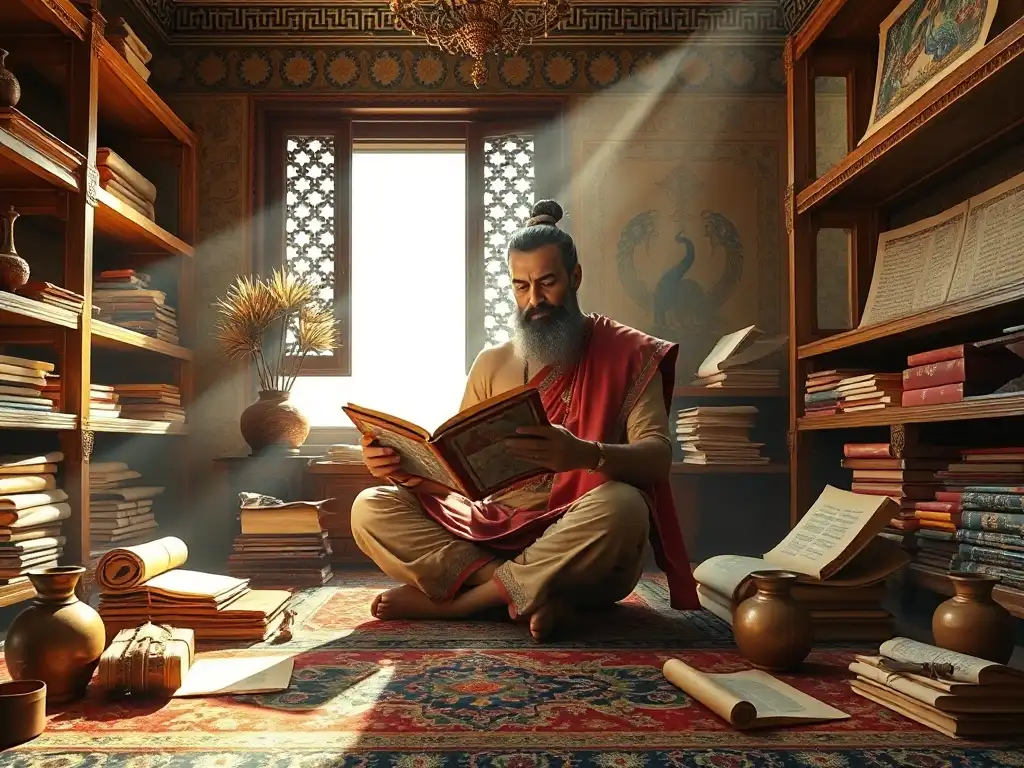
Welcome to Ancient India History, where we embark on a journey through the rich tapestry of ancient Indian civilizations. In this exploration, we will delve into the profound wisdom encapsulated within Gupta Era philosophical texts. These remarkable works not only reflect the intellectual legacy of the time but also provide a window into the cultural and spiritual life of the era. Are you ready to uncover the insights and influences that shaped one of history's most vibrant periods? Join us as we analyze these texts and reveal the profound thoughts that continue to resonate today.

The Gupta Era, often referred to as the Golden Age of India, was a period marked by remarkable advancements in various fields, including science, mathematics, literature, and philosophy. Spanning from approximately 320 to 550 CE, this era saw the flourishing of intellectual thought that profoundly influenced not only Indian civilization but also the greater philosophical discourse across the globe.
The philosophical texts produced during this time reflect a synthesis of ideas that were rooted in earlier traditions while simultaneously paving the way for future developments in various branches of philosophy. This article delves into an in-depth analysis of the philosophical texts of the Gupta Era, exploring their significance, key works, and the enduring legacy they have left behind.
Introduction to the Gupta Era Philosophical Texts
Overview of the Gupta Empire and its Golden Age
The Gupta Empire, established by Maharaja Sri Gupta, is renowned for its economic prosperity and cultural achievements. Under the rule of notable emperors like Chandragupta II and Samudragupta, the empire expanded its boundaries, resulting in increased trade and cultural exchange. This period witnessed the emergence of a vibrant intellectual climate, fostering the growth of arts, sciences, and philosophy. Key cities such as Pataliputra became centers of learning, attracting scholars from various regions.
Major achievements during this Golden Age included:
- Development of numerical systems and mathematics.
- Advancements in astronomy and medicine.
- Flourishing of literature and art.
Importance of Philosophy in Ancient Indian Civilization
Philosophy in ancient India was not merely an academic pursuit; it was deeply intertwined with the spiritual and practical aspects of life. The philosophical texts of the Gupta Era encapsulated various schools of thought, including Hinduism, Buddhism, and Jainism. These texts served as crucial frameworks for understanding ethics, metaphysics, and the nature of existence. They provided insights into human behavior, societal norms, and the quest for knowledge.
Key philosophical themes prevalent during this time included:
- Dharma (righteousness and duty)
- Karma (action and its consequences)
- Moksha (liberation from the cycle of rebirth)
Key Philosophical Texts of the Gupta Era
Major Works and Their Authors
Several seminal works emerged during the Gupta Era, authored by influential philosophers and thinkers. Notable among these texts are:
| Text | Author | Key Contributions |
|---|---|---|
| Brahma Sutras | Badarayana (Vyasa) | Foundation of Vedanta philosophy; discusses the nature of Brahman. |
| Bhagavad Gita | Unknown (part of Mahabharata) | Philosophical dialogue on duty, ethics, and devotion. |
| Nyaya Sutras | Gautama (Akshapada) | Establishes principles of logic and epistemology. |
| Sankhya Karika | Ishvara Krishna | Outlines the dualistic approach of Sankhya philosophy. |
Themes and Concepts in Gupta Era Philosophy
The philosophical texts of the Gupta Era explored a variety of themes and concepts that continue to resonate today. Central to these works are:
- Metaphysics: The nature of reality and the concept of Brahman as the ultimate reality.
- Ethics: Discussions on morality, the importance of dharma, and the consequences of karma.
- Epistemology: Exploration of knowledge, perception, and the means of acquiring true understanding.
These philosophical inquiries not only enriched the intellectual discourse of the time but also laid the groundwork for various philosophical traditions that would evolve in the centuries to come. The Gupta Era's philosophical legacy is a testament to the profound intellectual spirit of ancient India, showcasing a blend of thought that continues to inspire and inform contemporary philosophical exploration.
Analysis of Gupta Era Philosophical Texts
The Gupta Era, often referred to as the Golden Age of India, produced a remarkable array of philosophical texts that reflected the intellectual vibrancy of the time. The analysis of these texts reveals a complex interplay of ideas that contributed to both spiritual and practical aspects of life. Major works emerged in various schools of thought, including Vedanta, Buddhism, and Jainism, showcasing a rich tapestry of philosophical inquiry.
Key philosophical texts from this period include the works of renowned thinkers such as Adi Shankaracharya, who played a pivotal role in the development of Advaita Vedanta, and the prolific writers of Buddhist philosophy like Nagarjuna and Ashvagosa. These texts often engaged with metaphysical questions, ethics, and epistemology, providing a foundation for later philosophical developments.
The analysis also highlights the stylistic and thematic characteristics of Gupta philosophical writings. Many texts were composed in Sanskrit, characterized by a refined poetic form that enhanced their philosophical arguments. Moreover, they often employed dialectical methods, engaging with opposing viewpoints to strengthen their own positions. This intellectual rigor not only marked the Gupta philosophical tradition but also set the stage for future philosophical discourse in India.
Methodology for Gupta Era Philosophical Texts Analysis
Analyzing the philosophical texts of the Gupta Era requires a multifaceted approach that integrates historical, textual, and contextual methodologies. The first step involves a comprehensive examination of the texts themselves, focusing on their language, structure, and themes. Scholars often utilize critical editions of these texts to ensure accuracy in translation and interpretation.
Next, contextual analysis is essential to understanding the socio-political and cultural milieu of the Gupta period. This includes exploring the patronage of philosophical schools by Gupta rulers, which significantly impacted the production and dissemination of philosophical ideas. Additionally, considering the influence of earlier traditions, such as those from the Vedic period and the philosophical contributions of Buddhism and Jainism, provides a deeper understanding of the intellectual landscape during the Gupta Era.
Lastly, comparative analysis plays a crucial role in assessing the uniqueness of Gupta philosophical thought. By juxtaposing Gupta texts with contemporary philosophical works from other cultures, scholars can discern distinctive features and universal themes that transcend geographical boundaries.
Comparative Analysis with Preceding Philosophical Traditions
The philosophical texts of the Gupta Era can be richly understood through comparative analysis with preceding traditions, particularly those from the Vedic and early Buddhist periods. The earlier Vedic philosophies laid the groundwork for concepts such as Brahman (ultimate reality) and Atman (soul), which were further elaborated upon by Gupta thinkers. For instance, the Advaita Vedanta school, championed by Adi Shankaracharya, reinterprets these Vedic ideas, emphasizing non-duality and the unity of Atman and Brahman.
In contrast, early Buddhist philosophy, which focused on concepts like anatta (non-self) and dependent origination, presented a different metaphysical framework. Gupta philosophers such as Nagarjuna engaged with these ideas, creating dialogues that challenged and enriched Buddhist thought. The synthesis of these diverse philosophical traditions during the Gupta Era led to a unique intellectual environment that fostered innovative ideas and debates.
Furthermore, the emergence of new philosophical schools, such as the Yoga school, illustrates how Gupta thinkers built upon and sometimes diverged from earlier doctrines. This comparative analysis not only highlights the continuity of philosophical inquiry in ancient India but also showcases the dynamic evolution of thought that characterized the Gupta Era.
The Legacy of Gupta Era Philosophy

The philosophical legacy of the Gupta Era is profound, influencing not only subsequent Indian thought but also the broader landscape of global philosophy. The texts produced during this period laid a foundational framework for later philosophical explorations, making significant contributions to metaphysics, ethics, and epistemology.
Contribution to Later Indian Philosophical Thought
The philosophical traditions that flourished during the Gupta Era directly impacted the subsequent development of Indian philosophy. The Advaita Vedanta, with its emphasis on non-dualism, became a dominant philosophical framework in later centuries, influencing thinkers such as Ramanuja and Madhva. Similarly, the Buddhist philosophical texts from this era, particularly those concerning emptiness and the nature of perception, continued to resonate within Buddhist traditions throughout Asia.
Additionally, the Gupta philosophers' engagement with logic and epistemology paved the way for later works by scholars like Dharmakirti and Dignaga. Their explorations of reasoning, perception, and inference established key principles that would dominate Indian philosophical discourse for centuries.
Influence on Global Philosophy
The influence of Gupta Era philosophy extends beyond the borders of India, resonating with various global philosophical traditions. The concepts developed during this time, particularly in Advaita Vedanta and Buddhist philosophy, found their way into the intellectual discourse of other cultures. For instance, similar themes of non-duality and the nature of reality can be found in various strands of Western philosophy, particularly in the works of mystics and existentialists.
Moreover, the translations of Indian philosophical texts into Arabic and later into Latin during the medieval period facilitated cross-cultural exchanges of ideas. This interaction not only enriched European philosophical thought but also led to the incorporation of Indian philosophical concepts into the broader tapestry of global philosophy.
The philosophical texts of the Gupta Era represent a significant intellectual legacy that continues to shape philosophical thought both in India and around the world. Through rigorous analysis and comparative study, one can appreciate the depth and richness of Gupta philosophy, recognizing its enduring relevance in contemporary discourse.
Conclusion: The Lasting Impact of Gupta Era Philosophical Texts
The philosophical texts of the Gupta Era represent a profound intellectual legacy that continues to resonate through the ages. These works not only laid the foundation for various schools of thought but also contributed significantly to the cultural and spiritual landscape of ancient India. The synthesis of diverse philosophical traditions during this period fostered a unique environment that encouraged scholarly discourse, ultimately influencing subsequent generations of thinkers and philosophers in India and beyond.
The Gupta Era’s philosophical texts, characterized by their depth and complexity, addressed fundamental questions regarding existence, ethics, and the nature of reality. This rich intellectual heritage has left an indelible mark on Indian philosophy, inspiring later developments in both religious and secular thought. The integration of logic, metaphysics, and moral philosophy found in these texts also paved the way for advancements in fields such as mathematics, astronomy, and medicine, showcasing the interconnectedness of knowledge during this golden age.
Summary of Key Contributions
The Gupta Era witnessed several key contributions to philosophical thought, including:
- Advaita Vedanta: Philosophers like Adi Shankaracharya emerged, emphasizing non-dualism and the concept of Brahman as the ultimate reality.
- Nyaya Philosophy: The Nyaya school flourished, focusing on logic and epistemology, which laid the groundwork for rigorous philosophical debate.
- Buddhist Philosophy: The period saw the development of Mahayana Buddhism, with texts exploring the nature of suffering, enlightenment, and the path to Nirvana.
- Ethical Treatises: Works like the Arthashastra provided insights into statecraft, ethics, and governance, reflecting the practical application of philosophical concepts in administration.
These contributions collectively enriched the philosophical landscape of ancient India, ensuring the Gupta Era's significance in the annals of intellectual history.
Reflections on the Intellectual Legacy of the Gupta Empire
The intellectual legacy of the Gupta Empire extends beyond its immediate historical context. The philosophical texts produced during this era fostered a culture of inquiry and debate, encouraging scholars to explore the nature of knowledge and reality. This legacy is evident in the continued relevance of Gupta philosophical ideas in contemporary discussions on ethics, metaphysics, and epistemology.
Moreover, the Gupta philosophers' emphasis on logic and reason laid the groundwork for the scientific and mathematical advancements that followed. Their works inspired future generations to pursue knowledge, leading to a flourishing of scholarship in various disciplines across India. The communal approach to knowledge, where different philosophical schools engaged with and built upon one another's ideas, exemplifies a spirit of collaboration that is still celebrated today.
The enduring impact of Gupta Era philosophical texts is seen not only in Indian philosophy but also in the broader scope of global intellectual heritage. Their insights continue to inform contemporary philosophical discourse, demonstrating the timelessness of these ancient texts.
References for Further Reading on Gupta Era Philosophy
Recommended Books and Articles
- "The Philosophy of the Gupta Period" by R. C. Sharma - A comprehensive overview of philosophical developments during the Gupta Era, focusing on key texts and thinkers.
- "Indian Philosophy: A Very Short Introduction": by Sue Hamilton - This book provides a concise introduction to Indian philosophical traditions, including those from the Gupta period.
- "The Nyaya Sutras of Gautama" translated by G. J. A. R. Sarma - An essential text for understanding the Nyaya school of thought that flourished during the Gupta Era.
- "Buddhist Philosophy: Essential Readings": by William Edelglass and Jay Garfield - This anthology includes significant texts from the Mahayana tradition that emerged during the Gupta period.
Online Resources and Archives
- Internet Archive: A digital library offering access to a vast collection of texts on Indian philosophy, including those from the Gupta Era.
- Stanford Encyclopedia of Philosophy: A reliable resource for in-depth articles on various philosophical topics, including entries on Indian philosophy and key figures from the Gupta period.
- JSTOR: An online database of academic journals where one can find scholarly articles related to Gupta philosophy and its contributions to various fields.
- Project Gutenberg: A repository of free eBooks, including classic philosophical texts from the Gupta period and subsequent interpretations.
These resources provide valuable insights and further exploration into the rich philosophical heritage of the Gupta Era, allowing readers to delve deeper into this fascinating chapter of ancient Indian history.
- Introduction to the Gupta Era Philosophical Texts
- Key Philosophical Texts of the Gupta Era
- Analysis of Gupta Era Philosophical Texts
- The Legacy of Gupta Era Philosophy
- Conclusion: The Lasting Impact of Gupta Era Philosophical Texts
- References for Further Reading on Gupta Era Philosophy
- What are the main philosophical texts from the Gupta Era?
- How did Gupta philosophers influence later thought?
- What role did the Gupta Empire play in the preservation of ancient texts?
- How are Gupta philosophical texts analyzed today?
- Why is the Gupta Era considered a "Golden Age" of intellectual achievement?
Frequently Asked Questions
What are the main philosophical texts from the Gupta Era?
The Gupta Era produced several significant philosophical texts, including works by Aryabhata, Kalidasa, and Vatsyayana, which contributed to Indian philosophy and literature.
How did Gupta philosophers influence later thought?
Gupta philosophers laid the groundwork for Indian philosophy, influencing subsequent generations through their systematic approaches to topics such as ethics, metaphysics, and epistemology.
What role did the Gupta Empire play in the preservation of ancient texts?
The Gupta Empire was a cultural hub that promoted the preservation and translation of ancient texts, ensuring that the intellectual legacy of earlier civilizations was maintained and disseminated.
How are Gupta philosophical texts analyzed today?
Modern scholars often engage in textual analysis to explore the themes, arguments, and cultural contexts within Gupta philosophical texts, revealing their impact on both historical and contemporary thought.
Why is the Gupta Era considered a "Golden Age" of intellectual achievement?
The Gupta Era is termed a "Golden Age" due to its remarkable advancements in science, mathematics, literature, and philosophy, which collectively shaped the intellectual landscape of ancient India and beyond.
Final Reflection: The Enduring Legacy of Gupta Era Philosophical Texts
The philosophical texts of the Gupta Era remain a cornerstone of intellectual thought, resonating with contemporary discussions on ethics, metaphysics, and the nature of knowledge. In an age where rapid technological advancements often overshadow philosophical inquiry, the insights from this remarkable period remind us of the timeless quest for understanding that transcends generations. The Gupta Era's intellectual legacy is not merely historical; it is a vibrant dialogue that continues to shape our perspectives today.
The influence of Gupta Era philosophical texts extends far beyond their time, permeating various aspects of culture, religion, and social thought. These texts have laid the groundwork for critical thinking and ethical reasoning, inspiring countless scholars and thinkers throughout history. As we navigate the complexities of modern life, we can draw wisdom from these ancient philosophies. The unexamined life is not worth living.
– Socrates. This quote encapsulates the essence of philosophical inquiry, urging us to reflect on our beliefs and values, much like the thinkers of the Gupta Era did.
As we conclude this exploration of Gupta Era philosophical texts, I invite you to engage with these ideas in your own life. Take a moment to reflect on the principles and questions raised by these ancient scholars. How can their insights inform your understanding of the world today? By embracing the lessons of the past, we can cultivate a deeper awareness of ourselves and our place in the universe, ensuring that the intellectual legacy of the Gupta Era continues to inspire future generations.
Unveil the Wisdom of the Gupta Era!
Thank you for diving into the fascinating world of the Gupta Era and exploring its philosophical texts. You've gained insights into an incredible intellectual legacy that continues to inspire thought and reflection today. Now, it’s time to take that knowledge further!
Here’s how you can engage more deeply with this rich heritage:
- Explore further: Investigate additional resources on Gupta philosophy to enhance your understanding. Consider reading translations of essential texts or relevant historical analyses.
- Share your findings: Engage in discussions with friends or family who share an interest in history. You might even consider starting a book club that focuses on Ancient Indian philosophies!
- Join the discussion: Participate in our community forums to connect with like-minded individuals. Share your thoughts and questions about the Gupta Era and contribute to the ongoing conversation!
What aspects of Gupta philosophy resonate most with you, and how do you perceive their impact on today's world?