
Gupta Pottery: Techniques and Designs That Tell a Story

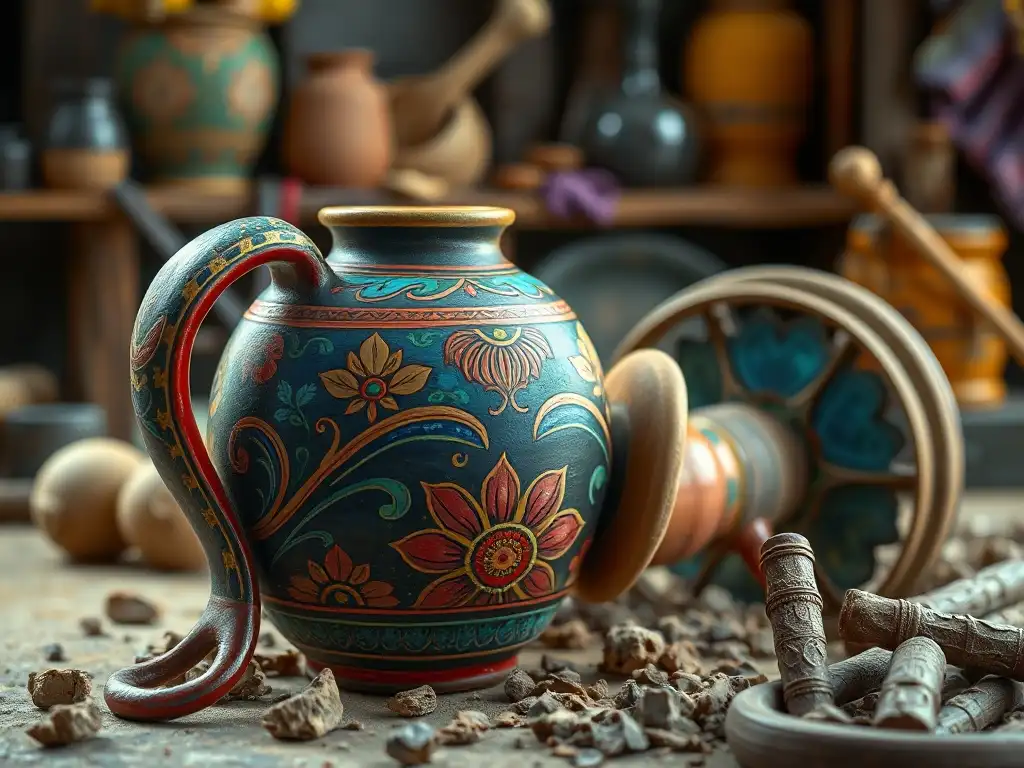
Welcome to Ancient India History, where we invite you to journey through the fascinating tapestry of India’s past. Delve into the remarkable world of Gupta pottery techniques and designs, a testament to the artistry and innovation of ancient Indian civilizations. Each piece of pottery not only served a practical purpose but also told stories of cultural identity and craftsmanship that have shaped the subcontinent.
Curious about how these ancient artisans blended functionality with beauty? Join us as we uncover the intricate details and historical significance behind these exquisite creations, and ignite your passion for the rich heritage of Ancient India!
- Introduction to Gupta Pottery: Techniques and Designs That Tell a Story
- Historical Context of Gupta Pottery
- Gupta Pottery Techniques
- Distinctive Designs in Gupta Pottery
- Cultural Significance of Gupta Pottery
- Preservation of Gupta Pottery Techniques and Designs
- Conclusion: The Legacy of Gupta Pottery Techniques and Designs
- Frequently Asked Questions
- Final Reflection: The Enduring Legacy of Gupta Pottery Techniques and Designs
- Unleash Your Creativity with Gupta Pottery!
Introduction to Gupta Pottery: Techniques and Designs That Tell a Story
The Gupta Empire, often hailed as the Golden Age of India, was marked by remarkable achievements in art, science, and culture. Among the many facets of Gupta civilization, pottery stands out as a significant medium through which the aesthetic sensibilities and technological advancements of the time can be explored.
Gupta pottery techniques and designs not only showcase the artistic prowess of the craftsmen but also serve as a historical narrative that reflects the social, religious, and economic contexts of the period. This article delves into the intricate world of Gupta pottery, examining its techniques, styles, and the stories they tell about an era that contributed immensely to the cultural heritage of India.
Overview of Gupta Pottery in Ancient India
Gupta pottery represents a diverse array of styles and techniques that evolved from previous traditions while incorporating innovative practices that characterized this period. The pottery of this era can be broadly classified into two main categories: red ware and black ware, each exhibiting distinct features that highlight the skill of the artisans.
- Red Ware Pottery:
- Characteristics: This type of pottery is known for its distinctive red surface, achieved through the use of iron-rich clay and high-temperature firing techniques.
- Decorative Techniques: Potters utilized various methods for decoration, including:
- Slip Painting: A technique where a liquid mixture of clay and water is applied to the surface to create intricate designs.
- Incised Patterns: Designs carved into the clay before firing, often depicting floral motifs or geometric patterns.
- Black Ware Pottery:
- Characteristics: Crafted from fine clay, black ware is notable for its glossy surface, achieved through reduction firing, which limits oxygen during the firing process.
- Decorative Techniques: This pottery often features:
- Polished Surfaces: Achieved by burnishing the clay before firing, creating a smooth, reflective finish.
- Engraved Designs: Patterns that add a tactile quality to the pieces, enhancing their visual appeal.
The variety in pottery forms, including bowls, plates, and storage jars, indicates the functional and decorative roles they played in daily life.
Importance of Pottery in Gupta Culture
Pottery during the Gupta period was not merely utilitarian; it held significant cultural and symbolic value. Its importance can be understood through several key aspects:
- Cultural Expression: The designs and motifs found on Gupta pottery often reflected the cultural themes of the time, including religious symbols that showcased the influence of Hinduism and Buddhism. Pottery served as a canvas for expressing religious devotion and local beliefs.
- Economic Significance: The production and trade of pottery contributed to the economic prosperity of the Gupta Empire. Potters formed a vital part of the artisan community, and their creations were traded both locally and across regions, facilitating cultural exchange.
- Social Indicators: Different styles of pottery often correlated with social status and functions within society. For instance, elaborate designs were typically reserved for the elite, while simpler forms were common among the general populace.
Gupta pottery serves as a vital link to understanding the social fabric, economic dynamics, and cultural expressions of ancient India. As we explore the various techniques and designs, we uncover the stories that these artifacts tell about a civilization that has left an indelible mark on history.
Historical Context of Gupta Pottery
The Rise of the Gupta Empire
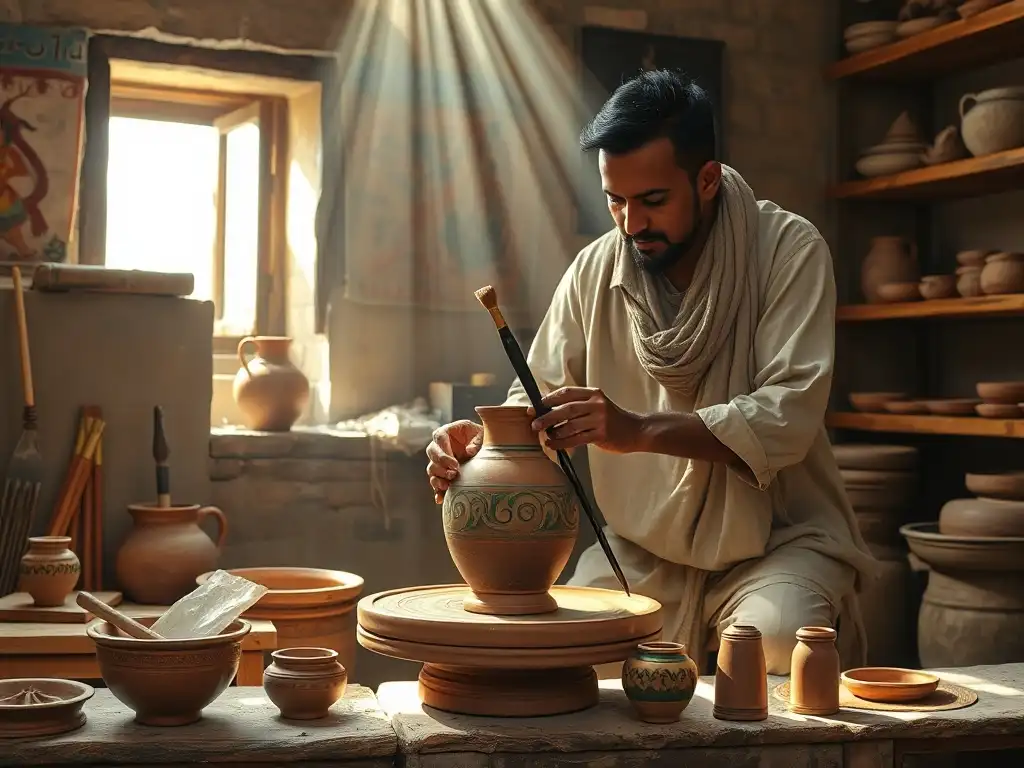
The Gupta Empire, which flourished from approximately 240 to 550 CE, is often referred to as the "Golden Age" of India due to its remarkable advancements in various fields, including art, science, and literature. The political stability and economic prosperity during this period fostered a vibrant cultural environment, where crafts and artistic expressions like pottery thrived.
Gupta pottery is characterized by its sophistication and complexity, reflecting the empire's wealth and the artisans' skills. The patronage from the Gupta rulers encouraged artisans to innovate and experiment with various techniques and designs. This period saw the emergence of a distinct pottery style that not only served functional purposes but also acted as a medium for artistic expression.
Key characteristics of Gupta pottery include:
- Variety of Forms: The pottery produced ranged from everyday utilitarian wares to ornate ceremonial pieces.
- Glazing Techniques: The introduction of advanced glazing techniques allowed for more durable and visually appealing pottery.
- Decorative Elements: Designs often featured intricate patterns, figurative representations, and motifs inspired by nature and mythology.
The rise of trade routes during the Gupta period also played a significant role in the dissemination of pottery styles and techniques, leading to cross-cultural influences that enriched the art form further.
Influence of Earlier Indian Pottery Traditions
Before the Gupta Empire, several regional pottery traditions laid the groundwork for the sophisticated techniques and designs seen in Gupta pottery. The most notable of these is the pottery from the Indus Valley Civilization, which existed from 3300 to 1300 BCE. This earlier tradition was known for its:
- High-fired Ceramics: The use of high temperatures in firing pottery produced strong and durable wares.
- Advanced Wheel-Throwing Techniques: The potters from the Indus Valley were among the first to use the potter's wheel, a technique that would later be refined in Gupta pottery.
Subsequent cultures, such as the Mauryan Empire, also contributed to the evolution of pottery styles. The Mauryan potters excelled in creating painted pottery, a technique that influenced the Gupta artisans.
The Gupta period saw a continuation and transformation of these earlier traditions, marked by:
- Incorporation of New Designs: While maintaining the essence of previous styles, Gupta potters introduced new motifs and decorative elements, often depicting scenes from daily life, religious iconography, and nature.
- Innovative Techniques: Building on the foundation of earlier pottery practices, Gupta artisans developed new techniques in glazing and firing that allowed for more vibrant colors and intricate designs.
In essence, Gupta pottery served as a bridge between ancient Indian pottery traditions and the innovative artistic expressions of the Gupta Empire, showcasing the rich cultural narrative of ancient India. The blend of historical influences and the mastery of techniques resulted in pottery that not only fulfilled practical needs but also conveyed the artistic spirit of the time.
Gupta Pottery Techniques
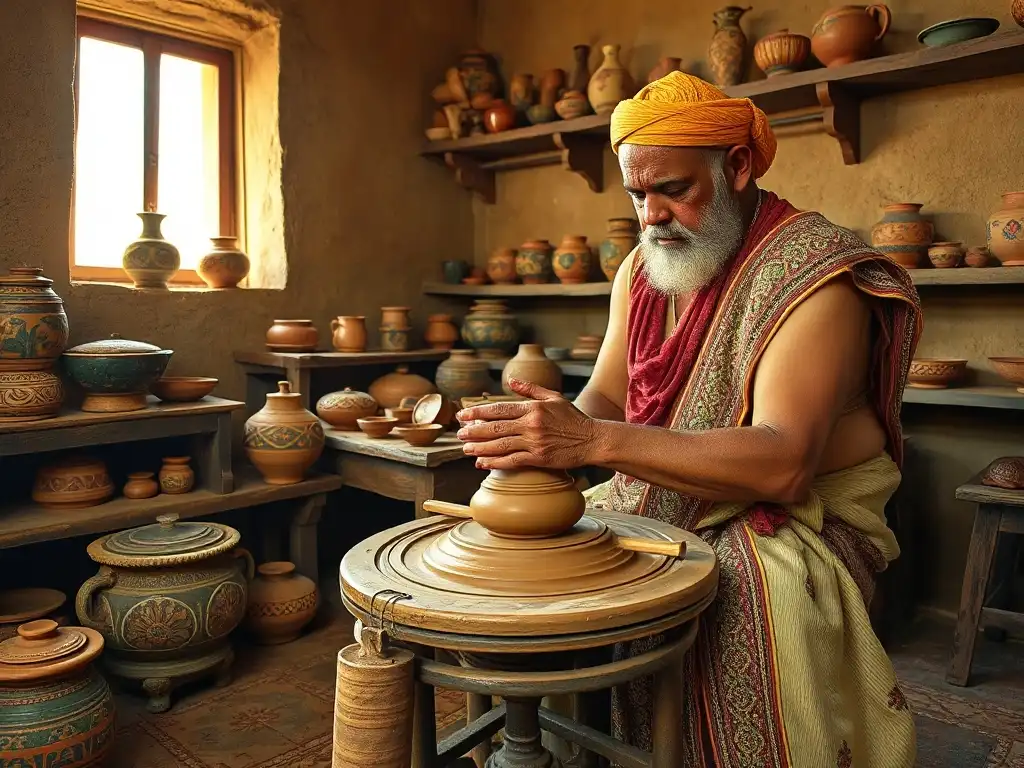
Gupta pottery is a remarkable testament to the artistic and technical prowess of the Gupta Empire, which flourished from approximately 320 to 550 CE. This period is marked by significant advancements in various art forms, and pottery was no exception. The techniques employed in Gupta pottery not only showcase the creativity of artisans but also reflect the cultural and social dynamics of the time. The pottery produced during this era is characterized by its intricate designs, innovative techniques, and the use of various materials, which together tell a story of the civilization's artistic journey.
Hand-Modeling Techniques in Gupta Pottery
Hand-modeling was a predominant technique used in the creation of Gupta pottery, allowing artisans to produce unique and intricate designs. This method involved shaping clay by hand, often using simple tools made from wood or bone. The versatility of hand-modeling enabled potters to create a wide range of forms, from functional vessels to decorative pieces.
- Coiling Technique: One of the most common hand-modeling methods was the coiling technique. Artisans would roll clay into long strips and coil them to form the body of the pot. This technique allowed for flexibility in design, permitting artisans to create both large and small vessels with varying heights and widths.
- Pinching and Slab Construction: Other hand-modeling techniques included pinching and slab construction. The pinching method involved squeezing the clay between the fingers to shape the pot, while slab construction involved flattening the clay into sheets and assembling them into desired shapes. These methods often resulted in distinctive textures and patterns, enhancing the aesthetic appeal of the pottery.
The artistry displayed in hand-modeled Gupta pottery is evident in the intricate carvings and embellishments that adorn many pieces. Common motifs included floral designs, geometric patterns, and depictions of deities, reflecting the cultural and religious influences of the time.
Wheel-Throwing: Innovations in Design and Functionality
The introduction of the potter's wheel during the Gupta period marked a significant advancement in pottery techniques. Wheel-throwing allowed for greater uniformity and precision in the shapes of pottery, leading to innovations in both design and functionality.
- Improved Symmetry: The use of the potter's wheel enabled artisans to create symmetrical and balanced vessels, which were not only aesthetically pleasing but also practical for everyday use. This innovation facilitated the production of a wide variety of pottery forms, including bowls, jars, and plates, which were essential for storage and serving.
- Increased Production Efficiency: Wheel-throwing also increased the efficiency of pottery production. Artisans could produce multiple pieces in a shorter amount of time compared to hand-modeling methods. This efficiency contributed to the availability of pottery in various regions, promoting trade and cultural exchange.
- Innovative Designs: The wheel allowed for more complex designs, including flared rims and intricate foot rings. These innovations not only enhanced the visual appeal of the pottery but also improved functionality, as many vessels were designed for specific uses, such as cooking or ceremonial purposes.
Overall, wheel-throwing techniques played a crucial role in advancing Gupta pottery, allowing artisans to explore new forms and designs while meeting the demands of an expanding market.
Kiln-Firing Techniques: Achieving Durability and Aesthetic Appeal
The firing process is essential in pottery production, as it transforms clay into durable ceramic ware. During the Gupta period, advancements in kiln-firing techniques significantly impacted the quality and aesthetic appeal of pottery.
- Types of Kilns: Gupta potters utilized various types of kilns, including updraft and down-draft kilns, which allowed for better temperature control during the firing process. The design of these kilns contributed to the consistent firing of pottery, resulting in stronger and more durable pieces.
- Temperature Control: Mastery over temperature control was crucial in achieving the desired finish and durability of pottery. Potters learned to manipulate the firing temperature to create specific effects, such as achieving vibrant glazes or unique surface textures. The ability to produce high-fired ceramics contributed to the longevity of Gupta pottery, making it a sought-after commodity.
- Glazing Techniques: The use of glazes in Gupta pottery added both aesthetic and functional benefits. Glazing provided a protective layer that enhanced the appearance of the pottery while making it more resistant to moisture and staining. Artisans experimented with various glazing techniques, leading to an array of colors and finishes that adorned their pottery.
The kiln-firing techniques employed during the Gupta Empire not only ensured the durability of pottery but also played a significant role in the artistic expression of the time. The combination of innovative firing methods and skilled craftsmanship resulted in pottery that continues to be admired for its beauty and functionality.
Distinctive Designs in Gupta Pottery
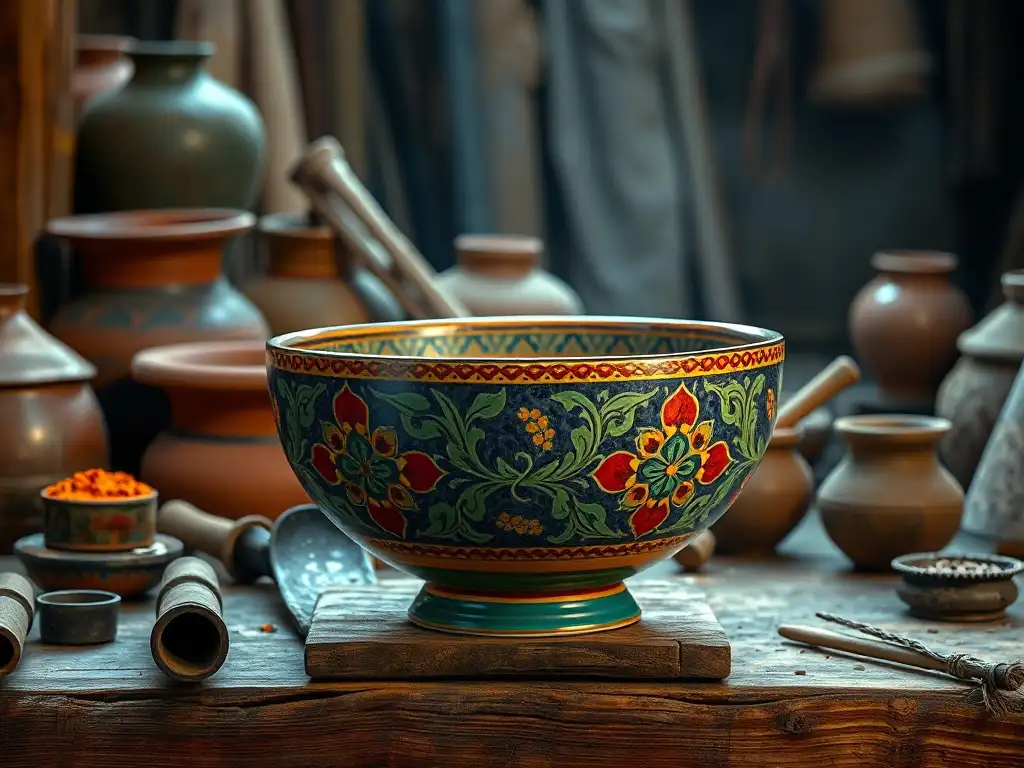
Gupta pottery is renowned for its distinctive designs that reflect the artistic prowess and cultural values of the Gupta Empire, which thrived between approximately 320 and 550 CE. The pottery from this period is characterized by a blend of functionality and artistic expression, making it a significant aspect of ancient Indian craftsmanship. The designs often showcase a variety of shapes, colors, and decorative techniques that tell a unique story of the social and artistic milieu of the time.
Among the most notable features of Gupta pottery are its intricate geometric patterns and elaborate motifs. These designs were not merely ornamental; they served as expressions of aesthetic values and cultural ideologies. The pottery from this era includes a wide range of forms, from everyday utilitarian vessels to elaborate ceremonial pieces, each adorned with distinctive designs that communicate the skills and creativity of their makers.
Decorative Patterns and Motifs in Gupta Pottery
Gupta pottery is celebrated for its rich decorative patterns and motifs that draw inspiration from nature, mythology, and daily life. The artisans of the Gupta period employed various techniques to create visually stunning pieces, which included:
- Incised Designs: Artisans skillfully carved intricate patterns into the surface of the pottery before firing. These designs often featured floral elements, geometric shapes, and representations of animals, reflecting the environment and cultural beliefs of the time.
- Painted Decorations: Many pottery pieces were adorned with vibrant painted designs using mineral-based pigments. Common themes in the painted motifs included lotus flowers, peacocks, and scenes from Hindu mythology, which were indicative of the spiritual and natural elements that influenced Gupta culture.
- Slip Techniques: The application of colored slips (liquid clay) onto the surface of the pottery allowed for the creation of contrasting designs. This technique enhanced the visual depth of the pieces and enabled artisans to craft intricate, multi-colored patterns that were both striking and sophisticated.
The complexity and variety of these decorative elements not only showcase the technical skills of Gupta potters but also reflect the interconnectedness of art, culture, and everyday life during this golden age of Indian civilization.
Symbolism in Gupta Pottery Designs
The designs found in Gupta pottery are rich in symbolism, often reflecting the philosophical and religious beliefs of the time. Many motifs and patterns were imbued with deeper meanings, serving as a connection between the physical and spiritual worlds. Some key aspects of symbolism in Gupta pottery include:
- Floral Motifs: Flowers, particularly lotuses, symbolized purity and beauty, often associated with divine presence in Hinduism and Buddhism. Their frequent appearance in pottery designs signifies the cultural importance of nature and spirituality.
- Animal Imagery: Common animals depicted in Gupta pottery, such as elephants and peacocks, carried various symbolic meanings. Elephants represented strength and wisdom, while peacocks were associated with grace and beauty. These animal motifs often conveyed societal values and aspirations.
- Geometric Patterns: The use of geometric designs can be interpreted as expressions of order and harmony, reflecting the philosophical ideals prevalent in Gupta society. These patterns often served not only as decoration but also as a representation of cosmic principles.
Understanding the symbolism behind these designs enriches our appreciation of Gupta pottery, as it reveals how art was used to communicate complex ideas and cultural narratives.
Comparison of Gupta Pottery Designs with Other Ancient Indian Pottery
When comparing Gupta pottery designs with other ancient Indian pottery styles, several distinctive characteristics emerge that highlight the uniqueness of Gupta craftsmanship:
| Feature | Gupta Pottery | Other Ancient Indian Pottery |
|---|---|---|
| Design Complexity | Highly intricate, combining various techniques (incised, painted, slip) | Often simpler with fewer techniques used |
| Motif Variety | Rich floral and animal motifs with spiritual significance | Motifs may be more utilitarian or minimalistic |
| Color Palette | Vibrant colors derived from natural pigments | Generally more subdued color schemes |
| Cultural Influences | Strongly influenced by Hindu and Buddhist themes | Regional variations with unique local influences |
| Functionality vs. Artistry | Balance between utility and artistic expression | Often more focused on practicality |
The Gupta pottery stands out for its artistic sophistication and rich symbolism, which set it apart from other ancient Indian pottery styles. While other regions may have prioritized functionality, Gupta artisans succeeded in marrying form and function, creating pieces that were as much about aesthetic pleasure as they were about utility.
Through this comparison, we can appreciate how Gupta pottery serves as a testament to the artistic advancements of its time, contributing significantly to the broader narrative of ancient Indian civilization.
Cultural Significance of Gupta Pottery
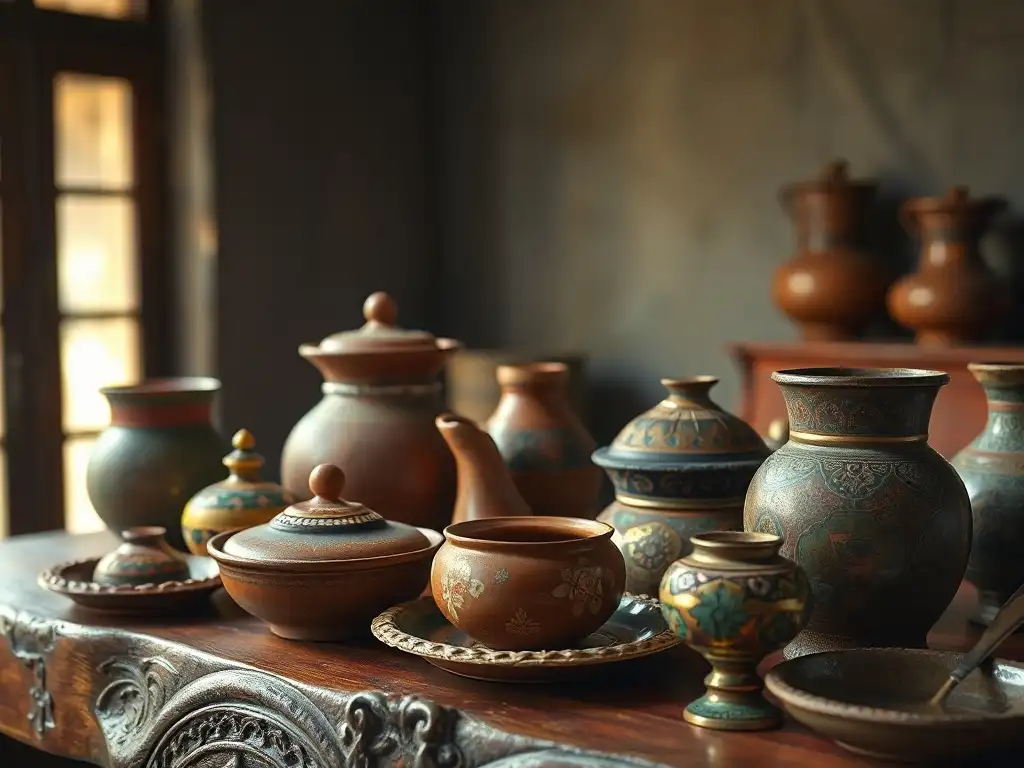
Gupta pottery is a fascinating reflection of the cultural, social, and economic dynamics of the Gupta Empire, which thrived from around 240 CE to 550 CE. This period is often referred to as the Golden Age of India, marked by significant achievements in various fields including art, science, and literature. Pottery from this era is not just a testament to the craftsmanship but also serves as a lens through which we can understand the daily life, rituals, and trade practices of ancient Indians.
Gupta Pottery in Daily Life: Functional and Ritual Uses
Gupta pottery was integral to both everyday life and religious practices. The pottery produced during this period can be categorized into two main types: functional ware and ritual ware.
- Functional Ware: This category includes items such as storage jars, cooking pots, and plates. These vessels were designed for daily use, showcasing practical designs that catered to the needs of households. The use of earthenware was prevalent, as it was accessible and easy to produce. Notable is the black-slipped pottery, characterized by a smooth finish that was both aesthetically pleasing and practical for storage.
- Ritual Ware: Pottery also played a significant role in various rituals and religious ceremonies. Items like ceremonial pots, offerings vessels, and figurines were crafted for use in temples and during festivals. The decorations on these vessels often mirrored themes from mythology, with motifs of deities and floral patterns that held symbolic meanings, thus enhancing the spiritual experience of the rituals.
Artistic Expression Through Gupta Pottery Designs
The artistry of Gupta pottery is distinguished by its intricate designs and varied techniques, which reflect the sophistication of the period’s artistic expression.
- Techniques: The Gupta potters employed several techniques that added to the beauty and functionality of their wares. The wheel-throwing technique was prominent, allowing for uniform shapes and sizes. Additionally, the practice of incising and painting pottery surfaces with geometric patterns and natural motifs was common, showcasing the aesthetic sense of the creators.
- Design Motifs: The decorative elements often included floral patterns, animals, and mythological figures, which served not only an ornamental purpose but also conveyed cultural narratives. For instance, lotus flowers symbolized purity and beauty, while depictions of animals reflected the region’s fauna, indicating a harmonious relationship between nature and society.
The use of vibrant colors, achieved through natural pigments, further enhanced the visual appeal of Gupta pottery. The glaze techniques used by potters also contributed to the durability and shine of the finished products, making them valuable both as functional items and as art pieces.
The Role of Pottery in Gupta Trade and Economy
Pottery during the Gupta period was not only significant for domestic use but also played a vital role in the economy and trade networks of ancient India.
- Trade Routes: Gupta pottery was traded extensively across the Indian subcontinent and beyond, reaching regions such as Southeast Asia. The presence of Gupta pottery in archaeological sites outside India indicates that it was a valued commodity in international trade. This exchange of goods facilitated cultural interactions and the spread of artistic styles.
- Economic Impact: The production of pottery contributed to the local economies, providing livelihoods for many artisans. The rise of guilds and workshops during this period indicates a structured approach to pottery production, where skilled craftsmen produced goods for both local consumption and export. The economic prosperity of the Gupta Empire enabled the flourishing of the arts, including pottery, which was both a reflection of wealth and a marker of social status.
Gupta pottery serves as a remarkable window into the cultural richness of the Gupta Empire, showcasing its daily life, artistic achievements, and economic activities. The techniques and designs of this pottery not only reveal the skills of ancient artisans but also tell stories of the people who crafted and used these beautiful objects.
Preservation of Gupta Pottery Techniques and Designs
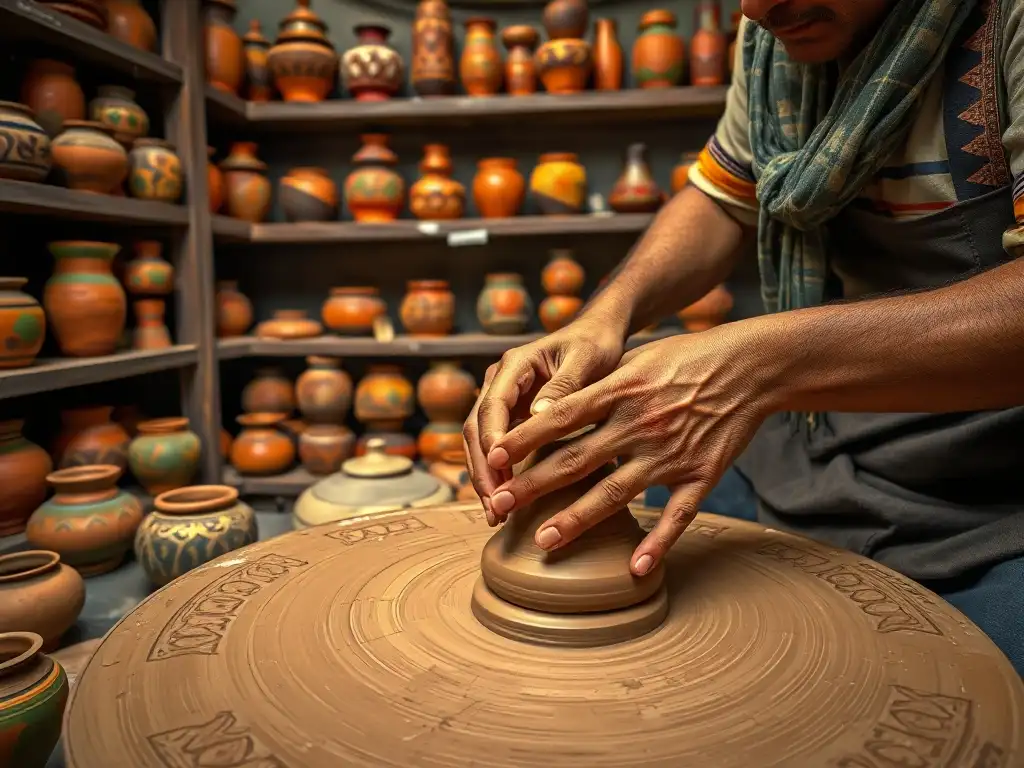
Archaeological Discoveries of Gupta Pottery
The Gupta period, which flourished from approximately 240 to 550 CE, is renowned for its remarkable contributions to art and culture, particularly in pottery. Archaeological discoveries have unveiled a wealth of information about Gupta pottery techniques and designs, providing insights into the daily life, trade practices, and artistic expressions of this era.
Significant Sites and Findings
Key archaeological sites such as Nalanda, Ujjain, and Pataliputra have yielded fragments of pottery that reflect the sophisticated techniques employed by Gupta artisans. These discoveries include:
- Terracotta Vessels: Often adorned with intricate designs, these vessels were used for both practical and ceremonial purposes.
- Painted Pottery: The emergence of painted pottery during the Gupta period showcases the use of vibrant colors and motifs inspired by nature and mythology.
- Glazed Pottery: This technique, which involved applying a glass-like coating, was particularly notable in pottery from the region of Eastern India, indicating advanced knowledge of material science.
The meticulous excavation and study of these artifacts have not only highlighted the aesthetic qualities of Gupta pottery but also revealed the social and economic contexts in which they were produced and used.
Techniques Revealed through Excavation
Analysis of the pottery shards has provided valuable insights into the manufacturing techniques used by Gupta potters:
- Wheel-Throwing: Evidence suggests that the potters utilized the potter's wheel, allowing for more uniform shapes and sizes.
- Slip Decoration: A technique involving the application of liquid clay (slip) to create designs before firing, which contributed to the pottery's visual appeal.
- Burnishing: The practice of polishing the surface of the pottery before firing enhanced its sheen and durability.
These techniques demonstrate a high level of craftsmanship and innovation, marking Gupta pottery as a significant aspect of ancient Indian art.
Modern Interpretations and Revivals of Traditional Gupta Pottery
In contemporary times, there has been a resurgence of interest in Gupta pottery techniques and designs, as artisans and historians strive to revive ancient practices. This movement not only promotes cultural heritage but also encourages sustainable artisanal practices.
Contemporary Artisans and Techniques
Artisans today are experimenting with ancient Gupta techniques, often blending them with modern aesthetics. Some notable aspects include:
- Traditional Workshops: Many artisans in regions like West Bengal and Madhya Pradesh have established workshops dedicated to learning and reviving Gupta pottery techniques. These workshops serve as educational hubs, where traditional methods are passed down to new generations.
- Workshops and Exhibitions: Events that showcase Gupta pottery techniques have gained popularity, allowing artisans to demonstrate their skills and promote awareness of this ancient art form.
Cultural Significance and Global Appeal
The revival of Gupta pottery has garnered international attention, as collectors and art enthusiasts seek authentic pieces that reflect ancient craftsmanship. This interest underscores the cultural significance of Gupta pottery, not only as a historical artifact but also as a living tradition that continues to evolve.
- Global Collaborations: Collaborative projects between Indian artisans and international artists have led to innovative interpretations of Gupta designs, merging traditional motifs with contemporary styles.
As modern interpretations of Gupta pottery flourish, the enduring legacy of this ancient art form continues to inspire new generations, ensuring that the stories told through Gupta pottery techniques and designs remain alive and relevant.
Conclusion: The Legacy of Gupta Pottery Techniques and Designs
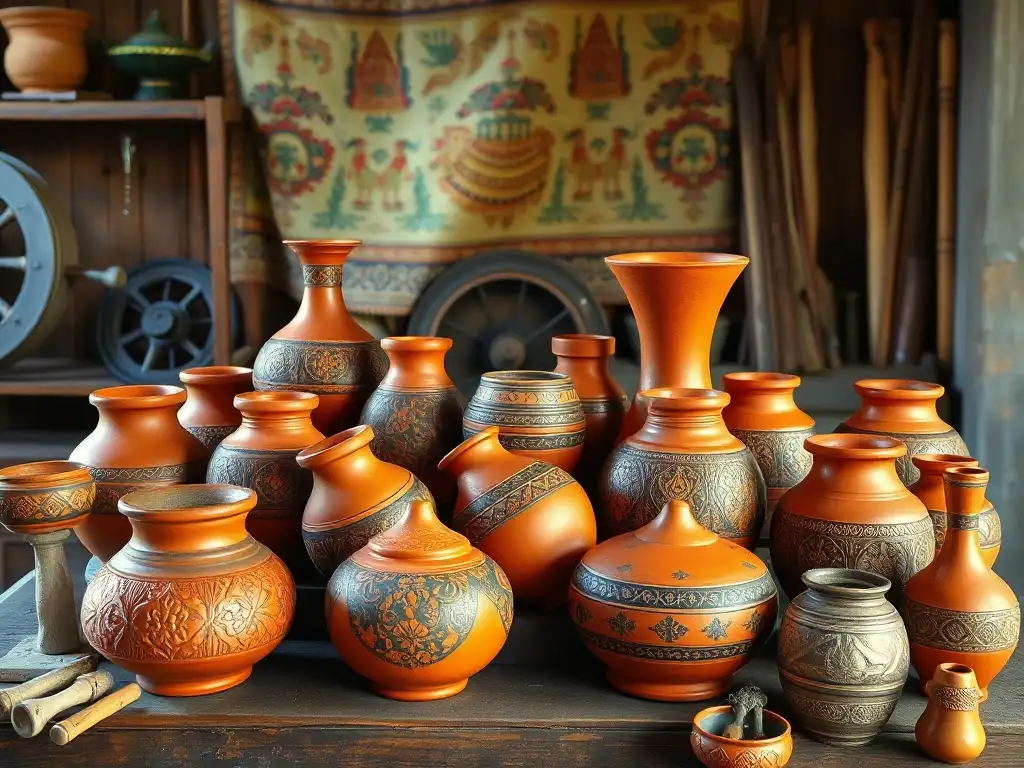
The legacy of Gupta pottery techniques and designs is an intricate tapestry that reflects the cultural, artistic, and technological advancements of the Gupta Empire, which lasted from approximately 320 to 550 CE. This period is often referred to as the "Golden Age" of India, characterized by remarkable achievements in various fields, including art and craftsmanship. Gupta pottery not only served functional purposes but also acted as a medium for artistic expression and cultural storytelling.
Summary of Gupta Pottery’s Impact on Ancient Indian Art and Culture
Gupta pottery is notable for its sophisticated techniques and distinctive designs, which had a profound impact on ancient Indian art and culture. The pottery of this era is characterized by the following features:
- Materials and Techniques:
- High-Temperature Firing: The use of kilns that could achieve higher temperatures allowed for stronger and more durable pottery.
- Red and Black Ware: This type of pottery showcased the innovative glazing and decorative techniques that allowed artisans to experiment with color and texture.
- Design and Aesthetic:
- Intricate Patterns: Gupta artisans employed geometric patterns, floral motifs, and mythological themes, showcasing a high level of craftsmanship.
- Functionality Meets Art: Pottery was not only decorative but also functional, serving as vessels for storage, cooking, and rituals, thus reflecting the daily life and spiritual practices of the people.
- Cultural Significance:
- Symbol of Prosperity: The production and trade of pottery during the Gupta period indicated economic prosperity and the flourishing of urban centers.
- Influence on Trade: Gupta pottery found its way to various regions, influencing trade networks and introducing Indian craftsmanship to foreign cultures.
The impact of Gupta pottery extended far beyond its immediate context, enriching the art and cultural landscape of ancient India and paving the way for future artistic movements.
The Enduring Influence of Gupta Pottery on Contemporary Indian Craftsmanship
The influence of Gupta pottery techniques and designs can still be felt in contemporary Indian craftsmanship. Modern artisans draw inspiration from the rich heritage of Gupta pottery, integrating traditional methods with contemporary aesthetics. Key aspects of this enduring influence include:
- Revival of Traditional Techniques:
- Many artisans are reviving ancient Gupta pottery techniques, such as wheel throwing and hand-building, to create both functional and decorative pieces that resonate with historical significance.
- Integration of Designs:
- Contemporary pottery often incorporates motifs and designs inspired by Gupta-era ceramics, connecting modern creations with ancient traditions.
- Cultural Heritage and Identity:
- The appreciation for Gupta pottery has fostered a sense of cultural identity among Indian artisans, promoting pride in their heritage and encouraging the preservation of traditional craftsmanship.
- Global Recognition:
- The unique aesthetics of Gupta pottery have garnered attention on international platforms, leading to collaborations and exhibitions that celebrate Indian art.
The legacy of Gupta pottery techniques and designs continues to flourish, bridging the past with the present and enriching the landscape of Indian art and culture. This rich heritage serves not only as a testament to the ingenuity of ancient artisans but also as a source of inspiration for future generations.
Frequently Asked Questions
What are the key characteristics of Gupta pottery?
Gupta pottery is known for its intricate designs and vivid colors. The use of fine clay and advanced techniques allowed artisans to create both functional and decorative pieces.
How did Gupta pottery reflect the culture of ancient India?
The pottery showcased mythological themes, daily life, and nature, representing the diverse cultural heritage of the time. This art form served as a means of storytelling and cultural expression.
What techniques were used in Gupta pottery?
Artisans employed techniques such as wheel-throwing, hand-building, and glazing. These methods contributed to the durability and aesthetic appeal of the pottery.
How did Gupta pottery influence later Indian art forms?
Gupta pottery set a foundation for future artistic traditions in India. Its techniques and styles influenced the development of ceramics in subsequent eras, showcasing a continuity of craftsmanship.
Where can one find examples of Gupta pottery today?
Many examples of Gupta pottery can be seen in museums and archaeological sites across India. Significant collections are housed in institutions like the National Museum in Delhi and the Indian Museum in Kolkata.
Final Reflection: The Enduring Legacy of Gupta Pottery Techniques and Designs
Gupta pottery techniques and designs are not merely relics of the past; they resonate profoundly in our contemporary world. The intricate craftsmanship and storytelling embedded in each piece reflect a rich cultural heritage that continues to inspire artists and artisans today. As we navigate a rapidly changing society, the significance of these ancient techniques serves as a reminder of the artistry and innovation that can emerge from a deep connection to one's roots.
The influence of Gupta pottery extends far beyond its historical context, shaping the cultural and social landscape of modern craftsmanship. Today, we see a resurgence of interest in traditional techniques as contemporary artists seek to blend ancient wisdom with modern aesthetics. This revival not only honors the past but also fosters a deeper appreciation for the narratives that each piece of pottery conveys. Art is the most beautiful of all lies.
– Claude Debussy. This quote encapsulates the essence of Gupta pottery, where each design tells a story that transcends time, inviting us to reflect on our shared human experience.
As you contemplate the artistry of Gupta pottery, consider how these techniques and designs can inspire your own creative journey. Embrace the stories that art can tell and allow them to guide your expression. Whether you are an artist, a collector, or simply an admirer of craftsmanship, let the legacy of Gupta pottery encourage you to explore your own narrative and contribute to the rich tapestry of cultural storytelling.
Unleash Your Creativity with Gupta Pottery!
Thank you for diving into the fascinating world of Gupta pottery with us! We hope you found valuable insights into the techniques and designs that beautifully narrate stories from ancient India. Now, it’s time to channel that inspiration into action!
Here’s how you can explore further and connect with the artistry of Gupta pottery:
- Try your hand at pottery: Gather some clay and create your own piece inspired by the intricate designs of Gupta pottery. Document your process and share it with friends!
- Visit a local art gallery: Seek out exhibitions that feature ancient Indian art or pottery. Immerse yourself in the history and craftsmanship that shaped these stunning pieces.
- Join the conversation: Connect with fellow enthusiasts on forums or social media groups dedicated to ancient art. Share your insights and learn from others in the community.
What story will you tell with your own pottery creations? We’d love to hear your thoughts and experiences in the comments below!