
The Indus Valley Civilization’s Contribution to the Development of the Wheel

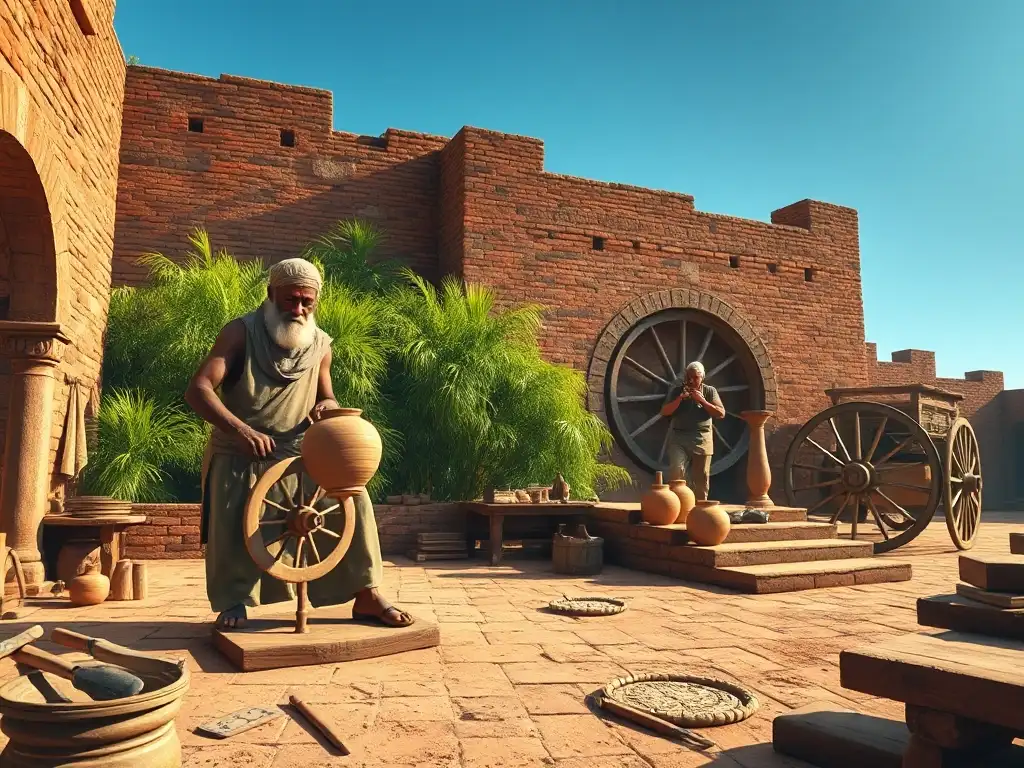
Welcome to Ancient India History, where we embark on an enthralling journey through the rich tapestry of ancient Indian civilizations! Here, we delve into the remarkable stories that shaped our world, from the enigmatic Indus Valley to the illustrious Gupta Empire. In this article, we spotlight the groundbreaking invention of the wheel within the Indus Valley Civilization, a pivotal development that revolutionized transport and trade. Are you ready to uncover the secrets behind this ancient innovation and its lasting impact on society? Dive in and explore the fascinating intersection of history and ingenuity!
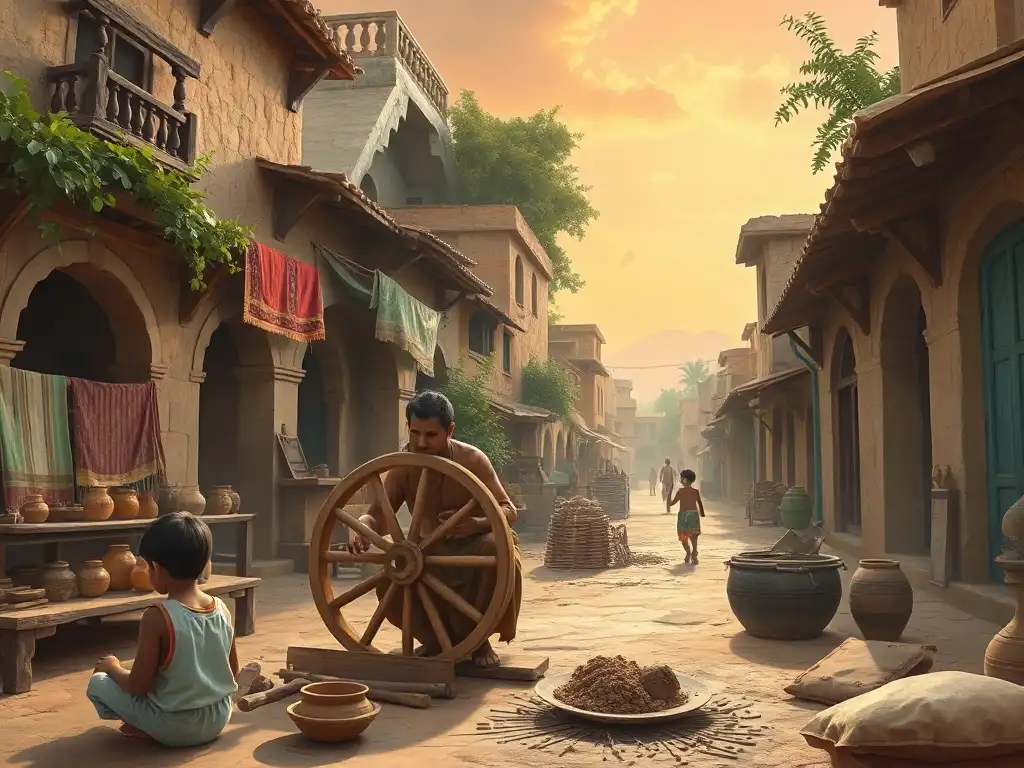
Introduction to the Indus Valley Civilization
The Indus Valley Civilization (IVC), flourishing around 3300 to 1300 BCE in what is now Pakistan and northwest India, stands as one of the most remarkable urban cultures of the ancient world. Renowned for its advanced city planning, sophisticated drainage systems, and remarkable craftsmanship, the IVC also made significant strides in technology that laid the foundation for many modern inventions.
Among these innovations, the development of the wheel represents a pivotal moment in engineering and transportation history. Understanding the Indus Valley wheel invention history not only highlights the ingenuity of this civilization but also underscores its influence on subsequent cultures.
Overview of the Indus Valley Civilization
The Indus Valley Civilization is distinguished by its well-planned cities such as Harappa and Mohenjo-Daro. The inhabitants of these cities exhibited a high degree of organization, with grid-like street layouts and meticulously constructed buildings. Archaeological findings reveal evidence of a thriving trade network, the use of standardized weights and measures, and impressive artistic endeavors, including pottery and seal carving.
- Key Features of the Indus Valley Civilization:
- Urban planning and architecture
- Advanced drainage and sanitation systems
- Trade and economic structures
- Artistic achievements and writing systems
The civilization's ability to innovate technologically was crucial for its sustainability and growth, allowing it to adapt to environmental changes and enhance daily life.
Importance of Technological Innovations in Ancient India
Technological advancements played an integral role in shaping ancient Indian societies. Innovations such as metallurgy, agricultural techniques, and transportation methods were essential for trade and communication, thereby fostering cultural exchange and economic prosperity. The invention of the wheel, in particular, revolutionized transportation, enabling the movement of goods and people over greater distances.
- Benefits of Technological Innovations:
- Improved trade efficiency
- Enhanced agricultural productivity
- Facilitated cultural interactions
- Strengthened urban infrastructure
By examining the contributions of the Indus Valley Civilization to technological innovations, we gain insight into how these advancements influenced not only their society but also laid the groundwork for future civilizations.
The Historical Context of the Wheel in Ancient Cultures
The wheel is often regarded as one of humanity's most significant inventions, transforming transportation and industry across various cultures. Its origins can be traced back to the Neolithic period, evolving from simple potter's wheels to more complex designs that facilitated travel and trade.
Early Uses of the Wheel in Various Civilizations
Initially, the wheel was primarily used for pottery. The earliest known evidence of a wheel dates back to around 3500 BCE in Mesopotamia. As civilizations progressed, wheels began to be utilized for transportation, significantly impacting trade and military endeavors.
- Key Early Wheel Applications:
- Potter's wheels for crafting ceramics
- Chariots and carts for transportation
- Mechanisms in water-driven machines
The evolution of the wheel marked a turning point in human ingenuity, enabling societies to develop and expand their reach.
The Emergence of the Wheel in the Indus Valley
In the context of the Indus Valley Civilization, the emergence of the wheel is particularly noteworthy. Archaeological evidence suggests that the wheel was used in various ways, including in pottery and as a component of carts.
- Evidence of Wheel Usage in the IVC:
- Terracotta models of wheeled carts
- Artifacts indicating transportation methods
- Potential connections to trade networks
The adoption and adaptation of the wheel in the Indus Valley not only exemplified technological prowess but also integrated into the fabric of daily life, influencing trade routes and cultural interactions across ancient India and beyond.
The Indus Valley Wheel Invention History
The invention of the wheel in the Indus Valley Civilization represents a pivotal moment in technological advancement. Dating back to around 3500 BCE, the wheel is believed to have emerged as a result of the practical needs of this complex society, which thrived along the banks of the Indus River. The earliest wheels found in the region were not used for transportation initially; rather, they served as potter's wheels, demonstrating the significance of the wheel in craft production.
As the civilization progressed, wheels became integral to the development of carts and chariots, which significantly enhanced mobility and transport capabilities. This innovation is considered a major technological leap, allowing for the efficient movement of goods and people, thus facilitating trade and cultural exchange both within and beyond the Indus Valley.
The use of the wheel in the Indus Valley is often highlighted as a key factor in the civilization's ability to thrive and expand, contributing to its status as one of the earliest urban cultures in history. Its invention and subsequent applications not only reflect the ingenuity of the civilization but also laid the groundwork for future technological developments across various cultures.
Archaeological Evidence of Early Wheel Usage in the Indus Valley
Archaeological excavations in sites like Harappa and Mohenjo-Daro have unearthed compelling evidence of early wheel usage. The most notable finds include terracotta wheels, which were discovered in various shapes and sizes. These wheels, often intricately designed, provide insight into the craftsmanship and technological skills of the Indus Valley people.
In addition to pottery wheels, evidence of wooden wheels has been suggested through the remains of carts and chariots found in burial sites. Many of these artifacts indicate that the wheel was not only a functional object but also a symbol of status and power, often associated with the elite classes of society.
Moreover, inscriptions and seals featuring wheel motifs further emphasize the wheel’s significance in Indus Valley culture, suggesting its association with movement and trade, and perhaps even religious or symbolic meanings. This archaeological evidence collectively underscores the critical role that the wheel played in shaping the technological landscape of the Indus Valley Civilization.
Materials and Techniques Used in Wheel Construction
The construction of wheels in the Indus Valley Civilization showcases the advanced materials and techniques employed by its artisans. Early wheels were primarily crafted from wood, utilizing the abundant resources available in the region. The choice of wood allowed for flexibility and strength, essential for the wheels used in transportation.
Craftsmen demonstrated remarkable skill in shaping these wooden wheels, often employing techniques such as lathing and carving to achieve a balanced and durable design. The wheels were typically solid, although later innovations included spokes, which reduced weight while maintaining structural integrity.
In addition to wood, some wheels were made from clay, particularly those used as potter's wheels. The use of clay allowed for a smoother surface, facilitating the creation of intricate pottery. The firing process further enhanced the durability of these wheels, indicating a sophisticated understanding of material properties and their manipulation.
The combination of these materials and techniques illustrates the technological advancements of the Indus Valley artisans, highlighting their ability to innovate and adapt based on their needs and environment.
Comparison with Wheel Inventions in Other Ancient Civilizations
When comparing the wheel invention in the Indus Valley with that of other ancient civilizations, notable parallels and distinctions emerge. The earliest known wheel is attributed to Mesopotamia, dating back to around 3500 BCE, which suggests concurrent developments in different regions. However, the Indus Valley wheels were distinct in their applications, primarily serving as potter’s wheels initially, whereas Mesopotamian wheels were utilized for transportation from the onset.
In contrast to the Indus Valley's focus on craft production, the Sumerians employed the wheel for chariots and carts almost immediately, enhancing their military and trade capacities. This difference highlights varying societal needs and technological trajectories across civilizations.
Furthermore, while both the Indus Valley and Mesopotamian civilizations made significant contributions to the development of the wheel, the Indus Valley's unique approach to wheel construction—emphasizing craftsmanship and material versatility—distinguishes it within the broader context of ancient technology. This comparison not only showcases the interconnectedness of ancient societies but also underscores the diverse innovations that emerged in response to specific cultural and environmental factors.
Significance of the Wheel in Indus Valley Society
The wheel’s significance in Indus Valley society extends beyond mere functionality; it fundamentally influenced various aspects of daily life, trade, and craftsmanship. As a transformative technology, the wheel facilitated advancements that permeated multiple layers of civilization, shaping social structures and economic activities.
Impact on Transportation and Trade
The introduction of the wheel revolutionized transportation in the Indus Valley, enabling more efficient movement of goods and people. Carts equipped with wheels allowed traders to transport larger quantities of merchandise over greater distances, thus expanding the reach of trade networks. This efficiency played a crucial role in the economic growth of the civilization, as it connected urban centers with rural areas and neighboring regions.
The ease of movement facilitated by the wheel also contributed to the cultural exchange between different communities, fostering interactions that enriched the civilization's social fabric. Trade routes established during this period laid the groundwork for future economic systems, demonstrating the long-lasting impact of the wheel on societal development.
The Role of the Wheel in Agriculture and Daily Life
In agricultural contexts, the wheel contributed to the efficiency of farming practices. While direct evidence of plows is scarce, the use of wheeled carts likely aided in transporting produce from fields to markets or storage. This efficiency would have been vital for sustaining the growing population of the Indus Valley civilization.
Moreover, the wheel influenced daily life by facilitating the transport of goods, making it easier for individuals to engage in commerce and trade. The ability to move products and materials efficiently contributed to a thriving economy, where artisans and farmers could more readily access markets and consumers.
Influence on Craftsmanship and Industrial Production
The wheel also played a significant role in enhancing craftsmanship in the Indus Valley. The use of potter's wheels, for instance, allowed artisans to create pottery with greater precision and uniformity. This innovation not only improved the quality of pottery but also increased production capacity, enabling artisans to meet the demands of a growing population.
In a broader sense, the wheel's influence extended to various forms of industrial production, as its applications were adapted to improve efficiency in diverse crafts. The resulting advancements in production techniques not only enriched the material culture of the Indus Valley but also contributed to its economic prosperity, demonstrating the wheel's multifaceted impact on this ancient civilization.
Technological Advances Linked to the Wheel
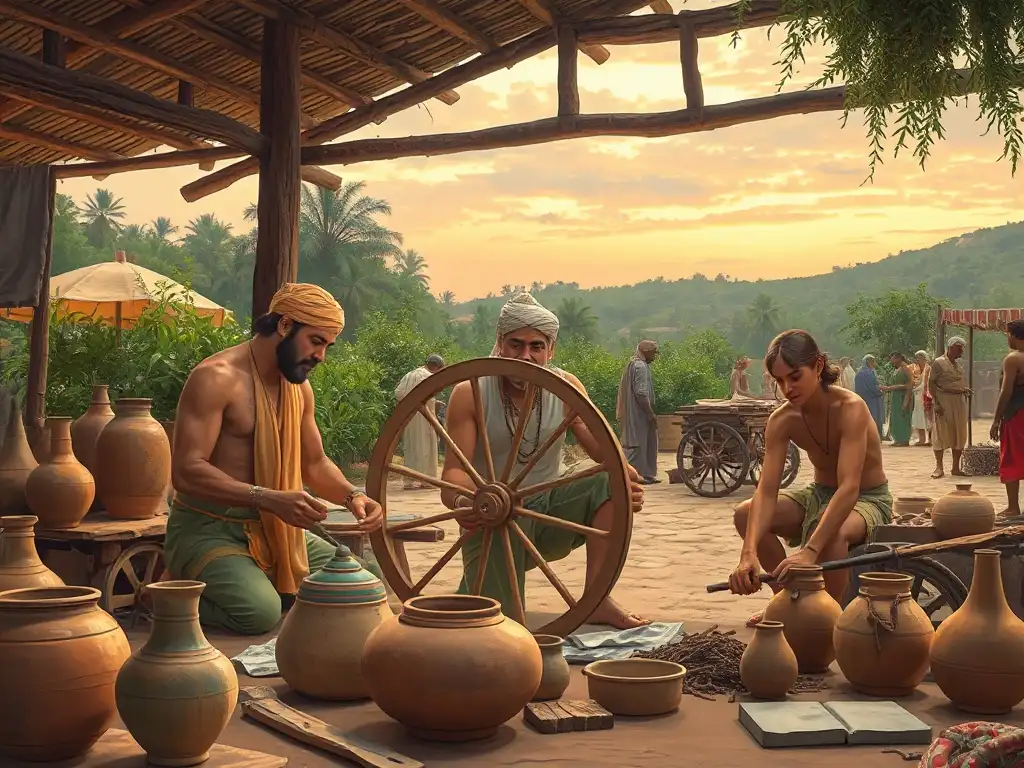
The invention of the wheel marked a transformative moment in the technological landscape of the Indus Valley Civilization. This innovation was not merely about transportation; it catalyzed a series of advances that permeated various aspects of daily life and industry.
Innovations in Pottery and Ceramics
The wheel's introduction revolutionized pottery and ceramic production in the Indus Valley. Prior to the use of the wheel, pottery was primarily crafted by hand, resulting in irregular shapes and varying sizes. With the advent of the potter’s wheel, artisans could create more uniform and symmetrical vessels, which were not only aesthetically pleasing but also more functional. This innovation allowed for:
- Standardized Production: Increased efficiency in pottery making, leading to a wider range of products available for trade.
- Enhanced Techniques: The ability to apply intricate designs and glazing techniques, which elevated the artistic quality of ceramics.
- Cultural Exchange: Pottery became a medium for cultural expression, often reflecting the social and economic conditions of the time.
These advancements in pottery not only demonstrated the ingenuity of Indus artisans but also laid the groundwork for subsequent artistic traditions in ancient India.
Development of Chariots and Other Vehicles
The wheel's invention paved the way for the development of chariots and various other vehicles, fundamentally changing transportation methods in the Indus Valley Civilization. Chariots were initially used for warfare and ceremonial purposes, showcasing the following advancements:
- Military Applications: The integration of wheels into chariot design provided significant advantages in mobility and speed during conflicts, enhancing the military capabilities of the civilization.
- Agricultural Innovations: Wheeled carts facilitated the transportation of goods and agricultural produce, improving efficiency in farming and trade.
- Trade Expansion: The ability to move larger quantities of goods over greater distances helped establish trade networks, connecting the Indus Valley with neighboring regions.
These innovations not only reflected the technological prowess of the civilization but also influenced the socio-political dynamics of ancient India.
The Wheel's Contribution to Urban Planning
Urban planning in the Indus Valley Civilization was intricately linked to the development of the wheel. The structured layout of cities like Mohenjo-Daro and Harappa was partially influenced by the need for efficient transport systems. Key contributions included:
- Road Infrastructure: The establishment of roads and pathways that facilitated the movement of wheeled vehicles, connecting various parts of the city and enhancing accessibility.
- Centralized Markets: The design of urban spaces included designated areas for trade, where wheeled carts could easily deliver goods, promoting economic activity.
- Zoning: The organization of residential and industrial areas was influenced by the transportation needs, allowing for efficient distribution of resources.
This thoughtful urban planning not only optimized the use of space but also contributed to the overall functionality and sustainability of the civilization.
Cultural and Economic Impact of the Wheel
The wheel's impact extended beyond mere technological advancement, influencing cultural practices and economic growth in profound ways.
The Wheel as a Symbol of Progress and Innovation
In the context of the Indus Valley Civilization, the wheel came to symbolize progress and innovation. It represented a leap in human ingenuity, embodying the civilization's ability to adapt and improve upon existing technologies. This cultural significance can be seen in:
- Artistic Representations: The wheel was often depicted in art and artifacts, signifying its importance in the cultural narrative of the time.
- Philosophical Ideals: The wheel's circular shape was associated with continuity and the cyclical nature of life, reflecting deeper philosophical beliefs within the society.
- Civic Identity: The advancements represented by the wheel contributed to a sense of pride and identity among the people of the Indus Valley, reinforcing social cohesion.
Such cultural connotations established the wheel as a powerful emblem of the civilization's achievements.
Influence on Trade Networks and Economic Growth
The introduction of the wheel significantly enhanced trade networks across the Indus Valley and beyond. This impact was observed in several key areas:
- Increased Trade Volume: The ability to transport goods more efficiently led to a boom in trade activities, both within the Indus Valley and with neighboring regions.
- Diverse Commodities: The movement of various goods, including textiles, metals, and agricultural products, enriched the local economy and fostered cultural exchanges.
- Economic Integration: The wheel facilitated not only local trade but also long-distance commerce, integrating the Indus Valley into broader economic networks of the ancient world.
This economic growth laid the foundations for a prosperous society, influencing its longevity and stability.
The Legacy of the Wheel in Subsequent Indian Civilizations
The innovations of the Indus Valley Civilization regarding the wheel left a lasting legacy on subsequent Indian civilizations. Key elements of this legacy include:
- Technological Continuity: The wheel remained a fundamental aspect of transportation and industry in later cultures, evolving through various adaptations and improvements.
- Cultural Transmission: The symbolic and practical aspects of the wheel were absorbed into the cultural fabric of later civilizations, influencing art, literature, and philosophy.
- Historical Significance: The advancements made during the Indus Valley period set a precedent for technological innovation, influencing the development of other ancient Indian societies.
The legacy of the wheel thus serves as a testament to the ingenuity and contributions of the Indus Valley Civilization, shaping the trajectory of India's historical narrative.
Conclusion
The Indus Valley Civilization stands as a remarkable testament to early human innovation, particularly in the realm of technology and engineering. Among its significant contributions, the invention and development of the wheel played a crucial role in shaping transportation and trade practices, not just in ancient India but across the globe. The ingenuity of the Indus Valley craftsmen has left an indelible mark on human history, demonstrating how technological advancements can significantly influence societal growth and interconnectedness.
Summary of Key Contributions of the Indus Valley Wheel Invention
The wheel's development by the Indus Valley Civilization can be highlighted through several key contributions:
- Transportation Enhancements: The wheel facilitated the movement of goods and people, drastically improving trade networks. This innovation allowed for more efficient transport of heavy loads compared to previous methods.
- Craftsmanship and Design: The Indus artisans showcased exceptional skill in crafting wheels, often made from wood and later from fired clay, which exemplified their understanding of materials and engineering principles.
- Cultural Exchange: The use of the wheel contributed to the expansion of trade routes, fostering economic interactions with neighboring regions and cultures, thereby enhancing the flow of ideas and goods.
- Urban Planning: The wheel played a role in the development of urban infrastructure, aiding in the layout of cities and the construction of transport systems that supported complex social structures.
Reflection on the Indus Valley Civilization’s Lasting Impact on Technology and Society
The contributions of the Indus Valley Civilization to the invention of the wheel extend beyond mere functionality; they reflect a profound understanding of technology that resonates even today. The innovations of this ancient society laid foundational principles for future engineering and design. As societies evolved, the principles established by the Indus Valley craftsmen continued to influence technological advancements globally.
Moreover, the societal implications of the wheel's invention are significant. By facilitating trade and enhancing mobility, the wheel helped to create more interconnected communities, fostering cultural exchange and economic prosperity. The legacy of the Indus Valley Civilization reminds us that technological innovations are often the driving force behind societal transformation, paving the way for progress and development in various fields.
Further Reading and Resources
To deepen your understanding of the Indus Valley Civilization and its contributions, consider exploring the following resources:
Recommended Books and Articles on the Indus Valley Civilization
- "The Indus Civilization: A Contemporary Perspective" by Gregory L. Possehl: This book offers insights into the archaeological findings and interpretations of the Indus Valley, including its technological innovations.
- "Indus Valley Civilization: A Historical Overview" by R. S. Sharma: A comprehensive examination of the civilization's history, culture, and advancements, including the significance of the wheel.
- Articles from the Journal of Ancient Indian History: These scholarly articles provide in-depth analyses of specific aspects of the Indus Valley Civilization, including its technological developments.
Online Resources for Exploring Ancient Indian History
- The Archaeological Survey of India (ASI) Website: A valuable resource for current research, excavations, and findings related to the Indus Valley Civilization.
- Digital Archives of Ancient India: This online platform offers access to historical documents, artifacts, and scholarly articles focusing on ancient Indian civilizations.
- Online Lectures and Documentaries: Numerous educational platforms host lectures and documentaries that explore the Indus Valley Civilization's achievements, including its technological contributions.
- Introduction to the Indus Valley Civilization
- The Historical Context of the Wheel in Ancient Cultures
- The Indus Valley Wheel Invention History
- Significance of the Wheel in Indus Valley Society
- Technological Advances Linked to the Wheel
- Cultural and Economic Impact of the Wheel
- Conclusion
- Further Reading and Resources
- What was the significance of the Indus Valley wheel invention?
- When did the Indus Valley Civilization exist?
- How did the wheel contribute to ancient Indian culture?
- What materials were used in the construction of the wheel in the Indus Valley?
- How did the Indus Valley wheel influence later civilizations?
Frequently Asked Questions
What was the significance of the Indus Valley wheel invention?
The Indus Valley wheel invention was crucial for improving transportation and trade, enabling the movement of goods and people across vast distances.
When did the Indus Valley Civilization exist?
The Indus Valley Civilization thrived from approximately 3300 BCE to 1300 BCE, marking a significant period in ancient Indian history.
How did the wheel contribute to ancient Indian culture?
The wheel facilitated advancements in agriculture and craftsmanship, leading to a more interconnected society and fostering the growth of urban centers.
What materials were used in the construction of the wheel in the Indus Valley?
Wheels were primarily made of wood, often crafted from single pieces or laminated sections, showcasing the advanced craftsmanship of the time.
How did the Indus Valley wheel influence later civilizations?
The innovations from the Indus Valley wheel invention laid the groundwork for subsequent technological advancements in transportation, influencing later Indian and global civilizations.
Final Reflection: The Indus Valley Wheel Invention and Its Lasting Legacy
The Indus Valley Civilization's innovative contributions to the development of the wheel are not just historical footnotes; they are foundational elements that continue to shape our modern world. From transportation to engineering, the wheel has revolutionized how we interact with our environment and each other. The ingenuity of the Indus Valley people in crafting this essential tool underscores the importance of innovation in human progress.
Culture and technology are inextricably linked, and the wheel's evolution is a testament to this relationship. The advancements made by the Indus Valley Civilization laid the groundwork for future innovations that would propel societies forward. As we navigate our contemporary landscape, we can see echoes of their ingenuity in the vehicles we use and the infrastructure we build. Innovation distinguishes between a leader and a follower.
– Steve Jobs. This quote resonates deeply, reminding us that the spirit of innovation, as exemplified by the Indus Valley, is crucial for progress.
As we reflect on the lessons from the Indus Valley wheel invention history, let us embrace the spirit of creativity and innovation in our own lives. Consider how you can contribute to the ongoing journey of human advancement, whether through your professional endeavors or personal projects. The legacy of the Indus Valley Civilization invites each of us to think critically about our role in shaping the future, encouraging us to harness our potential to create, innovate, and inspire.
Unleash Your Curiosity: Dive Deeper into History!
Thank you for exploring the incredible contributions of the Indus Valley Civilization to the evolution of the wheel! You've gained valuable insights into how this ancient society shaped our modern world. Now, let’s take the next exciting step together.
Here are some actions you can take to enrich your understanding and connection to this fascinating topic:
- Delve deeper: Investigate more about ancient innovations and their impacts on today's technology.
- Share your thoughts: Engage in discussions on our forum or social media—what aspects of the wheel's development intrigue you the most?
- Explore further: Discover other ancient civilizations that played significant roles in engineering advancements, and examine how they influenced the design of the wheel.
How do you believe the innovations of the Indus Valley Civilization continue to influence modern engineering?