
The Role of Rituals in the Daily Lives of Indus Valley Inhabitants

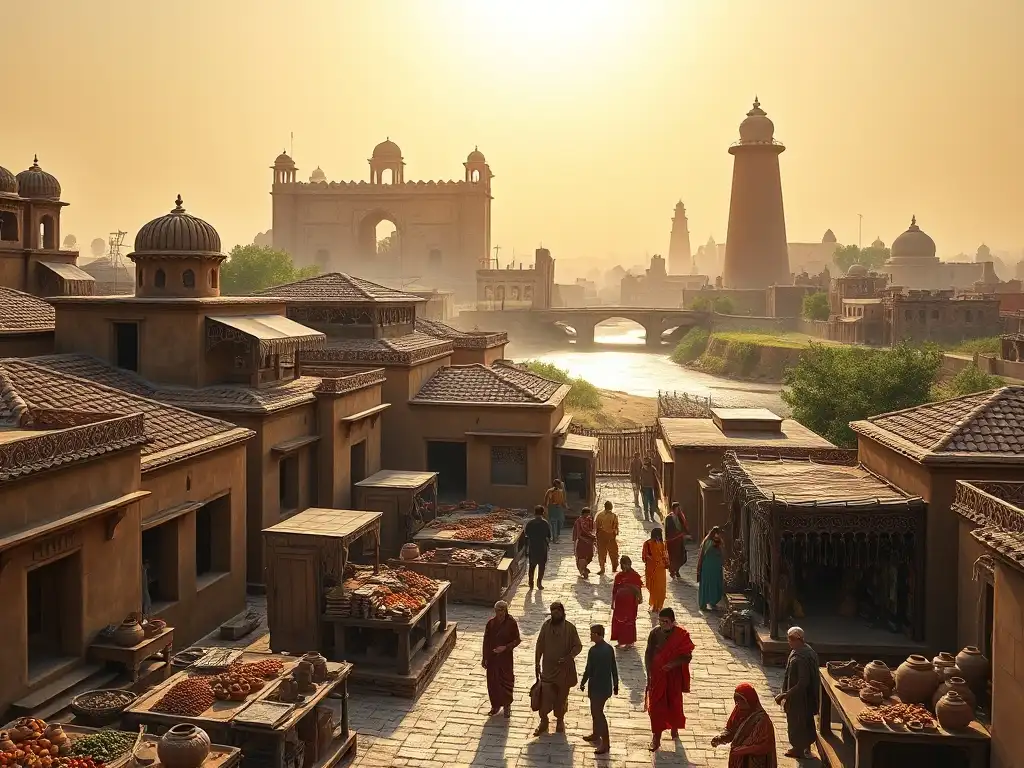
Welcome to Ancient India History, where we embark on a fascinating journey through the intricate tapestry of ancient Indian civilizations. Here, we delve into the rich and diverse history that shaped the subcontinent, from the enigmatic Indus Valley to the remarkable Gupta Empire. In our featured article, "The Role of Rituals in the Daily Lives of Indus Valley Inhabitants," we uncover the captivating rituals and daily practices that defined the lives of the people in one of the world's earliest urban societies.
Prepare to ignite your curiosity as we explore how these ancient customs influenced their culture and community. Dive deeper with us, and let the stories of the past unfold before your eyes!
Introduction to Indus Valley Civilization
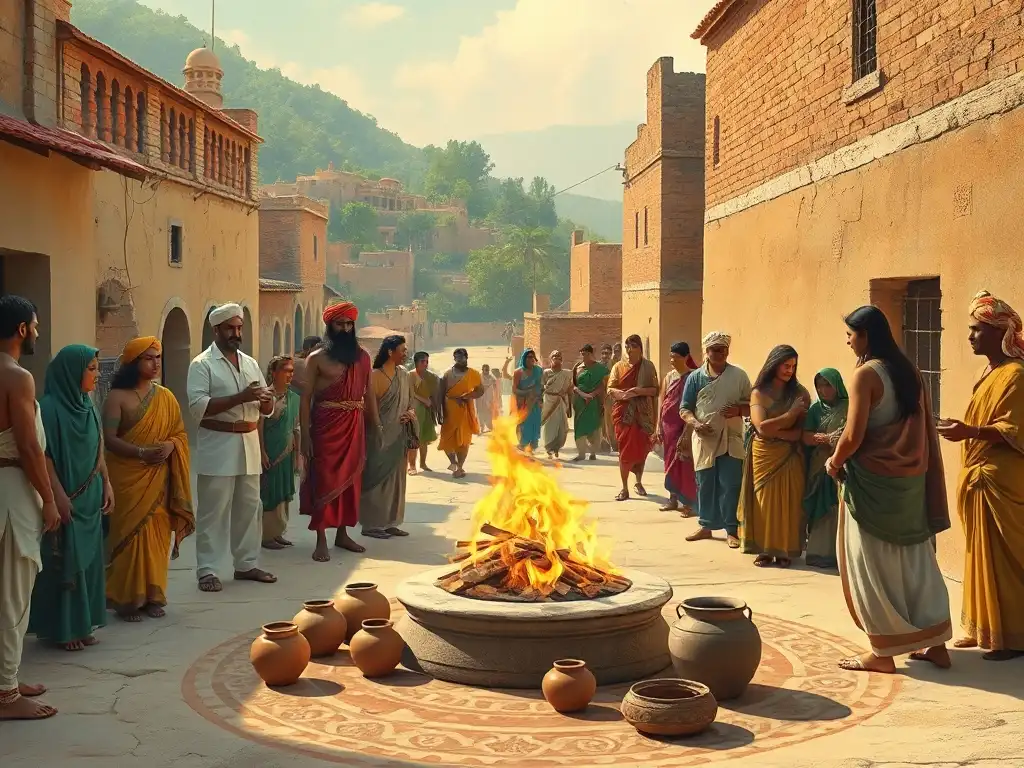
The Indus Valley Civilization (IVC), one of the world's earliest urban cultures, flourished around 2500 BCE in what is now modern-day Pakistan and northwest India. This ancient civilization is renowned for its advanced urban planning, sophisticated drainage systems, and vibrant trade networks. However, the daily lives of its inhabitants were equally significant, woven deeply with rituals that shaped their social, spiritual, and cultural identities.
Understanding the role of rituals in the daily lives of Indus Valley inhabitants provides valuable insights into their beliefs, practices, and the intricate web of societal norms that governed their existence. By examining these rituals, we can appreciate how they influenced everything from agriculture to social gatherings, thereby illuminating the fabric of life during this remarkable period in human history.
Overview of Indus Valley Civilization
The Indus Valley Civilization emerged around 3300 BCE and peaked between 2600 and 1900 BCE, encompassing major cities such as Harappa and Mohenjo-Daro. This civilization was characterized by:
- Urban Planning: Cities were meticulously planned with grid layouts, advanced drainage systems, and standardized brick sizes.
- Economy: A thriving economy based on agriculture, trade, and crafts, with evidence of cotton textiles and metalwork.
- Cultural Artifacts: Numerous seals, pottery, and figurines suggest a rich cultural life, possibly linked to religious and social practices.
The Indus Valley's sophisticated society laid the groundwork for future civilizations in the region, making it a pivotal chapter in ancient Indian history.
Significance of Daily Life and Rituals in Ancient Cultures
Daily life in ancient cultures was often interwoven with rituals that provided structure and meaning. These rituals served various purposes, including:
- Religious Observance: Connecting the community with their deities and cosmology.
- Social Cohesion: Strengthening bonds within families and communities through shared practices.
- Cultural Identity: Serving as a means of expressing and preserving cultural values and traditions.
In the context of the Indus Valley Civilization, rituals likely played a crucial part in agricultural cycles, festivals, and life milestones, reflecting the inhabitants' values and beliefs.
Understanding Indus Valley Rituals
To fully grasp the role of rituals in the daily lives of Indus Valley inhabitants, it is essential to define what rituals entailed and how they were integrated into their society.
Definition and Importance of Rituals in Ancient Societies
Rituals can be defined as formalized actions performed in specific contexts, often imbued with symbolic meaning. In ancient societies, including the Indus Valley, rituals were important for several reasons:
- Spiritual Connection: They facilitated communication with the divine, ensuring harmony between the human and spiritual realms.
- Community Identity: Rituals fostered a sense of belonging and identity among community members, reinforcing social structures.
- Cyclical Time: Many rituals were linked to seasonal changes, agricultural practices, and key life events, marking the passage of time and the cycles of life.
The significance of these rituals extended beyond mere practice; they were essential for maintaining the cultural fabric of society.
Types of Rituals Practiced by Indus Valley Inhabitants
The rituals practiced by the inhabitants of the Indus Valley were diverse and multifaceted. Some of the key types included:
- Agricultural Rituals: Likely tied to the sowing and harvesting of crops, these rituals would have been crucial for ensuring a successful harvest.
- Domestic Rituals: Everyday practices within homes, possibly involving offerings and prayers to household deities.
- Trade and Commerce Rituals: Ceremonies related to trade agreements and market activities, enhancing social connections among merchants.
- Funerary Practices: Evidence suggests that burial rites were conducted with care, indicating beliefs surrounding death and the afterlife.
These rituals not only served practical purposes but also enriched the spiritual and cultural life of the Indus Valley inhabitants, reflecting their deep connection to their environment and community.
The Connection Between Indus Valley Rituals and Daily Life
The Indus Valley Civilization, known for its advanced urban planning and sophisticated societal structures, placed significant emphasis on rituals that permeated daily life. These rituals were not mere ceremonial acts; they were integral to the social fabric and daily practices of the inhabitants. Rituals often served as a means to connect with the divine, mark seasonal changes, or celebrate life events, indicating a society deeply intertwined with its spiritual beliefs.
Rituals in the Indus Valley extended to various facets of life, including agriculture, trade, and domestic activities. The cyclical nature of agricultural practices was likely aligned with ritual observances, ensuring that communities honored the earth's cycles. This connection between spirituality and the natural world fostered a sense of harmony and sustainability, reflecting the civilization's respect for nature.
Moreover, rituals played a pivotal role in social cohesion. Community gatherings for ritualistic purposes helped strengthen relationships among inhabitants, fostering unity and shared identity. As such, rituals were not only personal expressions of faith but also communal events that reinforced social bonds and collective memory.
Daily Activities Influenced by Ritual Practices
Daily activities in the Indus Valley were heavily influenced by ritual practices that shaped the rhythms of life. For instance, agricultural rituals—such as those performed during sowing and harvesting—were crucial for ensuring bountiful crops. These rituals often involved offerings to deities, reflecting a belief that divine favor was necessary for fertility and abundance.
In urban settings, domestic rituals also played an essential role. The act of cooking, for example, was often accompanied by specific rites that invoked blessings for the household. Women, as primary caretakers, would engage in rituals involving the preparation of food, which were believed to purify the space and honor the ancestors.
Trade activities, too, were influenced by rituals. Merchants likely engaged in rituals before embarking on journeys to seek protection and success in their transactions. The act of trading was embedded within a spiritual context, where the exchange of goods was seen as not just economic but also a means of fostering relationships and goodwill among communities.
Archaeological Evidence of Rituals in the Indus Valley
Archaeological evidence of rituals in the Indus Valley provides valuable insights into the spiritual lives of its inhabitants. Excavations at various sites, such as Mohenjo-Daro and Harappa, have unearthed numerous artifacts that suggest a rich tapestry of ritualistic practices. Structures such as large public baths and altars indicate the significance of purification and offerings in daily life.
The presence of numerous seals featuring animals and deities further points to a belief system that was intricately tied to nature and mythology. These seals, often used in trade, may have served as amulets or symbols of protection, suggesting that even commercial activities were influenced by spiritual considerations.
Additionally, the layout of cities reflects a connection to ritual practices. Urban planning appears to have incorporated spaces for communal activities, indicating that rituals were not confined to private homes but were public events that reinforced social structures.
Discoveries Related to Rituals in Urban Planning
The urban planning of Indus Valley cities reveals a sophisticated understanding of the role that rituals played in community life. Cities such as Harappa and Mohenjo-Daro were meticulously designed with wide streets, organized blocks, and public spaces that facilitated gatherings for ritualistic purposes.
One notable discovery is the Great Bath at Mohenjo-Daro, which is believed to have been used for purification rituals. This large, public bathing area signifies the importance of cleanliness and ritual in daily life, emphasizing a communal approach to spirituality and hygiene.
Furthermore, the arrangement of homes surrounding public spaces suggests that daily life revolved around communal activities and rituals. The close proximity of residences to places of worship or gathering reflects a society that prioritized collective rituals and shared experiences.
Artifacts and Their Implications for Daily Life
Artifacts discovered in the Indus Valley provide profound insights into the daily lives of its inhabitants and the rituals that shaped them. Pottery, for instance, often features decorative motifs that symbolize fertility and abundance, suggesting a ritualistic connection to agricultural practices. These artifacts were not solely utilitarian; they also served a ceremonial purpose, reinforcing the link between daily life and spiritual beliefs.
Other significant artifacts include figurines that depict deities or ritual objects, which hint at the religious practices of the society. The craftsmanship seen in these items indicates that rituals were not only vital for spiritual reasons but were also an expression of artistic and cultural identity.
Additionally, the discovery of tools and implements used in domestic rituals showcases the blend of everyday activities with spiritual practices. These artifacts illustrate how deeply ingrained rituals were in daily life, influencing everything from cooking to trade.
The artifacts of the Indus Valley Civilization reveal a society where rituals were integral to daily life, influencing social interactions, agricultural practices, and artistic expressions. The evidence underscores the complexity and richness of Indus Valley rituals, providing a deeper understanding of their culture and values.
The Role of Rituals in Community and Identity
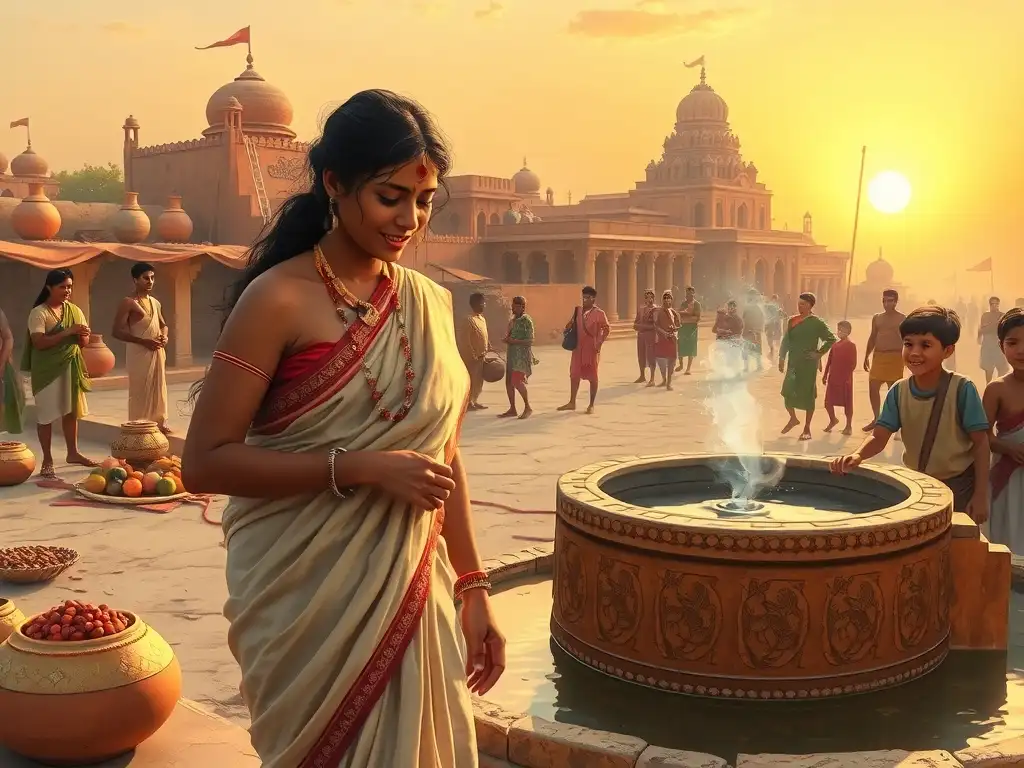
Rituals played a pivotal role in shaping the community and identity of the inhabitants of the Indus Valley Civilization. These rituals were not merely religious in nature; they were integral to the social fabric, reinforcing bonds among individuals and fostering a sense of belonging. The communal activities, such as collective worship and public ceremonies, served as a platform for expressing shared values and beliefs, thus solidifying group identity.
The evidence of large public baths, such as the Great Bath of Mohenjo-Daro, suggests that rituals related to purification and communal gatherings were significant. These spaces likely acted as venues for ritualistic activities, where inhabitants engaged in collective practices, reinforcing their identity as part of a coherent society. Moreover, the regularity of these rituals helped to establish a rhythm to daily life, intertwining the spiritual and the mundane.
How Rituals Shaped Social Hierarchies
Rituals in the Indus Valley Civilization also contributed to the formation and reinforcement of social hierarchies. Certain rituals may have been exclusive to specific groups or classes, creating a distinction between the elite and the common populace. For instance, archaeological findings indicate that high-status individuals often had access to more elaborate burial practices, suggesting that funerary rituals played a role in delineating social stratification.
Additionally, the involvement of specific individuals or families in ritual practices may have conferred power and influence, further entrenching social hierarchies. The leaders or priestly classes likely directed these rituals, positioning themselves as mediators between the divine and the community. This created a system where authority was both culturally and religiously justified, thus stabilizing the existing social order.
Rituals as a Means of Cultural Expression
Rituals served as a vital medium for cultural expression in the Indus Valley Civilization. Artifacts such as terracotta figurines, seals, and pottery illustrate the rich symbolic language embedded in their rituals. These objects often depicted deities, animals, and motifs that held significant cultural meaning, reflecting the values and beliefs of the society.
Festivals and seasonal rituals, which likely revolved around agriculture and fertility, would have provided opportunities for the community to celebrate and express their cultural identity. These occasions may have included music, dance, and feasting, which not only reinforced communal bonds but also allowed for the transmission of cultural narratives and practices across generations. Such expressions of culture were essential for maintaining continuity and cohesion within this ancient society.
The Impact of Rituals on Trade and Economy
The rituals practiced by the inhabitants of the Indus Valley Civilization also had a considerable impact on trade and the economy. Rituals that involved offerings and sacrifices may have stimulated agricultural production, as they were often linked to fertility and harvest. This agricultural abundance, in turn, facilitated trade, as surplus goods could be exchanged with neighboring regions.
Moreover, the presence of specialized craft production, likely motivated by ritual demands, led to the development of trade networks. Items crafted for ritual purposes, such as ceremonial tools, jewelry, and decorative artifacts, would have held significant value, encouraging trade with other cultures. Thus, rituals not only enriched the spiritual life of the community but also played a crucial role in economic interactions and exchanges.
Conclusion: The Enduring Legacy of Indus Valley Rituals
The rituals of the Indus Valley Civilization have left an enduring legacy that continues to resonate in subsequent Indian cultures. Their practices not only shaped the daily lives of their inhabitants but also established a framework for understanding community, identity, and social structures.
Summary of Rituals and Their Role in Daily Life
The rituals of the Indus Valley were multifaceted, influencing various aspects of daily life. They were integral to community building, social hierarchy enforcement, cultural expression, and economic interactions. The interplay between these rituals and everyday activities provided a comprehensive understanding of the civilization’s values and priorities.
The Influence of Indus Valley Rituals on Later Indian Civilizations
The influence of these early rituals can be traced through subsequent Indian civilizations, where elements of the Indus Valley practices can be seen in later religious and cultural traditions. The emphasis on rituals as a means of community bonding, social stratification, and cultural expression laid the foundation for the complex tapestry of rituals that characterize Indian culture to this day. From the Vedic rituals to contemporary practices, the essence of Indus Valley rituals can still be discerned, highlighting their profound impact on the evolution of Indian civilization.
References and Further Reading on Indus Valley Civilization
Understanding the rituals and daily life of the Indus Valley inhabitants is crucial for appreciating the complexity of this ancient civilization. A variety of resources are available, ranging from books to online articles, which provide in-depth insights into the socio-cultural practices and the significance of rituals in their lives.
Suggested Books and Articles
-
"The Indus Valley Civilization: A Historical Perspective" by A. R. Khan
This book offers a comprehensive overview of the Indus Valley Civilization, emphasizing its social structure, daily life, and the role of rituals in shaping their community identity.
-
"Daily Life in the Indus Valley Civilization" by A. S. Rao
Rao's work delves into the everyday routines of Indus Valley inhabitants, exploring how rituals intertwined with their agricultural practices, trade, and urban planning.
-
"Rituals and Religion in the Indus Valley" by V. N. Sharma
This article provides an analytical perspective on the spiritual beliefs of the Indus Valley people, detailing how rituals influenced their worldview and societal norms.
-
"Archaeological Perspectives on the Indus Valley Civilization" edited by P. J. D. Wright
A collection of essays from various archaeologists, this book discusses archaeological findings that shed light on the ritualistic practices of the Indus Valley Civilization.
-
"The Forgotten City of Mohenjo-Daro: An Exploration of Rituals and Daily Life" by M. T. Gupta
Gupta’s exploration focuses on the city of Mohenjo-Daro, one of the major urban centers, and highlights the significance of rituals in urban life.
Online Resources for Additional Research
-
The Ancient India Foundation
This website provides a wealth of articles, research papers, and educational resources focused on ancient Indian civilizations, including the Indus Valley.
-
Harappa.com
A dedicated online resource for the Indus Valley Civilization, this site contains detailed studies, articles, and photographs related to various aspects of daily life and rituals.
-
National Geographic: Indus Valley Civilization
Featuring articles and multimedia content, this section of the National Geographic website offers insights into the archaeological discoveries and cultural practices of the Indus Valley inhabitants.
-
The British Museum Online Collection
This digital resource includes artifacts from the Indus Valley Civilization, along with descriptions that provide context on their use in daily life and rituals.
-
Academic Journals on JSTOR
A platform where numerous scholarly articles on the Indus Valley can be accessed, allowing for deeper academic exploration of specific aspects of daily life and rituals.
These resources serve as a robust foundation for anyone interested in further exploring the intricate relationship between rituals and daily life in the Indus Valley Civilization.
- Introduction to Indus Valley Civilization
- Understanding Indus Valley Rituals
- The Connection Between Indus Valley Rituals and Daily Life
- Archaeological Evidence of Rituals in the Indus Valley
- The Role of Rituals in Community and Identity
- Conclusion: The Enduring Legacy of Indus Valley Rituals
- References and Further Reading on Indus Valley Civilization
- What were the main rituals practiced by Indus Valley inhabitants?
- How did daily life in the Indus Valley influence their rituals?
- What role did religion play in the daily lives of Indus Valley people?
- Were there any specific artifacts related to rituals found in the Indus Valley?
- How do current studies help us understand Indus Valley rituals and daily life?
Frequently Asked Questions
What were the main rituals practiced by Indus Valley inhabitants?
The rituals of the Indus Valley civilization included water purification, fertility rites, and ancestor worship, reflecting their spiritual beliefs and connection to nature.
How did daily life in the Indus Valley influence their rituals?
Daily life in the Indus Valley was intricately linked to rituals, with activities like agriculture and trade often intertwined with ceremonial practices to ensure prosperity.
What role did religion play in the daily lives of Indus Valley people?
Religion was central to the daily lives of Indus Valley inhabitants, as their rituals often sought to appease deities and ensure community well-being and agricultural success.
Yes, numerous artifacts, such as figurines, seals, and ceramic vessels, have been discovered that provide insight into the ritual practices and daily life of Indus Valley inhabitants.
How do current studies help us understand Indus Valley rituals and daily life?
Current studies utilize archaeological findings, anthropological research, and comparative analysis to reveal the complex relationship between rituals and daily life in the Indus Valley civilization.
Final Reflection: The Enduring Significance of Indus Valley Rituals in Daily Life
The exploration of Indus Valley rituals reveals their profound impact on the daily lives of its inhabitants, highlighting the intricate connection between culture and routine. Today, as we navigate a world increasingly dominated by technology and rapid change, the lessons from the past remind us of the importance of grounding ourselves in meaningful practices. The rituals of the Indus Valley civilization serve as a testament to the human need for connection, continuity, and community, emphasizing that even in our modern lives, we can find stability through the traditions we uphold.
Cultural rituals shape our identities and foster a sense of belonging, much like they did for the people of the Indus Valley. The ways in which these ancient inhabitants incorporated rituals into their daily lives not only provided structure but also enriched their social fabric. As we reflect on this, we can draw inspiration from the words of anthropologist Clifford Geertz, who stated, “Man is an animal suspended in webs of significance he himself has spun.” This notion underscores the importance of rituals in weaving the intricate tapestry of our lives, connecting us to our heritage and each other.
As we conclude this exploration, I invite you to consider the rituals that shape your own daily life. What practices ground you, connect you to your community, and enrich your existence? Embrace the opportunity to reflect on these elements and perhaps even cultivate new rituals that honor your personal journey. By doing so, we not only pay homage to the legacy of the Indus Valley but also create a vibrant, meaningful narrative for ourselves in the present and future.
Embrace the Power of Ancient Rituals Today!
Thank you for exploring the fascinating world of Indus Valley rituals! Your curiosity not only enriches your understanding of ancient societies but also opens doors to learn valuable lessons from their practices. Now, it's time to transform that knowledge into meaningful action!
Here are a few ways you can engage with the rich tapestry of rituals:
- Start Your Own Ritual: Consider incorporating a daily or weekly practice that resonates with you, such as a moment of gratitude or a meditative session, to add depth and meaning to your day.
- Dive Deeper: Explore the rituals of various cultures throughout history—visit a local museum or read about ancient civilizations to appreciate the diversity of human experience.
- Share Your Insights: Join our community! Share the rituals you practice or have learned about in the comments below, and inspire others to reconnect with their heritage.
Which ritual from the Indus Valley are you most curious about, and how do you believe it could inspire your own daily practices?