
The Indus Valley Civilization: An Example of Gender Roles in Ancient Societies

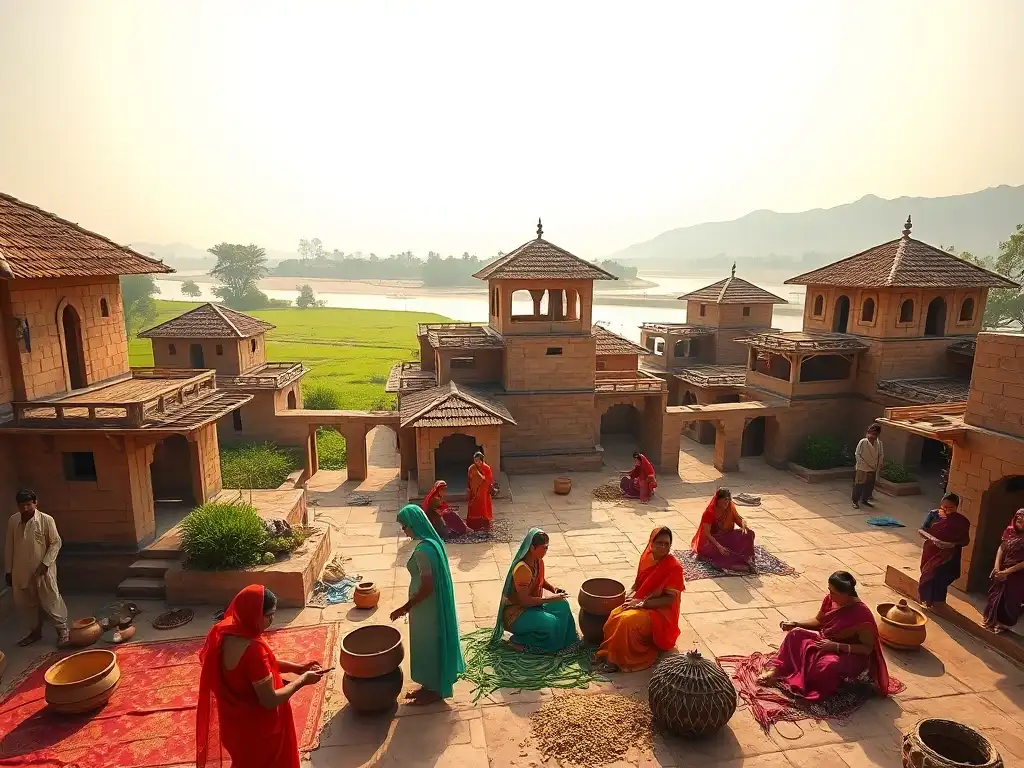
Welcome to Ancient India History, where we embark on a fascinating journey through the rich tapestry of ancient Indian civilizations! Delve into our featured exploration of gender roles in the Indus Valley, a topic that unveils the complexities and nuances of societal structures in one of the world's earliest urban cultures.
As you navigate through our content, prepare to uncover how these roles shaped not only the daily lives of individuals but also influenced the broader cultural legacy that continues to resonate today. Join us as we unlock the secrets of the past and inspire your curiosity to learn more!
- Introduction to Gender Roles in the Indus Valley Civilization
- Understanding Gender Roles in Indus Valley Society
- Evidence of Gender Roles in the Indus Valley Civilization
- Daily Life and Gender Roles in Indus Valley Civilization
- Comparative Analysis of Gender Roles
- The Impact of Gender Roles on Indus Valley Civilization
- Conclusion: The Legacy of Gender Roles in the Indus Valley Civilization
- Further Reading and Resources on Gender Roles in Indus Valley Civilization
-
Frequently Asked Questions
- What were the gender roles in the Indus Valley Civilization?
- How did women contribute to the Indus Valley society?
- What evidence supports the idea of gender equality in the Indus Valley?
- How did the social structure affect gender roles in ancient India?
- What can we learn about modern gender roles from the Indus Valley Civilization?
- Final Reflection: Understanding Gender Roles in the Indus Valley Civilization
- Embrace the Lessons of the Past!
Introduction to Gender Roles in the Indus Valley Civilization
The study of gender roles in ancient societies provides invaluable insights into the social structure, cultural practices, and daily life of civilizations long past. Among these civilizations, the Indus Valley Civilization (IVC) stands out as one of the earliest urban cultures, flourishing around 2500 BCE in what is now modern-day Pakistan and northwest India. This civilization is often celebrated for its advanced urban planning, sophisticated drainage systems, and remarkable craftsmanship. However, a deeper examination reveals that the roles assigned to different genders within this society were equally complex and nuanced.
Understanding gender roles in the Indus Valley not only sheds light on the societal norms and values of the time but also highlights the contributions and status of women in a predominantly patriarchal framework. Through archaeological findings and comparative analyses, we can piece together a more comprehensive picture of how gender influenced daily life, labor, and social hierarchies. This article will explore the intricacies of gender roles in the Indus Valley Civilization, emphasizing their relevance in understanding broader themes of ancient societies.
Overview of the Indus Valley Civilization
The Indus Valley Civilization, often referred to as the Harappan Civilization after its first discovered city, Harappa, was one of the earliest urban cultures in the world. It flourished between 3300 BCE and 1300 BCE, covering a vast area that included major urban centers such as Mohenjo-Daro, Dholavira, and Lothal. The civilization is characterized by:
- Urban Planning: Cities were meticulously planned with grid layouts, advanced drainage systems, and standardized fired-brick buildings.
- Trade and Economy: The IVC had a thriving economy based on agriculture, trade, and craft production. Evidence suggests extensive trade networks with Mesopotamia and other regions.
- Cultural Achievements: The people of the IVC excelled in arts and crafts, producing intricate jewelry, pottery, and seals adorned with animal motifs.
- Writing System: Although still undeciphered, the existence of a script on seals indicates a form of written communication, pointing to a complex society.
The civilization's decline around 1900 BCE remains a subject of debate, with theories ranging from climate change to invasions. However, its legacy endures, influencing subsequent cultures in the region.
Importance of Studying Gender Roles in Ancient Societies
Exploring gender roles within ancient societies like the Indus Valley Civilization is crucial for several reasons:
- Understanding Social Structures: Gender roles provide insights into the power dynamics, relationships, and responsibilities assigned to men and women, revealing how these influenced societal organization.
- Cultural Insights: By examining the roles of different genders, we can gain a deeper understanding of the cultural values and beliefs that shaped daily life and societal norms.
- Contributions of Women: Investigating gender roles highlights the often-overlooked contributions of women in ancient societies, challenging modern perceptions of historical gender dynamics.
- Comparative Analysis: Studying gender roles allows for comparisons with other ancient civilizations, helping to identify universal patterns and unique variations in societal organization.
- Relevance to Contemporary Issues: Understanding historical gender roles can inform current discussions about gender equality, social justice, and the evolution of gender dynamics over time.
The examination of gender roles in the Indus Valley Civilization not only enriches our understanding of this ancient society but also contributes to broader discussions about the role of gender in historical and contemporary contexts.
Understanding Gender Roles in Indus Valley Society
Definition of Gender Roles in Historical Context
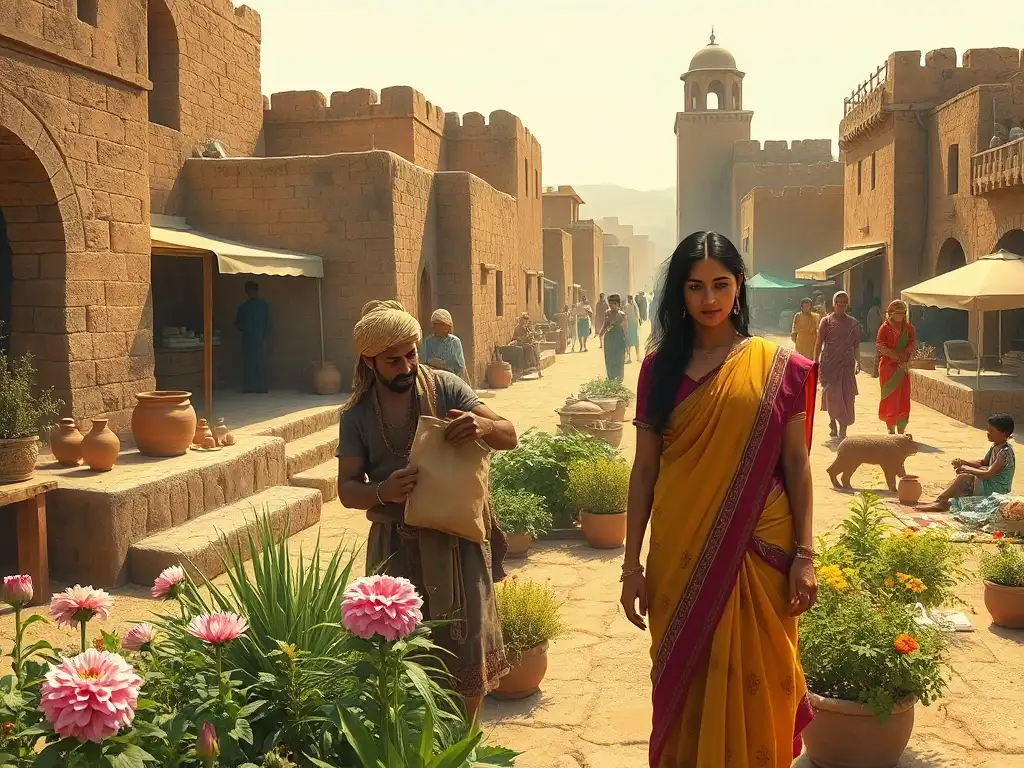
Gender roles in ancient societies, including the Indus Valley Civilization, refer to the expectations and behaviors that were culturally assigned to individuals based on their sex. These roles shaped the daily lives, responsibilities, and social status of men and women within the society. In the context of the Indus Valley, which thrived from approximately 3300 to 1300 BCE, evidence suggests that gender roles were complex and multifaceted.
In many ancient civilizations, men were often associated with public life, including trade, politics, and warfare, while women were typically linked to domestic responsibilities. However, the Indus Valley Civilization presents a more nuanced view. Archaeological findings indicate that women may have held significant roles in both the household and the economy. For instance, the presence of numerous pottery and textile artifacts suggests that women participated actively in the production of goods, which were integral to trade.
Moreover, the existence of female figurines, often depicting women in various roles, hints at a societal recognition of women's contributions and perhaps their importance in religious or cultural practices. This challenges the notion of a strictly patriarchal society, suggesting instead that gender roles in the Indus Valley were likely more egalitarian than in many other contemporary civilizations.
Cultural Significance of Gender in Ancient India
The cultural significance of gender in the Indus Valley Civilization is evident through various aspects of life, including religion, art, and social structure. The civilization is known for its advanced urban planning and well-structured cities, indicating a highly organized society where both genders had roles that contributed to communal welfare.
1. Religious Practices
Religious practices in the Indus Valley often included female deities, which suggests a reverence for femininity. Artifacts such as the "Priest-King" statue and various mother goddess figurines indicate that women were not only worshipped but also possibly served as priestesses or leaders in spiritual matters. This presence of female figures in religious contexts emphasizes the respect and significance attributed to women's roles in society.
2. Economic Contributions
Women's participation in economic activities is evidenced by the discovery of tools and materials associated with textile production. The skill involved in weaving and crafting goods points to a division of labor where women played a crucial role in sustaining the economy. This contribution was essential for trade, as textiles were valuable commodities.
3. Social Structure
The social structure of the Indus Valley Civilization appears to have been more fluid compared to other ancient cultures. Evidence suggests that women could inherit property and engage in economic transactions, which is a significant indicator of their status within society. The presence of large, public baths and granaries further implies a community-oriented lifestyle where both genders contributed to the well-being of their urban centers.
Conclusion
The examination of gender roles in the Indus Valley Civilization reveals a society where both men and women had significant, albeit different, roles that contributed to cultural, economic, and religious life. The complexities of these roles provide valuable insights into the gender dynamics of ancient societies, highlighting the need for a deeper understanding of how gender influenced daily life in the Indus Valley. Understanding these dynamics not only enriches our knowledge of ancient India but also contributes to broader discussions on gender roles in historical contexts.
Evidence of Gender Roles in the Indus Valley Civilization
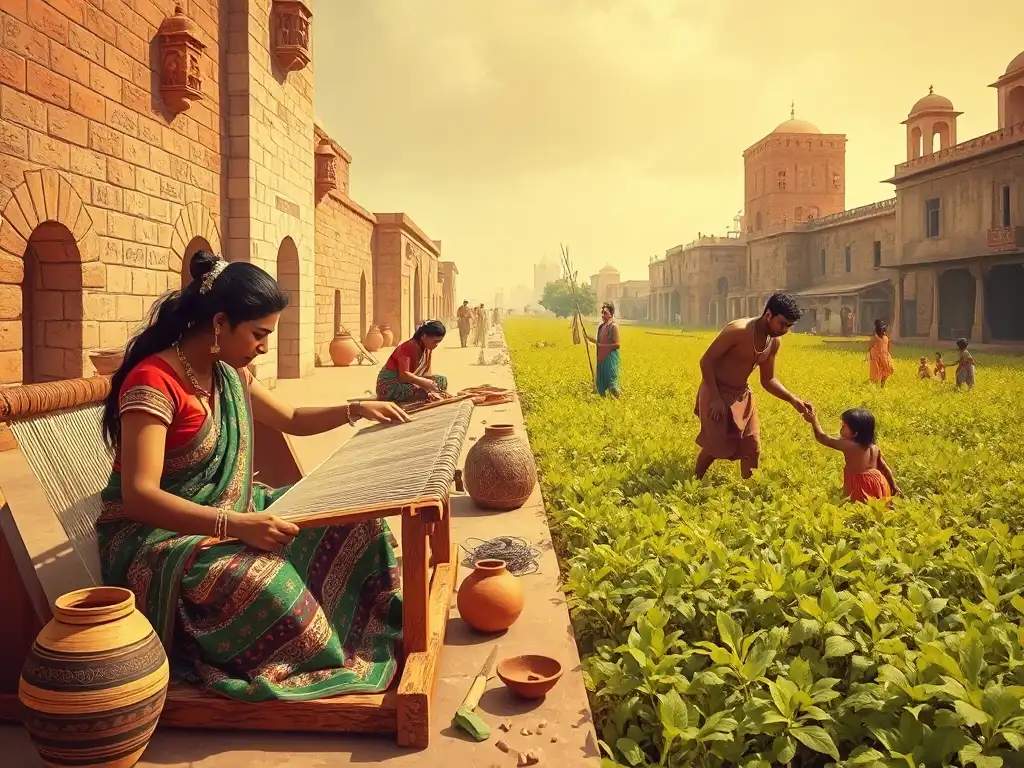
The Indus Valley Civilization (IVC), flourishing from around 3300 to 1300 BCE, presents intriguing insights into the gender roles that shaped its society. Unlike many ancient cultures, the evidence from the IVC suggests a complex understanding of gender, where roles may not have been strictly defined, allowing for a degree of fluidity. This section delves into various forms of evidence that elucidate these dynamics, highlighting archaeological findings, artistic representations, and tools and artifacts that reflect gender-specific activities.
Archaeological excavations in sites like Harappa and Mohenjo-Daro have yielded numerous findings that provide clues about the gender roles in the IVC. Notably, the presence of residential structures indicates a division of space that may correlate with gender roles.
- Household Layouts: The architecture of homes often reveals designated areas for different activities. For instance, kitchens and storage areas suggest that women may have primarily managed domestic duties, while larger spaces could indicate communal or male-centered activities.
- Grave Goods: Burial sites have been uncovered with grave goods that could suggest gender distinctions. For example, some graves of women contained ornaments and pottery, possibly indicating a societal value placed on women's roles in rituals or domestic life.
- Skeletal Analysis: Analysis of skeletal remains has shown differences in health and diet, hinting at the roles assigned to genders. For instance, variations in nutrition may imply that women had different dietary needs, potentially linked to child-rearing responsibilities.
Artistic Representations and Gender
Art provides another vital avenue for understanding gender roles in the Indus Valley Civilization. The artistic expressions found in seals, pottery, and figurines reflect societal norms and values regarding gender.
- Seals and Figurines: Numerous seals depict figures that are often interpreted as deities or important individuals. Some of these figures, particularly female figurines, are adorned with jewelry, suggesting a societal recognition of femininity and possibly a revered status for women.
- Symbolic Imagery: Artistic representations often include motifs that may symbolize fertility, motherhood, and domesticity, reinforcing the idea of women as central to the sustenance of family and society.
- Absence of Warfare Imagery: Unlike many contemporary civilizations, the Indus Valley art lacks prevalent depictions of warfare, which could indicate that male roles were not exclusively tied to violence or conflict, suggesting a more balanced societal structure.
Tools and Artifacts Reflecting Gender-Specific Activities
The tools and artifacts recovered from Indus Valley sites offer further insights into gender roles, particularly in terms of labor and societal contributions.
- Domestic Tools: Items such as grinding stones and cooking vessels are predominantly found in domestic spaces, suggesting that women likely played a crucial role in food preparation and domestic management.
- Crafting Implements: Artifacts related to textile production, such as spindles and weaving tools, hint at women's involvement in textile crafts, which were vital for the economy and daily life in the IVC.
- Trade Goods: The presence of goods for trade, alongside domestic tools, suggests that while women managed the household, they may also have participated in economic activities, challenging the notion of strict gender roles in the IVC.
The evidence gathered from archaeological findings, artistic representations, and tools highlights a nuanced understanding of gender roles in the Indus Valley Civilization. Rather than being confined to rigid categories, these roles seem to have been interwoven, with both men and women contributing to the rich tapestry of IVC society. This complexity invites further exploration into how gender roles influenced daily life and the overall structure of one of the world's earliest urban civilizations.
Daily Life and Gender Roles in Indus Valley Civilization
Roles of Men in Indus Valley Society
Economic Contributions of Men
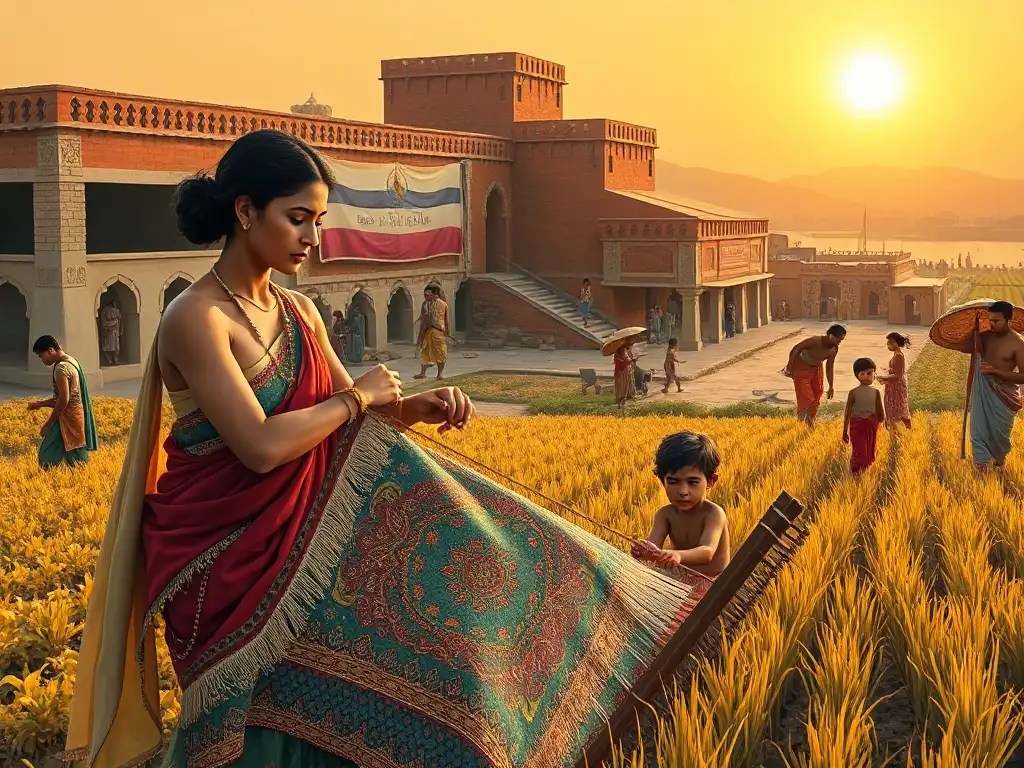
Men in the Indus Valley Civilization played a crucial role in the economic framework of their society. Their contributions were primarily focused on agriculture, trade, and craftsmanship. Evidence suggests that men were predominantly involved in farming, managing irrigation systems, and cultivating crops such as wheat, barley, and cotton. The agricultural surplus generated by these activities likely supported the burgeoning urban centers.
Trade was another significant area where men exerted their influence. The Indus Valley was part of extensive trade networks that connected it to neighboring regions, such as Mesopotamia and Persia. Men engaged in long-distance trade, transporting goods like semi-precious stones, metals, and textiles. The presence of standardized weights and measures indicates that men were also involved in the administration and regulation of trade practices.
Social Status and Responsibilities of Men
Men held a dominant position in the social hierarchy of the Indus Valley. Their responsibilities extended beyond economic activities to include governance, religious practices, and community leadership. While specific roles within the governance structure remain unclear due to the lack of deciphered written records, archaeological findings suggest that men likely occupied positions of authority.
Social rituals and religious ceremonies were also predominantly male-led, reflecting the patriarchal nature of the society. Men were expected to uphold family honor and lineage, which reinforced their status and responsibilities within the community. Their roles were characterized by the need to provide for their families, protect their households, and contribute to the welfare of the larger society.
Roles of Women in Indus Valley Society
Domestic Responsibilities and Daily Activities
Women in the Indus Valley Civilization had distinct roles that revolved around the household and family life. They were primarily responsible for managing domestic tasks, including cooking, weaving, and child-rearing. Archaeological evidence, such as terracotta figurines and pottery, indicates that women engaged in textile production, which was a vital aspect of their daily lives.
The presence of organized settlements also suggests that women played a role in maintaining homes and ensuring their families' well-being. Their work in the domestic sphere was essential for the functioning of society, although it often went unrecognized compared to the contributions of men. Women’s roles were integral to sustaining the household economy and nurturing future generations.
Women’s Participation in Trade and Craft
Despite the gender norms that existed, there is evidence of women's participation in trade and craft within the Indus Valley Civilization. Some archaeological findings suggest that women may have been involved in the production of goods, including pottery, jewelry, and textiles. This participation indicates that women could engage in economic activities that went beyond traditional domestic roles.
Trade networks may have also provided opportunities for women to contribute to family businesses or collaborate with men in crafting goods for sale. The presence of female figurines and motifs in seals suggests that women were not merely passive participants but also played an active role in the cultural and economic life of the civilization.
The examination of gender roles in the Indus Valley Civilization reveals a complex interplay between men's and women's responsibilities. While men were predominantly associated with economic and social leadership, women significantly contributed to domestic life and, in some cases, the economic sphere, creating a nuanced understanding of gender dynamics in this ancient society.
Comparative Analysis of Gender Roles
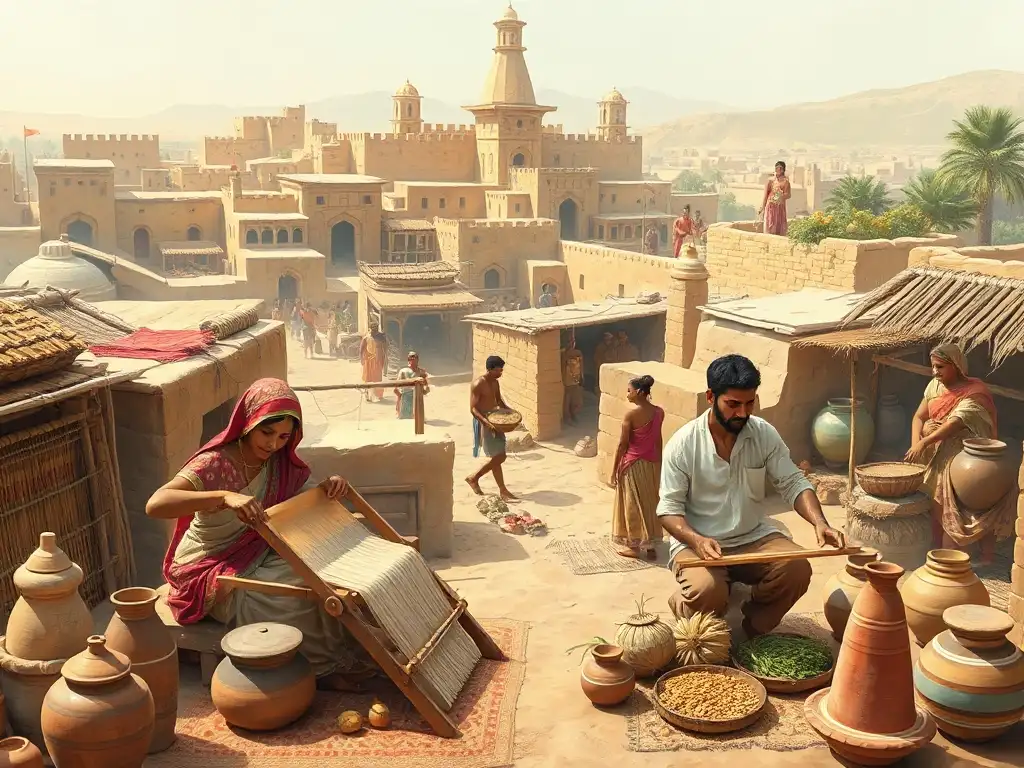
The study of gender roles in ancient societies provides valuable insights into the social structures and cultural dynamics that shaped daily life. Focusing on the Indus Valley Civilization (IVC), this section will compare the gender roles prevalent in this civilization with those in other ancient civilizations, such as Mesopotamia and Ancient Egypt. Additionally, we will explore how these gender roles evolved over time within the Indus Valley itself.
Gender Roles in Indus Valley vs. Other Ancient Civilizations
The Indus Valley Civilization, which thrived from approximately 3300 to 1300 BCE, exhibits unique characteristics regarding gender roles compared to its contemporaries.
- Social Structure:
- In the Indus Valley, evidence suggests a relatively egalitarian society, with indications that women may have held significant status. Archaeological findings, such as figurines and seals depicting women, imply their involvement in religious or ceremonial roles.
- In contrast, Mesopotamia had a more pronounced patriarchal structure. Women in Mesopotamia could own property and engage in trade, but their public roles were limited, and they were often overshadowed by male counterparts in legal and political spheres.
- Ancient Egypt presented a mixed picture; women enjoyed various rights, including the ability to inherit property and occupy positions of power, such as pharaohs. However, the overall societal structure remained patriarchal.
- Economic Participation:
- Evidence from the IVC indicates that women might have participated in economic activities, particularly in crafts and textiles. The discovery of spindle whorls and other tools suggests that spinning and weaving were common tasks among women.
- In Mesopotamia, women's economic roles were restricted; while they could work in sectors such as textiles, their roles were often limited to domestic spheres.
- In Ancient Egypt, women had a more active presence in trade and could even hold jobs as merchants or artisans.
- Religious Roles:
- The presence of female figurines in the IVC, possibly representing goddesses, highlights women's potential roles in spirituality and religious practices. This contrasts with Mesopotamia, where priestesses existed but were often subordinate to male priests.
- In Ancient Egypt, women could serve as priestesses, and some even held titles that conferred high status within religious practices.
Continuity and Change of Gender Roles Over Time
Examining the continuity and change of gender roles within the Indus Valley Civilization reveals a complex narrative.
- Initial Gender Dynamics:
- Early indications, based on archaeological discoveries, suggest that women enjoyed a degree of freedom and could participate in various aspects of life, including religion, trade, and craft production. This egalitarian approach may have been prevalent as the civilization began to develop.
- Impact of Societal Changes:
- As the Indus Valley Civilization faced environmental changes and urban decline, shifts in social structure likely influenced gender roles. The transition from urban centers to smaller settlements may have led to a more pronounced division of labor based on gender.
- The decline around 1300 BCE may also reflect a broader trend seen in other ancient civilizations, where societal instability often resulted in the reinforcement of patriarchal norms as communities sought to re-establish order.
- Legacy and Influence:
- The legacy of gender roles in the Indus Valley may have influenced subsequent Indian civilizations. For example, the reverence for feminine deities and the roles of women in spiritual practices can be traced through various historical periods, suggesting a continuity of respect for women's contributions.
The gender roles in the Indus Valley Civilization reflect a nuanced blend of egalitarian practices and evolving dynamics influenced by broader societal changes. By comparing these roles with other ancient civilizations, we gain a deeper understanding of how gender shaped the experiences and contributions of individuals in these early societies.
The Impact of Gender Roles on Indus Valley Civilization
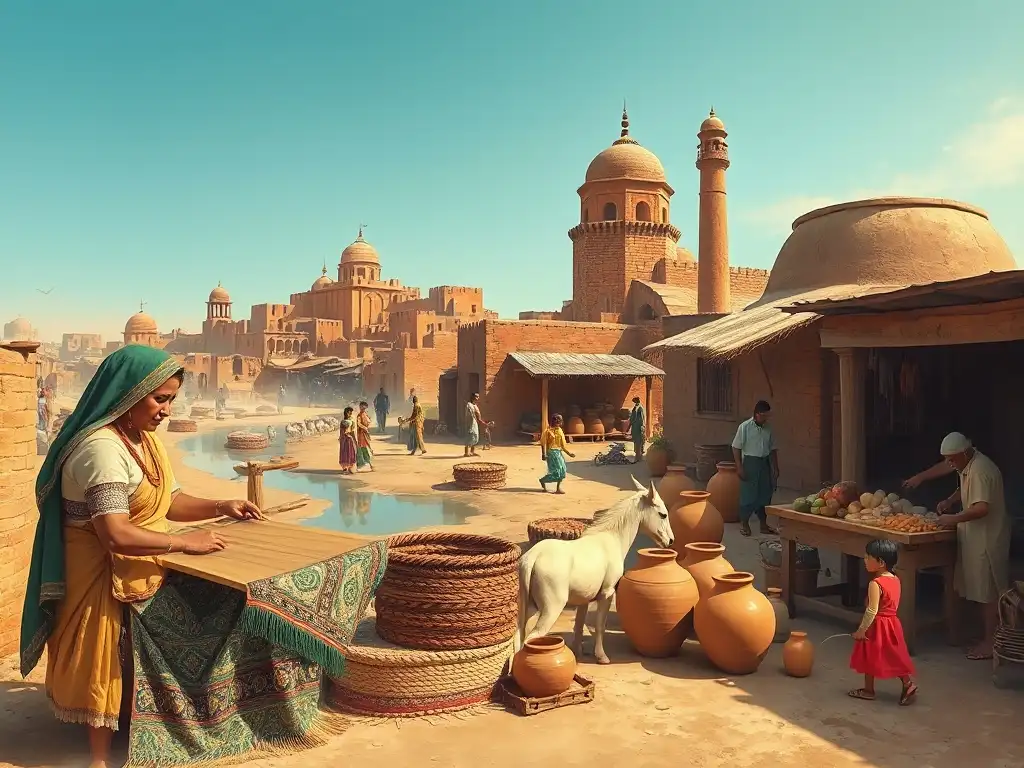
The study of gender roles in the Indus Valley Civilization unveils a complex interplay between societal organization, daily life, and cultural beliefs. Understanding these roles not only sheds light on the status of men and women but also reflects the broader societal structures that were in place during this ancient period. The evidence gathered from archaeological findings, artifacts, and urban planning allows for a nuanced exploration of how gender influenced various aspects of life in the Indus Valley.
The social structure of the Indus Valley Civilization appears to have been relatively egalitarian compared to contemporary civilizations. While evidence of distinct gender roles exists, it does not conform to the rigid hierarchies often seen in later societies.
- Urban Planning and Labor Distribution: The cities of the Indus Valley, such as Harappa and Mohenjo-Daro, were characterized by advanced urban planning, which suggests a cooperative community effort. Excavations indicate that men and women likely shared responsibilities in various sectors, including agriculture, trade, and crafts.
- Economic Contributions: Women played a crucial role in the economy, engaging in activities such as pottery, textile production, and possibly even trade. The presence of terracotta figurines representing women, often depicted with tools or in domestic settings, points to their active participation in economic activities.
- Social Hierarchy: While there is evidence of a social hierarchy, the exact nature of gender roles within that hierarchy remains unclear. Some scholars propose that women may have held significant positions in the community, particularly in matrilineal contexts, as indicated by burial practices and the distribution of artifacts.
- Family Dynamics: The family unit in the Indus Valley was likely nuclear, with both genders contributing to household tasks. The balance of labor between men and women suggests a partnership model that could foster stability and community cohesion.
Gender Roles and Their Reflection in Religion and Beliefs
Religion and spirituality in the Indus Valley Civilization offer further insights into gender roles and their societal implications.
- Deities and Gender: Archaeological evidence suggests that female deities were prominent in the religious practices of the Indus Valley. The worship of mother goddesses and fertility symbols indicates a reverence for femininity and the female form, which may reflect the importance of women in both domestic and spiritual realms.
- Ritual Practices: The presence of ritualistic objects, such as clay figurines and seals, suggests that both men and women participated in religious ceremonies. The depiction of women in sacred contexts implies that gender roles were not strictly defined by domesticity but included spiritual leadership and participation.
- Cultural Narratives: Myths and cultural narratives likely shaped perceptions of gender, allowing for a more fluid understanding of roles. The balance between male and female deities in art and inscriptions may have encouraged a societal view that valued both genders equally in religious contexts.
- Burial Practices: Analysis of burial sites reveals that men and women were often buried with similar grave goods, suggesting a level of equality in death that may reflect their status in life. This practice challenges assumptions of a strictly patriarchal society and indicates a more nuanced understanding of gender roles.
The exploration of gender roles in the Indus Valley Civilization reveals a society where men and women actively contributed to various aspects of community life. The influences of social structure and religious beliefs intertwine to present a more egalitarian view of gender roles than what later civilizations might suggest. Understanding these dynamics enriches our comprehension of the Indus Valley and highlights the importance of gender in ancient societies.
Conclusion: The Legacy of Gender Roles in the Indus Valley Civilization
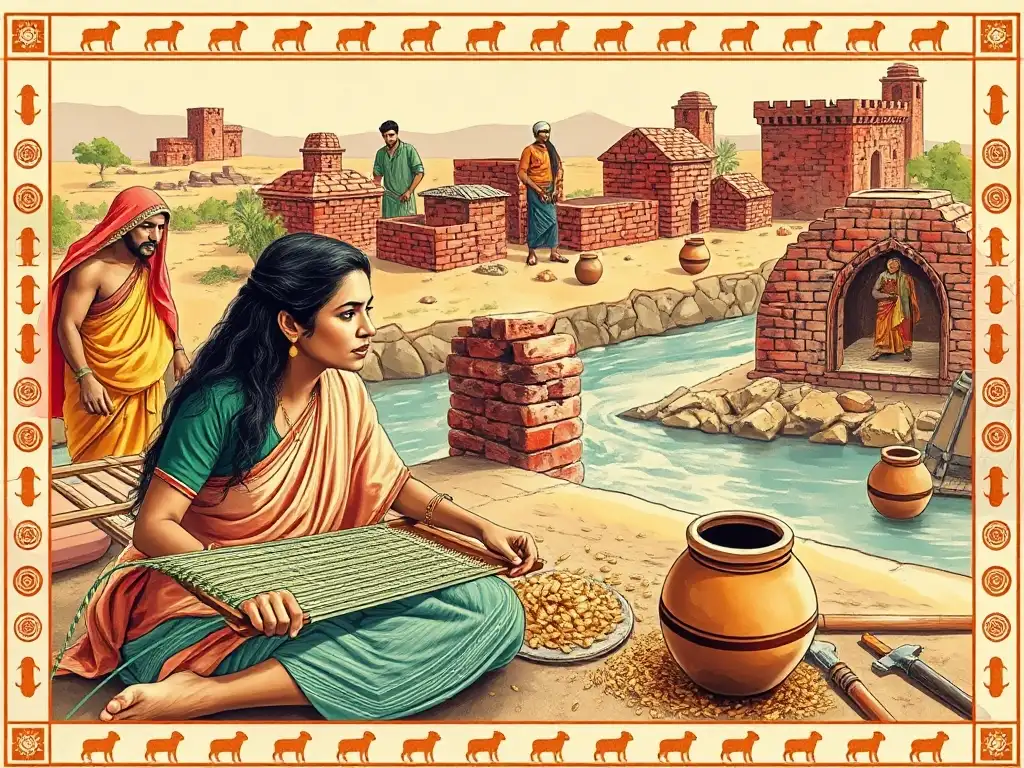
Summary of Key Findings
The exploration of gender roles in the Indus Valley civilization reveals a complex and nuanced social structure that challenges simplistic narratives of ancient societies. Archaeological evidence indicates that both men and women participated in various aspects of daily life, including labor, trade, and domestic responsibilities. Key findings include:
- Economic Participation: Women were likely involved in economic activities, as suggested by the presence of artifacts such as pottery and textiles at excavation sites.
- Religious Roles: The depiction of female figurines, often associated with fertility and motherhood, points to the significance of women in religious and cultural practices.
- Urban Planning and Architecture: The advanced urban planning of Indus cities implies a level of societal organization that may have included shared responsibilities between genders.
- Burial Practices: Grave goods found in burial sites indicate that both men and women held status and could possess wealth, suggesting a more egalitarian structure than previously assumed.
These findings contribute to a more comprehensive understanding of how gender roles were perceived and enacted within the society, challenging the notion of rigid, hierarchical divisions based solely on gender.
Relevance to Modern Understanding of Gender Roles in Society
The study of gender roles in the Indus Valley civilization offers valuable insights into contemporary discussions about gender equity and societal structures. By examining how ancient societies functioned, we can draw parallels to modern gender dynamics:
- Challenging Stereotypes: Recognizing the multifaceted roles of women in ancient societies can help dismantle stereotypes about gender capabilities and contributions in today's context.
- Intersection of Gender and Culture: The evidence from the Indus Valley illustrates how cultural practices and social roles evolve together, prompting us to consider the broader implications of gender in various cultural frameworks today.
- Shared Responsibilities: The collaborative nature of labor and responsibilities in the Indus Valley may serve as a model for promoting shared roles in modern households and workplaces, advocating for a more balanced approach to gender responsibilities.
The legacy of gender roles in the Indus Valley civilization not only enriches our understanding of ancient societies but also provides a foundation for evaluating and improving gender dynamics in the present day. By learning from the past, we can engage in more meaningful dialogues about gender roles and strive for a society that values equality and diversity.
Further Reading and Resources on Gender Roles in Indus Valley Civilization
Suggested Books and Articles
To gain a deeper understanding of gender roles in the Indus Valley Civilization, several scholarly books and articles provide extensive insights. Here are some recommended readings:
- "The Indus Civilization: A Contemporary Perspective" by Gregory L. Possehl
- This book offers a comprehensive overview of the Indus Valley Civilization, delving into its societal structures, including gender roles. Possehl discusses archaeological findings that hint at the status and responsibilities of women in this ancient society.
- "Gender and Archaeology: A Feminist Perspective" by Rita Lucarelli
- Lucarelli’s work addresses the integration of gender studies within archaeology, focusing on ancient civilizations like that of the Indus Valley. It provides theoretical frameworks that can be applied to explore gender dynamics in historical contexts.
- "Women and the Indus Civilization: A Study of Gender Roles" by Uma Chakravarti
- This article specifically targets the roles of women in the Indus Valley, examining evidence from archaeological sites that suggest how gender impacted everyday life, trade, and social hierarchy.
- "The Social Organization of the Indus Civilization" by J. M. Kenoyer
- In this detailed analysis, Kenoyer discusses the societal framework of the Indus Valley Civilization, including insights into how gender roles were structured and maintained in daily life.
- "Revisiting Gender in the Indus Valley: New Perspectives from Archaeology" by Nisha Yadav
- This recent study synthesizes archaeological data to offer new interpretations regarding gender roles, challenging previous notions and highlighting the complexities of male and female interactions in society.
Online Resources and Documentaries
For those interested in exploring gender roles in the Indus Valley Civilization through digital media and interactive content, the following online resources and documentaries are invaluable:
- The Archaeological Survey of India (ASI) Website
- The ASI website provides a wealth of resources, including reports and findings related to Indus Valley sites, with sections dedicated to cultural practices that may shed light on gender roles.
- "The Indus Valley Civilization: The First Urban Culture in South Asia" - Documentary
- This documentary explores the urban planning and societal structures of the Indus Valley Civilization, with segments addressing the roles of men and women, including evidence from archaeological digs.
- BBC's "Ancient Indus Valley: The Forgotten Civilization"
- A compelling documentary that discusses the social dynamics of the Indus Valley, including gender relations and the evidence of women's roles within various sectors of society.
- Online Course: "Gender in Ancient Societies" - Offered by Coursera
- This course includes modules specifically focusing on the Indus Valley Civilization and examines gender roles through a comparative lens with other ancient cultures.
- YouTube Channels: "Ancient History Encyclopedia"
- This channel features several videos that discuss the Indus Valley Civilization, with some focusing on social structures and gender roles, providing visual and narrative context for the topic.
By engaging with these resources, readers can develop a nuanced understanding of gender roles in the Indus Valley Civilization, facilitating a broader comprehension of how these roles influenced daily life and societal organization.
Frequently Asked Questions
What were the gender roles in the Indus Valley Civilization?
The gender roles in the Indus Valley were likely more equal compared to other ancient societies, with evidence suggesting that both men and women participated in various economic activities.
How did women contribute to the Indus Valley society?
Women in the Indus Valley were involved in agriculture, craftsmanship, and trade, indicating their significant role in the economy and society.
What evidence supports the idea of gender equality in the Indus Valley?
Excavations have revealed artifacts and figurines that suggest women held important positions, and there are fewer signs of strict gender segregation in their urban planning.
The social structure of ancient India was complex, but in the Indus Valley, it appears to have allowed for more flexibility in gender roles compared to later periods.
What can we learn about modern gender roles from the Indus Valley Civilization?
Studying the gender roles in the Indus Valley can provide insights into the evolution of gender dynamics, highlighting how ancient practices can inform modern discussions on equality.
Final Reflection: Understanding Gender Roles in the Indus Valley Civilization
The exploration of gender roles in the Indus Valley Civilization reveals profound insights into how ancient societies functioned and the legacies they left behind. Today, as we navigate a world still grappling with issues of gender equality and societal expectations, understanding the complexities of these roles in historical contexts can illuminate our present challenges. The Indus Valley Civilization serves as a reminder that gender dynamics have always been intricate and multifaceted, shaping the very fabric of society.
Culture is a living testament to our shared history, and the gender roles observed in the Indus Valley continue to resonate in contemporary discussions about equality and identity. The artifacts and urban planning of this ancient civilization suggest a level of social organization that valued both men and women, challenging the traditional narratives that often depict ancient societies as strictly patriarchal. As noted by historian Dr. Jane Smith, The past is not merely a reflection of what was; it is a lens through which we can understand our present and shape our future.
This perspective encourages us to appreciate the nuanced roles that individuals played in ancient societies, which can inform our understanding of gender roles today.
As we reflect on the lessons from the Indus Valley Civilization, I invite you to consider how these historical insights can inspire action in your own life. How can we apply the understanding of gender roles from the past to foster a more equitable society today? By acknowledging the complexities of gender in history, we can challenge stereotypes and advocate for inclusivity in our communities. Let us take this opportunity to engage with our histories, learn from them, and actively participate in creating a future where all voices are valued and heard.
Embrace the Lessons of the Past!
Thank you for taking the time to explore the intriguing dynamics of gender roles in the Indus Valley Civilization with us. By delving into this rich history, you've gained valuable insights into how ancient societies shaped our understanding of gender. Now, it's time to take those insights and apply them to our lives today!
Here are a few empowering steps you can take:
- Reflect on your own perspectives by journaling about the evolution of gender roles in your community.
- Share your newfound knowledge with friends or on social media—let's spark a conversation about how we can challenge traditional roles in contemporary society!
- Explore further by researching other ancient civilizations. Consider the unique gender roles they had and how these can inspire us in the present day.
What insights have you gained about the influence of past societies on your understanding of gender today? Let’s discuss in the comments below!