
Women in the Gupta Empire: Their Roles and Contributions

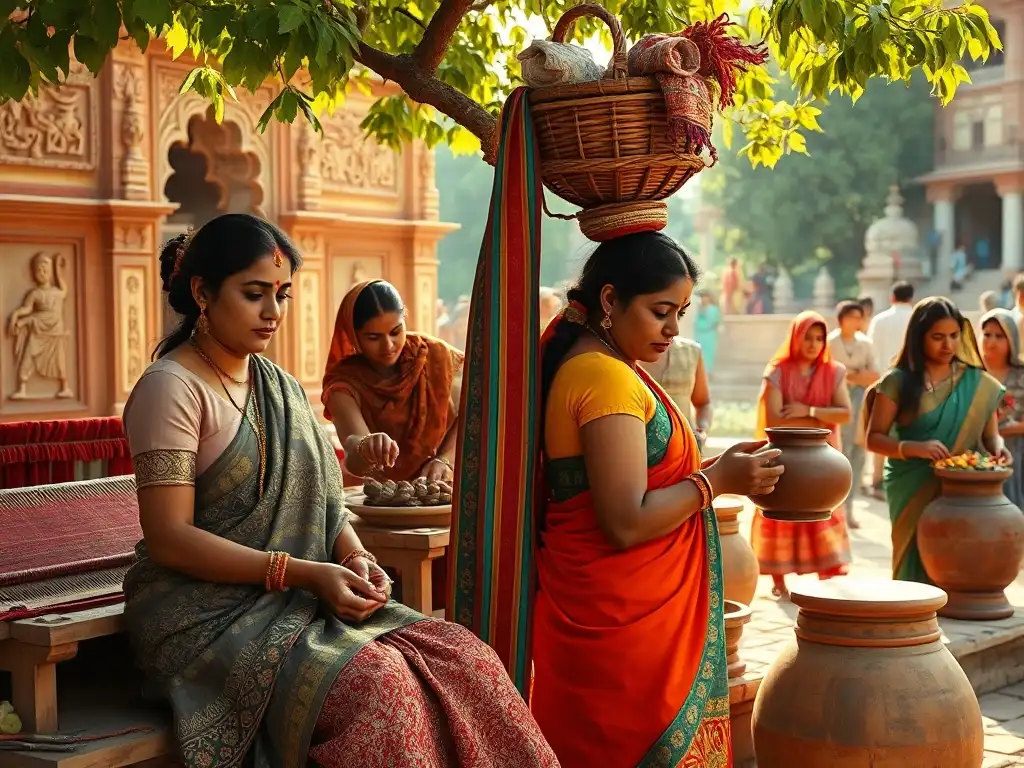
Welcome to Ancient India History, where we embark on a captivating journey through time, delving into the rich tapestry of India's ancient civilizations. Today, we shine a spotlight on the often-overlooked roles and contributions of women in Gupta Empire history. As we unravel the fascinating narratives of these remarkable women, you'll discover their pivotal influence on society, culture, and governance during one of India's golden ages. Ready to uncover the depth of their stories? Dive in and explore the profound impact they had on the Gupta Empire!
-
Women in Gupta Empire History: Their Roles and Contributions
- Introduction to Women in Gupta Empire History
- Overview of the Gupta Empire
- Importance of Women's Roles in Ancient Indian Civilization
- Social Status of Women in the Gupta Empire
- Economic Contributions of Women in Gupta Empire History
- Cultural Contributions of Women in the Gupta Empire
- Political Influence of Women in Gupta Empire History
- Challenges Faced by Women in Gupta Empire Society
- Legacy of Women in Gupta Empire History
- Conclusion: Recognizing the Contributions of Women in Gupta Empire History
-
Frequently Asked Questions
- What were the primary roles of women in the Gupta Empire?
- Did women in the Gupta Empire have access to education?
- Were women in the Gupta Empire involved in politics?
- How did the status of women in the Gupta Empire compare to previous periods?
- What contributions did women make to Gupta art and literature?
- Final Reflection: Celebrating the Legacy of Women in Gupta Empire History
- Unveil the Legacy of Women in Ancient India!
Women in Gupta Empire History: Their Roles and Contributions
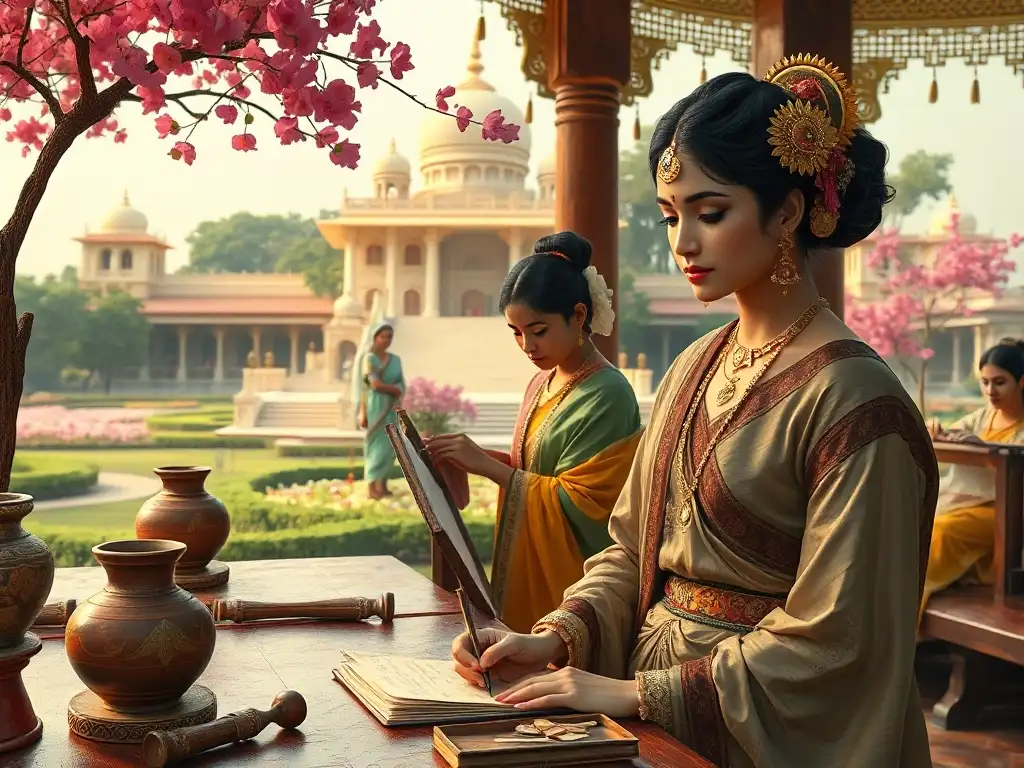
Introduction to Women in Gupta Empire History
The Gupta Empire, often referred to as the Golden Age of India, is celebrated for its remarkable achievements in art, science, literature, and philosophy. However, much of the discourse surrounding this period often overlooks the significant roles played by women. Understanding Women in Gupta Empire history is essential to grasping the full scope of this civilization's contributions and societal structure. Women were not merely passive figures but active participants in various domains, including family life, education, and the arts. Their contributions, though sometimes unrecognized, were integral to the cultural and social fabric of the Gupta Empire.
Overview of the Gupta Empire
The Gupta Empire, which flourished between approximately 320 CE and 550 CE, is known for its political stability and economic prosperity. It spanned much of northern India and is characterized by advancements in multiple fields. Key highlights of the Gupta Empire include:
- Cultural Flourishing: This period saw significant developments in literature, with renowned scholars such as Kalidasa and Aryabhata making notable contributions.
- Scientific Innovations: Advancements in mathematics, astronomy, and medicine marked the era, including the introduction of the concept of zero and advancements in surgical practices.
- Religious Tolerance: The Gupta rulers promoted a sense of religious pluralism, allowing various faiths to coexist.
This rich historical backdrop sets the stage for a closer examination of the roles women played in shaping society during this period.
Importance of Women's Roles in Ancient Indian Civilization
Women in ancient Indian civilizations, particularly during the Gupta Empire, held roles that were both complex and multifaceted. Their significance can be summarized as follows:
- Cultural Contributors: Women were often involved in the arts, contributing to music, dance, and literature, which enriched cultural life.
- Economic Participants: Many women engaged in various economic activities, including trade and craftsmanship, supporting their families and communities.
- Social Stabilizers: Women played a crucial role in maintaining family structures and traditions, which were essential for the continuity of cultural practices.
Recognizing the importance of women's roles provides a more nuanced understanding of the Gupta Empire and highlights their contributions to society.
The social status of women during the Gupta period was influenced by various factors, including family structure, education, and marriage practices.
Family Structure and Women's Roles
In Gupta society, the family unit was patriarchal, but women held significant positions within their households. Key points include:
- Matriarchal Influence: While men dominated public life, women often managed household affairs and were influential in family decisions.
- Supportive Roles: Women were responsible for nurturing and educating children, ensuring the transmission of cultural values and traditions.
Education and Literacy among Women in Gupta Society
Education for women in the Gupta Empire varied widely, but it was an important aspect of their lives. Some notable aspects include:
- Access to Learning: While formal education was primarily reserved for men, some women, especially from affluent families, had access to education, learning literature and arts.
- Role in Philosophy: Educated women sometimes participated in philosophical discussions, contributing to the intellectual discourse of the time.
Marriage Practices and Their Impact on Women's Lives
Marriage practices significantly shaped women's lives in the Gupta Empire. Key considerations include:
- Early Marriages: Typically, women married at a young age, which impacted their education and personal development.
- Dowry System: The practice of dowry was prevalent, influencing family dynamics and women's social standing post-marriage.
Understanding these elements provides insight into the lives of women in the Gupta Empire, illustrating their challenges and contributions within the societal framework.
Economic Contributions of Women in Gupta Empire History
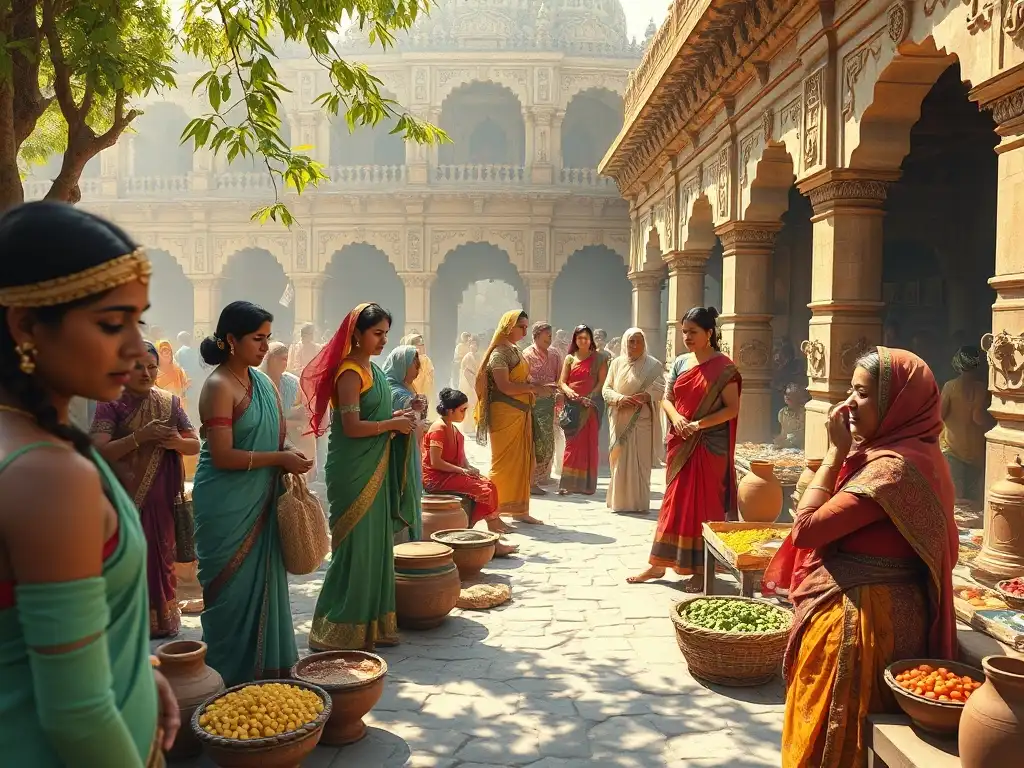
The Gupta Empire, often referred to as a Golden Age in ancient India, saw significant economic contributions from women, reflecting their vital role in sustaining and enhancing the empire's prosperity. Women's involvement in various economic activities not only supported their families but also contributed to the broader economy. Their roles spanned agriculture, craftsmanship, trade, and entrepreneurship, showcasing a diverse range of skills and talents.
Women in Agriculture and Food Production
Women played a crucial role in agriculture during the Gupta Empire. They were primarily responsible for various agricultural tasks, including planting, weeding, and harvesting crops. This active participation ensured that food production was maintained at high levels, which was essential for feeding the growing population of the empire.
In many villages, women managed household gardens, cultivating vegetables and herbs that supplemented the family's diet. They also contributed to the preparation of food, utilizing their knowledge of local flora to enhance culinary practices. The preservation of surplus food, especially through drying and fermenting techniques, was often overseen by women, ensuring food security during lean seasons.
Craftsmanship and Textile Production by Women
Craftsmanship was another area where women in the Gupta Empire excelled. They were involved in producing textiles, pottery, and various handicrafts. The art of weaving, particularly, was a skill passed down through generations, with women often producing intricate fabrics that were highly valued in local and regional markets.
Textile production included not just the weaving of cloth but also dyeing and embellishing fabrics, often resulting in exquisite garments that reflected the rich cultural heritage of the Gupta period. Women artisans were known to have their own workshops, where they created beautiful products that were sold in local bazaars, contributing to the economic landscape of the time.
Women as Traders and Entrepreneurs in Ancient India
In addition to their roles in agriculture and craftsmanship, women in the Gupta Empire engaged in trade and entrepreneurship. Many women participated in local markets, selling goods such as spices, textiles, and pottery. They demonstrated significant entrepreneurial spirit, often managing family businesses and trade networks.
Some women even traveled long distances to trade their products, indicating their agency and independence within the economic framework of the Gupta Empire. This participation not only bolstered the family's income but also allowed women to influence economic decisions, making them key players in the commercial activities of their communities.
Cultural Contributions of Women in the Gupta Empire
Women in the Gupta Empire also made substantial cultural contributions that shaped the artistic and intellectual landscape of the time. Their involvement in literature, arts, and religious practices reflected the diverse roles they played in society, further enriching the cultural heritage of ancient India.
Women in Literature: Writers and Poets
The literary contributions of women during the Gupta period are noteworthy, with several female poets and writers emerging as prominent figures. Their works often explored themes of love, devotion, and social issues, providing a unique perspective on the experiences of women in their era.
One of the most celebrated figures in this context is Vatsala, a poet known for her poignant verses that captured the essence of women's emotions and struggles. The writings not only contributed to the literary canon of the time but also inspired future generations of women writers, establishing a legacy of female intellectualism in ancient India.
Artistic Contributions: Women in Sculpture and Painting
Women also played a significant role in the artistic expressions of the Gupta Empire, particularly in sculpture and painting. Historical evidence suggests that women participated in the creation of intricate sculptures, often depicting religious themes and societal values.
Artistic workshops, where both men and women collaborated, flourished during this period. Women artists were responsible for painting murals in temples and palaces, contributing to the rich tapestry of Gupta art. Their contributions helped in the preservation of cultural narratives and religious practices, making them integral to the artistic heritage of the empire.
Influence of Women in Religion and Philosophy
Women in the Gupta Empire were not only participants in religious practices but also influential figures in religious philosophy. Many women were involved in the rituals and ceremonies that defined the spiritual life of the community. Their roles as caregivers and educators often extended to imparting religious teachings to the younger generation.
Philosophically, women contributed to discussions and dialogues, especially within the context of spiritual texts and teachings. Their insights and interpretations offered a broader understanding of philosophical concepts, enriching the intellectual discourse of the time. This involvement in religion and philosophy demonstrated the importance of women's voices in shaping the cultural and spiritual fabric of Gupta society.
Political Influence of Women in Gupta Empire History
The Gupta Empire, often hailed as the Golden Age of India, witnessed a nuanced interplay of gender roles, particularly regarding women's political influence. While the historical narrative predominantly highlights male rulers and their conquests, women were not merely passive figures; they played crucial roles in shaping the political landscape of the time.
Women in Gupta Empire history were involved in significant political decisions, often acting as advisors to their husbands or sons. Some women wielded considerable power behind the scenes, influencing policies and governance. The societal structure of the Gupta period, which was more liberal compared to earlier times, allowed women to step into roles that could impact governance. This era saw an increase in the visibility of women in politics, with some even participating in court politics, contributing to the governance of the empire.
Women in Power: Queens and Female Rulers
The Gupta Empire had notable queens who held substantial power and authority. One of the most prominent figures was Prabhavati Gupta, the daughter of Chandragupta II. She served as the regent during her husband’s absence and was instrumental in maintaining the political stability of her region. Her ability to rule effectively underscores the potential for female leadership during this period.
Another significant queen was Vajrayogini, known for her involvement in state affairs and patronage of arts and education. These queens often came from powerful families, which provided them the necessary backing to assert their influence. They were not only political figures but also symbols of cultural strength, as they sponsored various artistic and religious endeavors that enriched Gupta society.
Women's Involvement in Governance and Administration
Women’s roles in governance during the Gupta Empire extended beyond ceremonial duties. Historical records suggest that some women were involved in administrative functions, overseeing local governance and social welfare initiatives. For instance, women acted as intermediaries in matters of land grants and taxation, showcasing their involvement in economic aspects of governance.
Additionally, women from royal families often engaged in diplomatic relations, negotiating marriages and alliances that were crucial for maintaining peace and stability in the empire. This strategic use of marital alliances highlights how women contributed to the political machinery of the Gupta Empire, ensuring the continuity of power across generations.
Challenges Faced by Women in Gupta Empire Society
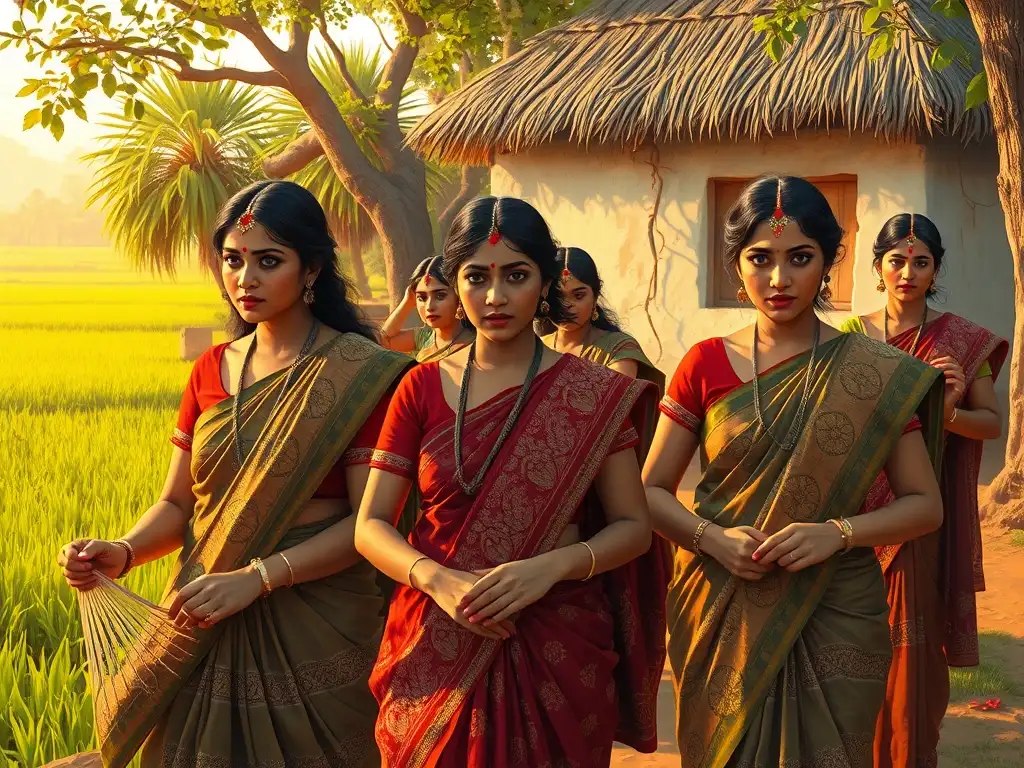
Despite the instances of political influence, women in the Gupta Empire faced numerous challenges that limited their autonomy and rights. The societal norms of the time often imposed strict restrictions on women, which varied based on their social class and family background.
Societal Norms and Restrictions on Women
The Gupta society was characterized by a patriarchal structure that dictated the roles and responsibilities of women. While some women enjoyed privileges, the majority remained bound by societal expectations that confined them to domestic roles. The ideal woman was often portrayed as a devoted wife and mother, responsible for maintaining the household and upholding family honor.
These norms were reinforced by religious texts and cultural practices that emphasized female subservience and modesty. For instance, the practice of purdah, or seclusion, became prevalent, further limiting women's public visibility and participation in society. The expectations placed upon women often stifled their opportunities for education and personal development, creating a stark contrast between the influential women at the top and the everyday lives of the average woman.
Impact of Historical Changes on Women's Rights
The political and social changes during and after the Gupta Empire significantly impacted women's rights. As the empire faced internal strife and external invasions, the stability that once allowed for some degree of female influence eroded. The subsequent decline of the Gupta Empire led to a resurgence of conservative practices that further restricted women's freedoms.
Moreover, with the rise of feudalism and the influence of foreign invasions, women’s roles were increasingly relegated to the domestic sphere. The transition marked a regression in their status, as societal norms shifted to prioritize male dominance and control. This historical trajectory illustrates how external pressures and internal dynamics shaped the status of women, leading to a complex legacy within Gupta Empire history.
While women in the Gupta Empire exhibited considerable influence in political and administrative matters, they concurrently navigated a landscape rife with challenges. Their contributions, albeit often overshadowed by their male counterparts, played a pivotal role in the cultural and political fabric of this remarkable period in ancient Indian history.
Legacy of Women in Gupta Empire History
The legacy of women during the Gupta Empire is often overlooked in mainstream historical narratives, yet it is rich with contributions that helped shape the cultural and social fabric of ancient Indian society. Women in Gupta Empire history played multifaceted roles, ranging from influential figures in literature and the arts to key participants in social and economic activities. Their presence in both private and public spheres illustrates a more nuanced understanding of gender dynamics during this period.
The Gupta era, often referred to as the Golden Age of India, marked significant advancements in various fields, including science, mathematics, and the arts. Within this context, women were not mere passive recipients of cultural developments; rather, they actively contributed to and influenced these advancements, leaving a legacy that resonates even in modern times.
Lasting Contributions to Indian Culture and Society
Women in the Gupta Empire made considerable contributions to Indian culture and society through various avenues, including education, literature, and the arts. Many women were patrons of the arts, supporting poets, playwrights, and scholars. Notably, the works of famous poets like Kalidasa reflect the cultural milieu of the time, which was enriched by the contributions of educated women who often inspired these literary masterpieces.
In addition to the arts, women were also involved in the preservation and transmission of knowledge. They played crucial roles in the education of children, ensuring the continuation of cultural and religious traditions. The presence of women in educational roles, particularly those associated with temples and religious institutions, underscores their importance in shaping the intellectual landscape of Gupta society.
Moreover, women participated in various economic activities, including agriculture and trade. Historical records indicate that some women owned property and managed businesses, showcasing their agency and involvement in economic decision-making. This economic participation not only contributed to their families' welfare but also impacted the broader economic systems of the Gupta Empire.
Modern Perspectives on Women's Roles in Ancient Indian History
Modern scholarship has begun to reevaluate the roles of women in ancient Indian history, particularly during the Gupta Empire. Scholars are increasingly recognizing that women were not simply confined to domestic spheres but were active participants in various aspects of society. This paradigm shift encourages a more inclusive understanding of history that acknowledges the contributions of all individuals, regardless of gender.
Contemporary feminist historians emphasize the importance of examining primary texts and archaeological findings to uncover the complexities of women's lives in ancient civilizations. Such research sheds light on the various ways women navigated societal expectations and contributed to their communities. As a result, the narrative surrounding women's roles in Gupta Empire history is being rewritten, highlighting their agency and significance.
Conclusion: Recognizing the Contributions of Women in Gupta Empire History
The exploration of women's roles in the Gupta Empire reveals a rich tapestry of contributions that have often been marginalized in historical discourse. Recognizing these contributions not only honors the legacy of these women but also enriches our understanding of ancient Indian civilization as a whole.
Summary of Key Roles and Contributions
Women in the Gupta Empire were pivotal in various domains, including:
- Arts and Literature: They were patrons and muses for literary figures, inspiring works that have stood the test of time.
- Education: Women played a crucial role in educating the next generation, particularly in religious and cultural contexts.
- Economic Participation: Their involvement in agriculture and trade demonstrated their significant role in the economic sphere.
These contributions illustrate that women were integral to the cultural, social, and economic vitality of the Gupta Empire.
The Significance of Women's History in Understanding Ancient Civilizations
Understanding women's history is essential for a comprehensive view of ancient civilizations. It highlights the complexities of social structures and the interplay of gender roles within different historical contexts. By examining the contributions of women in Gupta Empire history, we gain insights into the broader cultural and societal trends of the time. This perspective not only enriches our understanding of the Gupta Empire itself but also promotes a more equitable view of history that acknowledges the diverse experiences and contributions of all people.
Frequently Asked Questions
What were the primary roles of women in the Gupta Empire?
Women in the Gupta Empire played vital roles in household management, education, and some even participated in arts and literature. Their contributions were significant to the cultural and social fabric of the time.
Did women in the Gupta Empire have access to education?
Yes, women in the Gupta Empire had access to education, particularly in the fields of literature, music, and arts. This access allowed some women to become notable poets and scholars.
Were women in the Gupta Empire involved in politics?
While most women were primarily engaged in domestic roles, some women from royal families had political influence, often acting as regents or advisors during their husband's absence or reign.
How did the status of women in the Gupta Empire compare to previous periods?
The status of women in the Gupta Empire was generally better than in earlier periods, with increased opportunities in education and cultural life, although they still faced societal restrictions.
What contributions did women make to Gupta art and literature?
Women contributed to Gupta art and literature by producing poems, plays, and paintings, many of which reflected their experiences and perspectives. Their work enriched the cultural heritage of the time.
Final Reflection: Celebrating the Legacy of Women in Gupta Empire History
**The exploration of women's roles and contributions during the Gupta Empire reveals a profound truth about their impact on society that resonates even today: the strength and resilience of women have always been pivotal in shaping civilizations. As we delve into the historical narratives of the Gupta period, we uncover not only the achievements of women but also the societal structures that both empowered and constrained them. This duality invites us to reflect on how the past informs our present understanding of gender roles and equality.
Clearly, the legacy of women in the Gupta Empire continues to influence our cultural and social landscape today. Their stories remind us that women's contributions are often overlooked yet are integral to the fabric of history. As we recognize these contributions, we also acknowledge the ongoing struggle for gender equality in various spheres of life. Women are the real architects of society.
This quote encapsulates the essence of women's roles throughout history, emphasizing that their influence extends far beyond the confines of their time.
As we conclude this exploration, I invite you to reflect on the lessons learned from the women of the Gupta Empire and consider how their stories can inspire action in our lives today. Let us honor their legacy by advocating for equality and empowerment in our communities, ensuring that the voices of women are heard and celebrated. By doing so, we not only pay tribute to the past but also pave the way for a more inclusive future.
Unveil the Legacy of Women in Ancient India!
Thank you for journeying through the rich tapestry of women's roles and contributions in the Gupta Empire. You have gained valuable insights into their resilience, creativity, and influence. Now, it’s time to take those learnings further and actively engage with this inspiring history!
Here are some steps you can take to deepen your understanding and appreciation of this topic:
- Explore more: Dive into additional resources such as books, documentaries, or podcasts that focus on women in Indian history. Uncover the remarkable stories that have shaped our past.
- Share the knowledge: Discuss your findings with friends or family—initiate conversations about the impact of women throughout history and celebrate their contributions together.
- Engage with the community: Join online forums or groups dedicated to Indian history to connect with like-minded enthusiasts and gather diverse perspectives on the subject.
What aspect of women’s experiences in the Gupta Empire fascinates you the most, and how can you share that insight with others?