
How the Indus Valley Civilization Influenced South Asian Architecture

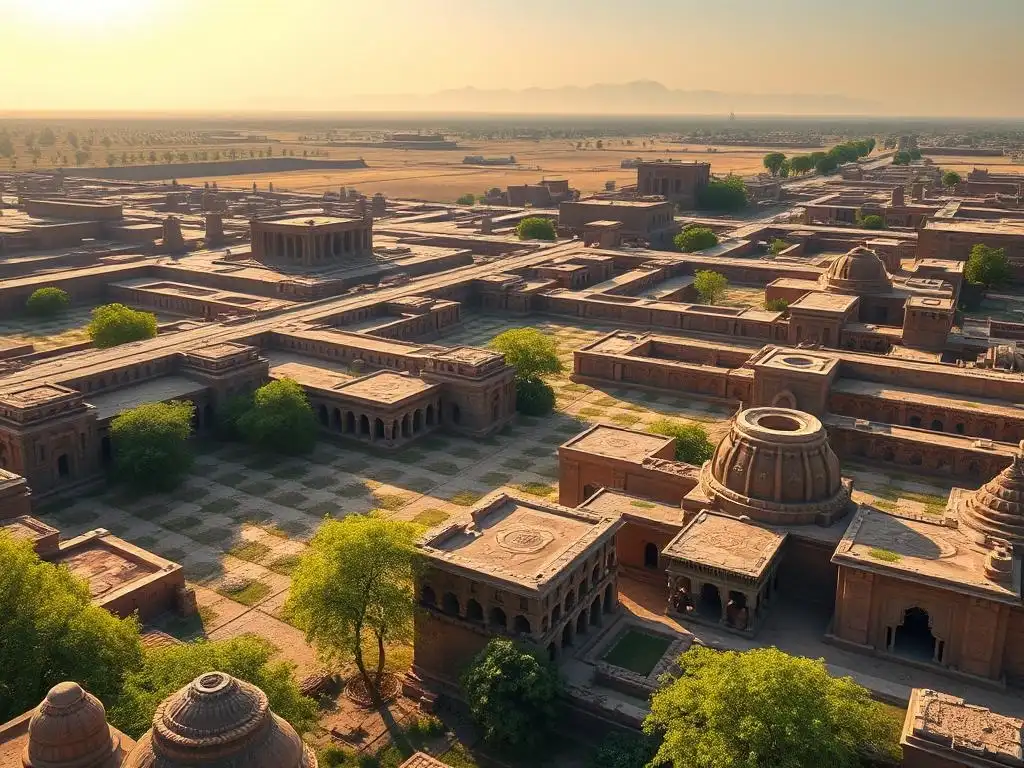
Welcome to Ancient India History, where we embark on a fascinating journey through the rich tapestry of ancient Indian civilizations. As we delve into the influence of Indus Valley architecture, you'll uncover how this remarkable civilization not only shaped its own era but also left an indelible mark on the architectural landscape of South Asia.
Prepare to be intrigued by the innovative designs, urban planning, and cultural legacies that continue to inspire and inform modern architecture. Join us as we explore the profound connections between the past and present, and discover the enduring impact of the Indus Valley on our world today.
- Introduction to Indus Valley Civilization and Architecture Influence
- Key Features of Indus Valley Architecture
- Influence of Indus Valley Architecture on South Asian Cultures
- Specific Architectural Elements Derived from Indus Valley
- Comparative Analysis: Indus Valley vs. Later South Asian Architecture
- Lasting Legacy of Indus Valley Architecture
- Conclusion
-
Frequently Asked Questions
- What is the Indus Valley Civilization?
- How did the Indus Valley architecture influence later civilizations?
- What are some key features of Indus Valley architecture?
- Why is the Indus Valley architecture considered innovative?
- What legacy did the Indus Valley Civilization leave on modern architecture?
- Final Reflection: The Enduring Legacy of Indus Valley Architecture
- Unveil the Timeless Legacy of Indus Valley Architecture!
Introduction to Indus Valley Civilization and Architecture Influence
The Indus Valley Civilization, one of the earliest urban cultures, flourished around 2500 BCE in what is now Pakistan and northwest India. Renowned for its advanced city planning, sophisticated drainage systems, and intricate architectural styles, this civilization laid the foundational framework for subsequent South Asian architectural practices.
The influence of Indus Valley architecture is deeply woven into the fabric of the region's history, serving as a testament to the ingenuity and artistry of its people. This article delves into how the architectural innovations of the Indus Valley Civilization have not only shaped the built environment of ancient South Asia but continue to echo throughout its architectural heritage today.
Overview of the Indus Valley Civilization
The Indus Valley Civilization, also known as the Harappan Civilization, existed during a period of remarkable development in urban planning and architecture. Key features of this civilization include:
- Urban Planning: Cities like Harappa and Mohenjo-Daro were meticulously planned, featuring grid patterns and standardized fired-brick buildings.
- Advanced Drainage Systems: The civilization is noted for its sophisticated drainage and sanitation systems, which included covered drains and individual toilets connected to the main sewer.
- Architectural Elements: Structures were often multi-storied and included public baths, granaries, and warehouses, showcasing a complex understanding of community needs and urban infrastructure.
The architectural legacy of the Indus Valley Civilization is characterized by a blend of functionality and aesthetic appeal, influencing subsequent architectural styles throughout South Asia.
Importance of Architecture in Ancient Civilizations
Architecture serves as a vital reflection of the cultural, political, and social dynamics of ancient civilizations. In the context of the Indus Valley, architecture was not merely about constructing buildings; it represented:
- Cultural Identity: Architectural styles often convey the beliefs, practices, and values of a civilization. For the Indus Valley, this is evident in the uniformity of brick sizes and the layout of cities, suggesting a shared cultural identity.
- Technological Advancements: The innovations in building techniques and materials used during this period demonstrate a significant understanding of engineering and construction.
- Economic Organization: The presence of granaries and public spaces indicates a well-organized economy and social structure, essential for urban life.
The architectural developments of the Indus Valley Civilization thus provide invaluable insights into the daily lives and societal structures of its people.
Purpose of the Article
This article aims to explore the profound influence of Indus Valley architecture on South Asian architectural traditions. By examining various architectural elements, city planning techniques, and the cultural significance of these structures, we seek to:
- Highlight the enduring legacy of the Indus Valley Civilization in shaping architectural practices in South Asia.
- Analyze how the principles of design and urban planning from this ancient civilization continue to resonate in modern architecture.
- Provide a comprehensive overview that will enhance the understanding of the Indus Valley architecture influence on subsequent architectural developments in the region.
Through this exploration, we aim to celebrate the rich architectural heritage of ancient India, emphasizing its relevance in contemporary discussions on architecture and cultural identity.
Key Features of Indus Valley Architecture
Urban Planning and City Layout
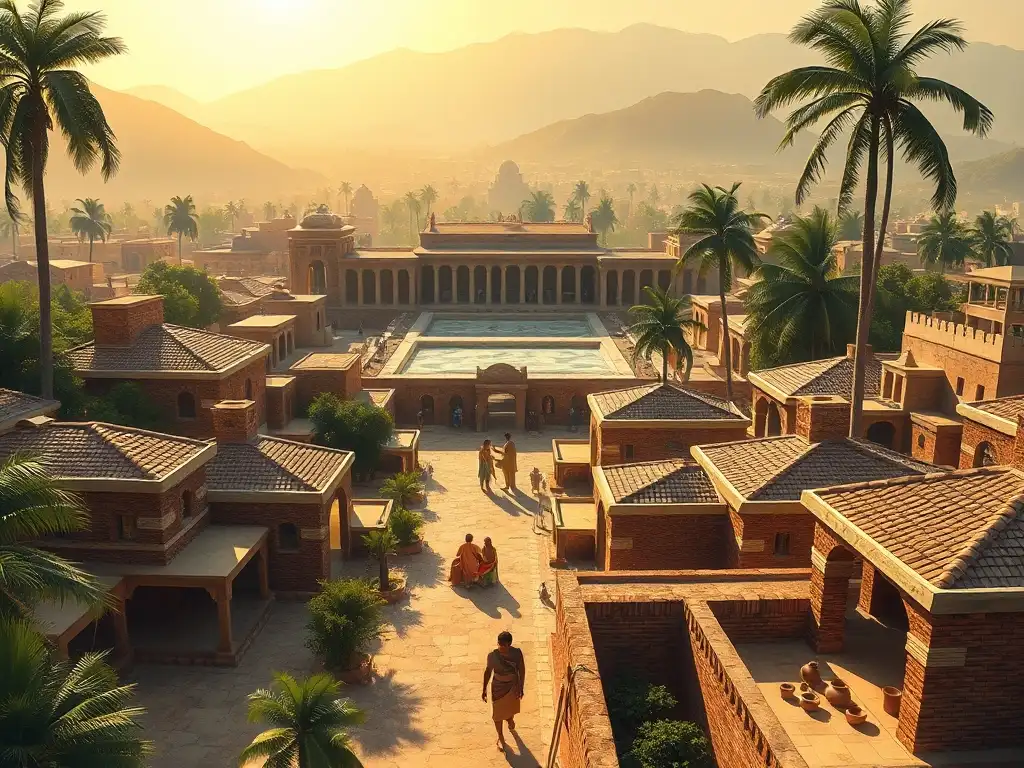
The Indus Valley Civilization, known for its sophisticated urban planning, showcased an advanced understanding of city layout that influenced subsequent South Asian architecture. One of the most remarkable features of this civilization was its grid pattern layout, which emphasized order and organization. Cities like Mohenjo-Daro and Harappa were meticulously planned, with streets laid out in a rectilinear grid pattern.
- Street Design: Streets were often wide and straight, facilitating movement and trade. Major streets were typically 10 to 12 meters wide, while secondary streets were about 2.5 to 5 meters wide.
- Zoning: The cities were divided into distinct zones for residential, commercial, and industrial purposes. This separation of functions not only optimized space but also enhanced the efficiency of urban life.
- Drainage Systems: Advanced drainage systems, including covered drains and soak pits, were integrated into the urban layout. Homes typically had access to these systems, which reflected the civilization’s focus on hygiene and sanitation.
The influence of this urban planning is evident in later South Asian cities, where organized layouts and sanitation systems became enduring features.
Construction Materials and Techniques
The materials and construction techniques employed by the Indus Valley Civilization were pivotal in establishing architectural norms that resonated through subsequent eras. Key aspects include:
- Materials Used:
- Baked Brick: The use of standardized baked bricks, made from local clay, became a hallmark of Indus Valley architecture. These bricks were uniform in size, facilitating careful construction and stability.
- Mud and Wood: In less formal structures, mud and wood were frequently used, showcasing adaptability to local resources.
- Construction Techniques:
- Grid System: The precise use of a grid system in construction allowed for the creation of complex building designs and public spaces.
- Waterproofing: Techniques such as using bitumen for waterproofing baths and drainage systems highlight the civilization’s advanced engineering skills.
These materials and techniques set the foundation for architectural practices in South Asia, influencing later dynasties that adopted similar methods in their constructions.
Notable Architectural Structures
The architectural legacy of the Indus Valley Civilization includes several notable structures that reflect its ingenuity and have influenced later architectural styles in South Asia. Some of the most prominent include:
- The Great Bath of Mohenjo-Daro: This is perhaps the most iconic structure of the Indus Valley. It measures approximately 12 meters long and 7 meters wide, with a depth of around 2.4 meters. The Great Bath is believed to have been used for ritual bathing, emphasizing the importance of water in their culture.
- Granaries: Large granaries found in both Harappa and Mohenjo-Daro indicate the civilization's advanced agricultural practices. These structures were typically raised on platforms, which helped protect the stored grains from moisture and pests.
- Dockyard of Lothal: This dockyard, one of the earliest known in the world, highlights the maritime capabilities of the Indus Valley Civilization. It facilitated trade and commerce, connecting the civilization with distant cultures and influencing the architecture of ports in South Asia.
These structures are not only significant in their own right but also serve as a testament to the enduring influence of Indus Valley architecture on the architectural evolution of South Asia. Their design principles, urban planning, and construction techniques continue to echo in various forms throughout the region’s architectural heritage.
Influence of Indus Valley Architecture on South Asian Cultures
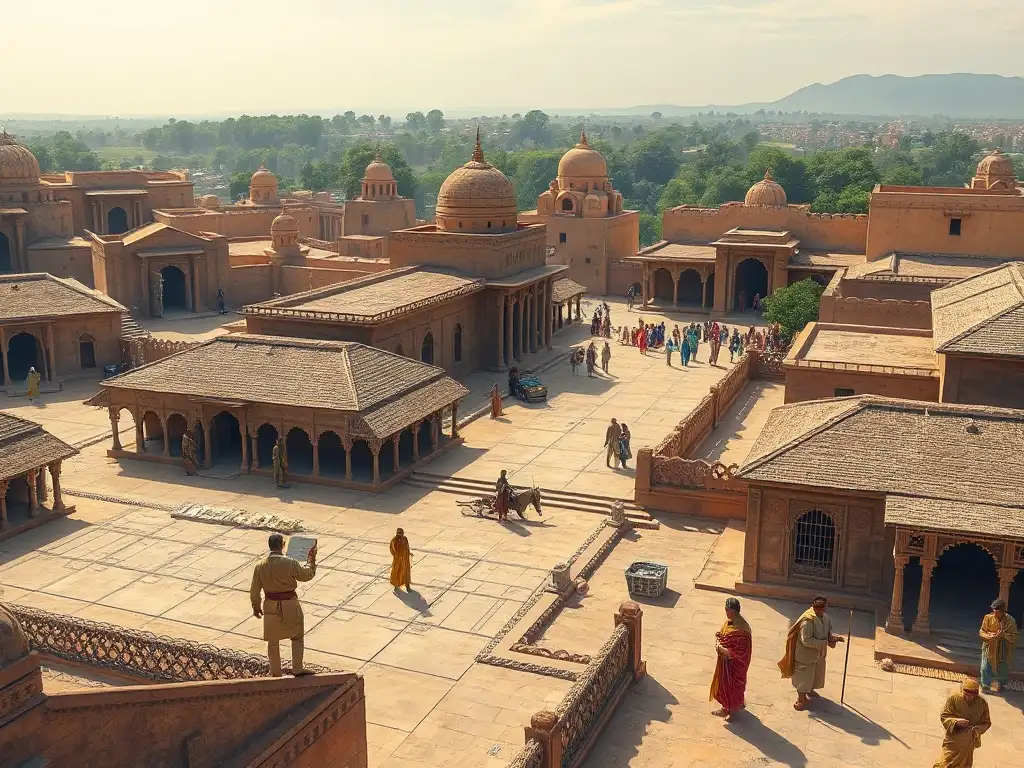
The Indus Valley Civilization (IVC), flourishing around 2500 BCE in what is now Pakistan and northwest India, left an indelible mark on the architectural landscape of South Asia. Its urban planning, drainage systems, and residential structures set a precedent that would influence subsequent architectural practices across the region. The hallmark features of Indus Valley architecture, such as the use of baked bricks, grid layouts, and sophisticated drainage systems, are echoed in the architectural traditions that emerged later in South Asia.
Early Indian Architecture: Continuities and Adaptations
The transition from the Indus Valley Civilization to later Indian architectural styles showcases a blend of continuity and adaptation. Key characteristics of IVC architecture, such as the use of high-quality fired bricks and advanced drainage systems, persisted in subsequent architectural endeavors.
- Urban Planning and Layout: The grid pattern seen in cities like Mohenjo-Daro influenced the planning of later settlements. This organization facilitated efficient land use and was adopted in numerous subsequent urban designs.
- Materials and Construction Techniques: The emphasis on durable materials, particularly burnt bricks, can be traced to the IVC. These construction techniques were adapted by later civilizations, including the Mauryan and Gupta empires, which employed similar materials for their monumental structures.
- Public Infrastructure: The elaborate drainage systems of the Indus Valley served as a model for later urban settlements, highlighting the importance of sanitation and public health in architectural planning.
The architectural advancements of the Indus Valley Civilization laid a foundation that would influence the architectural evolution of early Indian societies, showcasing a remarkable continuity of styles and practices.
Influence on Subsequent Civilizations in South Asia
The influence of Indus Valley architecture extended well into subsequent civilizations across South Asia, impacting various aspects of architectural design and urban planning.
- Mauryan Empire: The Mauryan period saw the emergence of monumental structures such as stupas. The use of stone and brick, along with the emphasis on symmetry and axial alignment, can be traced back to the urban planning principles established during the Indus Valley period.
- Gupta Empire: The Gupta period's temples, known for their intricate carvings and elaborate designs, also reflect the earlier architectural influences of the IVC. The temple layouts often echoed the grid patterns of Indus cities, signifying a continuity of design philosophies.
- Regional Adaptations: Various regions in South Asia adapted IVC architectural elements to suit local materials and cultural contexts. For instance, the use of terracotta and local stone in southern India exhibits a blending of influences, retaining the essence of IVC design while fostering regional uniqueness.
This architectural lineage illustrates how the Indus Valley Civilization's influence permeated through time, shaping the architectural identity of subsequent Indian civilizations.
Case Studies of Architectural Influence in Neighboring Regions
The architectural influence of the Indus Valley Civilization can also be observed in neighboring regions, illustrating the far-reaching impact of its design principles.
- Persian Influence: The Achaemenid Empire (c. 550–330 BCE) demonstrated an architectural style that integrated elements from the Indus Valley, particularly in the use of monumental structures and urban planning concepts. The grand palaces at Persepolis share similarities with the organizational layouts of IVC cities.
- Afghanistan and Bactria: The Greco-Bactrian kingdoms, which flourished after the fall of the IVC, adopted architectural techniques reminiscent of those found in the Indus Valley. Excavations in sites like Aï Khanoum reveal structures with similar brickwork and urban layouts, indicating a cross-cultural exchange of architectural knowledge.
- Southeast Asia: The spread of Indian architectural influence is evident in regions such as Southeast Asia, where Hindu and Buddhist temple complexes reflect the foundational principles established in the Indus Valley. The use of stone, intricate carvings, and axial symmetry can be traced back to IVC design philosophies.
Overall, the Indus Valley Civilization's architectural influence transcended geographical boundaries, leaving a profound legacy that shaped the built environment of neighboring regions and contributed to the architectural narrative of South Asia.
Specific Architectural Elements Derived from Indus Valley
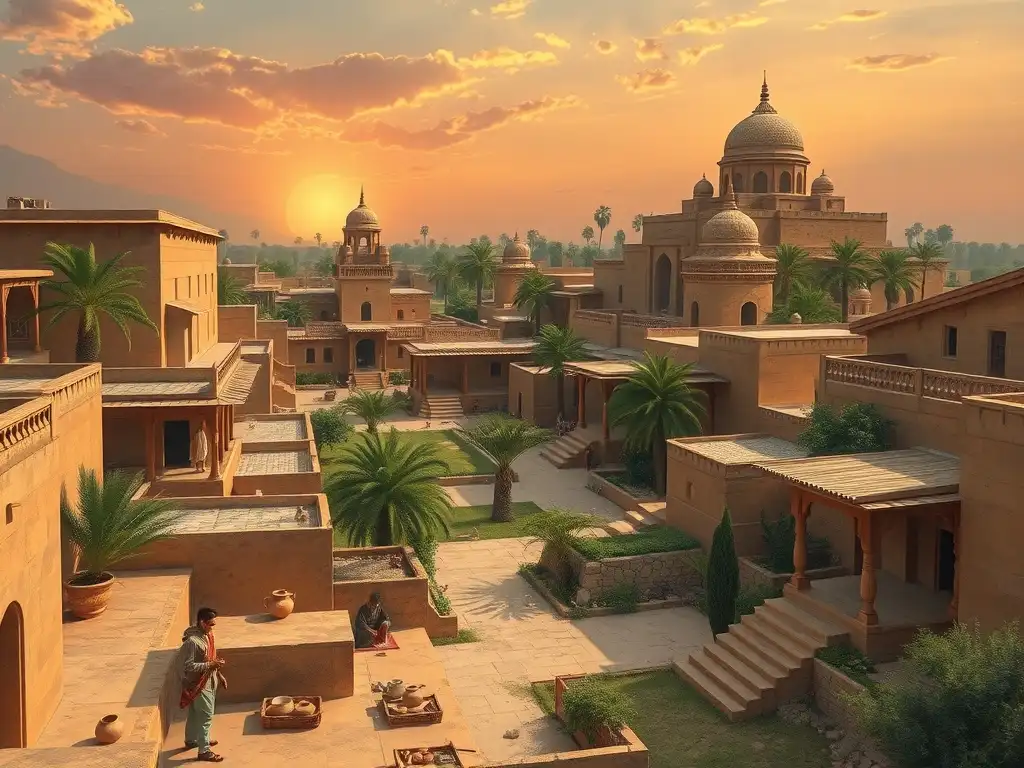
The Indus Valley Civilization (IVC), which thrived around 2500 BCE to 1900 BCE, left a profound impact on the architectural landscape of South Asia. Its advancements in urban planning and architectural designs established foundational principles that have influenced subsequent generations. This section delves into specific architectural elements derived from the Indus Valley, showcasing their significance and enduring legacy.
Drainage Systems and Sanitation
One of the most remarkable features of Indus Valley architecture is its sophisticated drainage and sanitation systems. The cities of Harappa and Mohenjo-Daro are renowned for their meticulously planned drainage networks, which included:
- Covered Drains: Almost every house was connected to a covered drain, which allowed for efficient waste management.
- Sewage Systems: The use of brick-lined sewage channels was a pioneering achievement. These channels carried wastewater away from residential areas, reducing health risks associated with stagnant water.
- Public Baths: The Great Bath of Mohenjo-Daro exemplifies the IVC's emphasis on hygiene and public sanitation. This large, rectangular pool was likely used for ritualistic purposes and social gatherings, highlighting the community's focus on cleanliness.
The principles of sanitation established by the Indus Valley Civilization can be seen in later architectural designs across South Asia, where urban drainage and waste management became essential components of city planning.
Residential Architecture and Urban Design
The residential architecture of the Indus Valley Civilization reflects a high level of urban design and planning. Key characteristics include:
- Grid Layout: The cities were laid out in a grid pattern, demonstrating an advanced understanding of urban planning that prioritized accessibility and organization.
- Standardized Brick Sizes: The use of standardized baked bricks (measuring approximately 28 x 14 x 7 cm) facilitated uniform construction and contributed to the durability of structures.
- Multi-Story Houses: Residential buildings often featured multiple stories, with flat roofs that served as additional living spaces. This design not only maximized space but also adapted to the climatic conditions of the region.
These architectural features influenced later South Asian residential designs, emphasizing functionality, space optimization, and community cohesion.
Public Buildings and Religious Structures
Public architecture in the Indus Valley Civilization showcased both civic pride and religious devotion. Notable aspects include:
- Granaries and Warehouses: Large granaries, such as those found in Harappa, highlight the civilization's agricultural wealth and the importance of storage for surplus grain. These structures were crucial for trade and sustenance.
- Religious Buildings: Although the exact nature of religious practices remains somewhat ambiguous, structures like the Great Bath suggest communal rituals. The presence of fire altars and other potential religious artifacts indicates a complex belief system that influenced future temple architecture.
- Fortifications: The use of walls and fortifications around cities indicates a need for protection and control, setting a precedent for defensive architectures seen in later periods.
The architectural innovations in public and religious buildings of the Indus Valley have significantly shaped the architectural traditions of South Asia, laying the groundwork for future civic and religious structures throughout the region.
The Indus Valley architecture influence is evident in various aspects of urban planning, residential designs, and public structures, which continue to resonate in modern South Asian architecture.
Comparative Analysis: Indus Valley vs. Later South Asian Architecture
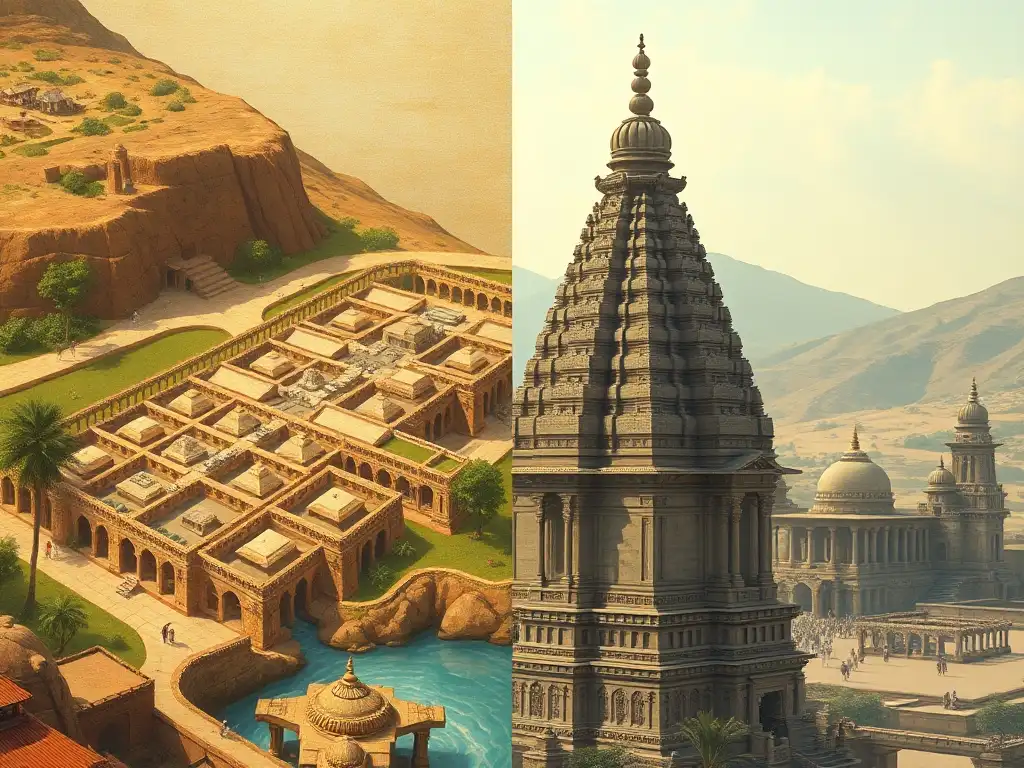
Similarities in Design and Functionality
The architectural legacy of the Indus Valley Civilization (IVC) has had a profound impact on later South Asian architectural practices, particularly in terms of design and functionality. One of the most notable similarities is the emphasis on urban planning and organization. Cities such as Mohenjo-Daro and Harappa showcased advanced layouts, with grid patterns that facilitated efficient movement and access to public areas. This urban planning principle found its echo in later South Asian cities, where organized layouts were crucial for trade and social interactions.
Moreover, the use of public baths, as seen in the Great Bath of Mohenjo-Daro, highlighted the importance of hygiene and communal spaces in IVC society. This concept of public bathing and water management influenced later architectural developments, leading to the construction of stepwells and public baths in subsequent South Asian cultures.
Another similarity lies in the integration of religious and secular spaces. The IVC constructed large granaries and assembly halls that served both administrative and ritual purposes. This dual functionality can also be observed in later architectural forms, where temples were often designed to accommodate community gatherings alongside religious practices.
Differences in Materials and Technology
While the IVC laid the foundational principles of urban architecture, there were significant differences in the materials and technologies employed in later South Asian architecture. The Indus Valley architects predominantly used baked bricks, which provided durability and uniformity. This technique of brick construction was somewhat unique to the IVC and faced competition from other materials in later periods.
In contrast, later South Asian architecture saw a more diverse palette of materials. During the early medieval period, for instance, the use of stone became prominent, leading to the development of intricate carvings and monumental structures, such as temples and forts. The introduction of lime mortar and advancements in stone-cutting techniques allowed for more elaborate designs that were not feasible in the earlier IVC structures.
Additionally, the technologies employed in construction evolved significantly. While the IVC utilized simple tools for brick-making and construction, later periods adopted sophisticated techniques, including the arch and vault, which allowed for larger and more complex structures. This technological evolution marked a departure from the relatively uniform and rigid designs of the IVC.
Evolution of Architectural Styles
The architectural styles that emerged in South Asia after the decline of the Indus Valley Civilization reflect a continuum of influences, showcasing both evolution and adaptation. The subsequent Vedic period saw a shift towards timber and thatch for housing, with a move away from the urban-centric designs of the IVC to more rural and decentralized settlements. However, the principles of symmetry and proportion established in the IVC remained influential.
As South Asian architecture progressed into the Maurya and Gupta periods, we observe a significant evolution in styles. The introduction of Buddhist architecture, marked by stupas and monastic complexes, drew upon earlier IVC designs but incorporated new elements such as hemispherical domes and elaborate gateways (toranas). This blend of old and new demonstrates how the foundational concepts of the Indus Valley were reinterpreted to suit changing religious and cultural contexts.
Moreover, regional variations began to emerge, reflecting the diverse cultural influences that shaped South Asia. For example, the Chola and Chalukya dynasties developed distinctive temple architecture characterized by towering gopurams (gateway towers) and intricate sculptures, which, while distinct, can trace their lineage back to the urban planning and communal spaces of the IVC.
The evolution of architectural styles from the Indus Valley to later South Asian civilizations illustrates a dynamic interplay of continuity and change, where foundational principles were adapted and transformed to meet the needs and aesthetics of successive cultures.
Lasting Legacy of Indus Valley Architecture
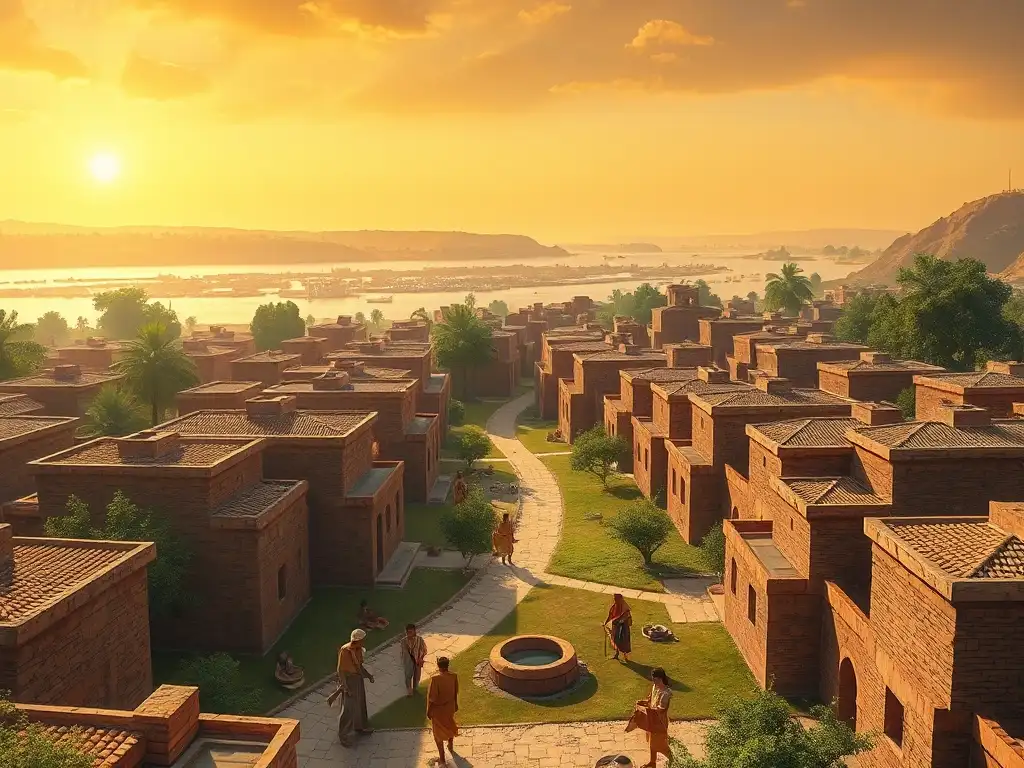
Preservation and Recognition in Modern Times
The architectural achievements of the Indus Valley Civilization (IVC) stand as a testament to the ingenuity and sophistication of ancient urban planning. Modern efforts to preserve these structures reflect a growing recognition of their historical significance. Key sites, such as Harappa and Mohenjo-Daro, have been designated as UNESCO World Heritage Sites, underscoring their global importance.
The preservation initiatives often involve:
- Archaeological Excavations: Ongoing excavations aim to uncover more about the IVC's urban layouts, drainage systems, and residential structures.
- Conservation Projects: These projects focus on maintaining the integrity of existing ruins and preventing deterioration due to environmental factors.
- Educational Programs: Institutions are increasingly offering workshops and courses that highlight IVC architecture, ensuring that future generations appreciate its value.
Despite these efforts, challenges remain. Issues such as urban encroachment and climate change threaten the integrity of these ancient sites, making it imperative for local governments and international organizations to prioritize preservation.
Influence on Contemporary South Asian Architecture
The influence of Indus Valley architecture can be seen in various aspects of contemporary South Asian design. The principles of urban planning established during the IVC, such as grid layouts and advanced drainage systems, can be traced in modern cities across the region.
Key elements of influence include:
- Urban Planning: The meticulous planning of cities like Mohenjo-Daro, with its well-defined streets and public baths, has inspired modern urban designs that prioritize functionality and hygiene.
- Material Use: The use of baked bricks in IVC structures paved the way for enduring construction techniques that are still prevalent in South Asia today.
- Architectural Features: Elements such as courtyards and open spaces found in IVC homes are echoed in contemporary architecture, promoting ventilation and social interaction.
Table: Key Architectural Features from Indus Valley to Modern South Asia
| Feature | Indus Valley Civilization | Contemporary South Asian Architecture |
|---|---|---|
| Urban Layout | Grid patterns | Planned neighborhoods |
| Construction Material | Baked bricks | Red bricks, concrete |
| Public Spaces | Great Bath | Parks, community centers |
| Drainage Systems | Advanced sewage systems | Modern plumbing solutions |
Cultural Significance of Indus Valley Designs Today
The aesthetic and cultural significance of Indus Valley designs continues to resonate in contemporary South Asian society. The artistic expressions found in IVC artifacts reveal a deep appreciation for craftsmanship and design, which is still celebrated in today’s art forms.
Aspects of cultural significance include:
- Symbolism: Many motifs, such as the use of geometric patterns and animal depictions, can be found in modern textiles and decorative arts, reflecting a continuity of cultural identity.
- Sustainable Practices: The IVC’s emphasis on sustainable living—evidenced by their water management systems—serves as a model in today’s architectural discourse, especially in the context of climate change.
- Cultural Heritage: The architectural legacy of the IVC fosters a sense of pride and identity among South Asian communities, reinforcing the importance of preserving and celebrating ancient traditions.
The Indus Valley architecture influence is not merely a relic of the past but a vibrant thread woven into the fabric of modern South Asian architecture and culture, inspiring ongoing conversations about identity, sustainability, and heritage.
Conclusion
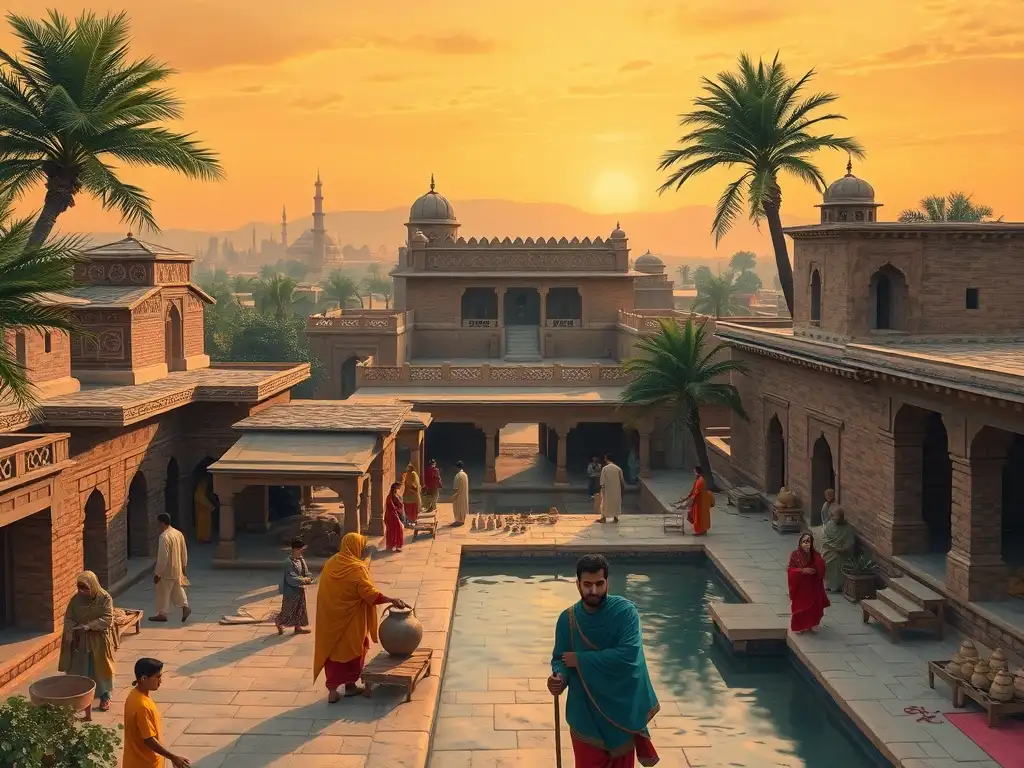
Recap of Indus Valley Architecture Influence
The Indus Valley Civilization (IVC), which flourished around 2500 BCE in what is now Pakistan and northwest India, laid the groundwork for architectural practices in South Asia that resonate even today. The hallmark of Indus Valley architecture includes advanced urban planning, the use of standardized fired bricks, and intricate drainage systems. Cities like Harappa and Mohenjo-Daro showcased a grid layout, which set a precedent for future urban designs throughout the region.
Key features that exemplify the Indus Valley architecture influence include:
- Urban Planning: The meticulous layout of streets and buildings in a grid pattern demonstrated an early understanding of urban development.
- Material Use: The widespread use of baked bricks and precise measurements influenced subsequent construction techniques.
- Drainage Systems: The advanced drainage and sanitation systems established a standard for public health in urban centers.
Moreover, the architectural principles observed in the IVC influenced later civilizations in South Asia, as evidenced by the emergence of similar urban characteristics in subsequent empires, including the Maurya and Gupta empires. The legacy of the Indus Valley is not merely historical; it continues to inform modern architectural practices in the region.
Final Thoughts on Its Role in Shaping South Asian Architectural Heritage
The Indus Valley Civilization's architectural innovations represent a pivotal chapter in the history of South Asian architecture. Its influence permeates through centuries, reflecting a blend of functionality and aesthetic sensibility that has shaped the cultural landscape of the region. The principles of urban planning, the use of durable materials, and advanced sanitation that originated in the IVC can be seen as foundational elements that have been adapted and evolved by subsequent cultures.
The Indus Valley architecture influence is a testament to the sophistication of ancient Indian civilizations. Their architectural achievements not only contributed to the growth of urban centers but also laid the groundwork for the architectural heritage that continues to flourish in South Asia today. Understanding these contributions allows us to appreciate the depth of ancient Indian history and its ongoing impact on contemporary society.
Frequently Asked Questions
What is the Indus Valley Civilization?
The Indus Valley Civilization was an ancient civilization that thrived around 2500 BCE in present-day Pakistan and northwest India, known for its advanced urban planning and innovative architecture.
How did the Indus Valley architecture influence later civilizations?
The Indus Valley architecture set foundational principles in urban design, drainage systems, and building techniques that significantly influenced subsequent cultures in South Asia.
What are some key features of Indus Valley architecture?
Key features include the use of burnt brick, sophisticated drainage systems, and grid patterns in city layouts, reflecting an advanced understanding of civil engineering.
Why is the Indus Valley architecture considered innovative?
It is considered innovative due to its emphasis on urban planning, including the construction of complex cities like Harappa and Mohenjo-Daro, which showcased remarkable foresight in infrastructure.
What legacy did the Indus Valley Civilization leave on modern architecture?
The legacy includes influences on building materials, urban planning, and architectural styles that can still be observed in various forms of South Asian architecture today.
Final Reflection: The Enduring Legacy of Indus Valley Architecture
The influence of the Indus Valley Civilization on South Asian architecture is not merely a historical footnote; it is a vibrant thread woven into the fabric of contemporary design. As we explore the architectural marvels that emerged from this ancient civilization, we recognize their profound impact on urban planning, building techniques, and aesthetic sensibilities that continue to resonate today. The ingenuity of the Indus Valley architects serves as a reminder that the past is not a distant memory but a living legacy that shapes our present and future.
Cultural and social landscapes have been significantly molded by the architectural innovations of the Indus Valley, echoing through centuries and inspiring generations. The meticulous urban planning, advanced drainage systems, and the use of baked bricks reflect a sophisticated understanding of community needs and environmental harmony. Architecture is the art of how to waste space.
— Philip Johnson. This quote encapsulates the essence of how the Indus Valley architects maximized their environment, a lesson that remains relevant as we strive for sustainable and efficient designs in our modern cities.
As we reflect on the lessons drawn from the Indus Valley Civilization, I invite you to consider how these ancient principles can be applied to your own life and surroundings. Embrace the idea of thoughtful design and community-oriented spaces in your endeavors. Whether you are an architect, a city planner, or simply someone who appreciates the beauty of well-designed spaces, let the legacy of the Indus Valley inspire you to create environments that honor both history and innovation. Together, we can build a future that respects the past while paving the way for sustainable growth and cultural richness.
Unveil the Timeless Legacy of Indus Valley Architecture!
Thank you for exploring the remarkable influence of the Indus Valley Civilization on South Asian architecture with us! Your insights into this ancient world set the stage for a deeper appreciation of modern design rooted in history. Now, let’s take your newfound knowledge and transform curiosity into action!
- Dive Deeper into History: Visit a local museum or explore online resources to discover more about the artifacts from the Indus Valley Civilization and their architectural marvels.
- Share Your Knowledge: Spark a conversation with friends or engage on social media about how ancient designs can inspire contemporary architecture in your area.
- Explore Local Influences: Take a walking tour of your city and identify architectural elements that may have been inspired by ancient civilizations, including the Indus Valley.
What unique architectural feature from the Indus Valley do you think would enhance modern buildings today?