
Spirituality and Daily Rituals: Understanding Religious Practices in the Indus Valley

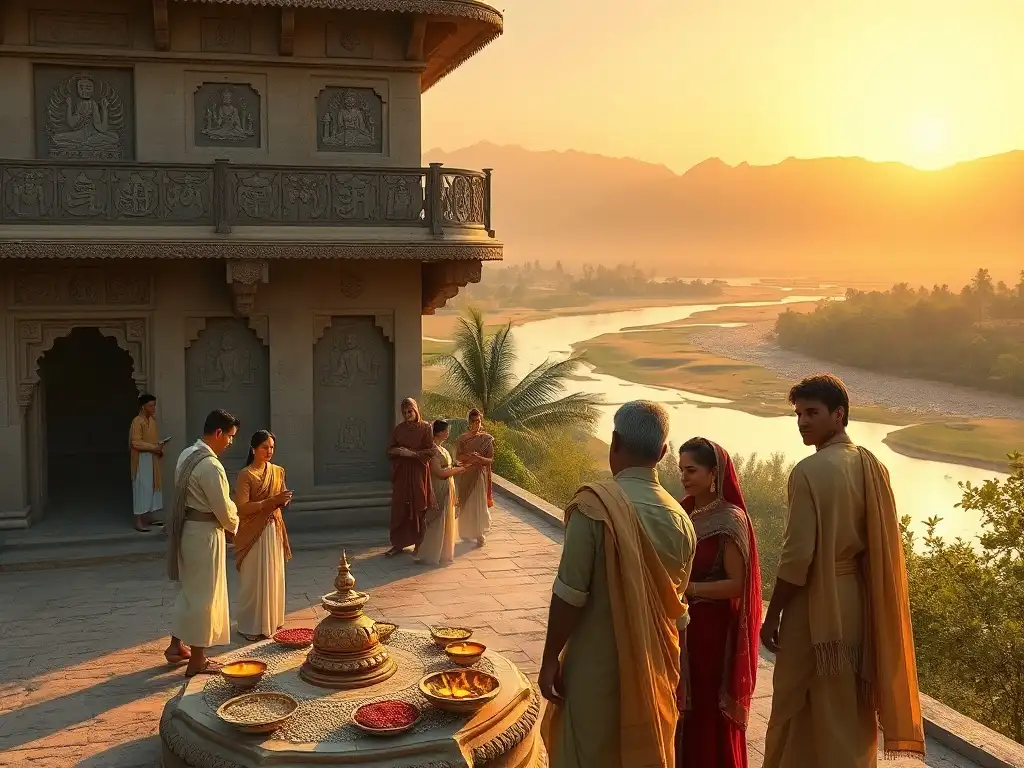
Welcome to Ancient India History, where we embark on a fascinating journey through the rich tapestry of India's past. In our exploration today, we delve into the mystical world of Indus Valley spirituality practices, uncovering the daily rituals and religious customs that shaped one of the earliest and most sophisticated civilizations.
What secrets do these ancient practices hold, and how do they resonate with our understanding of spirituality today? Join us as we unravel the profound connections between daily life and divine beliefs in the Indus Valley, inviting you to discover the remarkable legacy of ancient India that continues to inspire and intrigue.
-
Spirituality and Daily Rituals in the Indus Valley
- Introduction to Indus Valley Spirituality Practices
- Overview of Spirituality in Ancient Indian Civilizations
- Importance of Daily Rituals in the Indus Valley
- Key Elements of Indus Valley Spirituality
- Daily Rituals of the Indus Valley Civilization
- Comparing Indus Valley Spirituality with Other Ancient Civilizations
- The Role of Spirituality in Indus Valley Society
- Archaeological Evidence of Spirituality and Rituals
- Conclusion: The Legacy of Indus Valley Spirituality Practices
- Reflection on the Influence of Indus Valley Spirituality in Modern India
- Continuing Relevance of Ancient Rituals in Contemporary Practices
-
Frequently Asked Questions
- What were the spirituality practices of the Indus Valley civilization?
- How did daily rituals influence social life in the Indus Valley?
- Were there any temples or religious structures found in the Indus Valley?
- How did Indus Valley spirituality compare to later Indian religions?
- What artifacts provide insight into spiritual practices of the Indus Valley?
- Final Reflection: Embracing the Depth of Indus Valley Spirituality Practices
- Discover Your Own Spiritual Journey Today!
Spirituality and Daily Rituals in the Indus Valley
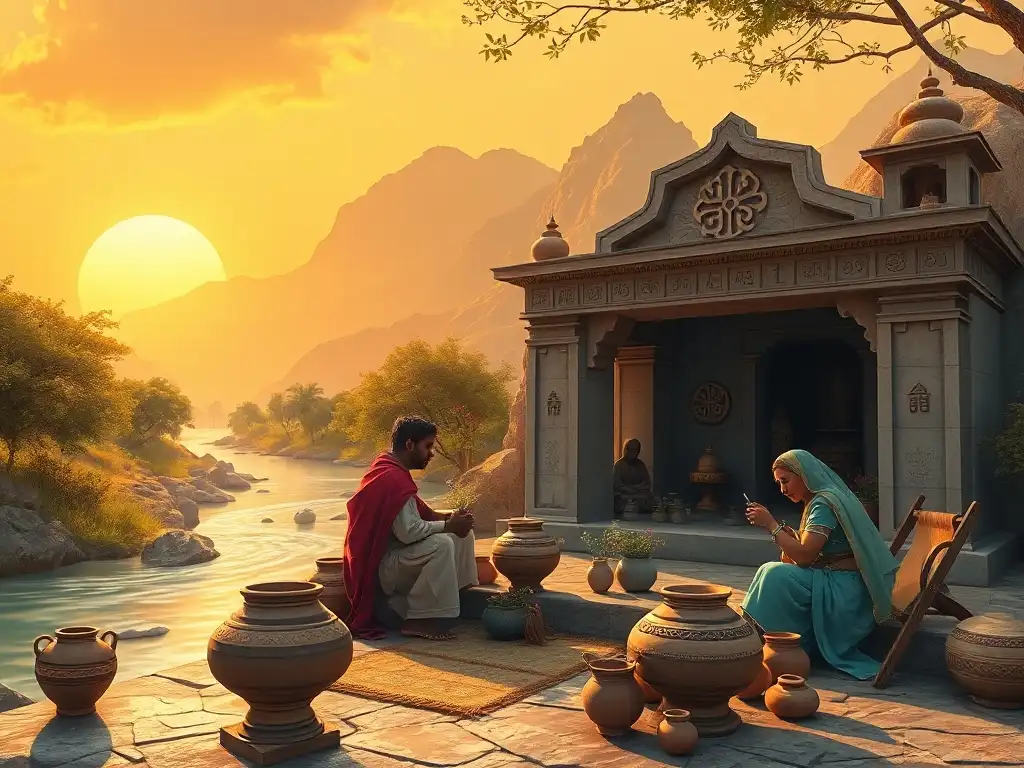
Introduction to Indus Valley Spirituality Practices
The Indus Valley Civilization, one of the world's earliest urban cultures, flourished around 2500 BCE in what is now modern-day Pakistan and northwest India. This civilization is renowned not only for its advanced city planning and architecture but also for its rich tapestry of spirituality and daily rituals.
Understanding the Indus Valley spirituality practices provides valuable insights into the beliefs and societal norms of a people whose contributions laid the groundwork for future Indian civilizations. This article will delve into the spiritual life of the Indus Valley, exploring how rituals and beliefs were woven into the fabric of daily existence.
Overview of Spirituality in Ancient Indian Civilizations
Spirituality in ancient Indian civilizations is characterized by a profound connection to the natural world, a pantheon of deities, and the practice of rituals that reinforced communal ties. In the context of the Indus Valley, spirituality was likely influenced by various factors, including:
- Environmental Awareness: The people of the Indus Valley lived in close proximity to rivers and fertile lands, leading to a deep respect for nature.
- Cultural Exchange: Trade and interactions with neighboring cultures may have introduced diverse spiritual concepts, enriching their own practices.
- Societal Structure: The hierarchical organization of society could have influenced the way spirituality was practiced, with certain rituals reserved for specific classes or groups.
Importance of Daily Rituals in the Indus Valley
Daily rituals in the Indus Valley were not merely acts of devotion; they were integral to the social and cultural identity of the civilization. These rituals served several purposes, including:
- Community Cohesion: Rituals often brought people together, fostering a sense of belonging and shared identity.
- Agricultural Cycles: Many rituals were tied to agricultural practices, marking important events such as planting and harvesting, and ensuring the favor of deities for bountiful crops.
- Ritual Purity and Hygiene: Daily practices emphasized cleanliness and purity, which were essential in both spiritual and social contexts.
Key Elements of Indus Valley Spirituality
Understanding the key elements of spirituality in the Indus Valley reveals the complexity and depth of their religious practices.
Nature Worship and Its Significance
Nature worship played a pivotal role in the spiritual life of the Indus Valley people. The reverence for natural elements such as rivers, mountains, and trees reflected their belief in the interconnectedness of all life. This connection can be seen in:
- Sacred Groves: Areas designated for worship, often featuring trees and plants considered sacred.
- Water Bodies: Rivers and wells were likely viewed as purifying elements, integral to both daily and spiritual life.
Deities and Symbolism in Indus Valley Religion
The Indus Valley civilization had a rich pantheon of deities, although much about them remains a mystery due to the undeciphered script. However, archaeological findings suggest the following:
- Figurines and Seals: Numerous artifacts depict various figures that may represent deities, animals, or symbolic motifs, indicating a complex belief system.
- Mother Goddess Worship: Evidence suggests that fertility and motherhood were central themes, highlighting the importance of the feminine divine.
Ritual Objects and Their Uses in Spiritual Practices
Ritual objects found in Indus Valley sites provide crucial insights into their spiritual practices. These objects included:
- Terracotta Figurines: Often depicting deities or animals, these figurines were likely used in ceremonies or as offerings.
- Seals: Engraved with intricate designs, these seals may have served both practical and ritualistic purposes, possibly facilitating trade while also holding spiritual significance.
By examining these aspects, we can better appreciate the rich spiritual landscape of the Indus Valley Civilization and how their practices continue to influence spirituality in the Indian subcontinent today.
Daily Rituals of the Indus Valley Civilization
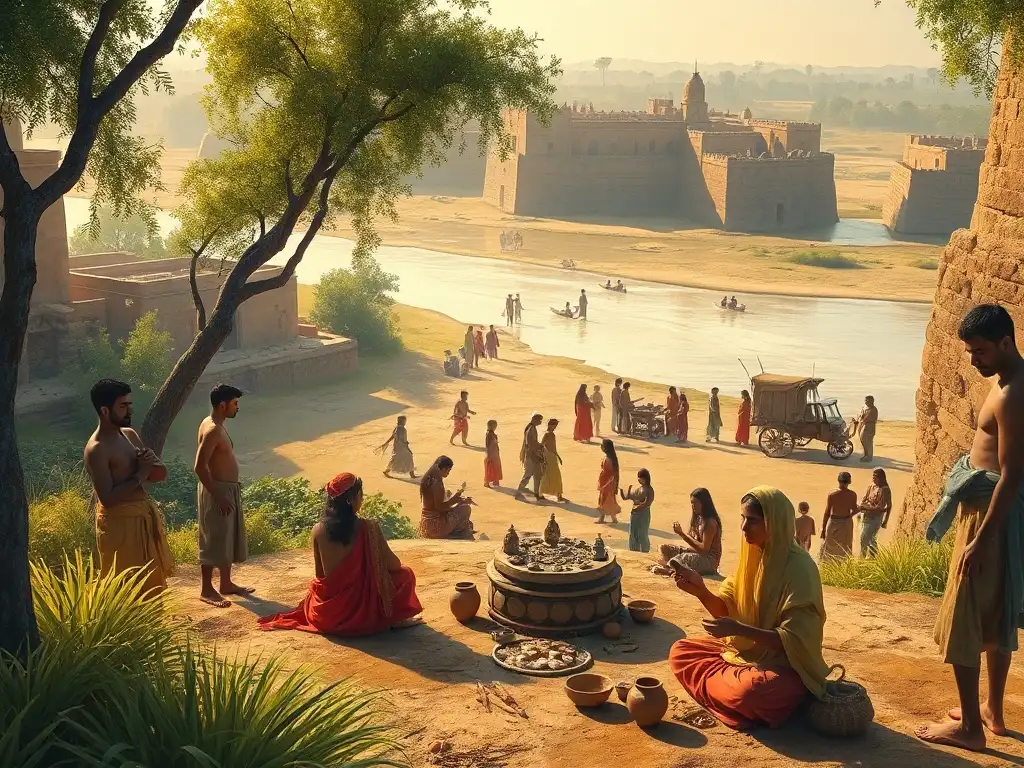
The Indus Valley Civilization, one of the earliest urban cultures, demonstrated a profound connection between daily life and spirituality. Rituals were interwoven into the fabric of everyday existence, reflecting a society that revered nature, fertility, and the divine. Archaeological findings suggest that daily rituals often included the worship of various deities, the use of sacred objects, and communal activities that fostered social cohesion. These rituals not only served spiritual purposes but also reinforced community bonds and cultural identity among the inhabitants.
The people of the Indus Valley engaged in a variety of practices that highlighted their reverence for the environment and their belief in a higher power. Evidence from seals, pottery, and other artifacts indicates that animals, particularly the bull and the unicorn, held significant spiritual symbolism. The act of ritual bathing, perhaps linked to purification and renewal, was commonplace, as seen in the sophisticated drainage systems of cities like Mohenjo-Daro and Harappa. Overall, the daily rituals of the Indus Valley Civilization were a critical aspect of their spirituality, deeply influencing their societal structure and personal lives.
Morning and Evening Rituals: A Daily Spiritual Routine
Morning and evening rituals played a pivotal role in the daily spiritual practices of the Indus Valley Civilization. Mornings likely began with acts of purification, which could have included bathing in rivers or using designated water sources, believed to cleanse the spirit and body. This emphasis on cleanliness reflects an understanding of hygiene that was advanced for its time, showcasing the importance of physical and spiritual purity.
During these rituals, individuals might have offered prayers or made offerings to household deities or nature spirits. The use of clay figurines representing gods and goddesses found at archaeological sites suggests that personal shrines were common, where families could connect with the divine in their intimate spaces. Evening rituals often mirrored those of the morning, culminating in communal gatherings that celebrated their shared beliefs and practices. Such rituals not only maintained personal spirituality but also fostered a sense of community among the inhabitants.
Community Rituals and Their Role in Society
Community rituals in the Indus Valley Civilization were essential for reinforcing social structures and fostering unity among inhabitants. These rituals likely included collective worship, communal feasts, and festivals that brought people together, transcending individual households. The organization of such events would have required cooperation and collaboration, thereby strengthening social ties.
The presence of large public baths, such as the Great Bath of Mohenjo-Daro, indicates that communal rituals involving purification and worship occurred at a societal level. These gatherings provided a platform for individuals to engage in shared spiritual practices, enhancing their collective identity. Additionally, rituals associated with agricultural cycles, such as planting and harvesting, were crucial for celebrating the bounty of nature and ensuring communal prosperity. Through these community rituals, spirituality was not just a personal affair, but a collective experience that shaped the cultural identity of the Indus Valley people.
Festivals and Celebrations in the Indus Valley
Festivals and celebrations in the Indus Valley were vibrant expressions of the civilization's spirituality and cultural identity. While specific details about these festivals remain elusive due to limited written records, archaeological evidence suggests that they were closely tied to agricultural cycles and seasonal changes. Celebrations likely included offerings to deities associated with fertility, harvests, and natural elements, reflecting the people's dependence on agriculture.
The use of pottery, ornaments, and other artifacts during these festivals indicates that they were occasions for communal participation and enjoyment. It is reasonable to infer that festivities involved music, dance, and feasting, fostering a sense of joy and togetherness. Furthermore, these celebrations may have served to reinforce the significance of spirituality in daily life, helping the inhabitants connect with their deities and express gratitude for the blessings of nature.
Comparing Indus Valley Spirituality with Other Ancient Civilizations
The spirituality of the Indus Valley Civilization can be understood in relation to other ancient civilizations, particularly through its similarities and differences with practices in Mesopotamia and Egypt. The interplay of these cultural elements provides a broader context for understanding the unique characteristics of Indus Valley spirituality.
Similarities with Mesopotamian Spiritual Practices
Indus Valley spirituality shares several similarities with Mesopotamian practices, particularly in the reverence for deities associated with fertility and agriculture. Both civilizations acknowledged the importance of nature and its cycles, leading to rituals that honored gods linked to planting and harvest times. For instance, both societies utilized sacred spaces for communal worship, indicating a shared understanding of the significance of collective spiritual experiences.
Moreover, the use of seals in both cultures for administrative and ritualistic purposes highlights a commonality in their societal structures. The emphasis on ritual purity and the presence of communal bathing practices suggest that both civilizations valued cleanliness as a means of spiritual connection. Such similarities underline the interconnectedness of ancient cultures in their expressions of spirituality and the communal aspects of religious practices.
Differences from Ancient Egyptian Religious Practices
Despite some parallels, Indus Valley spirituality markedly differs from that of Ancient Egypt, especially in its approach to deities and afterlife beliefs. While Egyptians had a well-defined pantheon and elaborate burial practices that emphasized the afterlife, Indus Valley spirituality seems to focus more on the natural world and daily life. There is less evidence of elaborate temples or monumental structures dedicated to a singular god, suggesting a more decentralized spiritual practice.
Additionally, the role of the priesthood in Ancient Egypt was prominent, with priests holding significant power and influence over spiritual matters. In contrast, the Indus Valley Civilization appears to have had a more egalitarian approach to spirituality, with rituals likely performed by community members rather than a specialized clergy. This distinction emphasizes the unique spiritual identity of the Indus Valley Civilization, characterized by a harmonious relationship with nature and a focus on communal rather than hierarchical practices.
The Role of Spirituality in Indus Valley Society
Spirituality played a significant role in the daily lives of the people of the Indus Valley Civilization (IVC). Unlike many ancient civilizations, the IVC's spiritual practices seem to have been deeply integrated into their everyday activities and societal norms. The civilization, which thrived around 2500 BCE, exhibited a complex belief system that likely revolved around nature, fertility, and the veneration of various deities.
The religious practices of the Indus Valley people are closely tied to their agricultural lifestyle, where the reverence for fertility and the earth was paramount. This connection is observed through the worship of symbolic representations of fertility, such as the Mother Goddess figurines found at various archaeological sites. These figures likely reflect the importance of fertility in ensuring agricultural success and sustaining their communities.
Additionally, the evidence of large public baths, such as the Great Bath in Mohenjo-Daro, suggests that ritual purification was an essential aspect of their spirituality, indicating a structured approach to religious practices that transcended individual worship. The communal nature of these rituals likely fostered a sense of unity among the inhabitants and reinforced the social fabric of IVC society.
Connection Between Spirituality and Social Structure
The social structure of the Indus Valley Civilization was likely hierarchical, with spirituality playing a crucial role in defining roles and responsibilities within this society. Archaeological findings suggest that religious leaders may have held significant influence, guiding the spiritual practices of the community and possibly overseeing agricultural rituals essential for prosperity.
Moreover, the presence of public religious structures and sites indicates that spirituality was not limited to private worship but was a collective experience that brought people together. This communal aspect of spirituality may have played a part in reinforcing social ties and establishing a shared identity among the diverse groups within the IVC.
The connection between spirituality and the social hierarchy is further evidenced by the discovery of specialized artifacts, such as seals and pottery, which likely served both ceremonial and administrative functions. These items may have been used to signify status or roles within spiritual practices, highlighting the intertwining of religion and governance in the Indus Valley.
Impact of Spirituality on Daily Life and Work
Spirituality in the Indus Valley was not merely a set of beliefs but a guiding framework that influenced various aspects of daily life and work. The agricultural cycles, for instance, were closely aligned with religious rituals, where offerings and prayers were made to ensure bountiful harvests. This integration of spirituality into agriculture underscores the significance of the earth and its fertility in their belief system.
Daily routines were likely punctuated by rituals and observances that connected individuals to their spirituality. Evidence of shrines and household altars suggests that private worship was common, allowing families to engage in daily spiritual practices that reinforced their beliefs and values.
Furthermore, the craftsmanship of the Indus Valley people, evident in their intricate pottery, jewelry, and seals, likely had spiritual undertones. Artisans may have created items not only for utility but also for use in rituals or as offerings, reflecting the profound connection between their spiritual beliefs and their work.
Archaeological Evidence of Spirituality and Rituals
The archaeological record of the Indus Valley Civilization provides invaluable insights into their spirituality and rituals. Excavations at key sites such as Harappa and Mohenjo-Daro have revealed a wealth of artifacts and structures that suggest a sophisticated spiritual life.
Discoveries from Harappa and Mohenjo-Daro
At Harappa, archaeologists have unearthed various seals depicting animals and human figures, some of which are believed to represent deities or spiritual concepts. These seals, often intricately carved, likely served both decorative and religious purposes, possibly used in trade as well as in rituals.
Mohenjo-Daro, on the other hand, is famed for its Great Bath, which is interpreted as a site for ritual cleansing and community gatherings. The scale and design of the bath suggest its importance in spiritual practices, reinforcing the idea that the Indus Valley people engaged in collective rituals centered around water and purification.
Analysis of Artifacts Related to Spiritual Practices
Artifacts such as terracotta figurines, pottery, and ritualistic objects provide a deeper understanding of Indus Valley spirituality practices. The terracotta figurines of female figures, often interpreted as representations of fertility goddesses, indicate a strong emphasis on fertility and motherhood in their belief system.
Additionally, the examination of pottery reveals motifs and symbols that may be related to spiritual beliefs, including geometric patterns and depictions of animals, which could have held symbolic meanings. The diversity of these artifacts emphasizes the complexity of spiritual practices and the cultural significance behind everyday objects.
The rich archaeological evidence from the Indus Valley Civilization highlights the integral role of spirituality in shaping daily life, social structures, and the cultural identity of its people. The interplay between spirituality and daily rituals reflects a society deeply connected to its beliefs, with spirituality being a central pillar of their existence.
Conclusion: The Legacy of Indus Valley Spirituality Practices
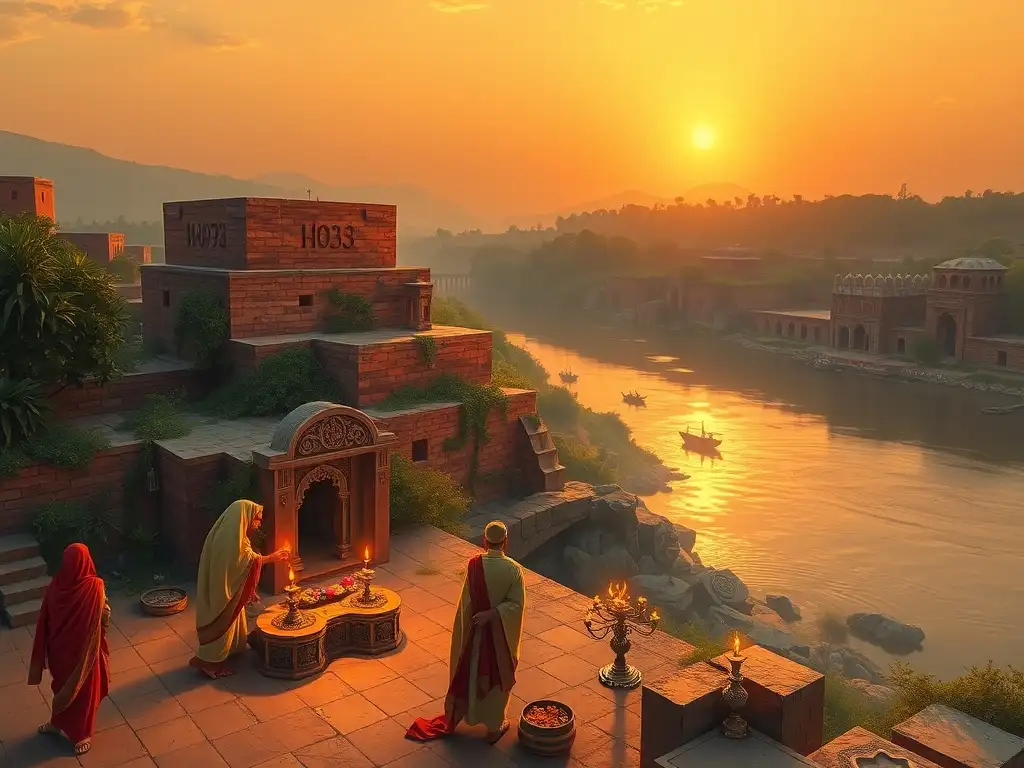
The spirituality practices of the Indus Valley Civilization hold a profound legacy that resonates through the corridors of history, influencing various aspects of life in contemporary India. The evidence of sophisticated rituals, reverence for natural elements, and the integration of spirituality into daily life illustrates a society deeply connected to its beliefs. These practices not only shaped the spiritual landscape of their time but also laid the groundwork for many traditions that persist today.
The artifacts and archaeological findings from sites like Mohenjo-Daro and Harappa reveal a culture that valued both communal and individual spiritual experiences. The presence of figurines, seals, and altars suggests a well-established system of worship and ritual that likely fostered a sense of community and identity among its people. The legacies of these practices can be seen in the continued importance of rituals, festivals, and spiritual observances in modern Indian culture, signifying the enduring impact of Indus Valley spirituality.
Reflection on the Influence of Indus Valley Spirituality in Modern India
The spiritual practices of the Indus Valley have significantly influenced modern Indian spirituality. Many contemporary rituals can trace their origins back to this ancient civilization, reflecting a continuity of beliefs and practices over millennia. For instance, the veneration of natural elements such as the earth, water, and fertility can be seen in various Indian religious traditions today. This reverence for nature emphasizes a harmonious relationship with the environment, a principle still cherished in many cultural practices.
Moreover, the societal values that emerged from these ancient spiritual practices—such as community cohesion, respect for the divine, and the interconnection between daily life and spirituality—continue to resonate in modern Indian society. Festivals, rituals, and social gatherings still hold significant spiritual meaning, serving as a reminder of the rich past that informs current beliefs and practices. The influence of the Indus Valley civilization is evident in how communities engage in religious observances that celebrate life, nature, and the divine.
Continuing Relevance of Ancient Rituals in Contemporary Practices
Ancient rituals from the Indus Valley continue to hold relevance in contemporary spiritual practices across India. Many of these rituals have evolved but still reflect the core themes of connectivity, reverence, and continuity. For example, agricultural festivals that celebrate the harvest are rooted in ancient practices of honoring fertility and the earth, echoing the rituals of the past.
Additionally, practices such as meditation and yoga, which are integral to many modern spiritual movements, also have their origins in the ancient spiritual philosophies of India. These practices emphasize mindfulness, balance, and harmony, principles that were likely valued in the spiritual framework of the Indus Valley Civilization.
In urban areas, where the pace of life can be overwhelming, individuals often seek solace in ancient rituals, finding a sense of grounding through traditional practices. This illustrates a broader trend of looking back to ancient wisdom for guidance in navigating contemporary life challenges. Thus, the spirituality practices of the Indus Valley not only contribute to the historical narrative but also continue to shape the spiritual and cultural fabric of modern Indian society.
Frequently Asked Questions
What were the spirituality practices of the Indus Valley civilization?
The Indus Valley spirituality practices included rituals likely centered around nature worship, fertility, and deities associated with farming and water, although specific details remain elusive due to limited written records.
Daily rituals played a significant role in social life, fostering community bonds and shared beliefs among inhabitants, which was essential for maintaining societal cohesion and cultural identity.
Were there any temples or religious structures found in the Indus Valley?
While no grand temples like those in later civilizations have been discovered, some sites, such as Mohenjo-Daro, show evidence of ritual bathing and possibly sacred spaces for spiritual practices.
How did Indus Valley spirituality compare to later Indian religions?
Indus Valley spirituality laid a foundation for later religious traditions, with elements like nature reverence and symbolic rituals influencing early Hinduism, though direct connections are still debated among scholars.
What artifacts provide insight into spiritual practices of the Indus Valley?
Artifacts such as figurines, seals, and pottery featuring symbolic imagery provide vital clues about spiritual practices, suggesting a complex belief system intertwined with daily life and rituals.
Final Reflection: Embracing the Depth of Indus Valley Spirituality Practices
The exploration of Indus Valley spirituality practices reveals a profound connection between daily rituals and the essence of human existence. In a world that often prioritizes the material over the spiritual, understanding these ancient practices offers a vital reminder of the importance of cultivating a deeper sense of meaning and connection in our lives. The rituals that once flourished in the Indus Valley not only shaped the spiritual landscape of their time but continue to resonate with us today, urging us to seek balance and harmony in our own daily routines.
Cultural and social landscapes are continually influenced by the spiritual practices of our ancestors. The rituals of the Indus Valley civilization serve as a testament to the enduring human quest for understanding and connection with the divine. As we navigate our modern lives, we can draw inspiration from these ancient practices, recognizing that they were not merely ceremonial acts but profound expressions of community, identity, and reverence for the natural world. The spirit of a culture is reflected in its rituals, which bind individuals to their community and their beliefs.
As we conclude this exploration, I invite you to reflect on your own daily rituals and the spiritual significance they may hold. Consider how you can incorporate elements of mindfulness and intention into your everyday life, drawing from the rich tapestry of Indus Valley spirituality practices. By embracing these lessons, we can cultivate a deeper connection with ourselves, our communities, and the world around us, ensuring that the wisdom of the past continues to illuminate our paths forward.
Discover Your Own Spiritual Journey Today!
Thank you for exploring the fascinating world of spirituality and daily rituals in the Indus Valley. You've gained valuable insights into how these ancient practices shaped communities and continue to influence spiritual lives today. Now, it’s time to take that inspiration and make it personal!
Here are a few actionable steps you can take right now:
- Create your own daily ritual that resonates with you—this could be a simple meditation, journaling, or a nature walk to connect with your inner self.
- Explore books or documentaries about ancient spiritual practices to deepen your understanding of their relevance in modern life.
- Share your experiences with friends or in community forums to foster discussions around the significance of spirituality in our everyday lives.
What unique ritual or practice will you implement to enrich your spiritual journey?