
The Indus Valley Civilization: A Model for Sustainable Agriculture Practices

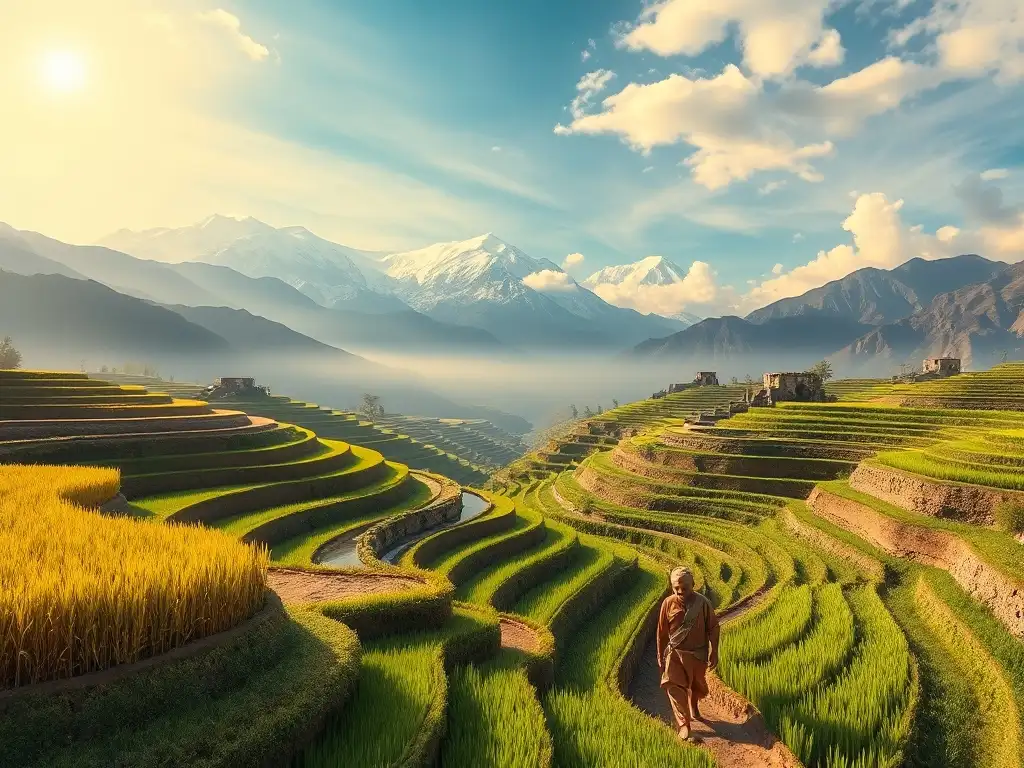
Welcome to Ancient India History, where we embark on a fascinating journey through the rich tapestry of India's past! In this exploration, we delve into the remarkable achievements of ancient civilizations, spotlighting the Indus Valley Civilization and its groundbreaking techniques in sustainable agriculture. Discover how these early societies laid the foundation for agricultural practices that resonate even today, and unlock the secrets behind their sophisticated methods. Get ready to uncover the profound impact of these ancient innovations on modern sustainability; the journey awaits!
The Indus Valley Civilization, flourishing between 3300 and 1300 BCE in what is now Pakistan and northwest India, is renowned for its advanced urban planning, architecture, and social organization. However, one of its most remarkable achievements lies in its sustainable agricultural practices. As we delve into how this ancient civilization managed its agricultural resources efficiently, we can draw valuable lessons applicable to modern sustainable farming techniques. The practices developed during this era not only supported a large population but also demonstrated a profound understanding of the delicate balance between human needs and environmental preservation.
This article will explore the innovative agricultural strategies employed by the Indus Valley Civilization, highlighting their significance in the broader context of sustainable agriculture. By examining evidence from archaeological findings and historical texts, we aim to uncover the principles that made the agricultural practices of the Indus Valley a model for sustainability, thereby enriching our understanding of ancient Indian civilizations and their contributions to agricultural science.
Historical Context of the Indus Valley Civilization
The Indus Valley Civilization, also known as the Harappan Civilization, spanned a vast geographical area, characterized by major urban centers like Harappa and Mohenjo-Daro. With a sophisticated understanding of floodplain agriculture, the inhabitants utilized the fertile lands along the Indus River for cultivation. This region's rich alluvial soil, combined with innovative irrigation techniques, allowed them to grow a variety of crops, including wheat, barley, peas, and cotton.
- Key Features:
- Extensive urban planning and grid-like city layouts
- Advanced drainage and sanitation systems
- Evidence of trade relations with neighboring regions
Agricultural Innovations and Techniques
The agricultural practices of the Indus Valley Civilization exemplified sustainability through various innovative techniques. The Harappans developed a range of methods that ensured efficient water management and crop production.
- Irrigation Systems:
- The civilization created intricate irrigation systems, including canals and reservoirs, to harness river water effectively. This allowed for the cultivation of crops even in periods of low rainfall.
- Crop Rotation and Diversity:
- Evidence suggests that the Harappans practiced crop rotation, which not only improved soil fertility but also reduced pest infestations. They cultivated diverse crops, which enhanced resilience against climate variability.
- Use of Fertilizers:
- The incorporation of organic materials, such as animal manure and compost, was fundamental in maintaining soil health and fertility, a practice that aligns with modern sustainable farming.
Lessons for Modern Sustainable Agriculture
The agricultural strategies of the Indus Valley Civilization provide invaluable insights for contemporary sustainable agriculture. By examining their methods, we can identify practices that are still relevant today:
- Water Conservation:
Utilizing efficient irrigation techniques can help in managing water resources, especially in arid regions.
- Biodiversity:
Promoting crop diversity can lead to more resilient farming systems capable of withstanding climate changes.
- Soil Health:
The use of organic fertilizers mirrors modern practices aimed at minimizing chemical inputs, promoting ecological balance.
The Indus Valley Civilization not only set a precedent for urban development but also showcased exemplary sustainable agricultural practices that have implications for modern farming. As we explore these ancient techniques, we can gain a deeper appreciation for the innovative spirit of this civilization and its ongoing influence on agricultural sustainability today.
- Historical Context of the Indus Valley Civilization
- Agricultural Innovations and Techniques
- Lessons for Modern Sustainable Agriculture
- What was the significance of the Indus Valley Civilization in sustainable agriculture?
- How did the Indus Valley implement irrigation systems?
- What crops were primarily grown in the Indus Valley?
- How did the Indus Valley Civilization contribute to modern agricultural practices?
- What lessons can contemporary societies learn from Indus Valley agriculture?
Introduction to the Indus Valley Civilization
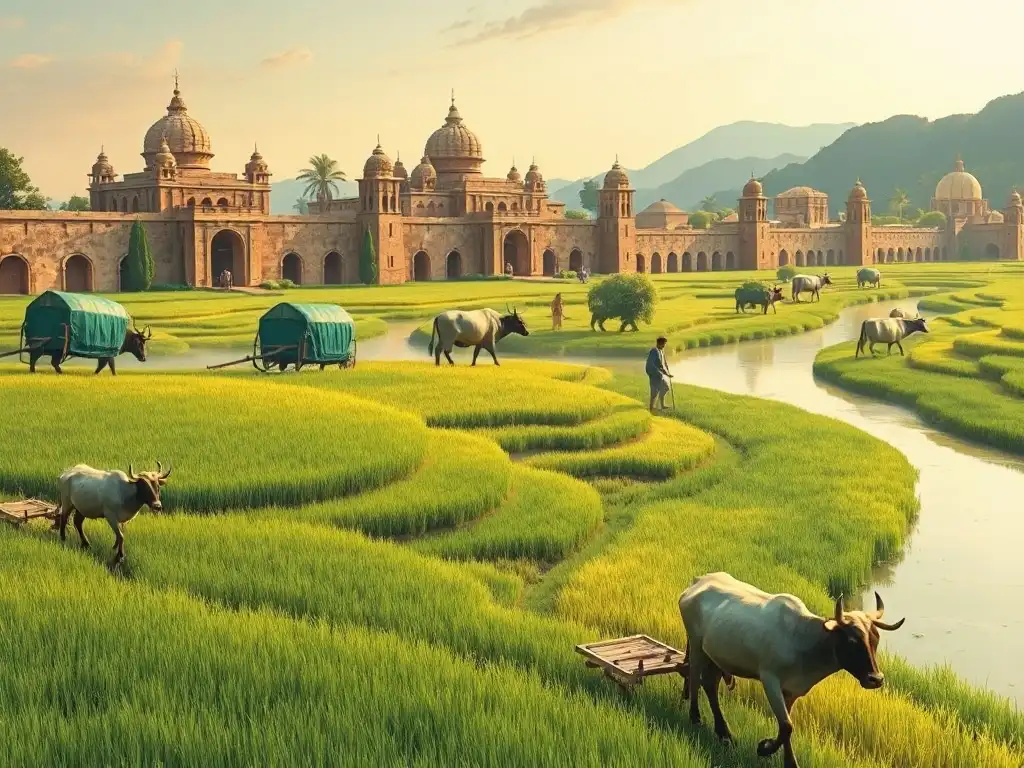
The Indus Valley Civilization (IVC), one of the world’s earliest urban cultures, flourished around 2500 BCE in the northwestern regions of South Asia, primarily in present-day Pakistan and northwest India. It is renowned for its advanced urban planning, sophisticated drainage systems, and remarkable craftsmanship. This civilization offers a rich tapestry of history, showcasing not only its impressive architecture but also its agricultural practices, which were crucial for sustaining its populous cities.
Overview of the Indus Valley Civilization
The IVC was characterized by well-planned cities such as Harappa and Mohenjo-Daro, which featured grid layouts, standardized fired-brick buildings, and public baths. The society thrived due to its strategic location near the fertile plains of the Indus River, allowing for productive agriculture. The civilization's economy was primarily agrarian, supported by a variety of crops including wheat, barley, and cotton.
The people of the Indus Valley implemented innovative irrigation techniques that facilitated the growth of these crops. Archaeological findings suggest that they used canals and reservoirs to manage water resources effectively, which was critical given the seasonal variability of the monsoon rains. The Indus Valley sustainable agriculture practices not only contributed to the civilization's durability but also set a precedent for future agricultural methods in the region.
Importance of Agriculture in Ancient Civilizations
Agriculture has always been a cornerstone of human civilization, with its development marking a significant transition from nomadic lifestyles to settled societies. In ancient civilizations, agriculture was essential for several reasons:
- Food Security: Reliable crop production ensured a stable food supply, which was vital for the survival of growing populations.
- Economic Stability: Surplus production allowed for trade, leading to economic prosperity and the rise of complex societies.
- Social Structure: Agricultural practices influenced social hierarchies and labor divisions, as different roles emerged within farming communities.
- Cultural Development: Agricultural cycles shaped religious and cultural practices, as communities celebrated harvests and fertility.
In the context of the IVC, the ability to cultivate crops efficiently contributed to the civilization's longevity and cultural richness, allowing it to flourish for centuries.
The Role of Sustainable Practices in Indus Valley Agriculture
Sustainable agriculture practices in the Indus Valley were vital for maintaining the ecosystem and ensuring the long-term viability of agricultural production. The following methods illustrate how the IVC exemplified sustainable agriculture:
- Crop Diversification: The cultivation of multiple crops, such as legumes alongside cereals, improved soil fertility and reduced vulnerability to pests and diseases.
- Water Management: The IVC's sophisticated irrigation systems minimized water wastage and maximized the efficiency of water use. Techniques such as rainwater harvesting and the construction of reservoirs supported agricultural activities during dry periods.
- Soil Fertility: The use of organic matter, such as animal manure and compost, enhanced soil health, reducing the need for chemical fertilizers and promoting sustainable farming practices.
- Community Involvement: Agricultural practices were often communal, fostering cooperation among farmers and ensuring equitable resource distribution. This social approach contributed to the sustainability of agricultural practices over generations.
The sustainable agriculture practices of the Indus Valley Civilization not only ensured food security but also maintained ecological balance, providing a model for future agricultural systems. The legacy of these practices continues to be relevant today, as modern agricultural systems seek to integrate sustainability with productivity.
The IVC’s approach to agriculture, characterized by sustainable methods, serves as an invaluable reference for contemporary societies striving for food security while respecting ecological systems.
Key Features of Indus Valley Sustainable Agriculture
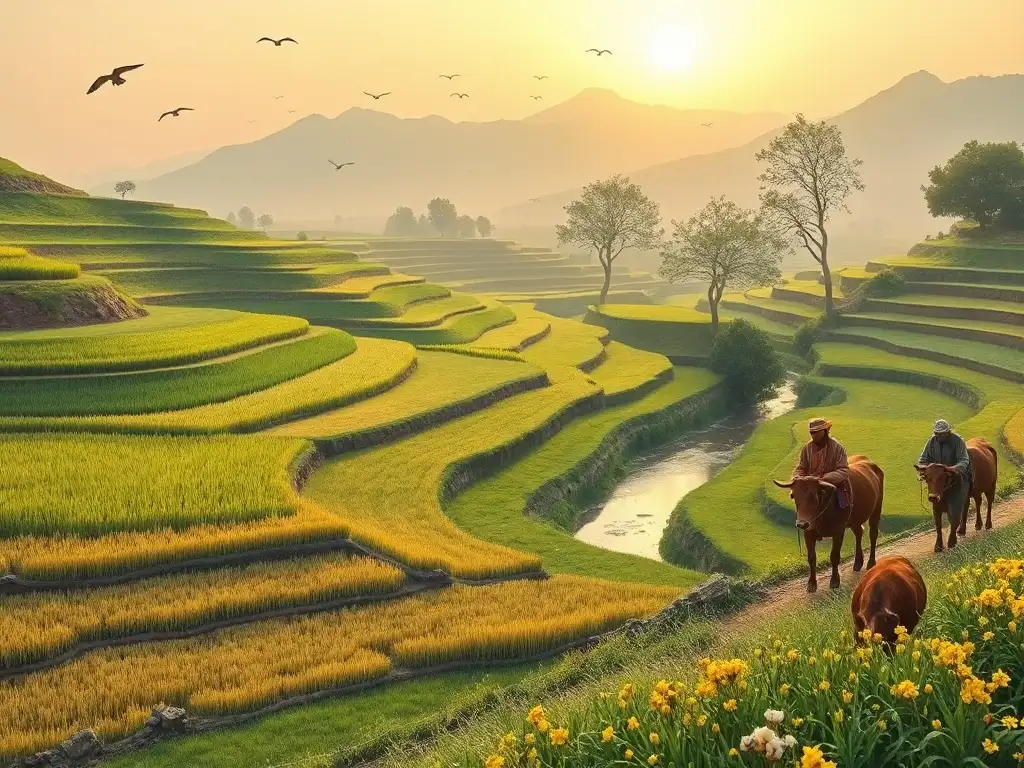
The Indus Valley Civilization (IVC), flourishing around 3300 to 1300 BCE, is renowned for its impressive achievements in urban planning, trade, and agriculture. Among its contributions, the sustainable agricultural practices developed by the Indus Valley inhabitants stand out as a model for modern agricultural methodologies. This section delves into the key features of their sustainable agricultural practices, focusing on advanced irrigation techniques, crop diversification, and soil management.
Advanced Irrigation Techniques
The Indus Valley Civilization is distinguished by its sophisticated irrigation systems, which played a pivotal role in enhancing agricultural productivity.
- Canal Systems: The people of the IVC constructed extensive canal networks that diverted water from rivers, particularly the Indus and its tributaries, to their fields. These canals ensured a reliable water supply, especially during dry seasons, thereby optimizing crop growth.
- Wells and Reservoirs: In addition to canals, the civilization developed wells and large reservoirs to store rainwater and river water. This practice not only provided water during drier periods but also supported the cultivation of crops in areas that would otherwise be unproductive.
- Sluice Gates: The use of sluice gates allowed farmers to control the flow of water into their fields. This innovation minimized water wastage and ensured that crops received adequate hydration, thus enhancing sustainability.
These advanced irrigation techniques ensured that agriculture could flourish in the arid regions of the Indus Valley, demonstrating a deep understanding of environmental management.
Crop Diversification and Rotation
Another essential aspect of Indus Valley sustainable agriculture was the practice of crop diversification and rotation, which significantly contributed to soil health and agricultural resilience.
- Diverse Crop Cultivation: The farmers of the IVC grew a variety of crops, including wheat, barley, peas, and cotton. This diversity not only provided a range of food sources but also reduced the risk of crop failure due to pests or changing climate conditions.
- Crop Rotation: Evidence suggests that the Indus Valley farmers practiced crop rotation, allowing different crops to be planted in succession. This method enriched the soil by preventing nutrient depletion and reducing the buildup of pathogens and pests in the soil.
- Leguminous Crops: The introduction of leguminous crops, which fix nitrogen in the soil, played a crucial role in maintaining soil fertility. This practice ensured that the fields remained productive over longer periods without the heavy reliance on chemical fertilizers.
By employing these strategies, the Indus Valley Civilization not only achieved food security but also fostered ecological balance, making their agricultural practices sustainable.
Soil Management Practices
Soil health is a cornerstone of sustainable agriculture, and the Indus Valley Civilization implemented several effective soil management practices.
- Organic Matter Utilization: The people of the IVC recognized the importance of organic matter in enhancing soil fertility. They likely practiced composting and the incorporation of crop residues back into the soil, which improved soil structure and nutrient content.
- Terracing: In certain areas, terracing was employed to reduce soil erosion and manage water runoff. This technique allowed for the cultivation of slopes and improved the retention of water and nutrients in the soil.
- Natural Fertilizers: The use of natural fertilizers derived from animal manure and plant materials was common. These practices not only enhanced soil fertility but also minimized the environmental impact associated with synthetic fertilizers.
Through these soil management practices, the Indus Valley Civilization demonstrated an advanced understanding of sustainable agriculture, ensuring the long-term viability of their farming systems.
The Indus Valley's sustainable agriculture practices, characterized by advanced irrigation techniques, crop diversification, and effective soil management, offer valuable lessons for contemporary agricultural strategies, particularly in the face of environmental challenges. The legacy of the Indus Valley Civilization continues to inspire and inform sustainable practices in agriculture today.
Agricultural Tools and Technologies Used
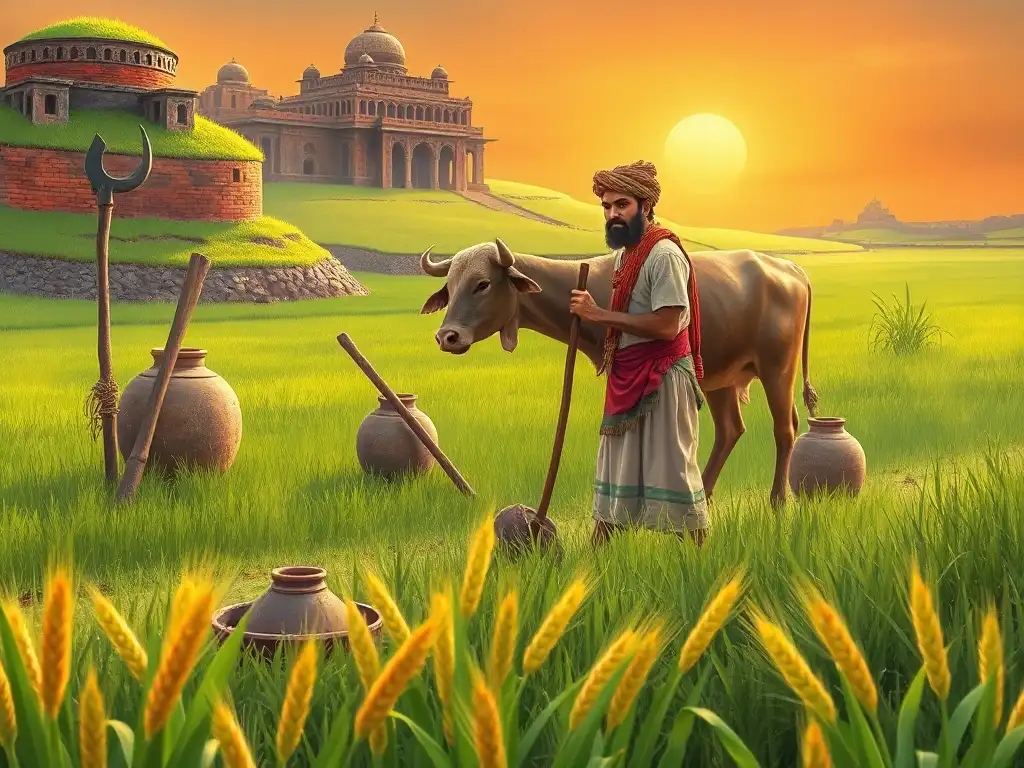
Overview of Agricultural Implements
The Indus Valley Civilization (IVC), which flourished around 2500 BCE in present-day Pakistan and northwest India, is renowned for its advanced agricultural practices. The farmers of this ancient civilization utilized a variety of agricultural tools and implements that were pivotal for cultivating crops efficiently in the fertile plains of the Indus River.
Key Implements:
- Plows:
- Made primarily from wood, these plows were simple yet effective. They allowed for the turning of soil, which enhanced aeration and nutrient distribution. Evidence suggests that the IVC farmers used both single and possibly multiple-tined plows, indicating an understanding of different farming needs.
- Sickles:
- Used for harvesting crops like wheat and barley, sickles were crafted with curved blades that made it easier to cut through dense stalks. This tool reflects the agricultural efficiency and the importance of grain production in IVC society.
- Mortars and Pestles:
- Essential for processing grains, these tools facilitated the grinding of harvested crops into flour, showcasing the civilization's advancements in food preparation.
- Irrigation Tools:
- The IVC is noted for its sophisticated irrigation systems, including canals and water storage facilities. Tools for managing water flow were crucial, demonstrating their understanding of hydrology and its impact on agriculture.
Innovations in Farming Techniques
The agricultural methods adopted by the Indus Valley Civilization reveal a sophisticated understanding of sustainable practices that can serve as a model even today.
Crop Rotation and Diversity
One significant innovation was the practice of crop rotation. By alternating different crops, farmers were able to maintain soil fertility and reduce the risk of pest infestations. This technique allowed for the cultivation of diverse crops such as:
- Wheat
- Barley
- Rice
- Cotton
Addressing Soil Fertility
Farmers in the IVC also recognized the importance of soil health. They implemented various practices to enhance fertility, including:
- Fallowing: Leaving land uncultivated for periods to restore its nutrient content.
- Intercropping: Growing different crops in proximity to promote biodiversity and mitigate the effects of pests.
Use of Natural Fertilizers and Pest Control
Sustainability in agriculture during the Indus Valley Civilization extended beyond mere cultivation techniques; it encompassed the careful management of soil health through the use of natural fertilizers and pest control measures.
Natural Fertilizers
Indus Valley farmers utilized organic matter to enrich their soil, relying on materials such as:
- Animal Manure: Rich in nutrients, manure was spread over fields to improve soil quality.
- Compost: Decomposed organic materials were created to provide a slow-release source of nutrients for crops.
Pest Management Strategies
To protect their crops from pests, the farmers employed various natural pest control methods. Some of these included:
- Companion Planting: Certain plants were grown alongside crops to deter pests naturally. For example, marigolds were known to repel nematodes.
- Biological Control: Encouraging natural predators of common pests, such as birds, helped maintain ecological balance and reduce the reliance on chemical pesticides.
These agricultural practices of the Indus Valley Civilization not only highlight their innovative approaches but also serve as an enduring example of sustainable agriculture that resonates with modern ecological principles. By combining traditional knowledge with practical application, the IVC laid the groundwork for agricultural sustainability that is still relevant today.
Case Studies of Sustainable Farming in the Indus Valley
Urban Planning and Agricultural Integration
The Indus Valley Civilization (IVC), which thrived between 3300 and 1300 BCE, is renowned for its advanced urban planning that seamlessly integrated agricultural practices into city life. Major cities such as Harappa and Mohenjo-Daro exemplify how the civilization's urban design was meticulously aligned with the agricultural landscape.
- Centralized Urban Layout: The cities featured grid patterns that allowed for efficient drainage systems and water management, essential for supporting agriculture.
- Water Management Systems: The use of wells, reservoirs, and sophisticated drainage systems showcases the IVC's understanding of hydrology. These systems ensured that agricultural fields received adequate irrigation, even during dry spells.
- Zoning for Agriculture: Fields were often located on the outskirts of urban centers, allowing for easy access to markets while also minimizing the impact of urban pollution on crops.
The integration of urban planning with agriculture not only maximized land use but also paved the way for sustainable practices that would benefit the community as a whole.
Evidence from Archaeological Sites
Archaeological excavations across the sites of the Indus Valley have uncovered significant evidence supporting the Indus Valley sustainable agriculture model. This evidence indicates a sophisticated understanding of agricultural techniques that emphasized sustainability.
- Crop Diversity: Findings suggest that the IVC cultivated a variety of crops, including wheat, barley, and pulses. This crop diversity enhanced soil health and reduced the risk of total crop failure.
- Farming Techniques: The use of plows and irrigation channels indicates advanced farming techniques. The presence of granaries further suggests a system of storage that allowed for surplus production, which could be utilized during lean seasons.
- Soil Management: Evidence of crop rotation and the application of organic fertilizers, such as animal dung, shows an early understanding of soil health and fertility management. This practice is crucial in sustainable agriculture to prevent soil degradation.
These archaeological findings highlight how the Indus Valley Civilization not only prioritized agricultural productivity but also maintained ecological balance through thoughtful practices.
Comparison with Contemporary Sustainable Practices
When comparing the Indus Valley sustainable agriculture practices with contemporary sustainable methods, several parallels emerge that underscore the timelessness of these ancient techniques.
- Permaculture Principles: The IVC's emphasis on crop diversity is akin to modern permaculture principles that advocate for planting various crops to enhance biodiversity and resilience.
- Water Conservation Techniques: The water management strategies of the IVC resonate with contemporary practices focused on rainwater harvesting and drip irrigation, both of which aim to use water resources more efficiently.
- Organic Farming: The IVC's use of organic fertilizers mirrors today's organic farming movement, which seeks to reduce reliance on chemical inputs and promote soil health through natural means.
| Aspect | Indus Valley Practices | Contemporary Practices |
|---|---|---|
| Crop Diversity | Wheat, barley, pulses | Mixed cropping, polyculture |
| Water Management | Wells, drainage systems | Rainwater harvesting, drip irrigation |
| Soil Fertility | Organic fertilizers, crop rotation | Organic farming, cover cropping |
The sustainable agriculture practices of the Indus Valley Civilization provide a rich framework that modern societies can learn from. By analyzing these practices, we can uncover valuable insights into creating agricultural systems that are both productive and environmentally sustainable.
Lessons from the Indus Valley for Modern Agriculture
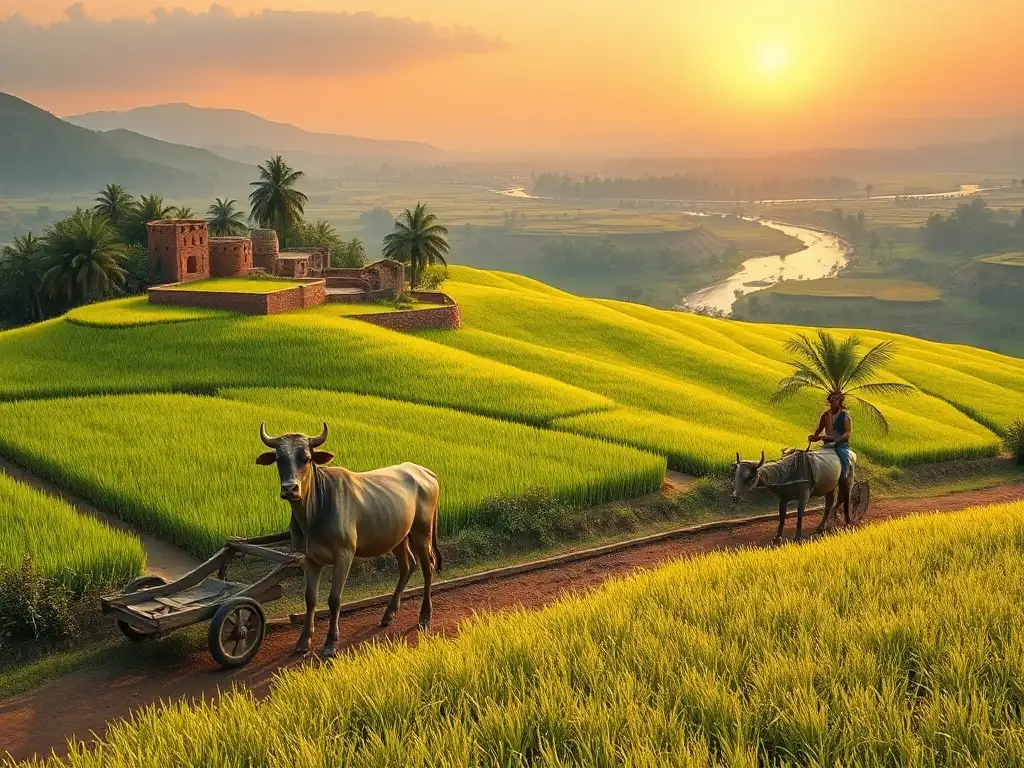
The Indus Valley Civilization (IVC), which thrived between 3300 BCE and 1300 BCE, is renowned for its advanced urban planning and agricultural practices. This civilization provides valuable lessons for contemporary agriculture, particularly in the realm of sustainability. By examining the agricultural strategies employed by the IVC, we can derive insights that are applicable in today's efforts to cultivate food sustainably while preserving environmental health.
Relevance of Indus Valley Sustainable Practices Today
The agricultural techniques of the Indus Valley were remarkably sophisticated and environmentally conscious. The civilization utilized a variety of sustainable practices that resonate strongly in today’s context of climate change and resource depletion.
- Crop Diversification: The IVC cultivated multiple crops including wheat, barley, peas, and cotton. This practice not only enhanced food security but also reduced the risk of crop failure due to pests or diseases. Modern agriculture can benefit from this diversification approach by integrating a wider range of crops into farming systems, thus promoting resilience against climate variability.
- Water Management: The Indus Valley's complex irrigation systems included canals and reservoirs that optimized water usage. These structures allowed farmers to efficiently manage their water resources, crucial in a region where seasonal monsoons dictated agricultural viability. Today, similar techniques can be employed to conserve water and mitigate the effects of droughts, especially in arid and semi-arid regions.
- Soil Fertility Management: The IVC farmers practiced crop rotation and intercropping, which helped in maintaining soil fertility and structure. By alternating crops that require different nutrients, they reduced soil depletion. Modern sustainable agriculture can adopt these methods to maintain healthy soils and reduce the need for chemical fertilizers.
Adapting Ancient Techniques to Modern Challenges
To effectively tackle contemporary agricultural challenges, such as climate change and soil degradation, adaptation of ancient techniques from the IVC is essential.
- Permaculture Principles: The IVC's practices align closely with modern permaculture principles, which emphasize working with nature rather than against it. Implementing permaculture can reduce reliance on synthetic inputs and promote a self-sustaining agricultural ecosystem.
- Community-Based Approaches: The social structures in the IVC facilitated cooperative farming and shared resources. Reviving community-based agriculture can enhance resilience, allowing farmers to pool resources, knowledge, and labor, which is especially beneficial in facing economic pressures and environmental crises.
- Use of Natural Resources: The IVC's reliance on locally available resources is a lesson for modern agriculture to reduce carbon footprints. By utilizing local seeds, organic fertilizers, and indigenous practices, farmers can create more sustainable systems that are less dependent on global supply chains.
Promoting Biodiversity and Soil Health
Biodiversity and soil health were central to the agricultural success of the Indus Valley. Their holistic approach can inspire current agricultural practices aimed at enhancing these crucial elements.
- Agroforestry: The integration of trees into agricultural landscapes can mimic the natural ecosystems seen in the IVC. This approach not only enhances biodiversity by providing habitats for various species but also improves soil health through the addition of organic matter and nutrients.
- Cover Cropping: The use of cover crops is a technique that can be traced back to ancient practices. Cover crops can prevent soil erosion, suppress weeds, and improve soil fertility. This practice is vital for maintaining sustainable agriculture, especially in regions facing severe erosion and nutrient loss.
- Integrated Pest Management (IPM): The IVC’s natural pest control methods underscore the importance of maintaining ecological balance. By promoting beneficial insects and using organic pest control methods, modern farmers can reduce the reliance on chemical pesticides, thus protecting both biodiversity and human health.
The agricultural practices of the Indus Valley Civilization offer a wealth of knowledge that can inform modern sustainable agriculture. By embracing these ancient techniques, we can cultivate a more resilient, productive, and environmentally friendly agricultural system. The legacy of the Indus Valley serves as a testament to the potential of sustainable practices in ensuring food security for future generations.
Challenges Faced by the Indus Valley Civilization
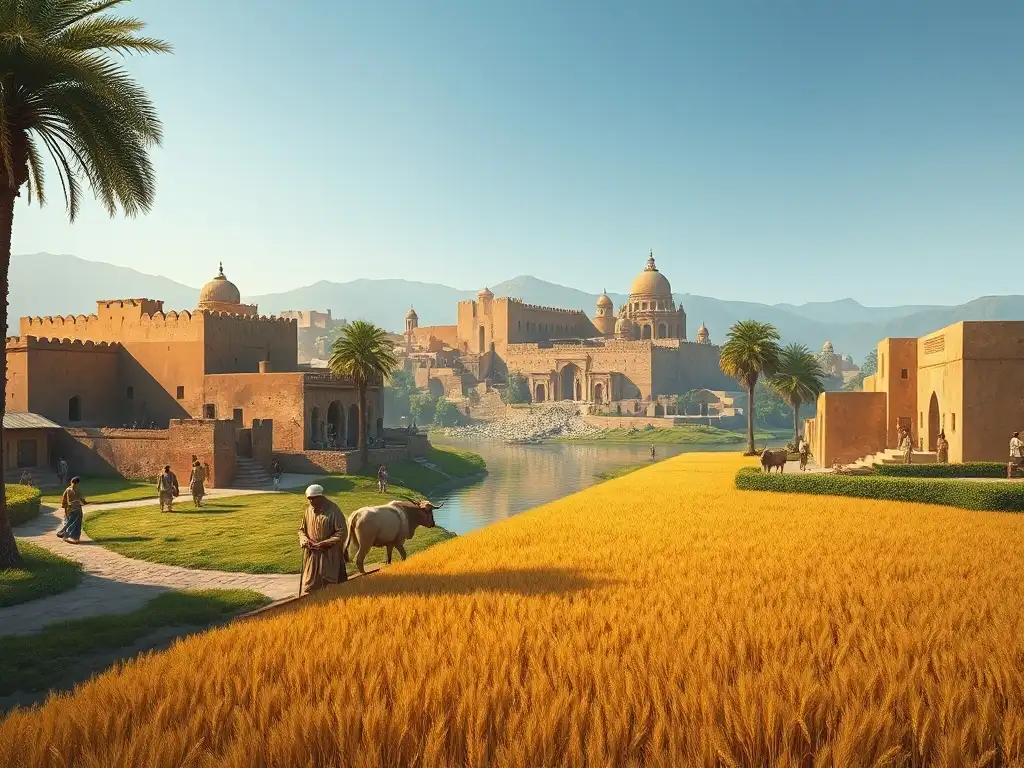
The Indus Valley Civilization (IVC), one of the world's earliest urban cultures, was notable for its advanced agricultural practices. However, despite its achievements, the civilization faced several challenges that impacted its agricultural sustainability. Understanding these challenges provides insight into how the IVC adapted to maintain its agricultural productivity and the eventual decline of this remarkable civilization.
Environmental Changes and Their Impact on Agriculture
Environmental changes played a crucial role in shaping the agricultural practices of the Indus Valley Civilization. The region experienced fluctuations in climate, including variations in rainfall patterns and temperature shifts. These changes had significant consequences for agricultural sustainability.
- Monsoon Variability: The IVC heavily relied on the monsoon for irrigation. Changes in the strength and timing of monsoon rains could lead to either droughts or floods. For instance:
- A weak monsoon could result in water scarcity, affecting crop yields.
- Conversely, excessive rainfall could lead to flooding, damaging crops and eroding soil.
- Soil Degradation: Continuous farming without proper soil management led to degradation. The intensive cultivation of crops like wheat and barley may have exhausted the soil nutrients over time. This degradation resulted in lower agricultural output, forcing farmers to seek alternative methods or new lands.
- River Dynamics: The shifting courses of the Indus River and its tributaries complicated irrigation efforts. Changes in river paths could lead to:
- Disruption of established irrigation systems.
- Altered water availability, affecting crop production.
The combination of these environmental factors necessitated innovative agricultural practices. The IVC's ability to adapt to these challenges is evident in their sophisticated irrigation systems, which included canals and reservoirs designed to manage water resources effectively.
Socio-Economic Factors Affecting Agricultural Sustainability
In addition to environmental challenges, socio-economic factors significantly influenced the agricultural sustainability of the Indus Valley Civilization. These factors included population dynamics, trade relationships, and social organization.
- Population Growth: As the civilization expanded, the increasing population put pressure on agricultural production. More food was needed to sustain larger urban centers, leading to:
- Intensified farming practices that could degrade the land more quickly.
- Greater reliance on irrigation to support larger fields.
- Trade Networks: The IVC established extensive trade networks, which facilitated the exchange of agricultural products and resources. However, reliance on trade also had its downsides:
- Economic dependency on external sources could make the civilization vulnerable to trade disruptions.
- Fluctuations in trade could affect local food supply, leading to food insecurity.
- Social Hierarchy: The social structure of the IVC may have impacted agricultural practices. Wealthier classes could invest in land and technology, while poorer farmers might struggle to sustain their livelihoods, leading to:
- Unequal access to resources, which could affect overall agricultural productivity.
- A potential decline in communal agricultural practices that traditionally supported sustainability.
The interplay of these socio-economic factors, along with environmental challenges, ultimately shaped the agricultural landscape of the Indus Valley Civilization. Despite these adversities, the civilization's innovative approaches to farming laid the groundwork for sustainable agricultural practices that resonate even today. Understanding these challenges helps illuminate the complexities of maintaining agricultural sustainability in ancient civilizations and highlights lessons that can be applied in modern contexts.
Conclusion: The Legacy of Indus Valley Sustainable Agriculture
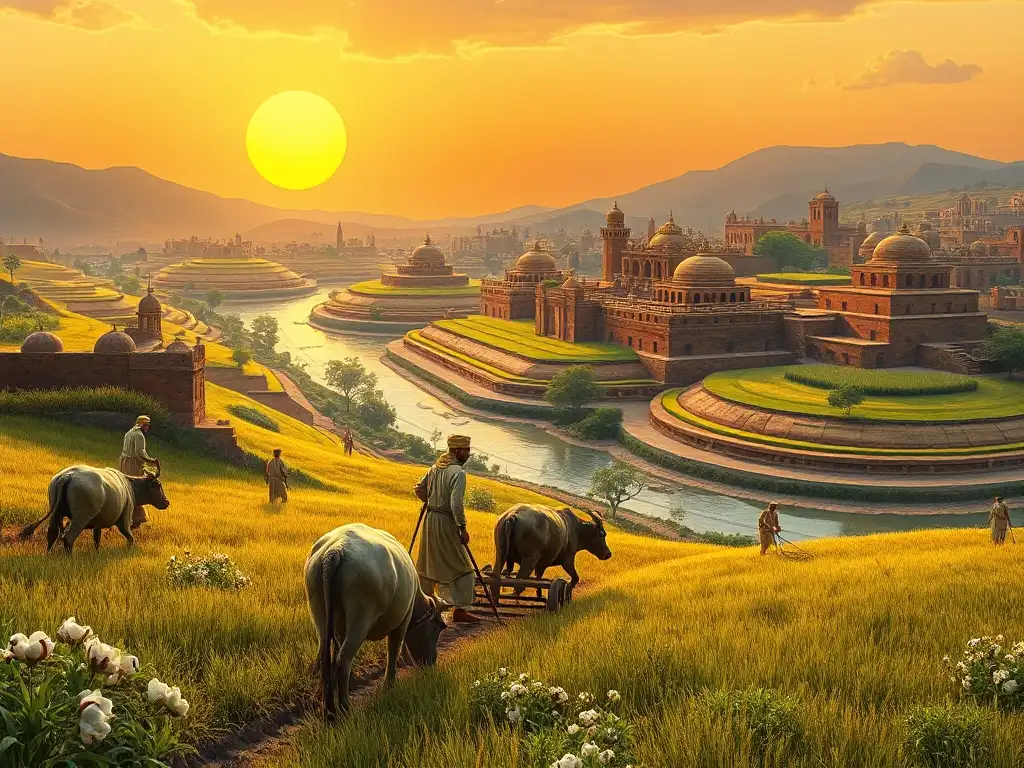
Summary of Key Points
The Indus Valley Civilization (IVC) stands as a remarkable testament to early human ingenuity, particularly in the domain of agriculture. Key points regarding Indus Valley sustainable agriculture include:
- Innovative Irrigation Techniques: The IVC employed advanced irrigation systems, utilizing canals and wells to maximize water efficiency. This method ensured crops received adequate moisture, crucial for farming in semi-arid regions.
- Crop Diversity: The agricultural practices of the Indus Valley were characterized by a diverse range of crops, including wheat, barley, and pulses. This diversity not only improved food security but also contributed to soil health.
- Soil Management: The IVC farmers practiced crop rotation and other soil conservation techniques, enhancing soil fertility and preventing degradation, which are essential principles of sustainable agriculture today.
- Community-Based Agriculture: The organization of agricultural activities within the IVC reflects a community-oriented approach, emphasizing cooperation and collective effort, which can serve as a model for modern sustainable practices.
The Importance of Learning from Ancient Agricultural Practices
Understanding and integrating the agricultural wisdom of the Indus Valley Civilization into contemporary practices is crucial for several reasons:
- Adaptation to Climate Challenges: The IVC's methods were developed in response to their local environment, showcasing adaptability. As modern agriculture faces climate change, learning from these ancient practices can offer insights into resilient farming strategies.
- Resource Conservation: The IVC prioritized resource efficiency, particularly regarding water use. As water scarcity continues to be a pressing issue globally, adopting similar sustainable practices can help mitigate this challenge.
- Promoting Biodiversity: The crop diversity seen in the IVC highlights the importance of biodiversity in agriculture. Modern practices that emphasize monoculture can lead to ecological imbalances, making the IVC model an essential reference for enhancing biodiversity.
- Cultural Significance: Recognizing the cultural heritage of the IVC fosters a deeper appreciation for ancient practices, encouraging communities to reconnect with their agricultural roots and adopt sustainable methods that resonate with their traditions.
Future Directions for Sustainable Agriculture Inspired by the Indus Valley
The legacy of the Indus Valley Civilization provides a foundation upon which future agricultural practices can build. Potential directions include:
- Research on Ancient Techniques: Continued research into the specific methods employed by the IVC can unveil innovative solutions for today's agricultural problems. Studies focusing on their irrigation systems and crop management strategies could inspire modern technologies.
- Integration of Traditional Knowledge: Collaborating with local farmers to integrate ancient wisdom with contemporary practices can lead to the development of sustainable farming models that respect both tradition and modernity.
- Community Engagement: Encouraging community-driven agricultural initiatives can help replicate the cooperative spirit of the IVC, fostering a sense of ownership and responsibility towards sustainable practices.
- Policy Development: Policymakers can draw lessons from the Indus Valley to promote sustainable agriculture through supportive frameworks, funding for research, and education programs that highlight the importance of sustainable practices.
By embracing the principles of Indus Valley sustainable agriculture, we can pave the way for a more resilient and sustainable agricultural future that honors the past while addressing contemporary challenges.
References for Further Reading on Indus Valley Sustainable Agriculture
Recommended Books and Articles
For those interested in delving deeper into the fascinating topic of Indus Valley sustainable agriculture, there are several key texts and articles that provide invaluable insights into the agricultural practices of this ancient civilization:
- "The Indus Valley Civilization: A Historical Perspective" by Jim G. Shaffer
- This book offers a comprehensive overview of the Indus Valley Civilization, emphasizing its agricultural innovations and sustainability practices. Shaffer discusses the environmental adaptation strategies employed by the Indus peoples, making it a vital read for understanding their agricultural legacy.
- "Agricultural Practices in Ancient India" by R. C. Sharma
- Sharma’s work details various agricultural techniques used across ancient Indian civilizations, with specific chapters dedicated to the methods employed in the Indus Valley. The author examines crop rotation, irrigation systems, and soil management practices, highlighting their sustainability.
- "Indus Valley Civilization: The Life and Times" by Jagat Pati Joshi
- This book explores the socio-economic aspects of the Indus Valley Civilization, including a detailed analysis of agricultural practices. Joshi's research sheds light on how these practices contributed to the longevity and sustainability of the civilization.
- "Sustainable Agriculture in India: A Historical Perspective" by A. K. Singh
- Singh provides a broader context of sustainable agriculture in India, tracing back to the Indus Valley era. The book discusses ancient techniques that laid the groundwork for modern sustainable agriculture practices.
Online Resources and Documentaries
In addition to books and articles, several online resources and documentaries can enhance your understanding of Indus Valley sustainable agriculture:
- The Archaeological Survey of India (ASI) Website
- The ASI site provides extensive research papers, excavation reports, and articles focused on the agricultural practices of the Indus Valley Civilization. It serves as a scholarly platform for those seeking to explore archaeological findings.
- "The Lost Civilization of the Indus Valley" (Documentary)
- This documentary presents a detailed exploration of the Indus Valley Civilization, including its innovative agricultural practices. It combines expert interviews with archaeological evidence, making it an engaging visual resource.
- YouTube Channels: Ancient History Encyclopedia and TED-Ed
- Both channels feature videos discussing the sustainability aspects of ancient civilizations, including the agricultural methods of the Indus Valley. They provide concise, informative content that can be easily accessed for quick learning.
- ResearchGate and Academia.edu
- These platforms host a plethora of scholarly articles and research papers on the Indus Valley Civilization’s agricultural practices. You can find studies conducted by researchers that focus on the sustainability of agriculture in the region, providing a contemporary perspective on ancient techniques.
By exploring these resources, readers can gain a deeper appreciation for the agricultural ingenuity of the Indus Valley Civilization and its relevance to modern sustainable practices.
Frequently Asked Questions
What was the significance of the Indus Valley Civilization in sustainable agriculture?
The Indus Valley Civilization is known for its advanced agricultural techniques, such as crop rotation and irrigation, which laid the groundwork for sustainable farming practices that can still be relevant today.
How did the Indus Valley implement irrigation systems?
The Indus Valley featured sophisticated irrigation systems that used canals and reservoirs to effectively manage water resources, allowing for increased crop yields and supporting a growing population.
What crops were primarily grown in the Indus Valley?
Farmers in the Indus Valley primarily cultivated wheat, barley, peas, and cotton, showcasing an early understanding of diverse crop cultivation which is essential for sustainable agriculture.
How did the Indus Valley Civilization contribute to modern agricultural practices?
The Indus Valley Civilization set a precedent for sustainable agriculture by emphasizing the importance of water management and crop diversity, principles that continue to inform today’s agricultural strategies.
What lessons can contemporary societies learn from Indus Valley agriculture?
Contemporary societies can learn about the importance of resource management, crop rotation, and biodiversity from Indus Valley agriculture, which can enhance sustainability in modern farming practices.
Final Reflection: The Indus Valley Civilization's Legacy in Sustainable Agriculture
The lessons from the Indus Valley Civilization resonate profoundly in today's world, where the urgency for sustainable agriculture practices has never been greater. As we grapple with climate change, resource depletion, and food security, the innovative agricultural techniques of the Indus Valley serve as a beacon of hope and a model for contemporary practices. Their ability to harmonize with the environment demonstrates that sustainability is not just a modern concept but a timeless necessity.
The influence of the Indus Valley's agricultural practices continues to shape our understanding of sustainability in the cultural and social landscape. By integrating crop rotation, irrigation systems, and soil management, they established a framework that not only supported their civilization but also nurtured the land for future generations. Sustainability is about meeting our own needs without compromising the ability of future generations to meet their own.
This quote encapsulates the essence of the Indus Valley's approach, reminding us that our agricultural practices today must be rooted in respect for the earth and its resources.
As we reflect on the enduring legacy of the Indus Valley Civilization, I invite you to consider how you can incorporate sustainable practices into your own life. Think about the choices you make in your daily routine—whether it's supporting local farmers, reducing waste, or advocating for sustainable policies. Each small action contributes to a larger movement towards a more sustainable future, echoing the wisdom of those who came before us. Let us honor their legacy by committing to practices that ensure the health of our planet for generations to come.
Embrace Sustainable Practices Inspired by the Indus Valley!
Thank you for taking the time to explore the fascinating world of the Indus Valley Civilization and its groundbreaking agricultural techniques. By understanding their sustainable practices, you've gained valuable insights into how we can nurture our environment today. Now, let's take that knowledge and put it into action!
Here are a few steps you can take to connect with this ancient wisdom and foster sustainability in your life:
- Start your own mini garden using permaculture principles inspired by the Indus Valley. This could be as simple as growing herbs on your windowsill or collaborating with neighbors to create a community garden.
- Implement water conservation methods by setting up a rainwater harvesting system at your home. This is a fantastic way to reduce water usage while gaining insight into ancient techniques!
- Share your journey with others by organizing workshops or discussions focused on sustainable practices inspired by ancient civilizations. Engaging your community can foster awareness and collective action.
How will you incorporate the sustainable wisdom of the Indus Valley Civilization into your everyday life? Join the conversation below!