
The Evidence of Early Medical Practices in the Indus Valley Civilization

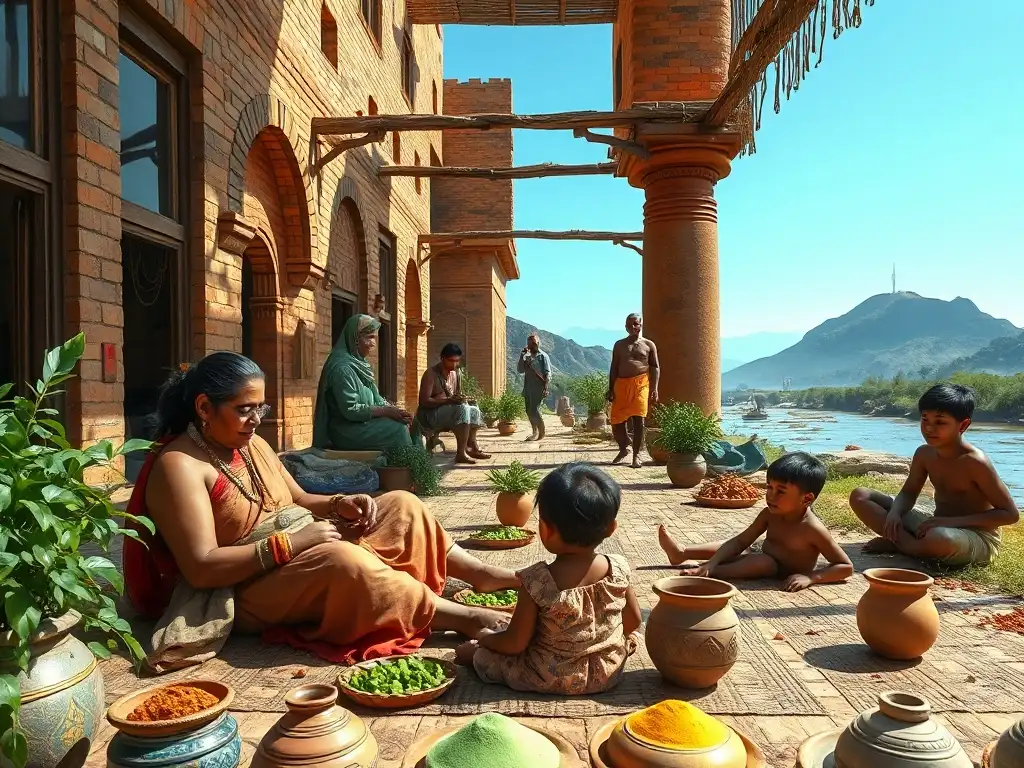
Welcome to Ancient India History, where we embark on a fascinating journey through the rich tapestry of ancient Indian civilizations. Our exploration begins with the groundbreaking article on "The Evidence of Early Medical Practices in the Indus Valley Civilization." Delve into the remarkable insights of how early practitioners laid the foundations for holistic healing and medical knowledge that resonate even today.
As you navigate through the intricate details of these ancient medical practices, you'll uncover the profound impact they had on the development of healthcare not just in India, but across the world. Get ready to ignite your curiosity and deepen your understanding of a civilization that was truly ahead of its time!
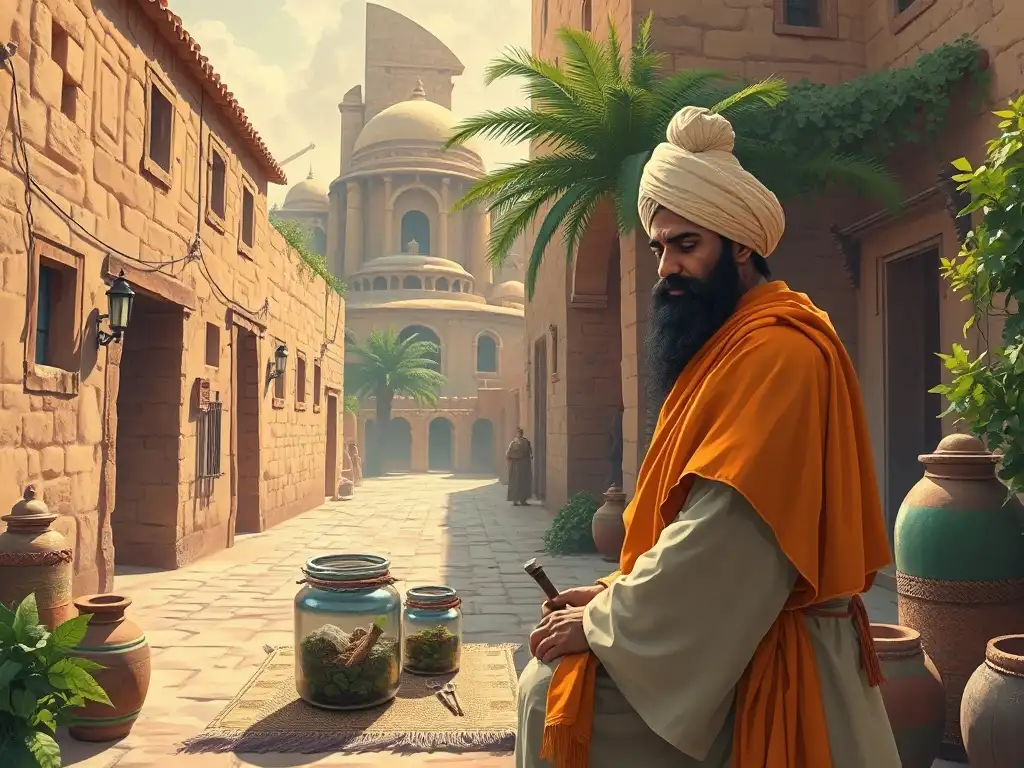
Introduction to Ancient Indian Medical Practices
The exploration of ancient Indian medical practices reveals a complex tapestry of knowledge and wisdom that has evolved over thousands of years. Among the earliest evidence of these practices can be traced back to the Indus Valley Civilization (IVC), which thrived between approximately 3300 BCE and 1300 BCE. This civilization, known for its advanced urban planning and sophisticated societal structures, also harbored a rich understanding of health and medicine.
From intricate surgical tools to evidence of medicinal plants, the remnants of IVC offer invaluable insights into the origins of ancient Indian medical practices. Understanding these practices not only sheds light on the health systems of the past but also informs our perspective on the evolution of medicine in India.
Overview of Medical Practices in Ancient India
Ancient Indian medical practices were deeply intertwined with the cultural, spiritual, and philosophical paradigms of the time. The Ayurveda system, which emerged later, draws upon concepts that likely find their roots in earlier traditions. Key elements in these practices included:
- Natural Remedies: Use of herbs and plants for treatment.
- Surgical Techniques: Evidence suggests that advanced surgical procedures were performed.
- Holistic Approaches: Emphasis on the balance of body, mind, and spirit.
The findings from archaeological sites such as Mohenjo-Daro and Harappa highlight the sophisticated understanding of health that existed in the IVC, including organized public health systems and sanitation.
Importance of Studying Indus Valley Civilization Health Systems
Studying the health systems of the Indus Valley Civilization is crucial for several reasons:
- Cultural Insights: It provides a glimpse into the daily lives and beliefs of ancient Indians.
- Medical Heritage: Understanding early practices contributes to the knowledge base of traditional medicine, including Ayurveda.
- Public Health Systems: The advanced sanitation and water management systems of the IVC serve as early examples of public health infrastructure.
By exploring these facets, we gain a deeper appreciation of the sophistication and relevance of ancient Indian medical practices, influencing modern health systems.
Historical Context of the Indus Valley Civilization
The historical context of the Indus Valley Civilization is essential to comprehend the development of its medical practices. Spanning a vast area that included present-day Pakistan and northwest India, the IVC was characterized by its advanced urban centers, trade networks, and cultural innovations.
Timeline of the Indus Valley Civilization
- 3300 BCE: Emergence of the Indus Valley Civilization.
- 2600 BCE: Peak of urban planning and development, with cities like Harappa and Mohenjo-Daro.
- 1900 BCE: Decline of the civilization, leading to significant changes in societal structures.
This timeline highlights the evolution of the IVC, during which medical practices were likely established and refined.
Key Features of Indus Valley Society and Culture
The societal structure of the Indus Valley Civilization was marked by:
- Urban Planning: Well-organized cities with drainage systems and public baths, indicating an understanding of hygiene.
- Trade Networks: Extensive trading routes that facilitated the exchange of medical knowledge and resources.
- Artistic Expression: Artifacts reflecting the cultural and spiritual life of the people, showcasing their belief systems, which often influenced their health practices.
These features underscore the sophistication of the IVC and the foundational role it played in shaping the trajectory of ancient Indian medical practices.
Evidence of Medical Practices in the Indus Valley
The Indus Valley Civilization, which thrived between 3300 and 1300 BCE, is renowned for its advanced urban planning, trade systems, and craftsmanship. However, one of the most intriguing aspects of this civilization is its early medical practices. Evidence suggests that the people of the Indus Valley had a sophisticated understanding of health and medicine, which can be inferred from various archaeological findings, written records, and the medical techniques they employed.
Archaeological Discoveries Related to Medicine
Archaeological excavations in key Indus Valley sites, such as Harappa and Mohenjo-Daro, have revealed significant insights into their medical practices. Notably, large-scale public baths, like the Great Bath of Mohenjo-Daro, indicate a focus on hygiene and possibly therapeutic bathing rituals. Additionally, numerous seals with engravings depicting medicinal plants and deities associated with healing suggest that certain plants were revered for their health benefits.
Tools and instruments found in these settlements, such as surgical knives and other implements, point towards advanced surgical practices. The presence of terracotta figurines displaying anatomical features also implies a level of anatomical knowledge that could have been applied in medical practices. Furthermore, the discovery of specific waste management systems indicates an understanding of the importance of sanitation in preventing disease.
Written Records and Texts on Ancient Indian Medicine
While the Indus Valley Civilization predates many known written texts, the continuity of medical knowledge in ancient India can be traced through later texts. The Rigveda, one of the oldest known scriptures, contains hymns that reference healing practices and the use of plants. Additionally, the Atharvaveda includes spells and herbal remedies, showcasing an early integration of spiritual beliefs and medical practices.
Later texts, such as the Charaka Samhita and Sushruta Samhita, compiled around the 1st century CE, draw on the medical knowledge believed to have been developed during the Indus Valley period. These texts detail various medical treatments and surgical procedures, suggesting a legacy of medical understanding that can be linked back to the practices of the Indus Valley Civilization.
Medical Practices and Treatments in the Indus Valley
The medical practices of the Indus Valley were multifaceted, combining empirical knowledge of herbs and anatomy with a spiritual understanding of health. Historical analysis reveals that their approach to medicine was holistic, encompassing physical, mental, and spiritual health.
Herbal Medicine and Natural Remedies
Herbal medicine was a cornerstone of medical treatment in the Indus Valley Civilization. Archaeological evidence indicates that various plants, many of which are still used in traditional Indian medicine today, were cultivated and utilized for their healing properties. For instance, the use of turmeric, known for its anti-inflammatory and antiseptic qualities, and the application of neem leaves for their antibacterial properties have roots in this ancient civilization.
Furthermore, the discovery of storage facilities for medicinal herbs indicates a systematic approach to herbal medicine. The availability of a variety of natural remedies suggests that the people of the Indus Valley had a broad understanding of botany and the pharmacological properties of plants. This knowledge likely informed their daily health practices, with remedies tailored to treat ailments ranging from digestive issues to skin conditions.
Surgical Techniques and Medical Procedures
The surgical practices of the Indus Valley Civilization are particularly remarkable, indicating a sophisticated understanding of anatomy and surgical procedures. Tools found at various archaeological sites, including scalpels and forceps, suggest that surgeries such as trepanation (drilling holes in the skull) were performed.
Additionally, evidence of advanced techniques such as wound suturing and the treatment of fractures has been documented. The strategic use of medicinal herbs during surgical procedures further exemplifies the integration of their botanical knowledge with surgical skills. Although the exact details of these procedures are not thoroughly documented, the artifacts and tools discovered provide a glimpse into the advanced medical practices that characterized this ancient civilization.
The evidence of early medical practices in the Indus Valley Civilization showcases a rich tapestry of knowledge and techniques that laid the groundwork for future developments in ancient Indian medical practices.
Comparison with Other Ancient Civilizations
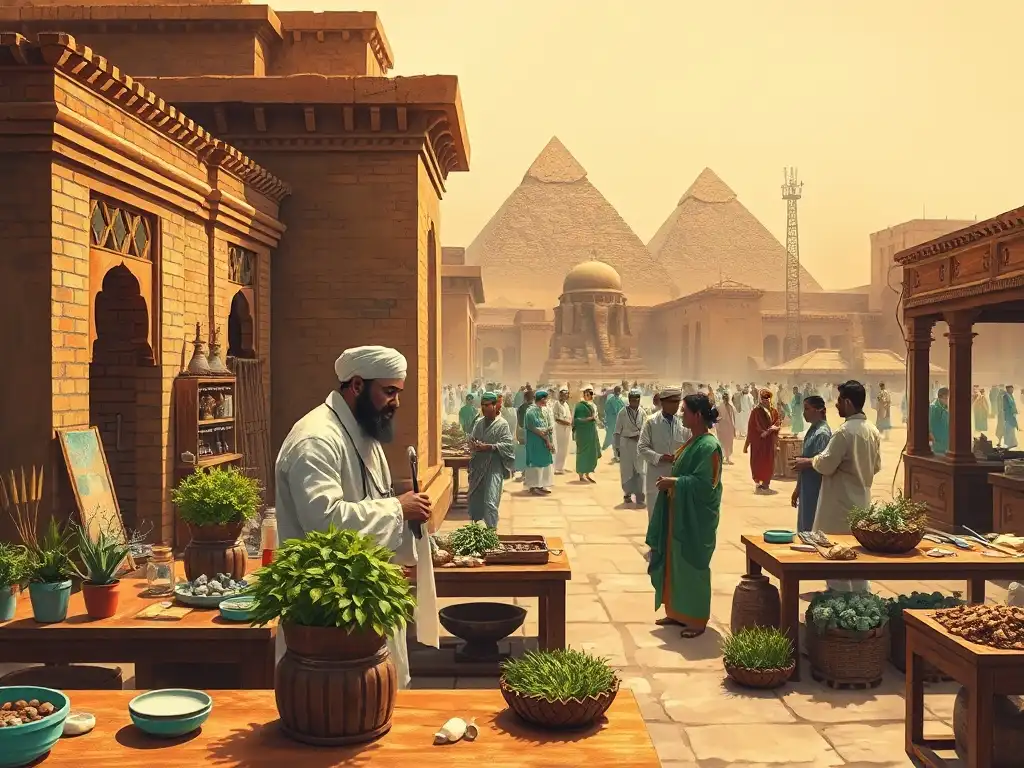
The Indus Valley Civilization (IVC), flourishing between 3300 and 1300 BCE, is renowned for its advanced urban planning, sophisticated drainage systems, and evidence of early medical practices. When compared to other ancient civilizations, such as Egypt and Mesopotamia, the medical practices of the IVC reveal both striking similarities and notable differences. The analysis of these aspects provides insights into the evolution of healthcare and medicine in ancient societies.
Similarities with Ancient Egyptian Medical Practices
Both the Indus Valley and Ancient Egyptian civilizations demonstrated a profound understanding of medicinal plants and their therapeutic properties. Like the Egyptians, who documented their medical knowledge on papyrus scrolls, the people of the IVC utilized seals and scripts that indicate a connection to herbal remedies. Archaeological findings suggest that both civilizations employed various plants for treating ailments, with evidence of practices such as:
- Use of Turmeric and Ginger: Both cultures recognized the anti-inflammatory and antiseptic properties of these herbs.
- Surgical Instruments: Evidence from archaeological sites in both regions reveals the use of surgical tools for procedures such as trepanation, indicating a shared approach to surgery.
- Holistic Approaches: Similar to Egyptian practices, the IVC people likely viewed physical health in conjunction with spiritual well-being, suggesting a comprehensive approach to healing.
These parallels imply a shared understanding of the importance of natural resources and spiritual elements in medical practices, reflecting the interconnectedness of ancient cultures.
Differences in Medical Approaches between Indus Valley and Mesopotamia
While there are similarities in the medical practices of the Indus Valley Civilization and Mesopotamia, key differences set them apart. Mesopotamian medicine was heavily influenced by religious and mythological beliefs, often attributing sickness to supernatural forces. In contrast, the IVC approached medicine with a more empirical perspective. Notable differences include:
- Documentation: Mesopotamians documented their medical knowledge extensively on clay tablets, with a focus on incantations and rituals. The IVC, however, has left limited inscriptions, suggesting that much of their medical knowledge may have been passed down orally or through practical application.
- Practical Applications: While Mesopotamian healers often relied on divine intervention and rituals for treatments, the IVC appears to have emphasized practical remedies and the use of local herbs, reflecting a more scientific approach to health.
- Public Health Infrastructure: The IVC showed advanced public health measures, including sophisticated drainage systems and sanitation, which likely contributed to the overall health of their population, unlike the more rudimentary approaches seen in Mesopotamian cities.
These differences underscore how environmental, cultural, and philosophical contexts shaped medical practices across ancient civilizations.
The Legacy of Indus Valley Medical Practices
The medical practices of the Indus Valley Civilization have not only contributed to the historical understanding of ancient healthcare but have also left a lasting legacy that influences contemporary medical systems.
Influence on Later Indian Medical Systems
The foundations of ancient Indian medical practices, such as Ayurveda, can trace their roots back to the knowledge and techniques developed in the Indus Valley. Elements of IVC medical practices influenced subsequent systems in several ways:
- Herbal Medicine: The emphasis on the use of local plants for healing laid the groundwork for Ayurveda's extensive pharmacopoeia.
- Surgical Techniques: Innovations in surgical procedures, perhaps introduced during the IVC period, were further refined in later Indian medical texts, highlighting the continuity of medical knowledge.
- Holistic Healing: The integration of physical and spiritual health seen in the IVC is mirrored in Ayurvedic practices, which prioritize balance and harmony within the body.
The continuity of these practices illustrates the enduring impact of the IVC on the broader spectrum of Indian medicine as it evolved over centuries.
Continuing Relevance of Ancient Indian Medical Practices Today
The principles and practices established during the Indus Valley Civilization continue to resonate in modern Ayurvedic medicine and holistic health approaches. Today, there is a growing interest in ancient Indian medical practices, with several aspects remaining relevant:
- Natural Remedies: The use of herbal treatments, derived from ancient practices, is gaining recognition for their efficacy and safety in contemporary healthcare.
- Preventative Care: The emphasis on maintaining balance and preventing illness through diet, lifestyle, and mental well-being is central to both ancient and modern approaches to health.
- Integration of Tradition and Modernity: Many practitioners are now blending traditional Indian medical practices with modern medical science, highlighting the adaptability and ongoing relevance of these ancient methods.
The legacy of early medical practices in the Indus Valley Civilization not only informs our understanding of ancient healthcare but also continues to shape contemporary medical practices, establishing a bridge between past and present.
Conclusion
The Indus Valley Civilization, known for its advanced urban planning and sophisticated societal structures, also laid the foundations for early medical practices that have influenced subsequent Indian medicine. The archaeological evidence and historical texts reveal a multifaceted approach to health and healing, highlighting the significance of both herbal remedies and surgical techniques. This civilization's contributions to medical practices not only reflect an understanding of anatomy and disease but also demonstrate a holistic approach to well-being that resonates with modern medical practices.
Summary of Key Findings on Ancient Indian Medical Practices
- Herbal Medicine: The discovery of numerous medicinal plants and herbs in archaeological sites indicates that the people of the Indus Valley utilized a variety of flora for therapeutic purposes. This has paved the way for the extensive use of herbal remedies in traditional Indian medicine, such as Ayurveda.
- Surgical Techniques: Evidence suggests that early practitioners employed surgical procedures, including trepanation, to treat ailments. The skills in surgery observed during this period illustrate the advanced medical knowledge that existed, contributing to the evolution of surgical practices in later Indian medical traditions.
- Medical Tools and Instruments: Artifacts such as scalpels and surgical instruments, which have been unearthed from various sites, suggest an understanding of medical equipment that would be essential for complex procedures. This reflects a level of sophistication in medical practices that was ahead of its time.
- Health and Hygiene Practices: The sophisticated drainage systems and public baths found in the Indus Valley cities emphasize the importance placed on cleanliness and hygiene, which are crucial elements in preventing diseases.
- Integration with Spirituality: The intertwining of medicine with spirituality indicates a holistic approach to health, where physical ailments were often addressed alongside mental and spiritual well-being.
Final Thoughts on the Impact of Indus Valley Medical Practices on Modern Medicine
The medical practices of the Indus Valley Civilization have left a lasting legacy on modern medicine, particularly in the field of traditional healing systems. The emphasis on natural remedies and surgical techniques has influenced various aspects of contemporary healthcare, especially in regions where traditional practices are still prevalent.
Moreover, the holistic approach to health, integrating physical, mental, and spiritual elements, has gained renewed interest in modern wellness paradigms, such as integrative and alternative medicine. As researchers and practitioners continue to explore the rich tapestry of ancient Indian medical practices, it becomes increasingly clear that the foundations laid by the Indus Valley Civilization remain relevant today, providing valuable insights into the importance of a comprehensive approach to health and healing. This historical narrative not only honors the ingenuity of our ancestors but also encourages the preservation and continuation of these ancient practices in our modern world.
- Introduction to Ancient Indian Medical Practices
- Historical Context of the Indus Valley Civilization
- Evidence of Medical Practices in the Indus Valley
- Medical Practices and Treatments in the Indus Valley
- Comparison with Other Ancient Civilizations
- The Legacy of Indus Valley Medical Practices
- Conclusion
- What were the key features of ancient Indian medical practices during the Indus Valley Civilization?
- How did the Indus Valley Civilization influence later medical practices in India?
- What evidence supports the existence of medical practices in the Indus Valley Civilization?
- Were there any specific medical texts or documents from ancient Indian civilizations?
- How did ancient Indian medical practices compare to those in other ancient civilizations?
Frequently Asked Questions
What were the key features of ancient Indian medical practices during the Indus Valley Civilization?
Ancient Indian medical practices included surgical techniques, the use of herbal remedies, and a strong understanding of anatomy. Evidence suggests that practitioners had advanced knowledge of health and hygiene.
How did the Indus Valley Civilization influence later medical practices in India?
The medical practices from the Indus Valley laid the foundation for Ayurveda, which further developed in later periods. This influence is evident in the use of natural remedies and a holistic approach to healthcare.
What evidence supports the existence of medical practices in the Indus Valley Civilization?
Archaeological findings, such as medical tools and sculptures, indicate a sophisticated understanding of medicine. Additionally, the presence of bathhouses suggests a focus on hygiene and health.
Were there any specific medical texts or documents from ancient Indian civilizations?
While specific texts from the Indus Valley are scarce, later civilizations produced significant works like the Sushruta Samhita, which documented surgical procedures and medical theories, building on earlier practices.
How did ancient Indian medical practices compare to those in other ancient civilizations?
Ancient Indian medical practices were notably advanced, particularly in surgery and pharmacology, often surpassing those of contemporaneous civilizations like Egypt and Greece in their holistic approach and emphasis on preventative care.
Final Reflection: The Enduring Legacy of Ancient Indian Medical Practices
The exploration of early medical practices in the Indus Valley Civilization reveals a profound connection between ancient wisdom and contemporary healthcare. As we navigate the complexities of modern medicine, it is crucial to recognize how these ancient practices laid the groundwork for holistic approaches that prioritize both physical and mental well-being. The insights gleaned from this civilization remind us that the roots of medical knowledge often extend far deeper than we might assume, urging us to appreciate the depth of our historical heritage.
Cultural and social landscapes are continually shaped by the medical traditions we inherit, and the Indus Valley Civilization stands as a testament to the sophistication of ancient Indian medical practices. The evidence of surgical techniques, herbal remedies, and an understanding of hygiene reflects a society that valued health and wellness. As we reflect on this legacy, we are reminded of the words of Hippocrates: Healing is a matter of time, but it is sometimes also a matter of opportunity.
This quote resonates deeply as it highlights the importance of seizing the knowledge and practices that have been passed down through generations, ensuring that they continue to inform our understanding of health today.
As we look toward the future, I invite you to reflect on the lessons of ancient Indian medical practices and consider how they can inform your own approach to health and wellness. Embrace the wisdom of the past as you navigate your personal health journey, and let it inspire you to explore holistic methods that honor both body and mind. By integrating these time-tested practices into our lives, we not only pay homage to our ancestors but also pave the way for a more balanced and mindful approach to health in our modern world.
Unveil the Secrets of Ancient Healing!
Thank you for diving into the fascinating world of early medical practices in the Indus Valley Civilization! We hope you’ve gained valuable insights into how these ancient methods shaped health and healing. Now it's time to take what you've learned and explore even further!
Here are some exciting actions you can take right now:
- Explore more: Delve deeper into ancient healing techniques by reading our article on the medicinal plants that were utilized in the Indus Valley. You might be surprised at their relevance in today's health practices!
- Share your thoughts: Connect with fellow history enthusiasts by sharing this article on your social media platforms and sparking a conversation about the significance of early medical practices.
- Discover hands-on experiences: Consider visiting a museum exhibit dedicated to ancient civilizations or enrolling in a workshop that focuses on traditional healing methods.
What insights do you think the modern world can gain from the medical practices of the Indus Valley Civilization? We’d love to hear your thoughts!