
The Social Hierarchy of Indus Valley Civilization: Who Held Power?

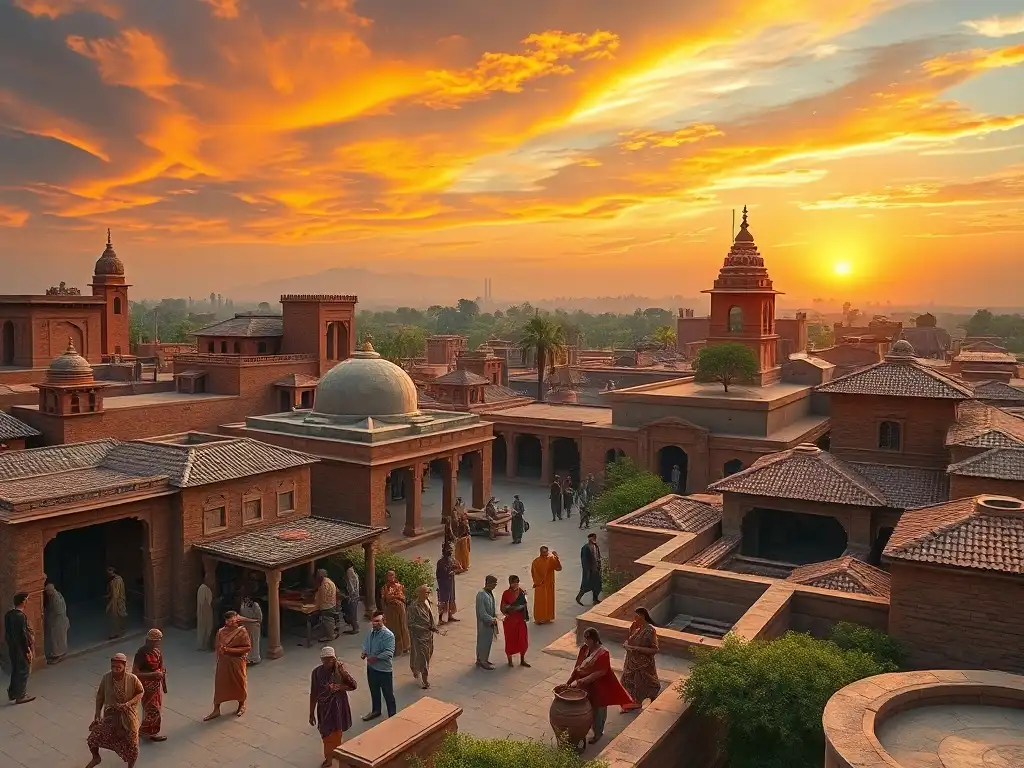
Welcome to Ancient India History, where we embark on a fascinating journey through the rich tapestry of ancient Indian civilizations. Here, we delve deep into the heart of history, culture, and the remarkable contributions that have shaped this vibrant land. In our featured article, we uncover the intriguing layers of the Indus Valley Civilization's social structure, revealing who truly held power in one of the world's earliest urban societies. Prepare to be captivated as we unravel the mysteries of this ancient world—let's explore together!
The Indus Valley Civilization (IVC), one of the world's earliest urban cultures, flourished around 2500 BCE in what is now modern-day Pakistan and northwest India. This civilization is renowned for its advanced city planning, impressive architecture, and sophisticated drainage systems, but equally important is its social structure. Understanding the social hierarchy of the IVC is crucial for deciphering how power, resources, and responsibilities were distributed among its inhabitants. This article delves into the intricate social fabric of the Indus Valley, exploring who held power and how their roles influenced daily life within this ancient society.
Overview of the Indus Valley Civilization
The Indus Valley Civilization was marked by its major urban centers, including Harappa and Mohenjo-Daro, which showcased remarkable architectural and engineering prowess. The civilization thrived on agriculture, trade, and crafts, and its economy was bolstered by extensive trading networks that reached as far as Mesopotamia. The people of the IVC developed a unique script, known as the Indus script, which remains undeciphered to this day.
Key aspects of the IVC include:
- Urban Planning: Cities were meticulously planned with grid patterns and advanced drainage systems.
- Trade and Economy: Evidence of trade with neighboring regions supports a thriving economy.
- Craftsmanship: Artifacts reveal a high level of skill in pottery, metallurgy, and textile production.
Importance of Understanding Social Hierarchies
Examining the social hierarchy of the Indus Valley Civilization is essential for several reasons. It sheds light on how social roles were defined and maintained, the distribution of power and resources, and the cultural values that governed daily life. Understanding these hierarchies allows historians and archaeologists to reconstruct the societal dynamics of the IVC, providing insight into the lives of its people and their interactions with one another.
Characteristics of the Social Hierarchy
The social structure of the Indus Valley Civilization appears to have been relatively complex, though less stratified than some contemporaneous societies. Evidence suggests a class structure that likely included:
- Ruling Elite: Possibly comprising priests and merchants who held significant influence and wealth.
- Artisans and Craftsmen: Skilled workers who contributed to the economy through their trades.
- Farmers and Laborers: The backbone of the society, responsible for agricultural production and manual labor.
While definitive roles in the social hierarchy remain speculative due to limited written records, archaeological findings indicate a degree of social mobility. The existence of elaborate housing and grave goods suggests that wealth and status were not entirely inherited but could be acquired through trade and skill.
Role of Environment in Shaping Society
The environment played a pivotal role in shaping the social structure of the Indus Valley Civilization. The fertile plains of the Indus River facilitated agriculture, which was crucial for supporting a large population. Additionally, the availability of resources, such as clay for pottery and metals for tools, influenced the development of specialized crafts and trade.
Key environmental factors include:
- Agricultural Development: The Indus River's seasonal flooding enriched the soil, allowing for productive farming.
- Trade Routes: Proximity to trade routes fostered connections with other civilizations, facilitating cultural exchange and economic growth.
- Natural Disasters: Evidence of flooding and seismic activity may have influenced settlement patterns and social organization over time.
By understanding the social structure of the Indus Valley Civilization, we can gain a deeper appreciation for the complexities of ancient Indian societies and their enduring legacies.
The social structure of the Indus Valley Civilization showcases a complex hierarchy that played a critical role in shaping its society. This civilization, flourishing from approximately 2500 BCE to 1900 BCE in what is now Pakistan and northwest India, developed a stratified social system, which can be broadly categorized into several major classes. Each class had distinct roles and responsibilities, contributing to the overall functioning and stability of this ancient society.
The major social classes included the elite class, merchants and artisans, farmers and laborers, and servants and slaves. The dynamics between these classes were crucial for trade, agriculture, and everyday life, reflecting a sophisticated societal organization that allowed the Indus Valley Civilization to thrive.
The Elite Class: Who Were They?
The elite class in the Indus Valley Civilization comprised the ruling and wealthy families who held significant power and influence. Evidence suggests that this class likely included priests, political leaders, and affluent landowners. Their authority was reflected in the grand architecture of cities like Harappa and Mohenjo-Daro, which featured elaborate public baths, granaries, and administrative buildings.
Archaeological findings, such as seals and inscriptions, indicate that members of the elite class were involved in trade and had access to luxury goods, which they likely used to display their status. Their power may have stemmed not only from wealth but also from their roles in religious rituals and governance, placing them at the center of both spiritual and political life in the Indus Valley.
The Role of Merchants and Artisans
Merchants and artisans formed a vital middle class within the Indus Valley social structure, facilitating trade and economic growth. They specialized in various crafts, producing goods such as pottery, textiles, and jewelry. Evidence of standardized weights and measures suggests that trade was well-organized, with merchants engaging in extensive commerce both within the civilization and with distant regions, including Mesopotamia.
Artisans were crucial to the economy, creating items that were not only functional but also served as trade commodities. The existence of specialized workshops indicates a division of labor that allowed for increased productivity and innovation. This class contributed significantly to the wealth and cultural development of the Indus Valley Civilization.
Farmers and Laborers: The Backbone of Society
Farmers and laborers represented the largest segment of the population and were essential to the agrarian economy of the Indus Valley. They cultivated crops such as wheat, barley, and cotton, utilizing advanced agricultural techniques and irrigation systems. Their hard work ensured food security for the entire civilization and supported the elite and merchant classes.
Laborers undertook various tasks, from construction to transportation, playing a crucial role in urban development. The agricultural surplus generated by farmers enabled trade and the growth of cities, highlighting the interdependence of these classes within the social hierarchy. Despite their lower status, farmers and laborers were the backbone of society, sustaining the population and economy.
The Position of Servants and Slaves
The presence of servants and slaves in the Indus Valley Civilization indicates a lower tier in the social hierarchy. Servants likely performed domestic duties for the elite, while slaves may have been used for labor in agriculture or construction. The exact nature of slavery in this civilization remains somewhat ambiguous due to limited written records.
Archaeological evidence suggests that while servitude existed, it may not have been as prevalent or brutal as in other ancient civilizations. The social status of servants and slaves was likely subordinate, yet their roles were essential for the functioning of households and the economy. Understanding their position provides insight into the complexities of social dynamics in the Indus Valley.
Power Dynamics within Indus Valley Society
The power dynamics within the Indus Valley Civilization were shaped by various factors, including governance, religion, and gender roles. These dynamics influenced how authority was exercised and how different classes interacted with one another.
Authority and Governance in the Indus Valley
Governance in the Indus Valley Civilization appears to have been organized and centralized, with evidence suggesting a form of administrative authority likely led by the elite class. The existence of large public works, such as drainage systems and granaries, indicates a coordinated effort in urban planning and resource management.
While specific leaders remain unidentified due to the absence of written records documenting political structures, the layout of cities suggests a well-planned society. The distribution of artifacts and remains indicates that authority may have been shared among various leaders or councils, reflecting a collective approach to governance.
The Influence of Religion on Social Hierarchy
Religion played a significant role in shaping the social hierarchy of the Indus Valley Civilization. The elite class, often associated with religious practices, may have used spirituality as a means to legitimize their power. Temples and altars found in archaeological sites indicate that religious rituals were an integral part of public life.
The veneration of deities and participation in communal rituals likely reinforced the social structure, with priests holding esteemed positions within the elite class. This spiritual dimension contributed to the cohesion of society, influencing social norms and values that governed interactions across different classes.
Gender Roles and Status in Indus Society
Gender roles in the Indus Valley Civilization remain a topic of debate among historians and archaeologists. Although evidence is limited, it appears that women held significant responsibilities within households, contributing to both agriculture and craft production. Some artifacts suggest that women may have had a degree of autonomy, engaging in trade and possessing property.
However, the overall status of women in the social hierarchy seems to have been subordinate to men, particularly in governance and religious practices. The dynamics of gender roles were likely complex, reflecting broader societal norms and values that influenced the daily lives of individuals in the Indus Valley Civilization. Understanding these roles provides a deeper insight into the social fabric of this ancient society.
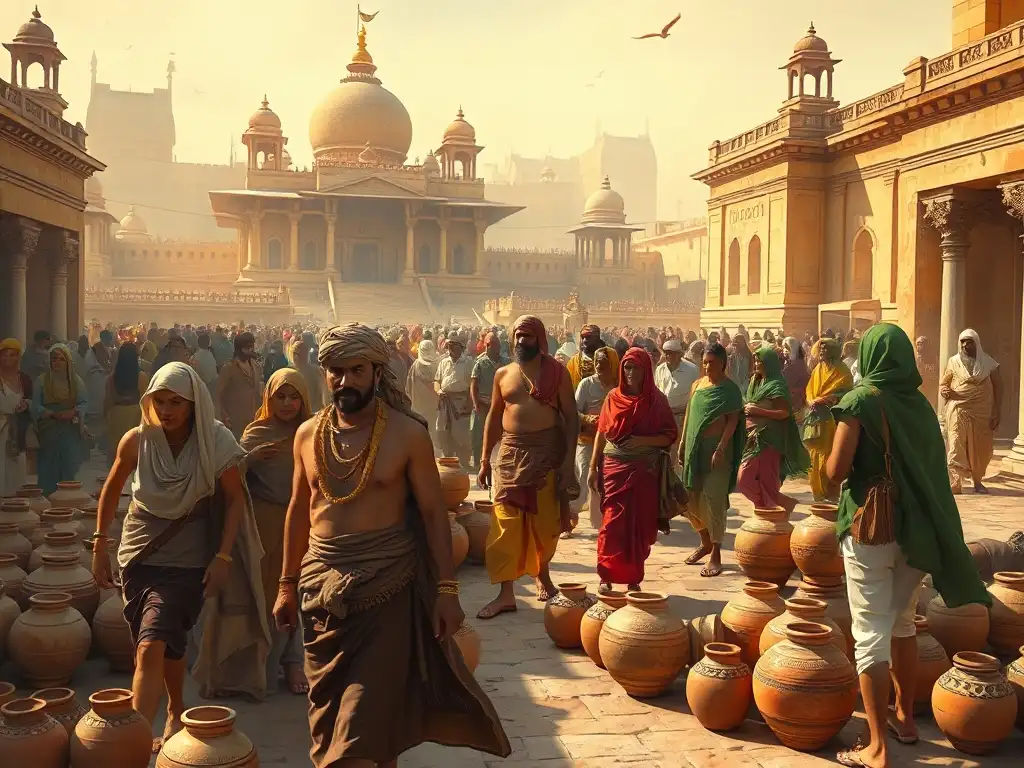
The social structure of the Indus Valley Civilization (IVC) was profoundly shaped by various economic factors, particularly trade and agriculture. These elements not only facilitated the daily lives of its inhabitants but also played a crucial role in establishing social hierarchies. A robust economy enabled the rise of distinct social classes, which can be observed through archaeological findings and historical analysis.
The economic prosperity of the IVC was largely attributed to its strategic geographical location, which fostered trade with other contemporary civilizations such as Mesopotamia and Persia. This trade network contributed to the accumulation of wealth among certain segments of society, leading to the emergence of a more complex social hierarchy. Furthermore, agriculture acted as the backbone of the economy, influencing land ownership patterns and labor specialization, which subsequently affected social stratification.
Trade and Its Impact on Social Classes
Trade was a significant catalyst for social stratification within the Indus Valley Civilization. The civilization was known for its advanced trade networks, with goods such as beads, textiles, and pottery exchanged for copper, precious stones, and other materials. This exchange allowed certain individuals or merchant classes to amass wealth and influence. The presence of large granaries in major urban centers suggests that those who controlled agricultural production and storage facilities held considerable power.
The wealth generated from trade likely contributed to the establishment of a ruling elite, which included traders and merchants who gained status through accumulated resources. This merchant class became distinct from the agrarian populace, creating a dynamic social structure where economic success translated into social prestige.
Agriculture and Its Role in Sustaining Society
Agriculture was crucial for the sustenance and stability of the Indus Valley Civilization, underpinning its entire social fabric. The fertile plains of the Indus River were ideal for growing various crops, including wheat, barley, and cotton. This agricultural abundance not only supported the population but also enabled specialization in various crafts and trades.
The reliance on agriculture led to the establishment of land ownership, which became a critical determinant of social status. Those who owned larger tracts of land likely held more power, influencing both the economy and the political landscape. The agricultural surplus allowed for trade, which further enriched the elite class, while those engaged in subsistence farming formed the lower tiers of society.
Archaeological discoveries provide critical insights into the social hierarchy of the Indus Valley Civilization. Excavation sites have yielded a wealth of information regarding urban planning, residential structures, and communal facilities that reflect the complexities of societal organization.
The findings from major sites such as Harappa and Mohenjo-Daro reveal a sophisticated urban environment, with distinct areas that likely served different social functions. The layout of these cities, including the presence of large public baths and granaries, indicates organized governance and social stratification.
Excavation Sites and Findings Related to Social Hierarchy
Excavation sites have unearthed various structures that suggest a well-defined social hierarchy within the Indus Valley Civilization. For instance, the discovery of larger, more elaborate homes in certain areas of cities like Mohenjo-Daro implies the existence of a wealthy elite. In contrast, smaller brick houses with limited facilities were found in less affluent zones, indicating a clear class distinction.
Additionally, the presence of public buildings, such as the Great Bath, indicates communal governance and social organization, suggesting that individuals in power played a significant role in managing public resources. The distribution of artifacts across these sites supports the idea of a stratified society, with varying access to resources and privileges.
Artifacts Indicating Class Distinctions
Artifacts recovered from Indus Valley sites provide concrete evidence of class distinctions within the civilization. Items such as jewelry, seals, and specialized tools reveal a society where wealth and status were visibly marked. High-quality artifacts, often made from precious materials, were primarily found in elite residences, suggesting that wealth accumulation was concentrated among a select few.
Moreover, seals inscribed with unique symbols likely signified ownership and trade, further emphasizing the importance of economic standing in social hierarchy. The variety and quality of these artifacts reflect the sophistication of the civilization and the existence of a structured social system, where one's economic success played a pivotal role in determining their social status.
The social structure of the Indus Valley Civilization (IVC) is often compared to that of other ancient civilizations, highlighting both unique aspects and common traits. Unlike the rigid social stratifications seen in many ancient societies, the IVC exhibited a more fluid social hierarchy, which can be discerned through archaeological findings and urban planning. This section will explore the similarities and differences between the IVC's social structure and those of Mesopotamia and Ancient Egypt, two prominent contemporaries.
Similarities and Differences with Mesopotamia
Both the Indus Valley Civilization and Mesopotamia had complex urban societies, indicating advanced levels of social organization. In Mesopotamia, a clear hierarchy emerged with kings, priests, and merchants at the top, supported by farmers and laborers. Conversely, while the IVC likely had leadership roles, the absence of grand palaces and monumental architecture suggests a more egalitarian society.
- Urban Planning and Infrastructure:
- Both civilizations showcased impressive urban planning.
- The IVC is noted for its grid-like city layouts and sophisticated drainage systems, which indicate a high degree of social organization and municipal governance.
- Economic Roles:
- In Mesopotamia, merchants and traders held significant power, while the IVC economy appeared to be more community-oriented.
- Evidence suggests a focus on agrarian practices, with trade likely conducted on a more local scale compared to the expansive trade networks of Mesopotamia.
- Religious Practices:
- Both societies practiced religion, but the IVC's religious structure remains less understood due to the lack of deciphered written records.
- Mesopotamia had a pantheon of gods and structured priesthoods, whereas the spiritual life in the IVC may have been more decentralized.
Contrasts with Ancient Egyptian Society
The social structure of Ancient Egypt was more hierarchical and defined than that of the Indus Valley Civilization. The Egyptians had a pharaoh at the top, considered a divine ruler, supported by a class of nobles and priests. In contrast, the IVC’s lack of monumental palaces or royal tombs suggests a different approach to governance and social organization.
- Political Structure:
- Egypt's centralized power under the pharaoh created a well-defined hierarchy, unlike the IVC's potentially more decentralized power structure.
- The absence of evidence for a ruling class in the IVC raises questions about the nature of leadership and authority.
- Cultural Expressions:
- Egyptian art and architecture were heavily focused on the glorification of the state and its rulers, while IVC artifacts reflect daily life and trade.
- The focus on utility and community in IVC artifacts, such as standardized weights and measures, contrasts sharply with the monumental art of Egypt.
- Social Mobility:
- The rigid class structure in Egypt limited social mobility, whereas the IVC's economic practices may have allowed for more fluidity in social roles.
The social structure of the Indus Valley Civilization has left an indelible mark on the understanding of ancient societies. While many aspects remain enigmatic due to the lack of written records, the archaeological evidence has provided insights into a community-oriented social structure that differed significantly from its contemporaries.
Lasting Impacts on Subsequent Indian Societies
The legacy of the IVC’s social structure can be seen in the subsequent development of Indian societies. Elements such as urban planning, trade practices, and possibly aspects of social organization influenced later civilizations, including those in the Vedic period. The fluidity of social roles observed in the IVC may have set the stage for diverse social interactions that characterized later Indian cultures.
- Urban Development:
- The principles of urban planning established during the IVC continued to influence city layouts in later Indian civilizations.
- Trade Networks:
- The emphasis on trade and economic collaboration seen in the IVC laid the groundwork for the expansive trade networks that would develop in ancient India.
Importance of Studying Ancient Social Structures Today
Understanding the social structures of ancient civilizations like the Indus Valley is crucial for several reasons. It allows us to appreciate the complexity and diversity of human societies over time. Studying these structures helps scholars draw parallels and contrasts with modern social dynamics, providing valuable lessons in governance, community organization, and cultural interactions.
- Cultural Heritage:
- The insights gained from the IVC contribute to the rich tapestry of human history, illustrating the evolution of social systems.
- Informed Perspectives:
- Analyzing ancient societies fosters informed perspectives on contemporary social issues, emphasizing the long-standing human quest for organization, identity, and belonging.
The study of the Indus Valley Civilization’s social structure not only enriches our understanding of the past but also enhances our comprehension of ongoing societal developments and challenges.
- Introduction to Indus Valley Civilization Social Structure
- Key Features of the Indus Valley Civilization Social Structure
- Major Social Classes in the Indus Valley Civilization
- Power Dynamics within Indus Valley Society
- Economic Factors Influencing the Social Structure
- Archaeological Evidence Supporting the Social Structure
- Comparative Analysis of Indus Valley Social Structure with Other Ancient Civilizations
- Conclusion: The Legacy of the Indus Valley Civilization Social Structure
- What was the social structure of the Indus Valley Civilization?
- Who were the elite class in the Indus Valley?
- Did the Indus Valley Civilization have a caste system?
- How did the social hierarchy affect daily life in the Indus Valley?
- What contributions did the Indus Valley Civilization make to later societies?
Frequently Asked Questions
The Indus Valley Civilization had a complex social structure that likely included various classes, such as rulers, merchants, and laborers, although exact details remain uncertain due to limited written records.
Who were the elite class in the Indus Valley?
The elite class included rulers and wealthy merchants who possessed significant economic power and likely held influence over the political and religious aspects of society.
Did the Indus Valley Civilization have a caste system?
While there is no clear evidence of a rigid caste system as seen in later Indian history, the social hierarchy suggests some form of division of labor and status among different groups.
The social hierarchy influenced access to resources, opportunities, and political power, shaping the daily lives of individuals based on their class and occupation.
What contributions did the Indus Valley Civilization make to later societies?
The Indus Valley Civilization contributed significantly to urban planning, trade, and craftsmanship, laying the groundwork for the cultural and social developments in subsequent Indian civilizations.
Final Reflection: Understanding Power Dynamics in the Indus Valley Civilization
The exploration of the Indus Valley Civilization's social structure reveals not only the complexities of ancient societies but also their relevance in understanding contemporary power dynamics. As we delve into the intricacies of who held power in this remarkable civilization, we uncover parallels that resonate with our current societal frameworks. The lessons learned from their social hierarchy prompt us to reflect on how power is distributed and exercised in our own communities today.
Culture and society are inextricably linked, and the study of the Indus Valley Civilization's social structure provides a lens through which we can examine ongoing social hierarchies. The influence of their governance, trade systems, and urban planning continues to inspire discussions about equality and leadership in modern contexts. History is not a burden on the memory but an illumination of the soul.
This quote encapsulates the importance of learning from the past, as we navigate the complexities of our own social landscapes.
As we conclude this exploration, I invite you to reflect on the lessons of the Indus Valley Civilization and consider how they apply to your life. What power structures exist in your community, and how do they shape your experiences? Embrace the opportunity to engage with these dynamics, fostering a more equitable society by recognizing and challenging the hierarchies that persist today. Let the insights gained from this ancient civilization inspire you to advocate for change and contribute to a more just world.
Unveil the Secrets of Power in the Indus Valley Civilization!
Thank you for diving into the fascinating dynamics of the Indus Valley Civilization's social hierarchy! You've explored the intricate relationships of power and influence that shaped one of history's greatest civilizations. Now, let’s take the next step in uncovering more about this incredible era.
Here’s how you can deepen your understanding and engage further:
- Join a community discussion on our forum to share your insights about the ruling class and its significance in ancient society!
- Explore related articles on our site to discover more about the daily lives and innovations of the people from the Indus Valley.
- Consider visiting a museum exhibit featuring artifacts from the Indus Valley to see history firsthand and enrich your knowledge!
What new insights about social structures do you think could reshape our understanding of ancient civilizations? We invite you to share your thoughts below!