
How the Indus Valley Civilization Shaped the Concept of Urban Living

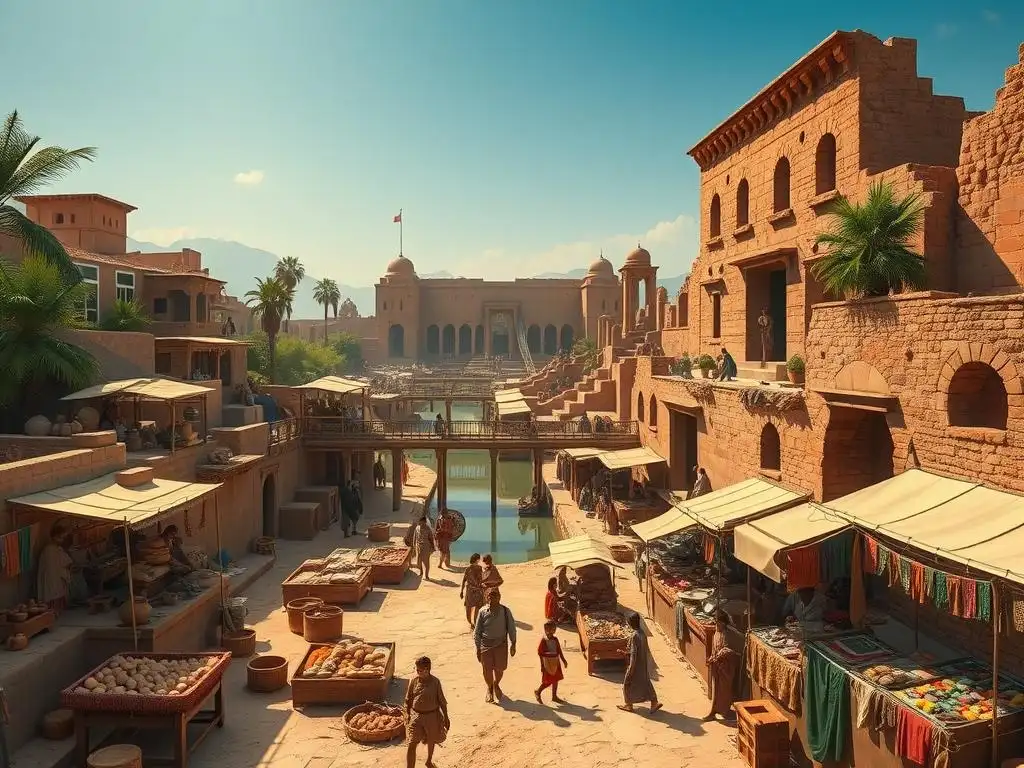
Welcome to Ancient India History, where we embark on a fascinating journey through time to uncover the rich tapestry of ancient Indian civilizations. In this exploration, we delve into the Indus Valley urban living impact, a transformative period that laid the groundwork for modern urbanization. What innovations did these early urban dwellers introduce that still resonate today? Join us as we unravel the mysteries of the Indus Valley Civilization and discover how their remarkable contributions continue to shape our understanding of urban living. Prepare to be captivated and inspired as you dive deeper into the wonders of ancient India!
- Introduction to Indus Valley Civilization and Urban Living
- The Foundations of Urban Living in the Indus Valley
- Architectural Innovations Influencing Urban Living
- Economic Factors Shaping Urban Life
- Social Structure and Daily Life in Indus Valley Cities
- Indus Valley Civilization’s Influence on Future Urban Developments
- Conclusion: The Lasting Impact of Indus Valley Urban Living
- References and Further Reading on Indus Valley Civilization
-
Frequently Asked Questions
- What was the Indus Valley Civilization known for?
- How did the Indus Valley Civilization impact urban living?
- What were some key features of urban life in the Indus Valley?
- How did trade influence the urban development of the Indus Valley?
- What legacy did the Indus Valley Civilization leave on later cultures?
- Final Reflection: The Enduring Legacy of Indus Valley Urban Living
- Unveil the Legacy of Urban Living!
Introduction to Indus Valley Civilization and Urban Living
The Indus Valley Civilization (IVC), flourishing around 2500 BCE in what is now modern-day Pakistan and northwest India, stands as one of the most remarkable achievements of ancient human society. Known for its advanced urban planning, sophisticated architecture, and complex social organization, the IVC provides valuable insights into early urban living.
This civilization not only set the stage for future cultures in the Indian subcontinent but also influenced the very concept of urban living across the world. By exploring the remarkable attributes of Indus Valley urban life, we can better understand its profound impact on the development of subsequent civilizations and the evolution of societal structures.
Overview of the Indus Valley Civilization
The Indus Valley Civilization was one of the world's earliest urban cultures, characterized by well-planned cities such as Harappa and Mohenjo-Daro. These cities featured:
- Grid-like street layouts: Streets were laid out in precise grids, demonstrating advanced planning.
- Drainage systems: A sophisticated network of drainage systems highlighted the civilization's engineering prowess.
- Uniformity in construction: Buildings were made from standardized bricks, indicating a high level of organization and communal effort.
The civilization thrived on agriculture, trade, and craftsmanship, with a diverse economy that included:
- Agriculture: The fertile plains of the Indus River supported crops like wheat, barley, and cotton.
- Trade: Artifacts indicate extensive trade networks with other ancient cultures, including Mesopotamia.
- Artistry: Skilled artisans produced intricate pottery, jewelry, and seals, showcasing their creative abilities.
Despite its eventual decline around 1900 BCE, the legacy of the Indus Valley Civilization endures, providing a foundational understanding of urban life and societal development.
Significance of Urban Living in Ancient Societies
Urban living during ancient times was not merely a backdrop for human activities; it was a transformative factor that shaped social structures, economic practices, and cultural exchanges. The significance of urban living can be seen in several key aspects:
- Social Organization: Urban centers facilitated the emergence of diverse social classes, fostering a complex society with varying roles and responsibilities.
- Economic Innovation: Cities became hubs of trade and commerce, leading to economic specialization and the growth of markets.
- Cultural Exchange: Urban settings served as melting pots for different cultures, allowing for the exchange of ideas, traditions, and technologies.
In the context of the Indus Valley Civilization, urban living allowed for the establishment of a structured society that could support a large population, manage resources efficiently, and engage in long-distance trade. This laid the groundwork for future civilizations to build upon the principles of urbanization, governance, and communal living.
Purpose of the Article: Exploring the Indus Valley Urban Living Impact
This article aims to delve into the specific impacts of the Indus Valley Civilization on the concept of urban living, examining how its innovations and societal structures influenced later civilizations. By analyzing archaeological findings, historical records, and cultural artifacts, we will:
- Investigate the unique features of urban planning in the IVC.
- Discuss the implications of Indus Valley urban living on social hierarchies and community relationships.
- Explore how these early urban experiences shaped the development of future urban centers in the Indian subcontinent and beyond.
Through this exploration, we hope to illuminate the enduring legacy of the Indus Valley Civilization and its significant role in the evolution of urban living concepts throughout history.
The Foundations of Urban Living in the Indus Valley
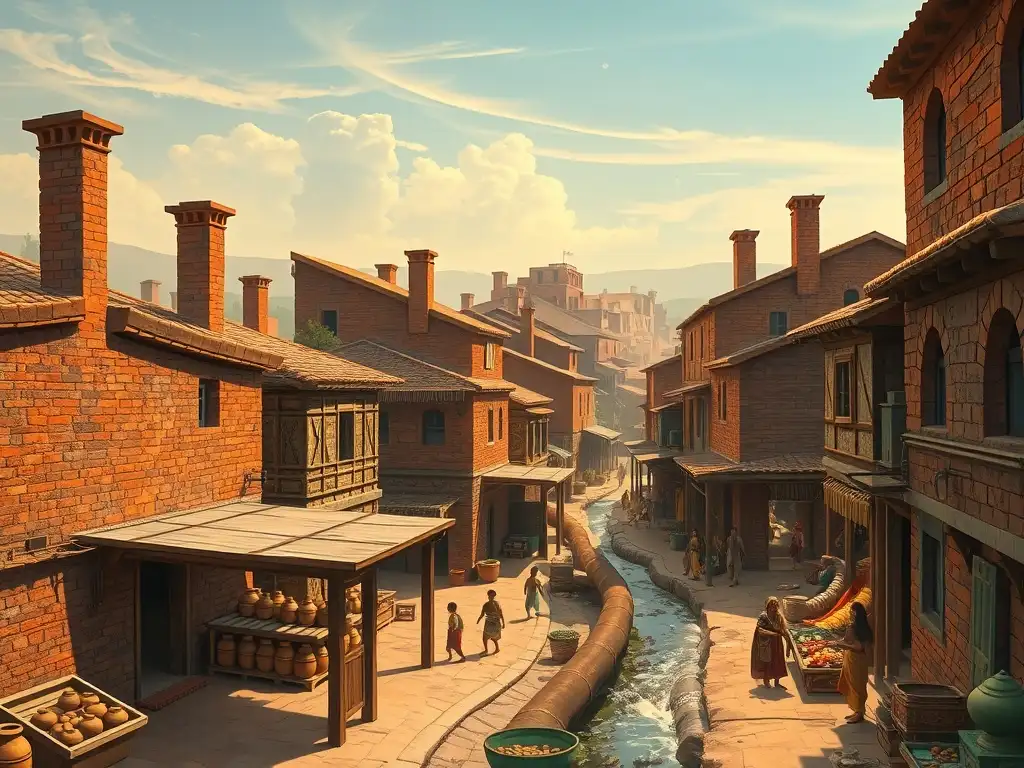
The Indus Valley Civilization (IVC), one of the world's earliest urban cultures, laid the groundwork for modern urban living through its innovative approaches to city planning, architecture, and social organization. Emerging around 3300 BCE in the northwestern regions of South Asia, the IVC was characterized by its advanced urban centers, which were meticulously designed and governed. This civilization's impact on urban living can be seen in its well-planned cities, efficient infrastructure, and sophisticated social systems, all of which significantly influenced future urban developments in the Indian subcontinent.
Geographical Advantages of the Indus Valley
The geographical position of the Indus Valley played a crucial role in the development of urban living.
- Fertile Alluvial Plains: The region was nourished by the rivers Indus, Ravi, and Ghaggar-Hakra, creating fertile alluvial plains ideal for agriculture. This abundance of resources allowed for surplus food production, which supported larger populations and urbanization.
- Strategic Location: Situated between the Arabian Sea and the Himalayas, the Indus Valley served as a trade nexus. This strategic location facilitated commerce with neighboring civilizations, enhancing economic growth and cultural exchanges.
- Natural Defenses: The surrounding mountain ranges and deserts provided natural fortifications, making the urban centers more secure and encouraging the establishment of permanent settlements.
These geographical advantages were instrumental in fostering a thriving urban environment, ultimately leading to the rise of sophisticated cities characterized by advanced infrastructure and social complexity.
Early Settlements: From Villages to Urban Centers
The transition from small agrarian villages to large urban centers in the Indus Valley was a gradual process influenced by several factors:
- Agricultural Surplus: As agricultural techniques improved, the ability to produce surplus crops allowed communities to grow. This surplus not only supported larger populations but also encouraged specialization of labor, as not everyone needed to engage in farming.
- Population Growth: Increased food production led to population growth, necessitating more organized settlements. Over time, these settlements evolved into bustling urban centers with diverse economic activities.
- Trade and Commerce: The emergence of trade routes and the development of crafts facilitated economic interactions between villages. Artisans and merchants began to settle in these growing urban areas, further contributing to their complexity.
- Social Organization: As communities expanded, social structures became more intricate. The need for governance and resource management led to the formation of leadership roles and communal decision-making bodies, laying the foundation for organized urban societies.
These factors combined to transform the Indus Valley from a patchwork of villages into a network of interconnected urban centers, paving the way for the sophisticated city life that characterized the civilization.
Key Features of Indus Valley Urban Planning
Indus Valley urban planning is noted for its remarkable organization and foresight, which can be seen in several key features:
- Grid Layout: Cities such as Mohenjo-Daro and Harappa were meticulously designed on a grid pattern. This layout not only facilitated movement but also emphasized order and efficiency in urban design.
- Advanced Drainage Systems: The civilization is renowned for its sophisticated drainage systems, which included covered drains and latrines connected to a centralized sewage system. This emphasis on sanitation was unparalleled for its time and reflects a high level of public health awareness.
- Public and Private Spaces: The urban centers featured distinct zones for residential, commercial, and public activities. Markets, workshops, and residential neighborhoods were clearly delineated, suggesting a planned approach to urban living.
- Use of Standardized Weights and Measures: The introduction of standardized weights and measures facilitated trade and economic interactions, showcasing an understanding of the need for uniformity in commercial practices.
- Building Materials and Techniques: The use of fired bricks and well-constructed buildings not only showcased architectural innovation but also contributed to the durability of urban structures.
The impressive urban planning of the Indus Valley Civilization not only exemplified advanced engineering and architectural principles but also influenced future urban development in the region, underscoring the enduring legacy of its urban living impact.
Architectural Innovations Influencing Urban Living
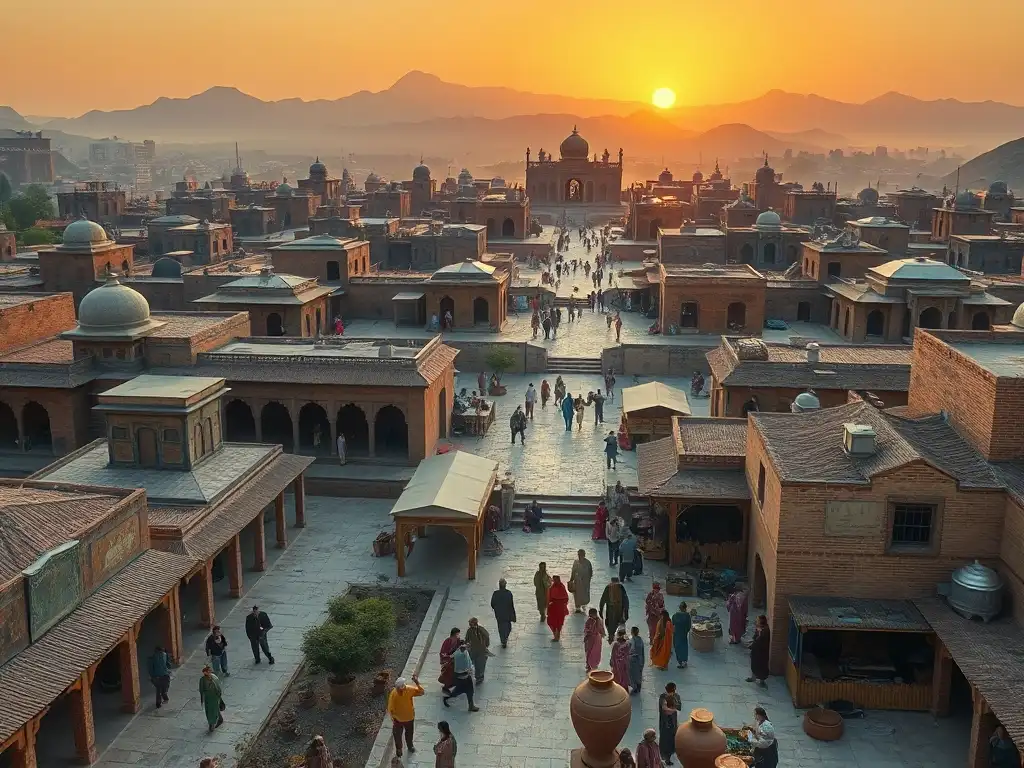
The architectural innovations of the Indus Valley Civilization represent a significant leap in urban planning and design, laying the foundational concepts of urban living that resonate even in contemporary society. These advancements not only facilitated effective habitation but also shaped social dynamics, economic activities, and cultural practices within these ancient cities.
Grid Layout of Indus Valley Cities
One of the most remarkable features of Indus Valley urban planning is the grid layout of its cities, which epitomized efficiency and organization. Cities such as Harappa and Mohenjo-Daro were meticulously designed with streets intersecting at right angles, creating a systematic pattern that optimized space and accessibility.
- Key Features of Grid Layout:
- Straight Streets: Major streets were up to 30 feet wide, allowing for easy movement of pedestrians and carts.
- Residential and Commercial Zones: Separation of residential areas from commercial zones facilitated trade and everyday transactions while maintaining privacy for families.
- Uniformity in Planning: Homes were built with standardized baked bricks, ensuring uniformity and stability in construction.
This grid system not only enhanced the aesthetic appeal of the cities but also improved public health and safety by allowing for efficient waste management and ventilation.
Use of Advanced Drainage Systems
The Indus Valley Civilization is renowned for its sophisticated drainage systems, which were unparalleled in the ancient world. These systems significantly impacted urban living by promoting hygiene and sanitation.
- Key Aspects of Drainage Systems:
- Sewage Systems: Most houses were connected to a centralized drainage system, with covered drains running along the streets, ensuring the efficient disposal of waste.
- Access Points: Regular access points allowed for maintenance and cleaning, indicating a high level of civic responsibility and urban management.
- Water Supply Management: The presence of wells and water reservoirs within the cities ensured a reliable water supply, crucial for daily activities and public health.
These advanced drainage and sanitation systems not only improved the quality of life but also reflected the civilization's understanding of urban infrastructure and health.
Public Buildings and Their Roles in Society
Public buildings in the Indus Valley Civilization served multiple functions that were integral to urban living and community cohesion. Structures such as granaries, warehouses, and public baths highlight the civilization's commitment to collective welfare and social organization.
- Granaries: These large structures were essential for storing surplus grain, facilitating trade, and ensuring food security for the population.
- Public Baths: The Great Bath of Mohenjo-Daro is one of the most iconic examples of public architecture. It served as a social and ritualistic space, promoting community interaction and possibly religious practices.
- Administrative Centers: These buildings likely served as hubs for governance and trade regulation, demonstrating the importance of organized leadership in urban societies.
The presence of these public structures not only catered to the practical needs of the population but also fostered a sense of community and collaboration among the inhabitants, reinforcing the social fabric of Indus Valley cities.
The architectural innovations of the Indus Valley Civilization, characterized by their grid layout, advanced drainage systems, and public buildings, collectively shaped the concept of urban living. These elements not only enhanced daily life but also laid the groundwork for future urban developments, highlighting the profound impact of the Indus Valley on the evolution of urban societies.
Economic Factors Shaping Urban Life
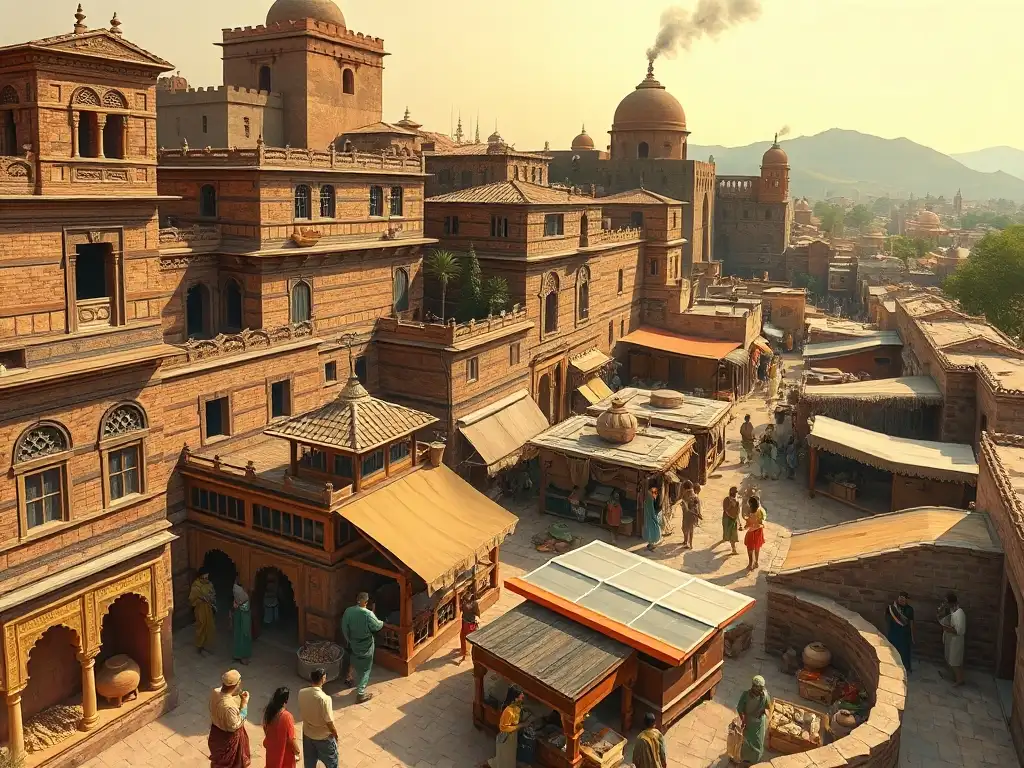
Trade Networks and Their Influence on Urban Growth
The Indus Valley Civilization (IVC), flourishing around 2500 BCE, was characterized by its strategic location, which facilitated extensive trade networks. These networks played a crucial role in the urban growth of cities like Harappa and Mohenjo-Daro. The rivers, particularly the Indus River, served as vital transportation routes, enabling the movement of goods both locally and regionally. The development of sealed weights and measures indicates a sophisticated trading system that allowed for standardized exchanges.
Key Trade Routes:
- Inland Trade: Goods such as textiles and pottery were exchanged with neighboring regions.
- Maritime Trade: The proximity to the Arabian Sea allowed for trade with Mesopotamia and beyond, introducing foreign goods and cultural influences.
The economic prosperity derived from these trade routes not only boosted the cities' wealth but also attracted a diverse population, fostering a melting pot of cultures and ideas. This influx of people contributed to urban planning, leading to more organized city layouts, including grid patterns and advanced drainage systems.
Craft Specialization and Economic Diversification
Craft specialization emerged as a hallmark of the Indus Valley urban economy, significantly influencing the social structure and urban living. Artisans and craftsmen dedicated their skills to producing a variety of goods, from intricate jewelry to finely crafted pottery, which were essential for both domestic use and trade.
Areas of Specialization:
- Pottery Making: The production of painted pottery showcased artistic talent and served both functional and decorative purposes.
- Textile Production: The IVC was renowned for its cotton textiles, which became a significant export and a marker of status.
- Metallurgy: The use of copper and bronze facilitated advancements in tools and weaponry, further enhancing the civilization's trade capabilities.
This diversification in crafts led to the establishment of various guilds, promoting cooperation among artisans and ensuring quality in production. As a result, the urban centers became hubs of economic activity, drawing people from surrounding areas for employment and trade.
The Role of Agriculture in Sustaining Urban Populations
Agriculture was the backbone of the Indus Valley economy, providing the essential food supply that supported urban populations. The fertile plains along the Indus River allowed for the cultivation of staple crops such as wheat, barley, and pulses, which were critical for sustaining large communities.
Agricultural Practices:
- Irrigation Systems: Advanced techniques, including the use of canals, maximized agricultural output and ensured crop reliability.
- Crop Rotation: The practice of rotating crops helped maintain soil fertility and prevent depletion of resources.
The surplus generated from agriculture not only supported the local populace but also facilitated trade with other regions. This trade exchange included agricultural products, which were essential in maintaining the economic viability of urban centers. As cities grew, the need for organized agricultural management systems emerged, leading to the establishment of administrative frameworks to oversee production, storage, and distribution.
The economic factors of trade networks, craft specialization, and agriculture were instrumental in shaping urban living in the Indus Valley Civilization. The interplay of these elements created a sophisticated urban environment that thrived on interdependence, significantly impacting the development of cities and their societal structures.
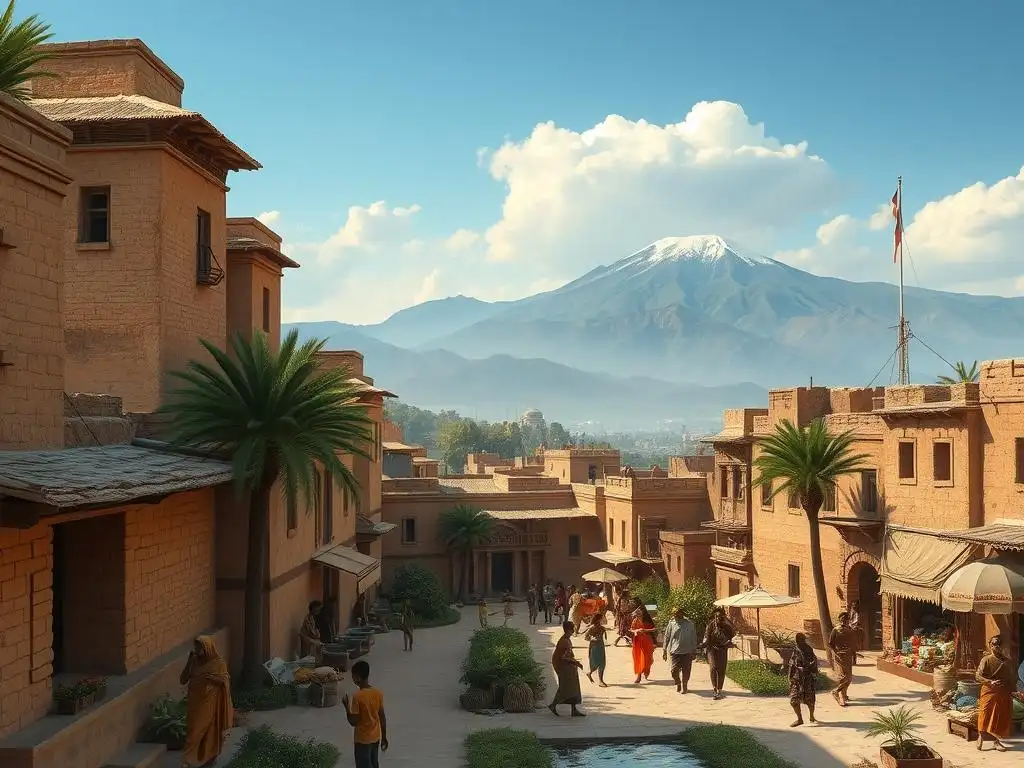
The Indus Valley Civilization (IVC), which thrived between approximately 3300 and 1300 BCE, is renowned for its advanced urban planning and social organization. The cities of Harappa and Mohenjo-Daro exemplify this sophistication, showcasing a complex social structure that significantly influenced urban living. Understanding the social dynamics of these ancient cities is crucial to comprehending the broader impact of the IVC on urban living.
In the urban centers of the Indus Valley, a clear social hierarchy emerged, although it remains less understood than in other ancient civilizations. Evidence suggests a stratified society, likely comprising several distinct classes.
- Elite Class: This group included political leaders, merchants, and landowners who controlled trade and resources. They resided in larger, well-constructed homes often equipped with facilities such as bathrooms and drainage systems, reflecting their higher status.
- Artisans and Craftspeople: Skilled workers occupied a significant place in society, producing goods ranging from pottery and textiles to intricate jewelry. Their contributions were vital to both local economies and trade networks, indicating a complex division of labor.
- Laborers and Farmers: At the base of the social pyramid were the laborers and agricultural workers, who supported the urban economy through farming and manual labor. Their role was essential for sustaining the population and ensuring food security.
Despite the apparent class divisions, it is believed that the IVC society maintained a degree of social mobility, allowing individuals to alter their status through trade and skill acquisition.
The Role of Women in Urban Society
The position of women in Indus Valley urban society is a topic of growing interest among historians. While definitive records are scarce, archaeological findings suggest that women played an active role in both domestic and economic spheres.
- Economic Participation: Women were likely involved in various economic activities, including textile production and pottery. Evidence of spindle whorls and weaving tools indicates their participation in craft production, which would have contributed to household economies.
- Social Status: The presence of female figurines with elaborate adornments and the depiction of women in seals suggests that they held some level of social importance and possibly participated in religious or cultural rituals.
- Family and Kinship: Women were central to family structures, managing households and nurturing children. The domestic sphere, while often viewed as separate from public life, was crucial for the social stability and continuity of urban communities.
While the exact nature of women's roles in the IVC remains partially speculative, it is clear that they contributed significantly to urban living and the overall social fabric of Indus Valley cities.
Cultural Practices and Their Impact on Urban Living
Cultural practices in the Indus Valley Civilization played a pivotal role in shaping urban life and community interactions. These practices fostered a sense of identity and cohesion among the inhabitants.
- Religious Beliefs: The spiritual life of the IVC was marked by the worship of multiple deities, with evidence of ritual baths and altars indicating a structured religious practice. This shared belief system likely united urban residents and influenced their daily routines.
- Trade and Economic Exchanges: The IVC was known for its extensive trade networks, which connected it with distant regions. The exchange of goods fostered diversity and introduced new cultural elements, impacting everything from diet to architecture.
- Urban Planning and Architecture: The meticulous urban planning of cities, featuring grid patterns, advanced drainage systems, and public baths, reflected a cultural emphasis on hygiene and order. These innovations not only enhanced the quality of life but also set a precedent for future urban developments in the Indian subcontinent.
The cultural practices of the Indus Valley Civilization significantly impacted urban living, promoting a sophisticated lifestyle that emphasized community, trade, and innovation. The legacy of these practices continues to influence contemporary urban planning and cultural identity in India today.
Indus Valley Civilization’s Influence on Future Urban Developments
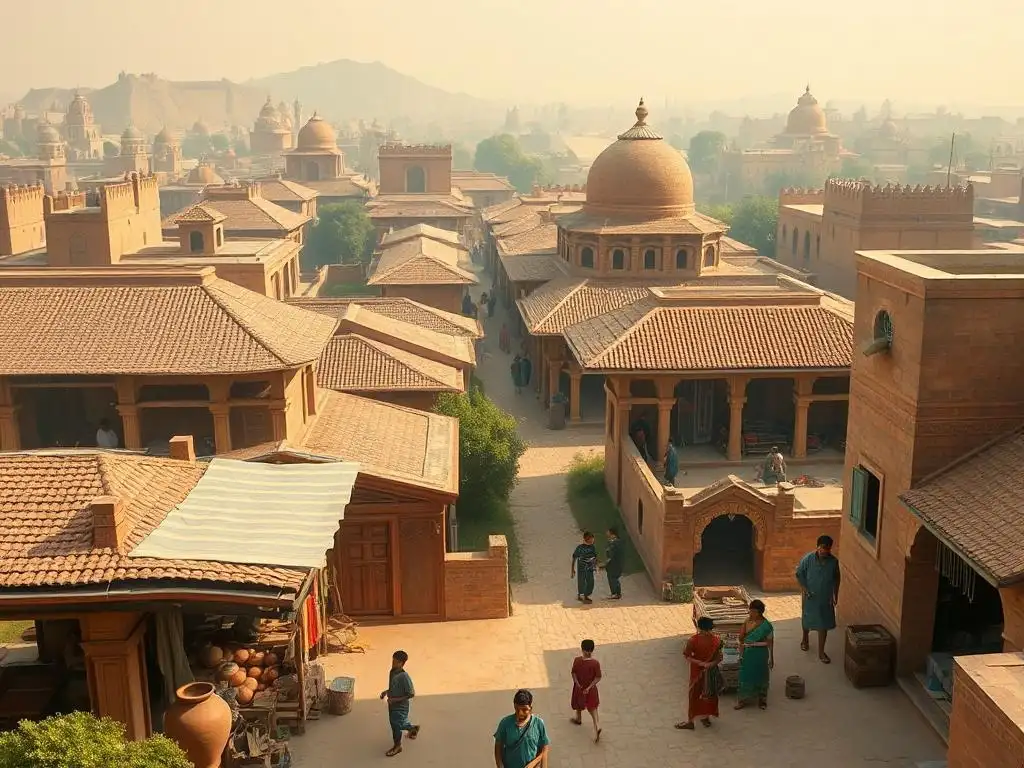
The Indus Valley Civilization (IVC), thriving around 3300–1300 BCE, is renowned for its advanced urban planning and social organization, which laid the groundwork for future urban developments. The meticulous layout of cities like Harappa and Mohenjo-Daro showcased a level of sophistication in urban living that was unmatched in the ancient world. This civilization’s influence can be seen in various aspects, including city planning, sanitation, and social organization, which have echoed through the ages and shaped subsequent urban centers across the globe.
Legacy of Indus Valley Urban Planning in Later Civilizations
The urban planning principles established by the Indus Valley Civilization set a precedent for later civilizations. Key features of IVC urban design included:
- Grid Layouts: Cities were built on a grid-like pattern, promoting organization and efficiency. This concept of a planned grid city is a principle still used in modern urban design.
- Drainage Systems: The IVC is notable for its extensive drainage systems, which were an engineering marvel of their time. Every house was connected to a centralized drainage system, demonstrating an understanding of public health and sanitation that influenced later urban centers.
- Standardized Brick Sizes: The use of uniform bricks facilitated the construction of buildings and roads, promoting architectural consistency that was later adopted by various civilizations.
This legacy can be seen in the urban planning of the Mauryan Empire and even in the designs of later cities in the Indian subcontinent, where similar principles were employed to manage population density and urban infrastructure effectively.
Comparisons with Other Ancient Urban Centers
When comparing the Indus Valley Civilization to other ancient urban centers, several distinctive traits emerge:
- Mesopotamia: Unlike the IVC, which featured planned cities with advanced sanitation, Mesopotamian cities often developed organically, leading to irregular layouts and less focus on hygiene.
- Ancient Egypt: While Egyptian cities had monumental architecture, they did not exhibit the same level of urban planning as the IVC. The focus was primarily on religious structures rather than community-centric designs.
- Mesoamerican Civilizations: Cities like Teotihuacan demonstrated impressive urban layouts but lacked the sophisticated drainage systems that were a hallmark of the Indus Valley.
The IVC’s emphasis on urban living that integrated health, organization, and community welfare has made it a benchmark for understanding urbanism. Its influence is evident in the subsequent developments of urban centers, establishing a standard that many civilizations aspired to achieve.
The Modern Implications of Indus Urban Living Concepts
The impact of Indus Valley urban living concepts extends into modern urban planning and design. Key implications include:
- Sustainable Urban Infrastructure: The IVC’s advanced drainage systems and water management strategies are inspirations for contemporary sustainable urban design. Cities today are increasingly focusing on environmentally friendly practices that echo these ancient practices.
- Community-Oriented Planning: The IVC emphasized community living, which has influenced modern urban developments that prioritize public spaces and community interaction, fostering social cohesion.
- Smart City Initiatives: Many modern cities are adopting smart technologies in urban planning. The foundational principles of organization and infrastructure set by the IVC serve as a guiding framework for these initiatives.
The Indus Valley Civilization has profoundly influenced the concept of urban living, shaping not only ancient cities but also providing valuable lessons for modern urban development. Its legacy continues to resonate, illustrating the timelessness of its urban planning wisdom.
Conclusion: The Lasting Impact of Indus Valley Urban Living
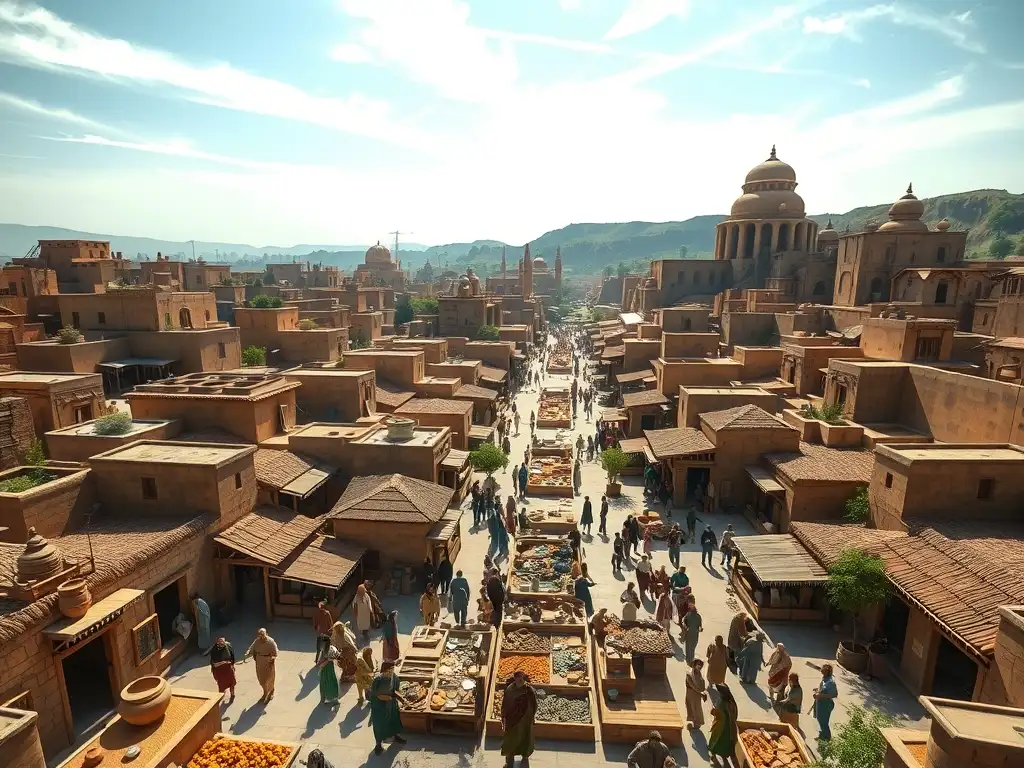
The Indus Valley Civilization (IVC) stands as a monumental chapter in the narrative of urban development, showcasing pioneering advancements that have influenced city planning and societal structures for millennia. The significance of its urban living concepts resonates through time, laying the groundwork for modern urbanization patterns.
Summary of Key Contributions to Urban Living Concepts
The IVC is renowned for its sophisticated urban planning, characterized by several key contributions that have shaped the modern understanding of urban living:
-
Grid Layout Design:
The cities of Harappa and Mohenjo-Daro exemplified a remarkable grid layout, with streets aligned at right angles. This method not only facilitated efficient transportation but also exemplified a level of organization that was ahead of its time.
-
Advanced Drainage Systems:
One of the most striking features of IVC urban living was its complex drainage system. Almost every house was connected to a centralized drainage network, showcasing an early understanding of sanitation and public health.
-
Water Management:
The construction of wells, reservoirs, and tanks for water storage reflected the civilization's ingenuity in resource management. This emphasis on water accessibility contributed to the overall quality of life and urban sustainability.
-
Standardized Weights and Measures:
The existence of standardized weights and measures facilitated trade and commerce, which were vital for urban economies. This systematization allowed for a more organized market structure, enabling a thriving economic environment.
-
Public and Religious Spaces:
The presence of large public baths and granaries indicates a social structure that valued communal spaces and rituals. The Great Bath of Mohenjo-Daro serves as a testament to the cultural importance of hygiene and social interaction.
These advancements not only illustrate the sophistication of the Indus Valley Civilization but also reveal how early urban living concepts have been recognized and adapted in various forms through subsequent civilizations.
Reflections on the Indus Valley Urban Living Impact Today
The impact of Indus Valley urban living is profoundly felt in contemporary society, offering insights into sustainable urban development. Several reflections on this legacy include:
-
Sustainable Urban Planning:
The principles of efficient land use and resource management established by the IVC continue to inform modern urban planning. Cities today increasingly emphasize sustainable practices that mirror the IVC’s focus on environmental adaptation.
-
Public Health Initiatives:
The advanced drainage and sanitation systems of the IVC provide a historical blueprint for addressing public health challenges in urban environments. Current urban centers often face similar issues of sanitation, making the IVC’s methodologies relevant.
-
Cultural Heritage:
The cultural practices surrounding communal spaces and social interactions have evolved but remain integral to urban life. The IVC’s emphasis on community can inspire modern urban designs that foster social cohesion.
The urban living impact of the Indus Valley Civilization serves as a crucial reference point for understanding the evolution of cities. Its legacy not only highlights the ingenuity of early urbanites but also offers valuable lessons for contemporary urban challenges, ensuring that the wisdom of the past continues to inform future developments in urban living.
References and Further Reading on Indus Valley Civilization
Understanding the Indus Valley Civilization (IVC) and its profound impact on urban living requires delving into both historical texts and contemporary analyses. Below are valuable resources that provide insights into various aspects of this ancient civilization, including its urban planning, social structure, and cultural practices.
Suggested Books and Articles
- "The Indus Civilization: A Contemporary Perspective" by Gregory L. Possehl
- This book offers a comprehensive overview of the Indus Valley Civilization, focusing on archaeological findings and interpretations that shape our understanding of urban living in IVC.
- "Indus Valley Civilization: An Archaeological Perspective" by Shereen Ratnagar
- Ratnagar's work highlights the archaeological methods used to uncover the complexities of Indus urban centers and their societal organization.
- "The Harappan Culture: An Enigma of the Indus Valley Civilization" by R.S. Bisht
- This article discusses the cultural and technological advancements of the Harappans, providing context for the urban development seen in the Indus Valley.
- "Urbanization in the Indus Valley Civilization: A Study of Indus Urban Living Impact" by Mukesh Kumar
- Kumar’s research explores the specific aspects of urban living in the Indus Valley, addressing sanitation, architecture, and social stratification.
- "Indus Valley Civilization: The Forgotten Urban Revolution" published in the Journal of Ancient Civilizations
- This article examines the urban planning and infrastructure of the IVC, shedding light on its relevance to modern urban studies.
Archaeological Sites to Explore Indus Urban Living
Exploring archaeological sites of the Indus Valley Civilization provides firsthand insights into its urban living impact. Here are some key locations to consider:
- Mohenjo-Daro
- One of the most prominent sites, known for its advanced urban planning, including grid layouts and sophisticated drainage systems.
- Harappa
- This site showcases the architectural prowess of the Indus Valley, with large public baths and granaries indicative of organized urban life.
- Dholavira
- Famous for its water conservation systems, Dholavira provides evidence of urban planning and resource management that contributed to the sustainability of urban living.
- Lothal
- Renowned for its dockyard, Lothal reflects the maritime trade aspects of urban life, showcasing the economic activities that supported the civilization.
- Kalibangan
- Notable for its early evidence of plowed fields and fire altars, Kalibangan highlights agricultural practices integrated with urban living.
By examining these resources and sites, one can gain a deeper understanding of how the Indus Valley Civilization shaped urban living concepts that resonate through history.
Frequently Asked Questions
What was the Indus Valley Civilization known for?
The Indus Valley Civilization is renowned for its advanced urban planning, including sophisticated drainage systems, grid layouts, and standardized brick sizes, which influenced future urban development.
How did the Indus Valley Civilization impact urban living?
The impact of Indus Valley urban living can be seen in its innovative infrastructure, such as wells and public baths, which set standards for hygiene and community living that resonate in modern cities.
What were some key features of urban life in the Indus Valley?
Key features included well-organized cities, advanced drainage systems, and public amenities like granaries and marketplaces, which contributed to a high standard of living.
How did trade influence the urban development of the Indus Valley?
Trade enhanced urban development by fostering economic growth and cultural exchange, leading to the establishment of thriving cities that attracted diverse populations and innovations.
What legacy did the Indus Valley Civilization leave on later cultures?
The Indus Valley Civilization’s emphasis on urban planning, social organization, and trade practices laid foundational principles that influenced subsequent civilizations in India and beyond.
Final Reflection: The Enduring Legacy of Indus Valley Urban Living
The Indus Valley Civilization stands as a testament to the profound impact of urban living on societal development, illustrating how early innovations in city planning and infrastructure continue to resonate in our modern world. Today, as we navigate the complexities of urbanization, the lessons gleaned from this ancient civilization remind us that the foundations of our cities are not merely physical structures but reflections of our collective values and aspirations.
The influence of the Indus Valley Civilization on contemporary urban living is both profound and far-reaching. From their advanced drainage systems to their emphasis on public spaces, the principles of urban design established by the Indus Valley people have shaped the cultural and social landscapes of cities around the globe. Civilization is a race between education and catastrophe,
said H.G. Wells, and this sentiment rings true as we reflect on the importance of learning from our predecessors to avoid repeating historical mistakes in urban planning.
As we look to the future, I invite you to reflect on how the lessons of the Indus Valley Civilization can inspire your own approach to urban living. Consider how you can contribute to creating sustainable, inclusive, and vibrant communities that honor the spirit of innovation and cooperation. By embracing the wisdom of the past, we can forge a path toward a future where urban living not only meets the needs of today but also nurtures the dreams of generations to come.
Unveil the Legacy of Urban Living!
Thank you for diving into the fascinating world of the Indus Valley Civilization! We hope you’ve discovered the profound influence this ancient society has had on modern urban living. Now, it’s time to embrace the lessons of the past and take action towards enhancing your understanding of urban culture today.
Here are some steps you can take:
- Explore local archaeological sites or museums that showcase ancient urban planning and architecture in your area. Connect the dots between history and your surroundings!
- Share your insights on social media to engage your network. Let others know how the Indus Valley Civilization paved the way for the cities we inhabit today!
- Consider joining a community group or forum focused on urban development discussions to exchange ideas and learn from others who are passionate about this topic.
What aspect of the Indus Valley's urban living inspires you most, and how can it influence your perspective on modern cities?