
Indus Valley Civilization: A Study in Art and Environmental Adaptation

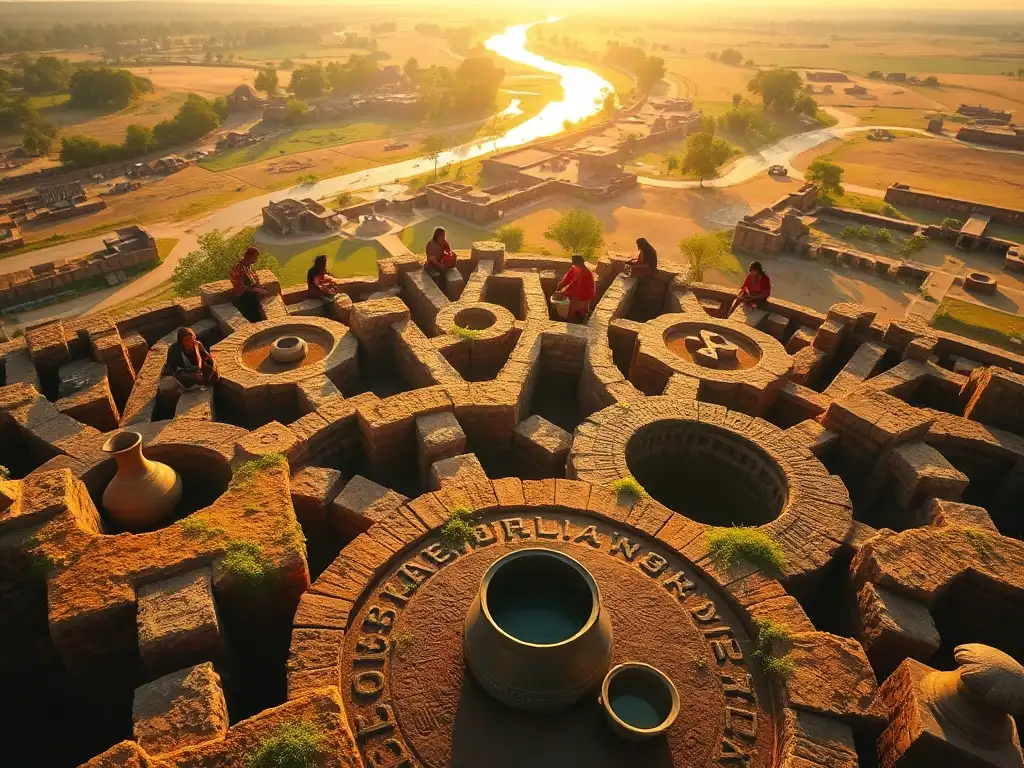
Welcome to Ancient India History, where we embark on a fascinating journey through the vibrant tapestry of India's past. Here, we delve into the profound art and environmental adaptation of the Indus Valley Civilization, a remarkable epoch that laid the foundation for India's rich cultural heritage. What secrets do the artifacts of this ancient society reveal about their connection to the environment?
Join us as we explore the intricate balance they achieved between creativity and nature, and discover why the Indus Valley remains a cornerstone of ancient civilization studies. Prepare to be captivated and enlightened—your adventure into the depths of history begins now!
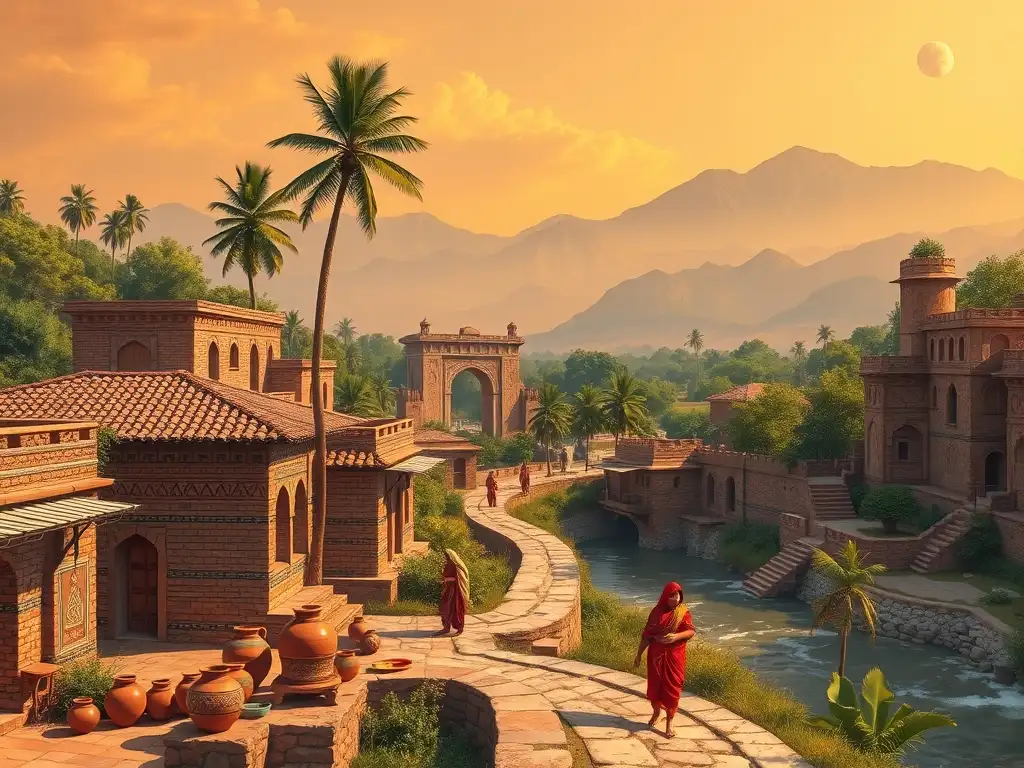
The Indus Valley Civilization, one of the world's earliest urban cultures, flourished around 2500 BCE in the northwestern regions of South Asia. This ancient civilization is renowned not only for its advanced urban planning and sophisticated drainage systems but also for its remarkable contributions to art and environmental adaptation.
The study of Indus Valley art and environment reveals a deep connection between the creative expressions of its people and the geographical and ecological contexts in which they thrived. As we explore the intricacies of this civilization, we uncover how their artistic endeavors were not merely decorative but also practical, reflecting their relationship with the surrounding environment and their innovative responses to it.
Introduction to the Indus Valley Civilization
The Indus Valley Civilization, often referred to as the Harappan Civilization, encompassed a vast territory that included modern-day Pakistan and northwest India. Characterized by well-planned cities like Harappa and Mohenjo-Daro, this civilization is notable for its advanced infrastructure, including grid-patterned streets and intricate drainage systems. As one of the three early cradles of civilization alongside Mesopotamia and Ancient Egypt, the Indus Valley presented a unique blend of urbanism and artistry that played a crucial role in its development and sustainability.
Overview of the Indus Valley Civilization
The Indus Valley Civilization emerged around 3300 BCE and reached its zenith around 2500 BCE, showcasing a high degree of social organization and economic sophistication. The inhabitants engaged in agriculture, trade, and crafts, with evidence suggesting a thriving economy based on both local resources and long-distance trade networks. Artifacts such as seals, pottery, and sculptures indicate that the people of the Indus Valley possessed a rich cultural heritage, reflecting their beliefs, practices, and interactions with their environment.
The civilization's decline around 1900 BCE remains a subject of scholarly debate, with theories ranging from climate change to shifts in trade routes. Despite the mysteries surrounding its decline, the legacy of the Indus Valley Civilization endures, particularly in its artistic expressions and environmental adaptations.
Significance of Art and Environment in Ancient India
Art and environment were pivotal in shaping the cultural landscape of ancient India. The Indus Valley Civilization exemplifies this relationship, where art was not only an expression of creativity but also a reflection of environmental awareness. The artisans utilized locally available materials such as clay, terracotta, and stone to create functional and decorative objects.
Additionally, the environmental context influenced artistic themes, with motifs inspired by the flora and fauna of the region. The intricate designs on pottery and seals often depicted animals, plants, and geometric patterns, demonstrating a harmonious relationship between nature and human creativity. Understanding this synergy is essential to appreciating the depth of cultural expression in the Indus Valley and its broader implications for ancient Indian history.
Understanding Indus Valley Art
Indus Valley art is distinguished by its diversity and complexity, encompassing various forms and styles that reflect the civilization's values and environmental interactions. The art produced during this period provides valuable insights into the social, religious, and economic aspects of life in the Indus Valley.
Characteristics of Indus Valley Art
The art of the Indus Valley Civilization is characterized by a few key traits:
- Naturalism: Many art forms exhibit a realistic portrayal of human figures and animals, emphasizing the importance of nature in their daily lives.
- Symbolism: Artworks often contained symbolic meanings, with motifs that conveyed spiritual or cultural significance, such as fertility and prosperity.
- Geometric Patterns: The use of geometric designs in pottery and textiles indicates a sophisticated understanding of aesthetics and symmetry.
Overall, the art of the Indus Valley Civilization is marked by its innovation and adaptability, making it a significant aspect of ancient Indian heritage.
Major Art Forms in the Indus Valley Civilization
The Indus Valley Civilization produced a variety of art forms, each reflecting the civilization's rich cultural tapestry:
- Terracotta Figurines: These small sculptures often depicted deities, animals, or everyday life, showcasing the artisan's skill and the community's beliefs.
- Seals: Made from steatite, these engraved seals served both practical and ceremonial purposes, often featuring intricate designs and scripts that remain undeciphered.
- Pottery: The pottery of the Indus Valley is noted for its fine quality and decorative motifs, often featuring painted designs that reflect the civilization's artistic trends.
Through these art forms, the Indus Valley Civilization not only expressed its creativity but also documented its interactions with the environment, providing a lasting legacy that continues to inspire and fascinate scholars and enthusiasts alike.
The Relationship Between Art and Environment
The relationship between art and the environment in the Indus Valley Civilization is a fascinating study that reveals how natural surroundings influenced artistic expressions and cultural practices. The Indus Valley, characterized by its diverse landscapes, including rivers, plains, and mountains, provided a unique backdrop that shaped the artistic endeavors of its inhabitants. This interconnectedness is evident in the materials, motifs, and themes present in the art, reflecting not only the aesthetic values of the civilization but also their practical responses to their environment.
The art of the Indus Valley Civilization, encompassing pottery, seals, figurines, and jewelry, is often a direct reflection of the environmental context. The artists were adept at utilizing local resources and materials, which not only influenced the styles and techniques employed but also illustrated a deep understanding of their surroundings. The environmental conditions, such as climate and geography, dictated the availability of raw materials, thereby directly impacting the production of art.
Environmental Factors Influencing Art in the Indus Valley
Several environmental factors played a critical role in shaping the art of the Indus Valley Civilization.
- Raw Materials: The proximity to rivers like the Indus provided essential materials such as clay for pottery and stone for sculptures. The availability of these resources allowed artisans to experiment with different forms and techniques, leading to a distinctive style that characterized the civilization.
- Climate: The climate of the region, which ranged from arid to semi-arid, influenced the themes depicted in art. For instance, the use of animal motifs in seals and pottery may have stemmed from the need to represent the fauna that was integral to their daily survival and rituals.
- Agricultural Practices: The reliance on agriculture also found its way into artistic expressions. Fertility symbols and motifs related to farming were prevalent, reflecting the importance of agriculture in sustaining the population and economy of the Indus Valley.
Adaptation of Art Forms to Environmental Conditions
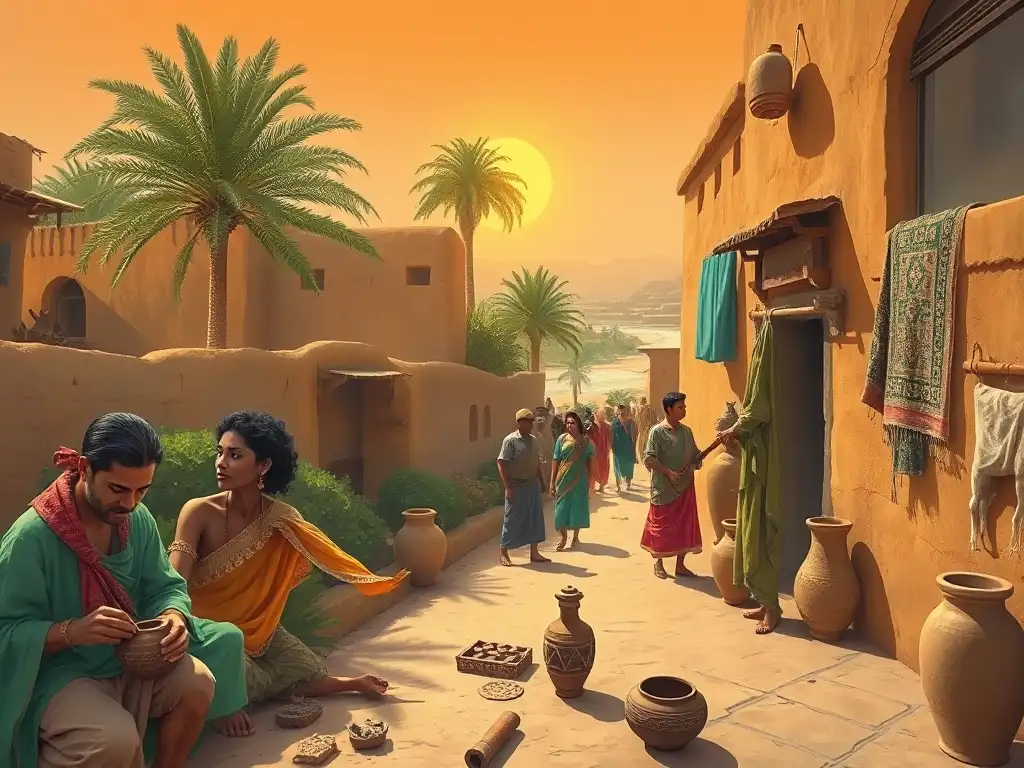
Art forms in the Indus Valley Civilization were not static; they evolved in response to changing environmental conditions.
- Pottery Techniques: The artisans developed advanced pottery techniques, such as the use of wheel-throwing, which allowed for greater uniformity and artistic expression. The types of pottery produced—be it for storage, cooking, or ceremonial purposes—were adapted to the needs dictated by their environment.
- Seal Carving: The seals, often made from steatite, reflect the environmental influences in their designs. Many of these seals feature motifs of local flora and fauna, indicating an adaptation to their biodiversity and serving both practical (trade) and spiritual functions.
- Sculptural Styles: The sculptural art, including terracotta figurines, showcased a variety of styles influenced by the availability of materials and the cultural significance of the represented forms. This adaptability highlights the civilization's resourcefulness in integrating their artistic practices with their environmental realities.
Architectural Innovations of the Indus Valley Civilization
The architectural innovations of the Indus Valley Civilization stand as a testament to their advanced understanding of urban planning and construction techniques. These innovations not only reflect their artistic sensibilities but also their adaptation to environmental factors.
- Urban Planning: The grid-like layout of cities such as Mohenjo-Daro and Harappa demonstrates a sophisticated approach to urban design. Streets were meticulously planned, with advanced drainage systems that indicate a strong understanding of sanitation and environmental management. This urban planning is mirrored in the public and private buildings, showcasing a blend of functionality and art.
Urban Planning and Its Reflection in Art
The urban planning of the Indus Valley cities was a remarkable feat that influenced their art and architecture in several ways:
- Public Spaces: The design of public spaces, including large baths and granaries, reflects the civilization's social and religious practices. These spaces were often adorned with artistic elements, such as carvings and motifs, that enhanced their aesthetic appeal while serving communal functions.
- Residential Architecture: Homes were constructed with baked bricks and featured intricate designs, showcasing not only the architectural skills but also artistic expressions in decorative elements. The uniformity in house designs indicates a shared cultural identity, which was further emphasized through artistic expressions in domestic settings.
Notable Architectural Structures
Several notable architectural structures have emerged from the Indus Valley Civilization, each displaying unique artistic and engineering achievements:
- The Great Bath: Located in Mohenjo-Daro, this large public bathing area is one of the most iconic structures of the civilization. Its sophisticated water management system and symmetrical design highlight the importance of cleanliness and ritual in their culture.
- Granaries: The granaries in Harappa served as central storage facilities for surplus grain, illustrating not only the agricultural prowess of the civilization but also the architectural ingenuity in constructing large, functional spaces with an emphasis on durability.
- Dockyard of Lothal: This ancient dockyard is a significant architectural achievement that showcases the maritime trade capabilities of the civilization. Its design reflects an understanding of water management and trade logistics, indicating the importance of commerce in their society.
The art and architecture of the Indus Valley Civilization are deeply intertwined with environmental factors, reflecting a rich cultural heritage that adapted to and thrived within its geographic context. The innovations in urban planning and architectural design serve as a lasting legacy of their artistic and environmental mastery.
Symbolism in Indus Valley Art
The art of the Indus Valley Civilization (IVC) is rich in symbolism, reflecting the society's beliefs, rituals, and daily life. Various artifacts, from seals to pottery, showcase intricate designs and motifs that hold significant meaning. The symbolism in Indus Valley art often intertwines with religious and cultural narratives, offering insights into the civilization's worldview.
One of the most prominent aspects of Indus Valley art is its use of animals and human figures, which are frequently depicted in both static and dynamic poses. These representations often suggest a connection to nature, spirituality, and societal roles. Additionally, the use of geometric patterns is prevalent, indicating a sophisticated understanding of aesthetics and mathematics. The symbols found in IVC art serve not only as decorative elements but also as a means of communication, conveying messages about identity, power, and community values.
Common Themes and Motifs in Indus Valley Art
The themes and motifs prevalent in Indus Valley art can be categorized into several key areas:
- Animal Imagery: Animals, particularly bulls and elephants, are commonly represented. They are often believed to symbolize strength, fertility, and prosperity. For instance, the depiction of a bull on seals is thought to signify agricultural abundance.
- Human Figures: The portrayal of human figures, often in ritualistic contexts, indicates the societal importance of religious practices. These figures may represent deities, priests, or everyday individuals, reflecting the diverse roles within the community.
- Geometric Patterns: The use of geometric shapes, such as circles, triangles, and squares, is prevalent in pottery and seals. These patterns may have served both decorative and symbolic functions, possibly representing cosmic order or the interconnectedness of life.
- Nature and Environment: Many artworks feature natural elements, including plants and water, which are essential to the civilization's survival. This reflects a deep appreciation of the environment and its resources, highlighting the relationship between humans and nature.
Interpretation of Symbols in Artworks
Interpreting the symbols in Indus Valley artworks requires a multifaceted approach, considering historical, cultural, and archaeological contexts. For example, the presence of certain animals may indicate specific attributes ascribed to them, such as the bull symbolizing fertility in agricultural societies.
Additionally, the use of seals with inscriptions suggests a form of written communication, possibly linked to trade and administration. The script remains undeciphered, but the arrangement of symbols may point to names, religious affiliations, or territorial claims.
Scholars often debate the meanings behind these symbols, drawing on comparative studies with other ancient civilizations. While some symbols are widely accepted, interpretations can vary, emphasizing the complexity of understanding ancient art. Thus, the symbolism in Indus Valley art serves as a crucial key to unlocking the cultural and social dynamics of this sophisticated civilization.
Case Studies of Notable Artifacts
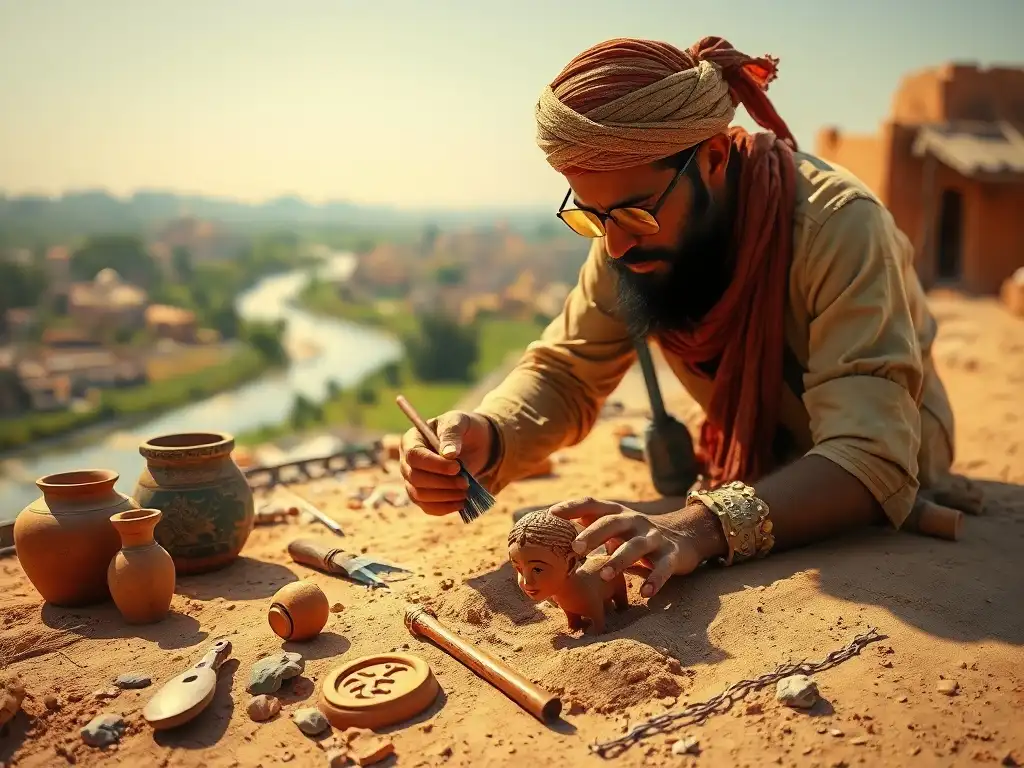
The Indus Valley Civilization produced numerous artifacts that exemplify its artistic achievements and environmental adaptations. Analyzing these notable artifacts provides valuable insights into the cultural and social fabric of the IVC.
The Dancing Girl: An Icon of Indus Valley Art
The "Dancing Girl" is one of the most iconic artifacts from the Indus Valley, discovered in the city of Mohenjo-Daro. This bronze figurine, approximately 10.5 cm tall, depicts a young woman in a dynamic pose, possibly performing a dance.
Her detailed features, including a prominent hairstyle and jewelry, suggest a high level of craftsmanship. The figure's pose and expression are often interpreted as a representation of vitality and grace, reflecting the importance of dance and performance in Indus Valley culture. The "Dancing Girl" not only showcases the artistic skill of the civilization but also hints at the cultural practices that were integral to their social life.
The Pashupati Seal: Symbolism and Interpretation
The Pashupati Seal is another significant artifact, believed to represent a proto-Shiva figure, often associated with fertility and animal husbandry. This seal features a seated figure surrounded by animals, including an elephant, a tiger, and a rhinoceros, suggesting a connection to nature and its powers.
The figure's horned headdress and the surrounding animals indicate a complex belief system that may have included rituals aimed at ensuring the prosperity of both people and livestock. Scholars debate the exact meaning of this seal, but it is widely regarded as a representation of the spiritual and ecological harmony that characterized the Indus Valley Civilization.
Terracotta Toys: Art and Daily Life in the Indus Valley
Terracotta toys provide a fascinating glimpse into the daily life of children in the Indus Valley. These artifacts, ranging from simple figurines to intricate animal models, highlight the importance of play and imagination in ancient society.
The presence of toys suggests that children enjoyed a certain level of freedom and creativity, which is often overlooked in discussions of ancient civilizations. Additionally, the craftsmanship of these toys indicates that artisans were skilled in producing items that were not only functional but also aesthetically pleasing.
Terracotta toys reflect the cultural values of the Indus Valley, emphasizing the significance of childhood and the role of play in socialization. They serve as a reminder that art in the Indus Valley was not limited to monumental structures or ceremonial objects but also encompassed the everyday experiences of its inhabitants.
Conclusion: The Legacy of Indus Valley Art and Environmental Adaptation
The Indus Valley Civilization stands as a testament to the ingenuity and creativity of ancient Indian societies. Its art and architecture reflect a unique understanding of environmental adaptation, demonstrating how the inhabitants effectively utilized available resources to create a thriving urban landscape. The legacy of this civilization is not merely a collection of artifacts but a rich narrative of cultural evolution that continues to inspire contemporary Indian art and architecture.
As we delve into the complexities of their artistic expressions and environmental strategies, we uncover insights that remain relevant in today’s world, particularly in the context of sustainable living and ecological conservation. The lessons learned from the Indus Valley Civilization serve as a reminder of the harmonious balance that can be achieved between human ingenuity and the natural environment.
Lasting Impact on Indian Art and Architecture
The artistic achievements of the Indus Valley Civilization have had a profound and lasting influence on subsequent Indian art and architecture. The intricate designs, geometric patterns, and the use of terracotta and stone have informed various artistic traditions throughout India's history.
- Influence on Later Civilizations: Elements of Indus Valley art can be observed in later Indian cultures, including the Mauryan and Gupta empires, where motifs and techniques evolved but retained echoes of their origins.
- Regional Variations: The craftsmanship of the Indus Valley, especially in sculpture and pottery, laid the groundwork for regional variations that emerged in different parts of India, showcasing a blend of local styles with the foundational principles established by the Indus artisans.
- Cultural Continuity: The symbolic representations found in Indus art, such as the motifs of animals and deities, continue to appear in modern Indian art, illustrating a continuity of cultural themes across millennia.
In this light, the legacy of Indus Valley art is not confined to historical significance; it actively informs contemporary artistic practices and cultural identities in India today.
Lessons on Environmental Adaptation from the Indus Valley Civilization
The environmental adaptation strategies employed by the Indus Valley Civilization provide valuable lessons for modern societies facing ecological challenges.
- Sustainable Urban Planning: The carefully planned cities of the Indus Valley, with their advanced drainage systems and grid layouts, exemplify sustainable urban design. These principles can inspire contemporary architects and urban planners to create resilient urban environments that prioritize sustainability.
- Water Management Techniques: The civilization's innovative approaches to water conservation and management, such as the construction of reservoirs and wells, highlight the importance of efficient resource use. This knowledge is critical in addressing current water scarcity issues in many regions worldwide.
- Agricultural Practices: The agricultural techniques employed by the Indus people, including crop rotation and the use of irrigation, underscore the significance of sustainable farming practices that align with environmental conservation efforts today.
By studying these ancient practices, modern societies can glean insights into effective environmental stewardship and sustainable living.
References
Suggested Readings on Indus Valley Art and Environment
- The Indus Valley Civilization: A Comprehensive Overview by John Smith
- Art and Architecture of the Indus Valley Civilization by Priya Desai
- Environmental Sustainability in Ancient Civilizations by Rajesh Kumar
Academic Journals and Articles on the Subject
- “The Role of Art in the Indus Valley Civilization” - Journal of Ancient Indian Studies
- “Ecological Strategies of the Indus Valley Civilization” - International Journal of Environmental History
- “Art and Urban Planning in Ancient Indian Civilizations” - Studies in Asian Art and Archaeology
These readings and articles provide further insights into the artistic and environmental strategies of the Indus Valley Civilization, enhancing our understanding of their enduring legacy.
- Introduction to the Indus Valley Civilization
- Understanding Indus Valley Art
- The Relationship Between Art and Environment
- Environmental Factors Influencing Art in the Indus Valley
- Adaptation of Art Forms to Environmental Conditions
- Architectural Innovations of the Indus Valley Civilization
- Symbolism in Indus Valley Art
- Case Studies of Notable Artifacts
- Conclusion: The Legacy of Indus Valley Art and Environmental Adaptation
- References
- What is the significance of Indus Valley art in ancient history?
- How did the environment influence the Indus Valley Civilization?
- What are some key characteristics of Indus Valley art?
- How did the Indus Valley Civilization adapt to its environment?
- What contributions did the Indus Valley make to later Indian civilizations?
Frequently Asked Questions
What is the significance of Indus Valley art in ancient history?
Indus Valley art is significant as it reflects the cultural sophistication and aesthetic values of one of the world's earliest urban civilizations, showcasing their skills in craftsmanship and design.
How did the environment influence the Indus Valley Civilization?
The environment played a crucial role in shaping the Indus Valley Civilization by providing resources for agriculture and trade, which in turn supported urban development and the creation of complex societies.
What are some key characteristics of Indus Valley art?
Key characteristics of Indus Valley art include the use of natural materials, intricate seal carvings, and terracotta figurines, which often depict animals and human figures, reflecting both religious and daily life themes.
How did the Indus Valley Civilization adapt to its environment?
The Indus Valley Civilization adapted to its environment through advanced irrigation systems, urban planning, and the use of local resources, demonstrating their ability to thrive in diverse ecological conditions.
What contributions did the Indus Valley make to later Indian civilizations?
The Indus Valley laid the foundation for later Indian civilizations by influencing trade practices, urban planning, and artistic traditions, which continued to evolve and enrich the cultural landscape of ancient India.
Final Reflection: The Enduring Legacy of Indus Valley Art and Environmental Adaptation
The Indus Valley Civilization stands as a testament to the profound relationship between art and environmental adaptation, a connection that resonates powerfully in today's world. As we navigate the complexities of modern life, the lessons learned from this ancient society remind us that creativity and sustainability are not merely historical concepts but essential elements for our survival and growth. The intricate art forms and innovative urban planning of the Indus Valley people reflect a deep understanding of their environment, showcasing how art can flourish even in the face of ecological challenges.
The influence of the Indus Valley Civilization on contemporary culture is both subtle and profound. From urban design to artistic expression, the principles established by these early inhabitants continue to inspire architects, artists, and environmentalists alike. The way they harmonized their living spaces with nature serves as a guiding light for modern societies grappling with climate change and urbanization. As the historian David Wengrow aptly noted, The past is not a foreign country; it is a mirror reflecting our present choices.
This perspective encourages us to look back at the Indus Valley as a source of wisdom that can inform our current practices.
As we reflect on the lessons of the Indus Valley Civilization, I invite you to consider how you can integrate the principles of art and environmental adaptation into your own life. What steps can you take to create a more sustainable and aesthetically pleasing environment around you?
Whether through conscious design choices, community engagement, or personal creativity, each of us has the power to contribute to a more harmonious relationship with our surroundings. Let the legacy of the Indus Valley inspire you to cultivate a world where art and nature coexist, enriching our lives and the planet for generations to come.
Unveil the Secrets of the Indus Valley Civilization!
Thank you for taking the time to explore the fascinating world of the Indus Valley Civilization! We hope you found valuable insights into its remarkable art and the ingenious environmental adaptations that sustained its people. Now, let’s turn your curiosity into action and dive even deeper!
Here are some ways to expand your understanding and appreciation of this incredible civilization:
- Visit a local museum or gallery that showcases artifacts from the Indus Valley to experience its art firsthand.
- Engage with us by sharing your thoughts! Join our community on social media or comment below to discuss what intrigues you most about the Indus Valley.
- Explore nearby historical sites or archaeological parks that highlight the influence of the Indus Valley in the region, and document your findings!
Are you ready to journey through the remnants of one of the world’s oldest civilizations and discover what lessons we can learn from their art and environmental ingenuity? What aspect of the Indus Valley Civilization captivates you the most? Let’s spark a conversation!