
How the Maurya Empire Managed Its Vast Territory: Key Administrative Figures

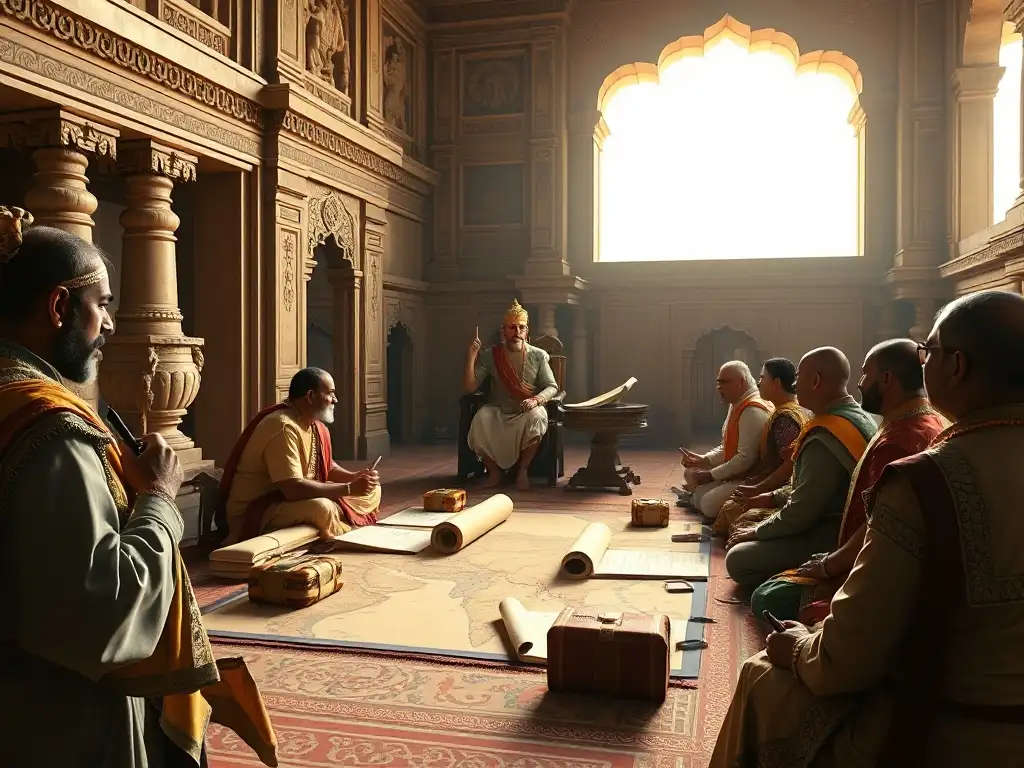
Welcome to Ancient India History, where we embark on a journey through the remarkable tapestry of India's past. Here, we delve into the captivating tale of the Maurya Empire, renowned for its innovative administrative strategies that allowed it to govern an expansive territory effectively. Curious about how key figures shaped the governance of one of history's most powerful empires? Join us as we uncover the secrets behind their success and explore the profound impact of their strategies on ancient civilization. Dive in and discover the legacy that continues to inspire!
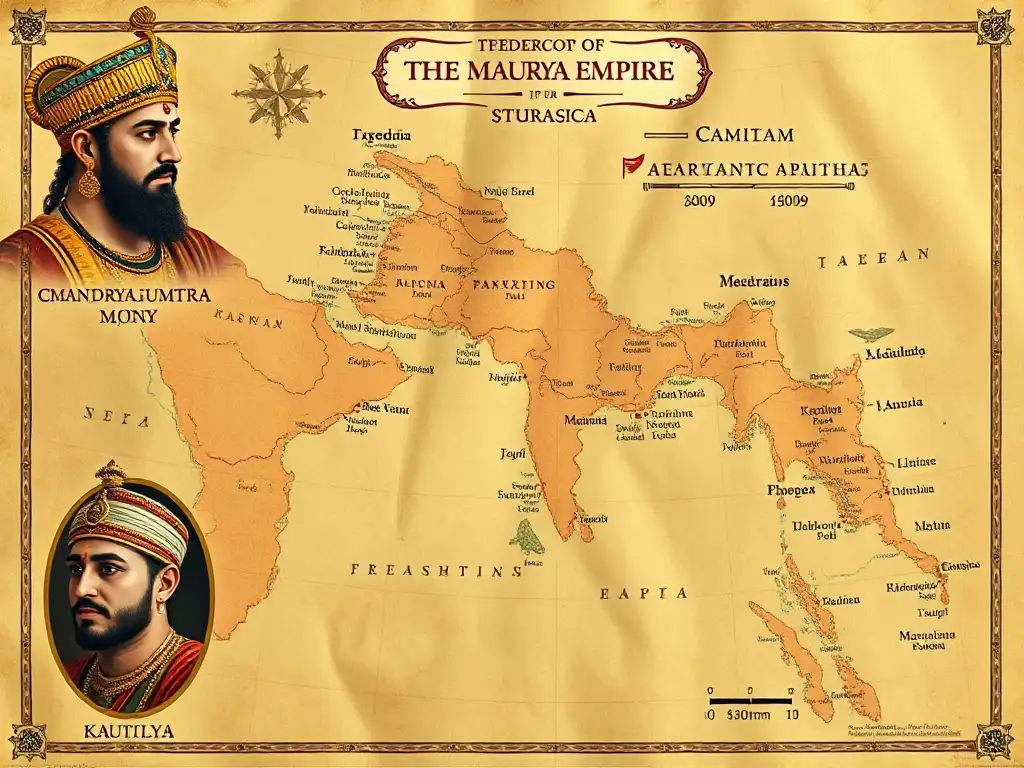
The Maurya Empire, which thrived from approximately 322 to 185 BCE, stands as one of the largest and most influential empires in ancient Indian history. With its vast territorial expanse, it encompassed diverse cultures and communities, necessitating sophisticated administrative strategies to ensure effective governance.
This article delves into the key figures who played pivotal roles in the administration of the Maurya Empire, revealing how their innovative approaches and philosophies contributed to the empire's stability and prosperity. By examining the lives and contributions of these influential leaders, we gain insight into the administrative strategies that allowed the Maurya Empire to manage its vast territory effectively.
Introduction to the Maurya Empire
Overview of the Maurya Empire
The Maurya Empire was founded by Chandragupta Maurya after he overthrew the Nanda Dynasty. Under his leadership, the empire expanded rapidly, covering much of the Indian subcontinent, including modern-day India, Pakistan, and parts of Afghanistan. The empire reached its zenith under Ashoka the Great, who is renowned for his efforts in promoting Buddhism and implementing policies that emphasized moral governance. The Maurya Empire is credited with significant advancements in various fields such as art, architecture, and trade, leaving a lasting legacy that continues to influence India today.
Importance of Administrative Strategies in Ancient India
Administrative strategies in ancient India were crucial for managing vast territories like the Maurya Empire. The need for organized governance was amplified by the empire's diverse populations and the geographical challenges posed by its vastness. Key strategies included:
- Decentralization of power: Local governors were appointed to oversee different regions, ensuring that local issues were addressed efficiently.
- Legal frameworks: A codified system of laws was established to maintain order and justice.
- Economic management: Trade routes were developed, and taxation systems were implemented to support the empire's economy.
These strategies not only facilitated effective governance but also fostered unity among the various cultures within the empire.
Key Administrative Figures of the Maurya Empire
Chandragupta Maurya: The Founder and His Vision
Chandragupta Maurya, the founder of the Maurya Empire, was a visionary leader whose strategic acumen laid the groundwork for the empire's administrative framework. His approach included:
- Establishing a centralized authority: Chandragupta centralized power to streamline decision-making and governance.
- Military organization: He built a formidable army to protect and expand the empire's borders.
His vision set the tone for future rulers and established a legacy of strong leadership in the Maurya Empire.
Kautilya (Chanakya): The Architect of Governance
Kautilya, also known as Chanakya, served as an advisor to Chandragupta and is often credited as the mastermind behind the empire's administrative policies. His seminal work, the Arthashastra, outlines key governance strategies, including:
- Diplomacy and espionage: Kautilya emphasized the importance of intelligence in statecraft.
- Economic policies: He advocated for state control over resources and trade to enhance the empire's wealth.
Kautilya’s insights into governance and administration were instrumental in establishing a robust bureaucratic system.
Bindusara: Consolidation and Expansion of Power
Bindusara, the son of Chandragupta Maurya, further consolidated the empire's power during his reign. His administrative strategies included:
- Strengthening alliances: Bindusara focused on building alliances with neighboring kingdoms to secure peace.
- Cultural integration: He promoted the integration of diverse cultures within the empire, fostering a sense of unity.
His efforts ensured the continued stability of the Maurya Empire and laid the groundwork for his son, Ashoka, to expand its influence.
Ashoka the Great: Transformation and Dharma
Ashoka the Great is perhaps the most celebrated ruler of the Maurya Empire, known for his transformative policies based on Dharma. His reign marked a significant shift in administrative strategies, characterized by:
- Promotion of Buddhism: Ashoka's embrace of Buddhism influenced his governance, focusing on ethical rule and non-violence.
- Public welfare initiatives: He implemented policies aimed at improving the lives of his subjects, such as the construction of hospitals and roads.
Ashoka's legacy is a testament to the power of compassionate leadership and its impact on governance in ancient India.
Maurya Empire Administrative Strategies
The Maurya Empire, one of ancient India's largest and most influential empires, employed a variety of sophisticated administrative strategies to manage its extensive territory. These strategies not only facilitated governance but also helped maintain stability and foster economic growth. Central to these strategies was a highly organized bureaucratic system that ensured the efficient functioning of the empire's administration.
Key figures in this administrative landscape included the emperor, provincial governors, and local officials who worked collaboratively to implement policies and maintain order. The Mauryan administration was characterized by its centralized nature, where authority was concentrated in the hands of the emperor, yet it also allowed for a degree of local governance to accommodate the diverse cultures and traditions across the empire. This balance between central authority and local autonomy was crucial for the effective management of diverse populations spanning vast geographical areas.
Centralized Administration: Structure and Function
The centralized administration of the Maurya Empire was defined by a clear hierarchy and division of responsibilities. At the top was the emperor, who held supreme power and made critical decisions regarding governance, military affairs, and foreign policy. Below him were provincial governors, known as Uparikas, who were tasked with overseeing large regions of the empire. These governors reported directly to the emperor and were responsible for enforcing laws, collecting taxes, and maintaining security within their jurisdictions.
The administration was further structured into various departments, each handling specific aspects such as finance, agriculture, and public works. This division of labor allowed for specialization and increased efficiency. For example, the Aparadhak, or head of law enforcement, ensured the maintenance of order, while the Amatya, or chief advisor, played a crucial role in policy formulation and implementation.
Overall, the centralized administration of the Maurya Empire enabled swift decision-making and effective governance, crucial for managing its vast territory and diverse population.
Revenue and Taxation Systems
The Maurya Empire developed a comprehensive revenue and taxation system that was essential for its economic sustainability. Taxation was structured based on agriculture, trade, and commerce, ensuring a steady flow of revenue to the imperial treasury. The Kautilya's Arthashastra, a seminal text attributed to the advisor Chanakya, outlined strategies for efficient tax collection and resource management.
Agricultural taxes formed the backbone of the revenue system, with farmers required to pay a certain percentage of their produce to the state. This system was supplemented by taxes on trade, which facilitated commerce and contributed to the empire's wealth. The Mauryan administration also recognized the importance of fair taxation, aiming to avoid excessive burdens on the populace while ensuring sufficient revenue for state functions.
Additionally, the empire employed a network of officials known as Sthanikas who were responsible for local tax collection, further streamlining the process and reducing the potential for corruption. This efficient revenue and taxation system was pivotal in financing military campaigns, public works, and administrative functions, contributing significantly to the empire's stability and prosperity.
Law and Justice in the Maurya Empire
Law and justice in the Maurya Empire were governed by a well-defined legal framework that aimed to uphold social order and protect citizens' rights. The legal system was influenced by both customary laws and the edicts of the emperor, which were inscribed on stone pillars and disseminated throughout the empire. These edicts, known as Ashoka's Edicts, emphasized moral conduct, non-violence, and adherence to justice.
The administration employed a cadre of judges and legal officials responsible for adjudicating disputes and ensuring the enforcement of laws. The Dharma, or moral law, played a crucial role in the judicial system, guiding legal decisions and promoting ethical governance. Disputes were often resolved through mediation, reflecting the empire's commitment to restorative justice over punitive measures.
The Mauryan legal system also included provisions for appeals, with higher courts available for cases that required further scrutiny. This structured approach to law and justice helped maintain social harmony and fostered a sense of trust in the ruling authority, essential for governance in such a vast and diverse empire.
Communication and Infrastructure in the Maurya Empire
Effective communication and infrastructure were cornerstones of the Maurya Empire's administrative success. The well-planned infrastructure facilitated not only the movement of goods and people but also ensured the swift transmission of information across the vast territories of the empire.
Road Networks and Their Role in Administration
The Maurya Empire is renowned for its extensive road networks, which were crucial for linking various regions of the empire. These roads facilitated trade, military movement, and administrative oversight, enhancing connectivity between the capital, Pataliputra, and distant provinces.
The roads were meticulously constructed and maintained, featuring rest houses and way stations for travelers. This infrastructure not only promoted economic activity but also served as a means for the government to project power and maintain control over remote areas. The movement of officials and messengers along these roads ensured that the emperor's edicts and policies reached every corner of the empire promptly, reinforcing centralized authority.
Moreover, the road networks played a vital role in the rapid mobilization of troops in times of conflict, exemplifying their strategic importance in both administration and military logistics.
Use of Spies and Messengers for Effective Communication
To complement the physical infrastructure, the Mauryan administration employed a sophisticated system of spies and messengers to facilitate communication and intelligence gathering. Spies were crucial for providing information about local conditions, public sentiment, and potential threats, enabling the emperor and his advisors to make informed decisions.
Messengers, often traversing the empire’s extensive road networks, ensured that directives from the central government reached local officials swiftly. This system of communication allowed for real-time updates on administrative matters, economic conditions, and security issues, fostering a responsive governance structure.
The use of spies and messengers exemplified the Maurya Empire's emphasis on intelligence and information as vital tools for effective governance, ensuring that the vast empire remained cohesive and well-regulated.
The Impact of Administrative Strategies on the Maurya Empire
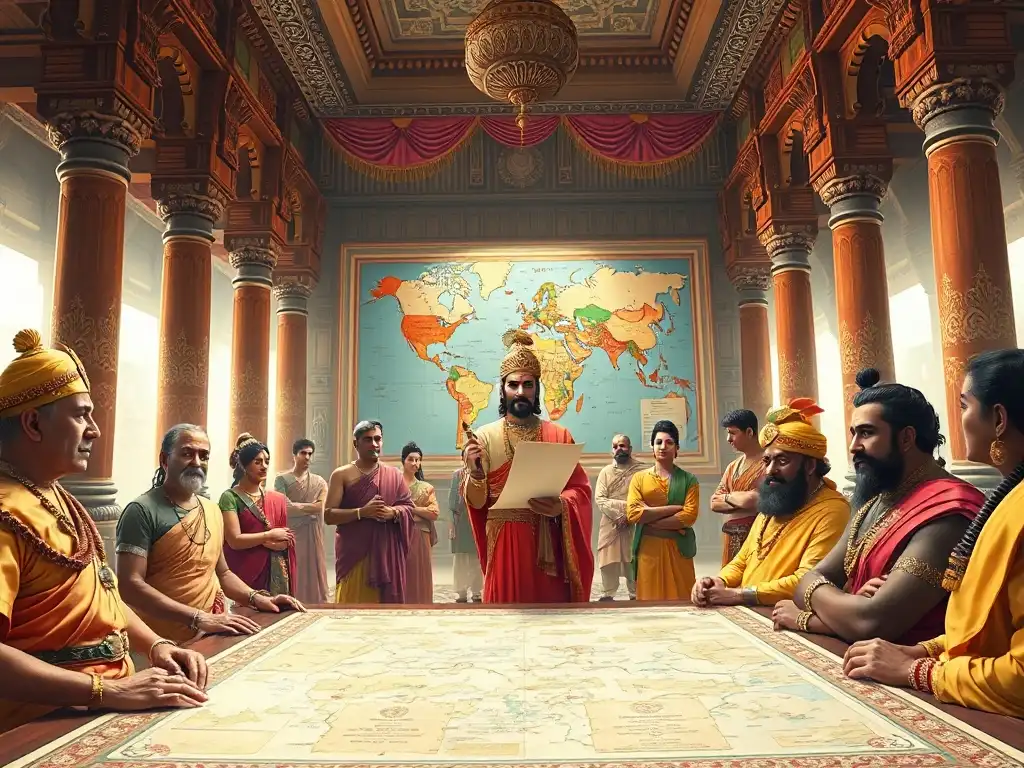
The administrative strategies employed by the Maurya Empire were pivotal in maintaining control over its vast territory, which stretched from present-day Afghanistan to Bangladesh. These strategies facilitated not only governance but also economic stability and cultural cohesion within the empire. The efficient management of resources, tax collection, and law enforcement helped create an environment where trade flourished and public order was maintained.
Stability and Prosperity of the Empire
The Maurya Empire, under leaders like Chandragupta Maurya and his grandson Ashoka, implemented a structured administrative framework that ensured stability and prosperity. The use of a centralized government allowed for efficient decision-making and law enforcement. Key strategies included:
- District Administration: The empire was divided into provinces, each governed by a viceroy, which allowed for localized governance. This structure enabled quick responses to regional issues, fostering stability.
- Taxation System: A well-organized taxation system was implemented, which funded the empire's military and infrastructure projects. This system was fair and based on agricultural yield, ensuring that it did not overly burden the peasants.
- Law and Order: The establishment of a network of spies and informants helped maintain law and order, deterring crime and corruption. This instilled confidence among merchants and travelers, promoting trade and commerce.
These strategies not only ensured the stability of the empire but also contributed to its prosperity, allowing it to thrive economically and culturally.
Influence on Subsequent Indian Dynasties
The administrative strategies of the Maurya Empire significantly influenced subsequent Indian dynasties. Many later rulers adopted and adapted these practices to suit their own governance needs. Notable influences include:
- Centralized Governance: The concept of a centralized administration became a hallmark of many Indian empires, including the Gupta and Mughal empires. This centralized approach allowed for cohesive governance across vast territories.
- Bureaucratic Structures: The Mauryan emphasis on a bureaucratic structure with trained officials laid the groundwork for future administrations. This model was essential for managing resources and enforcing laws.
- Legal Codes: The legal principles established during the Maurya period, particularly under Ashoka, inspired later legal systems in India, emphasizing justice and moral governance.
These influences shaped the political landscape of India for centuries, demonstrating the enduring legacy of Maurya administrative strategies.
Conclusion: Legacy of Maurya Empire Administrative Strategies
The administrative strategies of the Maurya Empire have left an indelible mark on the history of Indian governance. The combination of centralized control, efficient administration, and focus on welfare created a model that resonated through time.
Lasting Contributions to Indian Governance
The Maurya Empire's governance model introduced several lasting contributions that are evident in subsequent Indian states:
- Administrative Efficiency: The principles of efficient administration and local governance became foundational elements in later empires.
- Economic Management: The strategies of resource management and taxation informed the fiscal policies of future rulers, ensuring economic stability.
- Promotion of Dharma: Ashoka's promotion of Dharma as a guiding principle for governance influenced the moral and ethical frameworks of subsequent leaders.
These contributions provided a blueprint for effective governance that has influenced diverse political systems throughout Indian history.
Lessons Learned from the Maurya Empire’s Approach
The Maurya Empire's approach to administration offers several valuable lessons for modern governance:
- Importance of Local Governance: Empowering local leaders can enhance responsiveness and accountability in governance.
- Balancing Control and Autonomy: While central control is vital, allowing a degree of autonomy can foster loyalty and efficiency among local administrators.
- Focus on Public Welfare: Prioritizing the welfare of citizens can lead to greater stability and prosperity, as seen through Ashoka’s policies of non-violence and social welfare.
These lessons remain relevant today, showcasing the enduring wisdom of the Maurya Empire's administrative strategies.
Further Reading and Resources on the Maurya Empire
The Maurya Empire, known for its remarkable administrative strategies and extensive territorial reach, has been the subject of considerable scholarly interest. For those looking to deepen their understanding of this ancient Indian civilization, a variety of books, articles, and online resources are available that provide valuable insights into its governance, economy, culture, and key figures.
Recommended Books and Articles
-
"The Mauryan Empire" by Romila Thapar
This comprehensive book explores the social, political, and economic aspects of the Maurya Empire, delving into the strategies employed by its rulers to manage vast territories. Thapar's analysis is particularly noted for its critical examination of historical sources.
-
"Ashoka: The Search for Truth" by Charles Allen
Focusing on one of the most prominent figures of the Maurya Empire, this book provides a detailed account of Emperor Ashoka's reign, his administrative reforms, and his efforts to promote Buddhism across the empire.
-
"The Maurya Empire and Its Successors" by Michael W. Meister
This work offers an in-depth look at the political structure and administrative practices of the Maurya Empire, emphasizing continuity and change in subsequent Indian dynasties.
-
"The Arthashastra" by Kautilya (Chanakya)
Often regarded as a foundational text in political science, Kautilya's treatise outlines various strategies for governance, warfare, and economics that were crucial to the administration of the Maurya Empire.
-
"India: A History" by John Keay
This narrative history provides context for the Maurya Empire within the broader tapestry of Indian history, highlighting the empire's significance and the legacy of its administrative techniques.
Online Resources for Ancient Indian History
-
Ancient History Encyclopedia
This digital resource offers articles, timelines, and educational materials related to the Maurya Empire and other ancient civilizations, making it a valuable starting point for research.
-
The British Library – Asia, Pacific and Africa Collections
The British Library hosts a wealth of digitized manuscripts, maps, and historical documents that provide insights into the Maurya Empire's administration and culture.
-
Digital South Asia Library
This online archive offers a range of resources related to South Asian history, including books, images, and primary sources that pertain to the Maurya Empire.
-
Internet Archive
A vast repository of free books and historical documents, the Internet Archive includes works on the Maurya Empire, allowing users to access rare texts and scholarly articles at no cost.
-
Khan Academy – The Maurya Empire
Khan Academy provides educational videos and articles that summarize key aspects of the Maurya Empire, including its governance, economy, and cultural contributions, making it accessible for learners of all ages.
These resources will facilitate a deeper exploration of the Maurya Empire's administrative strategies and its impact on ancient Indian history.
- Introduction to the Maurya Empire
- Key Administrative Figures of the Maurya Empire
- Maurya Empire Administrative Strategies
- Communication and Infrastructure in the Maurya Empire
- The Impact of Administrative Strategies on the Maurya Empire
- Conclusion: Legacy of Maurya Empire Administrative Strategies
- Further Reading and Resources on the Maurya Empire
- What were the main administrative strategies of the Maurya Empire?
- Who were the key administrative figures in the Maurya Empire?
- How did the Maurya Empire ensure effective governance across its regions?
- What role did communication play in the administration of the Maurya Empire?
- How did the Maurya Empire contribute to the development of administrative practices in India?
Frequently Asked Questions
What were the main administrative strategies of the Maurya Empire?
The Maurya Empire utilized a centralized administration, which included efficient tax collection and a network of provincial governors to manage its vast territory effectively.
Who were the key administrative figures in the Maurya Empire?
Key figures included Chandragupta Maurya, the founder, and his advisor Kautilya, also known as Chanakya, who played a crucial role in shaping policies and governance.
How did the Maurya Empire ensure effective governance across its regions?
The empire established a bureaucratic system that employed local officials and maintained a strong military presence, ensuring law and order throughout the territories.
What role did communication play in the administration of the Maurya Empire?
Communication was vital; the Maurya Empire built an extensive network of roads and messengers, which facilitated the swift exchange of information and orders across its vast lands.
How did the Maurya Empire contribute to the development of administrative practices in India?
The Maurya Empire laid the foundation for modern governance through its innovative taxation systems, legal frameworks, and the emphasis on merit-based appointments in administration.
Final Reflection: The Enduring Legacy of Maurya Empire Administrative Strategies
The administrative strategies of the Maurya Empire resonate profoundly in today's world, showcasing how effective governance can shape vast territories and diverse populations. In an era where nations grapple with complex governance challenges, the Maurya Empire's approach serves as a timeless reminder of the importance of strategic administration. The lessons learned from their innovative systems and key figures are not just historical footnotes; they are relevant frameworks that can inspire contemporary leaders to navigate the complexities of modern governance.
The influence of the Maurya Empire's administrative strategies can be seen in the cultural and social landscapes of many societies today. Their ability to integrate diverse communities under a single administration is a testament to the power of inclusivity and effective communication. As we reflect on the past, we recognize that these strategies laid the groundwork for future governance models. The greatest victory is that which requires no battle.
This quote encapsulates the essence of the Maurya Empire's approach—achieving stability and unity through wise administration rather than conflict.
As we move forward, I invite you to consider how the principles of the Maurya Empire can be applied in your own life and community. Reflect on the importance of effective leadership, inclusivity, and strategic planning in your endeavors. Let the lessons from this remarkable empire inspire you to cultivate a sense of responsibility and innovation in your own administrative practices, whether in your personal life, workplace, or community initiatives. Embrace the challenge of creating a cohesive and thriving environment, just as the Maurya Empire once did.
Unleash Your Curiosity about the Maurya Empire!
Thank you for diving into the fascinating world of the Maurya Empire with us! We hope you gained valuable insights into how its remarkable administrative figures shaped one of history's greatest territories. Now, why not take your newfound knowledge to the next level?
Here are a few actionable steps you can take right now:
- Explore Further: Dive deeper into the captivating biographies of influential leaders like Ashoka and Chanakya. Discover how their innovations continue to influence governance today.
- Join the Conversation: Share your thoughts about the Maurya Empire on social media. Tag us and use #AncientIndiaHistory to connect with fellow history enthusiasts!
- Challenge Yourself: Try designing your own administrative model inspired by the Maurya system. How would you manage a vast empire in today's world?
What aspect of the Maurya Empire do you find most intriguing, and how can it inspire modern governance? Let’s discuss!