
The Indus Valley Civilization: A Study of Daily Life Through Archaeological Discoveries

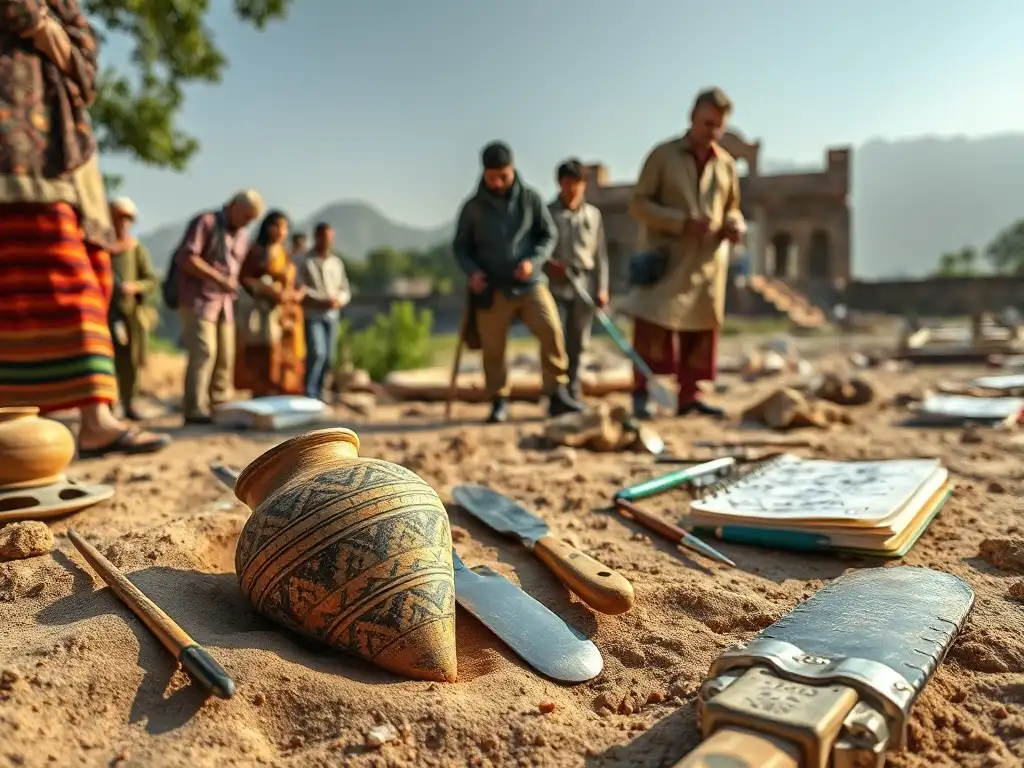
Welcome to Ancient India History, where we embark on a fascinating journey through the vibrant tapestry of ancient Indian civilizations. Dive into the intriguing world of the Indus Valley, as we explore the daily life and remarkable achievements unearthed through archaeology. Our featured article, "The Indus Valley Civilization: A Study of Daily Life Through Archaeological Discoveries," offers a captivating glimpse into the everyday lives of those who thrived in this ancient society. What secrets do their artifacts hold? Continue reading to uncover the rich narratives that shaped this extraordinary civilization and its enduring legacy.
Introduction to the Indus Valley Civilization
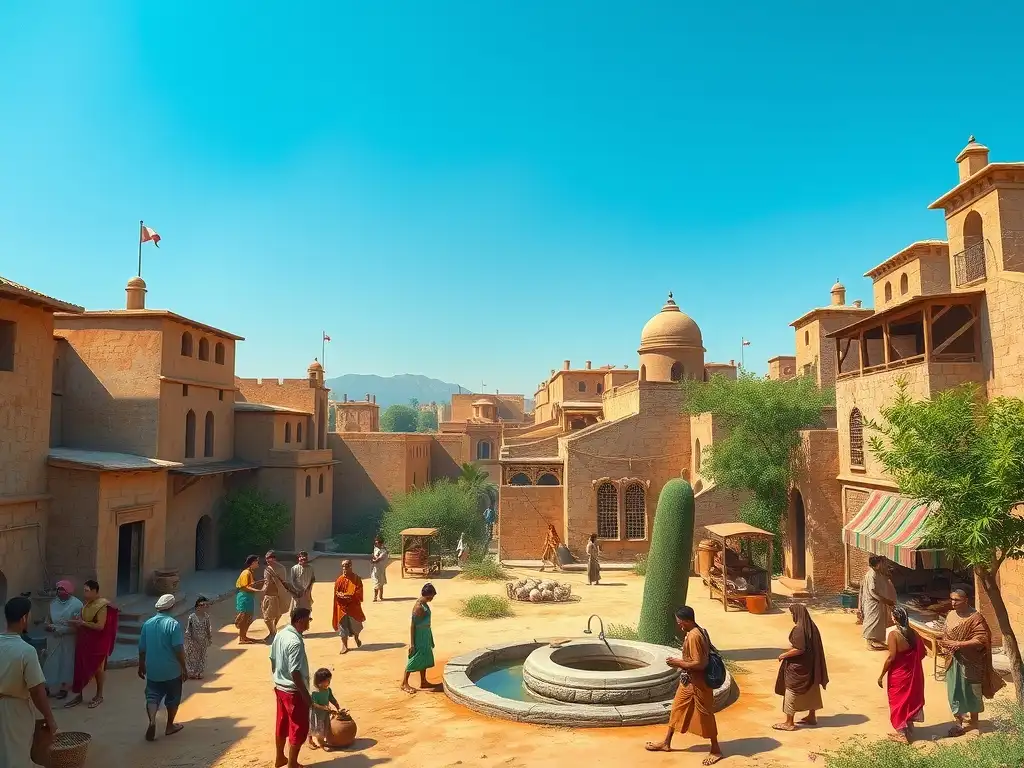
The Indus Valley Civilization (IVC), one of the world's earliest urban cultures, flourished around 2500 BCE in the northwestern regions of South Asia, primarily in what is now Pakistan and northwest India. Renowned for its advanced urban planning, sophisticated architecture, and innovative social systems, this civilization provides a fascinating glimpse into the daily lives of its inhabitants.
The study of the Indus Valley daily life archaeology is crucial for unraveling the complex social fabric, economic activities, and cultural practices that defined this ancient society. Through meticulous archaeological excavations and analyses, researchers have pieced together a vivid portrait of life in the IVC, showcasing its contributions to humanity's historical narrative.
Overview of Indus Valley Civilization
The Indus Valley Civilization is characterized by its well-planned cities, such as Harappa and Mohenjo-Daro, featuring grid patterns, advanced drainage systems, and standardized fired brick structures. This civilization emerged around the same time as other great civilizations, such as Mesopotamia and Ancient Egypt, but its unique features set it apart. The Indus people engaged in various trades, including bead-making, metallurgy, and agriculture, contributing to a vibrant economy that supported a diverse population.
Archaeological evidence suggests that the IVC was a highly organized society, with a sophisticated system of weights and measures, and possibly even early forms of writing. The civilization thrived for nearly a millennium before its gradual decline, raising numerous questions about the factors that led to its eventual collapse.
Importance of Archaeological Discoveries in Understanding Daily Life
Archaeological discoveries play a pivotal role in illuminating the daily life of the Indus Valley Civilization. Researchers have unearthed a wealth of artifacts, including pottery, tools, and inscriptions, which provide insights into the customs, beliefs, and practices of the Indus people. These findings allow historians and archaeologists to reconstruct aspects of daily life, such as domestic activities, trade practices, and social interactions.
Moreover, the interpretation of these discoveries is essential for understanding the broader context of the IVC in relation to other ancient civilizations. By analyzing the artifacts and their distribution, scholars can identify patterns of trade, cultural exchange, and the influence of geography on lifestyles. This comprehensive approach enables a deeper appreciation of the Indus Valley as a significant contributor to the development of human civilization.
Key Aspects of Daily Life in the Indus Valley Civilization
Housing and Urban Planning in Indus Valley Cities
The urban planning of Indus Valley cities is a testament to the architectural ingenuity of its inhabitants. Houses were typically constructed from baked bricks, often featuring flat roofs and multiple stories. Streets were laid out in a grid pattern, with main thoroughfares intersecting smaller lanes, showcasing a level of organization uncommon in contemporary societies.
The presence of advanced drainage systems, including covered drains and soak pits, reflects a commitment to hygiene and public health. Public baths, such as the Great Bath at Mohenjo-Daro, indicate the importance of ritual bathing and social gatherings in daily life. These urban planning aspects reveal not just the architectural capabilities of the Indus people but also their understanding of community living and environmental management.
Social Structure and Community Life
The social structure of the Indus Valley Civilization appears to have been stratified, although the exact hierarchy remains a subject of debate among scholars. Evidence suggests a degree of social organization with specialized roles, likely including artisans, merchants, and agriculturalists. The presence of granaries indicates a system of food storage and distribution, which would have been crucial for supporting a growing urban population.
Community life centered around shared spaces, such as public baths and marketplaces, fostering social interactions and trade. Artifacts, such as toys and games, hint at the leisure activities enjoyed by children and adults alike, suggesting a culture that valued recreation alongside work.
Food and Agriculture Practices
Agriculture was the backbone of the Indus Valley economy, with evidence showing that the civilization cultivated a variety of crops, including wheat, barley, and pulses. The use of irrigation systems points to advanced agricultural techniques that allowed for reliable food production.
Additionally, archaeological findings of animal remains indicate that livestock, such as cattle and goats, played a significant role in daily life, providing milk, meat, and labor. The diverse diet of the Indus people not only reflects their agricultural practices but also their ability to adapt to the region's ecological conditions. These insights into food and agriculture practices underscore the resourcefulness of the Indus Valley Civilization and its contributions to sustainable living in ancient times.
Archaeological Discoveries Enhancing Our Understanding of Daily Life
The archaeological discoveries from the Indus Valley Civilization (IVC) have significantly enhanced our understanding of daily life during this remarkable period. Excavations at major sites such as Harappa and Mohenjo-Daro have revealed intricate urban planning, advanced drainage systems, and well-structured residential areas, indicating a highly organized society. These findings allow researchers to reconstruct not just the physical environment but also the social dynamics and daily routines of the inhabitants.
In addition to urban infrastructure, discoveries of various artifacts and tools provide insight into the daily activities and cultural practices of the IVC people. The sophisticated nature of these artifacts suggests that the inhabitants engaged in a range of activities, including agriculture, trade, and craft production. Through meticulous analysis of these archaeological findings, historians and archaeologists can piece together the lifestyle, economy, and social structures of one of the world's earliest urban civilizations.
Major Archaeological Sites and Their Contributions
Several major archaeological sites have played a pivotal role in illuminating the daily life of the Indus Valley Civilization.
- Mohenjo-Daro: Perhaps the most famous site, it features advanced urban planning, with well-laid streets and sophisticated drainage systems. The Great Bath, a large public water tank, suggests the importance of ritualistic bathing and possibly communal gatherings.
- Harappa: Known for its impressive granaries and warehouses, Harappa provides evidence of agricultural surplus, which was essential for trade and sustenance. The site also showcases a variety of seals, indicating possible administrative functions and religious practices.
- Dholavira: This site is notable for its water conservation techniques, which highlight the importance of resource management in daily life. The presence of large reservoirs and intricate water management systems points to a community that prioritized sustainability.
- Lothal: Renowned for its dockyard, Lothal reveals the significance of maritime trade in the Indus Valley economy. The layout of the dockyard indicates an advanced understanding of shipbuilding and navigation, facilitating trade with distant regions.
These sites collectively provide a comprehensive view of the social, economic, and cultural life of the Indus Valley people, showcasing their advanced civilization.
Artifacts and Tools: A Window into Daily Activities
Artifacts recovered from various Indus Valley sites serve as crucial evidence of the daily activities and lifestyles of the civilization's inhabitants.
- Pottery: The discovery of painted and non-painted pottery reveals information about the culinary practices and social customs of the people. Different styles and forms of pottery indicate a variety of uses, from cooking to storage and ceremonial purposes.
- Seals: Made from steatite, these seals often depict animals and script, suggesting their use in trade transactions and possibly religious or administrative purposes. The presence of seals indicates a complex trade system and may offer insights into the social hierarchy.
- Tools and Implements: A range of stone, metal, and bone tools has been unearthed, including farming implements like plows and sickles, which highlight agricultural practices. The existence of specialized craft tools suggests a division of labor and the development of skilled trades.
- Jewelry and Ornaments: The discovery of ornaments made from semi-precious stones, terracotta, and metals reflects the aesthetic values and social status of individuals. These artifacts indicate that personal adornment played a significant role in daily life and social interactions.
Together, these artifacts create a vivid picture of the everyday lives of the Indus Valley people, revealing their priorities, practices, and cultural expressions.
The Role of Trade and Economy in Daily Life
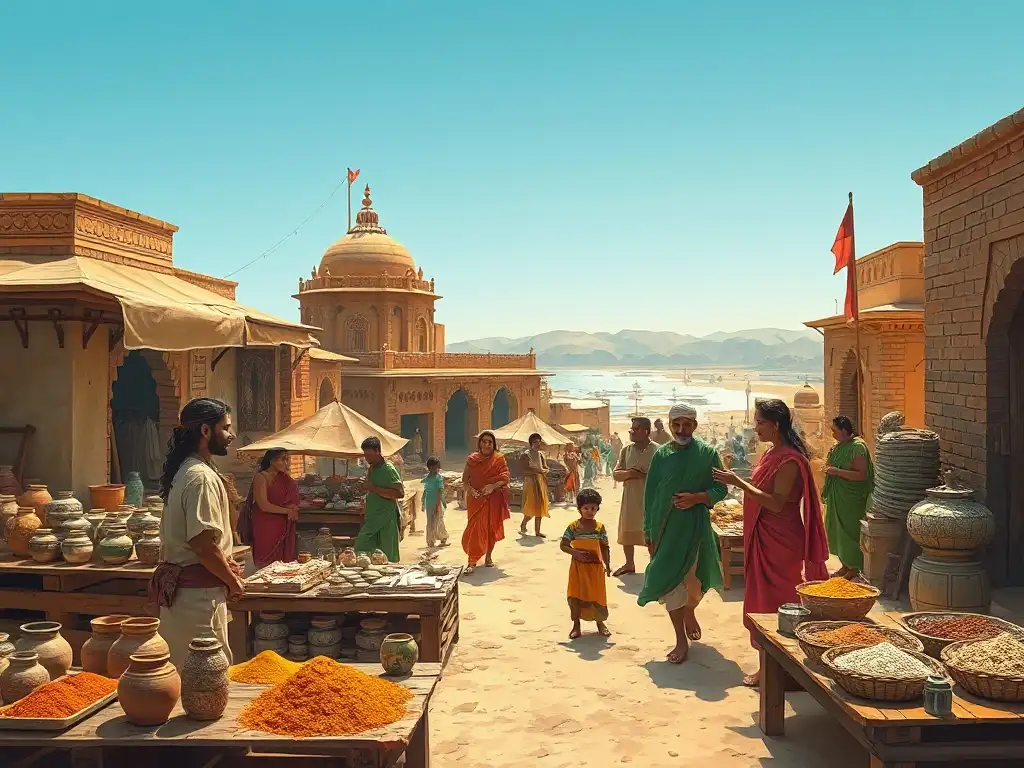
Trade and economy were fundamental to the daily life of the Indus Valley Civilization. The sophisticated economic practices and extensive trade networks not only facilitated the exchange of goods but also fostered cultural interactions and the spread of ideas. The wealth generated through trade contributed to the development of urban centers and the overall complexity of the society.
Trade Networks and Economic Practices
The Indus Valley Civilization is known for its extensive trade networks that connected it with far-reaching regions, including Mesopotamia, Persia, and beyond.
- Goods Exchange: Archaeological finds suggest that the IVC traded a variety of goods, including cotton textiles, beads, pottery, and metalwork. The presence of Indus seals in foreign lands indicates the importance of trade in their economy.
- Maritime Trade: Lothal’s dockyard is a testament to the maritime trade practices of the civilization. The ability to trade by sea allowed for the exchange of goods with distant cultures, which enriched the local economy and facilitated cultural exchange.
- Standardization: The use of standardized weights and measures, evidenced by stone weights found at various sites, indicates a sophisticated understanding of trade and commerce. This standardization would have facilitated fair trade practices and contributed to economic stability.
The trade networks of the Indus Valley Civilization were crucial for its economic prosperity and cultural development, highlighting how interconnected societies were during this ancient period.
Crafts and Industries: Evidence from Archaeological Finds
Archaeological discoveries reveal a thriving craft and industrial sector within the Indus Valley Civilization, showcasing the advanced skills and technological innovations of the time.
- Textile Production: Evidence suggests that the IVC was a major producer of textiles, particularly cotton. The presence of spindle whorls and loom weights indicates that weaving was a common domestic activity, with cotton playing a central role in trade.
- Metallurgy: The discovery of various metal tools and ornaments points to advanced metallurgy skills. The use of copper, bronze, and possibly even iron reflects technological advancements that were crucial for everyday life, from agricultural tools to weapons.
- Pottery and Terracotta: The remarkable craftsmanship in pottery and terracotta figurines indicates a vibrant artistic culture. The variety of pottery styles suggests both functional and decorative purposes, with pottery being an essential part of daily life.
- Bead Making: The extensive range of beads made from semi-precious stones, shells, and terracotta indicates a specialized craft industry. These beads were likely used for personal adornment and trade, highlighting the intersection of artistry and commerce.
The evidence of crafts and industries in the Indus Valley Civilization illustrates a society rich in creativity and economic activity, further deepening our understanding of their daily life and societal organization.
Religious and Cultural Practices Reflected in Daily Life
Daily life in the Indus Valley Civilization was intricately woven with religious and cultural practices that significantly influenced their society. Archaeological findings, such as seals, pottery, and figurines, provide a glimpse into the spiritual beliefs and cultural values of the Indus people. The importance of ritualistic practices can be observed in the design of their cities, which often included communal bathhouses and granaries that suggest a society focused on collective well-being and spirituality.
The presence of a mother goddess figurine, often interpreted as a fertility symbol, highlights the reverence for female deities and the significance of agriculture and fertility in their daily lives. Additionally, the discovery of fire altars in some urban centers suggests that ritual sacrifices or offerings may have been a common practice. These elements not only reflect the spiritual life of the Indus Valley people but also emphasize how these religious beliefs were intertwined with their daily routines and agricultural practices.
Rituals and Religious Artifacts
Rituals were an essential aspect of daily life in the Indus Valley, serving to strengthen community ties and express the spiritual beliefs of the people. Archaeologists have uncovered various religious artifacts, including clay figurines, seals, and pottery, that point to the existence of organized religious practices.
Among the most notable discoveries are the seals, which often feature intricate carvings of animals, deities, and symbols that likely held significant religious meaning. These seals were possibly used in trade and as amulets, indicating that spirituality permeated various aspects of life.
The widespread presence of terracotta figurines, particularly those depicting women in elaborate headdresses, suggests a veneration of female deities or a connection to fertility practices. Furthermore, the discovery of ritualistic objects such as pottery with specific markings and the remnants of fire altars indicates that ceremonies likely played a central role in community life, reinforcing social cohesion and shared beliefs.
Artistic Expressions and Daily Life
Artistic expressions in the Indus Valley Civilization were not merely decorative but also served as a reflection of daily life and cultural identity. The craftsmanship seen in pottery, jewelry, and sculpture reveals a society that valued aesthetics alongside functionality.
Pottery, often adorned with intricate designs and motifs, was used in daily activities such as cooking and storage. The variety in styles and the use of painted decorations reflect the artistic skills of the inhabitants and their cultural narratives.
Moreover, the production of seals featuring animals and mythological figures illustrates the integration of art into trade and communication. These artistic expressions served to convey messages about identity, status, and spirituality, indicating that daily life was rich with cultural significance.
The Impact of Geography on Daily Life
The geography of the Indus Valley, characterized by fertile plains and river systems, played a pivotal role in shaping the daily lives of its inhabitants. The strategic location near major rivers provided essential resources that influenced agricultural practices, trade, and settlement patterns.
River Systems and Agricultural Practices
The Indus River and its tributaries were crucial for agriculture, enabling the cultivation of crops such as wheat, barley, and cotton. The annual flooding of the rivers deposited nutrient-rich silt on the plains, making the land exceptionally fertile. Archaeological evidence suggests that the Indus Valley people developed advanced irrigation techniques, including canal systems, to optimize agricultural output.
The reliance on agriculture not only supported the sustenance of the population but also facilitated trade. Surplus produce likely enabled the growth of urban centers, as communities could engage in commerce and cultural exchanges with neighboring regions. This agricultural foundation was central to the daily life of the Indus Valley civilization, shaping their economy, social structure, and community interactions.
Natural Resources and Their Uses in Daily Life
The Indus Valley was rich in natural resources, including metals, stones, and clay, which significantly influenced daily life. The availability of copper and bronze facilitated the production of tools and weapons, enhancing agricultural efficiency and trade capabilities.
Craftsmanship in bead-making and metallurgy indicates that artisans specialized in creating goods that were both functional and ornamental. The use of semi-precious stones in jewelry demonstrates the value placed on personal adornment and trade with other civilizations.
Additionally, the diversity of materials available allowed for the development of various crafts, enhancing the economic landscape of the civilization. This resource abundance played a key role in shaping the social dynamics, economic activities, and cultural expressions within the Indus Valley, illustrating how geography directly influenced daily life.
Challenges and Decline of the Indus Valley Civilization
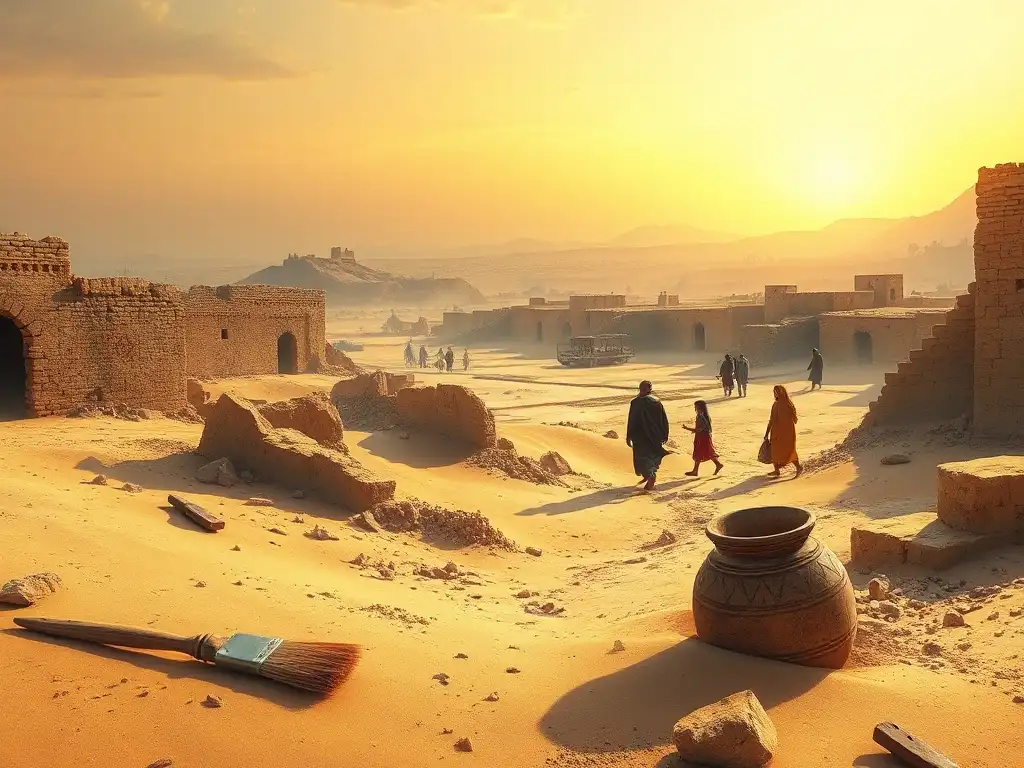
The Indus Valley Civilization, known for its advanced urban planning and sophisticated culture, eventually faced significant challenges that contributed to its decline. Various factors, both environmental and socio-political, played a role in the deterioration of this once-thriving civilization. The examination of these challenges not only provides insight into the daily life of its inhabitants but also highlights the resilience and adaptability of the society in the face of adversity.
Environmental Factors Affecting Daily Life
Environmental factors significantly influenced the daily life of the Indus Valley civilization. The region's geography, characterized by rivers, fertile plains, and seasonal monsoons, was initially conducive to agriculture and trade. However, over time, changes in climate and natural disasters had profound impacts:
- River Dynamics: The Indus River and its tributaries were vital for irrigation and agriculture. Shifts in water courses, possibly due to tectonic activity or siltation, could have disrupted farming practices, leading to food shortages.
- Climate Change: Evidence suggests that around 2000 BCE, the region faced a significant decrease in rainfall, leading to arid conditions. This climatic shift would have affected agricultural productivity, forcing communities to adapt their farming techniques or abandon settlements altogether.
- Natural Disasters: Floods and droughts likely posed additional threats. Archaeological findings indicate that some cities, such as Mohenjo-Daro, showed signs of flooding, which could have devastated infrastructure and homes.
These environmental factors not only challenged the agricultural backbone of society but also influenced trade, resource availability, and the overall quality of life for the inhabitants.
Theories on the Decline of the Indus Valley Civilization
The decline of the Indus Valley Civilization has been a topic of extensive research, leading to several theories regarding its eventual downfall. Among the most prominent explanations are:
- Agricultural Decline: As mentioned, environmental changes likely led to agricultural decline, resulting in food scarcity and increased competition for resources. This could have led to social unrest and the eventual abandonment of cities.
- Invasion and Conflict: Some theories suggest that invasions by nomadic tribes or rival civilizations may have contributed to the collapse. However, archaeological evidence for widespread violence is limited, leading many scholars to consider this theory less likely.
- Internal Strife: Social and political factors, including possible economic disparities and governance issues, could have caused internal conflict. The complexity of urban life may have led to social stratification that, when coupled with resource scarcity, could have resulted in societal breakdown.
- Epidemic Diseases: Another theory proposes that disease outbreaks may have played a role in the decline. High population density in urban areas could have facilitated the spread of infections, impacting the population significantly.
Each of these theories highlights the multifaceted nature of the challenges faced by the Indus Valley Civilization and underscores the complexity of its decline.
Conclusion: The Legacy of Indus Valley Daily Life through Archaeological Discoveries
The archaeological discoveries of the Indus Valley Civilization have painted a vibrant picture of daily life within this ancient society. From advanced urban planning and sanitation systems to intricate trade networks and craftsmanship, these findings have revealed the sophistication of the Indus people. Their legacy lives on, influencing contemporary understandings of urban life and social organization.
Reflection on the Importance of Archaeological Research
Archaeological research plays a crucial role in uncovering the intricacies of the Indus Valley Civilization. The meticulous study of artifacts, urban layouts, and inscriptions provides invaluable insights into the daily lives of its inhabitants. This research not only enriches our knowledge of ancient societies but also fosters a greater appreciation for the complexities of human history. As more discoveries are made, the narrative of the Indus Valley Civilization continues to evolve, revealing new dimensions of its rich cultural heritage.
Future Directions in the Study of Indus Valley Civilization
Looking ahead, there are several promising directions for future studies of the Indus Valley Civilization:
- Interdisciplinary Approaches: Combining archaeology with fields such as genetics, climatology, and anthropology can yield deeper insights into the lives of the Indus people and their environmental adaptations.
- Advanced Technologies: Utilizing technology such as remote sensing and geographic information systems (GIS) can enhance archaeological surveys and site analysis, leading to the discovery of previously unidentified settlements and trade routes.
- Public Engagement: Increasing public interest and engagement through educational initiatives can foster a broader understanding of the importance of the Indus Valley Civilization in the context of global history.
By pursuing these avenues, researchers can continue to unravel the mysteries of the Indus Valley, ensuring that its legacy remains a vital part of our collective history.
Further Reading and Resources on Indus Valley Daily Life Archaeology
The study of daily life in the Indus Valley Civilization is enriched by a variety of resources that delve into archaeological discoveries, historical analyses, and cultural insights. For those interested in exploring this fascinating topic further, a selection of recommended books, articles, and online resources is available to enhance understanding and appreciation of this ancient civilization.
Recommended Books and Articles
-
"The Indus Civilization: A Contemporary Perspective" by Gregory L. Possehl
This comprehensive book offers a modern interpretation of the archaeological findings from the Indus Valley. Possehl provides insights into the daily lives of its inhabitants, focusing on urban planning, trade, and social structures.
-
"Ancient Pakistan: An Archaeological History" by Irfan Habib
A detailed examination of the archaeological evidence from various sites in Pakistan, this work covers not just the Indus Valley but also surrounding areas, shedding light on cultural exchanges and daily practices.
-
"The Archaeology of Early Historic South Asia: The Emergence of Cities and States" by Robin Coningham and Ruth Young
This book contextualizes the Indus Valley within the broader framework of South Asian archaeology, exploring the transition from the Indus Valley Civilization to subsequent historical periods.
-
"Life in the Indus Valley: An Archaeological Perspective" by Michael Jansen
This article provides a focused analysis of daily life, including diet, social structure, and technology, based on recent excavations and findings.
-
"Urbanization in the Indus Valley Civilization" published in the Journal of Archaeological Science
An academic article that discusses urban planning and social organization, utilizing archaeological data to illustrate the complexities of life in major Indus cities.
Online Resources and Databases
-
Archaeological Survey of India (ASI)
The ASI website provides access to numerous reports and publications about archaeological sites, including those from the Indus Valley, offering a wealth of information on ongoing research and findings.
-
The Indus Valley Civilization Digital Archive
This online repository hosts a variety of documents, images, and research papers related to the Indus Valley Civilization. Users can explore excavations, artifacts, and interpretations from leading archaeologists.
-
Ancient History Encyclopedia
A user-friendly platform that features articles, timelines, and educational resources about the Indus Valley Civilization, focusing on daily life, culture, and archaeological discoveries.
-
British Museum - Indus Valley Civilization
The British Museum's website includes detailed descriptions of artifacts, along with images and historical context, enhancing the understanding of daily life in the Indus Valley.
-
Open Access Journal of Archaeology
This journal features articles and research papers on various archaeological topics, including studies related to the Indus Valley. It is an excellent resource for those seeking scholarly articles without subscription barriers.
By engaging with these recommended books and online resources, readers can deepen their knowledge of the Indus Valley Civilization and gain a more nuanced understanding of the daily lives of its people through the lens of archaeology.
- Introduction to the Indus Valley Civilization
- Key Aspects of Daily Life in the Indus Valley Civilization
- Archaeological Discoveries Enhancing Our Understanding of Daily Life
- The Role of Trade and Economy in Daily Life
- Religious and Cultural Practices Reflected in Daily Life
- The Impact of Geography on Daily Life
- Challenges and Decline of the Indus Valley Civilization
- Conclusion: The Legacy of Indus Valley Daily Life through Archaeological Discoveries
- Further Reading and Resources on Indus Valley Daily Life Archaeology
- What was the significance of the Indus Valley Civilization?
- How do archaeological discoveries enhance our understanding of daily life in the Indus Valley?
- What types of artifacts have been found that illustrate daily life in the Indus Valley?
- How did the Indus Valley Civilization contribute to later Indian cultures?
- What challenges do researchers face in studying Indus Valley daily life through archaeology?
Frequently Asked Questions
What was the significance of the Indus Valley Civilization?
The Indus Valley Civilization was one of the world's earliest urban cultures, known for its advanced city planning, sophisticated drainage systems, and vibrant trade networks.
How do archaeological discoveries enhance our understanding of daily life in the Indus Valley?
Archaeological discoveries provide insights into the daily routines, social structures, and economic practices of the civilization, revealing how people lived, worked, and interacted.
What types of artifacts have been found that illustrate daily life in the Indus Valley?
Artifacts such as pottery, tools, toys, and seals have been unearthed, showcasing aspects of daily life, including artistic expression, trade practices, and community organization.
How did the Indus Valley Civilization contribute to later Indian cultures?
The Indus Valley Civilization laid the groundwork for future Indian societies through its innovations in urbanization, trade, and possibly even early forms of writing and governance.
What challenges do researchers face in studying Indus Valley daily life through archaeology?
Researchers often contend with limited written records and the need to interpret material remains, which can lead to challenges in accurately reconstructing the cultural and social context of the civilization.
Final Reflection: Unveiling the Threads of Indus Valley Daily Life
The exploration of the Indus Valley Civilization through archaeological discoveries reveals not only the intricacies of daily life but also its profound relevance to our understanding of human history today. As we sift through the remnants of this ancient society, we uncover lessons about urban planning, trade, and social organization that resonate with our contemporary challenges. The echoes of their daily existence remind us that the past is not merely a distant memory but a foundational element that shapes our present and future.
Cultural and social landscapes are continuously influenced by the remnants of civilizations like the Indus Valley. The discoveries made by archaeologists illuminate the sophistication of their society, from advanced drainage systems to intricate pottery, showcasing a level of innovation that inspires modern urban development. The past is never dead. It's not even past.
– William Faulkner. This quote encapsulates the enduring impact of the Indus Valley Civilization, as their achievements and way of life continue to inform our understanding of community and sustainability.
As you reflect on the lessons gleaned from the daily life of the Indus Valley, consider how these insights can be applied to your own life. Embrace the opportunity to learn from the past, recognizing that the choices we make today can echo through time. Let the ingenuity and resilience of the Indus Valley people inspire you to cultivate a deeper connection with your community and environment, fostering a legacy that honors both history and the future.
Unearth the Mysteries of the Indus Valley Civilization!
Thank you for exploring the fascinating world of the Indus Valley Civilization with us! We hope you found valuable insights into its daily life through our archaeological discoveries. Now, it’s time to dive deeper and take your curiosity to the next level!
- Join a local history group or online forum to share insights and learn more about ancient civilizations.
- Investigate your community’s past: Visit a nearby museum or archaeological site to uncover the historical treasures that lie close to home.
- Share your newfound knowledge by discussing the Indus Valley Civilization with friends or posting an engaging article on social media.
What aspects of the Indus Valley Civilization fascinate you the most? How do you think they compare to other ancient cultures? Let's spark a conversation!