
The Flourishing Arts of the Gupta Empire: A Cultural Renaissance

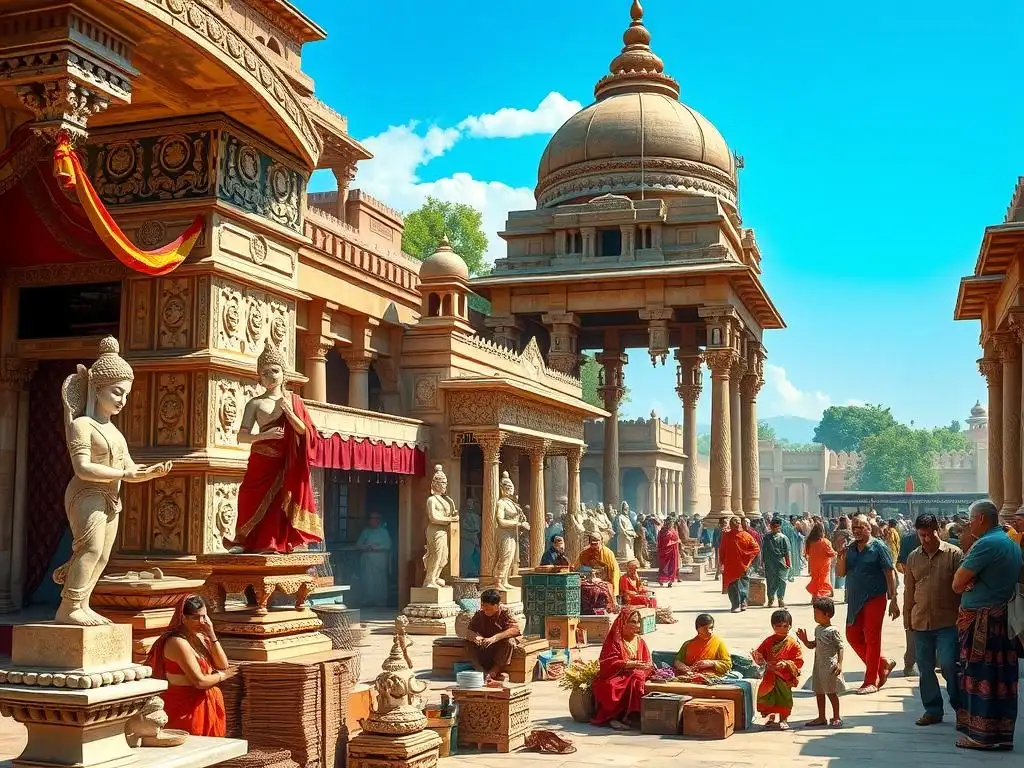
Welcome to Ancient India History, where we embark on a captivating journey through the rich tapestry of ancient Indian civilizations. In today's exploration, we delve into the Gupta Empire and its flourishing arts and culture, a fascinating period often regarded as a cultural renaissance. As we unravel the intricate threads of artistry, philosophy, and innovation that defined this era, you'll discover how the Gupta dynasty not only shaped India’s heritage but also left an indelible mark on the world. Prepare to be inspired and intrigued as we invite you to explore the richness of ancient Indian history further!
Introduction to the Gupta Empire Art and Culture
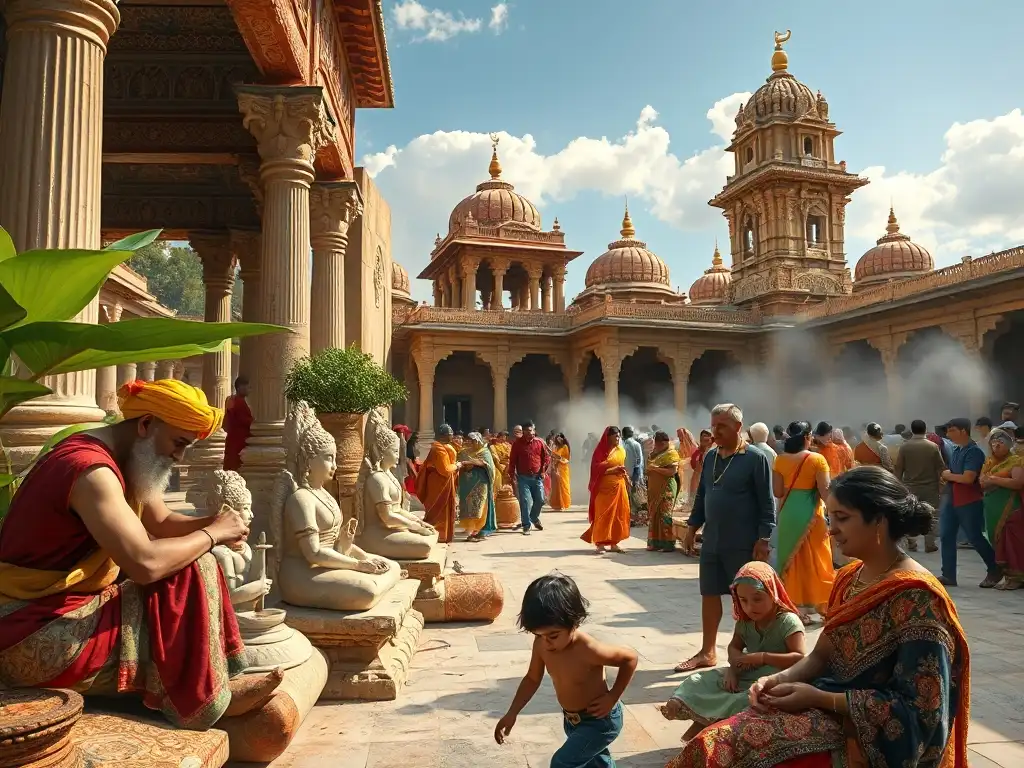
The Gupta Empire, often referred to as the "Golden Age" of ancient India, marked a significant period of cultural, artistic, and intellectual flourishing that has had a profound impact on Indian civilization. Spanning from approximately 320 CE to 550 CE, this era is characterized by remarkable advancements in various fields, including literature, science, mathematics, and, notably, the arts.
The contribution of Gupta art and culture not only enriched the Indian subcontinent but also influenced neighboring regions, leaving a legacy that resonates to this day. This article delves deep into the vibrant artistic expressions, cultural achievements, and historical context of the Gupta Empire, shedding light on how this period epitomized a true cultural renaissance in ancient India.
Overview of the Gupta Empire
The Gupta Empire emerged as a dominant power in northern India, following the decline of the Mauryan Empire. Established by Maharaja Sri Gupta, the empire reached its pinnacle under the reign of Chandragupta II and his successors. The Gupta rulers were known for their patronage of the arts and sciences, fostering an environment where creative expression could thrive. Notably, the capital of the Gupta Empire, Pataliputra (modern-day Patna), became a hub for scholars, artists, and philosophers, contributing to a vibrant intellectual community.
- Key features of the Gupta Empire:
- Political stability: The Gupta period was marked by relative peace and stability, allowing for economic prosperity and cultural development.
- Religious diversity: Hinduism flourished, but Buddhism and Jainism also thrived, leading to a rich tapestry of artistic expression.
- Cultural exchange: The empire's extensive trade networks facilitated interaction with other cultures, enriching its own traditions.
Significance of Art and Culture in the Gupta Period
The Gupta Empire is renowned for its outstanding contributions to art and culture, which served as a reflection of the society's values and beliefs. Art during this period was not merely decorative; it was deeply intertwined with religion, philosophy, and daily life.
- Notable contributions include:
- Sculpture: Gupta art is characterized by its intricate sculptures, particularly of deities, which showcased a blend of realism and idealism.
- Architecture: The period saw the construction of grand temples and stupas, often adorned with elaborate carvings and frescoes.
- Literature: The era produced eminent literary figures like Kalidasa, whose works are celebrated for their poetic beauty and depth.
The Historical Context of Gupta Art and Culture
Understanding the art and culture of the Gupta Empire requires a look at the historical context that shaped this dynamic period. The interplay of political, economic, and social factors contributed significantly to the flourishing of the arts.
The Rise of the Gupta Empire
The rise of the Gupta Empire can be attributed to several factors, including military conquests, strategic marriages, and effective governance. The Gupta rulers adopted a policy of decentralization, empowering local leaders and fostering loyalty among the populace. This approach not only ensured stability but also encouraged local artistic expressions to flourish.
- Key events leading to the rise:
- Consolidation of power: Chandragupta I unified various small kingdoms.
- Military expansions: Successful campaigns against neighboring territories expanded the empire's influence.
Influences on Gupta Art and Culture
The art and culture of the Gupta period were influenced by various factors, including earlier Indian traditions, regional styles, and contact with other civilizations. The synthesis of these influences resulted in a distinct Gupta aesthetic that is still celebrated today.
- Influencing factors include:
- Earlier Indian art: The artistic traditions established during the Mauryan era laid the groundwork for Gupta innovations.
- Regional variations: Local customs and practices contributed to the diversity of artistic styles within the empire.
- Cultural exchanges: Trade and interaction with cultures such as the Greeks and Persians introduced new ideas and techniques into Gupta art.
By exploring these themes, we can better appreciate the rich tapestry of Gupta Empire art and culture, which not only defined an era but also shaped the future of Indian civilization.
Key Characteristics of Gupta Empire Art
The art of the Gupta Empire, which flourished from approximately 320 to 550 CE, is characterized by its remarkable sophistication and a blend of aesthetic beauty with spiritual significance. One of the most notable features is the emphasis on naturalism, where artists aimed to depict human figures and emotions with greater realism. This shift from stylized forms to lifelike representations marked a significant evolution in Indian art.
Another defining characteristic is the use of vibrant colors and intricate details. Gupta artists employed a range of materials, including stone, metal, and pigments, which allowed for the creation of richly textured and visually stunning works. The themes often revolved around religious iconography, particularly Hindu and Buddhist motifs, reflecting the spiritual essence of the period.
Furthermore, Gupta art was distinguished by its harmonious proportions and balance, evident in both sculptures and paintings. This adherence to symmetry and proportion contributed to a sense of order and tranquility, which was a hallmark of the cultural renaissance during this era. The art from this period not only served decorative purposes but also played a crucial role in conveying religious and philosophical ideas, thus solidifying its importance in the broader context of ancient Indian civilization.
Sculpture in the Gupta Era
Sculpture during the Gupta era is renowned for its exquisite craftsmanship and intricate detailing, reflecting the high level of skill achieved by artisans of the time. One of the most prominent features of Gupta sculpture is the portrayal of deities and mythological figures, which were often depicted in a more humanized form compared to earlier traditions. This allowed for a deeper emotional connection with the viewer, enhancing the spiritual experience.
The use of soft stone, such as sandstone, became prevalent, allowing sculptors to create finely detailed figures. Notable examples include the iconic standing Buddha statues, which exhibit a serene expression and graceful poses. These sculptures not only served religious purposes but also became symbols of the artistic excellence of the Gupta period.
Furthermore, the Gupta sculptors mastered the technique of relief carving, which added depth and dimension to their work. Temples and stupas were adorned with elaborate relief panels depicting scenes from Hindu epics, such as the Ramayana and Mahabharata. These artistic expressions not only showcased the technical prowess of the artisans but also played a significant role in the dissemination of cultural narratives and religious teachings.
Painting During the Gupta Period
Painting in the Gupta Empire reached new heights of sophistication, characterized by vibrant colors and intricate compositions. The use of tempera and water-based paints allowed artists to create stunning murals and frescoes that adorned temples and palaces. These paintings often depicted religious themes, including scenes from Hindu mythology and Buddhist teachings, serving both decorative and didactic purposes.
One of the most famous examples of Gupta painting is found in the Ajanta Caves, where the walls are adorned with elaborate murals that illustrate the life of the Buddha and various Jataka tales. The compositions are notable for their dynamic poses and expressive faces, which convey a sense of movement and emotion. The artists employed a limited but rich color palette, often enhancing the visual impact through the use of gold leaf and natural pigments.
Additionally, Gupta paintings reflect a keen observation of nature, with depictions of flora and fauna integrated into the scenes. This attention to detail not only highlights the artists' skills but also reinforces the connection between the natural world and spiritual beliefs, a theme prevalent in Gupta art. Overall, the painting of the Gupta period is celebrated for its harmony, beauty, and ability to convey profound philosophical concepts.
Architecture and Urban Planning in the Gupta Empire
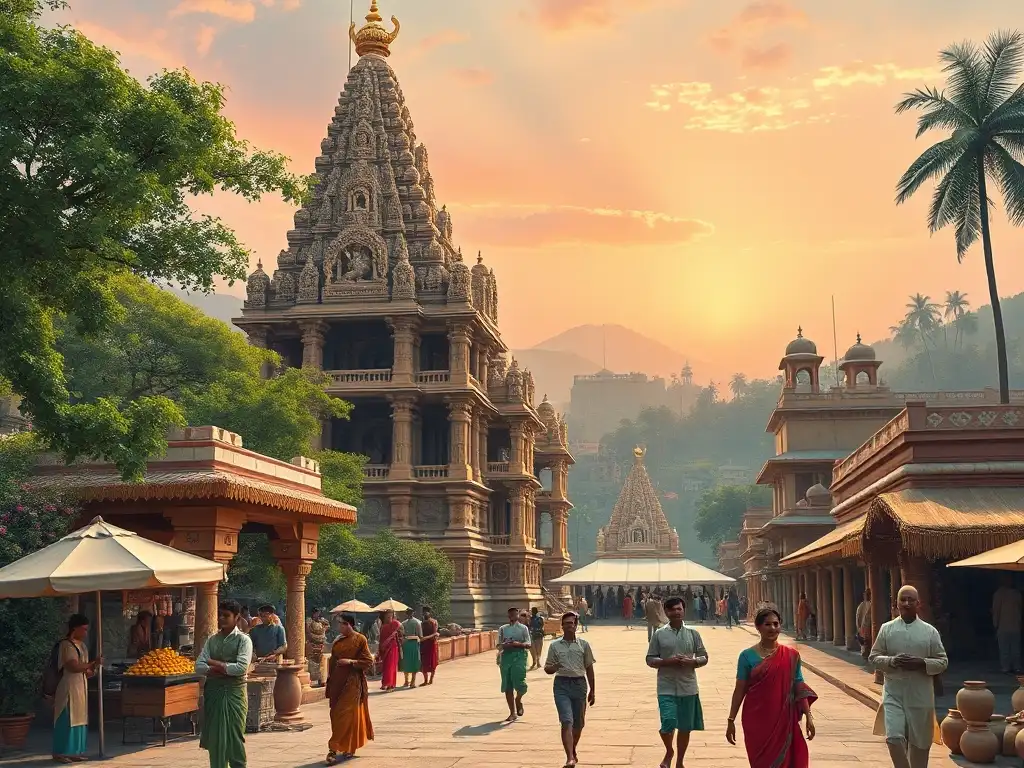
The architecture of the Gupta Empire is marked by its monumental scale and intricate design, showcasing the empire's prosperity and cultural achievements. Temples built during this period exhibit a blend of local styles and influences from earlier architectural traditions, resulting in structures that are both functional and visually captivating.
Gupta architects focused on creating spaces that were not only places of worship but also reflected the spiritual and social aspirations of the community. This is evident in the layout of temple complexes, which were often strategically situated to harmonize with the surrounding landscape, enhancing the spiritual experience for worshippers.
Temple Architecture of the Gupta Period
The temple architecture of the Gupta Empire is characterized by its grandeur and intricate ornamentation. One of the most significant advancements during this period was the development of the shikhara (spire), which became a defining feature of Hindu temples. These towering structures were designed to symbolize the sacred mountain, providing a vertical focal point that drew the eye upwards, towards the divine.
Materials such as stone and brick were commonly used, and the intricate carvings and sculptures that adorned the temples displayed a high level of craftsmanship. The Dashavatara Temple at Deogarh is a prime example, showcasing exquisite carvings of deities and intricate motifs that reflect the religious fervor of the time.
Moreover, the interiors of Gupta temples were often adorned with murals and sculptures that illustrated various mythological narratives, enhancing the immersive experience for worshippers. This architectural style not only set the foundation for future temple designs but also significantly influenced subsequent Indian architecture, laying the groundwork for the regional variations that followed.
Urban Planning and Infrastructure
Urban planning during the Gupta Empire exhibited a remarkable level of sophistication, with cities designed to facilitate trade, governance, and social interaction. The layout of Gupta cities often included well-defined streets, public squares, and fortified walls, reflecting a strategic approach to urban development.
Notable cities such as Pataliputra (modern-day Patna) were characterized by their organized street patterns and impressive infrastructure, including drainage systems and public baths. This attention to urban infrastructure not only improved the quality of life for residents but also enhanced the overall aesthetic of the city.
Additionally, the Gupta Empire saw the construction of numerous roads and trade routes that connected different regions, facilitating commerce and cultural exchange. This network of roads was crucial for the economic prosperity of the empire, allowing for the movement of goods, people, and ideas across vast distances. The urban planning and infrastructure developments during the Gupta period laid a strong foundation for future Indian civilizations, showcasing the empire's commitment to progress and innovation.
Literature and Performing Arts in the Gupta Empire
The Gupta Empire, often referred to as the Golden Age of India, witnessed a remarkable flourishing of arts, literature, and performing arts. This era, spanning from approximately 320 to 550 CE, is characterized by significant contributions that laid the foundations for future artistic and cultural expressions in India. Literature during this time was marked by both prose and poetry that explored a myriad of themes, while the performing arts experienced a renaissance that emphasized music and dance as vital forms of expression.
Literary Contributions of the Gupta Era
The Gupta period is notable for its prolific literary output, with numerous works produced in Sanskrit, the classical language of India. One of the most celebrated authors of this time was Kalidasa, whose plays and poems, such as "Shakuntala" and "Meghaduta," are revered for their lyrical beauty and intricate characterizations. His works often explored themes of love, nature, and mythology, reflecting the cultural ethos of the Gupta Empire.
In addition to Kalidasa, other significant literary figures included Bhasa, who contributed to the development of classical drama, and Aryabhata, whose mathematical treatises and astronomical observations had lasting impacts on science and literature. The Puranas, a genre of ancient Indian literature, were also compiled during this time, preserving myths, legends, and historical narratives that offered insight into the social and religious life of the period.
The Gupta Empire's emphasis on education and scholarship led to the establishment of institutions like Nalanda University, which became a center for learning and attracted scholars from across Asia. This academic environment fostered the exchange of ideas, further enriching the literary landscape of the time.
Performing Arts: Music and Dance
Performing arts, particularly music and dance, flourished under the Gupta Empire, reflecting the vibrant cultural milieu of the period. Music was an integral part of both religious ceremonies and secular celebrations, with the use of various instruments such as the veena, flute, and drums. Theoretical texts on music, such as the "Natya Shastra" by Bharata Muni, codified the principles of performance and aesthetics, establishing a foundation for classical Indian music.
Dance, too, evolved significantly during the Gupta era, with classical forms beginning to take shape. The integration of expressive gestures (mudras) and storytelling through dance became prominent, with performances often depicting tales from Hindu epics like the Ramayana and Mahabharata. The Gupta period is credited with the early development of dance forms that would later flourish into classical styles such as Bharatanatyam and Odissi.
The patronage of rulers and affluent families played a crucial role in the development of the performing arts, enabling artists to thrive and innovate. Festivals and public performances became common, further embedding music and dance into the cultural fabric of Gupta society.
The Role of Religion in Gupta Art and Culture
Religion was a cornerstone of Gupta art and culture, profoundly influencing various artistic expressions, including sculpture, architecture, and painting. The Gupta Empire was marked by a syncretism of beliefs, particularly between Hinduism and Buddhism, which shaped the artistic landscape of the time.
Hinduism and Its Artistic Expressions
Hinduism's resurgence during the Gupta period is evident in its artistic expressions, which celebrated deities, rituals, and philosophical ideas. Temples constructed during this era, such as the famous Dashavatara Temple in Deogarh, showcased intricate carvings and sculptures that depicted a wide array of Hindu gods and goddesses. The artistry reflected not only religious devotion but also the skills of craftsmen who employed techniques that emphasized clarity and detail.
The Gupta artists excelled in creating images of deities with idealized forms, often characterized by grace and beauty. Iconography became more defined, with specific attributes associated with each deity, allowing worshippers to connect more intimately with their divine representations. Additionally, the use of vibrant colors in murals and frescoes in temples illustrated narratives from Hindu texts, inviting devotees into the rich tapestry of mythological stories.
Buddhism's Influence on Gupta Art
Buddhism also played a significant role in shaping Gupta art, particularly in regions where Buddhist communities thrived. The period saw the construction of stupas and monasteries, adorned with exquisite sculptures and carvings that depicted the life of the Buddha and key events from Buddhist teachings. The Ajanta Caves, a UNESCO World Heritage site, are prime examples of Gupta-era Buddhist art, featuring intricate frescoes and sculptures that convey profound spiritual messages.
The fusion of Buddhist and Hindu artistic styles during the Gupta period resulted in a unique aesthetic that appealed to a broad audience. This syncretism not only enriched the cultural landscape but also fostered a spirit of tolerance and coexistence among different religious communities, allowing both traditions to flourish side by side.
The Gupta Empire's art and culture were marked by significant literary contributions, vibrant performing arts, and a harmonious blend of religious influences, collectively contributing to a rich cultural renaissance that resonates to this day.
The Legacy of Gupta Empire Art and Culture
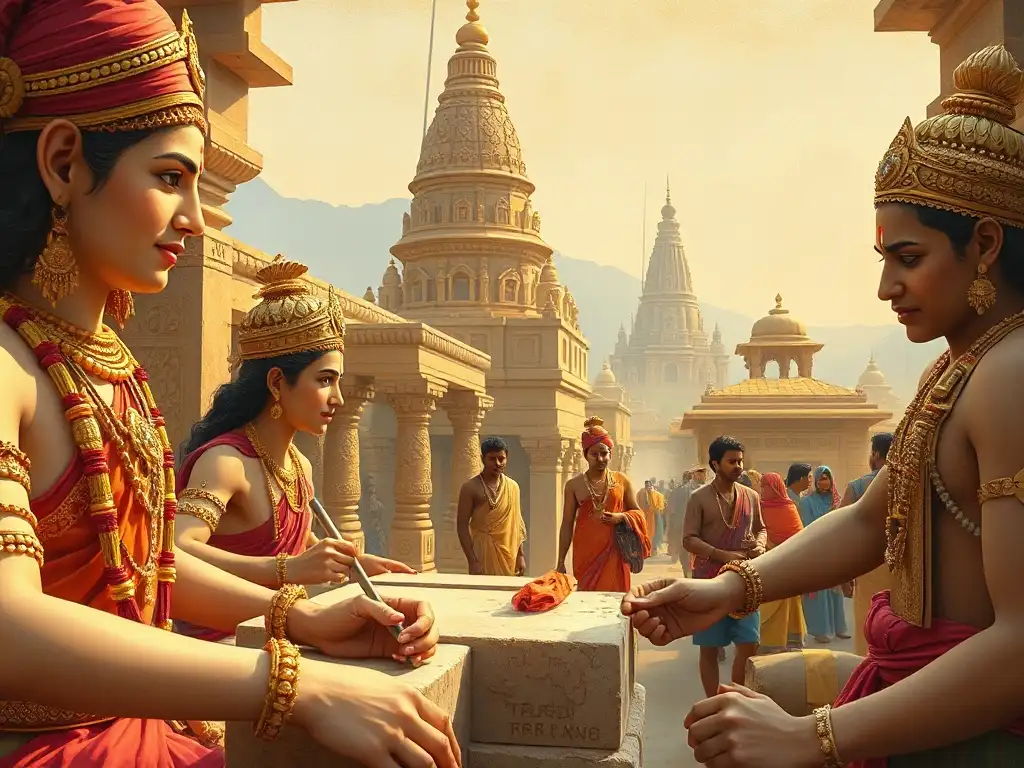
The Gupta Empire, flourishing from approximately 320 to 550 CE, is often regarded as a golden age of cultural and artistic achievement in ancient India. This period saw a confluence of various art forms, including sculpture, painting, and literature, which collectively established a rich cultural legacy that would resonate through the ages. Gupta art is characterized by its exquisite craftsmanship, intricate detailing, and a profound connection to the spiritual and philosophical currents of the time.
One of the defining features of Gupta art is its strong emphasis on religious themes, particularly in the context of Hinduism and Buddhism. Temples and sculptures from this era often depict deities and mythological narratives, showcasing not only the artistic skill but also the deep reverence for spirituality. The development of the iconic "Gupta style" in sculpture, noted for its graceful figures and serene expressions, represents a significant evolution from earlier artistic forms.
Additionally, the Gupta Empire's patronage of the arts encouraged a flourishing of literature and scholarly pursuits, as seen in the works of playwrights like Kalidasa and the mathematician Aryabhata. This cultural environment fostered a sense of identity that influenced both contemporary societies and future generations, leaving an enduring mark on Indian civilization.
Impact on Subsequent Indian Art and Culture
The art and culture of the Gupta Empire had a profound impact on subsequent Indian civilizations, laying the groundwork for various artistic styles and cultural practices that emerged in later periods. The Gupta artistic traditions influenced the later medieval Indian styles, particularly during the Rajput and Mughal periods, where elements of Gupta aesthetics can be seen in temple architecture and miniature painting.
One significant legacy is the emphasis on narrative art, which developed during the Gupta period and continued to flourish in later art forms. The storytelling through sculpture and painting became a hallmark of Indian art, with themes drawn from epics like the Mahabharata and Ramayana. The intricate relief sculptures found in temples built after the Gupta period often echo the stylistic elements introduced during this golden age.
Moreover, the philosophical and literary advancements during the Gupta Empire set the stage for a rich tradition of Indian literature that persisted across centuries. The use of Sanskrit as a literary language, which was popularized during this era, continued to be the medium for many later literary works, influencing not only Indian literature but also the cultural exchanges with neighboring regions.
Preservation and Rediscovery of Gupta Art
The preservation and rediscovery of Gupta art have been crucial in understanding the cultural landscape of ancient India. Many Gupta-era artifacts, including sculptures, frescoes, and architectural remains, have been found in various archaeological sites, such as Ajanta, Ellora, and Sarnath. These sites have provided invaluable insights into the artistic techniques and cultural practices of the time.
During the colonial period, European scholars and archaeologists played a significant role in the rediscovery of Gupta art. Their efforts to document and preserve these artifacts have contributed to a greater appreciation of Gupta cultural heritage in the modern world. The establishment of museums and cultural institutions has further facilitated the study and exhibition of Gupta art, allowing a broader audience to engage with this rich legacy.
In contemporary times, there is a growing interest in the preservation of Gupta art, with initiatives aimed at restoring ancient sites and promoting awareness of their historical significance. This renewed focus has not only helped protect these cultural treasures but has also sparked discussions on their relevance in today’s society, emphasizing the need to honor and learn from our historical roots.
Modern Interpretations of Gupta Cultural Heritage
Modern interpretations of Gupta cultural heritage reflect a blend of admiration and critical engagement with the past. Artists, historians, and cultural practitioners are actively exploring the themes and aesthetics of Gupta art, often reinterpreting them through contemporary lenses. This engagement can be seen in various forms, including visual arts, literature, and performance.
Contemporary artists may draw inspiration from the intricate motifs and spiritual themes of Gupta sculptures, infusing their works with modern sensibilities while paying homage to ancient techniques. This dialogue between the past and present not only revitalizes interest in Gupta art but also encourages a deeper understanding of its significance in contemporary cultural discourse.
Moreover, academic scholarship continues to evolve, with researchers re-examining Gupta art and culture in the context of globalization and cross-cultural exchanges. This critical approach allows for a more nuanced appreciation of how Gupta artistic traditions have shaped and been shaped by broader historical currents.
Conclusion: The Enduring Influence of Gupta Empire Art and Culture
The art and culture of the Gupta Empire remain a cornerstone of India's historical identity, influencing generations and contributing to the rich tapestry of Indian civilization. The legacy of this golden age continues to inspire artists, scholars, and cultural enthusiasts, underscoring the importance of preserving and celebrating ancient heritage.
Summary of Key Contributions
The Gupta Empire's contributions to art and culture include:
- Innovative Sculpture: Development of the Gupta style characterized by elegance and spiritual depth.
- Literary Flourishing: Establishment of Sanskrit as a prominent literary language, with significant works in drama and poetry.
- Architectural Advances: Construction of intricate temples that served as centers of worship and cultural gathering.
- Narrative Art: Emphasis on storytelling through visual means, influencing later artistic traditions.
The Gupta Empire's Place in Ancient Indian History
The Gupta Empire is often heralded as a pivotal moment in ancient Indian history, marking a period of unprecedented cultural growth and artistic achievement. Its influence extends beyond its temporal boundaries, shaping the development of Indian art and culture in the centuries that followed. By fostering an environment where creativity and spirituality could flourish, the Gupta Empire laid the groundwork for a legacy that continues to resonate in modern India and beyond. The exploration of its arts and culture offers valuable insights into the enduring spirit of human expression and the importance of cultural heritage in shaping identities.
References and Further Reading on Gupta Empire Art and Culture
The Gupta Empire, often regarded as a golden age in Indian history, is notable for its remarkable contributions to art and culture. To gain a deeper understanding of this vibrant period, here are some suggested books, articles, and online resources that provide comprehensive insights into Gupta art and culture.
Suggested Books and Articles
-
"The Art of Ancient India: Buddhist, Hindu, Jain" by Susan L. Huntington and John C. Huntington
This book explores the artistic traditions of ancient India, including the Gupta period. The authors provide detailed analyses of sculptures, paintings, and architectural developments that characterized this era.
-
"Gupta Art and Architecture" by A. S. Altekar
A thorough examination of the art and architectural achievements during the Gupta Empire. Altekar highlights significant monuments and artworks, shedding light on their historical context and cultural significance.
-
"The History of Medieval India: From 800 to 1700" by Satish Chandra
While focusing on a broader time frame, this book offers valuable insights into the Gupta Empire's role within the larger context of Indian history and culture, particularly regarding its artistic achievements.
-
"Indian Art" by Partha Mitter
Mitter's work covers the evolution of Indian art, with a specific focus on the Gupta period, exploring its stylistic elements and societal influences.
-
"The Gupta Period: A Cultural History" (Journal Article)
This academic article provides an overview of the cultural and artistic developments during the Gupta Empire, discussing themes such as patronage, religious influences, and artistic styles.
Online Resources for Exploring Gupta Art and Culture
-
National Museum, New Delhi
The official website of the National Museum provides virtual exhibitions and resources focusing on Gupta art and artifacts. Visitors can explore a collection of sculptures, coins, and pottery from this magnificent era.
-
Archaeological Survey of India (ASI)
ASI's website features extensive information on archaeological findings related to the Gupta Empire, including details about important sites and their artistic contributions.
-
The British Museum: Gupta Empire
The British Museum's online collection includes artifacts from the Gupta period, offering descriptions and analyses that enhance understanding of the empire's artistry and cultural context.
-
Google Arts & Culture: Indian Art
This platform provides a digital exploration of Indian art, including sections dedicated to the Gupta Empire. Users can view high-resolution images of artworks and learn about their historical background.
-
Khan Academy: Gupta Empire
Khan Academy offers educational resources, including videos and articles that explain the significance of Gupta art and culture in an accessible format, making it easier for learners of all ages.
These resources serve as a gateway to understanding the rich tapestry of art and culture that flourished during the Gupta Empire, reflecting its enduring legacy in the history of ancient India.
- Introduction to the Gupta Empire Art and Culture
- The Historical Context of Gupta Art and Culture
- Key Characteristics of Gupta Empire Art
- Architecture and Urban Planning in the Gupta Empire
- Literature and Performing Arts in the Gupta Empire
- The Role of Religion in Gupta Art and Culture
- The Legacy of Gupta Empire Art and Culture
- Conclusion: The Enduring Influence of Gupta Empire Art and Culture
- References and Further Reading on Gupta Empire Art and Culture
Frequently Asked Questions
What was the significance of the Gupta Empire art and culture?
The Gupta Empire art and culture marked a cultural renaissance in ancient India, showcasing advancements in literature, sculpture, and architecture that influenced later civilizations.
How did the Gupta Empire influence literature?
The Gupta Empire saw a flourishing of Sanskrit literature, with notable works by authors like Kalidasa, who contributed to poetry and drama, enhancing the literary heritage of India.
What are some key features of Gupta art?
Gupta art is characterized by its realism, intricate sculpting techniques, and religious themes, especially in the depiction of Buddha and Hindu deities that reflect spiritual and aesthetic values.
How did religion impact Gupta culture?
Religion played a crucial role in shaping Gupta culture, as it inspired art, architecture, and literature, with major patronage for Hinduism and Buddhism, leading to remarkable temple constructions.
What architectural achievements are associated with the Gupta Empire?
The Gupta Empire is renowned for its temple architecture, including the Kandariya Mahadeva Temple and Vishnu Temple, which exhibit sophisticated design, intricate carvings, and symbolic representations of spirituality.
Final Reflection: The Enduring Legacy of Gupta Empire Art and Culture
The flourishing arts of the Gupta Empire are not merely relics of the past; they are a testament to the profound impact that culture can have on society. Today, as we navigate a world increasingly defined by rapid technological advancement and globalization, the artistic achievements of the Gupta Empire remind us of the power of creativity and cultural expression in shaping identity and community. The intricate sculptures, vibrant paintings, and profound literary works from this era continue to resonate, illustrating that art is a timeless bridge connecting generations.
Culture is a living entity, constantly evolving yet deeply rooted in its history. The Gupta Empire's artistic legacy has influenced countless generations, inspiring not only Indian artists but also global movements in art and literature. The reverberations of this cultural renaissance can be seen in contemporary art forms that celebrate heritage while embracing innovation. As Mahatma Gandhi once said, “A nation's culture resides in the hearts and in the soul of its people.” This sentiment underscores the importance of recognizing and nurturing our cultural roots, as they are vital to our collective identity.
As you reflect on the rich tapestry of the Gupta Empire's art and culture, consider how these lessons can be applied in your own life. Embrace your creativity, explore your cultural heritage, and contribute to the ongoing dialogue of artistic expression. Whether through painting, writing, or any other form of art, your voice matters. Let the legacy of the Gupta Empire inspire you to cultivate a deeper appreciation for the arts and to recognize their power in fostering understanding and connection in our diverse world.
Unveil the Beauty of Gupta Arts Today!
Thank you for delving into the fascinating world of the Gupta Empire and its rich cultural renaissance! With every piece of art, architecture, and literature, you've uncovered a legacy that continues to inspire creativity today. Now, let’s take that inspiration and transform it into action!
Here are a few engaging steps you can take right now:
- Explore your creativity: Try your hand at creating a piece of art influenced by Gupta styles, whether it's a painting, sculpture, or even a digital design.
- Share your insights: Start a conversation with friends or family about the Gupta Empire—consider posting about it on social media to spark interest in ancient cultural achievements.
- Participate in a local workshop: Look for art or history workshops in your area to connect with others who share your passion for historical art forms.
What new artistic venture will you embark on today, inspired by the vibrant legacy of the Gupta Empire?