
How the Indus Valley Civilization's Innovations Shaped Future Societies

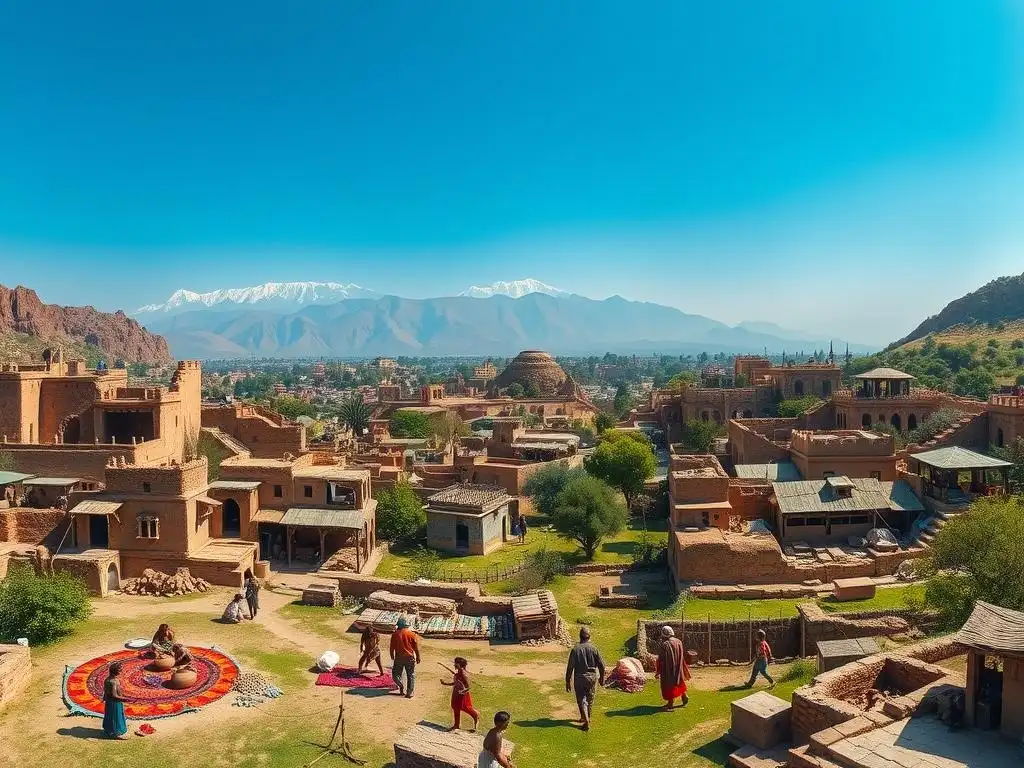
Welcome to Ancient India History, where we embark on a journey through time to uncover the rich tapestry of ancient Indian civilizations. From the remarkable innovations of the Indus Valley civilization to the illustrious achievements of the Gupta Empire, our exploration reveals how these cultures have profoundly shaped future societies.
In our featured article, "How the Indus Valley Civilization's Innovations Shaped Future Societies," we delve into the groundbreaking advancements that emerged from this ancient civilization, sparking curiosity and inspiring generations. Join us as we unlock the secrets of the past and discover the legacies that continue to influence our world today!
- Introduction to the Indus Valley Civilization Innovations
- Key Innovations of the Indus Valley Civilization
- Technological Advancements in the Indus Valley
- The Impact of Indus Valley Innovations on Future Societies
- Conclusion: The Enduring Legacy of the Indus Valley Civilization Innovations
-
Frequently Asked Questions
- What were some key innovations of the Indus Valley Civilization?
- How did the innovations of the Indus Valley influence later civilizations?
- What role did the Indus script play in their innovations?
- How did the geography of the Indus Valley impact its innovations?
- Why is the Indus Valley Civilization considered advanced?
- Final Reflection: The Enduring Legacy of Indus Valley Civilization Innovations
- Unveil the Legacy of Innovation: Your Journey Starts Now!
Introduction to the Indus Valley Civilization Innovations
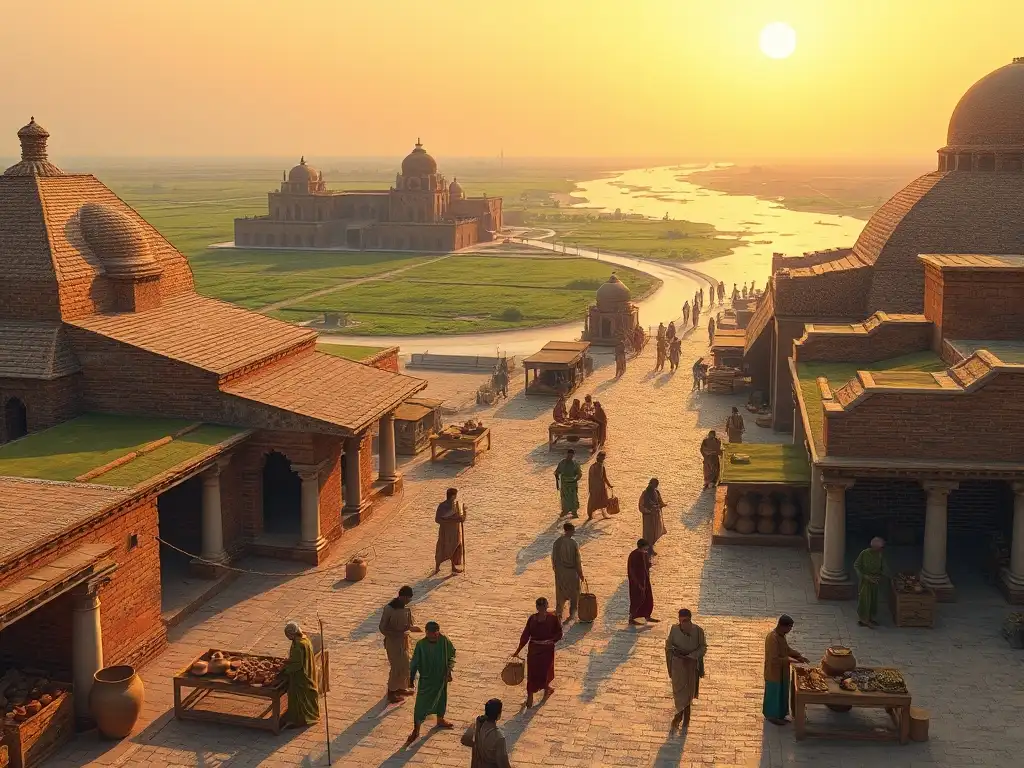
The Indus Valley Civilization (IVC) stands as one of the most remarkable and sophisticated ancient societies, flourishing around 2500 BCE in what is now modern-day Pakistan and northwest India. Renowned for its advanced urban planning, intricate drainage systems, and standardized weights and measures, the innovations of the Indus Valley civilization have left an indelible mark on subsequent cultures and societies.
This article delves into the various technological and scientific advances that emerged from this civilization, illuminating how their ingenuity not only served their immediate needs but also laid foundational concepts that would shape future societies across the globe. By exploring these innovations, we can appreciate the profound legacy of the Indus Valley civilization and its contributions to human history.
Overview of the Indus Valley Civilization
The Indus Valley Civilization, also known as the Harappan Civilization, thrived during the Bronze Age and is distinguished by its highly organized cities such as Harappa and Mohenjo-Daro. Characterized by:
- Urban planning: The cities featured grid layouts, sophisticated drainage systems, and well-constructed brick houses.
- Trade networks: Extensive trade routes connected the IVC with other ancient cultures, facilitating the exchange of goods and ideas.
- Agricultural advancements: The civilization utilized innovative farming techniques, including irrigation systems that maximized crop yields.
The civilization reached its zenith around 2500 BCE, showcasing remarkable achievements in art, architecture, and governance. However, by 1900 BCE, it began to decline, possibly due to environmental changes, overexploitation of resources, or invasions. Understanding the IVC's innovations provides critical insights into their daily life and enduring influence.
Importance of Innovations in Ancient Societies
Innovations from the Indus Valley Civilization played a crucial role in shaping not only their society but also future civilizations in several ways:
- Technological Advancements:
- The development of sewage systems and water supply networks demonstrated advanced engineering skills that influenced urban planning in later civilizations.
- The use of standardized weights and measures promoted trade efficiency, setting a precedent for economic practices in future societies.
- Cultural Impact:
- The artistry and craftsmanship seen in Indus Valley seals and pottery inspired aesthetic principles in later South Asian cultures.
- The IVC's emphasis on urbanization and civic organization laid the groundwork for future cities, influencing governance and social structures.
- Environmental Management:
- Innovations in agriculture—such as crop rotation and irrigation—enhanced food security, which is essential for societal stability and growth.
- The IVC’s understanding of natural resources and sustainable practices contributed to ecological knowledge that would be vital for subsequent civilizations.
The innovations of the Indus Valley civilization were not merely a product of their time; they formed a bedrock upon which future societies would build. By exploring these innovations, we gain a deeper appreciation for the ingenuity of ancient cultures and their lasting impact on our modern world.
Key Innovations of the Indus Valley Civilization
Urban Planning and Architecture
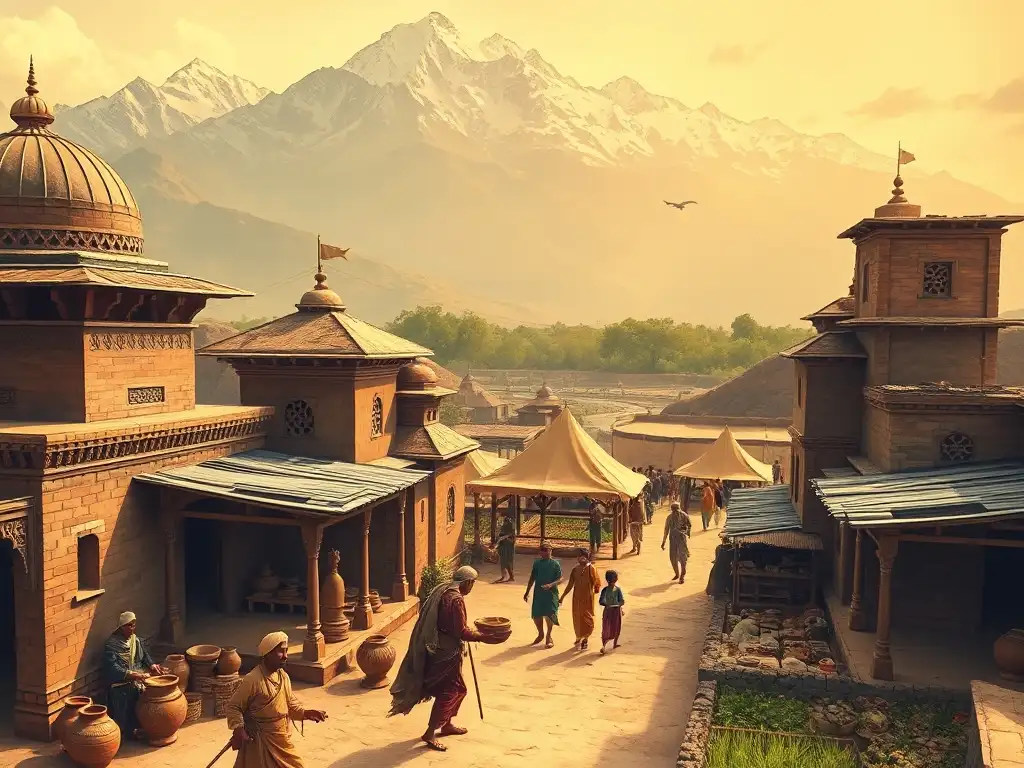
The Indus Valley Civilization (IVC), flourishing around 3300 to 1300 BCE, is renowned for its remarkable innovations in urban planning and architecture. The cities of this ancient civilization, such as Mohenjo-Daro and Harappa, reflect a degree of sophistication that was unprecedented for their time.
Grid Layout of Cities
One of the most notable features of Indus Valley cities is their grid layout. Unlike many ancient civilizations that developed organically, the IVC cities were meticulously planned. Streets were laid out in a grid pattern, intersecting at right angles, which facilitated efficient movement and organization. The roads varied in width but were typically about 9 meters wide, allowing for the passage of carts and pedestrians alike.
- Standardization: The uniformity in city planning indicates advanced knowledge of urban design principles and a high level of civic administration.
- Residential Areas: Houses were built with standardized fired bricks, often featuring flat roofs and multiple stories, which not only maximized space but also improved ventilation and light.
This method of urban planning influenced future civilizations, laying the groundwork for organized city structures in subsequent eras across the Indian subcontinent and beyond.
Advanced Drainage Systems
Another hallmark of the Indus Valley Civilization's innovations is its advanced drainage systems. The cities featured sophisticated sanitation and drainage facilities that were unparalleled in the ancient world.
- Sewage Systems: Most houses connected to a centralized drainage system, often constructed with baked bricks. These systems utilized covered drains that ran along the streets, effectively managing waste and rainwater.
- Public Baths: The presence of public baths, such as the Great Bath at Mohenjo-Daro, highlights the emphasis on hygiene and public health. These baths were likely used for ritual purposes as well as daily hygiene, showcasing an understanding of cleanliness that influenced later urban development.
This commitment to sanitation not only improved the quality of life for its inhabitants but also set a standard for urban management in future societies.
Writing and Communication
The ability to communicate effectively is a hallmark of any advanced civilization, and the Indus Valley Civilization made significant strides in this area through the development of written language and communication methods.
Development of Indus Script
The Indus script, an undeciphered writing system, is one of the most intriguing aspects of the IVC. Composed of symbols and signs, it was utilized for various purposes, ranging from administrative to possibly religious contexts.
- Seals and Inscriptions: The discovery of seals bearing the Indus script suggests it was used for trade and identification, indicating a complex economic system. These seals often featured animal motifs and were likely used to mark ownership or authenticity in trade transactions.
- Short Texts: Most inscriptions are short, generally consisting of a few symbols, which may suggest the script was primarily used for specific purposes rather than extensive literature.
The exact nature and usage of Indus script remain subjects of ongoing research, but its presence indicates an advanced level of communication that laid the groundwork for future writing systems.
Influence on Future Writing Systems
While the Indus script has yet to be deciphered, its influence on subsequent writing systems in the Indian subcontinent is a topic of interest among historians and linguists.
- Cultural Continuity: Scholars suggest that the symbols may have influenced later scripts, such as Brahmi and Kharosthi, which emerged around the 3rd century BCE. These scripts became foundational for the development of numerous languages across India, including Sanskrit and Prakrit.
- Trade and Communication: The significance of written communication in trade and administration in the Indus Valley would have set precedents for writing as a tool for governance and commerce in later civilizations.
The innovations in writing and communication by the Indus Valley Civilization not only reflect its advanced societal structure but also paved the way for future developments in literacy and administration in ancient India.
Agricultural Techniques
The Indus Valley Civilization (IVC), one of the world's earliest urban cultures, demonstrated remarkable advancements in agricultural techniques that laid the foundation for future societies. This civilization thrived around 2500 BCE in what is now Pakistan and northwest India. The agricultural practices of the IVC were characterized by their innovation and efficiency, enabling the society to sustain large populations and engage in extensive trade.
The agricultural techniques of the Indus Valley encompassed various elements, including sophisticated irrigation methods, crop cultivation, and effective storage systems. These innovations not only enhanced food production but also fostered economic stability and urban development within the civilization. The agricultural prowess of the IVC influenced subsequent cultures and remains a significant aspect of ancient Indian history.
Irrigation Methods
One of the most significant innovations of the Indus Valley Civilization was its advanced irrigation system. The civilization's success in agriculture was largely attributed to its ability to manage water resources effectively. The IVC developed a network of canals and reservoirs that facilitated the irrigation of fields, particularly in the arid regions where rainfall was scarce.
- Canal Systems: The IVC built extensive canal systems to redirect river water to agricultural fields. These canals were meticulously designed, with some evidence suggesting a gradient that allowed water to flow efficiently to various areas.
- Wells and Water Storage: The civilization constructed wells and cisterns to store water, ensuring a consistent supply for irrigation throughout the year. These wells were often lined with brick, demonstrating advanced engineering skills.
- Flood Management: The Indus Valley also implemented measures to manage seasonal floods, which were common in the region. By controlling water flow through canals and strategically placed barriers, the civilization could protect crops from excessive flooding while utilizing the water for irrigation.
The effective irrigation methods employed by the IVC not only maximized agricultural output but also set a precedent for future societies in managing water resources for farming.
Crop Cultivation and Storage
The Indus Valley Civilization was known for its diverse and sophisticated agricultural practices, particularly in crop cultivation and storage. The fertile plains of the Indus River provided an ideal environment for growing various crops, and the innovative techniques employed by the IVC allowed for increased productivity.
- Diverse Crops: The IVC cultivated a range of crops, including wheat, barley, peas, and cotton. Archaeological evidence indicates that they were among the first to domesticate cotton, which would later become a significant trade commodity.
- Crop Rotation: The implementation of crop rotation techniques is believed to have been practiced, enhancing soil fertility and crop yield. By alternating different types of crops, the IVC ensured sustainable agricultural practices that could support its growing population.
- Storage Facilities: The civilization developed advanced granaries and storage facilities to preserve harvested crops. These structures were often built using fired bricks and designed for optimal ventilation, preventing spoilage and pest infestations. The storage capabilities allowed the IVC to manage surplus crops, which could be used during periods of drought or famine.
The combination of diverse crop cultivation and effective storage techniques played a crucial role in the sustenance of the IVC, contributing to its economic stability and cultural development. These innovations not only supported the civilization's growth but also influenced agricultural practices in future societies across the Indian subcontinent.
Technological Advancements in the Indus Valley
Tools and Crafts
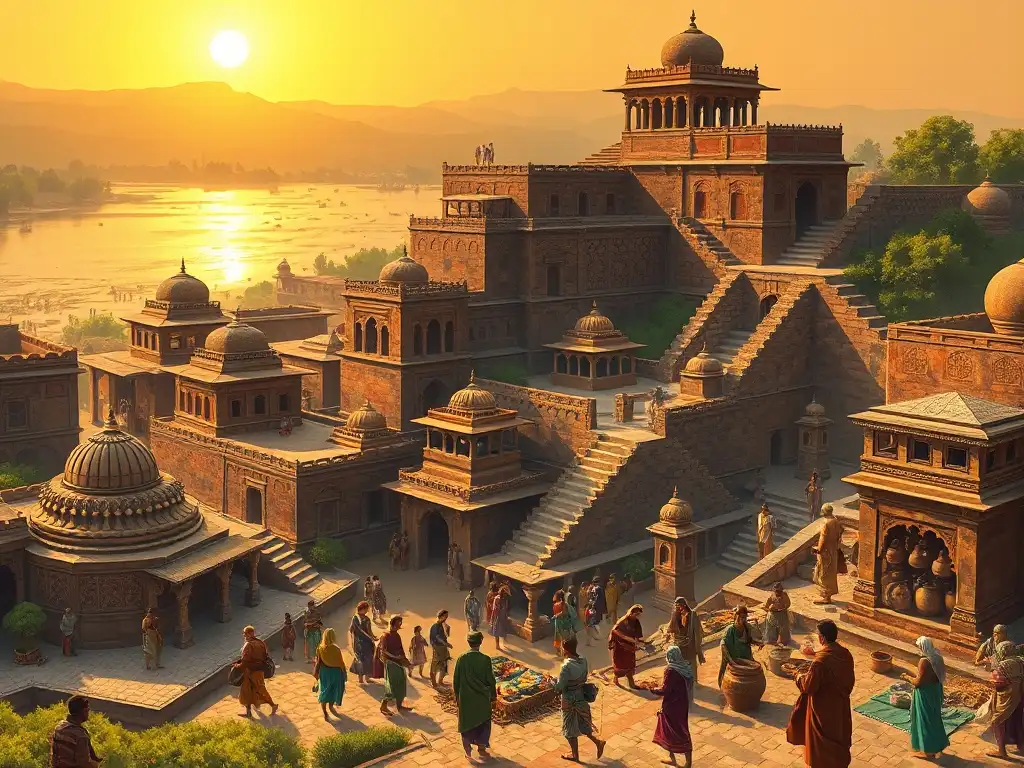
The Indus Valley Civilization, one of the earliest urban cultures in the world, showcased remarkable technological advancements that laid the groundwork for future societies. The artisans of this civilization were skilled at producing a variety of tools and crafts that were not only functional but also aesthetically pleasing. Their innovations in materials and techniques significantly influenced subsequent cultures, both in the Indian subcontinent and beyond.
Metallurgy and Tool Making
Metallurgy played a pivotal role in the Indus Valley civilization innovations. The people of this era were adept at working with metals, particularly copper, bronze, lead, and tin. They utilized these materials to create a range of tools, including:
- Agricultural implements: Plows, sickles, and hoes were crafted to improve agricultural efficiency, allowing for larger harvests and supporting population growth.
- Craft tools: Chisels, saws, and hammers were developed for artisans, enabling intricate designs in stone and metalwork.
- Weapons: The production of metal weapons marked a significant advancement in warfare technology.
The mastery of metallurgy not only improved the quality of tools but also facilitated trade, as metal goods became valuable commodities in regional markets. The innovative methods of metal extraction and alloying contributed to the technological progress seen in later civilizations.
Pottery and Weaving Innovations
The Indus Valley craftsmen excelled in pottery and weaving, demonstrating advanced techniques and artistic flair. The pottery produced during this era was characterized by:
- High-fired ceramics: The use of kilns allowed for the creation of durable and versatile pottery that could be used for storage, cooking, and religious purposes.
- Decorative motifs: Pottery was often adorned with intricate designs and paintings, reflecting the civilization's aesthetic values and cultural expressions.
In terms of textile production, the Indus Valley civilization is noted for its advanced weaving techniques. The discovery of spindle whorls and loom weights suggests that they produced high-quality cotton textiles, which were highly sought after in trade. The innovations in pottery and weaving not only catered to everyday needs but also contributed to the economic prosperity of the civilization.
Trade and Commerce
Trade and commerce were vital components of the Indus Valley civilization's economic framework. The advancements in trade practices and infrastructure were instrumental in establishing a network that connected various regions, facilitating cultural and technological exchanges.
Standardized Weights and Measures
One of the hallmark innovations of the Indus Valley civilization was the development of standardized weights and measures. Archaeological findings reveal:
- Uniformity in weights: Small stone weights, often made of chert, were discovered in various settlements, indicating a sophisticated system for trading goods.
- Measurement systems: The civilization's use of specific ratios for weights and measures suggests an early form of trade regulation, ensuring fairness and consistency in transactions.
This standardization not only streamlined trade practices within the civilization but also enhanced trade with neighboring regions, laying the groundwork for future economic systems.
Development of Trade Routes
The Indus Valley civilization established extensive trade routes that connected them to distant lands, facilitating the exchange of goods, ideas, and cultural practices. Key aspects of these trade routes include:
- Land and maritime connections: The civilization engaged in trade via both overland routes and maritime pathways, reaching regions such as Mesopotamia, Persia, and Egypt.
- Diverse commodities: The trade network enabled the exchange of various goods, including cotton textiles, semi-precious stones, metals, and agricultural products.
The innovations in trade and commerce not only boosted the economy of the Indus Valley civilization but also enriched the cultural tapestry of ancient societies through the exchange of ideas and technologies. The legacy of these advancements continues to influence modern trade practices and economic systems.
The Impact of Indus Valley Innovations on Future Societies
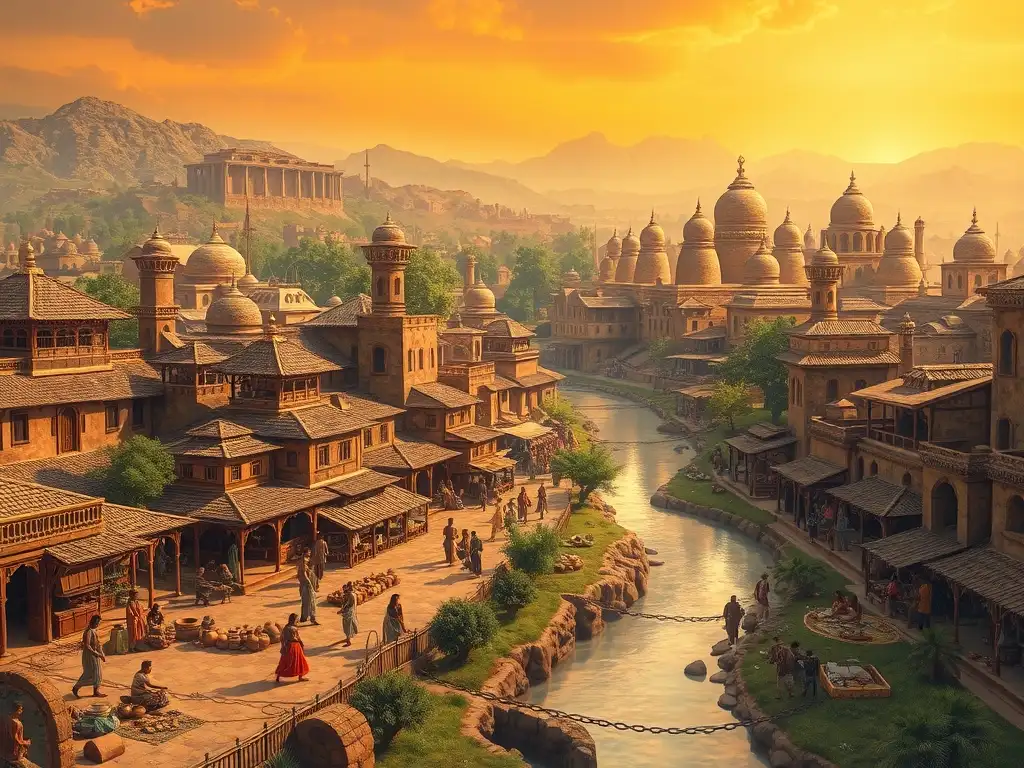
The Indus Valley Civilization (IVC), flourishing around 2500 BCE, is renowned for its remarkable innovations that not only defined its own society but also laid foundational elements for future civilizations. These innovations encompassed various domains, including urban planning, metallurgy, and agricultural techniques. The profound impact of these advancements can be observed in subsequent societies across the Indian subcontinent and beyond.
Influence on Subsequent Indian Civilizations
The technological and cultural achievements of the IVC significantly influenced later Indian civilizations, particularly the Maurya and Gupta Empires.
Contributions to Maurya and Gupta Empires
- Urban Planning and Architecture: The grid-patterned cities of the IVC, characterized by well-planned streets and advanced drainage systems, served as a model for urban development in later Indian cities during the Maurya and Gupta periods. For instance, the city of Pataliputra, the Mauryan capital, showcased similar urban planning principles with organized streets and public infrastructure.
- Metallurgy and Craftsmanship: The expertise in metallurgy observed in the IVC, particularly in the crafting of bronze and copper tools, influenced the technological advancements seen in the Maurya and Gupta Empires. The use of iron tools during these periods allowed for agricultural expansion and enhanced craftsmanship, which can be traced back to techniques developed in the IVC.
- Trade and Economy: The IVC established extensive trade networks, which were vital in shaping the economic strategies of the Maurya and Gupta Empires. The introduction of standardized weights and measures in the IVC facilitated trade, a practice that continued and evolved in subsequent empires, promoting economic stability and growth.
Global Influence of Indus Innovations
The innovations of the Indus Valley Civilization did not remain confined to the subcontinent; they had far-reaching effects that influenced societies across the globe.
Trade Networks with Mesopotamia and Beyond
The IVC's strategic location allowed it to develop trade networks that connected it with Mesopotamia, Persia, and beyond. Key points include:
- Trade Goods: Artifacts such as beads, textiles, and semi-precious stones from the IVC were traded for goods like silver and textiles from Mesopotamia. This exchange fostered economic interdependence and cultural exchange.
- Cultural Exchange: The interaction with different cultures led to the diffusion of ideas, technologies, and agricultural practices. For example, the introduction of cotton cultivation and weaving techniques from the IVC influenced textile production in surrounding regions.
Lasting Legacy in Urban Development
The urban planning principles established by the IVC have had a lasting impact on city development throughout history:
- Drainage and Sanitation: The advanced drainage systems of the IVC set a precedent for urban sanitation practices in later Indian civilizations. The emphasis on sanitation and public health can be seen in the planning of cities such as Harappa and Mohenjo-Daro, which influenced urban layouts in subsequent historical periods.
- Architectural Innovations: The use of baked bricks and standardized building techniques pioneered by the IVC laid the groundwork for future architectural developments. The durability and functionality of these structures influenced the construction methods used by later civilizations.
The Indus Valley civilization innovations not only shaped the course of Indian history but also left an indelible mark on global civilization, influencing urban planning, trade, and cultural practices that resonate even today.
Conclusion: The Enduring Legacy of the Indus Valley Civilization Innovations
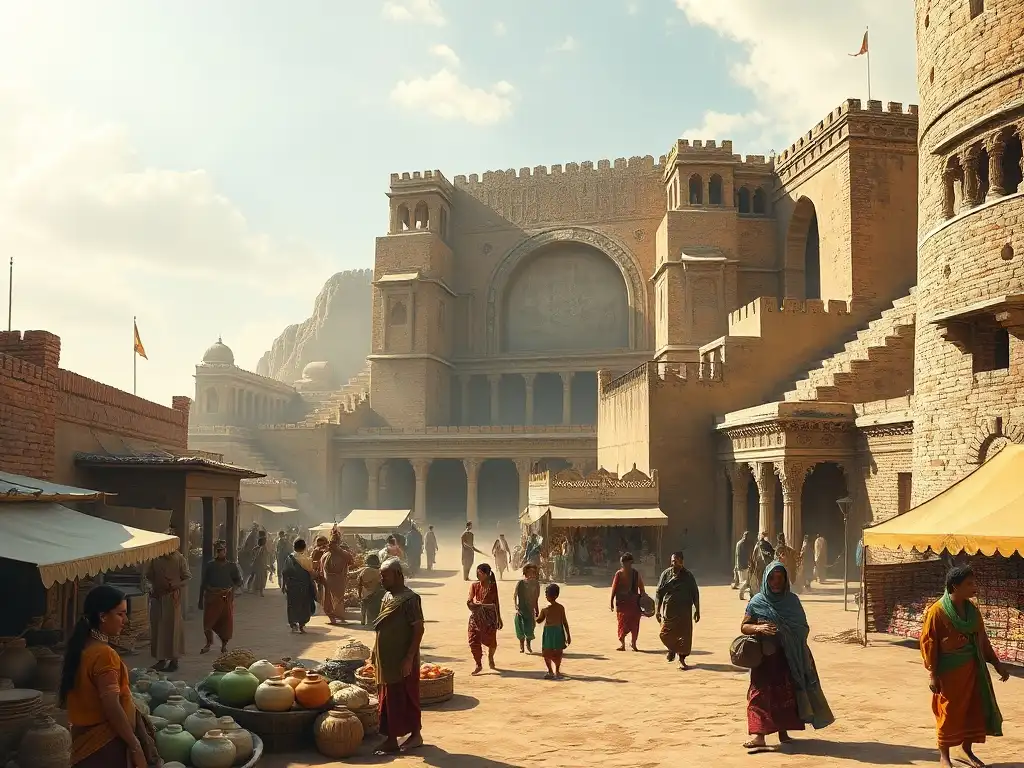
The Indus Valley Civilization (IVC), flourishing around 2500 BCE, was a beacon of innovation that laid foundational principles for future societies. Its remarkable advancements in urban planning, metallurgy, and trade practices not only influenced contemporary cultures but also resonated through subsequent civilizations, shaping the trajectory of technology and science for millennia.
Summary of Key Contributions
The innovations of the Indus Valley Civilization can be categorized into several key areas:
- Urban Planning and Architecture
- Grid Layouts: Cities like Mohenjo-Daro and Harappa were designed with a grid layout, showcasing advanced urban planning.
- Drainage Systems: The sophisticated drainage systems ensured sanitary conditions, which was revolutionary for urban centers of the time.
- Metallurgy
- Bronze and Copper Tools: The use of bronze for tools and weapons marked a significant technological advancement, paving the way for future metallurgical developments.
- Weights and Measures: Standardized weights and measures facilitated trade and commerce, exemplifying early economic systems.
- Writing and Record Keeping
- Indus Script: Though still undeciphered, the existence of a script indicates a complex system of communication and record-keeping.
- Seal Carvings: Seals used for trade often featured intricate designs and symbols, suggesting a rich cultural and commercial life.
- Agricultural Practices
- Irrigation Techniques: The development of irrigation systems allowed for sustained agriculture, supporting larger populations and trade.
- Crop Diversity: The cultivation of various crops, including wheat, barley, and cotton, demonstrates advanced agricultural knowledge.
- Trade Networks
- Maritime Trade: The Indus people engaged in extensive trade networks, reaching as far as Mesopotamia, indicating a robust economy and cultural exchange.
- Standardization of Goods: The creation of standardized goods for trade helped integrate different regions economically and culturally.
Reflection on the Importance of Ancient Innovations in Modern Societies
The innovations of the Indus Valley Civilization continue to influence modern societies in various ways. Urban planning principles derived from IVC's grid layouts can be seen in contemporary city designs, promoting efficient traffic flow and infrastructure development.
Metallurgical advancements initiated during this period laid the groundwork for modern metallurgy and material sciences. The basic principles of standardized measurements in trade have evolved into the complex global economy we see today, emphasizing the importance of consistency and reliability in commerce.
Moreover, the focus on sanitation and public health, evident in the IVC’s drainage systems, resonates with modern public health initiatives aimed at preventing disease through improved sanitation. The legacy of agricultural innovations has also continued, with many of the crops first cultivated in the Indus Valley remaining staples in today's diets.
The Indus Valley civilization innovations were not merely products of their time; they were profound contributions that have had lasting impacts on various aspects of life. As we reflect on these ancient achievements, we gain insights into how past innovations can inform and inspire future developments in technology, urban planning, and environmental sustainability. The enduring legacy of the Indus Valley Civilization serves as a reminder of the interconnectedness of human progress and the timelessness of innovation.
Frequently Asked Questions
What were some key innovations of the Indus Valley Civilization?
The Indus Valley Civilization is known for its advanced urban planning, sophisticated drainage systems, and the use of standardized weights and measures.
How did the innovations of the Indus Valley influence later civilizations?
Many of the innovations such as urban infrastructure and trade practices were adopted and adapted by subsequent civilizations, contributing to their development.
What role did the Indus script play in their innovations?
The Indus script, although not fully deciphered, suggests a complex administrative system that was crucial for managing trade and urban life, showcasing their innovative communication methods.
How did the geography of the Indus Valley impact its innovations?
The fertile land and access to rivers facilitated agricultural innovation, while also supporting trade routes that connected them to other cultures, enhancing their technological advancements.
Why is the Indus Valley Civilization considered advanced?
The civilization's achievements in architecture, city planning, and public health systems reflect a high level of societal organization, making it one of the most innovative societies of its time.
Final Reflection: The Enduring Legacy of Indus Valley Civilization Innovations
The innovations of the Indus Valley Civilization are not just relics of the past; they are the foundational stones upon which modern society is built. From urban planning to advanced drainage systems, the ingenuity of this ancient civilization continues to resonate in today's world. As we navigate the complexities of contemporary life, the lessons learned from the Indus Valley remind us of the power of innovation and the importance of sustainable practices in shaping our future.
The cultural and social landscape has been profoundly influenced by the innovations of the Indus Valley, serving as a testament to human creativity and resilience. The principles of urban design and community planning established by this civilization have paved the way for modern cities, emphasizing the need for infrastructure that promotes health and well-being. As historian R. S. Sharma noted, The Indus Valley Civilization was a remarkable achievement in the history of human development, showcasing the potential of organized society.
This enduring influence encourages us to reflect on how ancient wisdom can guide our modern challenges.
As we look to the future, let us take a moment to reflect on the lessons imparted by the Indus Valley Civilization. Consider how you can incorporate the spirit of innovation and sustainability into your own life. Whether through supporting eco-friendly initiatives, advocating for smart urban planning, or simply fostering a mindset of creativity and problem-solving, each of us has the potential to contribute to a better tomorrow. Embrace the legacy of the Indus Valley and let it inspire you to make meaningful changes in your community and beyond.
Unveil the Legacy of Innovation: Your Journey Starts Now!
Thank you for exploring the remarkable innovations of the Indus Valley Civilization! Your interest in how these ancient advancements have influenced future societies is crucial in understanding our shared history. Now, let’s take this knowledge further and actively engage with the legacy of these incredible innovations.
Here are some practical steps you can take right now:
- Dive Deeper: Explore specific innovations from the Indus Valley that capture your attention—such as urban planning or agricultural techniques—and consider how they compare to modern practices.
- Share Your Insights: Participate in our community discussion below to share your thoughts and discoveries! What innovation fascinates you the most, and how do you believe it influences our world today?
- Spread the Knowledge: Disseminate this article among friends and family who might be intrigued by our ancient heritage. Encourage them to reflect on how these innovations continue to resonate in contemporary society.
Which aspect of the Indus Valley Civilization’s legacy inspires you the most to explore further?