
The Influence of Geography on Indus Valley Art and Architecture

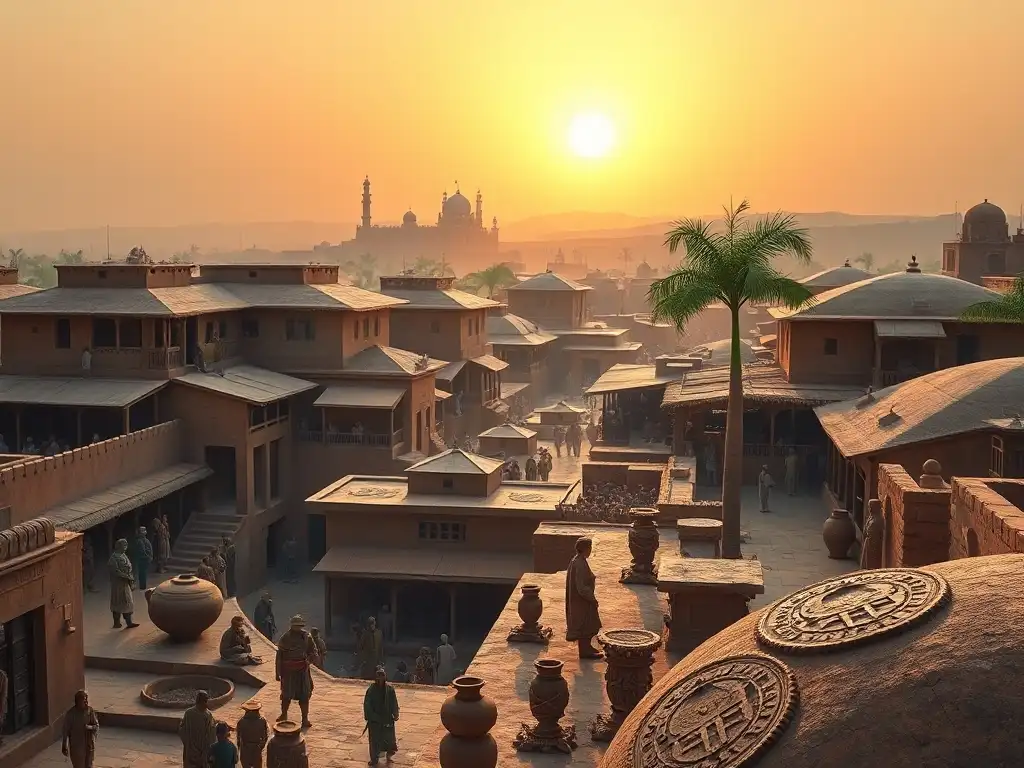
Welcome to Ancient India History, where we embark on a fascinating journey through time, uncovering the rich tapestry of ancient Indian civilizations. In this exploration, we delve into the Indus Valley art and architecture, revealing how geography shaped these remarkable creations. What secrets lie within the intricate designs and monumental structures of the Indus Valley? Join us as we unravel their stories and discover the profound impact of the natural landscape on artistic expression and architectural innovation. Your adventure into the depths of history begins here—let curiosity guide you!
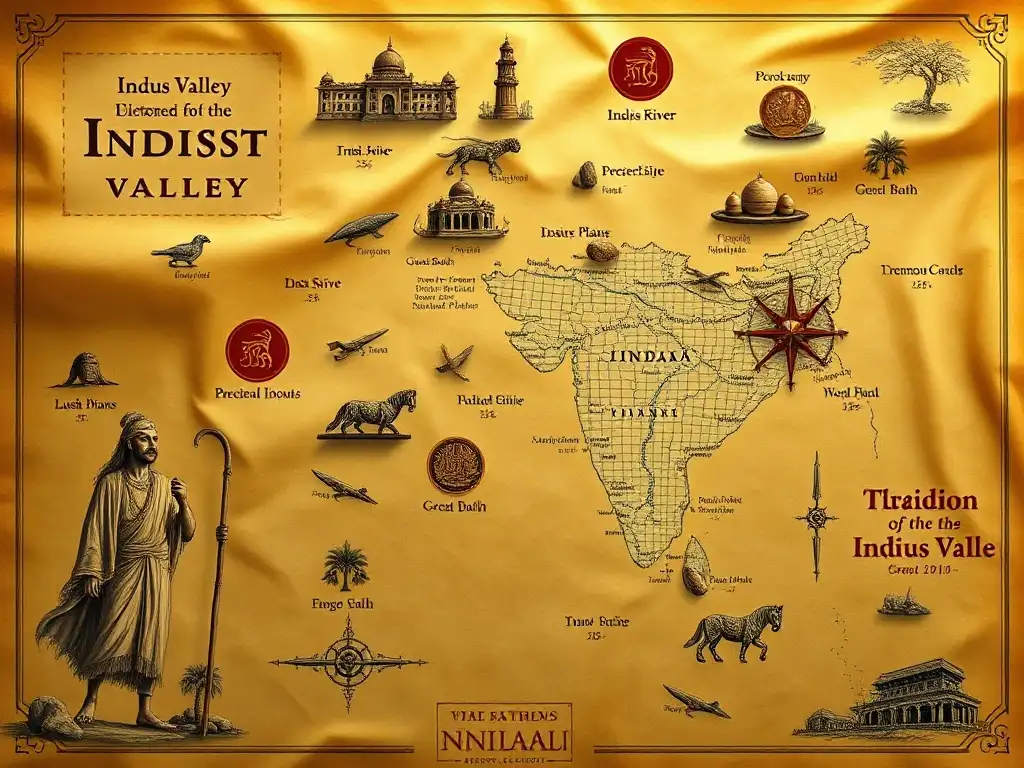
Introduction to Indus Valley Art and Architecture
The Indus Valley Civilization (IVC) is renowned for its remarkable art and architecture, which reflect a sophisticated understanding of urban planning and aesthetic expression. Spanning from approximately 3300 BCE to 1300 BCE, this ancient civilization flourished in the northwestern regions of South Asia, primarily in present-day Pakistan and northwest India.
The influence of geography played a pivotal role in shaping the distinctive art and architectural styles of the Indus Valley, providing both the natural resources and the environmental context necessary for their development. By examining the interplay between geographical features and the artistic output of the IVC, we gain deeper insights into how these elements coalesced to create a unique cultural identity that continues to fascinate historians and archaeologists alike.
Overview of the Indus Valley Civilization
The Indus Valley Civilization is one of the world's earliest urban cultures, characterized by advanced city planning, sophisticated drainage systems, and the use of standardized fired bricks. Major cities like Harappa and Mohenjo-Daro exemplify the architectural prowess of this civilization, showcasing grid-patterned streets and impressive public buildings. Artifacts such as seals, pottery, and figurines reveal a rich artistic tradition that reflects both the daily lives and religious beliefs of the Indus people. The civilization's decline around 1300 BCE remains a topic of scholarly debate, but its contributions to art and architecture continue to influence subsequent cultures in the region.
Significance of Geography in Art and Architecture Development
Geography is not merely a backdrop; it actively shapes cultural expressions. In the case of the Indus Valley, the unique landscape, including river systems, topography, and climate, directly influenced the materials available for construction, the design of urban centers, and the artistic motifs prevalent in their artifacts. Understanding this relationship helps us appreciate the ingenuity of the Indus Valley people and their ability to harmonize with their environment.
Geographic Features of the Indus Valley
River Systems and Their Role in Urban Planning
The Indus River and its tributaries were vital to the sustenance and prosperity of the Indus Valley Civilization. The river systems provided fertile soil for agriculture, which supported population growth and urban development. Furthermore, the strategic location of cities along these rivers facilitated trade and cultural exchange. Urban planning in the Indus Valley was intricately linked to these waterways, with cities often featuring advanced drainage systems that managed water flow effectively.
Topography and Its Influence on Building Materials
The diverse topography of the Indus Valley, ranging from plains to foothills, influenced the types of building materials available to its inhabitants. The abundant clay deposits allowed for the production of high-quality bricks, while nearby mountains provided stone for more monumental structures. This access to varied resources enabled the construction of robust and enduring buildings, with many structures exhibiting a remarkable uniformity that speaks to the civilization's advanced techniques and communal standards.
Climate Considerations Affecting Architectural Styles
The climate of the Indus Valley, characterized by hot summers and seasonal monsoons, also significantly affected architectural styles. Buildings were designed with thick walls and strategically placed windows to provide shelter from the heat and manage ventilation. Additionally, the use of elevated platforms helped protect structures from flooding during heavy rains. These climatic adaptations are evident in the remains of residential and public buildings, showcasing the civilization's responsiveness to environmental challenges.
By exploring these geographic influences, we can better appreciate the intricate relationship between the Indus Valley art and architecture and the natural world that shaped them.
Major Cities and Their Artistic Expression
The Indus Valley Civilization, known for its sophisticated urban planning and architectural achievements, produced remarkable art that reflects the geographic and cultural contexts of its major cities. Each city served as a hub of artistic expression, showcasing unique styles influenced by local resources, climate, and trade routes. The significant cities of Harappa, Mohenjo-Daro, and Dholavira each contributed to the rich tapestry of Indus Valley art and architecture, revealing how geography shaped their artistic output.
Harappa: The Hub of Indus Valley Art
Harappa, one of the most prominent cities of the Indus Valley, emerged as a significant center for artistic innovation. Its strategic location along the Ravi River allowed access to fertile land and raw materials, fostering a vibrant artistic community. Harappan artisans excelled in pottery, often creating intricately designed vessels adorned with geometric patterns and animal motifs. The use of local clay and advanced kiln technology resulted in durable and beautifully finished pieces that reflect both practicality and aesthetics.
In addition to pottery, Harappa is renowned for its terracotta figurines, which include representations of animals and human forms. These figurines provide insights into the spiritual and social life of the Harappans. The craftsmanship and attention to detail in these artworks indicate a high level of skill and a complex societal structure, where art served not only decorative purposes but also social and religious functions.
Mohenjo-Daro: Architectural Innovations
Mohenjo-Daro stands out for its impressive architectural layout and urban design, showcasing the ingenuity of Indus Valley builders. The city's well-planned streets, advanced drainage systems, and impressive structures, such as the Great Bath, illustrate a sophisticated understanding of urban planning influenced by its geographic setting along the Indus River.
The architectural innovations of Mohenjo-Daro were significantly shaped by its environment. The use of locally sourced baked bricks, which were uniform in size, allowed for robust construction. The Great Bath, believed to have had ritual significance, exemplifies the integration of art and architecture. Its sophisticated water management system highlights the importance of hygiene and communal activities in the city's culture.
Additionally, the city’s residential buildings featured courtyards and ventilation systems, indicating an awareness of climate and the need for comfort in a hot environment. The architectural style of Mohenjo-Daro reveals the relationship between geography and functionality, where each design choice was influenced by the natural surroundings.
Dholavira: Water Management and its Artistic Implications
Dholavira is notable for its advanced water management system, which reflects the ingenuity of its inhabitants in adapting to the arid environment of the Rann of Kutch. The city's strategic location allowed for the collection and storage of rainwater, which influenced not only its survival but also its artistic expressions.
The engineering achievements in Dholavira included reservoirs, channels, and drainage systems, all of which were intricately designed. These infrastructures not only facilitated water conservation but also influenced the artistic landscape. The use of stone for construction and the incorporation of decorative elements in the water management systems demonstrate a blend of functionality and artistry.
Moreover, Dholavira's urban layout, with its large public spaces and intricate planning, reflects the societal importance placed on community gatherings and rituals. The artistic expressions found in Dholavira, such as intricate carvings and elaborate seals, indicate a culture that valued both practical and aesthetic considerations, driven by the geographic necessities of their environment.
Art Forms in the Indus Valley Civilization
The art forms of the Indus Valley Civilization are diverse and reflect the unique cultural and geographic influences of the region. From pottery and sculpture to seals, each art form serves as a testament to the civilization's artistic achievements and the interplay between geography and creativity.
Pottery: Regional Variations and Techniques
Indus Valley pottery is characterized by its variety and regional styles, with each area showcasing distinct techniques and decorative motifs. The pottery often features geometric designs, animal figures, and scenes that reflect daily life and religious beliefs. The use of a potter's wheel in the Indus Valley allowed for more uniform shapes and sizes, enhancing the quality of the ceramics produced.
Regional variations in pottery can be seen in the different types of clay used and the firing techniques employed. For instance, the red slip ware from Harappa is known for its thin walls and fine finishes, while the painted pottery of Mohenjo-Daro often displays intricate designs in black and red. The geographical availability of materials, such as clay and minerals, directly influenced these artistic practices, resulting in a rich tapestry of pottery styles across the civilization.
Sculpture: Influences of Geography on Style and Subject Matter
Sculpture in the Indus Valley Civilization reflects a deep connection to the environment, with artists drawing inspiration from local flora, fauna, and human figures. The sculptures range from small figurines to larger reliefs, often depicting animals, deities, and scenes from daily life.
Geographic influences are evident in the choice of materials; for instance, the availability of soft stones like limestone and soapstone allowed for intricate carvings. The style of Indus Valley sculpture is characterized by a naturalistic approach, showcasing detailed anatomical features and expressions. This attention to detail suggests a sophisticated understanding of form and an appreciation for realism, influenced by the surroundings and cultural practices.
Seals: The Intersection of Art and Trade
Seals from the Indus Valley Civilization represent a unique intersection of art and commerce. These small, engraved items were used for trade and administrative purposes, often featuring animal motifs, scripts, and symbols that indicate ownership or provenance. The seals were typically made from steatite, a soft stone that allowed for detailed carvings.
The designs on the seals reflect both the artistic capabilities of the civilization and their trade relationships with neighboring cultures. The motifs often include animals, such as unicorns and elephants, which may have held symbolic meanings. The geographic distribution of these seals suggests a wide-reaching trade network, showcasing how art served both functional and decorative purposes in the context of commerce.
Through these diverse art forms, the Indus Valley Civilization demonstrates how geography not only shaped artistic expression but also influenced social structure, economy, and cultural practices. The legacy of their art and architecture continues to offer valuable insights into this ancient civilization.
Architectural Characteristics of the Indus Valley
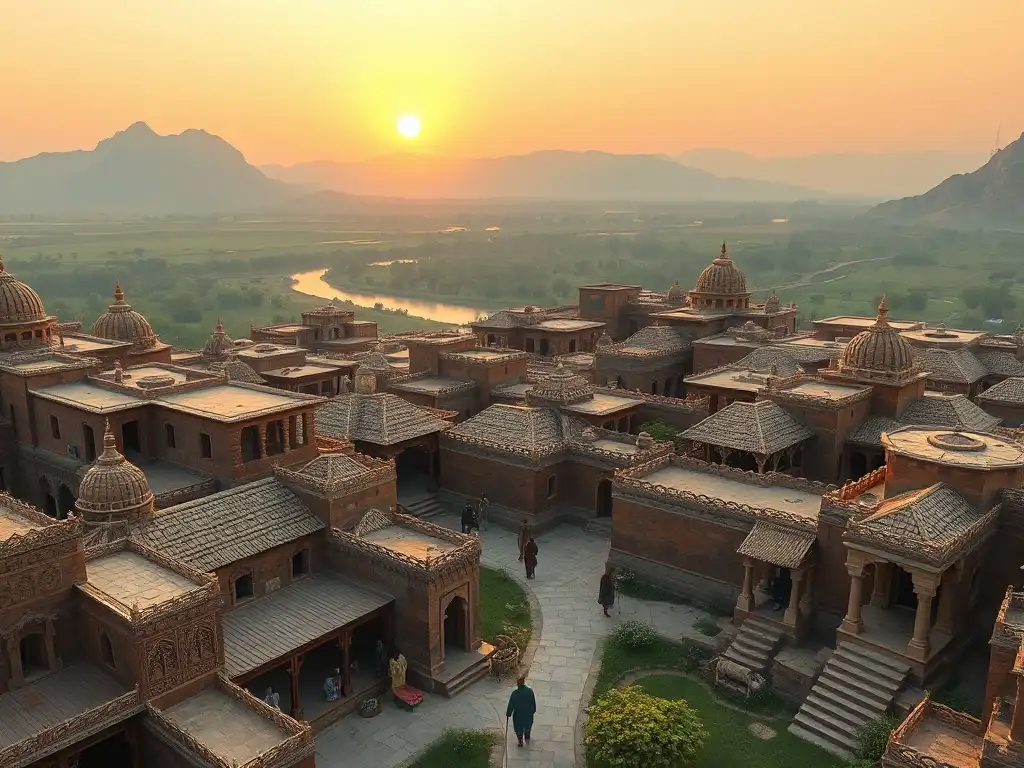
The Indus Valley Civilization, one of the earliest urban cultures in the world, exhibits remarkable architectural characteristics that were profoundly influenced by its geography. The civilization thrived along the fertile floodplains of major rivers like the Indus and its tributaries, which provided the necessary resources for agriculture and habitation. The materials available for construction, such as baked bricks, mud, and timber, were abundant in this region, allowing for sophisticated building techniques.
The hallmark of Indus Valley architecture is its emphasis on urban planning, which included well-organized street layouts, drainage systems, and public baths. These features indicate a high level of civic organization and a deep understanding of their environment. The architecture also reflects the climate of the region, with thick walls and elevated platforms designed to cope with the seasonal flooding and extreme temperatures. Overall, the architectural characteristics of the Indus Valley highlight the civilization's adaptability and ingenuity in response to its geographical setting.
Urban Planning: Grid Layout and Its Geographic Necessity
The urban planning of Indus Valley cities, particularly sites like Mohenjo-Daro and Harappa, is notable for its systematic grid layout. Streets were arranged in a rectilinear pattern, creating a highly organized urban environment. This grid layout was not only a reflection of an advanced understanding of urban design but also a necessity dictated by the geographical features of the region.
The Indus River's annual flooding required careful planning to mitigate damage. Elevated platforms for buildings and a sophisticated drainage system ensured that water flowed away from the living areas, protecting the city's inhabitants. The orientation of streets was likely influenced by seasonal winds and the sun's path, optimizing natural ventilation and light in residential and public spaces. This meticulous urban planning is a testament to the civilization's ability to harmonize its architectural practices with the geographical challenges it faced.
Residential Structures: Adaptations to Local Climate
Residential structures in the Indus Valley were ingeniously designed to adapt to the local climate, characterized by hot summers and cool winters. Homes were typically built with baked bricks, which provided durability and insulation. The thick walls of these structures helped maintain a cooler interior during the scorching summer months while retaining warmth in winter.
Moreover, many homes featured flat roofs, which served as additional living space and a place to escape the heat. Windows were strategically placed to facilitate cross-ventilation, allowing for a breeze to circulate through the house. Courtyards were common, providing a private outdoor area that enhanced the living experience. These architectural adaptations demonstrate how the residents of the Indus Valley harnessed their geographic context to create comfortable and functional living spaces.
Public Buildings: Reflecting Social Hierarchy and Geography
Public buildings in the Indus Valley, such as the Great Bath of Mohenjo-Daro, exemplify the civilization's architectural ingenuity and the influence of geography on social organization. These structures were often centrally located, signifying their importance in the community and reflecting the social hierarchy of the time.
The Great Bath, for instance, was likely used for ritualistic purposes, signifying a communal space that required careful construction to withstand the region's water management challenges. The design of these public buildings required a sophisticated understanding of hydraulics and drainage, showcasing the civilization's ability to manipulate its geographical resources effectively. The prominence of public buildings in urban layouts indicates a society that valued communal activities and social cohesion, further shaped by the geographical context of the Indus Valley.
The Interplay of Geography and Cultural Exchange
The geography of the Indus Valley Civilization played a crucial role in facilitating cultural exchange with neighboring regions. The expansive river systems and proximity to trade routes allowed for the movement of goods, ideas, and artistic influences. This interplay between geography and cultural exchange significantly impacted the art and architecture of the Indus Valley, leading to a rich tapestry of influences that shaped its development.
Trade Routes and Their Influence on Art and Architecture
The extensive trade networks established by the Indus Valley Civilization connected it with distant lands, including Mesopotamia and the Arabian Peninsula. These routes were vital for the exchange of not only goods but also artistic and architectural ideas. The availability of materials such as lapis lazuli, carnelian, and other precious stones, often sourced from distant regions, influenced the decorative arts of the Indus Valley.
Artisans adapted foreign techniques and styles, integrating them into their own practices. For instance, the use of seals and intricate carvings reflects a blend of local traditions and external influences, showcasing the result of cultural interaction facilitated by geographical trade routes. This exchange enriched the aesthetic qualities of Indus Valley art and architecture, making it a unique representation of a civilization that thrived on connectivity and innovation.
Neighboring Civilizations and Geographic Interactions
Geographic interactions with neighboring civilizations, such as the Mesopotamians and the cultures of ancient Persia, significantly influenced Indus Valley art and architecture. The movement of people and goods across the region fostered a dynamic exchange of cultural practices, techniques, and artistic motifs.
Archaeological evidence suggests that the Indus Valley Civilization was not isolated; rather, it engaged in active dialogue with its contemporaries. The adoption of certain architectural elements, such as monumental structures and urban planning techniques, from neighboring civilizations highlights the impact of geographic proximity on cultural development. This cross-pollination of ideas and practices contributed to the richness of Indus Valley art and architecture, making it a vital part of ancient Indian history.
The Role of Geography in Artistic Inspiration
Geography also played a fundamental role in inspiring the artistic expressions of the Indus Valley Civilization. The natural landscape, characterized by rivers, mountains, and fertile plains, provided a rich source of motifs for artistic representation. Artisans often drew inspiration from their environment, creating pottery, seals, and sculptures that reflected the flora and fauna of the region.
Moreover, the availability of resources shaped the materials used in artistic production. For example, the use of terracotta and stone for crafting figurines demonstrated a deep connection to local materials while showcasing the artisanal skills developed in response to geographical resources. This intrinsic relationship between geography and art emphasizes how the environment influenced not only the functionality of architecture but also the aesthetic dimensions of the Indus Valley's cultural heritage.
Conclusion
The art and architecture of the Indus Valley Civilization are remarkable reflections of the geographical context in which they developed. The diverse landscapes, from fertile plains to arid deserts and proximity to rivers, significantly influenced the materials used, the styles adopted, and the overall aesthetic of the artifacts and structures. The strategic location of the Indus Valley along important trade routes further enriched its artistic expression, facilitating the exchange of ideas and techniques with neighboring cultures.
Summary of Geographic Influence on Indus Valley Art and Architecture
The geographic features of the Indus Valley played a crucial role in shaping its artistic and architectural achievements. Key influences include:
- River Systems: The Indus and Ghaggar-Hakra rivers provided vital resources, such as clay for pottery and silt for agriculture, which supported a thriving civilization. This availability of materials contributed to the development of sophisticated pottery and terracotta figurines, characterized by intricate designs and craftsmanship.
- Urban Planning: The layout of cities like Harappa and Mohenjo-Daro, with their well-planned streets and drainage systems, was a direct response to the geographic need for organized living spaces in a densely populated area. The use of fired brick, a locally available resource, exemplifies the architectural innovation driven by environmental factors.
- Cultural Exchange: The Indus Valley's location along trade routes allowed for contact with various cultures, leading to the incorporation of diverse artistic influences. This is evident in the motifs and designs found on seals and artifacts, which often reflect a blend of local and foreign elements.
- Natural Resources: The availability of semi-precious stones, metals, and other materials influenced the type of jewelry and tools produced. Artisans utilized these resources to create intricate designs, showcasing both functionality and aesthetic appeal.
Final Thoughts on the Legacy of Indus Valley Artistic Development
The legacy of Indus Valley art and architecture is a testament to the ingenuity and adaptability of its people in response to their environment. The sophistication of their artistic expressions not only highlights their technical skills but also offers insight into their cultural and social dynamics. As we explore the remnants of this civilization, we gain a deeper understanding of how geography shaped their identity and continues to influence contemporary perceptions of ancient Indian art and architecture.
The enduring impact of the Indus Valley Civilization can be seen in various aspects of modern Indian culture, where themes of harmony with nature, meticulous craftsmanship, and urban planning remain relevant. This historical legacy serves as a reminder of the profound connections between geography and artistic expression, enriching our appreciation of ancient Indian civilizations.
- Introduction to Indus Valley Art and Architecture
- Geographic Features of the Indus Valley
- Major Cities and Their Artistic Expression
- Art Forms in the Indus Valley Civilization
- Architectural Characteristics of the Indus Valley
- The Interplay of Geography and Cultural Exchange
- Conclusion
- What is the significance of the Indus Valley art and architecture?
- How did geography influence the Indus Valley civilization?
- What are some key features of Indus Valley architecture?
- How is art represented in the Indus Valley civilization?
- What were the cultural influences on Indus Valley art and architecture?
Frequently Asked Questions
What is the significance of the Indus Valley art and architecture?
The Indus Valley art and architecture showcases the advanced urban planning and aesthetic sensibility of ancient civilizations, reflecting their cultural values and technological achievements.
How did geography influence the Indus Valley civilization?
The geographic location of the Indus Valley, with its fertile plains and proximity to rivers, allowed for agricultural prosperity, which in turn facilitated the growth of complex societies and their distinctive art and architecture.
What are some key features of Indus Valley architecture?
Key features include well-planned cities, sophisticated drainage systems, and the use of baked brick for construction, which highlight the engineering skills and organizational capabilities of the civilization.
How is art represented in the Indus Valley civilization?
Indus Valley art is represented through intricate pottery, sculptures, and seals, often depicting animals and human figures, which provide insights into their daily life and spiritual beliefs.
What were the cultural influences on Indus Valley art and architecture?
The cultural influences stemmed from interactions with neighboring regions, leading to the incorporation of various styles and techniques that enriched the artistic expression and architectural practices of the civilization.
Final Reflection: The Enduring Legacy of Indus Valley Art and Architecture
The intricate relationship between geography and the artistic expression of the Indus Valley civilization remains profoundly relevant today. As we navigate a world increasingly defined by globalization, understanding how geography shapes culture and creativity offers invaluable insights into our own societal constructs. The artistic and architectural achievements of the Indus Valley serve as a testament to the profound influence of environmental factors on human expression, reminding us that our surroundings play a crucial role in shaping our identities and legacies.
The impact of Indus Valley art and architecture continues to resonate within contemporary discussions about cultural heritage and identity. The sophisticated urban planning and artistic innovations of this ancient civilization not only reflect their environmental adaptations but also inspire modern architects and artists to consider the significance of place in their work. Art is the most beautiful of all lies.
This quote encapsulates the essence of how art can transcend time and geography, inviting us to explore the narratives embedded within the structures and artifacts left behind by the Indus Valley people.
As we reflect on the lessons from the Indus Valley, let us embrace the call to appreciate the beauty and significance of our own environments. Consider how your surroundings influence your creativity and expression. Engage with your local culture, draw inspiration from the landscapes around you, and contribute to a narrative that honors both history and innovation. In doing so, you not only celebrate the legacy of the Indus Valley but also forge a deeper connection with your own artistic journey.
Unleash the Secrets of Indus Valley Creativity!
Thank you for diving into the fascinating world of Indus Valley art and architecture with us! We hope you gained valuable insights into how geography shaped this ancient civilization's creativity and innovation. Now, take the next step to further explore this captivating topic!
Here are some actions you can take right now:
- Dive deeper into the artifacts of the Indus Valley by visiting a local museum or exploring online collections to see these masterpieces up close.
- Join the conversation! Share your thoughts on how geography influences modern art and architecture in the comments below or on our social media channels.
- Expand your knowledge by reading about other ancient civilizations and their environmental impacts—there's a wealth of information available at your fingertips!
Which aspect of the Indus Valley's geography do you believe had the most profound impact on its art and architecture? We would love to hear your insights!