
The Role of Public Opinion in Mauryan Administrative Decisions

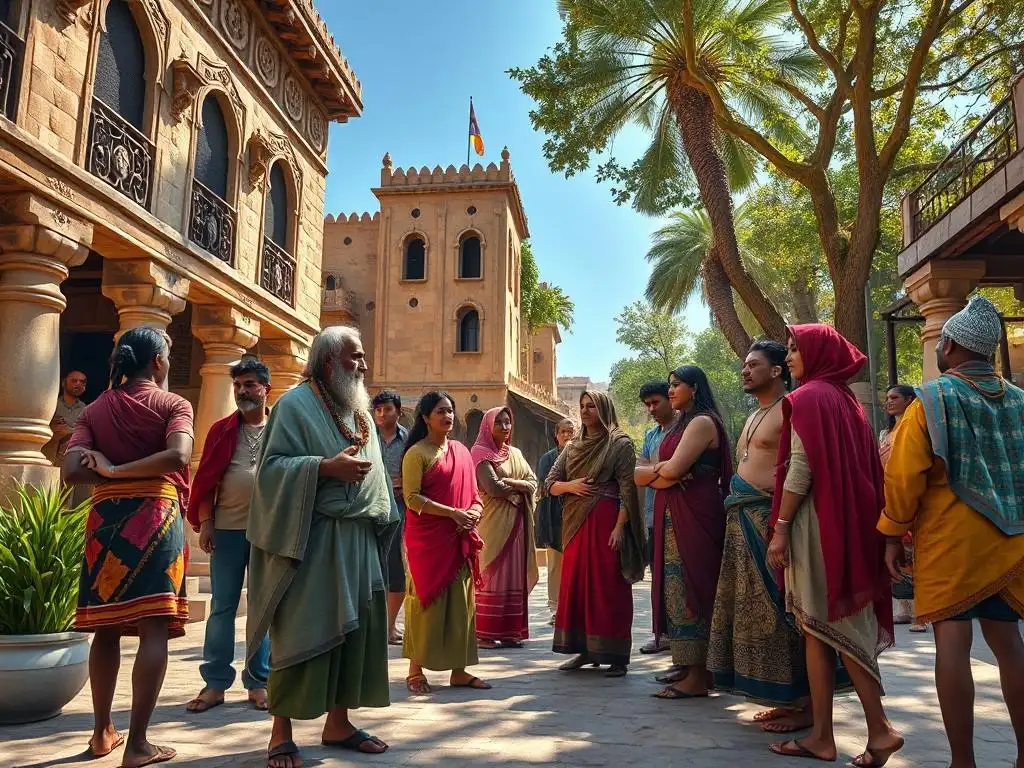
Welcome to Ancient India History, where we embark on a journey through the rich tapestry of ancient Indian civilizations. Here, we delve into the remarkable stories that shaped the subcontinent, from the innovative Indus Valley to the illustrious Gupta Empire. In our featured article, "The Role of Public Opinion in Mauryan Administrative Decisions," we invite you to explore the fascinating dynamics of governance in the Mauryan Empire.
How did the voices of the people influence monumental decisions? The answers may surprise you and deepen your understanding of a civilization that thrived on the interplay of power and public sentiment. Join us as we uncover the layers of history that continue to resonate today.
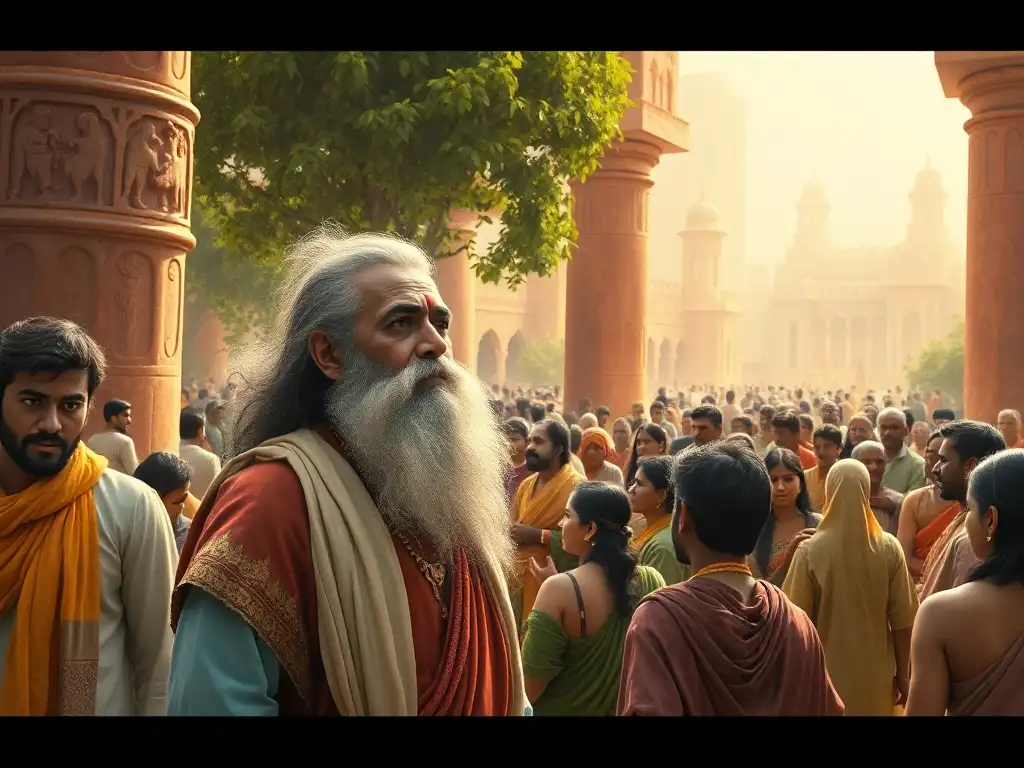
Introduction to Public Opinion in the Mauryan Empire
In the expansive and intricate tapestry of Ancient Indian history, the Mauryan Empire (321-185 BCE) stands as a pivotal chapter, showcasing not only the political and military achievements but also the nuanced interplay of governance and public sentiment. Public opinion, a term that encapsulates the collective viewpoints and attitudes of the populace, played an integral role in shaping the administrative decisions during the Mauryan period.
Understanding how rulers engaged with the sentiments of their subjects offers profound insights into the effectiveness of governance and the stability of the empire. This article delves into the significance of public opinion in the Mauryan Empire, exploring its definition, historical context, and the influential figures who navigated this complex landscape.
Definition of Public Opinion in Ancient India
Public opinion in ancient times, particularly during the Mauryan era, can be understood as the aggregate of beliefs, preferences, and sentiments held by the citizens regarding governance and societal issues. Unlike contemporary notions of public opinion, which are often formed through media and electoral processes, the sentiments in the Mauryan Empire were shaped by various factors, including:
- Cultural Norms: Religious beliefs and social practices that influenced how people viewed authority and governance.
- Communication Channels: Oral traditions, gatherings, and local assemblies where citizens voiced their concerns and opinions.
- Economic Conditions: The welfare of the populace, including trade, agriculture, and taxes, heavily influenced public sentiment.
This complex interplay of factors formed a dynamic environment where the rulers had to remain attuned to the voices of their subjects to maintain legitimacy and control.
Importance of Public Sentiment in Governance
The significance of public sentiment in governance during the Mauryan Empire cannot be overstated. Leaders like Chandragupta Maurya and his grandson Ashoka the Great understood that public approval was crucial for:
- Legitimacy: A ruler perceived as benevolent and responsive to public needs garnered greater loyalty and support from the populace.
- Stability: Policies aligned with public sentiment likely resulted in peaceful cohabitation, reducing the likelihood of unrest and rebellion.
- Effective Administration: By being mindful of public opinion, rulers could implement policies that directly addressed the concerns of their subjects, leading to more effective governance.
In essence, the Mauryan rulers employed various means to gauge and respond to public opinion, recognizing it as a catalyst for successful administration.
Historical Context of the Mauryan Empire
Overview of the Mauryan Empire (321-185 BCE)
The Mauryan Empire, founded by Chandragupta Maurya, marked a significant transformation in the political landscape of ancient India. Spanning from the northwestern regions to the eastern parts of the subcontinent, the empire was characterized by:
- Centralized Governance: A well-structured administrative system that facilitated efficient rule across vast territories.
- Economic Prosperity: Thriving trade routes and agricultural advancements contributed to a robust economy that, in turn, influenced public opinion.
- Cultural Flourishing: The era witnessed significant contributions to art, architecture, and philosophy, which shaped societal values and attitudes.
This period laid the groundwork for a sophisticated approach to governance, where public sentiment became increasingly relevant.
Key Figures Influencing Public Opinion
Several key figures in the Mauryan Empire played vital roles in shaping and responding to public opinion, including:
- Chandragupta Maurya: The founder of the empire, whose policies were largely influenced by the needs and sentiments of his subjects, ensuring a stable and prosperous reign.
- Ashoka the Great: Known for his transformative approach to governance, Ashoka's embrace of Buddhism and his emphasis on dharma (moral law) reflected a deep concern for public welfare, significantly influencing public sentiment.
- Kautilya (Chanakya): The renowned philosopher and strategist, who, through his work Arthashastra, provided insights into the importance of understanding public opinion for effective governance.
These figures not only influenced the direction of political and administrative decisions but also engaged with the populace in ways that shaped their perceptions and trust in leadership.
Mechanisms of Public Opinion Formation
The formation of public opinion in the Mauryan Empire was a multifaceted process influenced by various social, political, and cultural factors. Public opinion served as a significant force that shaped administrative decisions, reflecting the needs and desires of the populace. One primary mechanism through which public opinion was formed was through local assemblies known as Sabhas and Samitis, where citizens could voice their concerns and opinions on governance issues. These gatherings allowed for discussions on administrative policies, resource allocation, and community welfare.
Additionally, the role of the marketplace as a social hub cannot be overlooked. Merchants, traders, and common citizens exchanged ideas and opinions on matters affecting their lives, creating an informal yet powerful channel for public discourse. The Mauryan administration was keenly aware of these dynamics, using them to gauge the mood of the populace and adjust policies accordingly.
Furthermore, the spread of ideas through oral traditions, including storytelling and folk tales, also played a critical role in shaping public opinion. These narratives often highlighted the virtues of good governance and the responsibilities of rulers, thereby influencing the expectations of the people. The combination of formal and informal communication channels established a vibrant landscape for public opinion to flourish.
Communication Channels in the Mauryan Empire
In the Mauryan Empire, communication was essential for the dissemination and exchange of ideas that contributed to public opinion formation. The state employed various methods to ensure that information flowed to and from the populace.
- Official Edicts and Inscriptions: Emperor Ashoka famously used stone edicts inscribed across his empire to communicate his policies, values, and reforms directly to the public. These inscriptions were strategically placed in public spaces, making them accessible to diverse audiences.
- Messengers and Couriers: The Mauryan administration utilized a network of messengers and couriers to relay information quickly across vast distances. This system facilitated communication between the central administration and local officials, ensuring that public sentiment could be conveyed and considered in governance.
- Religious Institutions: Temples and monasteries served as critical nodes for communication. They not only acted as places of worship but also as centers for social interaction and discussion, allowing religious leaders to influence public opinion on various administrative matters.
- Cultural Events: Festivals and public gatherings were occasions for the expression of public sentiment. These events provided a platform for individuals to express their views on governance and policy, often under the guise of religious or cultural celebrations.
Through these channels, the Mauryan Empire maintained a dynamic relationship with its citizens, allowing public opinion to play a significant role in administrative decisions.
Influence of Religion and Philosophy on Public Opinion
Religion and philosophy were pivotal in shaping public opinion during the Mauryan Empire. The period was marked by a rich tapestry of spiritual thought, with Buddhism, Jainism, and Hinduism coexisting and influencing societal norms and values.
- Buddhism and Ashoka's Reforms: Emperor Ashoka, a prominent proponent of Buddhism, infused his governance with Buddhist principles, emphasizing non-violence, compassion, and ethical conduct. His promotion of these ideals fostered a public sentiment that valued humanitarian policies, which directly influenced his decisions, such as the abolition of severe punishments and the promotion of welfare initiatives.
- Jain Influence: Jainism's emphasis on non-violence and respect for all living beings resonated with the populace, further shaping public opinion towards ethical governance. The Mauryan rulers often aligned their policies with these values to gain popular support.
- Philosophical Dialogues: The philosophical debates of the time, particularly those surrounding concepts of dharma (duty) and artha (prosperity), also shaped public expectations of rulers. The populace expected their leaders to adhere to these principles, creating a framework within which public opinion could flourish.
The intertwining of religion and philosophy thus played a crucial role in molding the collective consciousness of the Mauryan people, guiding their sentiments toward governance and administration.
Case Studies of Public Opinion Influencing Decisions
The Mauryan Empire provides several compelling case studies demonstrating the impact of public opinion on administrative decisions. These instances illustrate how the rulers adapted their policies in response to the sentiments of their subjects.
The Edicts of Ashoka: Reflection of Public Sentiment
The Edicts of Ashoka serve as a profound example of how public opinion was acknowledged and acted upon during the Mauryan Empire. Ashoka’s inscriptions, which addressed various aspects of governance and ethical conduct, reflected his awareness of public sentiment.
- Promotion of Dhamma: Ashoka’s commitment to Dhamma (moral law) was a direct response to the public’s desire for ethical governance. His edicts emphasized compassion, tolerance, and non-violence, resonating with the populace's expectations for a ruler who prioritized moral values.
- Feedback Mechanisms: Ashoka encouraged feedback from his subjects through these edicts, inviting them to critique his administration. This openness was a radical approach, demonstrating his reliance on public opinion to guide policy decisions.
The Edicts not only served as a communication tool but also as a testament to the importance of public sentiment in shaping the Mauryan administrative framework.
Public Response to Taxation Policies
Taxation was a critical area where public opinion significantly influenced Mauryan governance. The heavy taxation imposed to fund military campaigns and development initiatives often drew negative reactions from the populace.
- Agricultural Taxation: Farmers, bearing the brunt of high taxes, often voiced their grievances through local assemblies and public gatherings. Their protests prompted the administration to reconsider tax rates and implement reforms aimed at reducing the burden on agricultural communities.
- Redistribution Initiatives: In response to public outcry, the Mauryan rulers sometimes initiated policies aimed at redistributing wealth, such as the establishment of grain storage facilities to help those affected by poor harvests. This demonstrated a responsiveness to public sentiment that aimed to maintain social harmony.
The adjustments made in taxation policies reveal the vital role public opinion played in shaping economic decisions within the Mauryan administration.
Decisions on War and Peace: A Public Perspective
The Mauryan Empire’s approach to war and peace was also heavily influenced by public opinion. The populace's sentiments regarding military campaigns significantly impacted the rulers' decisions.
- Popular Sentiment Against War: Following the Kalinga War, which resulted in significant loss of life, public sentiment leaned heavily towards peace. The immense suffering experienced by the people led Ashoka to adopt a more pacifist stance, reflecting the widespread desire for stability and non-violence.
- Diplomatic Initiatives: The Mauryan rulers often sought public approval for military actions, engaging in dialogues with local leaders and representatives. This approach not only legitimized their decisions but also fostered a sense of collective responsibility among the populace.
The emphasis on public sentiment in decisions regarding war and peace illustrates the Mauryan rulers' recognition of the importance of public opinion in governance, ultimately leading to policies that aligned more closely with the desires of their subjects.
The Impact of Public Opinion on Administrative Policies
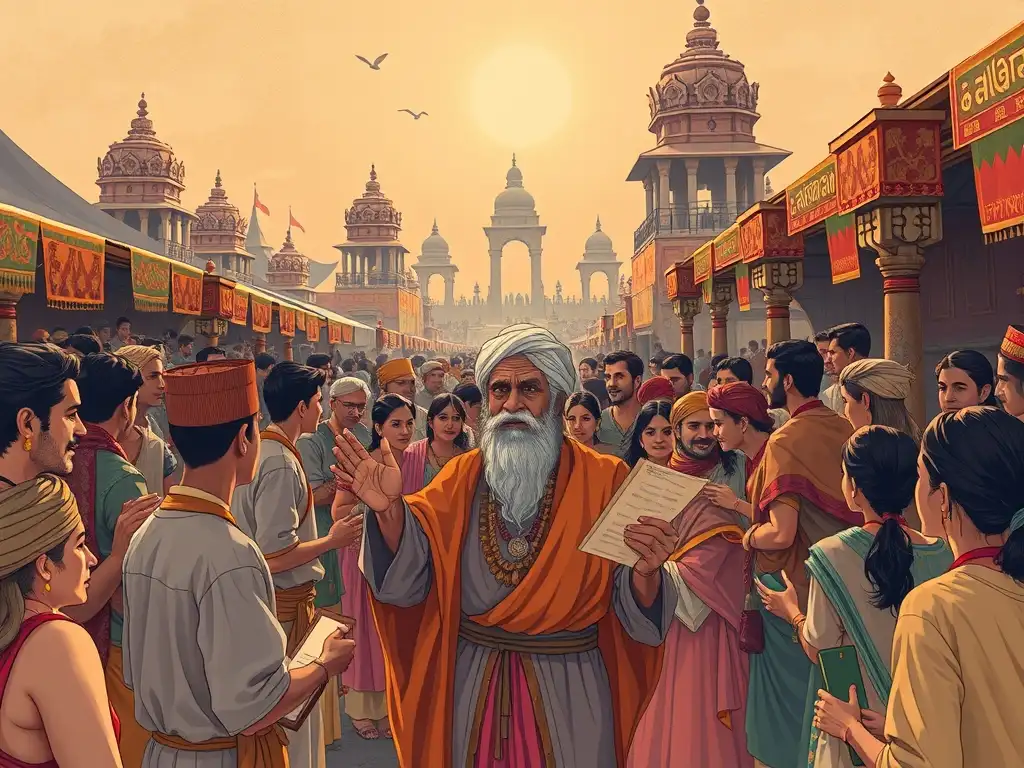
Public opinion played a crucial role in shaping administrative policies during the Mauryan Empire, particularly under the reign of Emperor Ashoka. The Mauryan government recognized the importance of the sentiment of its citizens in ensuring stability and coherence within the vast empire. By actively engaging with the populace, the administration could gauge the effectiveness of its policies and make necessary adjustments.
The Mauryan Empire was characterized by a centralized yet participative governance model. Public opinion influenced decisions surrounding taxation, infrastructure development, and welfare initiatives. For instance, when the administration noticed dissatisfaction regarding heavy taxation in certain regions, it often led to policy shifts aimed at alleviating the burden on the populace. This responsiveness not only improved the quality of life for citizens but also fostered loyalty towards the ruling authority.
Moreover, Ashoka’s emphasis on Dhamma, or moral law, highlighted the significance of public sentiment in governance. His edicts, inscribed on pillars throughout the empire, served both as a means of communication and a reflection of the values and concerns of the people. This dynamic interplay between governance and public opinion ensured that policies were not only top-down mandates but also embraced the voices of the subjects.
Adjustments in Governance Based on Public Feedback
The Mauryan administration demonstrated a remarkable ability to adjust its governance strategies based on public feedback. Ashoka’s conversion to Buddhism and subsequent adoption of Dhamma as a guiding principle marked a pivotal shift in how the empire interacted with its citizens. The promotion of ethical governance and the emphasis on the welfare of the people allowed for a more responsive administrative framework.
For example, following public outcry regarding the harshness of certain policies, the government often initiated reforms aimed at enhancing social justice. Infrastructure projects, such as roads and irrigation systems, were frequently adjusted based on the needs expressed by local communities. This adaptability not only improved the efficiency of governance but also established a bond of trust between the rulers and the ruled.
Additionally, local assemblies played a significant role in voicing public concerns. These forums allowed citizens to express their grievances and suggestions directly to local officials, whose decisions would ultimately influence higher administrative policies. Consequently, the Mauryan Empire exemplified a governance model that valued and integrated public feedback into its administrative framework.
The Role of Public Opinion in Law and Order
Public opinion was a vital component in maintaining law and order within the Mauryan Empire. The administration recognized that a stable society depended not only on strict enforcement of laws but also on the moral support of the populace. The perception of justice and fairness in legal proceedings significantly impacted the effectiveness of law enforcement.
Ashoka’s focus on Dhamma included principles of fairness, compassion, and non-violence, which resonated with the public's moral expectations. His edicts encouraged citizens to uphold ethical behavior and to report injustices, thereby cultivating a community-oriented approach to law and order. This proactive engagement allowed the administration to address potential conflicts before they escalated into larger issues.
Furthermore, the Mauryan rulers understood that public perception of law enforcement was critical. When citizens felt that laws were applied inconsistently or unfairly, it led to unrest and dissatisfaction. As a result, the government often sought to align its legal practices with public sentiment, ensuring that the populace viewed the legal system as a protector rather than an oppressor.
Case of Reforms Due to Public Pressure
One notable instance of reform driven by public pressure occurred during Ashoka’s reign following the Kalinga War. The war had profound consequences, leading to significant loss of life and widespread suffering. The public's reaction to the brutality of the conflict prompted Ashoka to reconsider his approach to governance and military engagement.
In response to the widespread distress, Ashoka initiated a series of reforms that emphasized non-violence and the welfare of his subjects. He shifted the focus from military expansion to the promotion of Dhamma, advocating for peace and the moral responsibility of rulers. This transformative approach was a direct reflection of public sentiment, illustrating how the Mauryan administration could pivot its policies in response to the populace's outcry.
Additionally, the establishment of hospitals, the planting of shade trees, and the promotion of ethical conduct were direct outcomes of public pressure for better living conditions and moral governance. These reforms not only addressed immediate concerns but also laid the groundwork for a more compassionate and community-focused administration.
Challenges in Gauging Public Opinion
Despite the Mauryan Empire's commitment to understanding public sentiment, several challenges hindered the accurate gauging of public opinion. The vastness of the empire, coupled with the diversity of its population, made it difficult for the administration to grasp the nuanced perspectives of different communities.
Limitations of Communication in Ancient Times
In ancient times, communication was inherently limited by the absence of modern technology. The reliance on messengers and local officials meant that information could be distorted or delayed, leading to misunderstandings between the ruling authority and the populace. This communication gap posed significant challenges in accurately assessing public opinion.
Moreover, the hierarchical structure of society often meant that the voices of lower castes and marginalized groups went unheard. Their concerns might not have reached the central administration, resulting in policies that did not reflect the needs of the entire population. As such, the Mauryan rulers faced difficulties in creating a fully informed governance model, despite their efforts to engage with public sentiment.
Misinterpretations of Public Sentiment
Misinterpretations of public sentiment also presented challenges for the Mauryan administration. Local leaders or officials, in their attempts to convey the opinions of their constituents, might have skewed the information to align with their interests or biases. This filtering effect could lead to decisions that did not accurately reflect the needs and desires of the broader populace.
Additionally, the fear of reprisal could discourage citizens from expressing dissenting opinions. Individuals might choose to conform to perceived expectations rather than voice their true sentiments, leading to a disconnect between public opinion and administrative actions. This complex interplay of communication and interpretation underscores the challenges faced by the Mauryan rulers in their quest to govern effectively while being responsive to the will of the people.
Conclusion: The Legacy of Public Opinion in Mauryan Governance
The Mauryan Empire, one of the largest and most powerful empires in ancient India, demonstrated a unique integration of public opinion into its administrative framework. The legacy of this practice can be seen in the way it shaped governance, policy-making, and the relationship between the rulers and the ruled. By valuing public discourse and incorporating feedback from various societal segments, the Mauryan leadership fostered a more inclusive and responsive administration. This not only contributed to the stability and cohesion of the empire but also set a precedent for future governance models in India and beyond.
The emphasis on public opinion in the Mauryan Empire illustrates the importance of citizen engagement in governance, a concept that resonates even in contemporary political discourse. The Mauryan rulers, particularly Emperor Ashoka, are often celebrated for their commitment to dharma and ethical governance, which were significantly influenced by the sentiments and needs of the populace. This connection between public sentiment and policy decisions highlights the role of empathy and moral responsibility in leadership, which remains relevant in today's governance frameworks.
Summary of Key Findings
- Public Engagement: The Mauryan administration actively sought the opinions of its subjects, recognizing the importance of public sentiment in shaping effective governance.
- Influence of Leaders: Leaders like Ashoka exemplified the integration of ethical considerations and public opinion into policy-making, demonstrating a commitment to the welfare of their citizens.
- Administrative Responsiveness: The responsiveness of the Mauryan bureaucracy to public needs and grievances contributed to the empire's stability and unity, showcasing a model of governance that prioritized community well-being.
Implications for Understanding Ancient Indian Administration
Understanding the role of public opinion in the Mauryan Empire offers critical insights into the governance practices of ancient Indian civilizations. It challenges the perception of ancient rulers as autocratic figures, revealing instead a nuanced relationship between authority and the populace. This perspective can shift how historians and scholars analyze the dynamics of power, legitimacy, and civil society in ancient contexts.
Furthermore, the Mauryan approach to public opinion underscores the necessity of feedback mechanisms in administration. This historical precedent illustrates how inclusive governance can enhance societal trust and loyalty, lessons that are applicable to modern governance challenges. By recognizing the voice of the public, ancient Indian leaders not only legitimized their rule but also fostered a sense of shared responsibility and community, principles that are vital for any successful administration.
Further Reading and Resources
Suggested Books and Articles on Mauryan Administration
- "The Mauryan Empire" by Romila Thapar: This comprehensive work provides an in-depth analysis of the Mauryan administrative structure and its impact on Indian history.
- "Ashoka: The Search for the Real King" by Charles Allen: A detailed exploration of Emperor Ashoka's reign, focusing on his policies, including the role of public sentiment in governance.
- "The History of India: From the Earliest Times to the Present" by James Tod: This classic text offers valuable insights into the political and administrative developments during the Mauryan Empire.
Online Resources for Exploring Ancient Indian Governance
- Digital South Asia Library: A rich repository of documents and resources on ancient Indian civilizations, including administrative practices and governance.
- Ancient India: A Comprehensive Study: An online platform featuring articles, research papers, and discussions on various aspects of ancient Indian history, including the Mauryan Empire.
- The Internet History Sourcebooks Project: A collection of historical texts and primary sources related to ancient Indian governance, providing firsthand accounts of public opinion in the Mauryan period.
- Introduction to Public Opinion in the Mauryan Empire
- Historical Context of the Mauryan Empire
- Mechanisms of Public Opinion Formation
- Case Studies of Public Opinion Influencing Decisions
- The Impact of Public Opinion on Administrative Policies
- Challenges in Gauging Public Opinion
- Conclusion: The Legacy of Public Opinion in Mauryan Governance
- Further Reading and Resources
- What was the significance of public opinion in the Mauryan Empire?
- How did the Mauryan rulers gauge public opinion?
- Were there any specific administrative decisions influenced by public opinion in the Mauryan Empire?
- How did public opinion affect the relationship between the ruler and the ruled?
- What methods did the Mauryan Empire use to communicate with the public?
Frequently Asked Questions
What was the significance of public opinion in the Mauryan Empire?
Public opinion played a crucial role in shaping administrative decisions during the Mauryan Empire, as rulers often sought to maintain public support for their policies and governance.
How did the Mauryan rulers gauge public opinion?
Mauryan rulers utilized various means, such as consultations with advisors, feedback from local leaders, and public forums to assess the sentiments and needs of their citizens.
Were there any specific administrative decisions influenced by public opinion in the Mauryan Empire?
Yes, decisions regarding taxation, infrastructure projects, and law enforcement were often influenced by public sentiment, ensuring that the rulers maintained stability and prosperity within the empire.
How did public opinion affect the relationship between the ruler and the ruled?
A strong alignment with public opinion fostered a sense of trust and legitimacy for the rulers, while ignoring it could lead to discontent and potential uprisings.
What methods did the Mauryan Empire use to communicate with the public?
The empire employed edicts, messengers, and public gatherings to disseminate information and receive feedback, ensuring a continuous dialogue between the government and its citizens.
Final Reflection: The Enduring Influence of Public Opinion in Governance
The role of public opinion in shaping administrative decisions is not just a relic of the past; it is a vital force that continues to resonate in contemporary governance. The Mauryan Empire, with its intricate balance between authority and the voices of its citizens, serves as a profound reminder of how public sentiment can guide rulers in their quest for stability and prosperity. In an era where information flows freely and voices are amplified, the lessons from the Mauryan period are more relevant than ever.
The impact of public opinion transcends time, influencing not only political landscapes but also cultural narratives. The Mauryan Empire exemplified a unique relationship between the state and its subjects, where leaders were acutely aware of the sentiments of their people. This dynamic continues to shape modern democracies, where public opinion polls and social movements can sway policies and decisions.
As Mahatma Gandhi once said, "> The true measure of any society can be found in how it treats its most vulnerable members." This sentiment underscores the importance of listening to the populace, a principle that remains crucial in fostering inclusive governance today.
As we reflect on the historical significance of public opinion in the Mauryan Empire, let us take this opportunity to engage with our own communities and advocate for transparency and responsiveness in leadership. Consider how your voice can contribute to the dialogue around governance and social justice. By actively participating in discussions and holding leaders accountable, we can ensure that the lessons of the past inform a brighter, more equitable future. Embrace the power of your opinion, for it is a catalyst for change that can shape the world around you.
Engage with Ancient Insights Today!
Thank you for exploring the vital role of public opinion in the decision-making processes of the Mauryan Empire. Understanding this dynamic not only enhances our historical perspective but also emphasizes the significance of collective voices in shaping governance. Now, let’s take the next step together!
- Join a discussion: Share your thoughts on how public opinion influences decisions in today's world. Start a conversation in our community forum!
- Explore further: Delve deeper into the political landscape of Ancient India by checking out our articles on other influential figures and pivotal events from the Mauryan era.
- Spread the word: Share this article with friends or on social media to inspire others to learn about the impact of public sentiment throughout history.
What do you believe is the most significant lesson that modern leaders can learn from the Mauryan approach to public opinion?