
The Gupta Empire's Influence on Modern Indian Identity

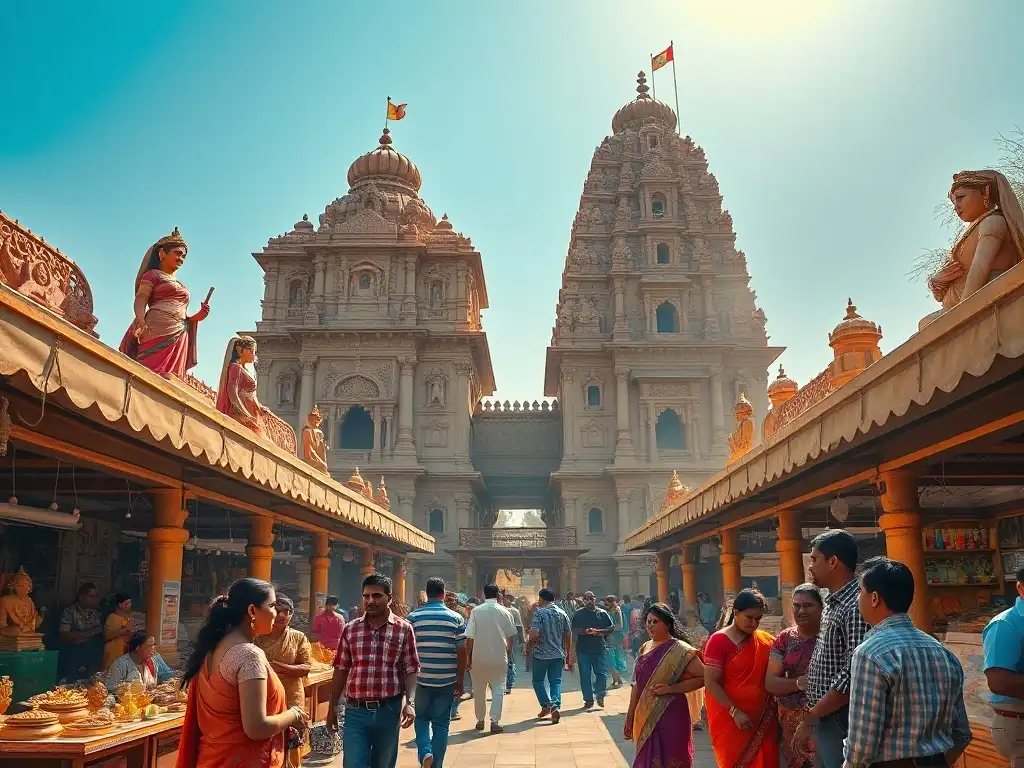
Welcome to Ancient India History, where we embark on a fascinating journey through the tapestry of time that weaves together the rich and diverse narratives of ancient Indian civilizations. In this exploration, we delve into the profound impact of the Gupta Empire on modern Indian identity, uncovering how this remarkable period shaped cultural, scientific, and artistic advancements that resonate even today. Are you ready to discover the echoes of the past that continue to influence the present? Join us as we unveil the legacy of the Gupta Empire and its transformative role in the evolution of India.
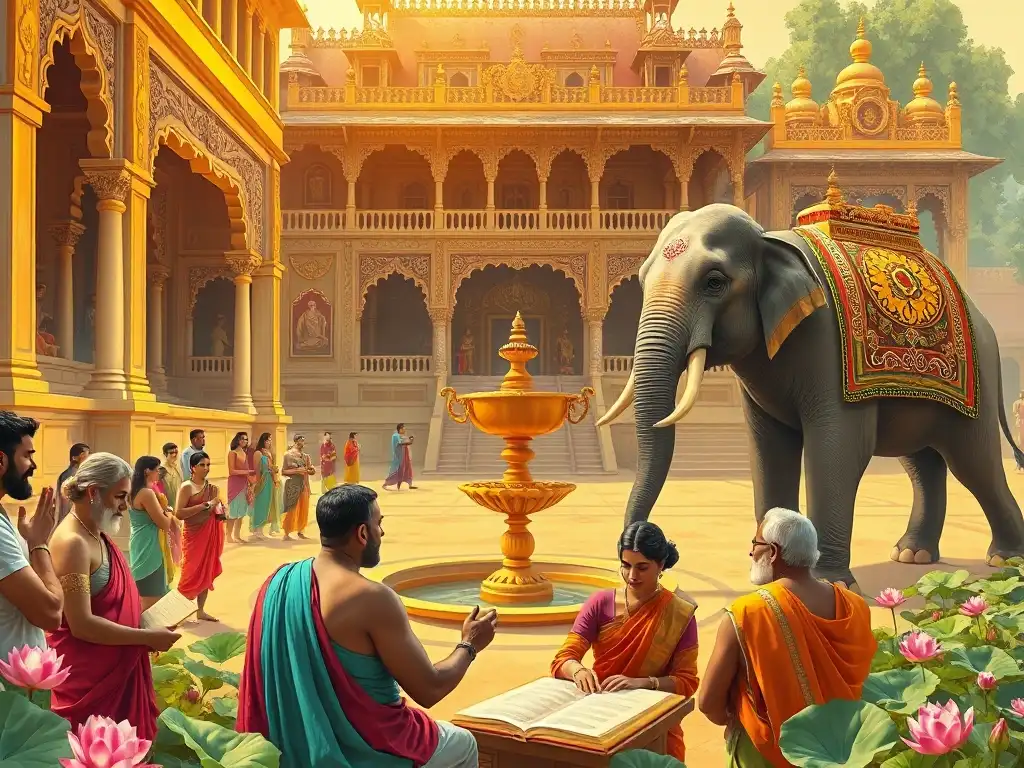
Introduction to the Gupta Empire
The Gupta Empire, often referred to as the Golden Age of India, played a pivotal role in shaping the cultural, political, and intellectual landscape of ancient India. Spanning from approximately 320 CE to 550 CE, this empire is renowned for its remarkable achievements in various fields, including science, mathematics, literature, and art.
Its influence extends far beyond its temporal bounds, leaving a lasting imprint on the Indian identity that resonates even in contemporary society. Understanding the Gupta Empire's impact on India is crucial for appreciating the foundations of modern Indian culture and the collective identity that has evolved over centuries.
Overview of the Gupta Empire's History
The Gupta Empire was founded by Sri Gupta and reached its zenith under the reign of Chandragupta II. This dynasty is characterized by its effective administration, strong military capabilities, and cultural patronage. The empire's territorial expanse included significant parts of the Indian subcontinent, fostering trade and cultural exchange. The period witnessed a flourishing of urban centers and an increase in agricultural productivity, which supported a growing population and stimulated economic prosperity.
- Key rulers of the Gupta Empire:
- Chandragupta I: Established the empire and expanded its boundaries.
- Samudragupta: Known for his military conquests and consolidation of power.
- Chandragupta II (Vikramaditya): A patron of arts and culture, furthering the empire’s prestige.
The Gupta period is often marked by a sense of unity among diverse regions, fostering a shared cultural heritage that remains significant in India today.
Significance of the Gupta Empire in Ancient India
The Gupta Empire is often hailed as a crucial turning point in Indian history. It not only consolidated various kingdoms but also nurtured a vibrant cultural and intellectual environment. The period is significant for several reasons:
- Cultural Syncretism: The Gupta Empire embraced diverse cultures and traditions, facilitating the exchange of ideas and practices.
- Patronage of Arts and Sciences: The rulers were known for their support of scholars and artists, leading to groundbreaking advancements.
- Political Stability: The centralized administration allowed for effective governance, paving the way for economic growth and social stability.
The legacy of the Gupta Empire is a cornerstone of Indian civilization, influencing various aspects of life, including philosophy, religion, and social structure.
The Golden Age of the Gupta Empire
The Gupta Empire is often referred to as the Golden Age due to its unparalleled contributions to various fields. This era marked a high point in the cultural and intellectual history of India, characterized by significant advancements that laid the groundwork for future generations.
Key Achievements of the Gupta Empire
The achievements of the Gupta Empire are numerous and varied, reflecting its role as a center of innovation and creativity. Some key accomplishments include:
- Mathematics: The concept of zero and the decimal system were developed during this time, significantly impacting mathematics globally.
- Astronomy: Aryabhata, a prominent astronomer, made groundbreaking contributions to astronomy, including calculations of the solar year and the rotation of the Earth.
- Medicine: The Gupta period saw advancements in medicine, including surgical techniques and the compilation of medical texts such as the Sushruta Samhita.
| Field | Key Contributions |
|---|---|
| Mathematics | Invention of zero and decimal system |
| Astronomy | Aryabhata’s calculations and theories |
| Medicine | Surgical techniques and medical texts |
These achievements not only highlight the intellectual prowess of Gupta scholars but also set the stage for future advancements in these fields.
Cultural Flourishing Under Gupta Rule
The Gupta Empire was not only a political entity but also a vibrant cultural hub. The period witnessed an explosion of artistic expression, literature, and philosophy:
- Literature: The era produced notable works such as Kalidasa's plays and poetry, which continue to be celebrated today.
- Art and Architecture: Temples and sculptures from the Gupta period, such as those found in Ajanta and Ellora, exhibit exceptional craftsmanship and artistry.
- Religion: This period was significant for the consolidation of Hinduism and the flourishing of Buddhist art and architecture.
The Gupta Empire's cultural legacy remains a source of pride and identity for modern India, illustrating a rich tapestry of history that continues to inspire and influence contemporary society.
The Gupta Empire's Impact on Indian Society
The Gupta Empire, often referred to as the Golden Age of India, had a profound impact on various facets of Indian society. This era (approximately 320 to 550 CE) was characterized by significant advancements in culture, science, and the arts, which laid the groundwork for modern Indian identity. The societal advancements during the Gupta period established frameworks that would influence future generations and shape the cultural fabric of India.
Social Structure and Community Life
The social structure of the Gupta Empire was notably hierarchical yet flexible, allowing for a unique blend of tradition and adaptation. The caste system, which had roots in earlier Indian society, became more pronounced during this period. However, the Gupta era also witnessed an increasing emphasis on merit and education, particularly in urban centers.
- Caste System: While the four primary varnas (Brahmins, Kshatriyas, Vaishyas, and Shudras) dominated social organization, the emergence of numerous sub-castes (jatis) allowed for greater social mobility in certain contexts.
- Community Life: Villages served as the backbone of Gupta society. They were largely self-sufficient and governed by local customs, which fostered a sense of community and identity. Festivals, religious rituals, and communal gatherings played a significant role in reinforcing social bonds.
This blend of rigid social hierarchy coupled with communal interdependence contributed to the development of a unique Indian identity that persisted long after the Gupta Empire's decline.
Education and Intellectual Advancements
During the Gupta period, education thrived, giving rise to notable intellectual advancements that would greatly influence future generations. The establishment of universities, such as the famous Nalanda University, became pivotal in shaping educational practices.
- Curriculum and Learning: The curriculum included subjects like mathematics, astronomy, medicine, and philosophy. Scholars such as Aryabhata and Varahamihira made significant contributions, particularly in mathematics and astronomy, which have left a lasting legacy on Indian educational practices.
- Cultural Exchange: The Gupta Empire was a hub of cultural exchange, attracting scholars from various regions. This interaction not only enriched local knowledge but also facilitated the spread of ideas, contributing to a more cohesive Indian identity.
The advancements in education and the emphasis on learning during the Gupta Empire have profoundly influenced modern educational systems in India, emphasizing the importance of knowledge and scholarship.
The Gupta Empire's Contributions to Religion
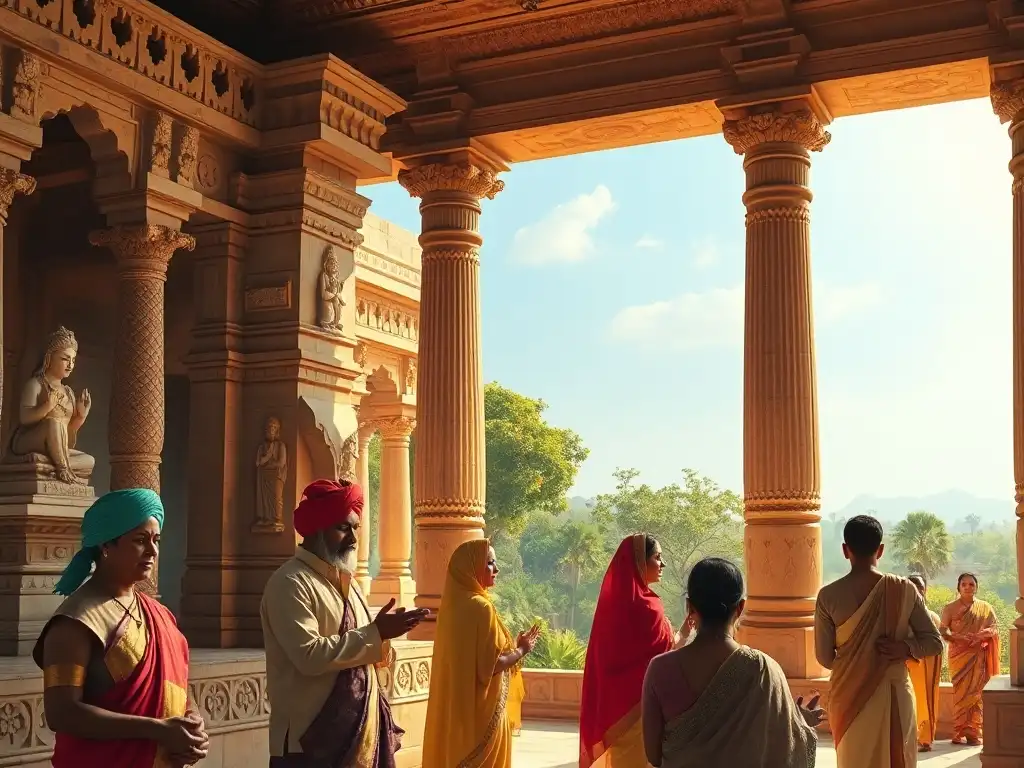
The Gupta Empire was a crucial period for the evolution of religious practices in India, particularly with the development of Hinduism and the continued flourishing of Buddhism. These religious transformations played a significant role in shaping the spiritual landscape of modern India.
Development of Hinduism during the Gupta Era
The Gupta period is often regarded as a golden age for Hinduism, witnessing a resurgence of religious practices and cultural expressions. This era saw the codification of various texts and the establishment of key religious philosophies.
- Philosophical Texts: The composition of significant texts such as the Puranas and the Mahabharata was refined during this time, promoting the worship of deities like Vishnu and Shiva. This period also saw the rise of devotional movements, enhancing personal connections between worshippers and deities.
- Art and Architecture: The Gupta period is renowned for its exquisite temple architecture and sculpture, which reflected the religious fervor of the time. Temples such as the Dashavatara Temple at Deogarh stand as testaments to the artistic achievements associated with Hinduism.
The foundations laid during the Gupta period continue to resonate in contemporary Hindu practices and beliefs, showcasing the enduring legacy of this era.
Influence on Buddhism in India
Buddhism also experienced significant developments during the Gupta Empire, marked by both consolidation and transformation. This period saw a blend of traditional Buddhist teachings with local practices, enriching the religion's diversity.
- Buddhist Art and Iconography: The Gupta period is celebrated for its advancements in Buddhist art, particularly in sculpture and painting. The creation of intricate carvings and stupas, such as those found in Sanchi, reflects the spiritual and artistic achievements of this time.
- Cultural Syncretism: The interaction between Hinduism and Buddhism during this era led to a shared cultural and philosophical landscape. This syncretism can be seen in the adoption of certain Hindu practices within Buddhism, creating a more inclusive spiritual environment.
The developments in Buddhism during the Gupta Empire have had a lasting impact on religious practices in India, contributing to the rich tapestry of beliefs that define modern Indian spirituality.
Artistic and Architectural Legacy of the Gupta Empire
The Gupta Empire, often referred to as the Golden Age of India, left an indelible mark on the arts and architecture that continues to influence modern Indian identity. This period, which spanned from approximately 320 to 550 CE, witnessed a flourishing of artistic expression that encompassed painting, sculpture, and architecture. The Gupta artistic legacy is characterized by its emphasis on aesthetic beauty, religious themes, and a profound connection to the cultural values of the time.
The Gupta period saw the emergence of a distinctive style that combined indigenous traditions with influences from earlier periods, resulting in art that was both innovative and traditional. The intricate craftsmanship and attention to detail in Gupta art set high standards that would resonate through subsequent generations. Temples, sculptures, and frescoes from this era not only served religious purposes but also expressed the philosophical and ethical ideals of the time, contributing significantly to the cultural fabric of modern India.
Overview of Gupta Art and Sculpture
Gupta art is celebrated for its remarkable sculptures, which showcase a blend of realism and idealism. This period produced some of the finest examples of stone carvings and bronze sculptures, often depicting Hindu deities, Buddhist figures, and jain saints. The use of smooth lines, proportionate figures, and expressive postures distinguish Gupta sculptures from earlier artistic styles.
One notable example is the famous Buddha statue from Sarnath, which reflects the serene and meditative qualities associated with Buddhism during this time. Additionally, temples such as the Dasavatara Temple at Deogarh exhibit exquisite carvings that narrate stories from Hindu mythology, further highlighting the period's artistic ingenuity.
The Gupta sculptors also excelled in creating intricate relief work, often used to adorn temple walls. These reliefs depicted scenes of daily life, celestial beings, and mythological narratives, providing a glimpse into the cultural and religious beliefs of the society. The legacy of Gupta art can be seen in various forms today, influencing contemporary Indian artists and sculptors who draw inspiration from these ancient masterpieces.
Architectural Innovations and Their Significance
The architecture of the Gupta Empire is another significant aspect of its legacy, characterized by innovations that laid the groundwork for future developments in Indian temple architecture. The period witnessed the construction of numerous temples, which were not only places of worship but also centers of community life.
One of the most notable innovations was the introduction of the shikhara (spire) in temple architecture, which would become a defining feature of Hindu temples throughout India. The Kandariya Mahadeva Temple in Khajuraho, though constructed later, embodies the architectural principles established during the Gupta period. These temples often showcased elaborate carvings and sculptures that depicted various deities and mythological scenes, reflecting the spiritual and artistic ethos of the time.
Furthermore, Gupta architecture emphasized the use of stone as a primary building material, which enhanced durability and aesthetic appeal. The construction techniques developed during this period, including the use of intricate stone brackets and detailed columns, set a high standard for architectural design.
The architectural achievements of the Gupta Empire not only contributed to the religious landscape of ancient India but also influenced the architectural styles of later dynasties, cementing the Gupta legacy in the historical narrative of India.
The Gupta Empire's Influence on Language and Literature
The Gupta Empire played a crucial role in the evolution of language and literature in India, particularly through the promotion of Sanskrit as a literary and scholarly language. This period is marked by significant advancements in linguistic expression, which have had a lasting impact on Indian culture and identity.
Sanskrit literature flourished during the Gupta era, with an emphasis on poetry, drama, and philosophical texts. The Gupta rulers were known for their patronage of scholars and poets, fostering an environment conducive to literary creativity. This cultural renaissance facilitated the spread of ideas and philosophies that continue to resonate in contemporary Indian society.
Sanskrit Literature and Its Evolution
Sanskrit, as a classical language, underwent significant evolution during the Gupta period. It became the medium for literary expression, allowing scholars to articulate complex philosophical ideas and cultural narratives. The period saw the emergence of notable literary forms, including poetry, plays, and prose, which explored themes ranging from love and morality to mythology and philosophy.
The works of poets like Kalidasa epitomize the richness of Gupta literature. His plays and poems, such as Shakuntala and Meghaduta, not only exhibit linguistic sophistication but also delve into profound human emotions and relationships. The emphasis on poetic meter and sophisticated imagery in these works set a high standard for subsequent literary endeavors in Sanskrit.
Moreover, the Gupta period witnessed the compilation of important texts that contributed to various fields of knowledge, including astronomy, mathematics, and medicine, all written in Sanskrit. This intellectual legacy underscores the critical role of the Gupta Empire in shaping the literary and scholarly landscape of India.
Notable Literary Works from the Gupta Period
Several literary masterpieces emerged during the Gupta Empire, reflecting the cultural and intellectual vibrancy of the time. Among the most significant works are:
- Kalidasa's "Shakuntala": A celebrated play that explores the themes of love and destiny, showcasing the beauty of language and emotional depth.
- Bhasa's Plays: Bhasa, another prominent playwright, contributed significantly to Sanskrit drama, with works that combined humor and tragedy.
- Aryabhata's "Aryabhatiya": An influential text in mathematics and astronomy, which laid the foundation for future scientific inquiry in India.
- Varahamihira's "Brihat Samhita": A comprehensive work that encompasses astrology, meteorology, and architecture, illustrating the interdisciplinary nature of Gupta scholarship.
These literary works not only reflect the artistic brilliance of the Gupta Empire but also serve as foundational texts that have shaped Indian literature and thought. The emphasis on high literary standards and rich thematic content during this period continues to inspire modern writers and scholars, reaffirming the Gupta Empire's lasting influence on India's cultural identity.
The Gupta Empire's Role in Shaping Modern Indian Identity
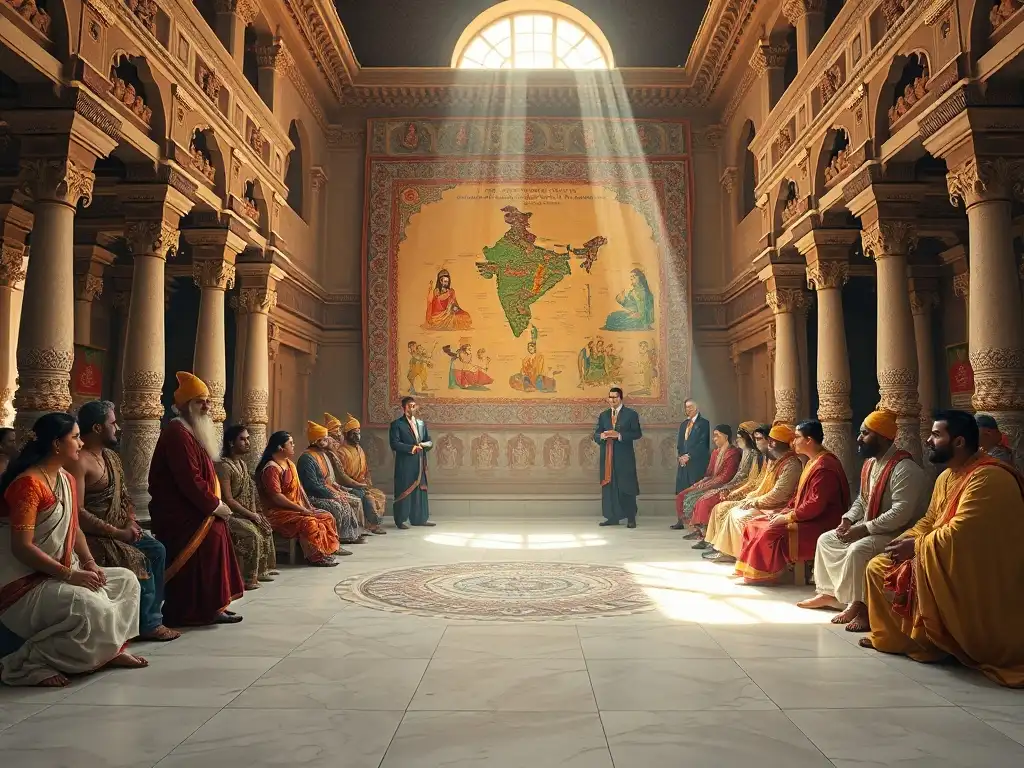
The Gupta Empire, often described as the "Golden Age" of India, played a pivotal role in molding the cultural, political, and social landscapes that define modern Indian identity. Spanning from approximately 320 to 550 CE, this empire witnessed remarkable advancements in various fields, including art, science, literature, and philosophy. The ideological and cultural frameworks established during this period have left an indelible mark on contemporary Indian society, influencing everything from religious practices to educational systems.
The Gupta rulers promoted a sense of unity and identity among the diverse populations within their empire. They fostered a synthesis of local traditions and broader Indian culture, which laid the groundwork for a shared cultural heritage. This integration of various cultural elements is still evident today, as modern India continues to celebrate its rich tapestry of traditions stemming from the Gupta era.
Cultural Heritage and Its Modern Relevance
The cultural heritage of the Gupta Empire is manifested in numerous forms, including architecture, sculpture, and literature. The period is renowned for its exquisite temples, such as those in Ujjain and Khajuraho, which showcase intricate carvings and stunning artistry. These temples not only serve as historical landmarks but also as sites of pilgrimage and cultural pride in modern India.
In literature, the works of Kalidasa and other poets from the Gupta period continue to resonate with contemporary audiences. Their themes of love, nature, and mythology are celebrated in modern adaptations and performances, illustrating the enduring nature of Gupta literature in today’s cultural expressions. Additionally, advancements in mathematics and astronomy during the Gupta Empire, such as the concept of zero and the decimal system, are foundational to modern scientific and mathematical practices, highlighting their lasting significance.
The Legacy of the Gupta Empire in Contemporary India
Modern Indian identity is significantly shaped by the philosophical and spiritual teachings that emerged during the Gupta period. The promotion of Hinduism, along with the coexistence of Buddhism and Jainism, set the stage for a pluralistic society. This legacy of religious tolerance and philosophical inquiry is reflected in the contemporary ethos of India, where multiple religions thrive together.
Moreover, the Gupta Empire's emphasis on education led to the establishment of renowned centers of learning, such as Nalanda University. These institutions not only advanced knowledge but also promoted critical thinking and dialogue. The modern educational frameworks in India, which prioritize these values, can trace their roots back to this emphasis on learning and scholarship from the Gupta time.
Conclusion: The Enduring Impact of the Gupta Empire on India
The Gupta Empire's contributions to Indian society have created a lasting legacy that continues to influence modern identity. Its advancements in art, science, and philosophy have shaped not only cultural practices but also the very foundations of Indian society as a whole.
Summary of the Gupta Empire's Influence
The Gupta Empire's impact on India is profound and multifaceted. From enriching cultural practices and fostering religious pluralism to laying the groundwork for educational excellence, the empire's influence is woven into the fabric of modern Indian identity. The achievements of this era serve as a source of inspiration and pride for contemporary Indians, reflecting a legacy that resonates through the ages.
Reflection on the Importance of Ancient Civilizations in Shaping Identities
Reflecting on the importance of ancient civilizations like the Gupta Empire, it becomes evident that they are crucial in shaping modern identities. The values, beliefs, and innovations from these periods continue to inform contemporary society, reminding us of the interconnectedness of past and present. Understanding and appreciating these historical contributions is essential for recognizing the complex identity of modern India, which is rich in diversity and cultural depth.
References
The Gupta Empire, often referred to as the Golden Age of India, has had a profound impact on modern Indian identity. To explore this influence in greater detail, a variety of sources can provide valuable insights into the cultural, scientific, and political contributions of the Gupta period. Below are some recommended readings and academic sources that delve into the complexities of the Gupta Empire and its lasting legacy.
Suggested Readings on the Gupta Empire
-
"The Gupta Empire: A Historical Overview" by R. C. Majumdar
This comprehensive book provides an in-depth look at the political structure, cultural achievements, and economic conditions of the Gupta Empire, making it an essential read for anyone interested in this period.
-
"Cultural History of India" by K. A. Nilakanta Sastri
This text explores the broader cultural landscape of ancient India, including the Gupta period's contributions to art, literature, and philosophy, highlighting how these elements shaped modern Indian culture.
-
"Ancient India" by Romila Thapar
Thapar's work offers a critical analysis of ancient Indian civilization, with a focus on the Gupta Empire's role in shaping social and cultural norms that continue to influence contemporary India.
-
"The Golden Age of the Gupta Empire" by Upinder Singh
This illustrated book provides a visual and narrative exploration of the Gupta Empire, emphasizing its artistic achievements and innovations in various fields.
-
"Gupta Art and Architecture" by Susan Huntington
This work delves into the artistic contributions of the Gupta Empire, analyzing how these creations have left an indelible mark on Indian aesthetics and cultural identity.
Academic Sources and Historical Texts
-
"The History of India: From the Earliest Ages to the Present Day" by James Talboys Wheeler
This historical account covers the full timeline of Indian history, with a significant focus on the Gupta period, providing context for understanding its influence on subsequent Indian history.
-
"The Cambridge History of India, Volume 1: Ancient India" edited by J. C. Harle
This academic reference offers a detailed chapter on the Gupta Empire, discussing its governance, societal structures, and contributions to science and literature.
-
"Indian Mathematics: A Historical Survey" by C. V. D. Reddy
This text outlines the mathematical advancements during the Gupta Empire, detailing how these contributions laid the groundwork for modern mathematics.
-
"The Gupta Empire and Its Decline" by D. N. Jha
Jha's scholarly work examines the factors that led to the decline of the Gupta Empire while emphasizing its enduring impact on Indian society.
-
"Buddhism and the Gupta Empire" by John S. Strong
This study explores the relationship between Buddhism and the Gupta Empire, shedding light on how religious practices of the time continue to influence spiritual life in modern India.
These sources collectively provide a rich foundation for understanding the Gupta Empire's significance and its ongoing impact on the identity and culture of modern India. They reflect the complexities of a civilization that not only thrived in its time but also laid the groundwork for future generations.
- Introduction to the Gupta Empire
- The Golden Age of the Gupta Empire
- The Gupta Empire's Impact on Indian Society
- The Gupta Empire's Contributions to Religion
- Artistic and Architectural Legacy of the Gupta Empire
- The Gupta Empire's Influence on Language and Literature
- The Gupta Empire's Role in Shaping Modern Indian Identity
- Conclusion: The Enduring Impact of the Gupta Empire on India
- References
Frequently Asked Questions
What was the Gupta Empire known for?
The Gupta Empire is renowned for its cultural advancements, including significant contributions to art, science, and literature, which laid the foundations for modern Indian identity.
How did the Gupta Empire influence Indian culture?
The Gupta period saw a flourishing of Hindu culture, with significant developments in philosophy, sculpture, and architecture, shaping the cultural landscape of India that persists today.
What are some scientific achievements from the Gupta period?
During the Gupta Empire, there were notable achievements in mathematics and astronomy, including the concept of zero and advances in calendrical calculations, which are pivotal to India's educational heritage.
How did the Gupta Empire contribute to religion in India?
The Gupta Empire played a crucial role in the revitalization of Hinduism, promoting religious tolerance and the coexistence of Buddhism, which influenced the spiritual and social fabric of India.
What is the legacy of the Gupta Empire in modern India?
The legacy of the Gupta Empire can be seen in Indian traditions, values, and identity, as it set a precedent for cultural unity and national pride that continues to resonate in contemporary India.
Final Reflection: The Enduring Legacy of the Gupta Empire on Modern Indian Identity
The Gupta Empire's impact on India resonates profoundly in today's cultural and social landscape, shaping the very essence of what it means to be Indian. As we navigate a rapidly changing world, the values, art, and intellectual achievements of the Gupta period continue to inspire a sense of pride and identity among Indians. The echoes of this golden age remind us that our past is not merely a collection of historical events but a living narrative that informs our present and future.
Cultural identity is a tapestry woven from threads of history, and the Gupta Empire serves as a vibrant strand in this intricate design. The advancements in science, literature, and philosophy during this era have laid a foundation for contemporary Indian thought and creativity. As we embrace our heritage, we find that the teachings and innovations of the Gupta period still resonate today. History is not just what happened; it is what we make of it.
This quote encapsulates the ongoing influence of the Gupta Empire, urging us to recognize the significance of our historical roots in shaping our modern identity.
As we reflect on the Gupta Empire's impact on India, I invite you to explore how these historical lessons can be applied to your own life. Consider how the values of innovation, resilience, and cultural appreciation from this era can inspire you to contribute positively to society. Let us honor our past by embracing its teachings and striving to create a future that reflects the richness of our heritage. Together, we can ensure that the legacy of the Gupta Empire continues to thrive in the hearts and minds of generations to come.
Embrace Your Heritage and Shape Tomorrow!
Thank you for exploring the rich tapestry of the Gupta Empire’s influence on modern Indian identity. We hope you’ve gained valuable insights that motivate you to delve into your own cultural roots and their significance today. Now, it’s time to take action and strengthen your connection with this fascinating history!
- Dive deeper: Read more about the architectural marvels and literature of the Gupta period. Consider exploring books or documentaries that focus on this vibrant era.
- Engage with your community: Participate in local cultural events or workshops that celebrate Indian heritage. Share what you've learned with friends and family!
- Start a discussion: Share a thoughtful comment or question about the Gupta Empire on social media or in a forum. Invite others to share their perspectives and discoveries.
How do you believe the lessons from the Gupta Empire can inspire modern Indian identity and foster unity in diversity today?