
The Influence of Philosophy on Mauryan Leadership: Key Philosophers


Welcome to Ancient India History, where we embark on a captivating journey through the rich tapestry of ancient Indian civilizations. Dive deep into our featured article, “The Influence of Philosophy on Mauryan Leadership: Key Philosophers,” and uncover how the profound ideas of esteemed thinkers shaped the governance and philosophy of the Mauryan Empire. As we explore the intricate connections between philosophy and power, you’ll gain insights that not only illuminate the past but also resonate with the complexities of leadership today. Are you ready to unlock the secrets of ancient wisdom? Let your exploration begin!
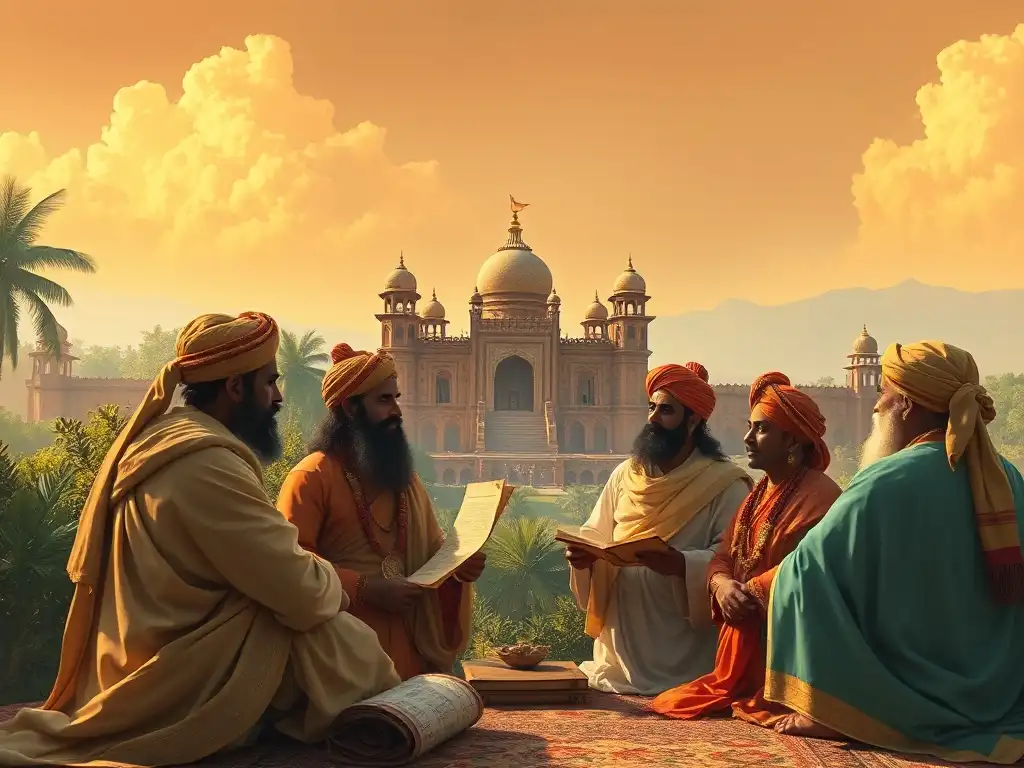
Introduction to Mauryan Leadership Philosophy Influence
The Mauryan Empire, which flourished from the 4th to the 2nd century BCE, stands as one of the most significant and influential eras in ancient Indian history. At the heart of its governance and administration was a profound philosophical foundation that guided its leaders. The influence of philosophy on Mauryan leadership is a critical area of study, helping to unravel how ideas shaped political strategies, ethical governance, and societal norms during this period.
Philosophy, particularly through the teachings of key thinkers, played an integral role in the decision-making processes of Mauryan rulers. The interplay between philosophical doctrines and political power created a framework that not only facilitated the consolidation of the empire but also established enduring principles that resonate even in contemporary discussions about governance. This exploration reveals how the philosophical thoughts of figures such as Chanakya, alongside the spiritual teachings of Buddhism and Jainism, contributed to the effective leadership and administrative prowess of the Mauryan dynasty.
Key Philosophers Influencing Mauryan Leadership
The Mauryan Empire was significantly shaped by the insights of various philosophers, each contributing to the ideological underpinnings of its leadership. Below are some of the key figures whose philosophies influenced Mauryan governance:
Chanakya: The Architect of Mauryan Strategy
Chanakya, also known as Kautilya, was not only a tutor to Chandragupta Maurya, the founder of the Mauryan Empire, but also a master strategist and political theorist. His work, the Arthashastra, serves as a foundational text in Indian political thought and is often cited for its pragmatic approach to governance.
- Key Contributions:
- Realpolitik: Chanakya emphasized the importance of power and strategic manipulation in politics, advocating for a realistic approach to rule.
- Administration: He provided detailed strategies for administration, taxation, and military organization, which ensured the stability and expansion of the empire.
- Ethics vs. Strategy: While his strategies were sometimes seen as ruthless, they were grounded in a philosophy that prioritized the greater good of the state.
Chanakya's teachings instilled a sense of discipline and pragmatism in Mauryan leadership, establishing practices that would define governance in ancient India.
Buddhism and Its Philosophical Influence
Buddhism, emerging during the time of the Mauryan Empire, played a significant role in shaping the ethical and moral dimensions of leadership. Emperor Ashoka, one of the most renowned Mauryan rulers, converted to Buddhism and actively promoted its principles throughout his reign.
- Key Contributions:
- Dharma: Ashoka's embrace of dharma (moral law) emphasized compassion, non-violence, and social welfare, impacting the governance style of the Mauryan leadership.
- Edicts of Ashoka: The rock edicts serve as historical records of his commitment to Buddhist philosophy, advocating for ethical treatment of subjects and promoting peace.
- Cultural Integration: Buddhism fostered an environment of cultural integration and tolerance that helped stabilize and unify diverse populations within the empire.
The philosophical underpinnings of Buddhism not only influenced Ashoka's leadership but also left a lasting legacy on governance and societal values in ancient India.
Jainism's Contributions to Mauryan Thought
Jainism, with its focus on non-violence and asceticism, also contributed to the philosophical landscape of Mauryan leadership. The teachings of Jain philosophers resonated with many leaders, promoting values that were integral to governance.
- Key Contributions:
- Ahimsa (Non-violence): The principle of ahimsa profoundly influenced Mauryan policies, especially under Ashoka, who sought to minimize suffering and promote harmony.
- Ethical Governance: Jain philosophy emphasized ethical conduct and integrity among rulers, shaping a moral framework for leadership.
- Influence on Society: The integration of Jain values into the political sphere encouraged social welfare and the protection of all living beings, fostering a culture of respect and coexistence.
The philosophical influences of Chanakya, Buddhism, and Jainism were pivotal in shaping the leadership style of the Mauryan Empire. Their teachings not only guided the rulers in their administrative duties but also laid the groundwork for ethical governance that has echoed through the corridors of Indian history.
Philosophical Tenets Shaping Mauryan Governance
The Mauryan Empire, one of the most significant empires in ancient India, was deeply influenced by a range of philosophical ideas that shaped its governance and leadership. Central to this influence were the philosophical tenets of Dharma, justice, and ethical leadership, derived from various schools of thought prevalent during this period. The Mauryan rulers, particularly Ashoka the Great, integrated these philosophies into their policies, promoting a governance model that emphasized moral authority over mere power.
The concept of Dharma served not only as a guiding principle for individual conduct but also as a foundational element in the political realm. This alignment of philosophical thought with political practice helped cultivate a governance style that sought to balance authority with moral responsibility. The Mauryan leaders aimed to create a just society where the welfare of the populace was prioritized, reflecting the intricate relationship between philosophy and leadership during this pivotal era.
The Concept of Dharma in Leadership
Dharma, often translated as righteousness or duty, played a crucial role in Mauryan leadership philosophy. It is derived from ancient Indian texts, including the Vedas and Upanishads, and was further popularized by the teachings of Buddhism during Ashoka's reign. The principle of Dharma dictated that rulers must act in accordance with ethical and moral laws, ensuring the welfare of their subjects.
Ashoka exemplified this principle by adopting a policy of "Dharma Vijaya," which translates to the victory of righteousness. Rather than expanding through warfare, he sought to unify his empire through moral persuasion and ethical governance. His edicts, inscribed on pillars and rocks across the empire, articulated his commitment to non-violence, compassion, and social welfare, showcasing how Dharma influenced his leadership approach.
The Role of Justice and Fairness
Justice and fairness were integral components of Mauryan governance, deeply rooted in the philosophical ideals of the time. The idea that a ruler should be just and fair resonated through the Mauryan administration, establishing a framework for legal structures aimed at protecting citizens' rights and promoting social harmony.
The Mauryan rulers implemented laws that emphasized equitable treatment and accountability. The presence of a well-developed judicial system ensured that justice was accessible to all citizens, regardless of their social status. This focus on fairness not only fostered loyalty among subjects but also reinforced the legitimacy of the Mauryan rulers, as they were seen as guardians of justice in society.
Comparative Analysis: Philosophical Influences in Other Ancient Civilizations
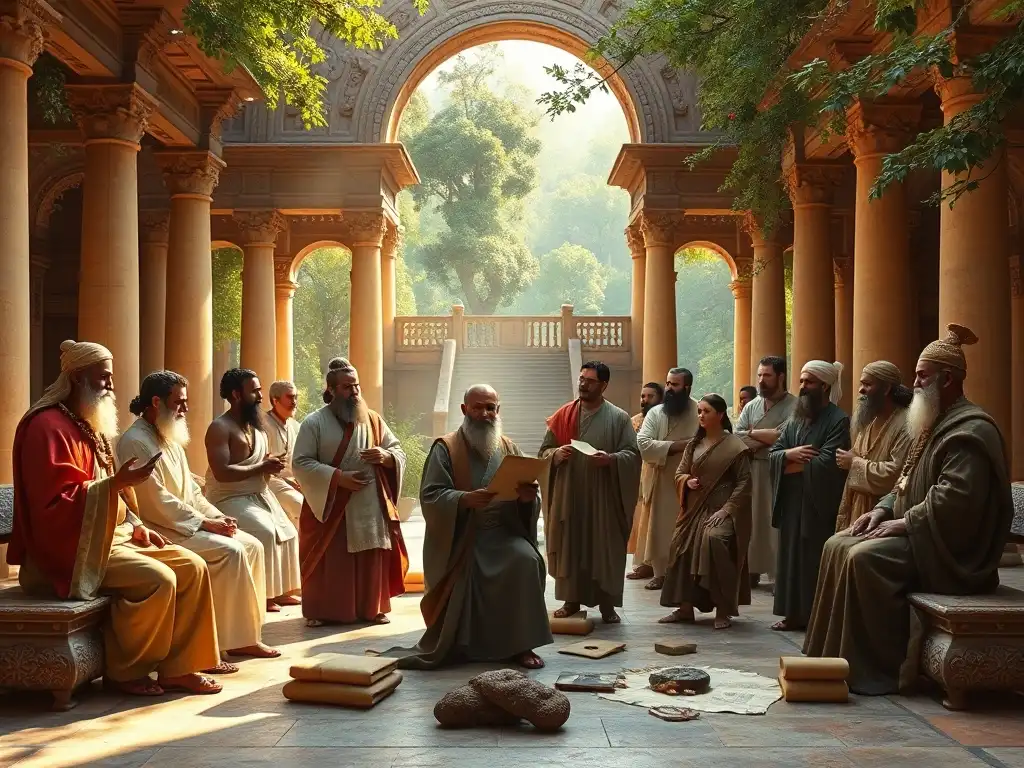
The philosophical influences on Mauryan leadership can be compared and contrasted with similar developments in other ancient civilizations, notably those of Greece and China. While there are overlapping themes, the nuances of each philosophical tradition reveal distinctive approaches to governance and leadership.
Similarities with Greek Philosophical Thought
Ancient Greece, with its rich tradition of philosophy, shares several similarities with the philosophical frameworks that influenced Mauryan leadership. Both civilizations grappled with concepts of justice, virtue, and the role of the leader. Greek philosophers like Plato and Aristotle emphasized the importance of ethical governance, advocating for rulers who possessed moral virtue and wisdom.
In particular, the idea of the "philosopher-king" proposed by Plato bears resemblance to the Mauryan ideal of a ruler who embodies Dharma. Both philosophies suggest that a ruler must be knowledgeable and virtuous to govern effectively. However, while Greek thought often focused on the individual’s role in society, Mauryan philosophy placed greater emphasis on collective welfare and moral duty.
Distinctions from Chinese Philosophical Traditions
In contrast to the philosophical influences seen in the Mauryan Empire, Chinese philosophical traditions, particularly Confucianism and Daoism, offered different perspectives on leadership. Confucianism, with its focus on hierarchical relationships and social harmony, emphasized the importance of moral leadership through adherence to rituals and respect for authority.
While the Mauryan leadership philosophy also valued moral conduct, it was more aligned with the concept of Dharma, which encompasses a broader ethical framework that includes compassion and non-violence. Daoism, on the other hand, advocated for a more naturalistic approach to governance, suggesting that rulers should align with the Dao (the Way) to ensure harmony. This contrasts with the structured ethical imperatives seen in Mauryan governance, highlighting the distinct cultural contexts and philosophical underpinnings that shaped leadership in these ancient civilizations.
Conclusion: The Lasting Impact of Philosophy on Mauryan Leadership
The Mauryan Empire, renowned for its remarkable achievements and extensive governance, was profoundly shaped by philosophical thought. The integration of various philosophical principles into their leadership not only influenced the administration but also the social and cultural fabric of the empire. Key figures such as Chanakya, with his astute political strategies and philosophical insights, exemplified how philosophy could undergird effective governance. His work, the Arthashastra, provided a framework that emphasized pragmatism, ethics, and the importance of statecraft.
The impact of philosophy on Mauryan leadership can be seen in the policies of Ashoka the Great, who, after his conversion to Buddhism, sought to govern through the principles of non-violence, compassion, and moral integrity. His edicts, which promoted social welfare and ethical conduct, illustrate how philosophical ideals can lead to transformative governance. The emphasis on dharma not only solidified Ashoka’s rule but also left a lasting legacy that resonated through subsequent Indian history.
In summation, the philosophical underpinnings of Mauryan leadership fostered a unique blend of pragmatism and moral responsibility, creating a governance model that was both effective and ethically sound. This interplay between philosophy and leadership has had a profound and enduring impact on Indian political thought, influencing leaders and philosophers long after the decline of the Mauryan Empire.
Further Reading on Mauryan Philosophy and Leadership
For those interested in delving deeper into the intricate relationship between philosophy and leadership during the Mauryan Empire, several resources can provide valuable insights:
- "The Arthashastra" by Kautilya (Chanakya): This ancient text is essential for understanding the practical applications of political philosophy in governance and statecraft. It covers various aspects of administration, economics, and military strategy.
- "Ashoka: The Search for India's Lost Emperor" by Charles Allen: This book provides a comprehensive biography of Ashoka and explores his philosophical journey and its impact on Indian society.
- "The Philosophy of the Mauryan Empire": Various academic journals and articles analyze the philosophical influences on the Mauryan rulers' policies, offering scholarly perspectives on their governance.
- "Buddhism and the Mauryan Empire": Exploring the connection between Buddhism and statecraft, this resource highlights how Ashoka's embrace of Buddhist principles reshaped leadership in the empire.
- "Historical Dictionary of the Mauryan Empire" by R.K. Sharma: This reference book provides detailed accounts of key figures, events, and philosophical influences in the Mauryan era.
These readings will enrich your understanding of the philosophical frameworks that not only shaped the Mauryan leadership but also contributed to the broader narrative of ancient Indian civilization.
- Introduction to Mauryan Leadership Philosophy Influence
- Key Philosophers Influencing Mauryan Leadership
- Philosophical Tenets Shaping Mauryan Governance
- Comparative Analysis: Philosophical Influences in Other Ancient Civilizations
- Conclusion: The Lasting Impact of Philosophy on Mauryan Leadership
- Further Reading on Mauryan Philosophy and Leadership
Frequently Asked Questions
What was the Mauryan leadership philosophy?
The Mauryan leadership philosophy emphasized ethical governance, focusing on the welfare of the people and the implementation of Dharma—the moral law.
Who were the key philosophers influencing Mauryan leadership?
Important philosophers included Kautilya, who wrote the Arthashastra, and Buddhist leaders, who advocated for compassion and non-violence in governance.
How did Kautilya's teachings impact Mauryan rule?
Kautilya's teachings provided strategic insights on statecraft, economic management, and the importance of realpolitik, which shaped Mauryan policies significantly.
What role did Buddhism play in Mauryan leadership?
Buddhism, promoted by Emperor Ashoka, introduced ethical principles such as ahimsa (non-violence) and tolerance, influencing the empire's governance and foreign relations.
How does the influence of philosophy continue to resonate today?
The influence of philosophy from the Mauryan era can still be seen in modern governance, particularly in the emphasis on ethical leadership and the pursuit of social welfare.
Final Reflection: The Enduring Legacy of Mauryan Leadership Philosophy
The exploration of Mauryan leadership philosophy reveals its profound relevance in today's world, as the principles established by key philosophers continue to shape governance and ethical leadership. In an era where the need for principled leadership is more critical than ever, the insights drawn from the Mauryan period serve as a beacon for contemporary leaders navigating complex societal challenges. The teachings of figures like Chanakya remind us that effective leadership is not merely about power, but about wisdom, strategy, and moral integrity.
The influence of Mauryan leadership philosophy resonates deeply within our cultural and social landscape, prompting us to reflect on the values that underpin effective governance. The principles of justice, welfare, and ethical conduct championed during this era are echoed in modern discussions about leadership accountability and social responsibility. As Chanakya wisely stated, There is some self-interest behind every friendship. There is no friendship without self-interests.
This quote encapsulates the intricate balance between personal ambition and the greater good, a theme that remains relevant as we navigate our own relationships and leadership roles today.
As we conclude this exploration, I invite you to reflect on how the lessons of Mauryan leadership philosophy can be applied in your own life. Consider how you can embody the principles of wisdom, strategy, and ethical conduct in your personal and professional interactions.
By embracing these timeless teachings, you not only honor the legacy of the Mauryan philosophers but also contribute to a future where leadership is defined by integrity and a commitment to the common good. Let us strive to be leaders who inspire and uplift, drawing from the rich tapestry of philosophical thought that has shaped our history.
Discover the Wisdom of the Ages: Take Action Today!
Thank you for exploring the rich interplay between philosophy and leadership during the Mauryan era! Your interest in this fascinating topic equips you with insights that can inspire modern leadership approaches. Now, let’s harness that knowledge and take meaningful steps forward.
- Reflect on your leadership style: Identify a key philosophical principle and consider how it can enhance your decision-making.
- Share your thoughts: Discuss the impact of philosophers on leadership in your community—start a conversation on social media or with friends!
- Explore further: Dive into the works of influential philosophers from the Mauryan period and see how their ideas can be applied to today's challenges.
What philosophy resonates most with you, and how do you see its application in today's leadership landscape?