
The Integration of Art and Utility: Daily Life Reflected in Indus Valley Artifacts

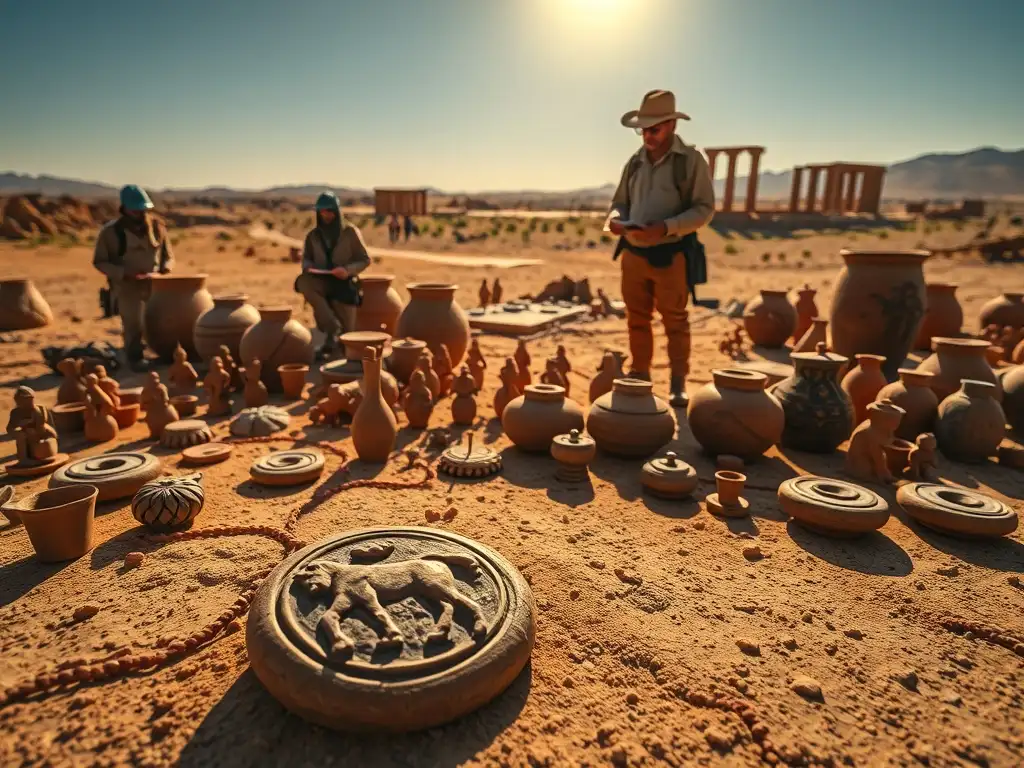
Welcome to Ancient India History, where we embark on an illuminating journey through the rich tapestry of ancient Indian civilizations. In our feature article, "The Integration of Art and Utility: Daily Life Reflected in Indus Valley Artifacts," we delve into the significance of Indus Valley artifacts that reveal the intricate blend of artistry and functionality in daily life. What stories do these ancient items tell about the people who once thrived along the banks of the Indus River?
Join us as we uncover the profound cultural insights and innovative spirit of a civilization that laid the foundations of India’s historical legacy. Your adventure into the past begins here!
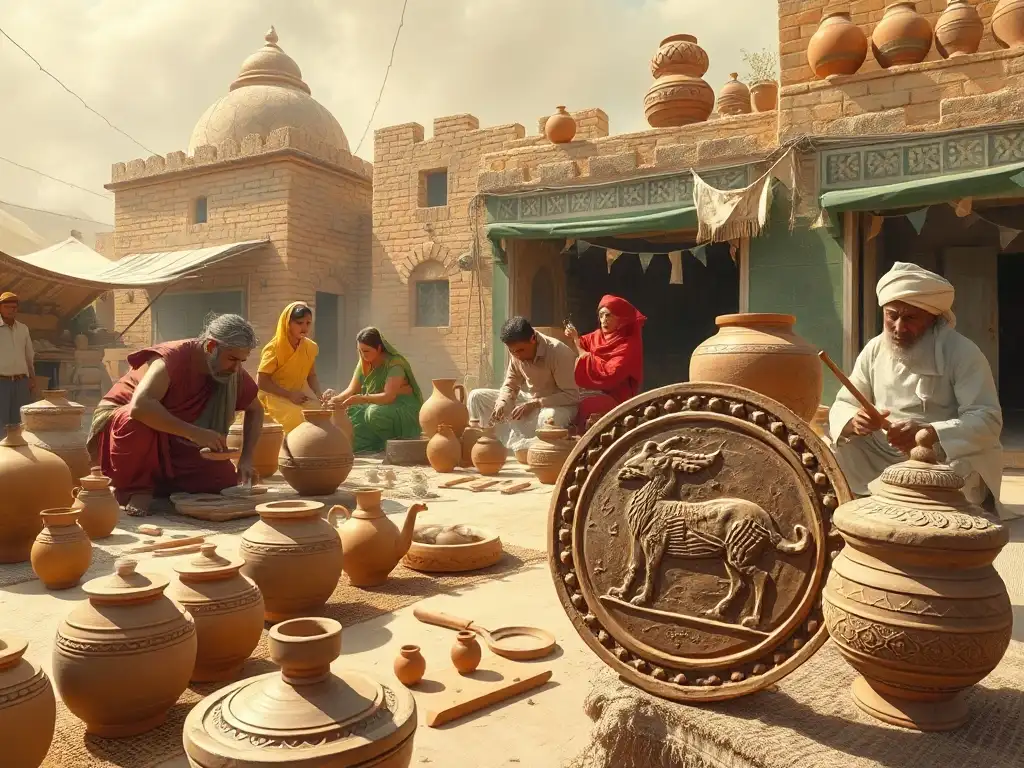
Introduction to Indus Valley Artifacts Significance
The artifacts of the Indus Valley Civilization are more than mere remnants of a bygone era; they are crucial keys that unlock the doors to understanding the daily life and societal structure of one of the world's earliest urban cultures. Spanning from approximately 3300 BCE to 1300 BCE, the Indus Valley Civilization thrived in what is today Pakistan and northwest India, showcasing a remarkable blend of art and utility.
This integration is emblematic of a sophisticated society that valued both functional and aesthetic qualities in its creations. In this article, we will delve into the significance of Indus Valley artifacts, revealing how they reflect the daily life, beliefs, and cultural values of this ancient civilization.
Overview of the Indus Valley Civilization
The Indus Valley Civilization, often referred to as the Harappan Civilization, was one of the most advanced urban societies of its time. With major cities such as Harappa and Mohenjo-Daro, the civilization was characterized by its well-planned urban layouts, advanced drainage systems, and standardized weights and measures. The people of this civilization engaged in agriculture, trade, and craftsmanship, which laid the foundation for a thriving economy and a rich cultural life.
Archaeological excavations have unveiled numerous artifacts that provide insight into the daily activities of the Indus Valley inhabitants. These artifacts include pottery, tools, jewelry, and seals, each serving a specific purpose while also reflecting artistic expression. Understanding the significance of these artifacts helps us appreciate the complexities of life in the Indus Valley and the innovative spirit of its people.
Importance of Art in Daily Life
Art in the Indus Valley was not merely decorative; it was intricately woven into the fabric of daily existence. Artifacts were often designed to serve practical purposes while simultaneously showcasing aesthetic qualities. This duality highlights a fundamental aspect of Indus Valley culture: the belief that beauty and utility can coexist harmoniously.
The significance of art in daily life can be observed in various forms:
- Functional Art: Items such as pottery and tools were not only crafted for use but also adorned with intricate designs, reflecting the craftsmanship and artistic sensibility of the creators.
- Cultural Expression: Artistic representations in seals and figurines often depicted religious themes or social practices, offering insights into the beliefs and values of the society.
- Economic Indicators: The materials and techniques used in artifacts provide clues about trade connections and economic interactions with neighboring regions, underscoring the importance of art as a symbol of wealth and status.
The Artistic Expression in Indus Valley Artifacts
The artistic expressions found in Indus Valley artifacts reveal much about the civilization's creativity, skill, and cultural priorities. The following sections will explore the types of artifacts discovered, the techniques and materials used in their creation, and the symbolism that imbues these objects with deeper meanings.
Types of Artifacts Found in the Indus Valley
Artifacts from the Indus Valley encompass a wide range of objects, each serving distinct functions while showcasing the artistry of the civilization. Key types of artifacts include:
- Pottery: Often decorated with geometric patterns and animal motifs, pottery not only served daily practical needs but also reflected the artistic styles of the time.
- Seals: These small, engraved stones featured intricate designs and symbols, often used for trade and administrative purposes, providing a glimpse into the socio-economic structures of the civilization.
- Jewelry: Crafted from semi-precious stones and metals, jewelry signified personal adornment and social status, highlighting the importance of aesthetic values in daily life.
- Tools: Everyday tools made from stone and metal were designed for functionality; however, some displayed artistic engravings, illustrating the dual role of utility and beauty.
Techniques and Materials Used in Artifact Creation
The artisans of the Indus Valley demonstrated remarkable skill in various crafting techniques. They utilized a range of materials, including:
- Clay: Widely used for pottery and figurines, clay allowed for diverse forms and designs.
- Metals: Copper and bronze were employed for tools and decorative items, showcasing advanced metallurgical techniques.
- Stone: Seals and sculptures were often carved from stone, indicating a high level of craftsmanship and artistry.
The sophisticated methods of production suggest a well-developed system of trade and resource management, which enabled artisans to access various materials and innovate their techniques continually.
Symbolism and Aesthetic Value in Indus Valley Art
The artifacts of the Indus Valley are imbued with symbolism and aesthetic values that reflect the beliefs and priorities of the civilization. Common themes in the art include:
- Nature: Many artifacts feature depictions of animals, plants, and natural elements, emphasizing the society's connection to the environment.
- Religious Symbols: Certain designs may represent spiritual beliefs, suggesting a rich tapestry of religious and cultural practices.
- Geometric Patterns: The use of intricate patterns not only demonstrates artistic skill but also reflects the mathematical understanding of the artisans.
Through these artistic expressions, we gain a deeper appreciation for the significance of Indus Valley artifacts as a lens into the daily life, society, and cultural identity of this remarkable civilization.
Utility and Functionality of Indus Valley Artifacts
The Indus Valley Civilization, known for its impressive urban planning and advanced societal structures, produced a diverse array of artifacts that highlight the integration of utility and artistry in daily life. These artifacts, ranging from tools and pottery to architectural innovations, played a crucial role in the everyday experiences of the inhabitants. Their significance extends beyond mere functionality, providing insights into the social, economic, and cultural dynamics of this ancient civilization. By examining these artifacts, we gain a deeper understanding of how utility and art coexisted, reflecting the values and practices of the Indus Valley people.
Everyday Tools and Household Items
Everyday tools and household items from the Indus Valley Civilization exemplify a blend of practicality and craftsmanship. Archaeological findings have uncovered a variety of implements, such as:
- Stone and Metal Tools: These include chisels, blades, and axes made from materials like copper, bronze, and stone, which were essential for agriculture, construction, and daily chores.
- Pottery: The Indus Valley people crafted intricate pottery, often decorated with geometric patterns and motifs. These vessels served functional purposes, including storage, cooking, and serving.
- Weaving Tools: Spindles and looms indicate a sophisticated textile industry, allowing for the production of cotton garments, which were not only functional but also reflected the artistic sensibilities of the time.
The presence of these artifacts highlights an organized approach to daily life, where efficiency was interwoven with aesthetic considerations.
Architectural Innovations and Urban Planning
The architectural innovations of the Indus Valley Civilization stand as a testament to their advanced urban planning and engineering skills. Key features include:
- Grid Layout: Cities like Mohenjo-Daro and Harappa were meticulously planned with a grid-like layout, showcasing an understanding of urban organization and space utilization.
- Drainage Systems: Sophisticated drainage systems, including covered drains and soak pits, reflect an emphasis on sanitation and public health, indicating a high level of civic consciousness.
- Public Structures: The Great Bath at Mohenjo-Daro serves as an example of public architecture, suggesting communal activities and possibly religious practices.
These architectural elements not only served practical purposes but also contributed to the cultural identity of the civilization, revealing how the Indus people integrated functionality with artistry in their urban environments.
The Role of Artifacts in Trade and Economy
Indus Valley artifacts also played a pivotal role in trade and economic activities. The civilization engaged in extensive trade networks, both locally and with distant regions. Key aspects include:
- Standardized Weights and Measures: The discovery of standardized weights indicates a sophisticated system of trade, facilitating exchanges within and beyond Indus territory.
- Seals and Inscription: Artifacts such as seals, often adorned with intricate carvings, were used for trade transactions, marking goods and ensuring accountability.
- Craft Specialization: The presence of specialized tools suggests that artisans played a vital role in producing goods for trade, indicating a thriving economy based on craftsmanship.
These artifacts not only served functional purposes but also underscore the economic complexity and interconnectedness of the Indus Valley Civilization.
Interconnection of Art and Utility in Daily Life
The interconnection of art and utility in the daily life of the Indus Valley Civilization is a fascinating aspect of their material culture. Artifacts from this era illustrate how practical items were often imbued with artistic expression, reflecting the societal values and priorities of the time. This intertwining of function and aesthetics highlights a cultural sophistication that resonates through history.
How Artifacts Reflect Social Structures and Daily Activities
Artifacts from the Indus Valley provide valuable insights into the social structures and daily activities of its people. The types and intricacies of the artifacts suggest a stratified society with various roles and responsibilities. For instance:
- Ceremonial Objects: Items such as figurines and ritualistic implements indicate the presence of religious or ceremonial practices, hinting at social hierarchies and community roles.
- Domestic Tools: The variety of household items points to distinct family roles, with certain tools designated for specific tasks, reflecting the division of labor within households.
- Trade Goods: Items produced for trade highlight social interactions and economic relationships, suggesting that social status could be linked to access to certain goods and resources.
The artifacts thus serve as a lens through which we can examine the complexities of social life in the Indus Valley.
The Influence of Art on Daily Routines and Practices
Art played a significant role in shaping daily routines and practices within the Indus Valley Civilization. The integration of artistic elements into everyday life can be seen in various forms:
- Decorative Pottery: The decorative styles of pottery not only served aesthetic purposes but also played a role in social rituals and gatherings, influencing how food and drink were presented.
- Textiles: The artistry in textile production, including intricate patterns and dyes, reflects the cultural significance of clothing and its role in identity and status.
- Figurative Art: Small figurines and statuettes found in domestic spaces suggest that art was used to invoke blessings or commemorate important aspects of life, influencing daily practices.
These artistic influences underscore the importance of aesthetics in the mundane, blending beauty with function in everyday routines.
Artistic Representations of Cultural and Religious Beliefs
Artifacts from the Indus Valley Civilization often feature artistic representations that provide insight into the cultural and religious beliefs of the time. Notable examples include:
- Seals with Deities: Many seals depict animals and deities, suggesting a belief system intertwined with nature and spirituality.
- Figurines and Statues: The presence of female figurines, possibly representing fertility deities, points to the significance of gender and fertility in their culture.
- Symbolic Motifs: The recurring use of specific symbols in art indicates a shared belief system, suggesting that art was a medium for expressing and preserving cultural narratives.
These artistic representations not only reflect the spiritual life of the Indus Valley people but also serve as a bridge connecting their daily experiences with broader cultural narratives.
Case Studies of Significant Indus Valley Artifacts
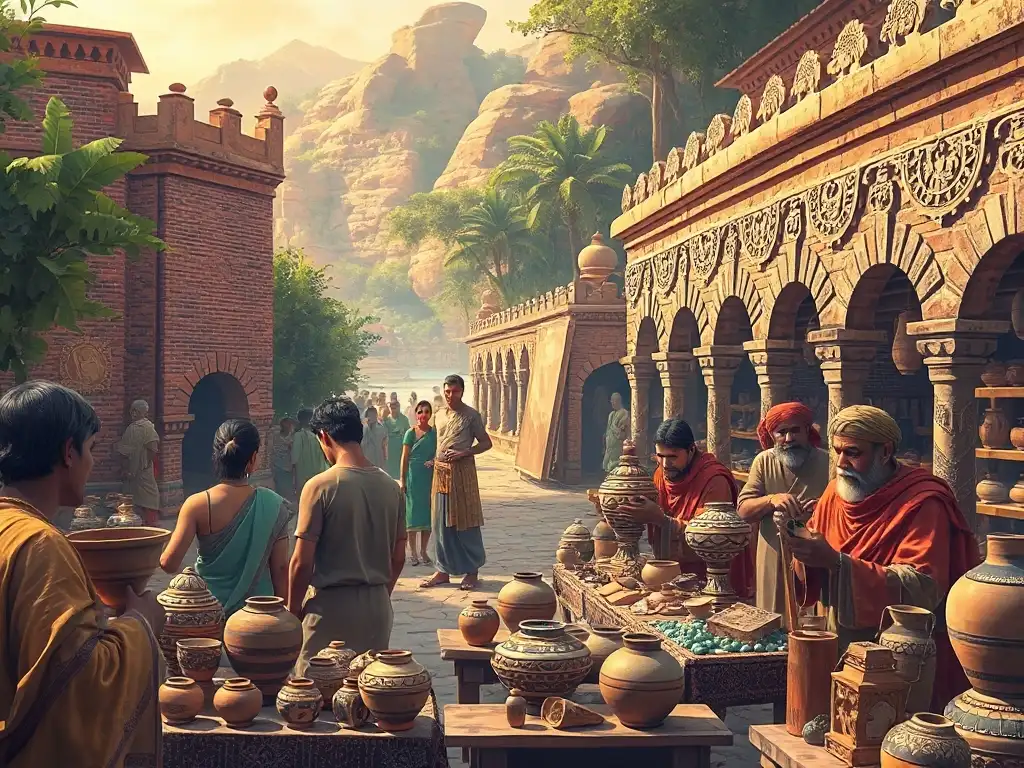
The Indus Valley Civilization, known for its advanced urban planning and sophisticated social organization, has left behind a remarkable collection of artifacts that reflect the daily lives, beliefs, and artistic expressions of its people. These artifacts serve as tangible links to the past, revealing insights into the culture, trade, and technology of one of the world's earliest urban societies. Below, we explore three significant examples: The Great Bath, terracotta figurines, and seals.
The Great Bath: An Example of Utility and Art
One of the most iconic structures of the Indus Valley Civilization is the Great Bath located in Mohenjo-Daro. This large, public bathing facility, measuring approximately 12 meters by 7 meters, is believed to have held water for ritualistic or communal bathing purposes. Its construction showcases advanced engineering skills, featuring a watertight floor made of bricks and a sophisticated drainage system. The presence of the Great Bath indicates the importance of water in the daily lives of the Indus Valley people, likely serving both practical and ceremonial functions.
The architectural design of the Great Bath also exemplifies the integration of utility and art. Its symmetrical layout and the surrounding colonnades demonstrate an aesthetic sensibility that emphasizes harmony and order, reflecting the civilization's values. This monumental structure is not only a testament to the technological prowess of the Indus Valley builders but also a symbol of their communal lifestyle, where ritual and daily activities were intertwined.
Terracotta Figurines: Cultural Significance and Daily Life
Terracotta figurines are another fascinating category of artifacts that provide insights into the cultural and social dynamics of the Indus Valley Civilization. These small clay figures, often representing humans and animals, have been discovered in various contexts, including residential areas and burial sites. The craftsmanship displayed in these figurines varies, with some exhibiting intricate details and realistic proportions, while others are more abstract.
The significance of these figurines extends beyond mere artistic expression; they likely played a role in daily life and spiritual practices. Some scholars suggest that these figures may have been used in rituals or as toys for children, illustrating the dual nature of their function in society. Additionally, figurines depicting female forms, often adorned with jewelry, may indicate the importance of fertility and femininity in Indus culture.
Seals and Their Role in Administration and Trade
Seals from the Indus Valley Civilization represent one of the most significant aspects of their administrative and trade practices. Typically made from steatite and decorated with intricate carvings, these seals often featured animals, deities, or script, which remains undeciphered. The primary purpose of seals was likely to authenticate goods and facilitate trade, serving as a form of identification for merchants.
The presence of seals in various archaeological sites across the Indian subcontinent suggests that the Indus Valley Civilization engaged in extensive trade networks, with connections to regions as far as Mesopotamia. The symbols and motifs on these seals also shed light on the cultural exchanges that occurred during this period, revealing a complex society that valued commerce and governance. These artifacts underscore the significance of trade in the economic and social fabric of the Indus Valley Civilization.
Conclusion: The Enduring Significance of Indus Valley Artifacts
The artifacts of the Indus Valley Civilization—ranging from monumental structures to everyday objects—offer a profound understanding of the society's integration of art and utility. They reflect not only the technological advancements of the time but also the cultural values and practices that defined daily life in this ancient civilization.
Reflection on the Legacy of Artistic and Functional Integration
The legacy of the Indus Valley artifacts lies in their ability to convey the intricate relationship between art and function. The Great Bath, terracotta figurines, and seals collectively illustrate how the inhabitants of this civilization utilized creativity to enhance their lives, facilitate trade, and express their beliefs. This integration of artistic endeavor with practical utility has influenced subsequent generations, highlighting the timeless nature of these cultural expressions.
The Importance of Preserving Indus Valley Heritage
Preserving the heritage of the Indus Valley Civilization is crucial for future generations to understand the complexities of their history. Continued archaeological research and conservation efforts are essential to protect these invaluable artifacts from degradation and loss. By studying and maintaining these remnants of the past, we not only honor the achievements of our ancestors but also enrich our contemporary understanding of human civilization and its diverse cultural contributions. The significance of Indus Valley artifacts extends beyond their historical context, serving as a reminder of the enduring human spirit and creativity.
References and Further Reading on Indus Valley Artifacts Significance
The significance of Indus Valley artifacts is a crucial area of study for understanding the daily life, culture, and innovations of one of the world’s earliest urban civilizations. To delve deeper into this topic, a variety of resources are available, ranging from scholarly articles to comprehensive books and online platforms. Below, we provide a curated selection of recommended readings and resources that highlight the significance of these artifacts.
Recommended Books and Articles
-
"The Indus Civilization: A Contemporary Perspective" by Gregory L. Possehl
This book provides an in-depth analysis of the Indus Valley Civilization, highlighting the archaeological findings, including artifacts that reflect daily life and societal organization.
-
"The Archaeology of the Indus Valley Civilization" by Rita Lucarelli
Lucarelli's work focuses on the artifacts discovered at various archaeological sites, emphasizing their utility and artistic qualities, thus shedding light on the significance of these items in daily Indus Valley life.
-
"Indus Valley Civilization: A Historical Overview" by Dr. N. C. Ghosh
This article reviews the significance of artifacts in understanding the socio-economic conditions of the time, providing insights into trade, craftsmanship, and cultural practices.
-
"Art and Craft in the Indus Valley: An Overview" by Shereen Ratnagar
Ratnagar explores the artistic expressions found in artifacts, discussing their dual role in utility and aesthetic appreciation within Indus society.
-
"Material Culture and Social Relations in the Indus Valley" by V. S. Sharma
This scholarly article investigates how material culture, as reflected in artifacts, informs us about the social dynamics and relationships within the civilization.
Online Resources for Ancient Indian History
-
The Archaeological Survey of India (ASI)
The ASI website offers a wealth of information regarding archaeological findings, including a dedicated section on the Indus Valley Civilization, which features numerous artifacts and their significance.
-
The British Museum – Indus Valley Collection
The British Museum hosts a digital collection of Indus Valley artifacts, providing descriptions and insights into their historical context and significance.
-
Indus Valley Civilization Resources on JSTOR
JSTOR is an excellent repository for academic articles related to the Indus Valley artifacts. Searching for "Indus Valley artifacts significance" will yield numerous scholarly papers.
-
National Geographic – Ancient Civilizations
National Geographic provides articles and multimedia resources that explore various aspects of ancient civilizations, including the Indus Valley, ideal for those interested in visual and narrative content.
-
Online Courses from Coursera and edX
Platforms like Coursera and edX offer courses on ancient civilizations, including modules specifically focusing on the Indus Valley, enabling learners to explore the significance of artifacts in a structured format.
These resources are invaluable for anyone seeking to understand the multifaceted significance of Indus Valley artifacts, illuminating the intersection of art and utility in ancient Indian daily life.
- Introduction to Indus Valley Artifacts Significance
- The Artistic Expression in Indus Valley Artifacts
- Utility and Functionality of Indus Valley Artifacts
- Interconnection of Art and Utility in Daily Life
- Case Studies of Significant Indus Valley Artifacts
- Conclusion: The Enduring Significance of Indus Valley Artifacts
- References and Further Reading on Indus Valley Artifacts Significance
Frequently Asked Questions
What are Indus Valley artifacts?
Indus Valley artifacts are archaeological items discovered from the ancient civilization of the Indus Valley, showcasing their daily life, culture, and technological advancements.
Why are the artifacts significant?
The significance of Indus Valley artifacts lies in their ability to provide insights into the social structure, trade, and craftsmanship of one of the world's earliest urban civilizations.
How did the Indus Valley people use art in daily life?
Art in the Indus Valley was not just decorative; it served a functional purpose in everyday activities, reflecting their values, beliefs, and daily practices through objects like pottery and seals.
What can we learn from the Indus Valley civilization?
The study of the Indus Valley civilization reveals important aspects of urban planning, agricultural practices, and trade networks, highlighting their innovative approaches to various challenges.
How do the artifacts contribute to our understanding of ancient India?
Indus Valley artifacts enhance our understanding of ancient Indian history by illustrating the cultural richness and technological advancements that characterized this influential civilization.
Final Reflection: The Significance of Indus Valley Artifacts in Our Daily Lives
The integration of art and utility in Indus Valley artifacts underscores their enduring significance in today's world. As we navigate through a fast-paced, technology-driven society, the lessons from these ancient creations remind us that functionality and aesthetics can coexist harmoniously. The artifacts from the Indus Valley civilization not only served practical purposes but also reflected the cultural values and artistic expressions of their time, illustrating that the essence of daily life has always been intertwined with creativity.
Cultural and social landscapes are continuously shaped by the remnants of our past, and the Indus Valley artifacts stand as a testament to this truth. The intricate designs and practical uses of these artifacts reveal a sophisticated understanding of life that resonates even today. As we reflect on their significance, we can appreciate how art can elevate the mundane into something meaningful. Art is not what you see, but what you make others see.
– Edgar Degas. This quote encapsulates the transformative power of art, urging us to recognize the beauty in everyday objects and the stories they tell.
As we move forward, I invite you to consider how the principles of the Indus Valley civilization can be applied in your own life. Reflect on the balance between utility and creativity in your daily routines. How can you infuse artistry into the practical aspects of your life? By embracing the significance of art in our everyday experiences, we can cultivate a deeper appreciation for the world around us and inspire future generations to honor the legacy of creativity that has shaped human history.
Unveil the Beauty of Everyday Life Through Art!
Thank you for taking the time to explore the fascinating integration of art and utility in Indus Valley artifacts! You've gained insights into how these remarkable pieces reflect daily life and culture. Now, it's time to embrace this knowledge and take action.
Here are a few meaningful steps you can take to deepen your appreciation and understanding of this topic:
- Dive Deeper: Explore more about specific artifacts from the Indus Valley. Consider visiting a local museum or researching online to **uncover the rich history** of these ancient items.
- Share Your Learning: Discuss your newfound knowledge with friends or family. **Spread the word** on social media to inspire others to connect with the fascinating history of our past.
- Create Your Own Artifact: Use materials you have at hand to craft a piece that represents your daily life. **Express yourself** through art and share a photo of your creation with us!
What aspect of Indus Valley culture would you like to explore next, and how do you think it has shaped daily life in the past compared to today?