
The Gupta Empire's Innovations in Sculpture: Techniques and Themes

Welcome to Ancient India History, where we embark on a captivating journey through the rich tapestry of ancient Indian civilizations. Here, we delve into the remarkable contributions of our ancestors, from the enigmatic Indus Valley to the illustrious Gupta Empire. Are you curious about how the Gupta Empire revolutionized sculpture through innovative techniques and profound themes? Join us as we explore the artistry that defined an era, revealing the secrets behind their masterpieces. Prepare to be inspired and enlightened—your exploration of ancient Indian culture begins here!
- Introduction to Gupta Empire Sculpture
- Gupta Empire Sculpture Techniques
- Themes in Gupta Empire Sculpture
- Regional Variations in Gupta Sculpture
- Legacy of Gupta Empire Sculpture Techniques
- Conclusion
-
Frequently Asked Questions
- What were the main sculpture techniques used during the Gupta Empire?
- How did the themes in Gupta Empire sculptures reflect the culture of the time?
- What influence did Gupta Empire sculptures have on later artistic traditions?
- Where can one find examples of Gupta Empire sculpture techniques today?
- Why are Gupta Empire sculptures considered a significant part of ancient Indian history?
- Final Reflection: The Enduring Legacy of Gupta Empire Sculpture Techniques
- Unveil the Artistic Secrets of the Gupta Empire!
Introduction to Gupta Empire Sculpture
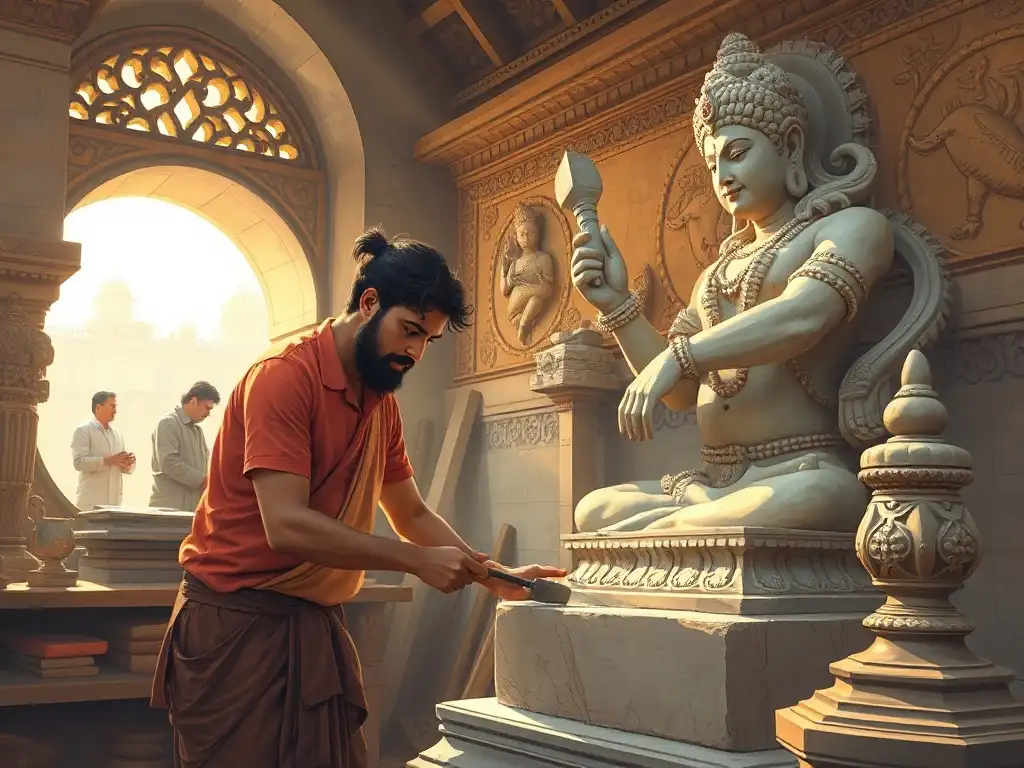
The Gupta Empire, which flourished between the 4th and 6th centuries CE in ancient India, is renowned for its remarkable advancements in art and culture, particularly in the realm of sculpture. This period is often referred to as the "Golden Age" of India due to its profound contributions to various fields, including literature, science, and philosophy. Among these, sculpture stands out as a vital expression of the empire's aesthetic sensibilities and spiritual beliefs.
The Gupta Empire's sculpture techniques not only reflect the artistic prowess of the time but also serve as a window into the cultural and religious milieu that shaped these creations. This article delves into the innovative techniques and themes that characterize Gupta Empire sculpture, shedding light on its significance in the broader landscape of ancient Indian history.
Overview of the Gupta Empire's Cultural Context
The Gupta Empire emerged as a significant power in ancient India, succeeding the Shunga dynasty and establishing a legacy that would influence generations. The empire's cultural context was marked by a resurgence of Hinduism, alongside the coexistence of Buddhism and Jainism. This pluralistic environment fostered a vibrant artistic culture, where sculptors drew inspiration from religious texts and traditions.
- Key Characteristics of Gupta Culture:
- Religious Influence: The religious themes depicted in sculpture often revolved around Hindu deities, Buddhist figures, and Jain tirthankaras.
- Patronage: Royal patronage played a crucial role in the flourishing of the arts, with emperors like Chandragupta II commissioning grand sculptures to symbolize divine authority and cultural sophistication.
- Regional Diversity: Artistic styles varied across regions, blending local traditions with broader Gupta influences, resulting in unique forms and expressions.
Importance of Sculpture in Gupta Art
Sculpture during the Gupta period served multiple purposes, transcending mere decoration to become a powerful medium of communication. The significance of sculpture in Gupta art can be understood through various dimensions:
- Religious Expression:
- Sculptures were often created for temples and monasteries, acting as focal points for worship and meditation.
- They embodied the ideals of divinity, morality, and cosmic order, serving as visual narratives of religious stories.
- Cultural Identity:
- Gupta sculptures contributed to a shared cultural identity that linked the empire's diverse population through a common artistic language.
- The intricate designs and craftsmanship reflected the advanced socio-political structure and technological innovations of the time.
- Innovative Techniques:
- The Gupta artists employed advanced techniques, including high relief, chiaroscuro, and polychrome finishes, which enhanced the three-dimensionality and emotional impact of their sculptures.
- These innovations marked a departure from earlier styles, showcasing a refinement in visual storytelling and artistic expression.
The Gupta Empire's innovations in sculpture not only represent an artistic triumph but also a reflection of the socio-religious dynamics of the time. The techniques and themes explored in these sculptures provide invaluable insights into the values and beliefs of ancient Indian civilization, making them a key area of study for historians and art enthusiasts alike.
Gupta Empire Sculpture Techniques
Traditional Methods of Sculpture in the Gupta Period
The Gupta Empire, flourishing from the 4th to 6th centuries CE, witnessed a significant evolution in sculpture techniques. Traditional methods during this period were deeply rooted in earlier practices but evolved to reflect the artistic and cultural values of the time.
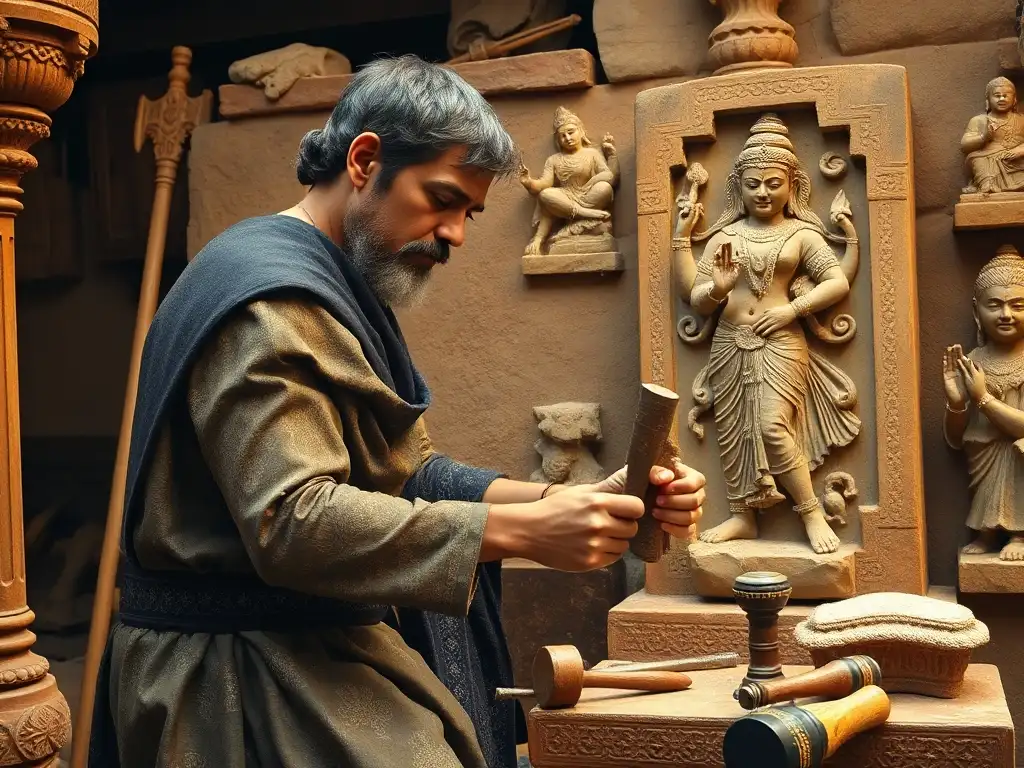
One prominent method was stone carving, which involved chiseling and polishing various types of stone, such as sandstone and limestone. The artisans employed a combination of hand tools and rudimentary machinery to achieve fine detailing. Sculptures often depicted religious themes, particularly Hindu and Buddhist iconography, reflecting the spiritual ethos of the Gupta period.
Additionally, clay sculpture was prevalent, particularly for smaller figures and decorative motifs. This method allowed for more intricate designs and was often used in domestic settings. The technique of using molds for creating multiple copies of a sculpture was also common, thus showcasing the mass production capabilities of Gupta artisans. The emphasis on naturalism and expressive forms became a hallmark of Gupta sculpture, setting it apart from earlier styles.
Tools and Materials Used in Gupta Sculpting
The tools and materials utilized in Gupta sculpture were essential in shaping the distinctive features of their art.
- Tools:
- Chisels: Various sizes for detailed carving.
- Hammers: Used alongside chisels for shaping stone.
- Polishing tools: For finishing surfaces and enhancing detail.
- Materials:
- Stone: Sandstone was the most popular, prized for its fine grain and ease of carving.
- Clay: Used for smaller sculptures and figurines, often fired to achieve durability.
- Metals: Bronze and other metals were sometimes used for sculptures, particularly in casting techniques.
The selection of materials allowed Gupta artisans to experiment with texture and form, leading to a unique aesthetic that characterized the period. Sculptors also developed an understanding of their materials, which informed their techniques and enhanced the overall quality of their work.
Innovative Techniques in Gupta Sculpture
The Gupta Empire is renowned for its innovative sculpture techniques that contributed to its artistic legacy. These innovations can be categorized into various methods that enhanced both the aesthetic appeal and the technical proficiency of sculptures.
Relief Carving Techniques
Relief carving was a predominant technique in Gupta sculpture, characterized by figures that project from a flat background. The high relief style involved deeply cut figures, creating dramatic three-dimensional effects that captured the viewer's attention.
- Bas-relief: This technique was used extensively in temple architecture, where scenes from mythology and daily life were intricately carved into stone walls. This approach allowed for narrative storytelling, providing context and meaning to the sculptures.
- Sculptural Narratives: The use of relief carving facilitated the representation of complex narratives, often illustrating scenes from epics such as the Mahabharata and Ramayana. This not only served a decorative purpose but also conveyed cultural and religious values to the public.
Free-standing Sculptures and Their Craftsmanship
Free-standing sculptures, another hallmark of Gupta sculpture, exhibit remarkable craftsmanship and artistic finesse. These sculptures were often made for temples and public spaces, showcasing deities, mythological figures, and historical personalities.
- Proportionality and Anatomy: Gupta sculptors excelled in achieving accurate proportions and anatomical precision, reflecting a deep understanding of human form. The figures often exhibit graceful postures and intricate detailing, enhancing their lifelike quality.
- Expression and Emotion: The portrayal of emotions through facial expressions and body language marked a significant advancement in Gupta sculpture. This ability to convey mood and narrative through physical form enriched the viewer's experience and engagement with the artwork.
The innovations in sculpture techniques during the Gupta Empire not only reflect the artistic mastery of the period but also serve as a testament to the cultural and spiritual richness of ancient Indian civilization. The legacy of Gupta sculpture continues to inspire appreciation for the intricate artistry that characterizes this remarkable era.
Themes in Gupta Empire Sculpture
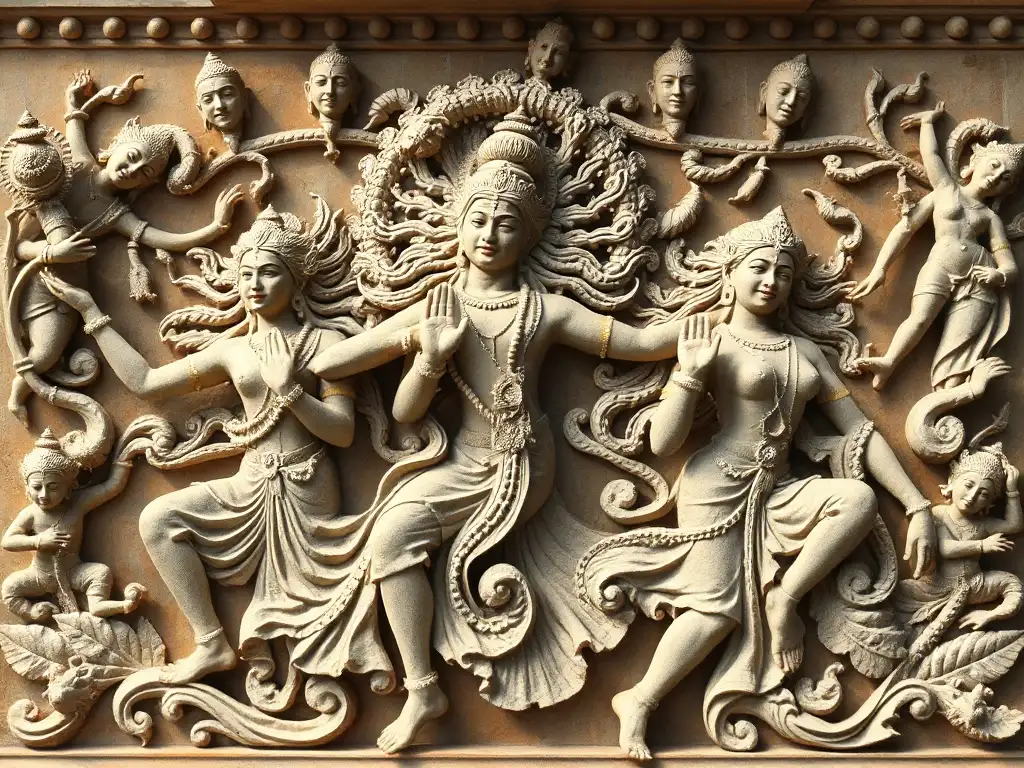
The Gupta Empire, flourishing from approximately 320 to 550 CE, is renowned for its remarkable contributions to art, particularly in sculpture. The themes depicted in Gupta sculpture reflect a deep engagement with religious, cultural, and philosophical ideas of the time. The intricate craftsmanship and diverse themes not only signify the artistic excellence of the period but also provide insight into the socio-religious landscape of ancient India.
Religious Themes and Iconography in Gupta Art
Gupta sculpture predominantly revolves around religious themes, showcasing a rich tapestry of iconography that reveals the beliefs and practices of the time. The sculptures were created not only as artistic expressions but also as embodiments of spiritual concepts.
Hindu Deities Represented in Gupta Sculpture
Hinduism played a central role in Gupta art, with sculptures of deities being a common theme. Iconic representations include:
- Vishnu: Often depicted reclining on the serpent Ananta or in his various avatars, such as Rama and Krishna. These sculptures emphasize divine authority and the cosmic order.
- Shiva: Frequently represented in forms like Nataraja, showcasing his dance of creation and destruction, symbolizing the cyclical nature of the universe.
- Goddesses: Sculptures of goddesses like Durga and Lakshmi highlight the feminine divine, often portraying them in dynamic poses that convey strength and grace.
The intricate details of these sculptures, such as the ornate jewelry and expressive facial features, reflect the skill of Gupta artisans and the importance of these deities in the daily lives of people.
Buddhist Influence on Gupta Sculpture Themes
Buddhism also significantly influenced Gupta sculpture, with many works created for stupas and viharas. Key aspects include:
- Buddha's Life Events: Sculptures often depict scenes from the life of the Buddha, such as his birth, enlightenment, and teachings. These narratives were crucial for conveying Buddhist philosophy to the masses.
- Bodhisattvas: Representations of figures like Avalokiteshvara and Maitreya reflect the Mahayana Buddhist ideals of compassion and salvation, illustrating the evolution of Buddhist thought during this period.
The blending of Hindu and Buddhist themes in Gupta sculpture illustrates a cultural synthesis that characterized the era, fostering a rich artistic dialogue.
Human Figures and Their Symbolism
The portrayal of human figures in Gupta sculpture is not merely about aesthetic representation; it embodies deeper symbolism and narrative significance.
- Idealized Forms: Gupta artists excelled in creating idealized human forms, emphasizing physical beauty and proportion. This reflects the philosophical ideals of the time, where the human body was seen as a vessel for spiritual expression.
- Expressions and Postures: The sculptures exhibit a range of emotions and postures, conveying narratives and symbolic meanings. For instance, the serene expressions of the Buddha suggest inner peace, while dynamic poses of deities illustrate their divine powers and attributes.
The attention to detail in drapery and ornamentation further enhances the storytelling aspect of the sculptures, inviting viewers to engage with the depicted themes on multiple levels.
The themes in Gupta Empire sculpture are a testament to the rich spiritual and cultural life of ancient India. Through the lens of religious iconography and human symbolism, Gupta art offers a profound insight into the values and beliefs that shaped this remarkable civilization.
Nature and Mythology in Gupta Sculpture
The Gupta Empire, often referred to as the Golden Age of India, saw a flourishing of art and culture, particularly in the domain of sculpture. One of the most prominent themes reflected in Gupta sculpture is the intricate relationship between nature and mythology. This period is characterized by a unique blend of naturalistic representation and mythological narratives, showcasing the deep reverence that the Gupta artists held for both the natural world and the divine.
Naturalistic Elements
Gupta sculptors were skilled in capturing the essence of nature, often portraying flora and fauna with remarkable detail. The sculptures from this era frequently included motifs of trees, flowers, and animals, which were not merely decorative but symbolically significant. For instance, the depiction of the sacred fig tree (Pipal) was common, representing enlightenment and spiritual knowledge. Furthermore, animals such as elephants, lions, and horses were often included in sculptures, reflecting their importance in Indian culture and mythology.
The attention to detail in these representations is noteworthy, as artists employed various techniques to create lifelike textures and forms. For example, the delicate carving of leaves and the realistic portrayal of animal features showcase the artists' profound understanding of anatomy and nature. This naturalism is a hallmark of Gupta sculpture, setting it apart from earlier styles.
Mythological Depictions
In addition to natural elements, Gupta sculpture is rich in mythological themes, often depicting Hindu deities and legends. The representation of gods and goddesses such as Vishnu, Shiva, and Durga was prevalent, with sculptures often narrating stories from ancient texts like the Mahabharata and Ramayana. These figures were not only artistic expressions but also served a religious purpose, intended to inspire devotion and piety among worshippers.
The sculptures often featured dynamic poses and elaborate iconography that conveyed the divine attributes of the deities. For example, the multi-armed figures of goddesses symbolized their immense power and ability to perform multiple tasks simultaneously. Furthermore, the use of intricate jewelry and garments in these sculptures highlighted the aesthetic sensibilities of the period while also reflecting the cultural values associated with divinity.
Symbolism and Allegory
The interplay between nature and mythology in Gupta sculpture extends beyond mere representation; it carries deep symbolic meanings. Many sculptures served as allegories for moral and ethical teachings, illustrating the virtues of courage, wisdom, and devotion. For instance, the depiction of the god Krishna playing the flute often symbolizes divine love and the connection between the earthly and the celestial.
Moreover, the integration of natural landscapes in the background of mythological figures not only enhances the visual narrative but also emphasizes the importance of nature in spiritual practices. This fusion of the natural and the divine reflects the Gupta worldview, wherein every element of nature is viewed as a manifestation of the divine presence.
The themes of nature and mythology in Gupta Empire sculpture reveal a sophisticated artistic language that combines realism with symbolic depth. This period's sculptures not only celebrate the beauty of the natural world but also serve as vessels for conveying profound spiritual messages, highlighting the rich cultural tapestry of ancient India.
Regional Variations in Gupta Sculpture
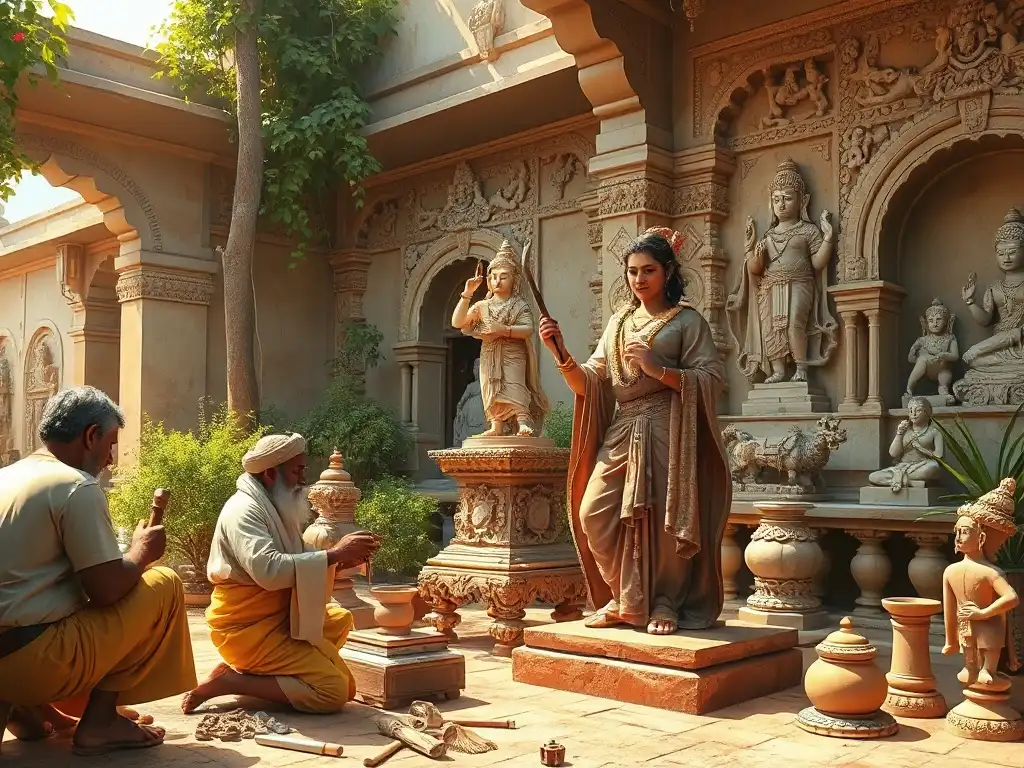
The Gupta Empire, flourishing from approximately 320 to 550 CE, is renowned for its artistic achievements, particularly in sculpture. This period saw a remarkable synthesis of various regional styles, influenced by local traditions and cultural practices. The diversity in Gupta sculpture is not just a testament to artistic prowess but also reflects the empire's vast geographical expanse and rich cultural tapestry.
Distinct Styles from Different Regions of the Gupta Empire
Sculpture during the Gupta period showcases distinct regional styles that emerged due to differing local traditions and material availability. Here are a few notable regional variations:
- Northern Region (Uttar Pradesh and Bihar):
- This area is known for its finely detailed sculptures depicting Hindu deities and Buddhist figures. The use of sandstone for carving was prevalent, yielding intricate representations with smooth finishes.
- Example: The famous sculptures at the Sarnath archaeological site display a blend of grace and realism, particularly in the depiction of the Buddha.
- Western Region (Madhya Pradesh and Gujarat):
- The sculptures in this region often exhibit a more robust and expressive style. The rock-cut caves of Udayagiri and the temples of Khajuraho illustrate a dynamic representation of figures, often characterized by exaggerated poses and elaborate ornamentation.
- Example: The Udayagiri caves feature remarkable reliefs, including the iconic Varaha (boar) avatar of Vishnu, showcasing dramatic expressions and intricate detailing.
- Southern Region (Maharashtra):
- Southern Gupta sculptures tend to reflect influences from earlier traditions, with a focus on Jain themes. The caves at Ajanta and Ellora are prime examples, featuring both Buddhist and Jain motifs carved with exceptional skill.
- Example: The intricate carvings in the Ajanta caves display narrative scenes of Jataka tales, emphasizing storytelling through sculpture.
Influence of Local Cultures on Gupta Sculptural Techniques
The Gupta Empire was characterized by a confluence of various cultural influences, which significantly impacted sculptural techniques. Local traditions, religious beliefs, and artistic practices played a crucial role in shaping the styles and themes of Gupta sculpture.
- Integration of Religious Themes:
- The Gupta period is marked by the patronage of both Hinduism and Buddhism. Sculptures often reflect a syncretism of these religious traditions, as artisans blended iconographic elements from both faiths.
- Example: The depiction of Bodhisattvas in a style reminiscent of Hindu deities showcases how local beliefs influenced sculptural themes.
- Material Usage:
- The choice of materials varied by region, affecting the sculptural techniques employed. For instance, while sandstone was commonly used in the north, granite and basalt were favored in southern regions, leading to different carving methods.
- Example: The hard granite sculptures of the southern caves required different tools and techniques compared to the softer sandstone sculptures of the northern temples.
- Influence of Local Craftsmanship:
- Local artisans brought their unique skills and traditions to the Gupta style. This resulted in variations in texture, detailing, and finishing techniques, which can be seen in the sculptures from different areas.
- Example: The use of drapery and ornamentation in Gupta sculptures often reflects regional textile patterns and jewelry styles, indicating a deep connection between sculpture and local craftsmanship.
The regional variations in Gupta sculpture highlight the rich diversity of artistic expression during the Gupta Empire, influenced by local cultures and traditions. The techniques and themes of this era continue to fascinate historians and art enthusiasts alike, offering insight into the complexities of ancient Indian civilization.
Legacy of Gupta Empire Sculpture Techniques
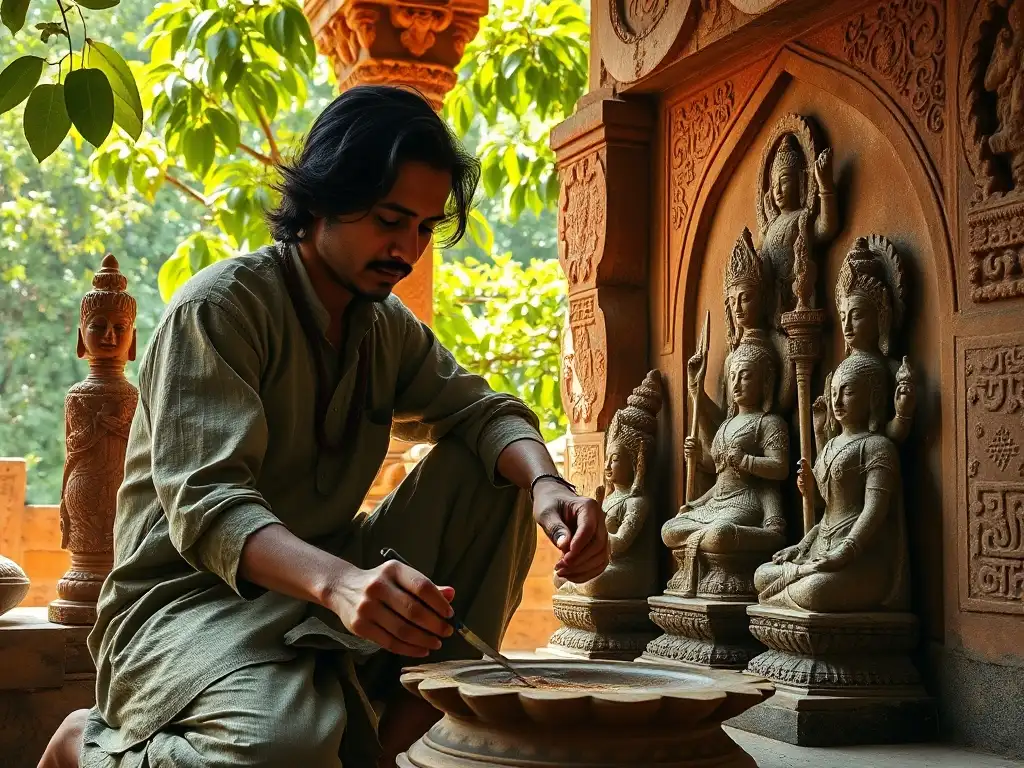
The Gupta Empire, flourishing from approximately 320 to 550 CE, is renowned for its remarkable contributions to art and culture, particularly in sculpture. The innovative techniques developed during this period laid a foundational legacy for subsequent art movements in India. The sculptors of the Gupta Empire displayed exceptional skill in both form and detail, which greatly influenced later artistic endeavors.
Impact on Subsequent Indian Art Movements
The sculptural techniques of the Gupta Empire had a profound impact on later Indian art movements, including the medieval and modern periods. The intricacy and expressiveness of Gupta sculptures set a benchmark for quality and style.
- Naturalism and Realism: Gupta sculptors mastered the art of naturalism, portraying human figures with accurate anatomical features and realistic poses. This emphasis on realism influenced later styles, particularly in the medieval period, where similar techniques were used in temple sculptures.
- Iconography: The Gupta period saw the refinement of iconographic representations, particularly in Hindu and Buddhist imagery. The detailed depictions of deities and narratives from epics became a standard that later artists adhered to, ensuring that the spiritual significance was conveyed with clarity and precision.
- Regional Variations: As the Gupta Empire’s influence spread across the Indian subcontinent, it gave rise to regional variations in sculpture. For example, the emergence of distinct styles in South India and Eastern India can be traced back to the techniques and themes popularized during the Gupta era.
- Revival in the Medieval Period: The sculptures of the Gupta Empire were often revisited and emulated during the Chola and Vijayanagara periods, where artists drew inspiration from Gupta techniques to create intricate temple sculptures, further enriching the tapestry of Indian art.
The legacy of Gupta sculpture techniques is evident in the continuity of artistic traditions in India, showcasing a remarkable blend of innovation and tradition that transcended centuries.
Preservation and Influence of Gupta Sculpture in Modern India
In modern India, the influence of Gupta Empire sculpture techniques remains significant, both in the preservation of ancient art forms and in contemporary artistic expressions.
- Cultural Heritage: Numerous Gupta sculptures have been preserved in museums and archaeological sites, serving as vital links to India’s rich cultural heritage. Institutions like the National Museum in Delhi house these masterpieces, allowing scholars and enthusiasts to study and appreciate Gupta artistry.
- Artistic Revival: Modern artists often look to Gupta techniques for inspiration, incorporating elements of form and style into their works. The emphasis on intricate detailing and the spiritual themes present in Gupta sculpture have found resonance in contemporary art, blending ancient aesthetics with modern sensibilities.
- Education and Research: Universities and art schools are increasingly incorporating Gupta art techniques into their curricula, ensuring that new generations of artists are aware of and can draw from this rich legacy. Workshops and seminars focusing on ancient Indian sculpture techniques help in disseminating knowledge and fostering appreciation for this art form.
- Cultural Festivals and Exhibitions: Various cultural festivals and exhibitions across India celebrate Gupta art, showcasing its enduring relevance. These events not only highlight the beauty of Gupta sculptures but also encourage dialogues around preservation and innovation in Indian art.
The legacy of Gupta Empire sculpture techniques continues to thrive, influencing both the preservation of ancient art and the evolution of modern artistic practices in India. The techniques developed during this golden age remain a testament to the ingenuity and creativity of ancient Indian sculptors, ensuring their place in the annals of history.
Conclusion
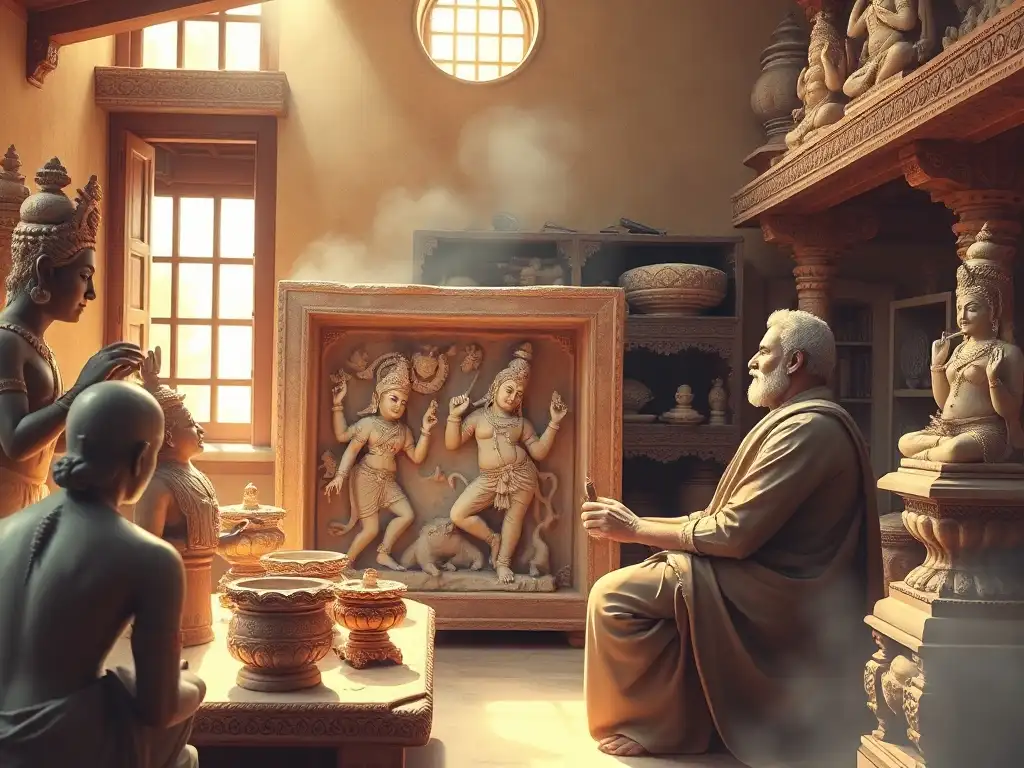
Summary of Gupta Empire Sculpture Techniques and Themes
The Gupta Empire, flourishing from approximately 320 to 550 CE, is renowned for its remarkable advancements in art, particularly in sculpture. The techniques employed by Gupta artisans were characterized by a sophisticated blend of realism and idealism, which sought to convey not only the physical beauty of the human form but also deeper spiritual meanings.
Some notable sculpture techniques from this period include:
- Chisel and Relief Work:
- Gupta sculptors often used chiseling techniques to create intricate reliefs.
- The sculptures were primarily carved from stone, with sandstone being a popular choice, allowing for fine detail.
- Use of Iconography:
- The sculptures frequently depicted a range of deities, bodhisattvas, and mythological figures.
- Symbolism played a significant role, with each element of the sculpture conveying specific meanings tied to Hindu and Buddhist beliefs.
- Contrapposto Stance:
- Artists mastered the contrapposto technique, where figures are depicted in a relaxed pose, creating a sense of movement and life.
- This technique made the sculptures appear more dynamic and realistic.
- Attention to Detail:
- Gupta sculptures are noted for their attention to facial expressions, intricate drapery, and ornamentation.
- This level of detail reflects the artisans' skill and dedication to their craft.
- Integration of Natural Elements:
- Many sculptures incorporated elements from nature, such as flora and fauna, enhancing the overall aesthetic and thematic depth of the artwork.
The themes explored in Gupta sculpture often revolved around religious narratives, illustrating stories from Hindu epics like the Ramayana and Mahabharata, as well as Buddhist teachings. The use of narrative scenes in sculptures provided an engaging way to convey moral and spiritual lessons to the viewer.
The Lasting Influence of Gupta Art on World Culture
The artistic innovations of the Gupta Empire extended far beyond its geographic borders, leaving a profound impact on world culture. Gupta sculpture techniques influenced various art forms across Asia, particularly in regions like Southeast Asia, where Indian cultural elements were integrated into local traditions.
Key Influences:
- Transcendence to Southeast Asia:
- Gupta artistic styles played a pivotal role in shaping the art and architecture of ancient Southeast Asian kingdoms, such as the Khmer Empire. The intricate carvings of Angkor Wat exhibit clear influences from Gupta sculpture.
- Buddhist Art in Central Asia:
- The dissemination of Buddhism led to the spread of Gupta artistic techniques into Central Asia, where they blended with local styles, resulting in unique interpretations of Buddhist iconography.
- Renaissance of Indian Art:
- The legacy of Gupta sculpture techniques can be observed in later Indian art movements, including those during the Rajput and Mughal periods. The emphasis on realism and intricate detailing continued to flourish, showcasing the enduring influence of Gupta artisans.
- Global Art Movements:
- The principles of proportion, balance, and harmony found in Gupta sculptures resonate with various global art movements, inspiring artists throughout history to explore similar themes in their work.
The Gupta Empire sculpture techniques not only defined an era of artistic achievement in ancient India but also laid the groundwork for cross-cultural exchanges that enriched global artistic heritage. The mastery of form, detail, and thematic storytelling in Gupta art continues to inspire and influence artists and scholars around the world today.
Frequently Asked Questions
What were the main sculpture techniques used during the Gupta Empire?
The Gupta Empire is known for its intricate carving techniques and the use of high-quality stone. Artists employed various methods, including relief carving and chisel techniques, to create detailed and lifelike sculptures.
How did the themes in Gupta Empire sculptures reflect the culture of the time?
The themes of Gupta sculptures often depicted religious figures, mythological scenes, and everyday life, showcasing the spiritual beliefs and social values of Gupta society. This reflects the cultural richness of the era.
What influence did Gupta Empire sculptures have on later artistic traditions?
Gupta sculptures laid the groundwork for future Indian art forms, influencing the styles and themes of subsequent periods, such as the Chola and Mughal dynasties. Their techniques were pivotal in shaping the aesthetic sensibilities of later artists.
Where can one find examples of Gupta Empire sculpture techniques today?
Examples of Gupta sculpture techniques can be found in various historical sites, including Ajanta Caves and Sanchi Stupa, where finely detailed sculptures reflect the artistic achievements of the period.
Why are Gupta Empire sculptures considered a significant part of ancient Indian history?
Gupta Empire sculptures are significant due to their artistic innovation, technical mastery, and the way they encapsulate the spiritual and cultural identity of ancient India, marking a golden age in Indian art history.
Final Reflection: The Enduring Legacy of Gupta Empire Sculpture Techniques
The Gupta Empire's innovations in sculpture are not just relics of the past; they are a testament to the profound impact of artistic expression on culture and identity. Today, as we navigate a world increasingly driven by technology and rapid change, the ability to appreciate and learn from historical art forms becomes ever more significant. The techniques and themes developed during the Gupta period continue to resonate, reminding us of the power of creativity and the importance of preserving our cultural heritage.
The influence of Gupta sculpture techniques can be seen in various aspects of contemporary art and architecture, where the balance of form and spirituality remains a guiding principle. The intricate carvings and expressive figures of this era inspire modern artists to explore the depths of human emotion and the divine. As noted by art historian John Smith, The Gupta period serves as a bridge between the spiritual and the aesthetic, a reminder that art is a reflection of our innermost beliefs and values.
This ongoing dialogue between past and present underscores the relevance of Gupta innovations in shaping our understanding of art today.
As you reflect on the Gupta Empire's contributions to sculpture, consider how these ancient techniques can inform your own creative endeavors. Embrace the lessons of craftsmanship, storytelling, and cultural significance that these sculptures embody. Let the legacy of the Gupta Empire inspire you to explore your artistic voice and to appreciate the beauty and depth of the world around you. In doing so, you not only honor the past but also contribute to a vibrant cultural tapestry that will inspire future generations.
Unveil the Artistic Secrets of the Gupta Empire!
Thank you for diving into the rich world of the Gupta Empire's innovations in sculpture! You’ve learned about the captivating techniques and themes that shaped a golden age of artistry. Now, let’s put that knowledge into action and explore how you can celebrate and connect with this incredible artistic heritage.
- Visit a local museum that features ancient Indian art or sculptures to experience these masterpieces firsthand.
- Share your favorite Gupta sculpture or technique with friends and family on social media—let’s spread the appreciation for this remarkable heritage!
- Consider enrolling in an art class that focuses on ancient techniques— you might uncover your own hidden talent!
What aspect of Gupta sculpture inspires you the most, and how will you delve deeper into it?