
How the Maurya Empire Handled Political Dissent and Opposition

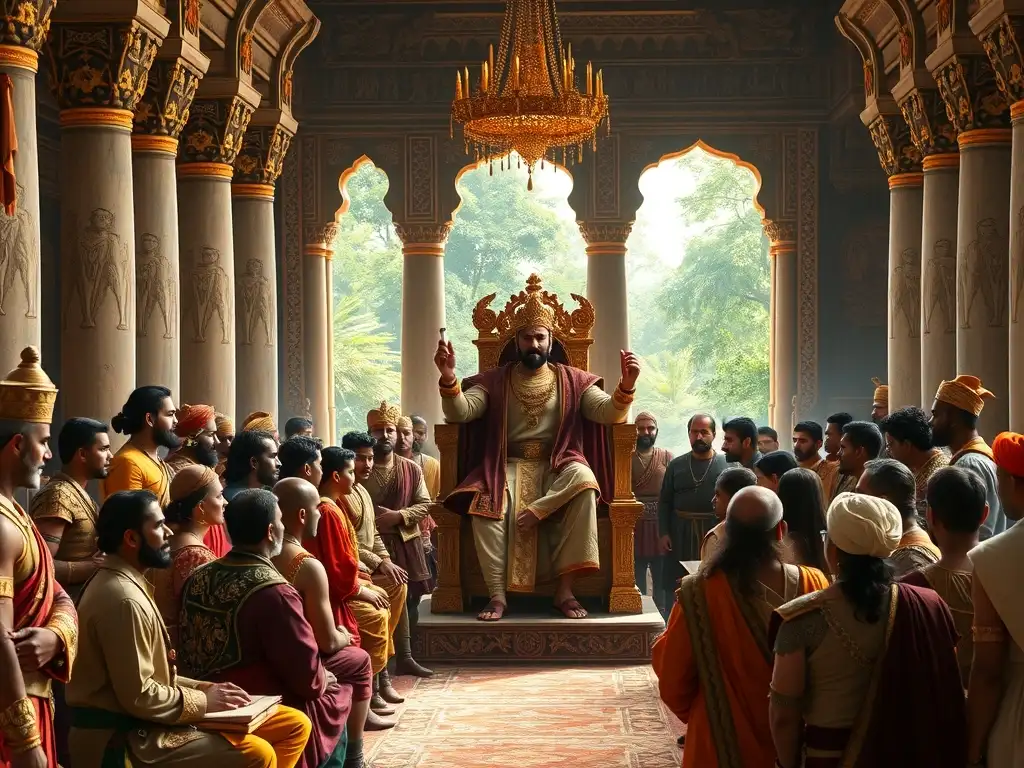
Welcome to Ancient India History, where we embark on a journey through the rich tapestry of India's past, uncovering the vibrant cultures and remarkable contributions of ancient civilizations. Today, we delve into the intricacies of the Maurya Empire, with a spotlight on an essential aspect of its governance: the political dissent analysis. How did this powerful empire navigate the turbulent waters of opposition and dissent?
Join us as we explore the strategies and philosophies that shaped one of history's most influential regimes, and uncover the lessons that resonate even today. Dive deeper into this captivating topic and discover the complexities that defined an era!
- Introduction to the Maurya Empire Political Dissent Analysis
- Historical Context of the Maurya Empire
- Understanding Political Dissent in the Maurya Empire
- Mechanisms of Control: How the Maurya Empire Managed Dissent
- Case Studies of Political Dissent in the Maurya Empire
- Lessons Learned from the Maurya Empire's Approach to Political Dissent
- Conclusion: The Legacy of Maurya Empire Political Dissent Analysis
-
Frequently Asked Questions
- What was the Maurya Empire known for in terms of governance?
- How did the Maurya Empire address political dissent?
- Who were the key figures in the Maurya Empire's political landscape?
- What role did the Kautilya's Arthashastra play in the Maurya Empire?
- How did the Maurya Empire's handling of dissent compare to other ancient civilizations?
- Final Reflection: Understanding Political Dissent in the Maurya Empire
- Embrace the Legacy: Take Action to Understand Political Dynamics!
Introduction to the Maurya Empire Political Dissent Analysis
The Maurya Empire, which thrived from 322 to 185 BCE, represents one of the most remarkable phases in ancient Indian history. Founded by Chandragupta Maurya and later expanded under the rule of his grandson Ashoka, this empire is noted not just for its vast territorial expanse but also for its sophisticated political structure. The handling of political dissent and opposition during this era is critical to understanding the governance strategies employed by the Mauryan rulers.
Analyzing how the Maurya Empire managed dissent provides valuable insights into the complexities of political authority, social stability, and administrative efficiency in ancient civilizations. This article will delve into the nuances of political dissent within the Maurya Empire, exploring the methods used to maintain power and the implications of these strategies for the future of Indian governance.
Overview of the Maurya Empire's Political Structure
The political structure of the Maurya Empire was characterized by a centralized administration, which played a pivotal role in managing its vast territories. At the helm was the emperor, who wielded absolute power, supported by a well-organized bureaucratic system. This hierarchy included:
- Provincial Governors: Appointed to oversee different regions, ensuring local governance aligned with imperial policies.
- Councils of Ministers: Advisors who assisted the emperor in decision-making, offering counsel on various matters ranging from military to economic strategies.
- Spies and Informants: Utilized for gathering intelligence on public sentiment and potential dissent, allowing the rulers to proactively address opposition.
The Mauryan political structure was further enhanced by a legal framework that codified laws and regulations, helping to maintain order and mitigate unrest among the populace. Through a combination of administrative efficiency and strategic governance, the empire sought to create a stable environment, albeit one that required constant vigilance against dissent.
Importance of Analyzing Political Dissent in Ancient Empires
Understanding political dissent in the context of the Maurya Empire is essential for several reasons:
- Historical Lessons: Analyzing how ancient empires dealt with dissent can provide modern societies with insights into governance and conflict resolution.
- Social Cohesion: The methods employed by the Mauryan rulers to manage opposition reveal the importance of social stability and public satisfaction in maintaining power.
- Cultural Impact: Political dissent often reflects deeper cultural and social issues within a society. Exploring these dynamics can illuminate the broader context of ancient Indian civilization.
- Legacy of Governance: The strategies developed during the Maurya Empire influenced future Indian states, shaping the political landscape for centuries to come.
The examination of political dissent within the Maurya Empire not only enriches our understanding of this ancient civilization but also offers valuable perspectives on the enduring challenges of governance and societal harmony.
Historical Context of the Maurya Empire
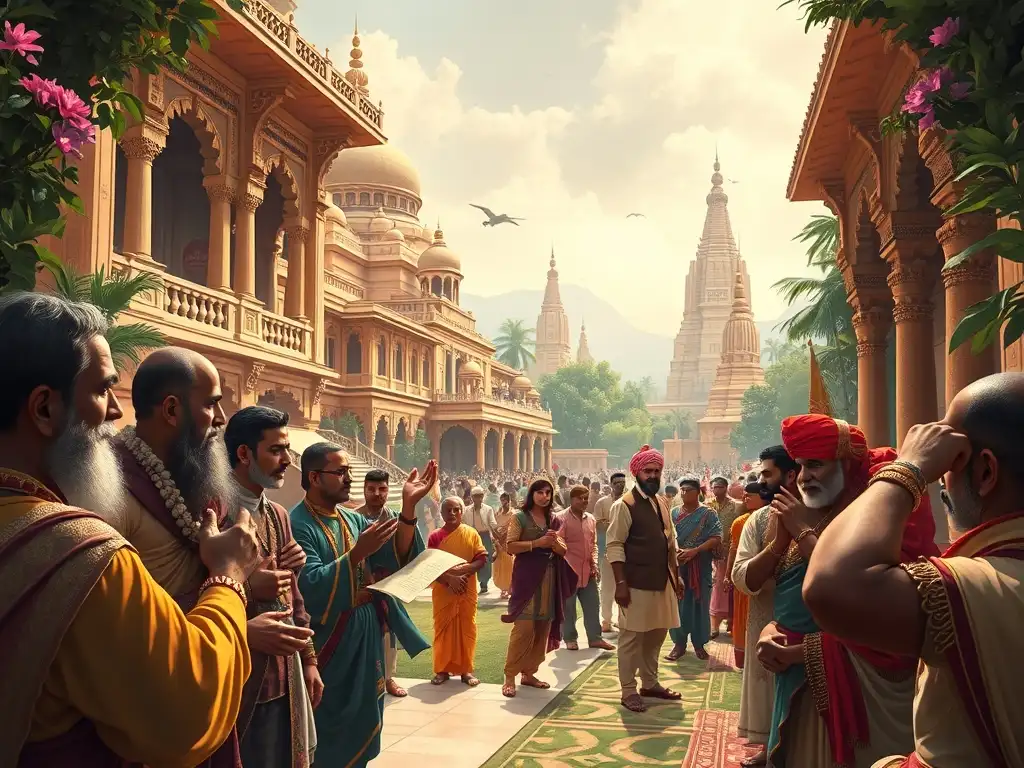
The Maurya Empire, one of the most significant empires in ancient Indian history, emerged in the 4th century BCE. Its rise was marked by a combination of strategic military conquests, astute governance, and the ability to integrate diverse cultures and communities within its vast territory. This period saw the unification of most of the Indian subcontinent under a centralized authority, which laid the groundwork for a sophisticated political structure that could manage dissent and opposition effectively.
Rise of the Maurya Empire and Its Political Landscape
The foundation of the Maurya Empire can be traced back to Chandragupta Maurya, who, with the help of his mentor Chanakya (also known as Kautilya), overthrew the Nanda Dynasty around 321 BCE. This marked the beginning of a new era characterized by extensive territorial expansion and administrative reforms.
- Strategic Conquests: Chandragupta's military campaigns enabled the Maurya Empire to conquer a significant portion of northern India, including major regions like Magadha and parts of present-day Punjab, Bengal, and Uttar Pradesh.
- Centralized Governance: The Mauryan political structure was notable for its centralization. Chandragupta established a bureaucratic system that allowed for efficient governance across diverse regions. This system was crucial for managing local dissent and maintaining order.
The political landscape of the Maurya Empire was complex, characterized by a mixture of autocratic rule and consultative governance. The emperor held supreme power, but he also depended on a council of ministers and provincial governors, known as Mahamatras, to communicate with local populations and manage regional affairs.
Key Figures in Maurya Political Structure
The political structure of the Maurya Empire was defined by its key figures, whose actions and ideologies shaped the empire's response to political dissent and opposition.
Chandragupta Maurya's Leadership and Governance
Chandragupta Maurya's approach to governance was marked by pragmatism and a keen understanding of statecraft. He implemented several measures to address potential dissent and ensure political stability:
- Codification of Laws: Under his rule, laws were codified, providing a clear legal framework that reduced arbitrary justice and allowed for legal recourse. This helped mitigate grievances among the populace.
- Surveillance and Intelligence: Chandragupta employed a network of spies to monitor dissent and gather intelligence. This proactive strategy allowed the empire to preemptively address opposition before it could escalate.
Chandragupta's policies created a strong foundation for the Maurya Empire, fostering loyalty among subjects and discouraging rebellion through a combination of fear and respect.
Ashoka's Influence on Political Dissent
Ashoka, the grandson of Chandragupta, is perhaps the most renowned Mauryan emperor, particularly for his transformation from a warrior to a proponent of peace and non-violence following the Kalinga War. His reign (268-232 BCE) marked a significant shift in the empire's approach to political dissent:
- Promotion of Dharma: Ashoka's advocacy for Dharma (moral law) introduced a new dimension to governance. He emphasized ethical conduct and compassion, which resonated with the populace and reduced open dissent.
- Public Engagement: Ashoka implemented policies to engage with his subjects. He established Dhamma Mahamatras, officials responsible for promoting welfare and addressing grievances. This created a channel for political dissent to be expressed peacefully.
- Cultural Integration: By promoting Buddhism and encouraging religious tolerance, Ashoka fostered a sense of unity among diverse communities, thereby reducing the likelihood of dissent arising from ethnic or religious differences.
Ashoka's legacy illustrates the evolution of the Maurya Empire's political structure in handling dissent. His methods demonstrated that addressing the root causes of discontent through ethical governance could effectively maintain stability and unity within the empire.
The Maurya Empire's handling of political dissent was shaped by its historical context, key figures, and their respective governance strategies. The combination of military strength and innovative political practices established a framework that allowed the empire to flourish while managing opposition effectively.
Understanding Political Dissent in the Maurya Empire

Definition and Types of Political Dissent
Political dissent refers to the expression of disagreement or opposition to the established authority or ruling power. In the context of the Maurya Empire, which flourished from the 4th to the 2nd century BCE, political dissent manifested in various forms, including:
- Rebellions and Uprisings: Organized attempts to overthrow or challenge the ruling authority, often involving armed conflict.
- Civil Disobedience: Nonviolent resistance to laws or governmental demands that were perceived as unjust.
- Political Critique: Intellectual opposition expressed through writings, speeches, and philosophical discourse, challenging the policies and ethics of the ruling class.
Understanding these types of dissent is crucial for analyzing how the Maurya Empire managed opposition and maintained its political structure.
Causes of Political Opposition in the Maurya Empire
Political opposition in the Maurya Empire stemmed from a combination of factors that reflected the complex socio-political landscape of the time. The following sections delve into specific causes of dissent.
Socioeconomic Factors Contributing to Dissent
The socioeconomic structure of the Maurya Empire played a significant role in fostering political dissent. Key factors included:
- Economic Disparity: The wealth gap between the ruling elite and the common people often led to discontent. Heavy taxation and resource allocation favored the upper classes, leaving the lower strata impoverished and frustrated.
- Agrarian Distress: As the empire expanded, agricultural policies impacted peasant farmers. High taxes on land and crop yields could push farmers into debt, leading to dissatisfaction and potential uprisings.
- Trade and Commerce: The Maurya Empire was a hub for trade, and disruptions in trade routes or unfair practices in taxation could lead to backlash from merchants and traders, who felt their economic interests were threatened.
These socioeconomic issues created a fertile ground for political dissent, ultimately challenging the stability of the Maurya Empire.
Religious and Cultural Influences on Political Opposition
Religion and culture also played pivotal roles in shaping political dissent within the Maurya Empire. The following aspects are noteworthy:
- Religious Pluralism: The Maurya Empire was characterized by a variety of religious beliefs, including Hinduism, Buddhism, and Jainism. Tensions between these groups could lead to political dissent, especially if one group felt marginalized or oppressed by state policies favoring another faith.
- Cultural Identity: The promotion of a unified cultural identity under the Mauryan rule sometimes clashed with the local customs and traditions of various regions. This imposition could lead to resistance from communities that valued their distinct cultural heritage.
- Philosophical Movements: The rise of philosophical schools, particularly Buddhism under Emperor Ashoka, introduced new ideas about governance, ethics, and the role of rulers. While Ashoka initially embraced these ideas, factions that opposed his policies could emerge, reflecting broader societal debates about governance and moral authority.
The Maurya Empire's handling of political dissent was influenced by a complex interplay of socioeconomic and cultural factors, requiring nuanced responses to maintain its authority. Understanding these dynamics provides valuable insights into the Maurya Empire political dissent analysis.
Mechanisms of Control: How the Maurya Empire Managed Dissent
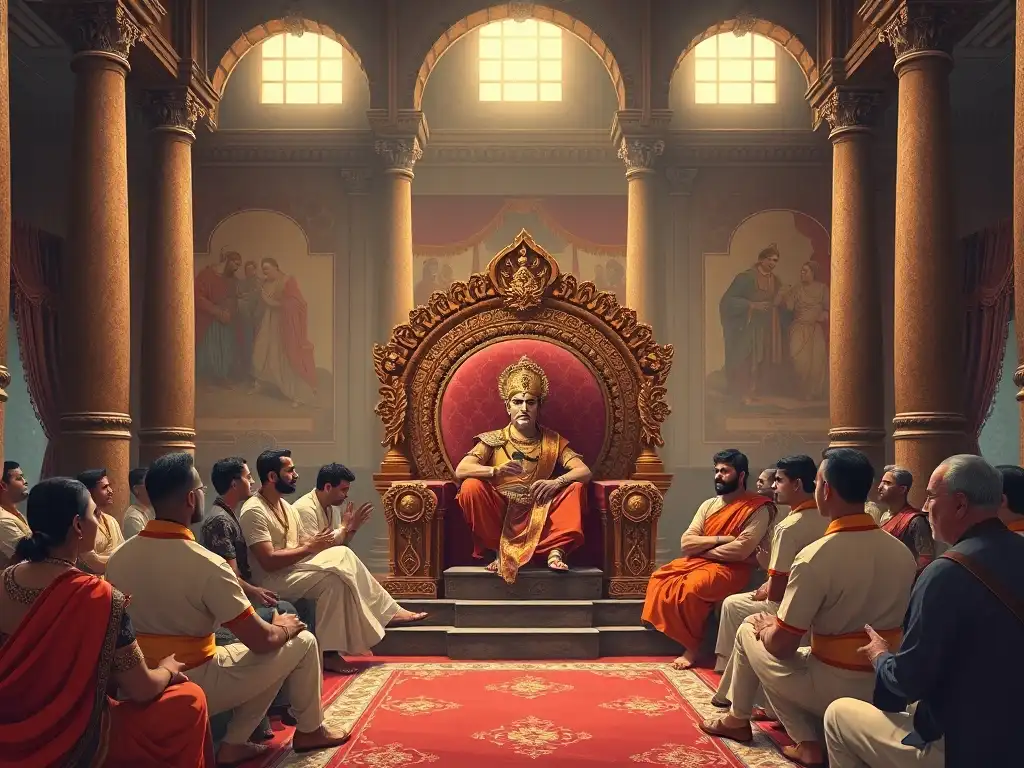
The Maurya Empire, one of the largest and most powerful empires in ancient India, developed sophisticated mechanisms to manage dissent and political opposition. Understanding how the empire maintained stability and authority offers insights into its political structure and the strategies employed by leaders like Chandragupta Maurya and his grandson Ashoka. This section explores the administrative strategies, legal frameworks, and the overall approach the Maurya Empire adopted to handle political dissent.
Administrative Strategies for Managing Opposition
The Maurya Empire's response to political dissent was multifaceted, involving a combination of administrative strategies that allowed it to maintain control over a vast and diverse territory.
Role of the Centralized Bureaucracy
A hallmark of Maurya administration was its centralized bureaucracy, which played a pivotal role in managing dissent. The empire was divided into provinces, each governed by a royal appointee known as a provincial governor. This hierarchical structure ensured that the central authority maintained a direct line of control over local regions.
- Standardized Procedures: The bureaucracy implemented standardized procedures for governance, helping to reduce corruption and promoting accountability among officials.
- Local Administration: Local officials, known as Gramika for villages and Pradesika for districts, were responsible for reporting any signs of dissent directly to the central authority, ensuring timely actions could be taken.
- Integration of Diverse Cultures: The Maurya Empire encompassed a variety of cultures and languages. The use of local languages in administration helped to integrate diverse populations and minimize rebellious sentiments.
Use of Spies and Intelligence Networks
To further bolster its control, the Maurya Empire employed an extensive network of spies and informants. This intelligence system was crucial for early detection of dissent and opposition.
- Spying on Nobility and Subjects: The empire's spies monitored both the nobility and ordinary citizens, gathering information on potential dissenters and their activities.
- Censorship and Propaganda: Information dissemination was carefully managed, with state-sponsored propaganda promoting the empire’s achievements and the virtues of loyalty. This helped to shape public perception and mitigate opposition.
Legal Frameworks and Punishments for Dissent
The Maurya Empire established a comprehensive legal framework to address political dissent, which included a combination of edicts, laws, and punishments designed to deter opposition.
Edicts of Ashoka and Their Impact on Dissent
One of the most significant tools used by the Maurya Empire to manage dissent was the series of Edicts of Ashoka. These edicts, inscribed on pillars and rocks throughout the empire, conveyed the emperor's policies and moral expectations.
- Promotion of Dharma: Ashoka's edicts emphasized the importance of Dharma (moral law), promoting ethical behavior among his subjects. By framing dissent as a violation of Dharma, Ashoka sought to cultivate a sense of moral obligation to the state.
- Public Awareness: The widespread distribution of these edicts ensured that the populace was aware of the consequences of dissent, thereby serving as a deterrent against rebellion.
Judicial Processes in Handling Political Opposition
The Maurya Empire had a well-defined judicial system to address cases of dissent and opposition.
- Court of Justice: The empire's judicial system included courts that handled cases of political dissent. Offenders were brought before these courts, where their cases were adjudicated based on established laws.
- Severe Punishments: Punishments for dissent could be severe, ranging from fines and imprisonment to more drastic measures, such as execution. Such harsh penalties were intended to maintain order and discourage any thoughts of rebellion.
Through these mechanisms of control, the Maurya Empire effectively managed political dissent. Both the administrative strategies and legal frameworks implemented during this period played a crucial role in maintaining the stability and longevity of one of ancient India's most significant empires.
Case Studies of Political Dissent in the Maurya Empire
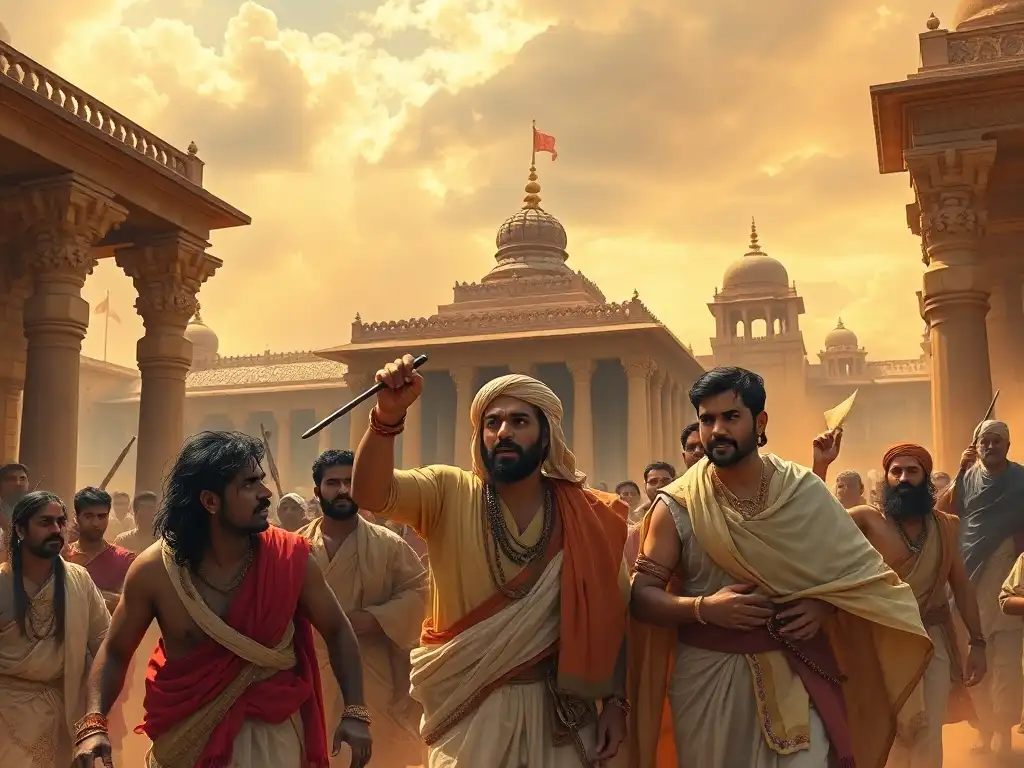
Notable Rebellions and Their Implications
The Maurya Empire, renowned for its vast territorial expanse and centralized governance, faced significant political dissent during its reign, particularly under the rule of Emperor Ashoka. Understanding these dissenting movements provides valuable insights into the political landscape of the empire.
The Revolt of the Kalinga Kingdom
The Kalinga War, fought around 261 BCE, stands as one of the most notable instances of political dissent within the Maurya Empire. The Kalinga Kingdom, located on the eastern coast of India, resisted Mauryan control fiercely. The conflict was marked by its brutality, with estimates suggesting that over 100,000 soldiers and civilians perished in the war.
- Background: Kalinga's strategic location made it a significant trade hub, which was crucial to the Mauryan economy. The Mauryas sought to annex Kalinga not just for its wealth but also to consolidate their control over eastern India.
- Consequences: The war had profound implications for the Mauryan Empire. Following the brutal conflict, Ashoka underwent a significant transformation, famously adopting Buddhism and advocating for non-violence. This shift in ideology was a direct response to the horrors witnessed during the war, leading to a more benevolent and compassionate governance style.
Opposition from Local Chieftains
In addition to the Kalinga conflict, the Maurya Empire faced challenges from local chieftains and regional rulers who resisted central authority. These chieftains often held significant power within their territories and were reluctant to submit to the overarching rule of the Mauryan emperors.
- Resistance Tactics: Many chieftains employed guerrilla warfare tactics and formed temporary alliances to resist Mauryan expansion. This decentralized form of opposition often led to prolonged conflicts that drained resources and destabilized regions.
- Impact on Governance: The frequent uprisings forced the Mauryan administration to adapt its strategies, leading to increased militarization and the establishment of a more robust intelligence network to monitor dissent.
Analysis of Government Response to Dissent
The Mauryan Empire's responses to political dissent were multifaceted, employing a combination of military, diplomatic, and ideological strategies.
Strategies Employed by Ashoka Post-Kalinga War
Following the Kalinga War, Ashoka's approach to governance transformed significantly. His response to dissent took on a more philosophical and ethical dimension.
- Promotion of Dharma: Ashoka emphasized the principles of Dharma (moral law) as a means to foster loyalty and reduce dissent. He believed that a just and ethical rule would encourage subjects to accept Mauryan authority willingly.
- Diplomacy and Dialogue: The emperor initiated dialogues with local rulers and chieftains, offering them autonomy in exchange for loyalty to the empire. This strategy aimed to integrate dissenting voices into the broader political framework.
- Infrastructure Development: Ashoka implemented extensive public works projects, including the construction of roads and hospitals, which served to improve the welfare of his subjects. This not only helped quell dissent but also reinforced the legitimacy of his rule.
Long-term Effects of Rebellions on Maurya Governance
The rebellions and dissent faced by the Maurya Empire had lasting impacts on its governance structure and political strategies.
- Centralization vs. Decentralization: While initial responses leaned towards centralization, the experiences of dissent led to a gradual acceptance of some degree of decentralization, allowing local leaders to retain certain powers while pledging allegiance to the empire.
- Cultural Integration: The Maurya Empire's engagement with dissident areas and their cultures helped to promote a more inclusive identity, which enhanced the overall stability of the empire in the long run.
- Legacy of Governance: The adaptations made by Ashoka in the wake of political dissent influenced subsequent Indian empires, setting precedents for how rulers could approach governance amidst opposition. The lessons learned during this tumultuous period shaped the political philosophies that followed in ancient Indian history.
The Maurya Empire's handling of political dissent illustrates a complex interplay between military might, diplomatic engagement, and ideological persuasion, particularly under the transformative leadership of Ashoka. Understanding these dynamics is essential for a comprehensive analysis of Maurya Empire political dissent.
Lessons Learned from the Maurya Empire's Approach to Political Dissent

The Maurya Empire, which thrived from approximately 322 to 185 BCE, is often regarded as one of the most significant empires in ancient India. Its handling of political dissent provides valuable lessons that can be examined through the lens of its governance strategies. The empire, under the leadership of Chandragupta Maurya and later Ashoka the Great, implemented various methods to manage dissent and opposition, ensuring stability and cohesion within its vast territories.
Comparative Analysis with Other Ancient Empires
When analyzing the Maurya Empire's approach to political dissent, it is essential to compare it with other prominent ancient empires, such as the Roman Empire and the Achaemenid Empire. Each of these empires had unique strategies for dealing with dissent, influenced by their cultural, social, and political contexts.
- Roman Empire: The Roman Empire utilized a combination of military might and legal frameworks to suppress dissent. The infamous Pax Romana was maintained through a network of roads and militarized garrisons, which allowed for rapid military intervention in case of uprisings. Dissenters often faced harsh penalties, including execution or exile. The Roman approach emphasized fear and control, which sometimes led to resentment among conquered peoples.
- Achaemenid Empire: In contrast, the Achaemenid Empire, which ruled a vast territory stretching from the Balkans to the Indus Valley, adopted a more pragmatic approach. Under leaders like Cyrus the Great, they practiced a policy of tolerance towards local customs and religions. This strategy helped mitigate dissent by fostering a sense of autonomy among various regions. However, when faced with significant opposition, the Achaemenid rulers also resorted to military force, demonstrating a balance between tolerance and suppression.
- Maurya Empire: The Maurya Empire's strategies, particularly under Ashoka, showcased a unique blend of governance that emphasized welfare and ethical rule. Ashoka’s conversion to Buddhism led him to adopt a policy of dhamma, which promoted non-violence and respect for all living beings. This moral framework encouraged dialogue rather than outright suppression, allowing for a more sustainable form of governance. As a result, dissent was often addressed through communication and reform rather than force.
While the Roman Empire relied heavily on military power and the Achaemenid Empire on cultural tolerance, the Maurya Empire's emphasis on ethical governance and dialogue provided a distinct strategy for managing political dissent. This approach not only maintained stability but also fostered loyalty among its subjects, showcasing the effectiveness of integrating moral principles into political strategy.
Relevance of Maurya Political Dissent Strategies in Modern Context
The lessons derived from the Maurya Empire's handling of political dissent hold significant relevance in today's context, particularly for modern democracies and governance structures. As societies continue to grapple with issues of dissent and opposition, understanding the Maurya Empire's strategies can offer valuable insights.
- Dialogue and Communication: One of the most critical lessons from the Maurya Empire is the importance of open dialogue and communication in addressing dissent. Modern governments can benefit from creating platforms for discussion, allowing citizens to voice their concerns and grievances. Engaging with dissenters constructively can lead to more effective resolutions and prevent escalation into conflict.
- Ethical Governance: The ethical dimension of Ashoka's rule serves as a reminder of the importance of moral leadership. In contemporary politics, leaders who prioritize the welfare of their constituents and adhere to ethical principles are more likely to cultivate trust and loyalty among the populace. This approach can mitigate the potential for dissent by addressing underlying issues before they escalate.
- Cultural Sensitivity: The Maurya Empire's recognition of diverse cultures within its realm is another valuable lesson. Modern societies are often multicultural, and respecting cultural differences can foster a sense of belonging among various groups. Policies that promote inclusivity can significantly reduce feelings of alienation and opposition.
- Preventive Measures: Lastly, the Maurya Empire's proactive measures in governance, such as implementing welfare programs and promoting social justice, can be mirrored in modern contexts. Governments that address socio-economic inequalities and invest in public welfare are likely to experience lower levels of dissent, as citizens feel their needs are being acknowledged and met.
The Maurya Empire's approach to political dissent offers timeless lessons that remain applicable in today's political landscape. By fostering dialogue, ethical governance, and cultural sensitivity, modern leaders can navigate dissent more effectively, ensuring stability and harmony within their societies.
Conclusion: The Legacy of Maurya Empire Political Dissent Analysis
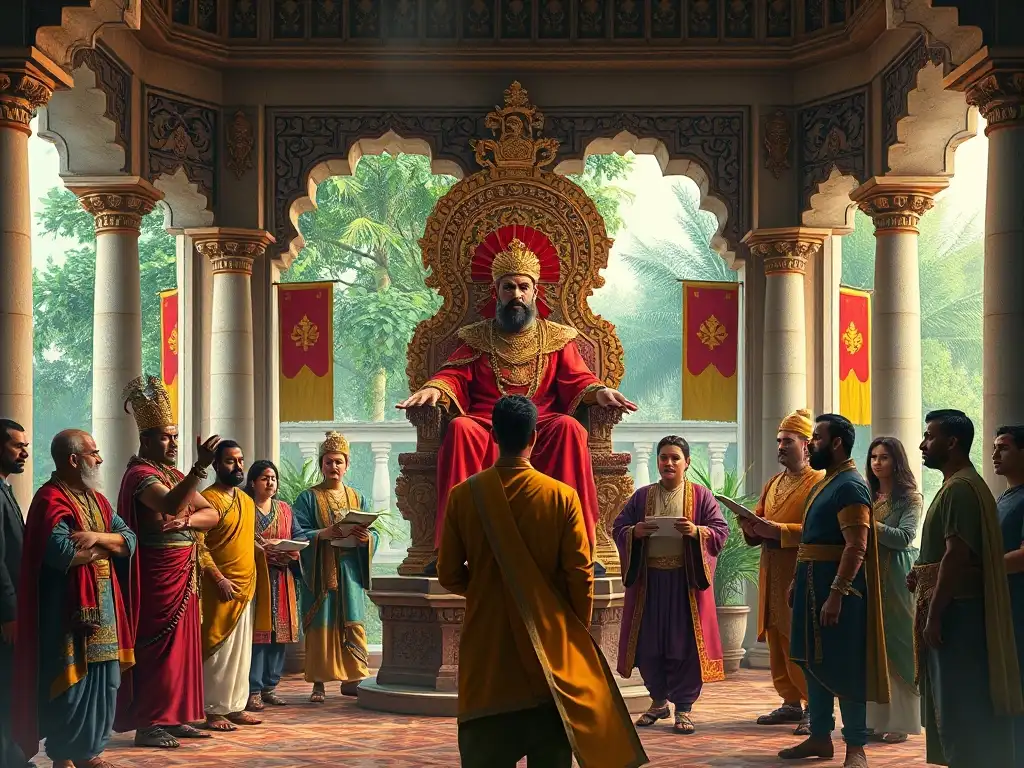
Summary of Key Findings on Political Opposition Management
The Maurya Empire, particularly under the reign of Ashoka, demonstrated a nuanced approach to handling political dissent and opposition. The empire's strategies can be categorized into several key findings:
- Centralized Authority: The Maurya Empire established a strong central authority that effectively managed regional governors and local leaders. This centralization minimized the potential for dissent by ensuring that power remained consolidated at the top.
- Diplomacy and Alliances: The use of diplomacy was critical in addressing dissent. The Mauryan rulers often formed alliances with local leaders to preemptively neutralize opposition. This strategic partnership helped to maintain stability and foster loyalty among various factions.
- Public Welfare Policies: The introduction of public welfare initiatives under Ashoka, such as the promotion of Buddhism and the establishment of the Edicts of Ashoka, aimed to create a more harmonious society. These policies not only addressed the needs of the populace but also mitigated discontent by promoting ethical governance.
- Military Presence: The Maurya Empire maintained a formidable military force to deter potential uprisings. The presence of a strong army acted as a deterrent against dissent and ensured swift action could be taken against any threats to the empire's stability.
- Censorship and Propaganda: The Mauryan rulers employed propaganda to shape public perception. By controlling information and promoting their achievements, they sought to diminish the influence of dissenting voices.
These strategies highlight the complexity of governance during the Maurya Empire, showcasing a blend of force, diplomacy, and public engagement in managing political dissent.
Future Research Directions on Ancient Indian Political Structures
The study of political dissent within the Maurya Empire opens several avenues for future research, particularly in the context of ancient Indian political structures. Possible directions include:
- Comparative Analysis with Other Empires: Investigating how the Maurya Empire's methods of handling dissent compare with those of contemporary empires, such as the Achaemenid Empire or the Han Dynasty, could provide deeper insights into governance practices.
- Impact of Religion on Politics: Further exploration of how Buddhism and other religious movements influenced political dissent and governance during the Maurya period would enrich our understanding of the interplay between religion and politics.
- Role of Women and Minorities: Analyzing the perspectives of women and marginalized groups in the context of political dissent could reveal how different segments of society experienced Mauryan governance and its response to opposition.
- Long-term Effects of Dissent Management: Investigating the long-term implications of the Maurya Empire's strategies on subsequent Indian political structures may illuminate how these early practices shaped later governance models.
- Archaeological Evidence and Epigraphy: Utilizing archaeological findings and inscriptions to further investigate the methods employed by the Maurya Empire in managing dissent could provide tangible evidence to support existing historical narratives.
By pursuing these research directions, scholars can contribute to a more comprehensive understanding of the complexities of political dissent and governance in ancient Indian civilizations, particularly within the context of the Maurya Empire.
Frequently Asked Questions
What was the Maurya Empire known for in terms of governance?
The Maurya Empire is known for its centralized administration and effective governance, which helped maintain order and stability across a vast territory. Its innovative political strategies laid the groundwork for future Indian empires.
How did the Maurya Empire address political dissent?
The Maurya Empire employed various tactics to manage political dissent, including diplomacy, intimidation, and strategic alliances. This approach aimed to maintain social harmony and prevent uprisings.
Who were the key figures in the Maurya Empire's political landscape?
Chandragupta Maurya, the founder, and his grandson Ashoka were pivotal in shaping the empire's political policies. Ashoka's later emphasis on Buddhism and non-violence influenced how dissent was perceived and managed.
What role did the Kautilya's Arthashastra play in the Maurya Empire?
Kautilya's Arthashastra served as a critical guide for political strategy and governance. It detailed methods for managing dissent, including espionage and realpolitik, to ensure the empire's stability.
How did the Maurya Empire's handling of dissent compare to other ancient civilizations?
Compared to other ancient civilizations, the Maurya Empire had a unique approach that balanced repression with integration. This duality allowed for a relatively cohesive society while minimizing conflict.
Final Reflection: Understanding Political Dissent in the Maurya Empire
The analysis of political dissent within the Maurya Empire reveals profound insights into governance that resonate with contemporary society. In an era where political opposition often leads to turmoil, the Maurya Empire's strategies for managing dissent offer a remarkable blueprint for stability and unity. The lessons drawn from their approach underscore the importance of dialogue and compromise in fostering a healthy political landscape, reminding us that the handling of dissent can either fortify or fracture a society.
Cultural and social dynamics have always been influenced by the way dissent is addressed, and the Maurya Empire exemplifies this relationship. The Empire's ability to navigate opposition not only shaped its internal policies but also set a precedent for future governance models. As we reflect on this historical context, we can appreciate the words of historian Romila Thapar: The strength of a state is often measured not by its ability to suppress dissent, but by its capacity to engage with it.
This perspective encourages us to recognize the ongoing relevance of these themes in our own political environments, where the balance between authority and freedom remains a critical concern.
As we conclude, I invite you to reflect on how the lessons from the Maurya Empire can be applied to our lives today. Consider how you engage with differing opinions and the role you play in fostering constructive dialogue. By embracing the principles of understanding and negotiation, we can contribute to a more harmonious society that values diverse perspectives. Let us take inspiration from history and commit ourselves to being agents of positive change in our communities.
Embrace the Legacy: Take Action to Understand Political Dynamics!
Thank you for diving into the intriguing world of the Maurya Empire with us! Your exploration of how they managed political dissent is invaluable in understanding the complexities of leadership and governance. Now, let’s take your newfound knowledge a step further.
Here’s how you can deepen your understanding and engage with this fascinating subject:
- Join a discussion group focused on ancient political strategies—sharing insights can uncover perspectives you may not have considered!
- Research specific instances of dissent within the empire and draw parallels to contemporary political landscapes.
- Share this article with others who are passionate about ancient history—let's spark conversations about governance, power, and resistance.
How do you think the strategies used in the Maurya Empire compare to modern approaches for managing political opposition?