
The Maurya Empire and the Concept of Dharma in Governance

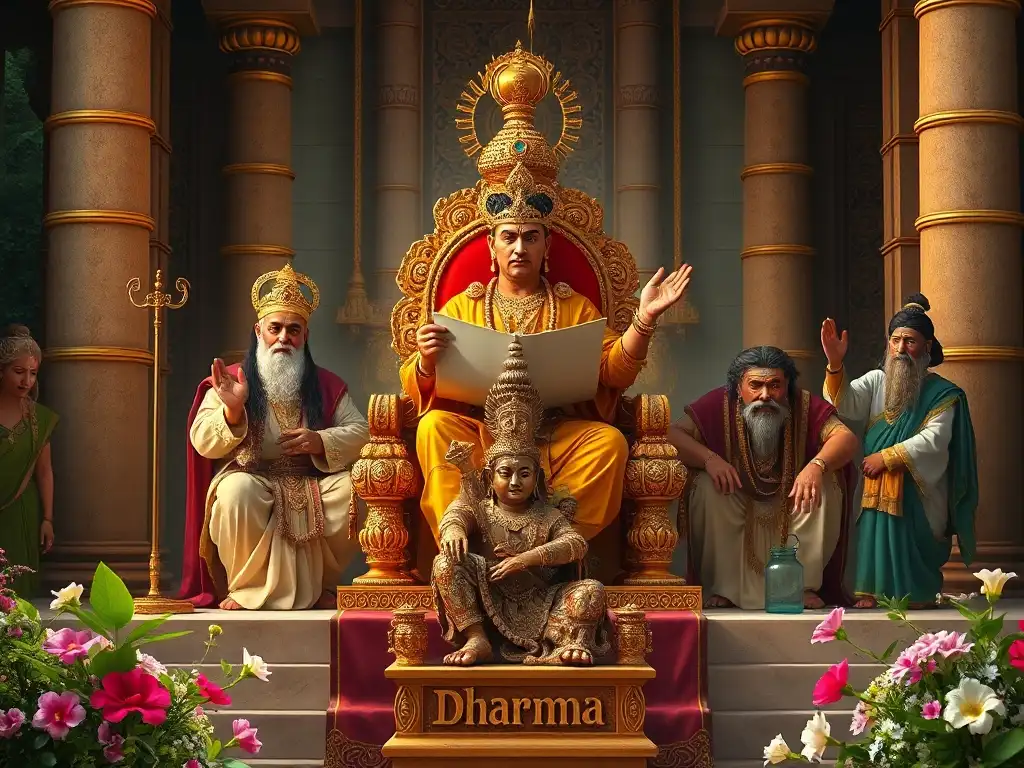
Welcome to Ancient India History, your gateway to the mesmerizing tapestry of ancient Indian civilizations! Here, we delve into the rich and diverse narratives that shaped the subcontinent, from the early wonders of the Indus Valley to the profound insights of the Gupta Empire. In our featured article, "The Maurya Empire and the Concept of Dharma in Governance," we explore how the principles of Dharma guided one of history's most influential empires.
What roles did morality and duty play in governance, and how did they impact the lives of millions? Join us as we unravel these captivating questions and more—your journey through the annals of ancient India begins now!
The Maurya Empire, one of the most significant and influential ancient Indian civilizations, flourished from the 4th to the 2nd century BCE. Under the leadership of notable rulers like Chandragupta Maurya and his grandson Ashoka the Great, the empire expanded across vast territories, encompassing a diverse population with varying cultures and traditions. A key aspect of governance during this period was the concept of Dharma, which played a pivotal role in shaping the moral and ethical framework of the empire's administration.
The Maurya Empire's governance system was not merely a political structure; it was deeply intertwined with philosophical and ethical principles. Dharma, often translated as "righteousness" or "duty," provided a guiding framework for rulers and subjects alike, emphasizing justice, moral integrity, and the welfare of the people. This article delves into the intricacies of Maurya Empire governance and Dharma, exploring how these concepts influenced statecraft, legal systems, and the social order during one of India's golden ages.
Through an examination of historical texts, archaeological findings, and scholarly interpretations, we will uncover the lasting legacy of the Maurya Empire's governance philosophy and its profound impact on subsequent Indian civilizations. Join us as we navigate this rich tapestry of history, revealing the enduring relevance of Dharma in governance today.
- Introduction to the Maurya Empire
- Understanding Governance in the Maurya Empire
- The Concept of Dharma in Governance
- Implementation of Dharma in Maurya Governance
- The Role of Dharma in Maintaining Order and Justice
- Challenges in Implementing Dharma in Governance
- Legacy of the Maurya Empire’s Governance and Dharma
- Conclusion
-
Frequently Asked Questions
- What was the significance of the Maurya Empire in ancient India?
- How did the concept of Dharma influence governance in the Maurya Empire?
- Who were the key figures associated with the Maurya Empire and its governance?
- What are some notable achievements of the Maurya Empire related to governance?
- How did the principles of Dharma change during the Maurya Empire?
- Final Reflection: The Enduring Legacy of Dharma in Maurya Empire Governance
- Embrace the Wisdom of Dharma: Take Action Today!
Introduction to the Maurya Empire
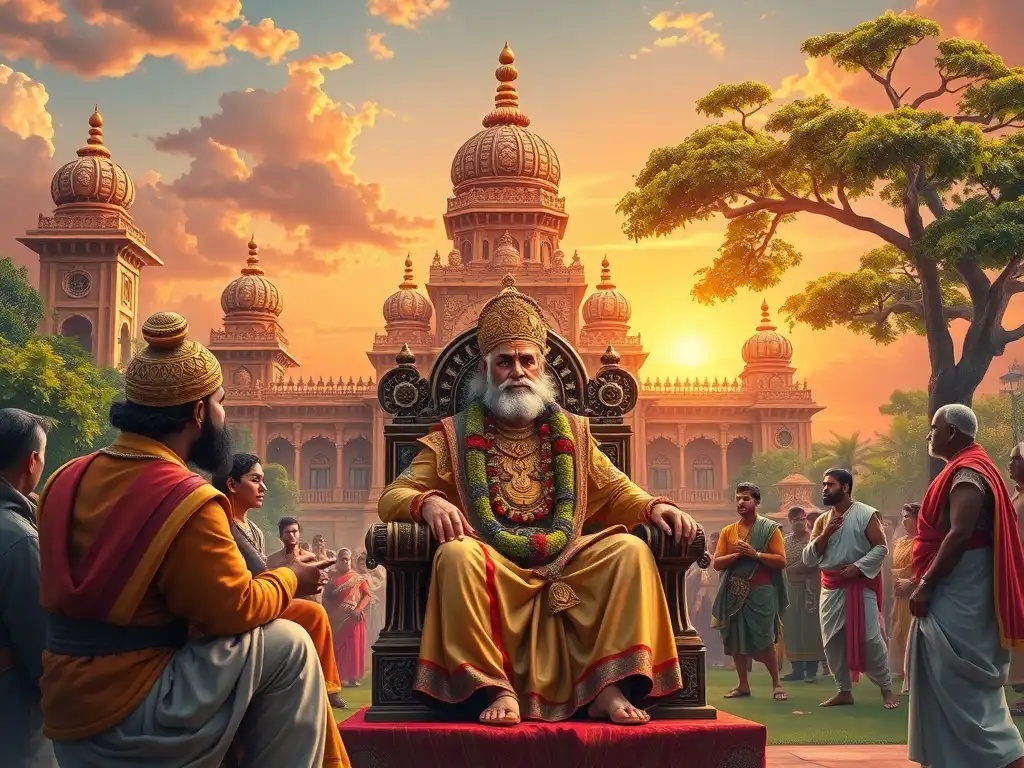
The Maurya Empire stands as one of the most significant and powerful empires in ancient Indian history. Emerging in the 4th century BCE, it played a crucial role in unifying a vast part of the Indian subcontinent under a centralized administration. The empire's governance model, heavily influenced by the concept of Dharma, illustrates the unique blend of ethical principles and political authority that characterized its rule. This internal section delves into the historical significance of the Maurya Empire and highlights key figures who shaped its governance.
Overview of the Maurya Empire's Historical Significance
The Maurya Empire, founded by Chandragupta Maurya, marked a transformative period in ancient India. Spanning from approximately 322 to 185 BCE, it established a model for governance that emphasized efficient administration and the welfare of the people. The empire is noteworthy for several reasons:
- Political Unification: The Maurya Empire unified a fragmented landscape of small kingdoms and tribal areas, creating a centralized state. This political unification facilitated trade, cultural exchange, and social cohesion across diverse regions.
- Economic Prosperity: Under the Mauryan administration, trade flourished, both internally and with neighboring regions. The establishment of trade routes, including the famous Silk Road, contributed to the empire's wealth and cultural exchange.
- Cultural Advancements: The Maurya period witnessed significant advancements in art, architecture, and literature. The construction of stupas, such as the Sanchi Stupa, and the production of important texts like the Arthashastra reflect the cultural richness of this era.
- Promotion of Dharma: The concept of Dharma became a cornerstone of Mauryan governance. Emphasizing moral duty and ethical conduct, it guided rulers in their decision-making and interactions with subjects, establishing a framework for just governance.
The legacy of the Maurya Empire continues to influence Indian political thought and cultural identity, making it a pivotal chapter in the history of ancient Indian civilizations.
Key Figures and Leaders of the Maurya Dynasty
The Maurya Dynasty is characterized by several key figures whose leadership and policies significantly impacted the empire's governance and administration:
- Chandragupta Maurya: The founder of the Maurya Empire, Chandragupta established a strong centralized government. He implemented a system of governance that prioritized economic stability and security. His alliance with Chanakya, a renowned philosopher and strategist, was instrumental in his rise to power.
- Chanakya (Kautilya): As the chief advisor to Chandragupta, Chanakya played a vital role in shaping the political landscape of the Maurya Empire. His work, the Arthashastra, is a seminal text on statecraft, economics, and military strategy, emphasizing the importance of Dharma in governance.
- Ashoka the Great: Perhaps the most celebrated Mauryan ruler, Ashoka ascended the throne after Chandragupta’s lineage. His reign marked a significant shift towards Dharma as a guiding principle. After the Kalinga War, Ashoka embraced Buddhism and propagated the ideals of non-violence, tolerance, and moral governance. His edicts, inscribed on pillars throughout the empire, communicated his commitment to Dharma and the welfare of his subjects.
- Bindusara: The son of Chandragupta, Bindusara continued the expansion and consolidation of the empire. His reign is marked by diplomatic relations with Hellenistic kingdoms, showcasing the Maurya Empire's growing influence beyond India.
These leaders exemplify the Maurya Empire's commitment to effective governance and the integration of Dharma into the political framework, shaping its enduring legacy in the annals of ancient Indian history.
Understanding Governance in the Maurya Empire
Definition of Governance in Ancient India
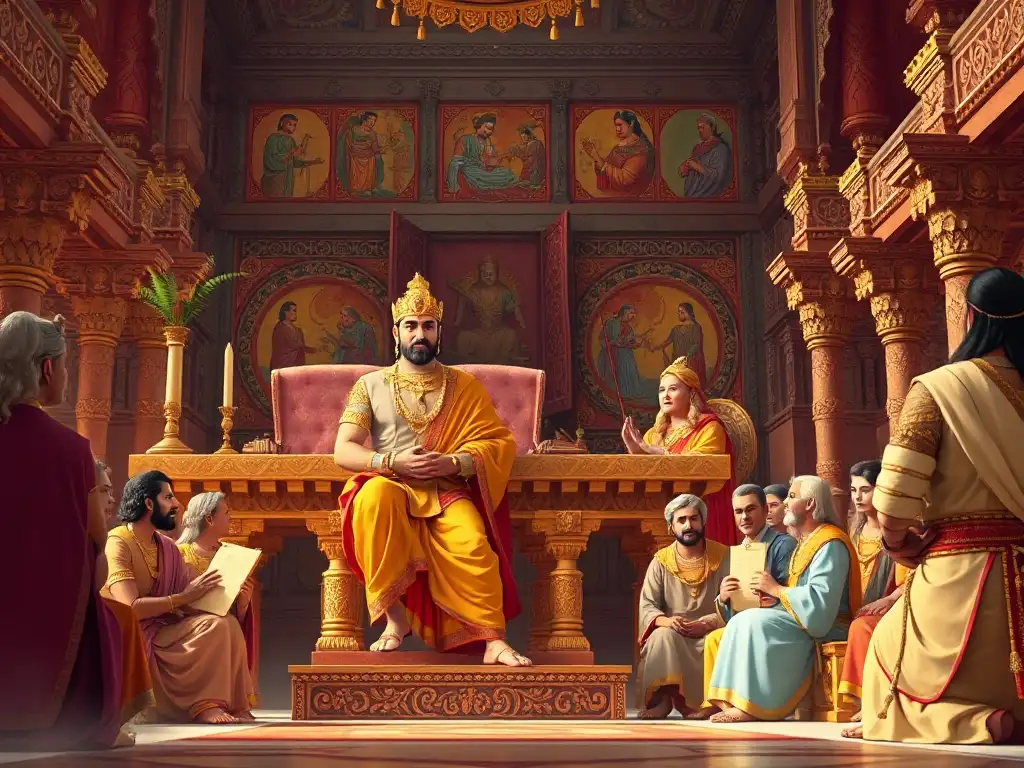
In ancient India, governance was intricately tied to the prevailing philosophies and ethical frameworks, with Dharma playing a pivotal role. Derived from the Sanskrit term meaning "duty" or "righteousness," Dharma encompassed not just personal ethics but also the broader principles that guided rulers in their administrative duties. The concept of Dharma in governance emphasized the moral obligations of leaders to maintain social order, ensure justice, and promote the welfare of their subjects.
The Maurya Empire, which flourished from the 4th to the 2nd century BCE, exemplified this integration of Dharma into governance. Under its most notable ruler, Ashoka, the Maurya Empire adopted a model of administration that sought to balance authority with ethical governance. This approach was crucial in maintaining the vast empire, which encompassed diverse cultures and regions, necessitating a governance style that was both effective and just.
Administrative Structure of the Maurya Empire
The Maurya Empire's administrative framework was sophisticated, designed to manage its expansive territory efficiently. The governance system was hierarchical, with the emperor at the top, followed by a network of officials and governors who implemented policies and maintained order across the empire.
Central Governance: The Role of the Emperor
At the heart of the Maurya Empire's governance was the emperor, who wielded supreme authority. The emperor's role was not merely political; he was seen as a custodian of Dharma, responsible for ensuring the moral and ethical conduct of his administration. Key duties included:
- Legislation: The emperor had the power to enact laws that aligned with the principles of Dharma, addressing the needs of the society.
- Justice: A significant aspect of the emperor's role was to act as the ultimate judge, ensuring that justice was administered fairly.
- Military Leadership: The emperor commanded the armed forces, protecting the empire from external threats and maintaining internal stability.
The emperor’s decisions were often influenced by a council of ministers, who provided counsel on various matters, ensuring a more balanced approach to governance.
Local Administration: Provinces and Governors
Local governance in the Maurya Empire was structured around provinces, known as Mahajanapadas. Each province was administered by a governor, often appointed by the emperor, who was responsible for maintaining order and implementing imperial policies. The provincial administration had several key functions:
- Tax Collection: Governors were tasked with collecting taxes, which were essential for sustaining the empire's economy and funding public projects.
- Law Enforcement: They maintained law and order within their provinces, ensuring that the emperor's edicts were followed.
- Public Welfare: Governors were also responsible for the welfare of the people, overseeing projects such as irrigation systems and road construction, which facilitated trade and agriculture.
This decentralized approach allowed the Maurya Empire to manage its vast territories effectively, while also promoting local governance that adhered to the overarching principles of Dharma. By balancing central authority with local governance, the Maurya Empire established a model that contributed to its longevity and stability.
The Concept of Dharma in Governance
Definition of Dharma in the Context of Ancient India
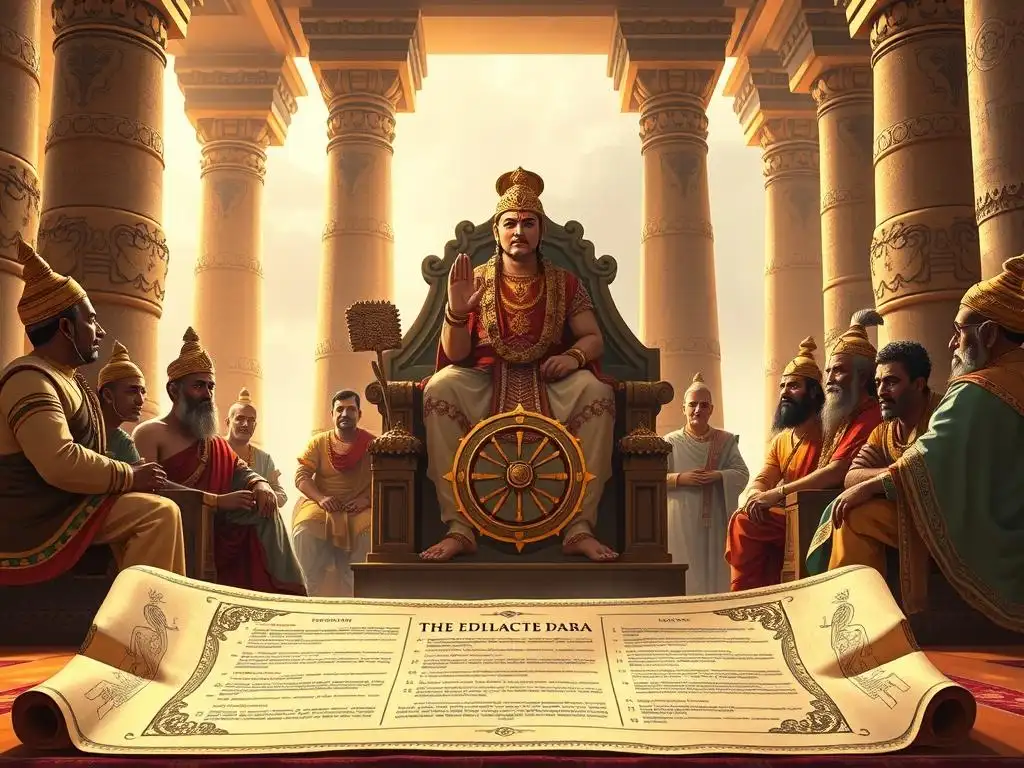
Dharma, a multifaceted term in ancient Indian philosophy, encompasses a range of meanings that include law, duty, righteousness, and moral principles. In the context of ancient India, particularly during the time of the Maurya Empire, dharma was not only a religious or spiritual guideline but also a foundational element in governance and societal structure.
In its essence, dharma can be understood as the ethical framework that governs individual behavior and societal norms. It is derived from the Sanskrit root "dhr," which means "to hold" or "to sustain." This concept suggests that dharma serves as a binding force that maintains order and harmony within the community.
In the Maurya Empire, dharma was deeply intertwined with the idea of governance. Rulers were expected to uphold dharma as a guiding principle in their administration. The notion of dharma was not static; it varied according to one's social status, age, gender, and the specific circumstances of society at any given time. Thus, dharma provided a dynamic and adaptable ethical compass for rulers and citizens alike.
Relationship Between Dharma and Governance in the Maurya Empire
The Maurya Empire, which thrived from approximately 322 to 185 BCE, is notable for its sophisticated governance structure, which was heavily influenced by the principles of dharma. Under the reign of Emperor Ashoka, the idea of dharma took on a prominent role in statecraft. Ashoka is often celebrated for his commitment to the moral and ethical aspects of governance, which he believed were essential for the welfare of his subjects.
- Dharma as a Guiding Principle:
- Ashoka's edicts, inscribed on pillars and rocks across the empire, emphasize the importance of dharma in everyday life. He urged his people to practice virtues such as non-violence, truthfulness, and compassion.
- The emphasis on dharma served to legitimize his rule and foster loyalty among his subjects, aligning the authority of the state with moral righteousness.
- Legal Framework and Administration:
- The Maurya Empire implemented a legal system that was grounded in dharmic principles. Laws were designed not only to maintain order but also to ensure justice and fairness.
- Local administrators were tasked with interpreting and enforcing these laws, ensuring that they aligned with the ethical standards set forth by dharma.
- Social Welfare and Responsibility:
- Dharma also extended to the responsibilities of rulers towards their subjects. Ashoka's policies promoted social welfare, including the establishment of hospitals, the planting of trees for shade, and the construction of wells.
- This reflects the belief that a ruler's duty (dharma) was to ensure the well-being of all citizens, thus creating a sense of accountability and moral obligation within governance.
- Consequences of Ignoring Dharma:
- The Maurya rulers understood that neglecting dharma could lead to disorder and chaos. The historical narrative indicates that rulers who strayed from dharmic principles faced challenges to their authority and legitimacy.
- The decline of the Maurya Empire has been attributed, in part, to the failure of successors to uphold the dharmic values established by Ashoka.
The integration of dharma into governance during the Maurya Empire established a precedent for ethical leadership that emphasized not only the rule of law but also the moral responsibilities of rulers. This enduring legacy of dharma continues to influence discussions on governance and ethics in contemporary Indian society.
Implementation of Dharma in Maurya Governance
The Maurya Empire stands as a pivotal phase in ancient Indian history, particularly noted for its innovative governance that intertwined the concept of Dharma with statecraft. Dharma, often translated as "duty" or "righteousness," was not merely a religious or philosophical ideal but served as a guiding principle for the administration and policies of the Maurya rulers. This integration of Dharma into governance was instrumental in promoting social justice, ethical conduct, and political stability across the vast empire.
The Mauryan rulers recognized that adherence to Dharma could foster loyalty among subjects, reduce conflict, and create a cohesive society. As a result, they implemented several strategies to ensure that governance was reflective of Dharma, leading to an era characterized by moral leadership and civic responsibility.
Policies Reflecting Dharma Principles
The Mauryan administration developed a range of policies that embodied the principles of Dharma. These policies aimed not only at maintaining order but also at promoting the welfare of citizens. Some notable aspects included:
- Legal Reforms: The Maurya Empire established a legal framework that prioritized justice and fairness. Laws were crafted to protect the rights of individuals, especially the marginalized, ensuring that justice was accessible to all.
- Taxation and Welfare: Tax policies were designed to be fair and equitable, with a focus on minimizing the burden on the poor. The state took an active role in providing for the welfare of its citizens, reflecting the Dharma principle of compassion.
- Promotion of Arts and Education: The Maurya rulers invested in education and cultural initiatives, believing that the enlightenment of the populace was essential for a harmonious society. This included patronage of arts, literature, and the propagation of ethical teachings.
- Environmental Stewardship: Policies aimed at protecting nature and promoting sustainable practices were also indicative of Dharma governance. The connection between the environment and the well-being of society was acknowledged, leading to conservation efforts.
Case Studies of Dharma in Action: Ashoka's Reforms
One of the most significant figures in the Maurya Empire, Emperor Ashoka, exemplified the implementation of Dharma in governance through a series of transformative reforms. His reign marked a shift towards a more ethical and compassionate approach to leadership, deeply rooted in Buddhist principles.
Edicts of Ashoka: Promoting Dharma and Ethical Governance
Ashoka's edicts, inscribed on pillars and rocks throughout his empire, serve as profound testaments to his commitment to Dharma. Key features of these edicts include:
- Promotion of Non-Violence: Ashoka emphasized the importance of Ahimsa (non-violence), advocating for peace and coexistence. His policies discouraged warfare and encouraged diplomatic resolutions to conflicts.
- Support for Religious Tolerance: The edicts illustrated Ashoka's respect for all religions, promoting an atmosphere of tolerance and understanding among diverse communities. This was crucial in maintaining harmony in a multi-religious empire.
- Moral and Ethical Conduct: Ashoka's edicts called for ethical behavior among his officials and subjects alike, urging them to practice virtues such as truthfulness, compassion, and humility. This moral framework guided the administration's actions and decisions.
- Social Welfare Initiatives: The edicts outlined various social welfare programs, including the establishment of hospitals for humans and animals, and the planting of trees along roads for the comfort of travelers. These initiatives were indicative of a governance model that prioritized the well-being of all living beings.
The Maurya Empire's governance, particularly under Ashoka, serves as a profound example of how the concept of Dharma can be effectively integrated into administration. This approach not only fostered a sense of ethical responsibility among rulers and subjects but also contributed to the empire's enduring legacy in the annals of ancient Indian history.
The Role of Dharma in Maintaining Order and Justice

Dharma, a central tenet in ancient Indian philosophy, played a pivotal role in the governance of the Maurya Empire. It encompassed moral and ethical duties that guided rulers and subjects alike, promoting a society founded on justice, righteousness, and social harmony. The Mauryan rulers, particularly Emperor Ashoka, embraced this concept as a cornerstone of their administrative philosophy, believing that adherence to dharma would ensure the stability and prosperity of the empire.
The Impact of Dharma on Legal Systems in the Maurya Empire
The Maurya Empire's legal framework was deeply influenced by the principles of dharma. Laws were not merely a set of rules but were interwoven with ethical considerations aimed at promoting social welfare and justice. Here are some notable aspects of how dharma impacted the legal systems:
- Moral Foundation: Laws were based on moral principles derived from dharma, ensuring that justice was not only legal but also ethical. This created a legal system that was more humane and compassionate.
- Inclusivity: The legal codes sought to protect the rights of all individuals, including the marginalized and the lower strata of society. For instance, Ashoka's edicts emphasized non-violence and compassion towards animals and humans alike, reflecting the dharmic principle of ahimsa (non-harming).
- Judicial Oversight: The presence of local magistrates and judges was integral to the administration of justice. These officials were expected to interpret laws in light of dharma, balancing the strict application of legal codes with moral considerations.
- Public Participation: The Mauryan legal system encouraged public involvement in governance. Citizens were expected to understand and uphold dharma, fostering a collective responsibility for maintaining order and justice within the community.
This dharmic approach to governance not only reinforced the legitimacy of the Maurya Empire's rule but also contributed to social cohesion, as subjects developed a sense of moral obligation towards their rulers and fellow citizens.
Comparisons of Dharma-based Governance with Other Ancient Civilizations
When examining the Maurya Empire's governance through the lens of dharma, it is insightful to compare it with the administrative philosophies of other ancient civilizations:
- Ancient Mesopotamia: The Code of Hammurabi is often referenced for its legal rigor. However, while it established a strict justice system with defined punishments, it lacked the ethical underpinnings that characterized Mauryan governance. The Mesopotamian laws were more about maintaining order through fear rather than fostering a moral society.
- Ancient Egypt: Egyptian governance was heavily influenced by the concept of Ma'at, which represents truth, balance, and order. While similar to dharma in its moral essence, Ma’at was often more tied to divine authority and the pharaoh's will, rather than being a guiding principle for all citizens as seen in the Maurya Empire.
- Ancient Greece: The Greek city-states, particularly in their democratic forms, emphasized civic duty and law. However, the legal systems were often fragmented and varied significantly between cities, lacking a unified ethical framework akin to dharma that governs societal behavior across an entire empire.
- Chinese Civilization: Confucianism in ancient China promoted a moral governance system where the ruler was seen as a paternal figure. While it shared some similarities with dharma, such as the emphasis on ethics and virtue, Confucianism focused more on hierarchical relationships and less on universal moral duties.
The Maurya Empire's dharmic governance model distinguished itself from other ancient civilizations by integrating ethical principles into its legal systems, promoting a holistic approach to justice that emphasized both order and moral responsibility. This unique perspective not only facilitated effective governance but also nurtured a culture rooted in mutual respect and social responsibility.
Challenges in Implementing Dharma in Governance
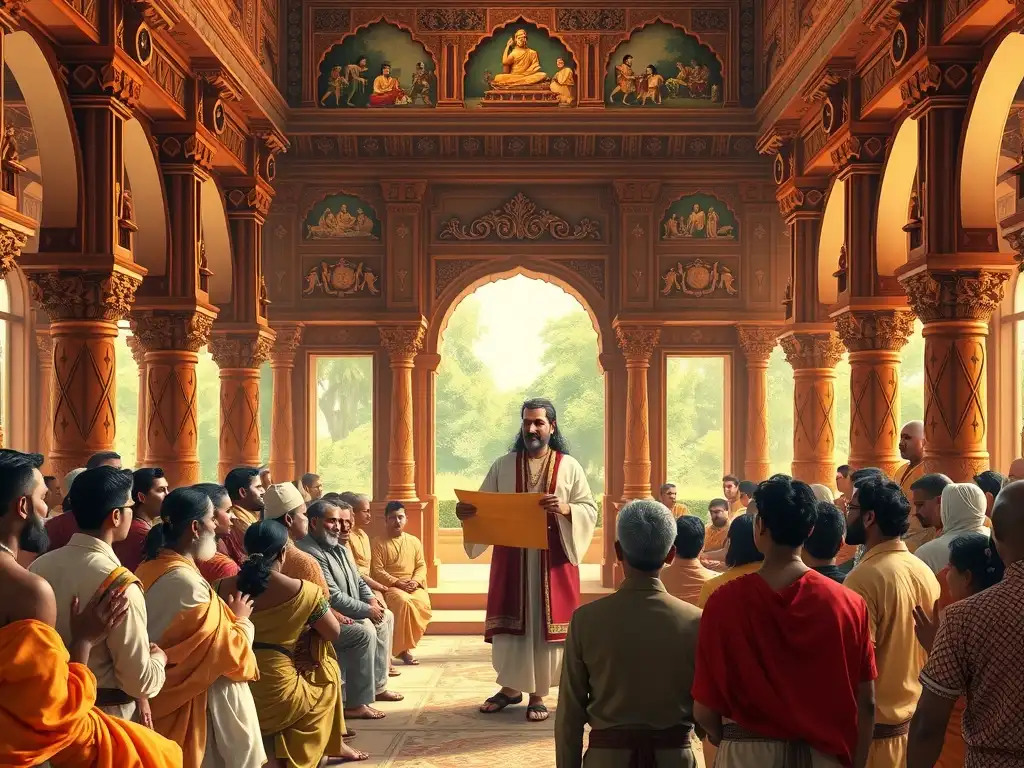
The concept of Dharma, deeply rooted in ancient Indian philosophy, presents a complex challenge when integrated into governance. While Dharma encompasses moral and ethical principles guiding individuals and rulers alike, its application in the political realm can often lead to conflicts and complications. Understanding these challenges is essential to grasp the nuances of Maurya Empire governance.
Conflicts Between Dharma and Political Power
The interplay between Dharma and political power can create significant tensions within a ruling authority. Rulers of the Maurya Empire, particularly Ashoka, faced dilemmas when their political interests collided with the ethical mandates of Dharma. Here are some key points illustrating these conflicts:
- Moral vs. Political Decisions: Leaders may struggle to align their political decisions with the moral imperatives of Dharma. For instance, while expanding the empire might yield immediate political benefits, it could contradict the principles of non-violence and compassion, essential aspects of Dharma.
- Public Expectations: The expectations of the populace can also create a discord between Dharma and governance. Citizens may desire strong, decisive leadership, which might lead rulers to prioritize political expediency over ethical governance. This was evident during Ashoka’s reign, where the need for stability sometimes clashed with his commitment to Dharma.
- Diverse Interpretations of Dharma: Different interpretations of what constitutes Dharma can lead to varied approaches in governance. In a vast empire like Maurya, where diverse cultures and religions coexisted, defining a singular path of Dharma that satisfies all groups can be nearly impossible, leading to dissent and strife.
Historical Examples of Governance Failures
The Maurya Empire, while largely successful in its administration and governance, was not without its failures. Several historical instances highlight the challenges of adhering to Dharma in governance:
- The Kalinga War: Ashoka's campaign against Kalinga serves as a poignant example. Initially motivated by the desire for expansion, the war resulted in massive loss of life and suffering. The aftermath led Ashoka to embrace Buddhism and the principles of Dharma, yet it also exemplified how the pursuit of power can lead to the violation of ethical principles, showcasing a failure in governance.
- The Rule of Chandragupta Maurya: Chandragupta's rise to power involved strategic alliances and military conquests that sometimes contradicted Dharma. Although he established a strong centralized government, his methods raised questions about the ethical implications of his actions. This period illustrates the difficulty of maintaining a balance between power consolidation and adherence to moral governance.
- Succession Issues: The succession of rulers in the Maurya Empire also highlighted governance failures tied to Dharma. Disputes over the throne often led to conflict, undermining stability and ethical rule. The failure to establish clear principles of governance based on Dharma resulted in periods of turmoil and weakened the empire's integrity.
The challenges of implementing Dharma in governance during the Maurya Empire reveal the intricate balance rulers had to maintain between ethical principles and the demands of political power. Understanding these historical contexts allows us to appreciate the complexities faced by ancient leaders in their quest for just governance.
Legacy of the Maurya Empire’s Governance and Dharma

The Maurya Empire, which flourished from 322 to 185 BCE, is renowned for its innovative approaches to governance and the profound influence of the concept of dharma on its administrative practices. Under the rule of Chandragupta Maurya and his grandson Ashoka, the empire established a model of governance that was both centralized and efficient, emphasizing ethical leadership and social justice.
One of the most significant aspects of Maurya Empire governance was the integration of dharma, a term that encompasses righteousness, moral law, and duty. Ashoka, in particular, is celebrated for his commitment to dharma, which he interpreted as a guiding principle for ruling justly and compassionately. His edicts, inscribed on pillars and rocks across the empire, reflect his dedication to the welfare of his subjects and the promotion of non-violence, tolerance, and respect for all living beings.
The Maurya administration was characterized by a well-organized bureaucratic system that facilitated communication and governance across vast territories. The use of a complex network of officials, including provincial governors and local administrators, ensured that the principles of dharma permeated all levels of governance. This structure allowed for effective law enforcement and the administration of justice, which were seen as extensions of dharma.
Influence on Later Indian Empires and Governance Models
The legacy of the Maurya Empire’s governance and dharma had a lasting impact on subsequent Indian empires. The Gupta Empire, which emerged in the 4th century CE, adopted many administrative practices established by the Mauryas. Gupta rulers emphasized dharma as a foundation for governance, focusing on moral and ethical leadership, which resonated with the populace and fostered stability.
The idea of dharma as a guiding principle for kingship continued to influence various dynasties throughout Indian history. For instance, the Rajput kingdoms of medieval India integrated the concept of dharma into their codes of conduct, emphasizing honor and duty in both warfare and governance. This emphasis on dharma helped to cultivate a sense of legitimacy and moral authority among rulers, contributing to their acceptance by the governed.
Moreover, the Maurya Empire's administrative innovations, such as the establishment of a centralized treasury, tax collection systems, and public works, paved the way for the governance models of later empires. The emphasis on efficient administration and accountability set a standard that many rulers aspired to emulate, ensuring that the principles of dharma remained relevant in the political discourse of subsequent eras.
Modern Interpretations of Dharma in Governance
In contemporary discussions on governance, the principles espoused during the Maurya Empire, particularly the idea of dharma, continue to resonate. Modern scholars and political theorists often draw parallels between ancient practices and current governance models, highlighting the importance of ethics and morality in leadership.
The concept of dharma has evolved, yet its core essence remains essential in modern governance discussions. Leaders are increasingly called upon to embody principles of integrity, accountability, and social responsibility, mirroring the moral imperatives that were central to the Mauryan administration. This alignment of ethical governance with public service is a reflection of the enduring relevance of the Maurya Empire’s legacy.
Furthermore, the debates surrounding governance in democratic societies often invoke the idea of dharma as a framework for evaluating policies and leadership practices. By promoting the welfare of the populace and ensuring just governance, modern leaders can draw inspiration from the Maurya Empire’s commitment to dharma, thereby creating a more equitable and just society.
The Maurya Empire's governance and the concept of dharma not only shaped the political landscape of ancient India but continue to inform and inspire contemporary governance models. The principles established during this era remain vital in discussions on ethical leadership and the responsibilities of rulers towards their subjects.
Conclusion
Summary of Key Insights on Maurya Empire Governance and Dharma
The Maurya Empire, one of the largest and most powerful empires in ancient India, was characterized by its sophisticated approach to governance. Central to this governance was the concept of Dharma, which played a crucial role in shaping the political, social, and ethical landscape of the empire. Here are the key insights regarding Maurya Empire governance and the role of Dharma:
- Integration of Dharma in Administration: The Mauryan rulers, particularly Emperor Ashoka, emphasized Dharma as a guiding principle for governance. This encompassed moral and ethical responsibilities, shaping laws and policies that aimed for the welfare of all citizens.
- Promotion of Non-Violence and Tolerance: Ashoka’s adoption of Dharma led to the promotion of non-violence ( Ahimsa) and religious tolerance. This was evident in his Edicts, which encouraged respect for all living beings and the peaceful coexistence of diverse religious communities.
- Focus on Social Welfare: The Mauryan administration implemented various social welfare programs influenced by Dharma. This included the establishment of hospitals, irrigation systems, and the protection of wildlife, promoting the well-being of both people and nature.
- Legal Framework Based on Moral Principles: Laws during the Maurya Empire were not merely punitive but were rooted in moral and ethical teachings derived from Dharma. This approach aimed to create a just society where the ruler’s authority was seen as legitimate and benevolent.
- Administrative Structure Supporting Dharma: The Mauryan governance model was well-organized, with a hierarchy of officials who were expected to uphold Dharma in their duties. This structure ensured that the principles of justice and morality were maintained throughout the empire.
Reflections on the Importance of Dharma in Contemporary Governance
The relevance of Dharma in governance extends beyond the Maurya Empire, resonating with contemporary governance models. Here are some reflections on its significance today:
- Ethical Governance: The principles of Dharma advocate for ethical leadership, encouraging modern leaders to prioritize integrity, honesty, and accountability in their actions. This can help restore public trust in governmental institutions.
- Social Justice and Welfare: Just as the Maurya Empire focused on the welfare of its citizens, contemporary governance must address social inequalities and promote policies that enhance the quality of life for all, particularly marginalized communities.
- Interfaith Harmony and Cultural Sensitivity: The Maurya Empire’s promotion of religious tolerance offers valuable lessons for modern societies. In an increasingly diverse world, fostering interfaith harmony can lead to more cohesive and peaceful communities.
- Sustainable Development: The Mauryan approach to environmental stewardship, rooted in Dharma, can inform modern policies aimed at sustainable development. Balancing economic growth with ecological preservation is essential for the well-being of future generations.
- Participatory Governance: In the spirit of Dharma, contemporary governance should encourage citizen participation and engagement, ensuring that diverse voices are heard and considered in decision-making processes.
The lessons from the Maurya Empire’s governance and its integration of Dharma offer timeless insights that are pertinent to addressing the challenges of contemporary governance. By embracing these principles, modern societies can strive for a more just, equitable, and sustainable future.
Frequently Asked Questions
What was the significance of the Maurya Empire in ancient India?
The Maurya Empire was significant as it marked the first time a large part of the Indian subcontinent was unified under a single political entity, promoting administrative efficiency and cultural integration.
How did the concept of Dharma influence governance in the Maurya Empire?
Dharma served as a moral framework that guided rulers in their governance, emphasizing justice, ethical conduct, and the welfare of the people, which helped maintain social order and stability.
Who were the key figures associated with the Maurya Empire and its governance?
Key figures include Chandragupta Maurya, the founder, and his grandson Ashoka, who is renowned for promoting Buddhism and incorporating Dharma principles into governance.
The Maurya Empire established a centralized administration, developed a comprehensive legal system, and implemented public welfare programs, significantly enhancing the lives of its subjects.
How did the principles of Dharma change during the Maurya Empire?
During the Maurya Empire, the interpretation of Dharma evolved to include not only personal morality but also the responsibilities of rulers towards their subjects, promoting a more holistic approach to governance.
Final Reflection: The Enduring Legacy of Dharma in Maurya Empire Governance
The principles of governance established during the Maurya Empire resonate profoundly in today's political landscape, illustrating how the concept of Dharma can guide ethical leadership and societal harmony. As we navigate the complexities of modern governance, the lessons from the Maurya Empire remind us that a ruler's duty extends beyond mere authority; it encompasses the moral obligation to serve the people justly and compassionately. The relevance of Dharma in governance is not just a historical curiosity but a vital framework that can inspire contemporary leaders to prioritize integrity and responsibility.
The influence of the Maurya Empire's governance model, rooted in Dharma, continues to shape cultural and social paradigms across the globe. The emphasis on ethical leadership and social welfare laid down by figures like Ashoka serves as a beacon for those in power today. As we witness the challenges of corruption and disconnection in modern governance, we can draw strength from the wisdom of the past. In the end, the best leaders are those who serve the people, not themselves.
This quote encapsulates the essence of Dharma, urging us to reflect on our own roles within our communities and the responsibilities we bear towards one another.
As you contemplate the lessons of the Maurya Empire and the significance of Dharma in governance, I invite you to consider how these principles can be applied in your own life. Reflect on your actions and decisions—are they guided by a sense of duty and ethical responsibility? Embrace the call to be a leader in your own right, whether in your personal relationships, workplace, or community. By embodying the values of Dharma, you can contribute to a more just and compassionate society, ensuring that the legacy of the Maurya Empire lives on through our collective actions.
Embrace the Wisdom of Dharma: Take Action Today!
Thank you for exploring the profound world of the Maurya Empire and its impactful concept of Dharma in governance. You’ve gained valuable insights into how principles of righteousness can guide leadership and foster a just society. Now, let’s translate that knowledge into meaningful action!
- Explore further: Read more articles on effective governance and ethical leadership to deepen your understanding.
- Share with your community: Discuss the lessons of Dharma with friends, family, or on social media to inspire others.
- Apply these principles in your own life: Reflect on how you can embody the values of Dharma in your daily decisions and interactions.
What steps will you take today to integrate the wisdom of Dharma into your own life and community?