
The Maurya Empire: Unveiling the Complex Political Structure Behind India's First Great Empire

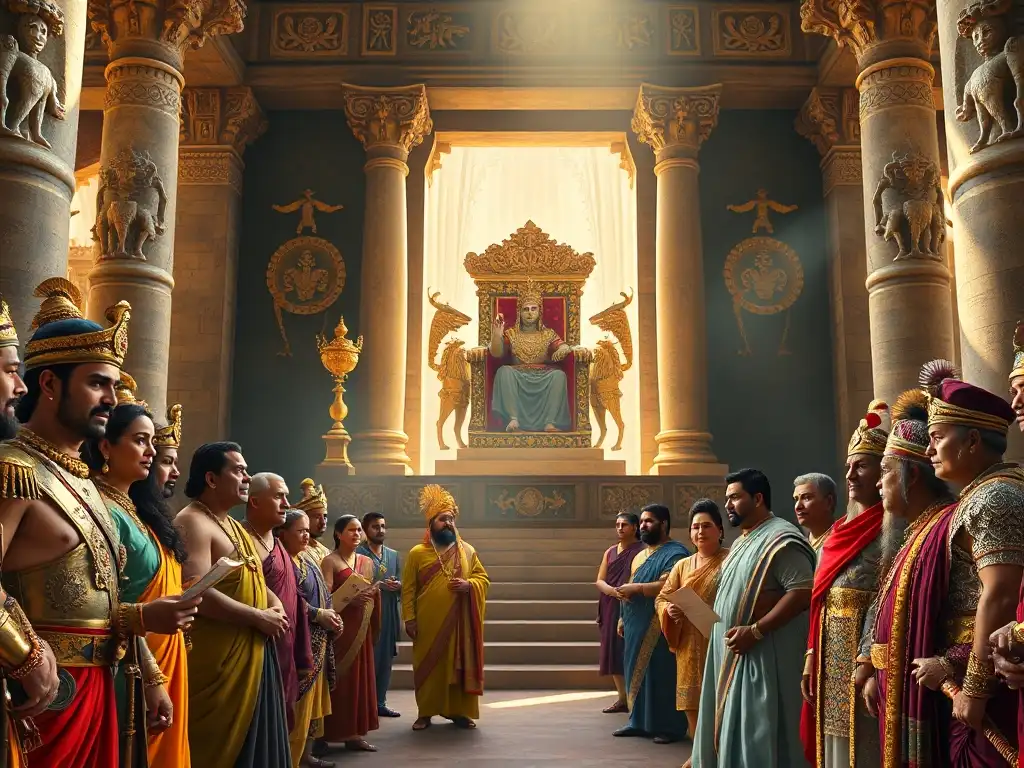
Welcome to Ancient India History, where we embark on a fascinating journey through the rich tapestry of India's past. Today, we delve into the political structure of the Maurya Empire, a pivotal chapter in the story of ancient civilizations. Discover how this great empire laid the groundwork for governance and administration, influencing countless generations. What secrets lie within its intricate political framework? Join us as we unveil the complexities and innovations that defined one of India's most significant empires. Your exploration begins now!
The Maurya Empire, established in the 4th century BCE, represents a pivotal chapter in ancient Indian history, marking the emergence of India's first great empire. Spanning a considerable part of the Indian subcontinent, this empire not only unified diverse regions but also laid the foundational political structures that would influence governance in India for centuries to come. Understanding the political structure of the Maurya Empire is crucial for grasping the complexities of its administration, which was characterized by a blend of centralized authority and local governance.
This article delves into the intricate political framework that underpinned the Maurya Empire, examining the roles of its key figures, the administrative divisions, and the innovative systems that facilitated effective governance. From the visionary leadership of Chandragupta Maurya to the profound insights of his grandson Ashoka, the political landscape of the Maurya Empire is a fascinating study of power, strategy, and statecraft.
As we explore this subject, we will uncover how the Maurya Empire set a precedent for future Indian states and how its political legacy continues to resonate in contemporary governance. Join us on this journey to unveil the complexities behind one of the most significant empires in ancient history.
- Introduction to the Maurya Empire
- Historical Context of the Maurya Empire
- Political Structure of the Maurya Empire
- Administrative Divisions of the Maurya Empire
- Legal and Judicial Systems in the Maurya Empire
- The Role of the Military in the Political Structure
- Economic Aspects Influencing the Political Structure
- Influence of Religion and Culture on the Political Structure
- Decline of the Maurya Empire and Its Political Structure
- Conclusion: Legacy of the Maurya Empire's Political Structure
-
Frequently Asked Questions
- What was the political structure of the Maurya Empire?
- Who was the most notable emperor of the Maurya Empire?
- How did the Maurya Empire maintain its control over vast territories?
- What role did local governance play in the Maurya Empire?
- How did the Maurya Empire influence later Indian political systems?
- Final Reflection: Understanding the Political Structure of the Maurya Empire
- Unveil the Legacy of the Maurya Empire Today!
Introduction to the Maurya Empire
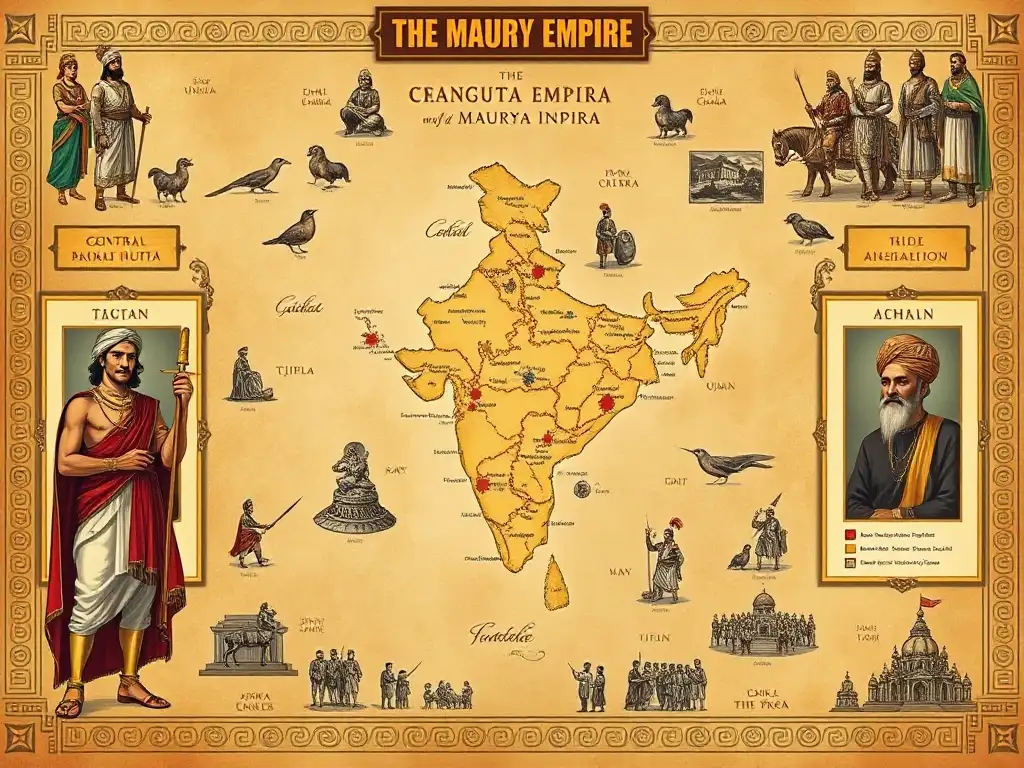
The Maurya Empire, which flourished from 322 BCE to 185 BCE, stands as a significant milestone in the annals of ancient Indian history. Founded by Chandragupta Maurya, this empire is often recognized as the first great empire in India, unifying a vast territory under a centralized authority. Its political structure was both sophisticated and multifaceted, setting the stage for subsequent Indian empires.
Overview of the Maurya Empire
The Maurya Empire emerged in the wake of Alexander the Great's incursions into India, capitalizing on the political vacuum and the prevailing regional conflicts. Chandragupta Maurya, with the strategic guidance of his advisor Chanakya (Kautilya), established a vast empire that stretched from the northern plains to parts of the Deccan Plateau.
The empire’s capital was Pataliputra (modern-day Patna), which became a hub of administration and culture. Under the reign of Chandragupta's grandson, Ashoka the Great, the empire reached its zenith both territorially and culturally. Ashoka is particularly noted for his role in spreading Buddhism and promoting moral governance, a reflection of the empire’s evolved political ideology.
The political structure of the Maurya Empire was characterized by:
- Centralized Authority: The emperor held supreme power, supported by a complex bureaucratic system.
- Divisions of Administration: The empire was divided into provinces, each governed by a viceroy or governor, ensuring local governance while maintaining central oversight.
- Legal Framework: A codified system of laws regulated administration, trade, and social conduct, facilitating stability and order.
Importance of the Political Structure in Ancient India
The political structure of the Maurya Empire was crucial not only for its time but also for shaping the future of governance in India. It introduced several key concepts that would influence subsequent Indian states:
- Centralization of Power: The Mauryan model demonstrated the effectiveness of a centralized authority in managing diverse territories and populations. This concept would resonate through later dynasties, highlighting the importance of a strong central government.
- Bureaucratic Administration: The establishment of a detailed bureaucratic framework allowed for efficient tax collection and law enforcement. This system of governance, with its various departments and officials, laid the groundwork for administrative practices in future empires.
- Legal and Ethical Governance: The Mauryan emphasis on dharma (moral law) and justice under Ashoka led to a more humane approach to governance. The promotion of ethical conduct and welfare initiatives demonstrated an early understanding of the ruler's responsibility to the governed.
- Cultural Integration: The political structure facilitated the integration of diverse cultures and communities, fostering a sense of unity that transcended regional differences. This was vital for the empire's stability and longevity.
The political structure of the Maurya Empire was instrumental in shaping the governance landscape of ancient India. It not only defined the empire's operational efficiency but also established principles of administration that would influence future generations. Understanding this political framework is essential for comprehending the broader historical context of ancient Indian civilizations.
Historical Context of the Maurya Empire
The Maurya Empire, established in 322 BCE, marked a significant turning point in the history of ancient India. It emerged during a time when the Indian subcontinent was fragmented into numerous kingdoms and tribes, often engaged in conflict. The decline of the Nanda Empire provided a fertile ground for the rise of a new power, led by Chandragupta Maurya. The political structure of the Maurya Empire was characterized by a centralized administration, which was pivotal in unifying diverse regions and cultures under a single governance framework.
The Rise of the Maurya Empire
The rise of the Maurya Empire can be attributed to several key factors that contributed to its establishment and expansion:
- Leadership of Chandragupta Maurya:
- Chandragupta, with the guidance of his mentor Chanakya (also known as Kautilya), strategically overthrew the Nanda Dynasty. Chanakya's treatise, Arthashastra, provided valuable insights into statecraft and governance, emphasizing the importance of a strong military and intelligence network.
- Military Innovations:
- The Mauryan military was well-organized and utilized advanced tactics. They implemented a diverse army composed of infantry, cavalry, and war elephants, which allowed for effective territorial expansion and defense.
- Strategic Alliances:
- The Maurya Empire formed alliances with various local rulers and tribes, which facilitated the consolidation of power. This diplomatic approach minimized conflict and fostered cooperation among different regions.
- Economic Resources:
- The empire benefitted from the rich resources of the Indo-Gangetic plains, including fertile land for agriculture and access to trade routes. This economic strength supported military campaigns and administrative functions.
- Centralized Administration:
- A significant aspect of the rise of the Maurya Empire was its ability to implement a centralized political structure. This system allowed for efficient governance and the ability to manage diverse cultures and regions.
Key Figures in the Formation of the Empire
Several influential leaders and thinkers played a crucial role in shaping the political landscape of the Maurya Empire:
- Chandragupta Maurya:
- As the founder of the Maurya Empire, Chandragupta’s leadership and military strategies were instrumental in establishing and expanding the empire. His reign laid the foundation for a centralized state.
- Chanakya (Kautilya):
- A philosopher and strategist, Chanakya was pivotal in advising Chandragupta. His writings in Arthashastra detail administrative practices, economic policies, and military tactics, which became the guiding principles for the empire’s governance.
- Bindusara:
- The son of Chandragupta, Bindusara continued to expand the empire and is known for consolidating the territories acquired by his father. His diplomatic skills helped maintain stability.
- Ashoka the Great:
- Perhaps the most renowned Mauryan ruler, Ashoka ascended the throne after a bloody conquest of Kalinga. His conversion to Buddhism and subsequent promotion of non-violence and dharma profoundly influenced the empire's policies and the cultural landscape of India.
- Various Regional Governors:
- The Maurya Empire was divided into provinces, each governed by appointed officials. These governors played a critical role in maintaining local order and implementing the central policies of the empire.
The political structure of the Maurya Empire was characterized by a sophisticated bureaucratic system that allowed for efficient governance and integration of diverse cultures. This framework not only facilitated the empire's expansion but also ensured its longevity and influence in the Indian subcontinent.
Political Structure of the Maurya Empire
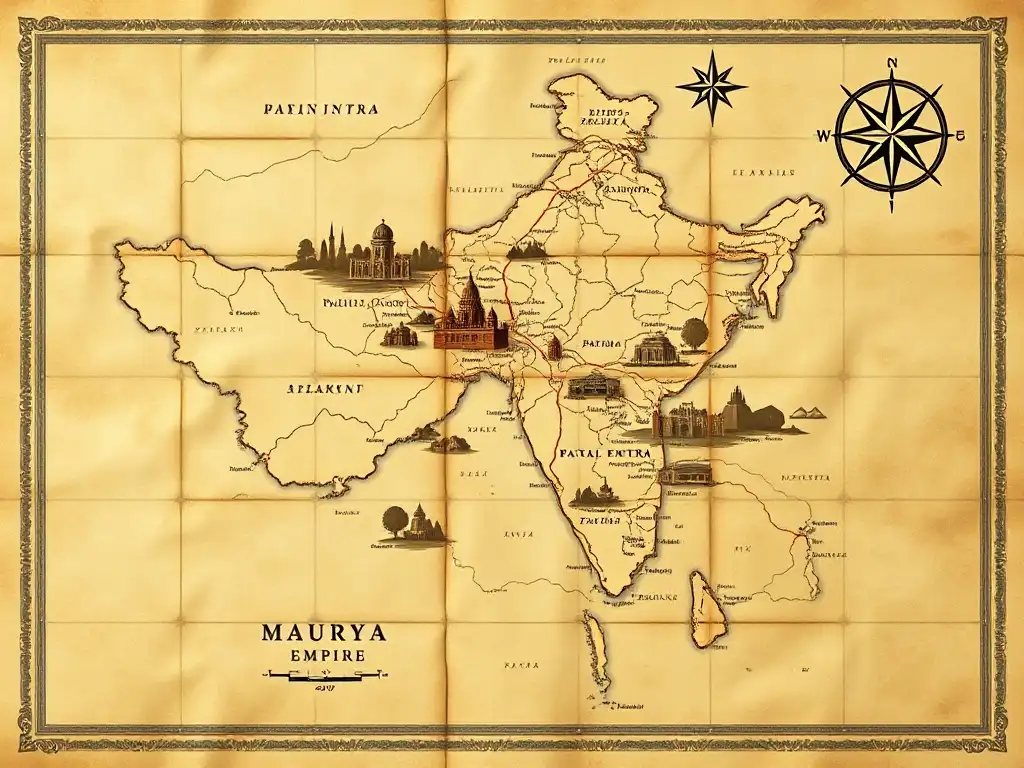
The political structure of the Maurya Empire was a highly organized and sophisticated system that laid the foundation for governance in ancient India. Established in the 4th century BCE and lasting until the 2nd century BCE, this empire marked a significant advancement in administrative practices and political organization. Understanding the political structure of the Maurya Empire is essential for grasping how it managed its vast territory and diverse population.
Definition and Characteristics of the Political Structure
The political structure of the Maurya Empire can be characterized by its centralized governance, which was pivotal in maintaining control over its expansive territories. This system featured several key elements:
- Hierarchy: The hierarchy was clearly defined, with the emperor at the apex, followed by governors, local officials, and village leaders.
- Bureaucracy: A well-developed bureaucracy was essential for efficient administration, encompassing various departments responsible for finance, military, and public works.
- Legal Framework: The empire operated under a structured legal framework, with laws codified to ensure justice and maintain order.
- Taxation System: A robust taxation system helped fund the empire's administrative functions and military campaigns.
The Maurya Empire's political structure not only facilitated governance but also influenced the social and economic fabric of the time, promoting unity and stability across regions.
Centralized authority was a hallmark of the Maurya Empire's political structure. The emperor wielded significant power, often described as both a political and spiritual leader. This centralization allowed for swift decision-making and uniform policies across the vast empire.
Role of the Emperor in the Political Structure
The emperor, notably Chandragupta Maurya and his grandson Ashoka, served as the ultimate decision-maker. Their roles included:
- Legislative Authority: The emperor had the power to enact laws and make crucial decisions regarding governance, military strategy, and diplomatic relations.
- Military Leadership: As the supreme commander, the emperor directed military campaigns, often leading to territorial expansion.
- Cultural Patronage: The emperor played a significant role in promoting culture and religion, influencing societal norms and values.
Under the emperor's leadership, the Maurya Empire maintained a delicate balance between centralized control and regional autonomy, allowing local rulers to manage their territories while adhering to imperial directives.
The Council of Ministers and Their Functions
Supporting the emperor was a council of ministers, known as the Mantriparishad, which played a vital role in the political structure. The functions of this council included:
- Advisory Role: The ministers provided counsel on various matters, including state administration, military strategy, and economic policies.
- Administrative Oversight: They were responsible for overseeing different departments, ensuring efficient governance at all levels.
- Conflict Resolution: The council played a role in mediating disputes and conflicts, both within the administration and among the populace.
The council of ministers exemplified the collaborative aspect of the Maurya Empire's governance, ensuring that decisions were well-rounded and considered multiple perspectives. This structure enhanced the effectiveness of the political system and contributed to the empire's longevity and stability.
Administrative Divisions of the Maurya Empire
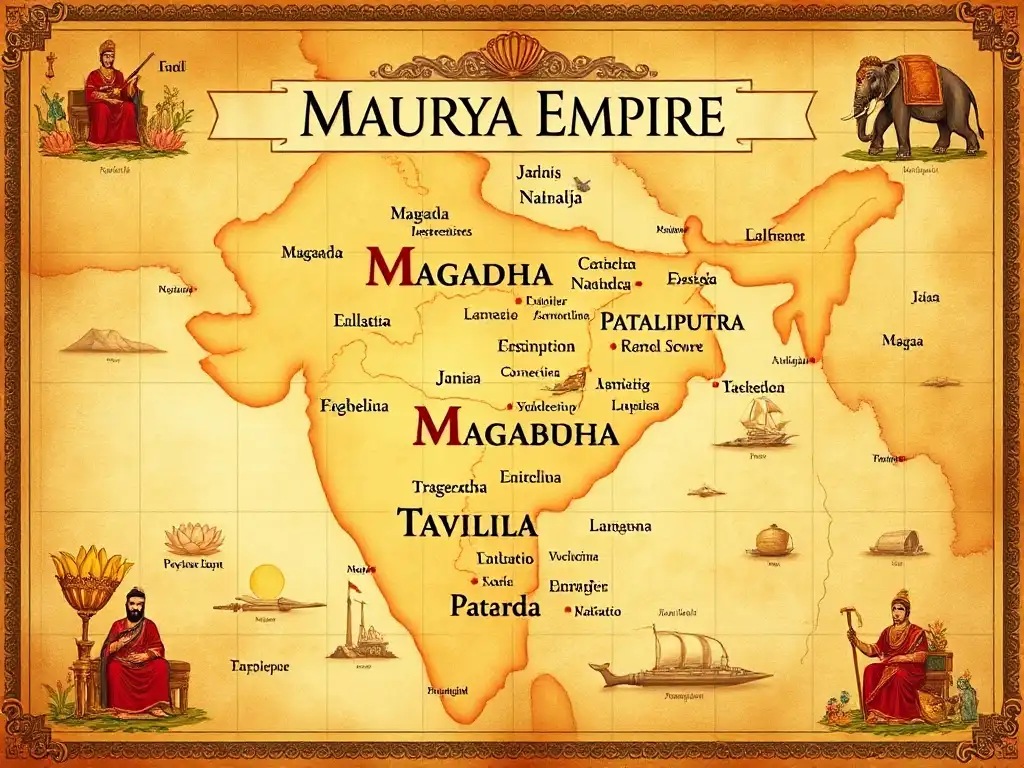
The administrative divisions of the Maurya Empire were pivotal in maintaining control over a vast and diverse territory. The empire, which flourished between 322 BCE and 185 BCE, implemented a sophisticated political structure, allowing for efficient governance and integration of various regions. The empire was divided into several provinces, each with its own administrative framework designed to ensure compliance with the central authority while accommodating local customs and practices.
Provinces and Their Governance
The Maurya Empire was organized into four primary provinces, known as Mahajanapadas:
- Magadha: The heart of the empire and the capital, Pataliputra, served as the administrative center.
- Taxila: Located in the northwest, Taxila was a crucial cultural and educational hub.
- Ujjain: This province was significant for trade and commerce, strategically positioned to manage the western regions.
- Kalinga: Located on the eastern coast, Kalinga was important for its resources and trade routes.
Each province was governed by a Uparika (viceroy) appointed by the emperor. The Uparika had considerable autonomy but was responsible for collecting taxes, maintaining law and order, and implementing the emperor's policies. This delegation of power was essential for managing the complexities of governance across diverse populations and terrains.
The provinces were further divided into districts known as Janapadas, each overseen by local officials. These subdivisions enabled better resource management and administrative efficiency, allowing the Mauryan rulers to exert influence over vast regions.
Importance of Rajukas and Their Role
In the Maurya Empire, the Rajukas played a crucial role in local governance. These officials were responsible for the administration of villages and rural areas. Their duties included:
- Tax Collection: Rajukas ensured that taxes imposed by the central authority were collected efficiently. They were tasked with assessing land and agricultural outputs to determine the tax burden on the villagers.
- Judicial Functions: They acted as local judges, resolving disputes and maintaining law and order within their jurisdictions. This judicial authority helped in reinforcing the rule of law, essential for social stability.
- Community Welfare: Rajukas also oversaw public works and infrastructure, contributing to the welfare of their communities. They were responsible for water supply, irrigation projects, and the upkeep of roads.
The effectiveness of the Rajukas was vital for maintaining loyalty among the populace and ensuring smooth governance. Their local knowledge allowed for a better understanding of regional issues, making them indispensable to the Mauryan administrative apparatus.
Local Governance and Village Administration
The Maurya Empire's local governance system emphasized the importance of village administration, which served as the backbone of its political structure. Villages were the primary units of administration, and their governance was largely democratic in nature.
Key Features of Village Administration
- Village Assemblies: Known as Sabhas, these assemblies consisted of village elders and representatives who participated in decision-making processes. They would discuss issues related to village welfare, resource allocation, and conflict resolution.
- Role of Grama Sthanikas: These local leaders were responsible for the day-to-day management of village affairs, including maintaining records, overseeing agricultural activities, and ensuring the implementation of laws and regulations.
- Self-Governance: Villages enjoyed a degree of autonomy, allowing them to make decisions based on local needs and customs. This self-governance fostered a sense of community and belonging among the villagers.
The Mauryan emphasis on local governance and village administration not only facilitated effective control over the vast empire but also ensured that the needs and concerns of the local populace were addressed. This governance model contributed to the stability and longevity of the Maurya Empire, allowing it to thrive for several centuries.
Legal and Judicial Systems in the Maurya Empire
Overview of Legal Framework
The legal framework of the Maurya Empire was an intricate system that played a crucial role in maintaining order and governance across its vast territories. Rooted in ancient Indian legal traditions, the laws were primarily derived from texts such as the Manusmriti and various local customs. The principles of Dharma (righteousness) formed the bedrock of legal philosophy, emphasizing ethical conduct and moral duty among citizens.
Key features of the legal framework included:
- Customary Laws: Local customs and practices were often formalized as law, acknowledging the diverse cultural practices across regions.
- Royal Edicts: The emperor issued proclamations known as prashastis, which outlined laws and regulations, thus reflecting the centralized authority of the state.
- Class Stratification: The legal system recognized the Varna system, granting different rights and responsibilities based on one's social class, which significantly influenced legal proceedings and penalties.
The Mauryan legal system was also characterized by its focus on public welfare, with laws designed to protect the vulnerable and maintain social justice. For instance, laws against theft and violence were strictly enforced, demonstrating the empire's commitment to the security of its citizens.
Role of the Judiciary within the Political Structure
The judiciary in the Maurya Empire was an essential institution that ensured the implementation of laws and maintained justice throughout the realm. The judiciary operated under the authority of the emperor, who was viewed as the ultimate source of justice. However, it was also decentralized, with local officials and courts handling cases at various levels.
Key aspects of the judiciary included:
- Hierarchy of Courts: The judicial system featured multiple levels of courts, from local village assemblies ( panchayats) to higher courts led by royal judges. This hierarchy ensured that legal matters could be addressed appropriately depending on their complexity and significance.
- Role of Officials: Judicial officers, known as Dharma Mahamatras, were appointed to oversee legal proceedings and ensure adherence to the laws. They were responsible for investigating complaints, collecting evidence, and delivering verdicts.
- Public Participation: The Mauryan legal system encouraged public involvement in judicial processes. Local assemblies often participated in dispute resolution, reflecting a blend of formal legal structures and communal decision-making.
- Emphasis on Fairness: The judiciary was expected to operate with integrity and impartiality. Corruption was frowned upon, and there were provisions for appealing decisions to higher authorities if parties felt wronged.
The legal and judicial systems of the Maurya Empire were integral to its political structure. They not only upheld the rule of law but also reinforced the emperor's authority while facilitating a degree of local governance. This complex interplay between law, justice, and political power contributed to the stability and longevity of one of India's first great empires.
The Role of the Military in the Political Structure
Military Organization and Its Importance
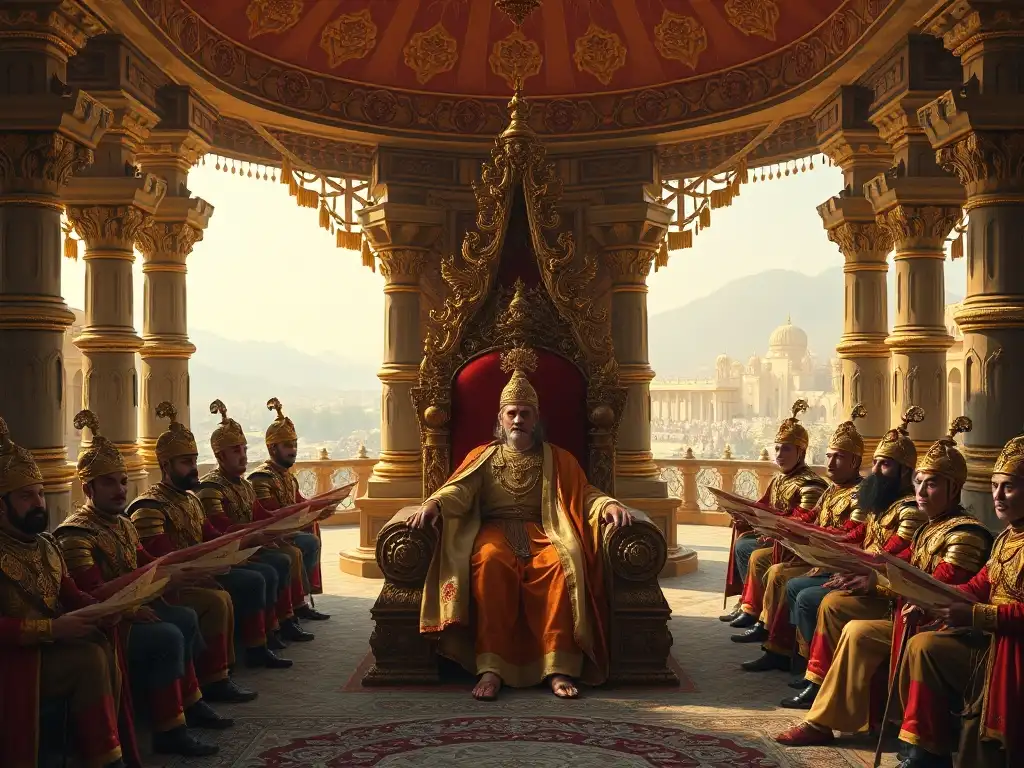
The military organization of the Maurya Empire was a pivotal element in its political structure, serving both as a tool for expansion and as a means of maintaining internal order. Under the leadership of Chandragupta Maurya and his grandson Ashoka, the Mauryan military became a formidable force characterized by its sophisticated hierarchy and tactical innovations.
- Structure of the Military:
- The Mauryan military included different branches such as infantry, cavalry, and war elephants, each with specialized roles.
- Infantry: Comprised the largest segment, consisting of foot soldiers equipped with various weapons, including swords, spears, and bows.
- Cavalry: Provided mobility and speed, crucial for flanking maneuvers during battles.
- War Elephants: Used for both combat and as a psychological weapon, instilling fear in enemy ranks.
- Recruitment and Training:
- Recruitment was systematic, often involving conscription from various regions of the empire.
- Training camps were established to ensure that soldiers were well-prepared for the rigors of warfare, emphasizing discipline and strategy.
- Military Campaigns:
- The military played a critical role in the expansion of the Maurya Empire, facilitating the conquest of territories across the Indian subcontinent.
- Notable campaigns included the conquest of the Nanda Empire and the subsequent campaigns in the Deccan Plateau.
- Defense Mechanisms:
- Fortifications and strategic placement of troops were vital for defending the empire’s vast borders against invasions and rebellions.
The military was not just a force for external conquest; it was also integral to the political authority of the Mauryan rulers, enabling them to exert control over diverse populations and maintain stability.
The relationship between the military and political authority in the Maurya Empire was deeply intertwined, serving as both a support system for the rulers and a potential source of instability. This dynamic can be understood through several key aspects:
- Military Loyalty and Governance:
- Loyalty from military leaders was essential for the stability of the ruling authority. The Mauryan emperors appointed generals who were not only skilled in warfare but also loyal to the crown.
- This loyalty was often secured through rewards, land grants, and titles, creating a vested interest in the empire's success.
- Centralized Control:
- The Mauryan political structure was highly centralized, with the emperor at the apex. The military was directly controlled by the emperor, who often led campaigns personally to reinforce his authority.
- The presence of a strong military allowed the emperor to enact policies and decisions that could be enforced effectively across vast territories.
- Role in Administration:
- Military leaders often took on administrative roles, managing conquered regions and ensuring compliance with imperial edicts. This dual role helped maintain order and facilitated tax collection, essential for sustaining the empire’s economy.
- Potential for Rebellion:
- While the military was a pillar of support, it also posed a threat. Discontent among soldiers or generals could lead to coups or rebellions, as seen in various instances throughout Indian history.
- The Maurya rulers had to balance military power carefully, ensuring that loyalty remained high while preventing any faction from becoming too powerful.
The military was not merely a tool of conquest for the Maurya Empire; it was a fundamental component of its political structure, influencing governance, administration, and the very stability of the empire. The intricate relationship between military might and political authority shaped the course of the Maurya Empire’s history and its legacy in ancient Indian civilization.
Economic Aspects Influencing the Political Structure
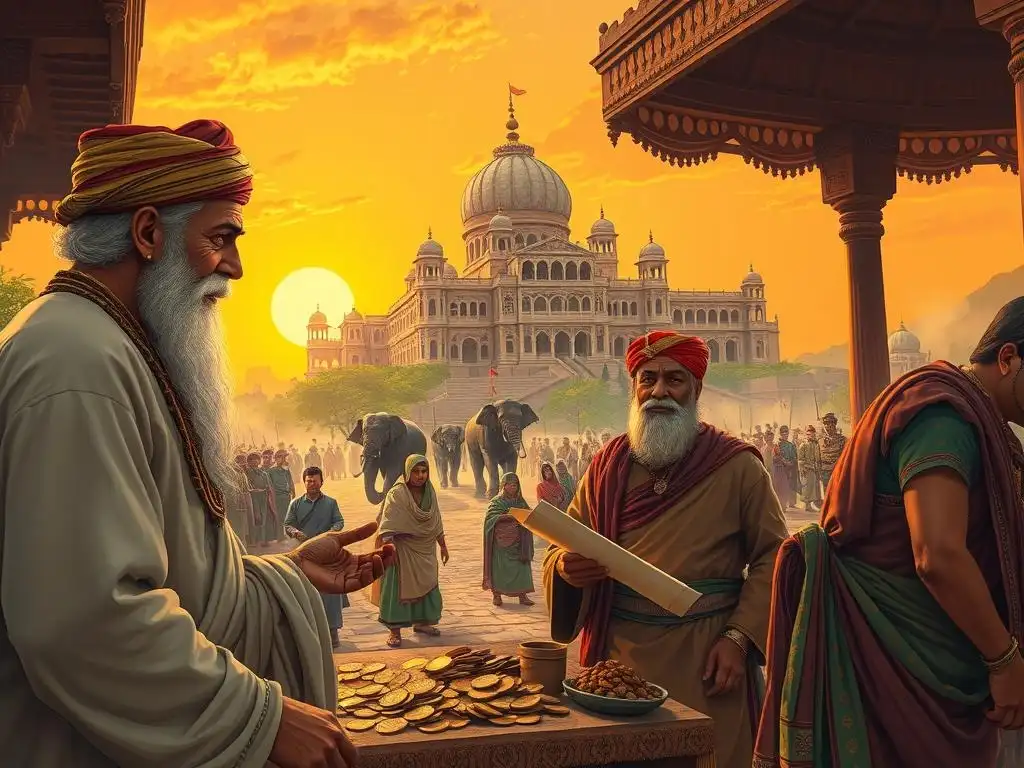
The political structure of the Maurya Empire was intricately linked to its economic framework. Economic prosperity was essential for maintaining a robust political system, as it provided the resources necessary for governance, military expenditures, and public welfare. The Mauryan rulers recognized the significance of economic stability, which in turn influenced their administrative strategies and political decisions.
Taxation and Revenue Collection
Taxation in the Maurya Empire was a vital source of revenue that supported various state functions, including infrastructure development and military upkeep. The empire employed a systematic approach to taxation, characterized by the following elements:
- Land Revenue: The primary source of income was agricultural production. The state collected a significant portion of the harvest as land revenue, typically around 25-30% of the total yield. This system ensured that farmers contributed to the empire's economy without being overburdened.
- Trade Taxes: The Maurya Empire was known for its extensive trade networks. Taxes were levied on goods transported through trade routes, both domestic and international. This included tariffs on imports and exports, which were crucial for the empire's treasury.
- Crafts and Industry: Artisans and craftsmen were also taxed. The state collected revenue from various industries, including textiles, metallurgy, and pottery. This not only generated income but also promoted the growth of these sectors.
- Regulation and Oversight: The Mauryan administration employed officers known as Amatyas to oversee taxation and revenue collection. These officials ensured that tax policies were enforced effectively, minimizing corruption and evasion.
This comprehensive taxation system allowed the Maurya Empire to build a strong economy, which was fundamental for sustaining its vast political structure and military strength.
Trade and Economic Policies
The Maurya Empire implemented several trade and economic policies that significantly influenced its political structure. These policies were designed to facilitate trade, enhance economic growth, and maintain the stability of the empire. Key aspects included:
- Infrastructure Development: The Mauryans invested heavily in infrastructure, including roads and ports, which facilitated trade and commerce. Well-maintained highways connected different parts of the empire, promoting the movement of goods and people.
- Standardization: To streamline trade, the Maurya Empire introduced standardized weights and measures. This standardization reduced disputes and made transactions more efficient, fostering a favorable trade environment.
- Market Regulations: The state regulated markets to ensure fair trade practices. This included setting prices for essential goods and controlling monopolistic practices, which helped maintain economic stability and public trust in the government.
- International Trade Relations: The Maurya Empire engaged in trade with distant regions, including Southeast Asia and the Mediterranean. This not only enhanced economic prosperity but also strengthened political ties with other civilizations, promoting cultural exchanges and diplomacy.
The economic policies of the Maurya Empire were vital in shaping its political framework. By ensuring a stable and prosperous economy, the Mauryan rulers were able to maintain control over a vast territory and diverse population, solidifying their place in the annals of ancient Indian history.
Influence of Religion and Culture on the Political Structure
The political structure of the Maurya Empire was profoundly influenced by the prevailing religious and cultural ideologies of the time. As one of the most powerful empires in ancient India, the Mauryan rulers recognized the importance of integrating these elements into governance, which ultimately shaped their political strategies and policies.
Religious Tolerance and Its Political Implications
Religious tolerance was a cornerstone of the Maurya Empire's political philosophy, particularly under the reign of Ashoka the Great. After the bloody Kalinga War, Ashoka adopted Buddhism and promoted the tenets of non-violence and compassion. His Edicts, inscribed on rocks and pillars throughout the empire, emphasized the importance of respect for all religions.
- Promotion of Dharma: Ashoka's commitment to Dharma (moral law) fostered a sense of unity among the diverse populations of the empire. By advocating for the principles of compassion and tolerance, he aimed to minimize religious conflicts and promote social harmony.
- Administrative Policies: The Maurya administration implemented policies that allowed various religious communities to coexist. This was crucial in managing the vast and culturally diverse empire, where Hindus, Buddhists, Jains, and others lived side by side.
- Impact on Governance: By endorsing religious pluralism, the Maurya Empire could establish a stable political environment where subjects felt respected and valued, thereby reducing dissent and fostering loyalty to the state.
The emphasis on religious tolerance not only helped maintain internal peace but also strengthened the Mauryan Empire's influence over neighboring regions, as it presented a model of governance that prioritized coexistence. This approach became an integral part of the political structure, influencing diplomatic relations and internal policies.
Cultural Contributions to Governance
The cultural landscape of ancient India significantly contributed to the Mauryan political structure. The empire was marked by advancements in arts, literature, and philosophy, which informed governance practices and administrative frameworks.
- Literature and Administrative Texts: The "Arthashastra," attributed to Kautilya (Chanakya), is a seminal work on statecraft that reflects the political ideologies of the Maurya Empire. It provides insights into the administrative strategies, economic policies, and military tactics employed by the Mauryan rulers. The emphasis on pragmatic governance and strategic diplomacy within the text became foundational for future political thought in India.
- Art and Architecture: The Mauryan period witnessed remarkable advancements in art and architecture, as seen in the construction of stupas and pillars. These monuments were not only religious symbols but also served as tools for political propaganda, projecting the authority and benevolence of the state. The grand architecture fostered a sense of identity and pride among the populace, further strengthening the political structure.
- Cultural Integration: The Maurya Empire was characterized by its ability to integrate various cultural elements from the regions it encompassed. This cultural amalgamation helped to unify the empire, as local customs and practices were often respected and incorporated into the broader governance framework. By doing so, the Mauryan rulers could appeal to a wider audience, thus enhancing their legitimacy and control.
The interplay between culture and politics in the Maurya Empire illustrates how the rulers utilized cultural achievements and religious philosophies to create a robust political structure. This integration not only facilitated effective governance but also left a lasting legacy that would influence subsequent Indian civilizations.
Decline of the Maurya Empire and Its Political Structure
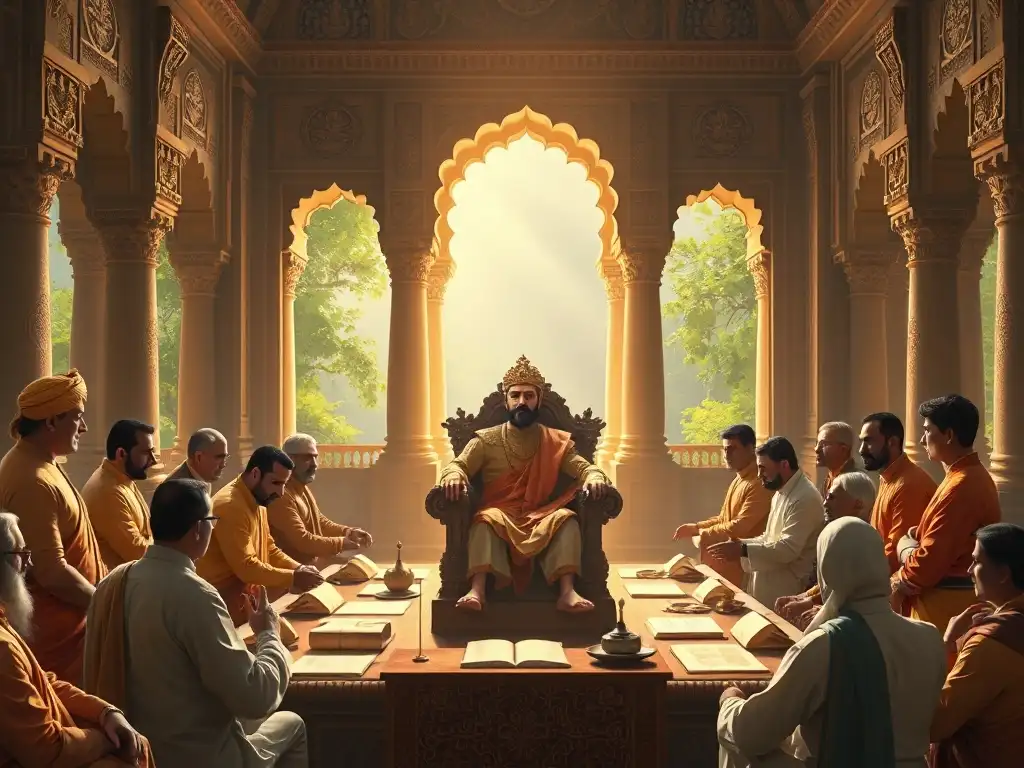
The decline of the Maurya Empire, which marked a significant turning point in ancient Indian history, can be attributed to a combination of internal strife and external pressures. While the political structure of the Maurya Empire was remarkably sophisticated, it ultimately faced challenges that led to its fragmentation and eventual fall.
Factors Leading to the Decline
-
Weak Successors
Following the reign of Ashoka, the Maurya Empire was governed by a series of weak rulers. Ashoka's grandson, Brihadratha, was seen as ineffectual, lacking the political acumen and military prowess necessary to maintain the vast empire. The absence of strong leadership created a power vacuum that led to instability.
-
Administrative Overreach
The expansive nature of the Maurya Empire necessitated a complex administrative structure. However, as the empire grew, maintaining effective governance became increasingly difficult. Corruption and local autonomy began to rise, leading to a decline in centralized control. The vast geographical expanse made it challenging to communicate and enforce laws uniformly.
-
Economic Decline
The economic foundation of the Maurya Empire weakened due to excessive taxation and over-reliance on state-controlled trade. As the central authority struggled to manage resources efficiently, local economies began to suffer. This economic decline led to discontent among the populace and weakened the empire’s overall stability.
-
Religious and Cultural Fragmentation
While Ashoka promoted Buddhism and religious tolerance, the lack of a unifying cultural identity under his successors led to increased sectarian strife. The rise of regional identities and local powers diminished the central authority’s influence, as various groups sought autonomy and recognition.
-
External Invasions
The invasion of the Greco-Bactrian forces and pressure from other neighboring tribes further destabilized the empire. These external threats exploited the internal weaknesses of the Maurya Empire, leading to territorial losses and fragmentation.
Lessons Learned from the Political Structure of the Maurya Empire
The political structure of the Maurya Empire offers valuable lessons for understanding governance in large empires:
-
Importance of Strong Leadership
The decline of the Maurya Empire underscores the necessity of capable leaders who can inspire loyalty and effectively manage resources. The transition from a powerful ruler like Ashoka to weaker successors illustrates how leadership quality can directly impact an empire's stability.
-
Need for Administrative Efficiency
The Maurya Empire’s complex bureaucracy was initially effective but ultimately became a hindrance. This highlights the importance of balancing administrative complexity with practical governance. Streamlined communication and efficient resource management are critical in maintaining control over vast territories.
-
Economic Sustainability
The dependence on heavy taxation for state revenue proved detrimental. A sustainable economic model that encourages trade and local entrepreneurship can contribute to long-term stability and reduce the burden on the populace.
-
Cultural Cohesion
The fragmentation of cultural identity indicates that fostering a cohesive national identity can strengthen an empire's unity. A unified cultural approach, while respecting diversity, can mitigate sectarian conflicts and enhance loyalty to the central authority.
-
Adaptability to Change
The inability of the Maurya Empire to adapt to changing political and social dynamics ultimately led to its downfall. Modern governance structures should emphasize flexibility and responsiveness to the needs of diverse populations.
The decline of the Maurya Empire serves as a poignant reminder of the complexities involved in managing a vast political structure. The lessons learned from its political framework can provide insights for contemporary governance, emphasizing leadership, administration, economic sustainability, cultural unity, and adaptability.
Conclusion: Legacy of the Maurya Empire's Political Structure
The political structure of the Maurya Empire laid a foundational framework that influenced not only its own governance but also the political systems of subsequent Indian empires. This sophisticated structure, characterized by a centralized administration and a network of local governance, established principles that would be echoed throughout India's history.
Impact on Subsequent Indian Empires
The legacy of the Maurya Empire's political structure is evident in the governance systems of later empires such as the Gupta Empire and the Chola Dynasty. The Mauryan approach to administration, which included a hierarchy of officials and a system of provincial governance, was adapted and refined by these subsequent empires.
- Centralized Authority: The Gupta Empire, for example, retained the central authority concept but allowed for greater autonomy among local rulers, reflecting a shift towards regional governance while still maintaining overall unity. This balance of power can be traced back to the Mauryan model.
- Administrative Innovations: The Mauryan Empire introduced several administrative innovations, such as the use of a bureaucracy composed of trained officials, which would become a hallmark of effective governance in later Indian states. This bureaucratic framework ensured that local administrations could efficiently execute the emperor’s policies while being responsive to regional needs.
- Revenue Systems: The Mauryan taxation system, which was systematic and well-organized, became a blueprint for future empires. The emphasis on revenue collection and management allowed later rulers, such as those in the Chola Dynasty, to fund extensive military campaigns and public works, fostering economic stability and growth.
- Legal Framework: The legal codes established during the Maurya period, particularly those attributed to Ashoka, incorporated moral and ethical dimensions into governance. These principles resonated in later dynasties, emphasizing justice and welfare as critical components of political legitimacy.
Reflection on the Political Innovations of the Maurya Empire
The Maurya Empire's political innovations were groundbreaking and set a precedent for governance in ancient India. The principles introduced during this era can be summarized as follows:
- Centralized Governance: The Mauryan Empire established a strong central government, with a clear hierarchy that included the emperor at the top, followed by a council of ministers and various officials responsible for different administrative functions. This ensured that the emperor's decrees were implemented uniformly across the vast empire.
- Regional Administration: The division of the empire into provinces, each governed by a viceroy, facilitated effective local governance. This model ensured that even distant territories remained connected to the central authority, which was crucial for maintaining order and collecting taxes.
- Merit-Based Bureaucracy: The recruitment of officials based on merit rather than hereditary privilege was a significant innovation. This system allowed for a more capable and efficient administration, which was essential for the empire's stability and growth.
- Communication and Infrastructure: The Maurya Empire invested in infrastructure, including roads and communication systems, which enhanced trade and facilitated the movement of troops. This investment not only stimulated economic activity but also reinforced the political unity of the empire.
The political structure of the Maurya Empire was a complex and innovative system that not only governed a vast and diverse territory but also left an indelible mark on the political landscape of India. Its impact on subsequent empires underscores the significance of the Mauryan model in shaping the governance practices of future dynasties, ensuring that the principles of effective administration and centralized authority continued to resonate throughout Indian history.
Frequently Asked Questions
What was the political structure of the Maurya Empire?
The political structure of the Maurya Empire was highly centralized and organized, with a powerful emperor at the top, supported by a vast bureaucracy and an extensive network of officials.
Who was the most notable emperor of the Maurya Empire?
Chandragupta Maurya is often recognized as the most notable emperor, founding the empire and establishing a strong administration that laid the groundwork for later rulers, including his grandson, Ashoka.
How did the Maurya Empire maintain its control over vast territories?
The empire maintained control through a combination of military strength, strategic alliances, and a well-organized administrative system that allowed for effective governance across diverse regions.
What role did local governance play in the Maurya Empire?
Local governance was crucial; the empire utilized provincial governors to manage regions, ensuring that local needs were addressed while maintaining loyalty to the central authority.
How did the Maurya Empire influence later Indian political systems?
The political innovations of the Maurya Empire, including its bureaucratic practices and administrative divisions, set a precedent that influenced subsequent Indian empires and their governance structures.
Final Reflection: Understanding the Political Structure of the Maurya Empire
The political structure of the Maurya Empire serves as a profound reminder of how governance can shape the trajectory of a civilization. In today's world, where political systems are constantly evolving and often challenged, the intricate organization of the Maurya Empire offers valuable insights into the balance of power, administration, and societal cohesion. The lessons from this ancient empire resonate now more than ever, as we navigate the complexities of modern governance and strive for stability in our diverse societies.
The influence of the Maurya Empire's political structure continues to echo through the corridors of history and into our contemporary cultural landscape. Understanding how the Maurya Empire managed its vast territories and diverse populations can inspire current and future leaders. The principles of effective governance, such as centralized authority balanced with local autonomy, remain relevant today.
As Mahatma Gandhi once said, "> The best way to find yourself is to lose yourself in the service of others." This sentiment underscores the importance of leadership that prioritizes the welfare of the people, a lesson that is timeless and crucial in our quest for effective governance.
As we reflect on the political structure of the Maurya Empire, I invite you to consider how these historical lessons can be applied in your own life and community. Take a moment to think about the systems of governance around you—how can you contribute to a more equitable and just political landscape?
Whether through civic engagement, advocacy, or simply being an informed citizen, each of us has a role to play in shaping the future. Let the legacy of the Maurya Empire inspire you to engage with the world around you and strive for a society that values effective governance and the well-being of all its members.
Unveil the Legacy of the Maurya Empire Today!
Thank you for diving into the fascinating world of the Maurya Empire! You've explored how this incredible civilization shaped India's political landscape and its enduring legacy. Now, it's time to take action and deepen your understanding of this rich history!
Here are a few ways you can continue your journey:
- Dive deeper: Read more about the influential figures and policies of the Maurya Empire to grasp its complexity further.
- Share your knowledge: Discuss what you've learned with friends or on social media to inspire others about the brilliance of ancient governance.
- Explore local history: Visit a nearby museum or historical site that features artifacts from this era to bring the stories of the Maurya Empire to life right before your eyes!
What aspect of the Maurya Empire intrigues you the most, and how can it influence our understanding of modern political systems?