
The Maurya Empire's Influence on Modern Indian Society: Key Legacies


Welcome to Ancient India History, where we embark on a journey through the rich and diverse tapestry of ancient Indian civilizations. In this exploration, we unravel the profound legacies of the Maurya Empire, a pivotal force that has shaped modern Indian society in remarkable ways. What are the enduring influences that trace back to this monumental period?
Join us as we delve into the fascinating connections between the past and present, shedding light on how the Maurya Empire continues to resonate in our lives today. Prepare to be intrigued and inspired as you uncover the echoes of history that still define us!
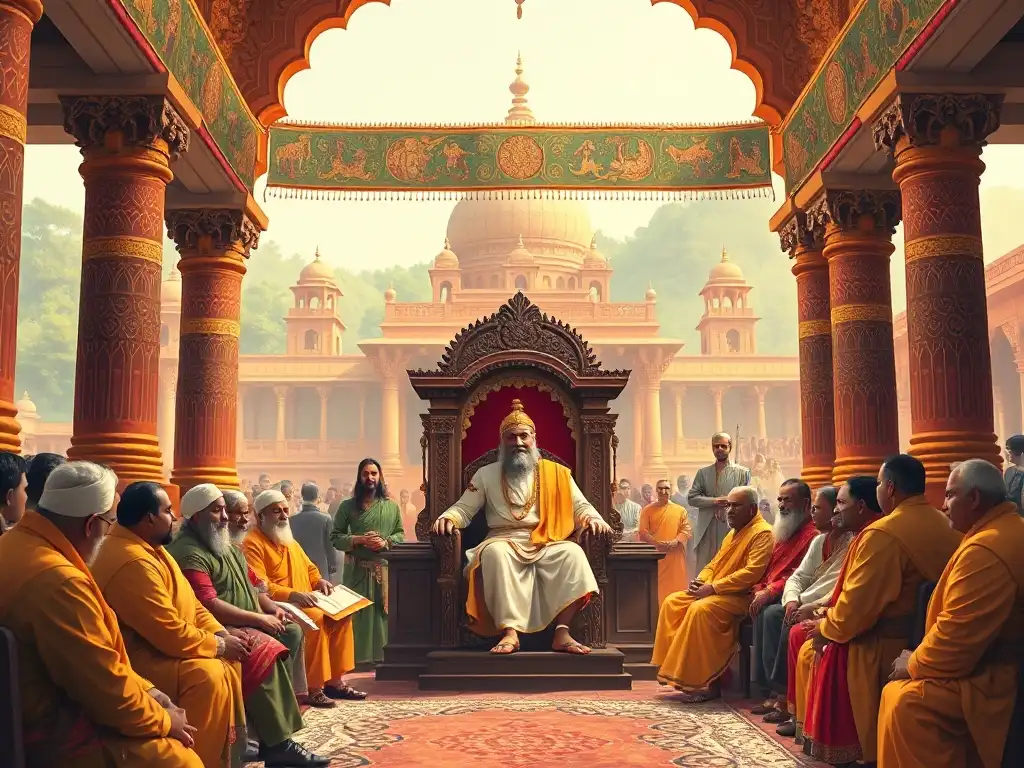
The Maurya Empire, which flourished from 322 to 185 BCE, stands as one of the most significant and influential empires in ancient Indian history. This extensive empire, known for its remarkable political, cultural, and economic advancements, laid the foundation for numerous aspects of modern Indian society.
From the unification of the Indian subcontinent under a single political authority to the promotion of trade and the dissemination of Buddhism, the legacies of the Maurya Empire continue to resonate in contemporary India. In this article, we will delve into the key legacies of the Maurya Empire and explore how its historical figures and policies have shaped modern Indian culture and societal norms.
Introduction to the Maurya Empire
Overview of the Maurya Empire's Historical Context
The Maurya Empire emerged in a period marked by fragmentation and regional kingdoms in the Indian subcontinent. Founded by Chandragupta Maurya, this empire rapidly expanded under his leadership and later reached its zenith under his grandson, Ashoka the Great. The Maurya Empire is notable for its sophisticated administrative system, which included a well-organized bureaucracy and a vast network of roads and trade routes.
- Timeframe: 322-185 BCE
- Founders: Chandragupta Maurya
- Prominent Ruler: Ashoka the Great
- Capital: Pataliputra (modern-day Patna)
The historical context of the Maurya Empire is vital for understanding its influence on modern Indian society. The empire not only unified diverse cultures and languages but also facilitated the spread of ideas and trade across the region.
Key Figures of the Maurya Empire and Their Contributions
The Maurya Empire is characterized by several key figures whose contributions significantly impacted its development and legacy.
- Chandragupta Maurya: The founder of the empire, he established the Maurya dynasty and laid the groundwork for its expansion.
- Ashoka the Great: Perhaps the most celebrated Mauryan ruler, Ashoka's reign marked a transformative period where he embraced Buddhism and propagated its teachings across Asia. His edicts, inscribed on pillars and rocks, emphasized moral governance and social welfare.
- Chanakya (Kautilya): A philosopher and strategist, Chanakya played a crucial role in establishing the empire and authored the "Arthashastra," a foundational text on statecraft and economics.
These figures not only shaped the Maurya Empire but also left enduring legacies that continue to influence Indian society today.
The Maurya Empire's Modern Influence
Understanding the Concept of Modern Influence
The term "modern influence" refers to the ways in which historical legacies inform contemporary practices, beliefs, and societal structures. In the case of the Maurya Empire, its contributions to governance, culture, and philosophy have had profound effects on the evolution of modern Indian identity. By examining these influences, we can appreciate how the ideals and practices established during the Maurya period persist in today's society.
How the Maurya Empire Shaped Modern Indian Culture
The impact of the Maurya Empire on modern Indian culture is multifaceted, encompassing various domains such as governance, religion, and social structures.
- Political Unity: The unification of India under the Maurya Empire set a precedent for subsequent political entities, fostering a sense of national identity that resonates in modern India.
- Buddhism and Philosophy: Ashoka's promotion of Buddhism not only spread the religion but also instilled values of non-violence, compassion, and social justice, which continue to influence contemporary Indian ethics and social movements.
- Cultural Heritage: The art and architecture of the Maurya Empire, including the famous Ashoka Pillars, have left a lasting legacy on Indian aesthetics and cultural identity.
The Maurya Empire's historical significance and its key figures have profoundly shaped modern Indian society, with legacies that continue to inform contemporary cultural, political, and social landscapes. Through this exploration, we can gain insights into the enduring influence of the Maurya Empire on the fabric of modern India.
Key Legacies of the Maurya Empire
The Maurya Empire, which flourished from 322 to 185 BCE, left an indelible mark on the trajectory of Indian civilization. Its legacies can be seen in various facets of modern Indian society, from governance and economics to social structures and education. Understanding these key legacies helps to appreciate how ancient practices and philosophies continue to influence contemporary life in India.
Political Structures and Governance
The political structures established during the Maurya Empire laid the groundwork for future governance in India. Under the leadership of Emperor Ashoka, the empire pioneered a centralized bureaucratic system that emphasized efficient administration and the rule of law.
- Centralized Administration: The Maurya Empire introduced a well-organized administrative framework that included various levels of government, from local village councils to provincial governors. This model influenced subsequent dynasties and remains relevant in modern governance structures.
- Law and Justice: Ashoka's Edicts, inscribed on rocks and pillars throughout the empire, showcase a commitment to justice and ethical governance. These principles of Dharma, or moral duty, continue to resonate in contemporary discussions of governance and public policy in India.
- Influence on Modern Constitutions: The notion of a welfare state and the emphasis on citizen welfare that emerged during the Maurya period can be seen echoed in modern Indian policies, underscoring the long-lasting impact of Mauryan governance.
Economic Contributions
The economic policies of the Maurya Empire significantly shaped trade, agriculture, and industry, contributing to the empire's prosperity and influencing modern economic practices.
- Trade Networks: The Maurya Empire established extensive trade routes that connected India with the Mediterranean, Central Asia, and Southeast Asia. These networks not only facilitated the exchange of goods but also ideas, technologies, and cultures, laying the foundation for globalization in the region.
- Agricultural Innovations: The state promoted agricultural advancements, including irrigation techniques and crop rotation, which increased productivity. This focus on agriculture is reflected in India's agrarian economy today, where farming remains a critical component.
- Taxation System: The Maurya Empire implemented a systematic taxation policy that funded public projects. This approach to taxation has influenced modern fiscal policies in India, where effective tax collection is vital for government functions.
Social and Religious Influence
The Maurya Empire played a pivotal role in shaping social structures and religious practices, leaving a legacy that continues to permeate Indian society.
- Promotion of Buddhism: Ashoka's conversion to Buddhism and his efforts to spread its teachings had a profound effect on the social fabric of India. The emphasis on non-violence and compassion resonates in modern Indian values and ethics, influencing social movements and policies.
- Caste System: While the caste system predates the Maurya Empire, its codification and institutionalization during this period contributed to its entrenchment in society. Understanding these roots is essential to addressing contemporary social issues related to caste.
- Cultural Synthesis: The Maurya period saw the blending of various cultural and religious traditions, which has fostered a spirit of pluralism in modern India. This legacy of cultural integration continues to shape the country's diverse social landscape.
Educational Advancements from the Maurya Empire
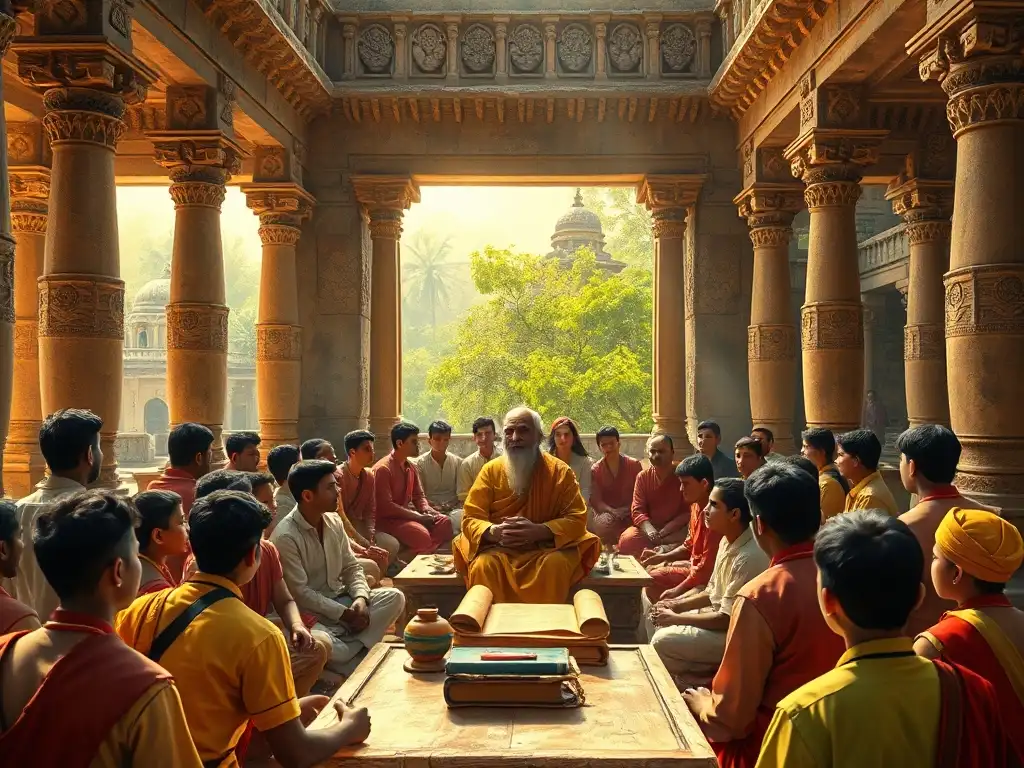
The Maurya Empire made significant strides in education, establishing institutions and practices that laid the groundwork for future learning in India.
The Role of Nalanda University in Shaping Education
Founded during the reign of the Maurya Empire, Nalanda University became one of the world's first residential universities, attracting scholars from across Asia.
- Academic Excellence: Nalanda was renowned for its curriculum, which included subjects like logic, medicine, astronomy, and philosophy. This emphasis on a comprehensive education model has influenced modern educational institutions, promoting a holistic approach to learning.
- Cultural Exchange: The university facilitated cross-cultural exchanges, allowing for the sharing of knowledge among diverse groups. This legacy of international collaboration in education continues to be relevant today, as global academic partnerships grow.
Lasting Educational Practices and Their Relevance Today
The educational practices established during the Maurya Empire have had a lasting impact on how education is perceived and organized in modern India.
- Focus on Critical Thinking: The emphasis on debate and discussion in Mauryan education fostered critical thinking skills. This tradition persists in contemporary Indian education, where analytical skills are prioritized alongside rote learning.
- Inclusivity in Education: While education during the Maurya era was not universally accessible, the establishment of institutions like Nalanda set a precedent for educational inclusivity. Today, there is a growing movement towards making education more accessible to all societal segments in India.
- Curriculum Development: The diverse subjects offered at ancient universities like Nalanda laid the groundwork for modern curricula that encompass a wide range of disciplines, reflecting the comprehensive nature of education that the Maurya Empire championed.
The Maurya Empire's influence on modern Indian society is profound and multifaceted, with legacies in governance, economics, social structures, and education that continue to shape contemporary India. Understanding these connections not only honors the achievements of the Mauryan civilization but also provides insight into the ongoing evolution of Indian society.
Conclusion
The Maurya Empire stands as a monumental chapter in the history of ancient India, with legacies that extend far beyond its temporal boundaries. Its influence on modern Indian society is profound, impacting governance, culture, economics, and social structures. By synthesizing various regional practices and establishing a centralized administration, the Mauryan rulers laid the groundwork for a cohesive national identity that continues to resonate today.
As we reflect on the Maurya Empire's contributions, it becomes evident that the principles of leadership, justice, and ethical governance introduced during this era are still relevant in contemporary discourse. The advancements in art, science, and philosophy during this period not only enriched Indian culture but also contributed to a global intellectual heritage.
Summary of the Maurya Empire's Key Legacies
-
Centralized Governance:
The Maurya Empire established one of the earliest forms of centralized governance in India, which influenced subsequent political systems. This model emphasized bureaucracy, efficient tax collection, and public welfare measures.
-
Promotion of Buddhism:
Under Emperor Ashoka, Buddhism flourished and spread across the Indian subcontinent and beyond. His edicts advocating non-violence and moral righteousness have left a lasting moral framework in Indian society.
-
Cultural Flourishing:
The Mauryan period was marked by significant advancements in art and architecture, such as the construction of stupas and pillars, which continue to inspire contemporary Indian art and architecture.
-
Economic Innovations:
The Maurya Empire's emphasis on trade and commerce set the foundation for India's economic development. The establishment of trade routes facilitated cultural exchange and economic prosperity that are still evident in modern India's economic practices.
-
Legal Framework:
The codification of laws during the Maurya Empire laid the groundwork for India's legal system. The principles of justice and statecraft established during this period continue to influence modern legal practices.
Reflection on the Importance of Ancient Influences in Contemporary India
The legacies of the Maurya Empire serve as crucial touchstones for understanding the development of modern Indian society. By examining the impact of ancient influences, we can appreciate how historical narratives have shaped contemporary values and practices. The Mauryan emphasis on ethical governance and social responsibility resonates in current discussions around leadership and public service.
Moreover, the cultural and religious syncretism that flourished during the Maurya Empire remains a vital aspect of India's identity. The acceptance and promotion of diverse philosophies and beliefs during this era echo in today's pluralistic society, fostering a spirit of inclusivity and tolerance.
The Maurya Empire's influence remains a cornerstone of India's historical legacy, reminding us that the lessons of the past are integral to navigating the complexities of modern society. By acknowledging these influences, we can better appreciate the rich tapestry of India's cultural heritage and its ongoing evolution.
- Introduction to the Maurya Empire
- The Maurya Empire's Modern Influence
- Key Legacies of the Maurya Empire
- Educational Advancements from the Maurya Empire
- Conclusion
Frequently Asked Questions
What was the Maurya Empire?
The Maurya Empire was one of the largest and most powerful empires in ancient India, existing from 322 to 185 BCE, known for its significant contributions to politics, culture, and society.
How did the Maurya Empire influence modern Indian society?
The Maurya Empire's influence is evident in modern Indian governance, legal systems, and cultural practices, showcasing enduring principles of unity and administration.
Who were the notable rulers of the Maurya Empire?
Chandragupta Maurya and his grandson Ashoka the Great are the most notable rulers, with Ashoka's promulgation of Buddhism and emphasis on non-violence significantly shaping Indian culture.
What are some key legacies of the Maurya Empire?
Key legacies include the development of trade routes, the establishment of a centralized government, and the promotion of religious tolerance, all of which continue to impact contemporary society.
How does the Maurya Empire relate to the concept of modern influence?
The Maurya Empire's modern influence can be seen in its contributions to democratic principles, legal frameworks, and cultural diversity, which resonate in today's Indian society.
Final Reflection: The Enduring Legacy of the Maurya Empire in Modern India
The Maurya Empire's influence on modern Indian society is not merely a historical footnote but a vibrant thread woven into the fabric of contemporary life. As we navigate the complexities of today's world, the principles of governance, social structure, and cultural integration established during the Maurya period resonate profoundly. The empire's emphasis on unity and administration continues to inspire modern political frameworks and societal norms, reminding us that the past is a powerful guide for the future.
The impact of the Maurya Empire extends beyond mere historical significance; it shapes our cultural and social landscape today. From the promotion of religious tolerance to the establishment of trade networks, the legacies of this great empire are evident in our daily lives. The teachings of Ashoka, particularly his commitment to non-violence and ethical governance, echo in the hearts of many who advocate for peace and social justice today. The greatest victory is that which requires no battle.
This quote encapsulates the essence of Ashoka's philosophy, urging us to seek harmony in our interactions and decisions.
As we reflect on the lessons of the Maurya Empire, let us embrace the opportunity to apply these timeless principles in our own lives. Consider how the values of unity, tolerance, and ethical leadership can shape your actions and decisions. In a world often divided by differences, we can draw inspiration from the Maurya legacy to foster understanding and collaboration. Take a moment to reflect on how you can contribute to a more harmonious society, embodying the ideals that have stood the test of time.
Embrace the Legacy: Take Action Today!
Thank you for exploring the rich history of the Maurya Empire and uncovering its impact on modern Indian society. By delving into this fascinating legacy, you've gained valuable insights into how ancient principles continue to shape our world.
Now, it's time to take that knowledge and put it into action! Here are a few steps you can consider:
- Dive deeper: Explore additional resources or books about the Maurya Empire to enhance your understanding and appreciation of its contributions.
- Share your knowledge: Engage in discussions about what you've learned with friends or on social media to inspire others and foster meaningful conversations about history.
- Engage with your community: Join a local history club or participate in online forums to connect with others who share your passion for ancient history and its relevance today.
What aspect of the Maurya Empire’s influence do you find most compelling, and how do you believe it shapes our society today? We would love to hear your thoughts!