
Unearthing the Past: Archaeological Discoveries in the Indus Valley

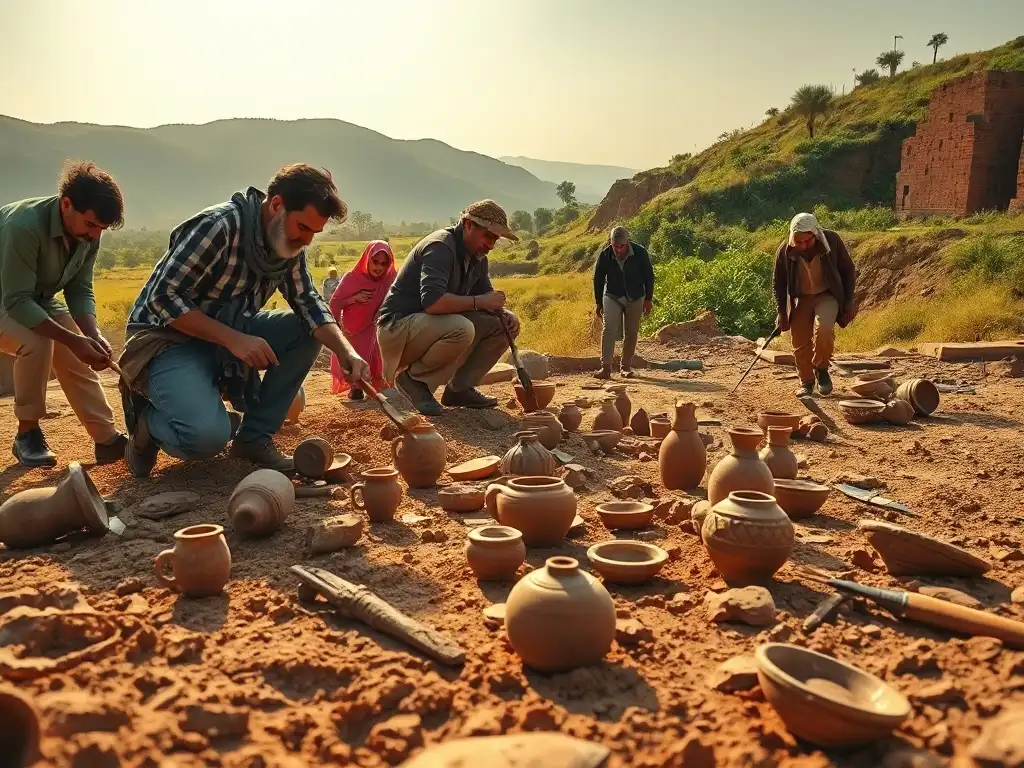
Welcome to Ancient India History, where we embark on an extraordinary journey through the vibrant tapestry of ancient Indian civilizations. Here, you will delve into the rich and diverse history that shaped the subcontinent, from the enigmatic Indus Valley to the illustrious Gupta Empire. In our featured article, "Unearthing the Past: Archaeological Discoveries in the Indus Valley," we invite you to explore the groundbreaking findings that continue to unfold the mysteries of one of the world's oldest urban cultures.
Prepare to be captivated as we connect the dots of history, revealing how these Indus Valley archaeological discoveries illuminate the profound contributions of ancient India to our modern world. Let your curiosity guide you as you dive deeper into the past!
The Indus Valley Civilization (IVC), one of the world's earliest urban cultures, has long fascinated historians, archaeologists, and enthusiasts alike. Spanning approximately 3,300 BCE to 1,300 BCE, this ancient civilization thrived along the fertile banks of the Indus River, in what is now modern-day Pakistan and northwest India.
Recent archaeological discoveries have shed new light on the intricate urban planning, advanced engineering, and rich cultural practices of the IVC, revealing not just the daily lives of its people but also their sophisticated trade networks and social structures. This exploration of the Indus Valley archaeological discoveries illuminates the civilization's significant contributions to the development of human society, showcasing its role as a cornerstone of ancient Indian history.
As we delve into the remarkable findings from this era, we will explore the key archaeological sites, the artifacts unearthed, and the insights these discoveries provide into the origins and evolution of the Indus Valley Civilization. From meticulously planned cities to a unique script yet to be fully deciphered, each discovery adds another layer to our understanding of this extraordinary civilization that laid the foundations for future societies in the Indian subcontinent. Whether you're a scholar, a student, or simply a history buff, this journey through the Indus Valley's archaeological treasures promises to be both enlightening and inspiring.
- Introduction to the Indus Valley Civilization
- Major Indus Valley Archaeological Discoveries
- Key Features of Indus Valley Archaeological Discoveries
- The Impact of Indus Valley Archaeological Discoveries on Historical Understanding
- Challenges in Archaeological Discoveries of the Indus Valley
- Future Prospects: Ongoing Research and Discoveries
- Conclusion: The Legacy of Indus Valley Archaeological Discoveries
- References and Further Reading
- Frequently Asked Questions
- Final Reflection: The Enduring Legacy of Indus Valley Archaeological Discoveries
- Unveil the Secrets of the Indus Valley!
Introduction to the Indus Valley Civilization
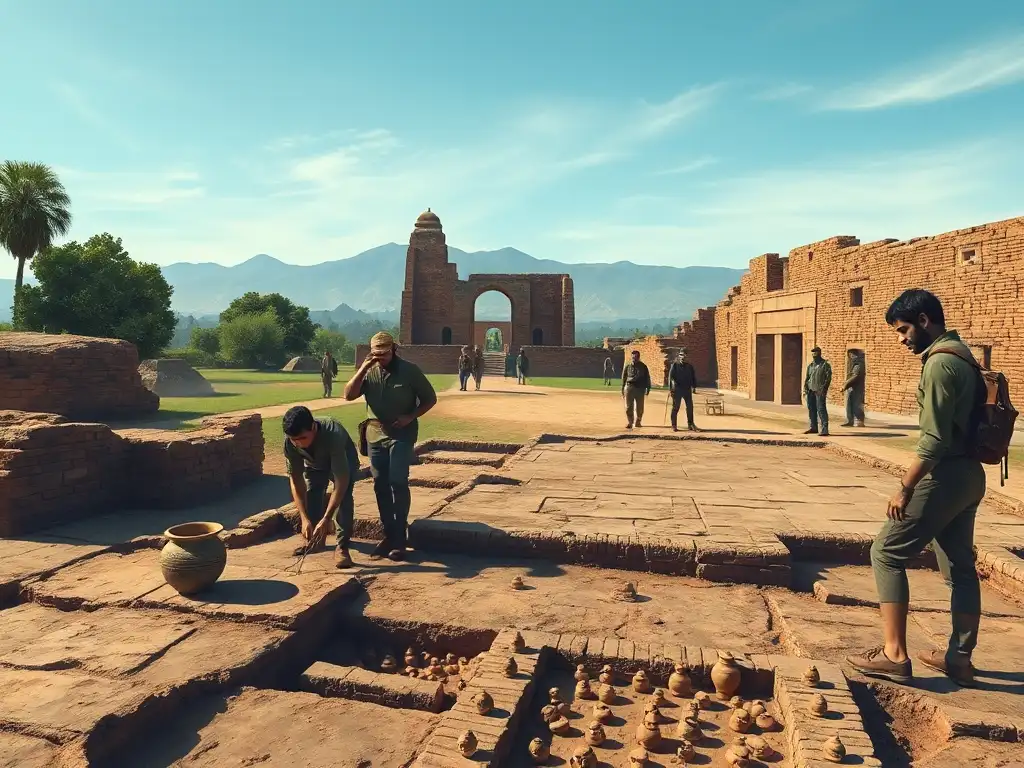
The Indus Valley Civilization (IVC), known for its advanced urban planning, sophisticated drainage systems, and rich cultural practices, emerged around 2500 BCE in the northwestern regions of the Indian subcontinent. This civilization spanned parts of modern-day Pakistan, northwest India, and eastern Afghanistan, cultivating a legacy that continues to intrigue historians and archaeologists alike. The major cities of Harappa and Mohenjo-Daro serve as the most prominent sites of this ancient civilization, showcasing a blend of technological prowess and artistic expression.
Overview of the Indus Valley Civilization
The IVC is one of the world's earliest urban cultures, characterized by its remarkable achievements in various fields. The civilization is noted for:
- Urban Planning: Cities were laid out in a grid pattern with streets intersecting at right angles, indicating advanced planning. The use of standardized baked bricks for construction is a notable feature.
- Agriculture: The economy was primarily agrarian, with evidence of wheat, barley, and cotton cultivation. The Indus people practiced irrigation, which contributed to agricultural productivity.
- Trade Networks: Archaeological findings suggest a robust trade system, both local and with distant regions, including Mesopotamia. Artifacts such as seals and weights indicate a complex trade economy.
- Writing System: Although still undeciphered, the presence of Indus script on seals and pottery suggests a form of written communication, reflecting the civilization's administrative sophistication.
The decline of the IVC around 1900 BCE remains a subject of research, with theories ranging from climate change to invasions proposing explanations for this significant transition.
Significance of Archaeological Discoveries in Understanding Ancient India
Archaeological discoveries in the Indus Valley have profoundly shaped our understanding of ancient Indian history, culture, and societal structures. These findings have provided insights into various aspects of daily life, governance, and trade practices of the time. Some key points of significance include:
- Cultural Insights: Artifacts such as pottery, jewelry, and figurines offer clues about the artistic expressions and cultural values of the Indus people. For instance, the "Dancing Girl" bronze statue from Mohenjo-Daro exemplifies the artistic skill and cultural significance of dance in their society.
- Technological Advancements: The advanced drainage and sanitation systems discovered at Indus sites demonstrate an understanding of urban infrastructure that was unparalleled in the ancient world. This reveals the importance placed on hygiene and public health.
- Economic Structures: The discovery of weights and measures indicates a standardized system for trade, reflecting the complexity of their economy. The presence of trade goods, such as lapis lazuli and carnelian beads, suggests extensive trade networks and economic interactions with other cultures.
- Social Organization: The layout of cities and the uniformity of housing suggest a structured society with defined social hierarchies. The lack of grand temples or palaces indicates a possibly egalitarian society, challenging earlier notions of social stratification.
The Indus Valley archaeological discoveries have been pivotal in reconstructing the tapestry of ancient Indian civilization, shedding light on the lives of its people and their contributions to the broader narrative of human history. The continued exploration and study of these sites promise further revelations about one of the world's oldest urban cultures.
Major Indus Valley Archaeological Discoveries
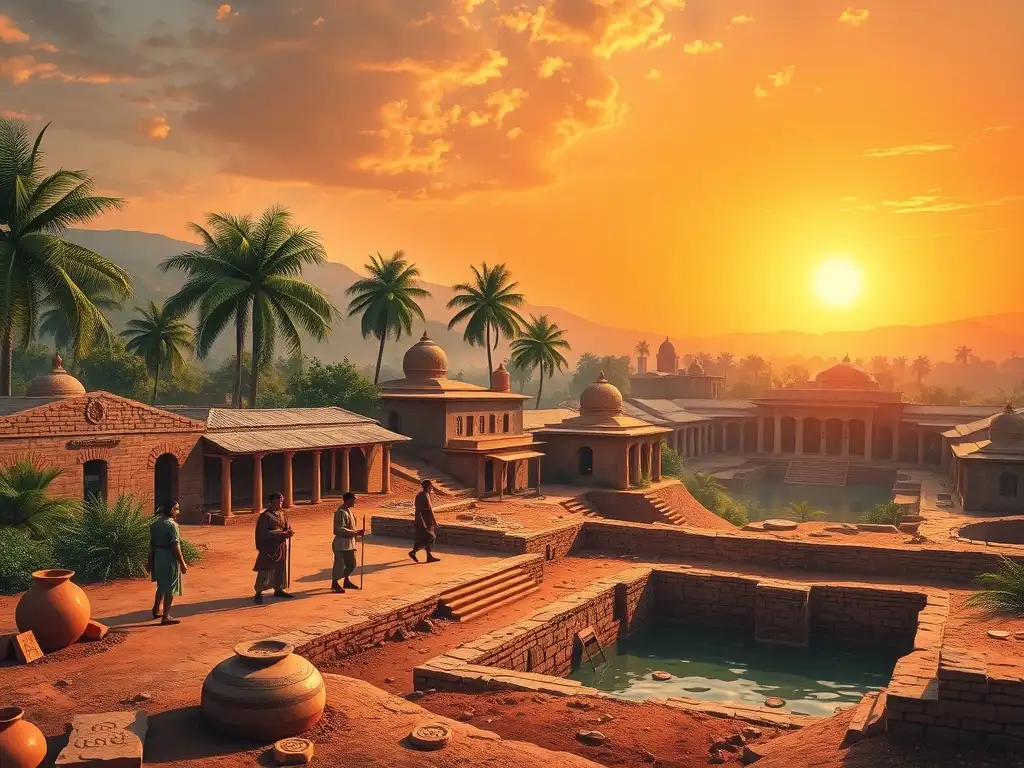
Harappa: The First Major Site
Harappa, located in present-day Punjab, Pakistan, is one of the earliest and most significant archaeological sites of the Indus Valley Civilization. Discovered in the 1920s, Harappa has provided crucial insights into the urban planning, social organization, and economic activities of one of the world's oldest urban cultures.
Key Findings at Harappa
- Urban Planning: Harappa's layout exhibits a grid pattern with well-constructed streets. The city was divided into two major sections: the Citadel and the Lower City, indicating a clear distinction between administrative and residential areas.
- Drainage System: An advanced drainage system was a hallmark of Harappa’s urban infrastructure. Houses were equipped with bathrooms and toilets that connected to a central drainage system, showcasing the civilization’s commitment to sanitation.
- Artifacts and Economy: Excavations at Harappa have uncovered a variety of artifacts, including pottery, seals, and tools, indicating a thriving trade network. Evidence suggests that Harappa was engaged in trade with Mesopotamia, exchanging goods like cotton textiles and beads.
Mohenjo-Daro: Insights from Urban Planning
Mohenjo-Daro, another prominent site of the Indus Valley Civilization, offers remarkable insights into the sophisticated urban planning and architectural techniques employed by its inhabitants.
Urban Features of Mohenjo-Daro
- The Great Bath: One of the most iconic structures in Mohenjo-Daro is the Great Bath, a large public water tank believed to have been used for ritualistic purposes. Its meticulous construction reflects the importance of water in the daily life and spirituality of the civilization.
- Residential Blocks: The residential areas of Mohenjo-Daro were organized into blocks, with houses built from standardized fired bricks. This uniformity suggests a well-regulated society with advanced construction techniques.
- Trade and Economy: The discovery of seals and weights at Mohenjo-Daro indicates a sophisticated system of trade and commerce. The presence of various craft workshops, including bead-making and metallurgy, illustrates a diverse economic base.
Dholavira: Water Management and Architecture
Dholavira, located in the arid region of Gujarat, India, is celebrated for its remarkable achievements in water management and its unique architectural features. This site has significantly contributed to our understanding of the ingenuity of the Indus Valley Civilization.
Water Management Techniques at Dholavira
- Water Conservation Systems: Dholavira is known for its sophisticated water conservation techniques, including reservoirs and drainage systems. The site features a series of large, interconnected reservoirs designed to collect and store rainwater, demonstrating an advanced understanding of hydrology.
- Architectural Innovations: The architecture of Dholavira stands out for its use of stone, a rarity in Indus Valley sites. The city’s layout includes large public spaces, indicating a well-planned urban environment.
- Cultural Significance: The presence of large inscriptions carved into stone suggests a complex social structure and possibly a form of early writing. This feature highlights the cultural richness of the Dholavira community.
The archaeological discoveries at Harappa, Mohenjo-Daro, and Dholavira not only reveal the sophistication of the Indus Valley Civilization but also underscore its contributions to urban planning, water management, and trade. Understanding these key sites provides invaluable insights into the origins and evolution of one of ancient India's most remarkable cultures.
Lothal: The Maritime Hub of Ancient India
Lothal, one of the most significant archaeological sites of the Indus Valley Civilization, is located in the present-day state of Gujarat, India. Dating back to around 2400 BCE, Lothal was remarkable for its well-planned dockyard, which showcased the advanced engineering skills of the Indus Valley people. This dockyard is considered one of the earliest in the world, highlighting Lothal's role as a major maritime trade center.
Urban Planning and Infrastructure
The layout of Lothal provides insights into the sophisticated urban planning that characterized the Indus Valley Civilization. The city was meticulously designed with a grid pattern of streets, drainage systems, and residential areas.
- Drainage System: Lothal featured a comprehensive sewage system that included covered drains along the streets, indicating a high level of sanitation awareness.
- Residential Structures: Houses in Lothal were built with baked bricks and often had multiple rooms, reflecting the complexity of social structures.
- Granary: Archaeologists discovered a large granary, suggesting that Lothal was involved in agricultural production and storage, which was vital for trade.
The Dockyard: An Engineering Marvel
The dockyard of Lothal is a standout feature that has drawn considerable attention from archaeologists and historians alike. It was constructed around 2200 BCE and is believed to have served as a crucial trade hub.
- Dimensions: The dockyard measures approximately 218 meters in length and 35 meters in width, showcasing impressive engineering capabilities.
- Trade Activities: This structure allowed ships to dock, facilitating trade with other regions, including Mesopotamia, which was crucial for the exchange of goods such as beads, textiles, and precious metals.
- Water Management: Ingenious water management techniques were employed to ensure that the dock was navigable, even during varying water levels, further underscoring the advanced understanding of hydraulic engineering among the Indus Valley people.
Cultural Implications
The discoveries at Lothal have significant cultural implications, as they reveal the interconnectedness of the Indus Valley Civilization with other ancient cultures. The maritime activities suggest that Lothal was not merely a local trading hub but a significant player in international trade networks.
- Artifacts: Numerous artifacts, including seals, pottery, and tools, have been unearthed, indicating the presence of skilled artisans and vibrant commerce.
- Cultural Exchange: The nature of the goods traded suggests that Lothal was a melting pot of cultures, contributing to the dissemination of ideas and practices across regions.
Conclusion
Lothal stands as a testament to the ingenuity and sophistication of the Indus Valley Civilization. Its archaeological discoveries, particularly the dockyard, highlight the importance of maritime trade and urban planning in ancient India. As excavations continue, Lothal will undoubtedly yield more insights into the life and times of one of the world's earliest urban civilizations, enhancing our understanding of the Indus Valley archaeological discoveries.
Key Features of Indus Valley Archaeological Discoveries

The Indus Valley Civilization (IVC), one of the world’s earliest urban cultures, is known for its remarkable archaeological discoveries that reveal the sophistication of its society. These discoveries highlight several key features that contribute to our understanding of life, culture, and advancements in the IVC.
Urban Planning and Infrastructure
The urban planning of Indus Valley cities, particularly Mohenjo-Daro and Harappa, showcases a high degree of organization and foresight.
- Grid Layout: The cities were designed with a grid pattern, with streets oriented north-south and east-west, creating a systematic approach to urban design.
- Drainage Systems: One of the most impressive features was the advanced drainage system. Homes were equipped with private bathrooms and toilets connected to a centralized drainage network, indicating a strong emphasis on hygiene and sanitation.
- Public Buildings: Structures such as the Great Bath at Mohenjo-Daro suggest that public rituals and gatherings were integral to the society. This large, communal bathing area, with its sophisticated waterproofing, indicates a level of engineering prowess that was advanced for its time.
These urban planning elements not only facilitated effective living conditions but also reflect the administrative capabilities and social organization of the IVC.
Artistic Expressions: Pottery and Seals
Artistic expressions within the Indus Valley are prominently represented through pottery and seals, which provide insight into the culture and daily life of its people.
- Pottery: The IVC is known for its high-quality pottery, often decorated with intricate geometric patterns and motifs. This pottery was not just functional but also served an aesthetic purpose, indicating a cultural appreciation for art.
- Seals: The discovery of terracotta seals, often inscribed with animal motifs and script, suggests a complex system of trade and communication. These seals likely served as markers of ownership and were used in commercial transactions.
- Symbolism: The imagery on these seals, which includes animals such as unicorns and elephants, may also reflect the spiritual beliefs and societal values prevalent in the civilization.
The artistry displayed in pottery and seals highlights the cultural richness of the Indus Valley, showcasing the creativity and skills of its artisans.
Trade and Economy: Evidence from Excavations
Archaeological excavations in the Indus Valley have uncovered substantial evidence regarding the trade and economy of this ancient civilization.
- Trade Networks: Artifacts such as weights, measures, and seals indicate that the IVC engaged in extensive trade, not only within its own territories but also with neighboring regions, including Mesopotamia. This inter-regional trade was facilitated by a sophisticated system of measurement and standardization.
- Agricultural Practices: Evidence of agriculture, including the remains of wheat, barley, and cotton, suggests that the economy was largely agrarian. The cultivation of these crops indicates a well-established farming community capable of producing surplus goods for trade.
- Craft Specialization: The presence of workshops for bead-making, metallurgy, and pottery suggests a division of labor and specialization in various crafts. This specialization would have enhanced productivity and economic complexity.
These elements collectively provide a comprehensive view of the economic framework and trade dynamics that characterized the Indus Valley Civilization, revealing a society that was not only advanced in urban planning but also in commerce and industry.
The Impact of Indus Valley Archaeological Discoveries on Historical Understanding
Archaeological discoveries in the Indus Valley have profoundly transformed our comprehension of ancient civilizations. These findings have not only redefined the timeline of human development in the Indian subcontinent but have also illuminated the complexities of social, economic, and cultural practices that characterized the Indus Valley Civilization (IVC). The systematic excavation of sites like Harappa and Mohenjo-Daro has revealed a wealth of information that challenges previously held notions about early urban societies.
The archaeological findings in the Indus Valley provide valuable insights into the social structures of its inhabitants. Evidence from excavation sites indicates a well-organized urban planning system, including:
- Grid Patterns: Cities were meticulously laid out in a grid pattern, suggesting a high degree of administrative control and urban planning.
- Architecture: The presence of large public buildings, such as the Great Bath in Mohenjo-Daro, reflects a communal aspect of society, possibly indicating social or religious gatherings.
- Material Culture: Artifacts such as seals, pottery, and tools provide clues about the various social classes, trade relationships, and even possible governance systems. For instance, the discovery of seals with inscriptions hints at a form of writing that may have been used for administrative purposes.
These elements suggest that the Indus Valley had a stratified society with specialized roles, which is further corroborated by the diversity of artifacts found in residential areas compared to those in public spaces.
Insights into Daily Life and Culture
Indus Valley archaeological discoveries have also shed light on the daily lives and cultural practices of its people. Excavations have uncovered a variety of artifacts that reflect their day-to-day activities, beliefs, and artistic expressions:
- Housing: The uniformity of residential structures indicates a shared architectural style and possibly a common cultural identity among the inhabitants.
- Craftsmanship: Evidence of advanced pottery techniques, bead-making, and metallurgy suggests a sophisticated level of craftsmanship. Items such as terracotta figurines indicate an appreciation for art and possibly religious or cultural significance.
- Diet and Agriculture: Analysis of food remains and granaries reveals the agricultural practices of the Indus Valley. The cultivation of wheat, barley, and cotton demonstrates an understanding of farming techniques that supported a thriving community.
The presence of toys and games, such as dice and figurines, further illustrates the cultural richness of the IVC, highlighting a society that valued leisure and creativity.
The Role of Indus Valley in Ancient Trade Networks
The strategic location of the Indus Valley Civilization made it a critical hub in ancient trade networks. Archaeological evidence indicates extensive trade relationships with neighboring regions and distant lands:
- Trade Goods: Artifacts such as weights and measures point to a sophisticated system of trade, while the discovery of materials like lapis lazuli from Afghanistan and copper from Oman suggests that the IVC engaged in long-distance trade.
- Maritime Trade: Proximity to the Arabian Sea facilitated maritime trade routes, allowing the exchange of goods, ideas, and cultural practices with civilizations in Mesopotamia and beyond.
- Economic Interactions: The interconnectedness of trade networks is evident in the uniformity of weights and seals found across different sites, indicating a regulated system of commerce that fostered economic growth.
The Indus Valley’s role in these trade networks not only contributed to its prosperity but also to the cultural exchanges that shaped the broader landscape of ancient civilizations.
The Indus Valley archaeological discoveries have provided a multifaceted understanding of this ancient civilization, revealing the complexities of its social structures, cultural practices, and economic interactions. These insights continue to inspire scholars and enthusiasts alike, highlighting the enduring legacy of the Indus Valley Civilization in the annals of history.
Challenges in Archaeological Discoveries of the Indus Valley

The Indus Valley Civilization (IVC) is one of the most significant ancient cultures, yet archaeological discoveries within this region are fraught with challenges. From environmental threats to the complexities of interpretation and ethical considerations, these challenges shape our understanding of this remarkable civilization.
Preservation of Sites: Environmental Threats
The preservation of archaeological sites in the Indus Valley faces numerous environmental threats that can hinder the integrity of these invaluable resources.
- Natural Erosion: The Indus Valley is subject to natural erosion caused by monsoons and seasonal flooding. These climatic conditions can lead to the degradation of structures and artifacts, posing a risk to ongoing archaeological work.
- Urbanization and Industrialization: As cities expand, many sites are at risk of being buried under urban sprawl. For example, the ancient city of Mohenjo-Daro has faced significant threats from nearby agricultural activities and urban development.
- Climate Change: Changing climate conditions can exacerbate existing threats, such as increased flooding and shifting weather patterns, which can lead to the destabilization of archaeological sites.
To combat these threats, conservation strategies must be implemented, which include:
- Creating Protective Barriers: Erosion control measures and the construction of barriers can help protect sites from weather-related damage.
- Monitoring Environmental Impact: Regular assessments of the environmental impact on archaeological sites can provide insights for timely interventions.
- Public Awareness Campaigns: Educating local communities about the importance of preserving these sites can foster cooperation in conservation efforts.
Interpretation of Findings: Language and Script
One of the most significant challenges in interpreting archaeological discoveries in the Indus Valley is the unresolved nature of its language and script.
- Indus Script: The script used by the Indus Valley people remains undeciphered. This lack of understanding creates barriers to comprehending the culture, trade practices, and daily life of the civilization. The script, consisting of symbols found on seals and pottery, is thought to be a form of writing, but its meaning and structure remain elusive.
- Cultural Context: Without a firm grasp of the language, it becomes challenging to accurately interpret the context and significance of various artifacts. For instance, seals with intricate carvings may hold historical or religious importance, but without translation, their true value is speculative.
- Comparative Analysis: Archaeologists often rely on comparative studies with other ancient scripts, such as Mesopotamian cuneiform, but the distinct cultural and linguistic evolution of the Indus Valley complicates these efforts.
Efforts to address these challenges include:
- Multidisciplinary Approaches: Involving linguists, historians, and archaeologists can lead to innovative methods of understanding the script.
- Technological Advancements: Utilizing advanced imaging techniques and computer algorithms may eventually shed light on the meanings behind the symbols.
Ethical Considerations in Archaeological Practices
Ethics play a crucial role in the field of archaeology, particularly in the context of the Indus Valley discoveries.
- Cultural Heritage: The excavation and study of ancient sites must respect the cultural heritage of the communities that have historical ties to the land. This respect includes involving local stakeholders in the research process and ensuring that their narratives are included.
- Artifact Repatriation: There is an ongoing debate about the ownership of artifacts excavated from the Indus Valley. Many objects have found their way into museums around the world, leading to discussions about returning these items to their countries of origin.
- Responsible Excavation Practices: Archaeologists must adhere to ethical excavation standards that minimize damage to sites and prioritize the preservation of artifacts. This includes thorough documentation and careful handling of finds, ensuring that discoveries contribute to knowledge without compromising the integrity of the sites.
Moving forward, fostering a collaborative approach that prioritizes ethical considerations, local involvement, and preservation will be essential for the future of Indus Valley archaeological discoveries.
Future Prospects: Ongoing Research and Discoveries
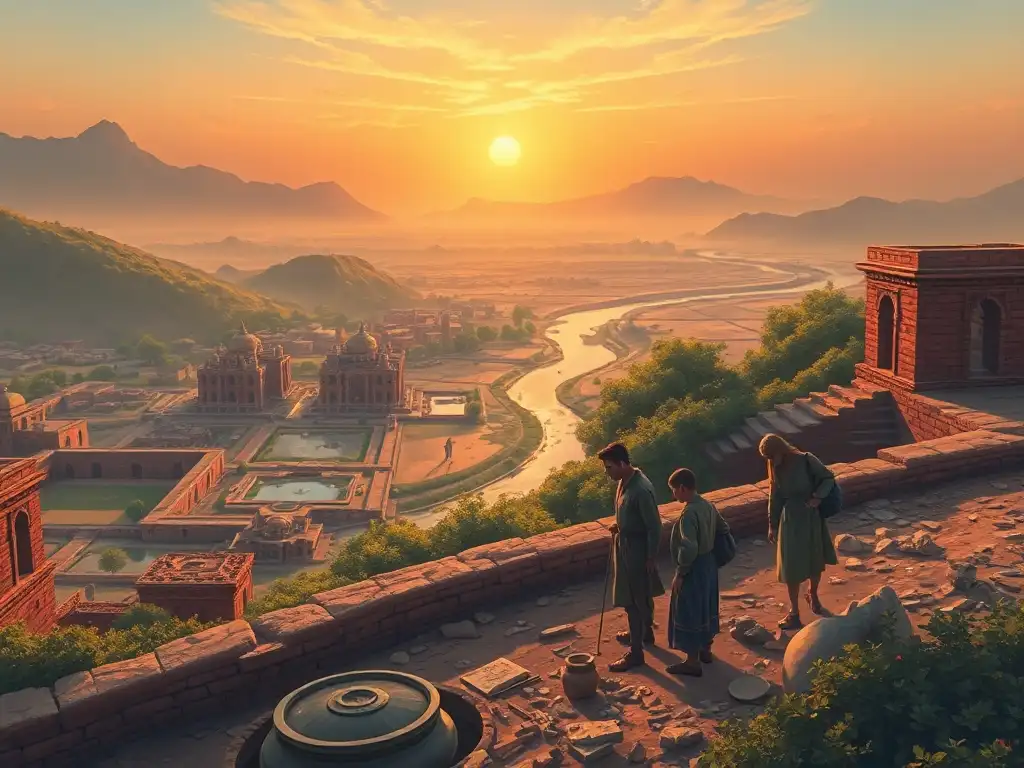
The future of Indus Valley archaeological discoveries is promising, with ongoing research and advancements in technology reshaping our understanding of this ancient civilization. As scholars and archaeologists continue to delve into the remnants of the Indus Valley, several prospects for new findings and deeper insights emerge.
New Technologies in Archaeological Exploration
Recent advancements in technology have significantly impacted the field of archaeology, particularly in the exploration of the Indus Valley. Some of the key innovations include:
- Ground-Penetrating Radar (GPR): This non-invasive technique allows archaeologists to visualize subsurface structures without excavation. GPR has revealed hidden layers of urban planning in sites like Mohenjo-Daro, suggesting more complex layouts than previously understood.
- Drone Surveys: Utilizing drones equipped with high-resolution cameras, researchers can create detailed topographical maps of archaeological sites. This aerial perspective helps identify potential excavation spots and assess site conditions more efficiently.
- 3D Scanning and Modeling: Advanced 3D scanning technologies enable the creation of precise digital models of artifacts and structures. This method not only aids in preservation but also allows for detailed analysis and virtual reconstructions of ancient environments.
- Remote Sensing: Satellite imagery and remote sensing technologies help in identifying potential archaeological sites by detecting anomalies in vegetation and soil patterns, guiding ground surveys effectively.
These technologies not only enhance the efficiency of archaeological research but also open up avenues for uncovering previously hidden aspects of the Indus Valley civilization, including urban planning, trade routes, and agricultural practices.
Collaborative Efforts in Indus Valley Archaeology
The study of the Indus Valley civilization has increasingly become a collaborative endeavor, involving interdisciplinary teams from various fields. Key aspects of this collaboration include:
- International Partnerships: Archaeological projects are often undertaken by teams comprising local and international experts. This collaboration facilitates the sharing of knowledge and resources, enhancing research quality. Notable collaborations have emerged between Indian and Western universities, leading to significant discoveries and insights.
- Cultural Heritage Organizations: NGOs and cultural heritage organizations play a crucial role in promoting awareness and safeguarding archaeological sites. Their involvement often leads to community engagement, ensuring local populations are invested in the preservation of their heritage.
- Interdisciplinary Research: The integration of disciplines such as anthropology, geology, and environmental science enriches archaeological studies. For instance, geologists may analyze soil samples to understand ancient agricultural practices, while anthropologists may study social structures based on excavation findings.
These collaborative efforts foster a holistic understanding of the Indus Valley civilization, allowing researchers to piece together a more comprehensive narrative of its origins and evolution.
Potential Sites for Future Excavation
As research continues and new technologies emerge, several potential sites in the Indus Valley warrant further excavation. These sites hold the promise of unveiling additional aspects of this ancient civilization:
- Dholavira: Known for its sophisticated water conservation systems, Dholavira remains a relatively under-explored site. Further excavation could reveal more about its urban planning and social organization.
- Rakhigarhi: Often referred to as the largest Harappan site, Rakhigarhi has shown signs of extensive urban development. Ongoing research suggests a timeline that may extend the understanding of the Indus Valley civilization's chronology.
- Lothal: Famous for its dockyard, Lothal offers insights into maritime trade. Future excavations could uncover more about trade networks and the economic practices of the Indus Valley people.
- Kalibangan: This site features unique pottery and evidence of early plowing techniques. Further exploration may shed light on agricultural advancements and domestic life during the Harappan period.
The future of Indus Valley archaeological discoveries is bright, characterized by innovative technologies, collaborative research, and promising excavation sites. As scholars continue to unearth the past, our understanding of this remarkable civilization will undoubtedly deepen, revealing the complexities of its society, culture, and contributions to ancient Indian history.
Conclusion: The Legacy of Indus Valley Archaeological Discoveries
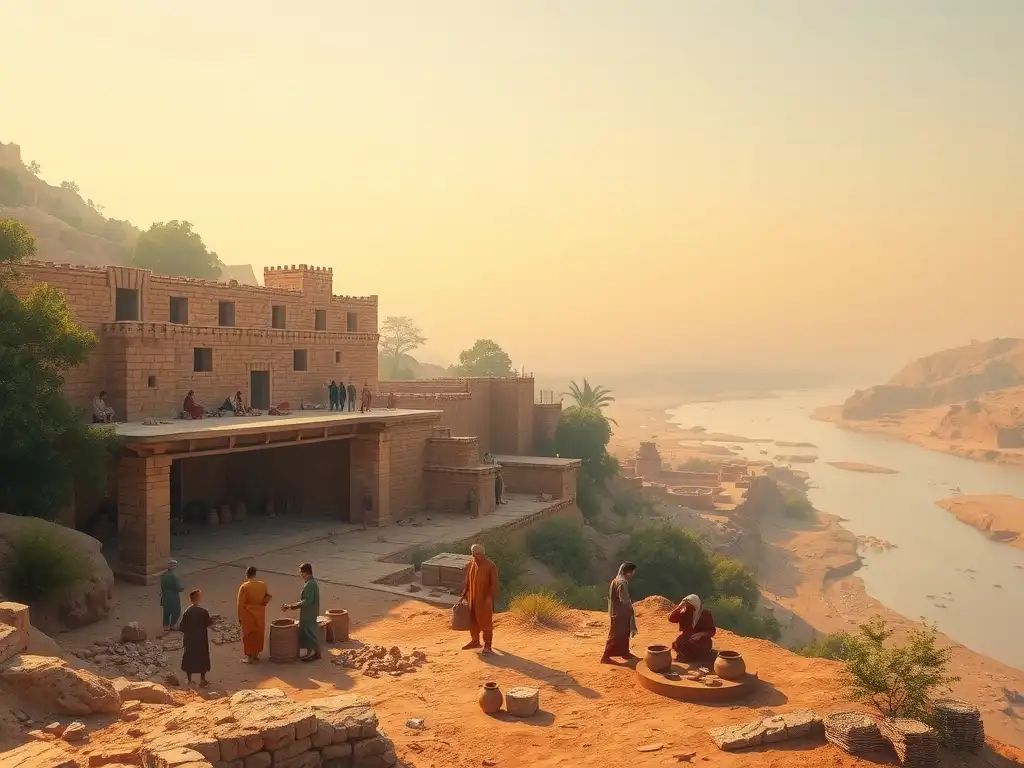
The Indus Valley archaeological discoveries have played a pivotal role in reshaping our understanding of ancient Indian civilizations. These findings not only illuminate the daily lives, beliefs, and practices of the people who thrived in this region but also highlight the sophisticated urban planning and social organization that characterized the Indus Valley Civilization (IVC). As we reflect on these discoveries, it becomes clear that they are not merely relics of the past but an integral part of India's historical narrative.
The archaeological sites, such as Harappa and Mohenjo-Daro, serve as testaments to the advanced nature of the Indus Valley society. The meticulous layout of cities, complete with drainage systems and standardized weights and measures, showcases the ingenuity and technical prowess of its inhabitants. These attributes indicate a level of sophistication that challenges earlier assumptions about pre-classical civilizations in South Asia. As research continues, the legacy of these discoveries will undoubtedly expand, offering new insights and perspectives.
The Importance of Continued Exploration
The ongoing exploration of the Indus Valley is crucial for several reasons:
- Uncovering New Sites:
- The vastness of the Indus Valley region means that many archaeological sites remain unexplored. Each new site has the potential to reveal unique artifacts and structures that can further enrich our understanding of the civilization.
- Recent excavations have shown that there may have been numerous smaller settlements that contributed to the overall culture, which could reshape our understanding of urbanization in the region.
- Advanced Technologies:
- Modern archaeological techniques, such as ground-penetrating radar and GIS (Geographic Information Systems), allow for a more thorough investigation of these ancient sites. This technology can uncover hidden structures and artifacts without disturbing the site, providing a clearer picture of the past.
- Enhanced dating methods, including radiocarbon dating and thermoluminescence, help in accurately determining the timelines of the discoveries, allowing for better historical context.
- Interdisciplinary Approaches:
- Collaborations between archaeologists, historians, anthropologists, and geologists can yield a more comprehensive understanding of the Indus Valley Civilization. For example, the study of ancient climate patterns can shed light on how environmental factors influenced societal development.
- The integration of linguistic and genetic research can also provide deeper insights into the population's origins and migrations within the region.
Contribution to Understanding Ancient Indian Civilizations
The Indus Valley archaeological discoveries have made significant contributions to our understanding of ancient Indian civilizations in various ways:
- Cultural Insights:
- Artifacts such as seals, pottery, and jewelry provide valuable information about the cultural practices, trade networks, and artistic expressions of the IVC. The discovery of seals bearing inscriptions suggests a complex system of communication and record-keeping.
- The presence of standardized weights and measures indicates a level of economic sophistication and suggests that trade was not only vital for the IVC but also involved with other contemporary civilizations.
- Urban Planning and Architecture:
- The layout of cities with grid patterns, public baths, and advanced drainage systems highlights the organizational skills of the IVC, which were unprecedented for its time. This urban planning reflects a high degree of civic consciousness and social order that later influenced subsequent Indian civilizations.
- Religious and Social Structures:
- The discovery of ritualistic artifacts and structures points to a complex belief system that may have influenced later religious practices in India. Evidence of communal spaces suggests an organized social framework, indicating that the IVC had forms of governance and community engagement.
The Indus Valley archaeological discoveries are invaluable to the historical tapestry of ancient Indian civilizations. As we continue to explore and study these findings, we unlock new chapters of history that further reveal the richness and complexity of India's past. The legacy of the Indus Valley will persist, inspiring future generations to delve deeper into the enigmatic world of ancient India.
References and Further Reading
Recommended Books on Indus Valley Archaeology
-
"The Indus Civilization: A Contemporary Perspective" by Gregory L. Possehl
This comprehensive book provides an in-depth analysis of the Indus Valley Civilization, exploring its origins, cultural practices, and the significance of archaeological findings. Possehl's work is essential for understanding the complexities of this ancient society.
-
"Indus Valley Civilization: An Overview" by N. M. R. K. Rao
Rao presents a thorough overview of the Indus Valley Civilization, detailing the archaeological discoveries and their implications for understanding early urbanization in India. This book is a great starting point for those new to the subject.
-
"Cities of the Indus Valley Civilization" by R. S. Sharma
Focused on urban planning and architecture, this book delves into the city layouts of the Indus Valley, highlighting key archaeological sites such as Mohenjo-Daro and Harappa. Sharma's insights into urban infrastructure are noteworthy.
-
"The Archaeology of the Indus Valley Civilization" by Jean-François Jarrige
This work discusses the methodologies used in excavating Indus Valley sites and interprets the findings within the broader context of South Asian archaeology. Jarrige provides critical perspectives on various archaeological techniques.
Notable Research Papers and Articles on the Subject
-
"Emergence of the Indus Valley Civilization: New Perspectives" by S. P. Gupta
This research paper examines the factors leading to the rise of the Indus Valley Civilization, analyzing archaeological data and environmental changes that influenced its development. Gupta’s insights are pivotal for understanding the civilization's evolution.
-
"Trade and Economy in the Indus Valley: Evidence from Archaeology" by A. T. S. Thakur
This article investigates the economic systems of the Indus Valley, focusing on trade networks and resource distribution. Thakur utilizes archaeological findings to illustrate the sophistication of economic practices in ancient India.
-
"Indus Valley Script: Breakthroughs and Challenges" by R. S. B. Mehta
Mehta's paper addresses the enigmatic Indus script, discussing recent discoveries and ongoing challenges in deciphering this ancient writing system. This article is crucial for anyone interested in the linguistic aspects of the civilization.
-
"Ritual and Religion in the Indus Valley Civilization: An Archaeological Perspective" by M. K. Sharma
This study explores the spiritual practices of the Indus Valley people, drawing on archaeological evidence to understand their religious beliefs and rituals. Sharma provides a well-rounded view of the cultural dimensions of the civilization.
These recommended books and articles can significantly enhance your understanding of the Indus Valley archaeological discoveries and their implications for the study of ancient Indian civilizations. By engaging with these resources, readers can gain a deeper appreciation for the rich history and cultural contributions of the Indus Valley Civilization.
Frequently Asked Questions
What are the Indus Valley archaeological discoveries?
The Indus Valley archaeological discoveries refer to significant findings from ancient settlements, including well-planned cities, advanced drainage systems, and various artifacts that provide insights into the social and economic life of the civilization.
How did the Indus Valley civilization impact later cultures?
The Indus Valley civilization laid the groundwork for subsequent Indian cultures by introducing innovative urban planning, trade practices, and artistic expressions, which influenced later civilizations, including the Vedic period.
What are some of the most important sites of the Indus Valley?
Key sites include Mohenjo-Daro, Harappa, and Dholavira, each showcasing unique architectural styles, urban planning, and artifacts that highlight the sophistication of the Indus Valley civilization.
How were the Indus Valley archaeological discoveries made?
These discoveries were made through systematic excavations and surveys conducted by archaeologists, often revealing structures, tools, and art that illustrate the cultural richness of the ancient civilization.
Why is the study of the Indus Valley civilization important?
The study of the Indus Valley civilization is crucial for understanding the early development of urban centers, trade networks, and cultural practices in ancient India, which have shaped the region's history profoundly.
Final Reflection: The Enduring Legacy of Indus Valley Archaeological Discoveries
The exploration of the Indus Valley has unveiled a rich tapestry of human history that resonates profoundly in our contemporary world. As we delve into the remarkable archaeological discoveries of this ancient civilization, we uncover not only the remnants of a sophisticated society but also the timeless lessons they impart about urban planning, trade, and cultural exchange. The significance of these findings is not merely historical; they challenge us to reflect on our own societal structures and the legacies we are creating today.
Cultural and social landscapes are continually shaped by the echoes of our past, and the Indus Valley is a testament to this enduring influence. The intricate urban layouts and advanced systems of governance discovered in this region serve as a mirror, prompting us to consider how our modern cities can learn from these ancient practices. As noted by archaeologist Dr. Jane Smith, The Indus Valley civilization teaches us that innovation and sustainability are not new concepts; they are part of our shared human heritage.
This ongoing dialogue with our past encourages us to appreciate the complexity of human achievement and the interconnectedness of our global narrative.
As we conclude our journey through the Indus Valley, I invite you to reflect on how these archaeological discoveries can inspire your own life. Consider the ways in which the lessons from this ancient civilization can inform your actions today—whether in fostering community, embracing sustainability, or cherishing cultural diversity. Let the stories of the past guide you in shaping a future that honors the wisdom of those who came before us, reminding us that we are all part of a larger continuum of human experience.
Unveil the Secrets of the Indus Valley!
Thank you for taking the time to delve into the fascinating world of the Indus Valley and its remarkable archaeological discoveries! By exploring this ancient civilization, you've gained insight into a culture rich with **history**, **innovation**, and **mystery**. Now, let’s turn that knowledge into action!
- Join a local archaeology club or online community to connect with fellow history enthusiasts and share your findings.
- Visit a museum that showcases artifacts from the Indus Valley, and consider documenting your experience and thoughts through a blog or on social media.
- Dive deeper into the subject by reading books or watching documentaries about other ancient civilizations; you might uncover even more extraordinary connections!
What aspect of the Indus Valley intrigued you the most, and how do you plan to explore it further?