
The Maurya Empire's Influence on Later Indian Dynasties: Key Figures

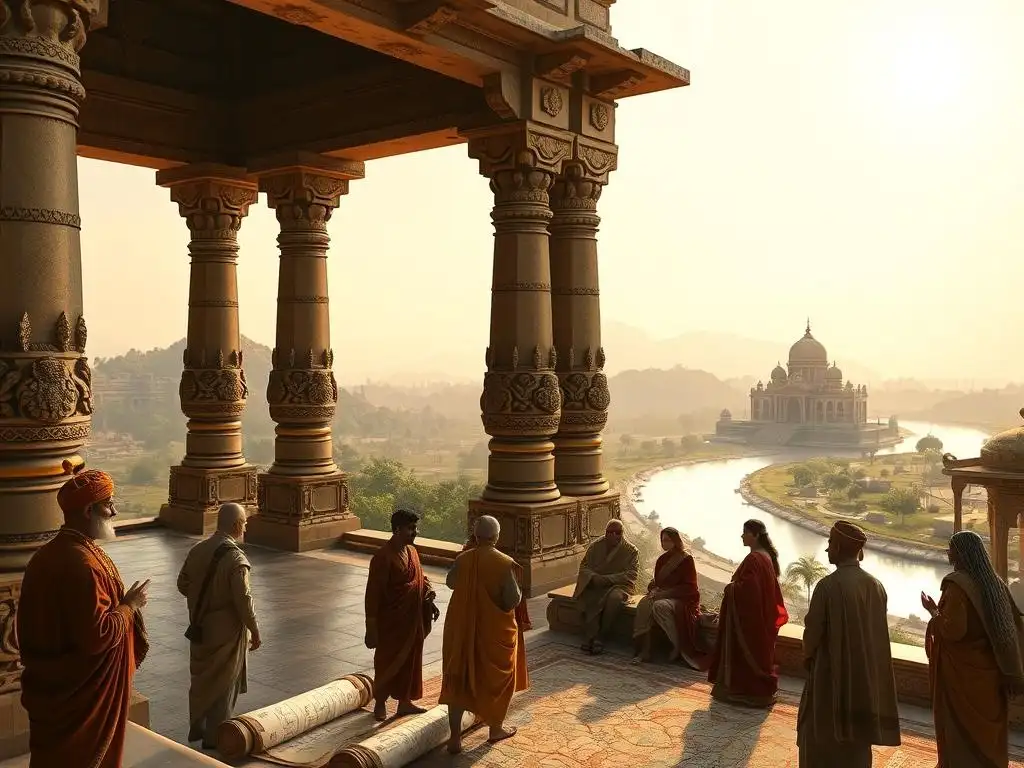
Welcome to Ancient India History, where we embark on a captivating journey through the rich tapestry of ancient Indian civilizations. In this exploration, we delve into the profound influence of the Maurya Empire on later Indian dynasties, unraveling the intricate connections between key figures and their lasting legacies. Are you ready to discover how the echoes of this powerful empire shaped the course of Indian history? Join us as we uncover the remarkable stories that define this extraordinary era, and ignite your curiosity about the monumental contributions of ancient India.
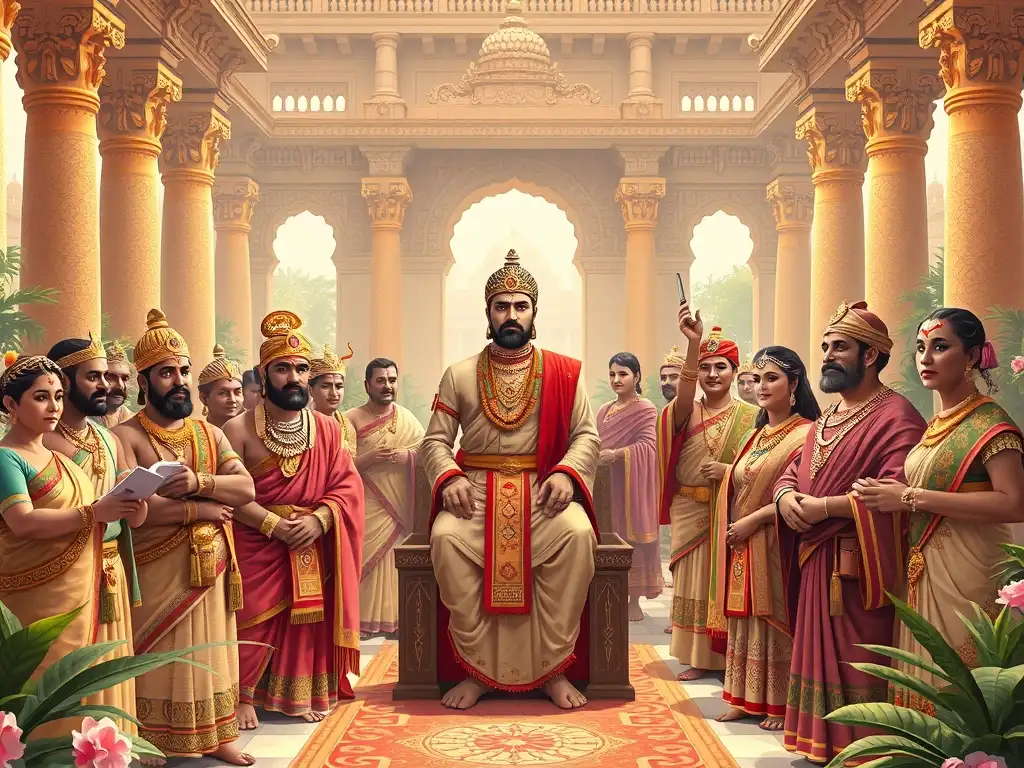
Introduction to the Maurya Empire Influence on India
The Maurya Empire, which flourished from 322 to 185 BCE, stands as one of the most significant empires in the history of ancient India. Its vast expanse and profound governance not only transformed the Indian subcontinent during its time but also laid the groundwork for future dynasties.
Understanding the Maurya Empire's influence on India involves a deep dive into its key figures, whose policies, philosophies, and practices shaped the socio-political landscape of subsequent Indian civilizations. This article will explore how the Mauryan legacy permeated later dynasties, examining the pivotal roles played by leaders like Chandragupta Maurya and Ashoka the Great, among others.
Overview of the Maurya Empire’s Historical Context
The Maurya Empire emerged in the wake of the fragmented political landscape following the decline of the Nanda Dynasty. Under the leadership of Chandragupta Maurya, the empire rapidly expanded through a series of conquests and strategic alliances. The empire reached its zenith under Ashoka, known for his embrace of Buddhism and the promotion of a moral and ethical governance model.
Key elements of the historical context include:
- Geopolitical Environment: The Maurya Empire unified a vast expanse of northern India, bringing together various tribes and cultures.
- Economic Foundations: The empire benefited from trade routes and agricultural wealth, which facilitated its growth and stability.
- Cultural Exchanges: The period saw significant interactions with neighboring cultures, which influenced Mauryan art, architecture, and philosophy.
Significance of the Maurya Empire in Indian History
The Maurya Empire is significant for several reasons:
- Centralized Administration: It established one of the first centralized governments in India, setting standards for bureaucracy and statecraft.
- Cultural Integration: The empire promoted a blend of local customs and the emerging Buddhist philosophy, shaping the cultural fabric of India.
- Legal Reforms: Ashoka’s edicts exemplified an early form of human rights, emphasizing moral governance and social welfare.
The enduring influence of the Maurya Empire is evident in the administrative practices, cultural norms, and religious ideologies that permeated later Indian dynasties.
Key Figures of the Maurya Empire
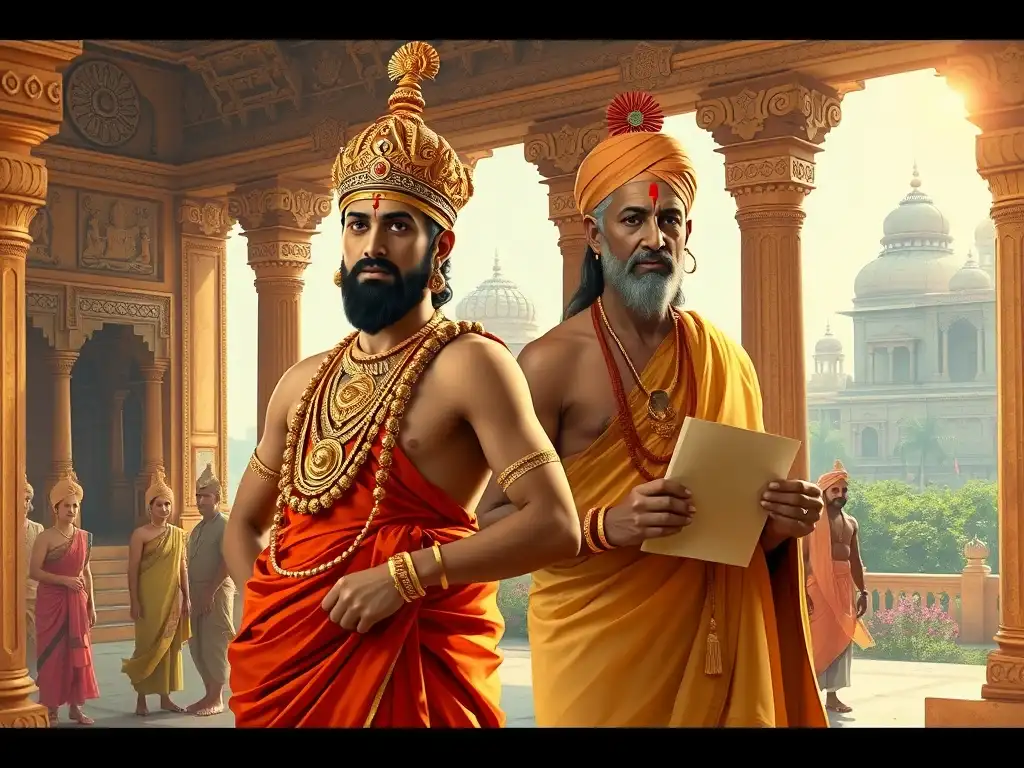
Chandragupta Maurya: The Founding Visionary
Chandragupta Maurya, the founder of the Maurya Empire, is often celebrated for his strategic prowess and vision. He unified the Indian subcontinent, creating a powerful empire that would endure for centuries.
- Military Strategies: Chandragupta employed innovative military tactics and alliances to defeat the Nanda Dynasty and other rival states.
- Administrative Reforms: He laid down the foundation for an efficient bureaucratic system that would be refined by his successors.
- Philosophical Influences: His association with Chanakya, a renowned scholar, provided him with the intellectual framework to govern effectively.
Ashoka the Great: A Legacy of Dharma and Governance
Ashoka, the grandson of Chandragupta, is perhaps the most famous Mauryan ruler, known for his significant contributions to governance and Buddhism.
- Dharma Policy: Ashoka’s commitment to Dharma, or righteous living, transformed the empire into a model of ethical governance.
- Buddhist Patronage: His promotion of Buddhism facilitated its spread across Asia, influencing countless cultures and societies.
- Public Welfare Initiatives: Ashoka implemented numerous welfare programs, including the construction of hospitals and the establishment of edicts promoting social justice.
Other Notable Leaders and Their Contributions
In addition to Chandragupta and Ashoka, several other figures played crucial roles in shaping the Maurya Empire:
- Bindusara: Chandragupta’s son, who further expanded the empire and maintained stability during his reign.
- Sujata: A lesser-known yet impactful figure who contributed to the social reforms during the Mauryan period.
Each of these leaders contributed to the empire's legacy, leaving an indelible mark on the political, cultural, and spiritual landscape of India that would influence future dynasties.
The Maurya Empire's Political Influence on Subsequent Dynasties
The Maurya Empire, one of the most significant empires in ancient India, established a foundation for political governance that would resonate throughout Indian history. Its influence on subsequent dynasties can be observed in various aspects of governance, administrative practices, and diplomatic strategies. The principles and methodologies developed during the Maurya period set the stage for the functioning of later empires, demonstrating a continuity of governance that shaped the political landscape of the subcontinent.
The centralization of power under the Maurya Empire, particularly during the reign of Chandragupta Maurya and his grandson Ashoka, introduced a model of governance that emphasized a strong, centralized authority. This approach was adopted by later dynasties such as the Gupta Empire, which mirrored the Mauryan administrative framework. The Mauryan influence can also be seen in how future kingdoms engaged with regional powers and maintained order through a system of effective bureaucracies that ensured efficient tax collection and law enforcement.
Administrative Innovations and Their Impact
The Maurya Empire was renowned for its sophisticated administrative innovations, which laid the groundwork for future dynasties. The introduction of a well-structured bureaucracy, with a clear hierarchy and defined roles, allowed for effective governance over a vast territory. The Maurya administration included various departments, including tax collection, public works, and law enforcement, which ensured that the empire ran smoothly.
These innovations had a profound impact on later Indian dynasties. For instance, the Gupta Empire adopted similar administrative strategies, including the use of provincial governors (known as "Uparikas") to maintain local governance while ensuring loyalty to the central authority. The Mauryan emphasis on efficient communication networks, such as well-maintained roads and messengers, was also pivotal in the governance of subsequent kingdoms, facilitating trade and the swift movement of information.
Furthermore, the Mauryan approach to law and order, encapsulated in the edicts of Ashoka, advocated for justice and ethical governance. This emphasis on Dharma influenced later rulers, who incorporated moral principles into their administrative policies, shaping the ethical framework of Indian governance for centuries to come.
The Role of Mauryan Diplomacy in Shaping Future Kingdoms
Diplomacy was a cornerstone of the Maurya Empire's strategy in maintaining its vast territories and fostering relationships with neighboring states. The Mauryan rulers, particularly Ashoka, were known for their diplomatic engagements, which included sending envoys to other regions and establishing treaties that helped maintain peace and stability.
The diplomatic legacy of the Maurya Empire set a precedent for future Indian dynasties. The Gupta Empire, for instance, engaged in similar practices by forming alliances through marriage and treaties, which expanded their influence without resorting to warfare. The Mauryan practice of diplomatic communication, which emphasized respect and mutual benefit, became a model for later kingdoms, allowing them to navigate complex political landscapes effectively.
Moreover, the Mauryan emphasis on non-violence and peace, particularly during Ashoka's reign, influenced diplomatic relations. This approach encouraged a culture of dialogue and negotiation, which played a crucial role in shaping the foreign policies of subsequent Indian empires.
Cultural and Religious Influence of the Maurya Empire
The cultural and religious influences of the Maurya Empire had a lasting impact on Indian civilization, fostering a rich tapestry of art, philosophy, and spiritual thought. The empire's patronage of various religions, particularly Buddhism, and its contributions to art and architecture, left an indelible mark on later generations.
Spread of Buddhism and Its Lasting Effects
The Maurya Empire is perhaps best known for its role in the propagation of Buddhism, especially during the reign of Emperor Ashoka. After embracing Buddhism following the Kalinga War, Ashoka dedicated himself to spreading its teachings both within India and beyond. He established stupas, monasteries, and edicts that encapsulated Buddhist values, emphasizing non-violence, compassion, and moral conduct.
The influence of Buddhism during the Maurya period extended far beyond its immediate geographical boundaries. Ashoka's missionaries traveled to regions such as Sri Lanka and Central Asia, facilitating the spread of Buddhist philosophy and practices. This expansion not only influenced local cultures but also established a framework for future religious interactions within India.
Subsequent dynasties, such as the Kushan Empire, built upon the foundations laid by the Mauryas, furthering the spread of Buddhism across Asia. The legacy of Ashoka's support for Buddhism can still be seen today, as the religion continues to play a significant role in the spiritual and cultural life of many communities.
Contributions to Art and Architecture During the Maurya Period
The Maurya Empire was a prolific period for the development of art and architecture, characterized by monumental structures and intricate sculptures that reflected the empire's grandeur. Notable contributions include the construction of the Ashoka Pillars, which are famous for their intricate carvings and inscriptions that convey moral and ethical teachings.
The artistic achievements of the Maurya period influenced later dynasties in several ways. The architectural style established during this time served as a model for subsequent empires, such as the Sunga and Gupta dynasties, which further developed and refined these artistic expressions. The use of stone as a primary material in sculpture and architecture became a hallmark of Indian art, with the Mauryan era setting the standard for craftsmanship.
Additionally, the themes of Mauryan art often depicted religious motifs, particularly those associated with Buddhism, which resonated with later artistic traditions. The fusion of local styles with Mauryan influences resulted in a diverse artistic heritage that continued to evolve throughout India's history, enriching the cultural landscape of the subcontinent.
The Maurya Empire's Economic Policies and Their Legacy

The Maurya Empire, one of the most significant empires in ancient India, established a robust economic framework that laid the groundwork for future dynasties. Under the leadership of Chandragupta Maurya and his grandson Ashoka, the empire implemented policies that encouraged trade, agriculture, and taxation. The Mauryan economic policies focused on maximizing revenue while ensuring the welfare of citizens, a dual approach that would influence subsequent rulers.
One of the hallmarks of Mauryan economic policy was state control over key industries, such as mining and textiles. This control not only ensured quality but also enhanced state revenues. The establishment of a regulated marketplace and the promotion of agriculture through irrigation projects further stimulated economic growth. As a result, the Maurya Empire became a vital player in regional trade, fostering connections with neighboring civilizations.
The legacy of these economic policies is evident in later Indian dynasties, which adopted and adapted Mauryan practices. The emphasis on state involvement in the economy and a structured taxation system remained central themes in the governance of subsequent empires, highlighting the lasting impact of the Maurya Empire on India's economic landscape.
Trade Routes Established by the Maurya Empire
The Maurya Empire was instrumental in establishing extensive trade routes that connected various regions of India and beyond. The empire facilitated both overland and maritime trade, which played a crucial role in the economic prosperity of the time. The famous Silk Road, which traversed through northern India, became a significant artery for trade between India, Central Asia, and the Mediterranean.
The Mauryan period saw the development of well-maintained roads and highways, such as the Grand Trunk Road, which linked major cities and trade hubs. These routes were not only vital for commercial exchanges but also for the movement of troops and the dissemination of culture and ideas. The Maurya Empire's commitment to infrastructure development ensured that trade flourished, leading to increased wealth and cultural exchange.
Additionally, the Mauryans established trade relationships with foreign nations, including the Greeks and Persians, enhancing India's global economic standing. This integration into the world economy laid the foundation for later dynasties to build upon, as trade routes remained crucial for economic and cultural interactions in the Indian subcontinent.
Economic Systems Influenced by Mauryan Practices
The economic systems of later Indian dynasties were significantly influenced by the practices established during the Maurya Empire. The Mauryan approach to taxation, which was comprehensive and systematic, set a precedent for future rulers. The state utilized a mixture of taxes on agriculture, trade, and crafts, which ensured a steady flow of revenue while also promoting economic activity.
One of the key innovations of the Mauryan economic system was the establishment of agrarian policies that promoted agricultural productivity. The implementation of land revenue systems provided incentives for farmers to increase production, a practice that would be mirrored by subsequent dynasties such as the Guptas. The Mauryan emphasis on agriculture as the backbone of the economy influenced the agrarian policies of later empires, which relied heavily on agricultural surplus for trade and taxation.
Furthermore, the Maurya Empire’s bureaucratic structure, which included officials responsible for various economic activities, inspired later dynasties to adopt similar administrative practices. This legacy of structured governance in economic matters contributed to the stability and prosperity of later Indian empires.
Comparing the Maurya Empire with Later Indian Dynasties
The Maurya Empire set a high standard for governance, culture, and economy that subsequent Indian dynasties aspired to emulate or modify. By comparing the Maurya Empire with later dynasties, we can better understand the enduring influences that shaped the trajectory of Indian history.
The Gupta Empire: Continuation or Divergence?
The Gupta Empire, often referred to as a golden age of India, exhibited both continuities and divergences from Mauryan practices. Economically, the Guptas built upon the trade routes and agricultural practices established by the Mauryas, ensuring continued prosperity through robust trade networks and a flourishing agrarian economy. Like the Mauryas, the Gupta rulers emphasized the importance of cultural patronage, leading to advancements in art, science, and philosophy.
However, the Gupta period also saw a shift in governance, with a greater emphasis on regional autonomy compared to the centralized authority of the Maurya Empire. While the Mauryas implemented direct control over vast territories, the Guptas relied more on local rulers, which led to a more decentralized political structure. This divergence allowed for regional identities to flourish, although it also posed challenges in maintaining unity across the empire.
Regional Dynasties: Influences of Mauryan Governance and Culture
Numerous regional dynasties that emerged after the decline of the Maurya Empire were profoundly influenced by its governance and cultural practices. The Satavahanas, for instance, adopted many aspects of Mauryan administration, including revenue systems and trade policies, which helped them to establish a stable rule in the Deccan region.
Additionally, the cultural legacy of the Maurya Empire, particularly the promotion of Buddhism under Ashoka, had a lasting impact on regional dynasties. The spread of Buddhist principles and art forms can be traced back to Mauryan patronage, influencing regional cultures and religious practices across India. This cultural continuity is evident in the artistic styles and architectural innovations that flourished in subsequent dynasties, showcasing the profound influence of the Maurya Empire on the cultural fabric of India.
The Maurya Empire's economic policies, trade networks, and governance structures left a significant imprint on later Indian dynasties, shaping their development and leaving a legacy that continues to resonate in modern India.
Conclusion: The Enduring Influence of the Maurya Empire on India
The Maurya Empire, which flourished from 321 to 185 BCE, stands as a pivotal chapter in the annals of Indian history. Its profound influence on subsequent Indian dynasties is evident in various aspects, from governance to culture, and philosophy. The legacy of the Mauryan Empire is not merely a historical footnote; it is a foundational element that shaped the very fabric of Indian civilization and continues to resonate through modern times.
Summary of Key Contributions and Legacy
The Maurya Empire's contributions can be categorized into several key areas:
- Political Structure: The Mauryas established a centralized administration that served as a model for future empires. Their governance system emphasized efficiency and integration, which later dynasties, such as the Gupta Empire, would adapt to maintain control over vast territories.
- Economic Policies: The Mauryan era marked significant advancements in trade and agriculture. The development of trade routes and the introduction of standardized weights and measures facilitated commerce, laying the groundwork for a prosperous economy that later dynasties would build upon.
- Cultural Integration: The Maurya Empire was notable for its religious and cultural pluralism, particularly under Ashoka. His promotion of Buddhism and respect for various faiths fostered a climate of tolerance that influenced the socio-religious dynamics of later Indian states.
- Art and Architecture: The artistic innovations during the Maurya period, including the construction of stupas and pillars, set aesthetic standards that influenced subsequent architectural developments throughout India.
- Legal and Ethical Frameworks: The edicts of Ashoka, inscribed on pillars and rocks, reflect a commitment to justice and moral governance. These principles would continue to inspire rulers and lawmakers in later dynasties.
The Maurya Empire's legacy is a tapestry of political acumen, economic foresight, cultural richness, and ethical governance, which collectively shaped the historical trajectory of India.
Reflection on the Importance of Understanding Mauryan Influence in Indian History
Understanding the Maurya Empire's influence is crucial for comprehending the evolution of Indian civilization. The Mauryan period was a transformative era that not only unified a diverse subcontinent but also established precedents that resonated through subsequent dynasties.
- Historical Context: By analyzing the Maurya Empire's strategies and philosophies, historians gain insights into the complexities of governance and societal organization in ancient India. This understanding helps contextualize the developments that followed, such as the rise of regional powers and the emergence of new religious movements.
- Cultural Continuity: The cultural and philosophical currents initiated during the Mauryan era persisted long after its decline. The emphasis on ethical governance, religious tolerance, and cultural pluralism remains relevant in contemporary discussions about Indian identity and values.
- Lessons for Modern Governance: The Mauryan model offers valuable lessons for contemporary governance, particularly in terms of administrative efficiency and the importance of moral leadership. By studying this period, modern leaders can glean insights into the effectiveness of inclusive policies and the significance of ethical considerations in statecraft.
The Maurya Empire's influence on India is profound and multifaceted. Its contributions to political governance, economic development, cultural integration, and ethical frameworks have left an indelible mark on the historical landscape of India, making it imperative for scholars and enthusiasts alike to delve deeper into this remarkable era. Understanding the Mauryan legacy enriches our appreciation of India's historical narrative and underscores the empire's relevance in shaping future generations.
- Introduction to the Maurya Empire Influence on India
- Overview of the Maurya Empire’s Historical Context
- Significance of the Maurya Empire in Indian History
- Key Figures of the Maurya Empire
- The Maurya Empire's Political Influence on Subsequent Dynasties
- Cultural and Religious Influence of the Maurya Empire
- The Maurya Empire's Economic Policies and Their Legacy
- Comparing the Maurya Empire with Later Indian Dynasties
- Conclusion: The Enduring Influence of the Maurya Empire on India
- What was the Maurya Empire known for?
- How did the Maurya Empire contribute to trade in ancient India?
- Who were the key figures in the Maurya Empire that impacted Indian history?
- What was the cultural influence of the Maurya Empire on later dynasties?
- How did the Maurya Empire influence the political landscape of India?
Frequently Asked Questions
What was the Maurya Empire known for?
The Maurya Empire was renowned for its political unification of the Indian subcontinent and the promotion of Buddhism under Emperor Ashoka, which significantly influenced later Indian cultures.
How did the Maurya Empire contribute to trade in ancient India?
The Maurya Empire established a vast network of trade routes that facilitated economic growth and cultural exchange, connecting India with Persia and Southeast Asia.
Who were the key figures in the Maurya Empire that impacted Indian history?
Significant figures include Chandragupta Maurya, the founder, and Ashoka, known for his efforts in spreading Buddhism and implementing moral governance.
What was the cultural influence of the Maurya Empire on later dynasties?
The Maurya Empire laid the foundation for art, architecture, and administrative practices that shaped subsequent Indian dynasties, particularly during the Gupta period.
How did the Maurya Empire influence the political landscape of India?
The centralized governance model established by the Maurya Empire set a precedent for future Indian states, emphasizing law, order, and administration that influenced later rulers.
Final Reflection: The Enduring Legacy of the Maurya Empire on India
The influence of the Maurya Empire on later Indian dynasties is not just a historical footnote; it is a profound testament to the power of governance, culture, and philosophy that continues to shape India today. The principles of administration, economic prosperity, and social cohesion established during the Maurya period laid the groundwork for future empires, demonstrating how foundational ideas can resonate through centuries. In a world where the echoes of the past often guide the present, the Maurya Empire stands as a beacon of effective leadership and cultural richness.
The impact of the Maurya Empire extends far beyond its temporal boundaries, influencing the cultural and social landscape of India in ways that are still felt today. From the promotion of Buddhism to the establishment of a centralized government, the Mauryan legacy has woven itself into the very fabric of Indian identity. As we reflect on this historical influence, we are reminded of the words of the great philosopher Ashoka: Conquest is not by arms but by the power of righteousness.
This sentiment encapsulates the enduring values that emerged from the Maurya Empire, which continue to inspire leaders and citizens alike in their pursuit of justice and harmony.
As we look to the future, let us take a moment to reflect on how the lessons from the Maurya Empire can be applied in our own lives. Consider how the principles of unity, ethical governance, and cultural appreciation can guide our actions today. Each of us has the power to contribute to a legacy of our own, one that honors the past while forging a path toward a more inclusive and enlightened future. Embrace the teachings of history, and let them inspire you to make a meaningful impact in your community and beyond.
Unveil the Legacy of the Maurya Empire Today!
Thank you for diving into the fascinating world of the Maurya Empire and its profound influence on later Indian dynasties. Your interest in history not only enhances your knowledge but also enriches our understanding of cultural evolution. Now, it’s time to take action and deepen your connection to this incredible legacy!
Here’s how you can explore further and make a difference:
- Dive deeper: Read our in-depth article about the major figures of the Maurya Empire and their impact on India’s political landscape.
- Share your insights: Post about your favorite Mauryan leader on social media and spark a conversation—tag us to join the discussion!
- Connect with enthusiasts: Join our online community on historical forums or groups to exchange ideas and insights about this remarkable era.
What aspect of the Maurya Empire fascinates you the most, and how do you think it has shaped present-day India? We’d love to hear your thoughts!