
The Maurya Empire's Political Tactics: Persuasion, Coercion, and Diplomacy


Welcome to Ancient India History, where we embark on a fascinating journey through the rich tapestry of ancient Indian civilizations. Have you ever wondered how the Maurya Empire's political strategies shaped the course of history? In our featured article, "The Maurya Empire's Political Tactics: Persuasion, Coercion, and Diplomacy," we unravel the intricate methods employed by one of India’s most formidable empires.
From the art of persuasion to the complexities of diplomacy, discover how these tactics not only influenced their empire but also left a lasting legacy in the annals of history. Dive in to explore the depths of ancient wisdom and the remarkable stories that await you!
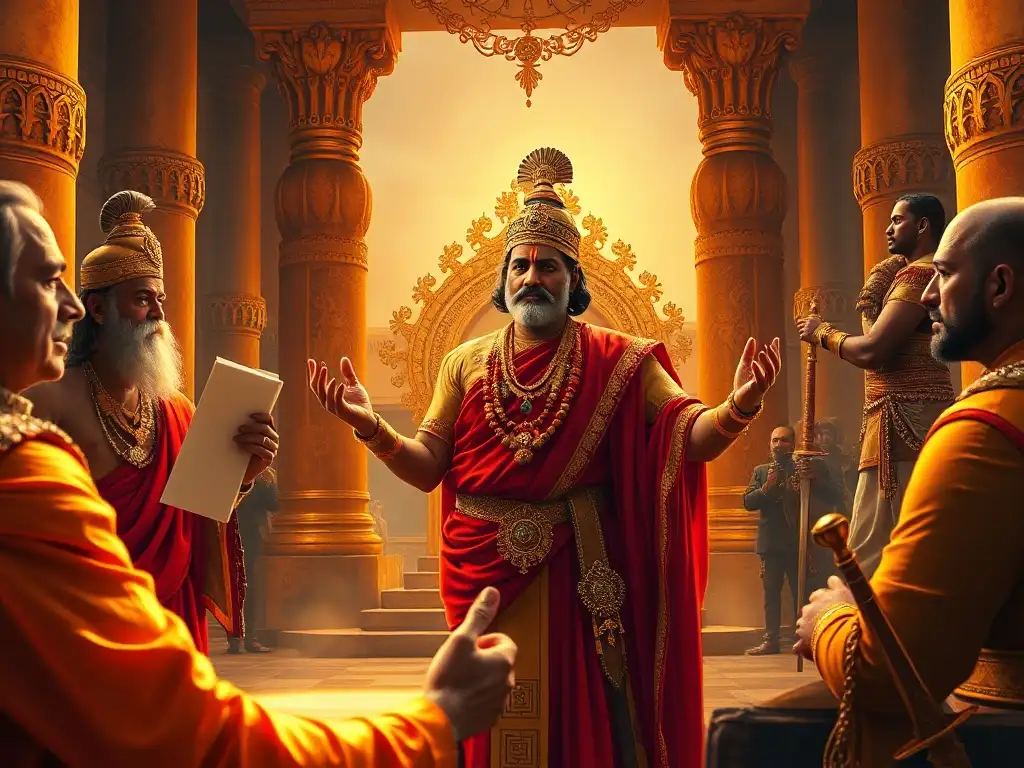
Introduction to the Maurya Empire Political Strategies
The Maurya Empire, one of the most significant ancient Indian civilizations, showcases a remarkable tapestry of political strategies that shaped its expansive rule from 322 to 185 BCE. Renowned for its sophisticated governance and administrative capabilities, the Maurya Empire utilized a blend of persuasion, coercion, and diplomacy to maintain its authority and influence over a vast territory.
Understanding the political strategies of the Maurya Empire is crucial for comprehending not only its rise to power but also the intricate dynamics of ancient Indian politics. The empire's methods reflect an early understanding of the importance of statecraft, which laid the groundwork for future Indian political thought.
Overview of the Maurya Empire
The Maurya Empire was established by Chandragupta Maurya, who unified northern India and expanded the empire through strategic conquests and alliances. Under the leadership of his grandson, Ashoka the Great, the empire reached its zenith, encompassing most of the Indian subcontinent. The Mauryan administration was marked by innovative governance structures, including a centralized bureaucracy that facilitated effective control over diverse populations. The empire's capital, Pataliputra, became a hub of political and cultural activity, showcasing the Maurya’s achievements in art, architecture, and trade.
Importance of Political Tactics in Ancient India
The political landscape of ancient India was characterized by regional kingdoms and diverse cultures. In this context, the Maurya Empire's political tactics played a pivotal role in establishing and maintaining its dominance. The ability to navigate complex relationships with local rulers, tribes, and foreign entities was essential for the empire's stability. Political strategies such as persuasion helped in forging alliances, while coercion was sometimes necessary to quell dissent or opposition. Furthermore, diplomacy allowed the empire to engage in trade and cultural exchange, enhancing its influence and resources.
The Role of Persuasion in Maurya Empire Political Strategies

Key Figures in Persuasion Tactics
The Maurya Empire saw influential leaders who excelled in persuasion, most notably Ashoka and Chanakya (Kautilya). Ashoka, after his conversion to Buddhism, employed peaceful persuasion to promote dharma and moral governance, aiming to unify his subjects under ethical principles. Chanakya, on the other hand, was a master strategist and political philosopher whose ideas in the Arthashastra emphasized the power of rhetoric and diplomacy in governance.
Methods of Persuasion Used by Mauryan Leaders
Mauryan leaders adopted various methods of persuasion, including:
- Public Declarations: Ashoka’s edicts, inscribed on pillars and rocks, communicated his policies and ethical guidelines to the populace.
- Cultural Integration: The promotion of Buddhism helped in creating a common spiritual identity, fostering loyalty among diverse groups.
- Diplomatic Marriages: Strategic marriages with local rulers facilitated alliances and reduced the likelihood of conflict.
Case Studies of Successful Persuasion in the Maurya Empire
Several instances highlight the effectiveness of persuasion within the Maurya Empire:
- Ashoka’s Edicts: The dissemination of Ashoka's edicts across his empire not only served administrative purposes but also functioned as a means to persuade subjects towards non-violence and moral living.
- Integration of Local Rulers: Through diplomatic engagement and persuasion, Ashoka successfully integrated various regional powers, ensuring their loyalty and cooperation without the need for military intervention.
These tactics illustrate the Maurya Empire's adeptness at using persuasion as a fundamental aspect of its political strategies, enriching its legacy in ancient Indian history.
Coercion as a Political Strategy in the Maurya Empire
Coercion was a fundamental aspect of the political strategies employed by the Maurya Empire, which spanned from approximately 322 to 185 BCE. This approach involved the use of force or threats to achieve political objectives and maintain control over a vast and diverse territory. The Mauryan rulers understood that coercion could effectively instill fear, enforce compliance, and consolidate power, particularly in a region marked by various ethnicities, cultures, and political entities.
Definition and Context of Coercion
Coercion in the context of the Maurya Empire refers to the use of force or intimidation to compel obedience from subjects and rival states. This tactic was often integral to the state's governance and was legitimized through the assertion of authority by the emperor, who was seen as a divine ruler. The Mauryan strategy rested on the dual foundation of military strength and the psychological manipulation of both subjects and adversaries. The strategic employment of coercion was particularly crucial during the formative years of the empire when unifying disparate regions and populations under a single administrative framework was essential.
Historical Examples of Coercive Tactics
One of the most notable instances of coercive tactics was during the reign of Chandragupta Maurya, who, with the help of his advisor Chanakya, used military force to overthrow the Nanda Dynasty. This act of aggression exemplified the use of military might as a means to establish authority.
Another significant example occurred during the reign of Ashoka, particularly after his conquests in Kalinga. The brutal campaign against Kalinga, which resulted in immense loss of life, served not only to expand the empire’s territory but also to instill a sense of fear among other states. Following this, Ashoka’s subsequent embrace of Buddhism and non-violence can be seen as a strategic shift to consolidate power through moral authority rather than continued coercion, showcasing a complex interplay between coercive tactics and governance.
Impact of Coercion on Governance and Control
The impact of coercion on governance within the Maurya Empire was profound. While it allowed for rapid territorial expansion and consolidation of power, it also bred resentment among subjected populations. The heavy-handed policies often resulted in uprisings and revolts, which the Mauryan rulers had to continuously address. Additionally, the reliance on coercive measures necessitated a robust military and administrative framework to maintain order, diverting resources and attention from more constructive governance strategies. Ultimately, while coercion was effective in the short term, it posed challenges to long-term stability and loyalty within the empire.
Diplomacy in the Maurya Empire's Political Landscape
In contrast to coercion, diplomacy played a vital role in the political landscape of the Maurya Empire. It involved negotiations, alliances, and the establishment of relations that promoted internal stability and external peace. The Mauryan rulers recognized the importance of diplomatic strategies in managing their vast empire and navigating the complex geopolitical environment of ancient India.
Diplomatic Relationships with Neighboring States
The Maurya Empire maintained diplomatic relationships with various neighboring states, which were crucial for its stability and expansion. For instance, Ashoka engaged in diplomatic efforts with the Hellenistic kingdoms following his conversion to Buddhism. He sent envoys to regions like Syria and Egypt to foster peaceful relations and promote Buddhist principles, demonstrating the empire's commitment to diplomacy over conflict in certain contexts.
Moreover, alliances were often forged through marriage and treaties, enabling the Mauryan rulers to secure loyalty and avoid military confrontations. These diplomatic ties were essential for maintaining trade routes and ensuring the flow of resources, crucial for the empire's economic health.
Strategies for Successful Diplomacy
The Maurya Empire's diplomatic strategies were characterized by a blend of pragmatism and cultural understanding. Successful diplomacy involved recognizing the strengths and weaknesses of neighboring states and crafting tailored approaches.
- Marriage Alliances: Marrying off royal family members to foreign rulers was a common strategy used to solidify alliances and deter hostility.
- Cultural Exchange: Promoting cultural and religious exchanges fostered goodwill and mutual respect among diverse populations.
- Economic Incentives: Offering trade benefits to neighboring states helped to create interdependencies that discouraged conflict.
These strategies enabled the Mauryan Empire to sustain its influence and secure its borders while allowing for peaceful coexistence with other states.
The Role of Diplomats and Envoys in the Maurya Empire
Diplomats and envoys played a crucial role in executing the Maurya Empire's diplomatic strategies. They served as the primary means of communication between states, negotiating treaties, and facilitating trade agreements. The training of diplomats was essential, as they needed to be well-versed in the cultural and political nuances of the regions they engaged with.
Envoys were often selected from the educated elite, skilled in languages and customs, enabling them to navigate complex diplomatic environments effectively. Their work not only involved negotiations but also gathering intelligence about rival states, which informed the Mauryan rulers' decisions regarding alliances and military strategies.
The Maurya Empire’s approach to political tactics encompassed a dual strategy of coercion and diplomacy, each serving distinct yet complementary roles in the empire's governance and stability.
Comparative Analysis of Political Strategies

The political strategies employed by the Maurya Empire, particularly under the reign of Chandragupta Maurya and his grandson Ashoka, were multifaceted and deeply nuanced. The Empire utilized a blend of persuasion, coercion, and diplomacy to maintain control and foster stability across its vast territories. This comparative analysis delves into how these strategies interacted and complemented one another, ultimately shaping the political landscape of ancient India.
The use of persuasion often involved appealing to the values and beliefs of various regional populations, fostering loyalty through cultural integration and the promotion of common ideologies. Coercion, on the other hand, was often implemented through military might and the threat of violence, particularly against rebellious states or factions. Diplomacy played a crucial role in managing relationships with neighboring kingdoms, often involving treaties, marriages, and alliances to secure peace and mutual benefit.
This interplay of strategies created a dynamic political environment where the Maurya Empire could adapt to changing circumstances and maintain authority over diverse groups. The ability to switch between these tactics as needed was critical in a landscape characterized by both internal dissent and external threats.
Comparison of Persuasion, Coercion, and Diplomacy
- Persuasion:
- Involved cultural and religious integration, utilizing shared beliefs to foster loyalty.
- Ashoka's promotion of Buddhism is a prime example, where he sought to unify his subjects through the principles of non-violence and dharma.
- Often less immediate in its effects, requiring time to cultivate trust and allegiance.
- Coercion:
- Employed military force as a means to suppress dissent and enforce authority.
- Key during the expansion of the Empire and in quelling revolts, as seen during Chandragupta's campaigns against local rulers.
- Yielded immediate results but could breed resentment and resistance among conquered peoples.
- Diplomacy:
- Focused on strategic alliances and negotiations with other states.
- Marriage alliances were often used to secure peace, as well as treaties that benefited both parties.
- Allowed for the expansion of influence without direct conflict, particularly in regions where military intervention might have been costly.
The effectiveness of each strategy depended greatly on the specific political context and the goals of the Maurya rulers at any given time.
Effectiveness of Each Strategy in Different Scenarios
Each strategy's effectiveness varied based on situational variables, including the disposition of neighboring states, the internal stability of the Empire, and the prevailing cultural dynamics.
- Persuasion was particularly effective in consolidating power in culturally diverse regions where the local population could be won over through shared ideals. For instance, Ashoka's focus on Buddhist principles helped integrate various ethnic groups within the empire, creating a sense of unity.
- Coercion proved essential in scenarios where immediate control was necessary, such as during the initial expansion phase of the Maurya Empire. The successful use of military force against recalcitrant local rulers established a clear message about the Empire's strength.
- Diplomacy excelled in maintaining peace with powerful neighboring states, particularly during times of potential conflict. The Mauryan rulers often negotiated alliances that allowed them to focus military resources elsewhere, demonstrating foresight and strategic planning.
The Maurya Empire's political strategies were not mutually exclusive but rather interdependent. The ability to pivot between persuasion, coercion, and diplomacy allowed the Empire to navigate complex political landscapes effectively.
Lessons Learned from Maurya Empire Political Strategies
The political tactics of the Maurya Empire offer valuable lessons for contemporary governance and international relations.
- Flexibility in Strategy: The ability to adapt strategies based on situational demands is crucial. Modern leaders can learn from the Mauryan approach of integrating persuasion, coercion, and diplomacy to address diverse challenges.
- Cultural Integration: Engaging with the cultural values and beliefs of different populations fosters loyalty and stability. This principle remains relevant in today’s multicultural societies.
- Balancing Force and Diplomacy: While military power can enforce compliance, sustainable peace often requires diplomatic engagement. The Maurya Empire's success in using diplomacy to maintain alliances highlights the importance of negotiation in conflict resolution.
- Long-term Vision: The focus on long-term stability through persuasion, exemplified by Ashoka’s promotion of Buddhism, illustrates the importance of visionary leadership. Leaders today can benefit from considering the broader implications of their actions rather than seeking immediate gains.
The Legacy of Maurya Empire Political Tactics
The political tactics utilized by the Maurya Empire have left an indelible mark on the history of Indian governance and continue to resonate in the political discourse of modern times.
Influence on Subsequent Indian Empires
The strategies developed and implemented during the Maurya Empire set foundational precedents for subsequent Indian empires, such as the Gupta Empire.
- Governing Techniques: The use of a centralized administration, effective communication, and a combination of military and diplomatic strategies were adopted by later rulers.
- Cultural Cohesion: The emphasis on cultural integration and common ideology, especially through the promotion of Buddhism by Ashoka, influenced the religious and cultural policies of later dynasties.
- Political Alliances: The practice of forming strategic alliances through marriage and treaties became a common tactic among later empires, as rulers sought to expand their influence while minimizing conflict.
Overall, the political strategies of the Maurya Empire established a model for governance that emphasized a blend of strength, persuasion, and diplomacy.
Modern Implications of Ancient Political Strategies
The political strategies of the Maurya Empire are not merely of historical interest; they hold significant implications for contemporary political thought and practice.
- Conflict Resolution: The balance between coercion and diplomacy highlights the necessity of negotiation in resolving conflicts, a principle that is increasingly relevant in today's geopolitical climate.
- Cultural Diplomacy: The Mauryan approach to integrating diverse cultures through shared values can inform modern diplomatic efforts, particularly in multicultural nations facing ethnic and religious tensions.
- Leadership Lessons: The importance of adaptability in leadership is a timeless lesson. As political landscapes continue to evolve, the ability to shift strategies in response to changing circumstances remains a critical skill.
The Maurya Empire's political strategies serve as a rich source of insights for both historical analysis and contemporary political science, demonstrating the enduring relevance of ancient governance principles in today's world.
Conclusion
The Maurya Empire, renowned for its significant influence on the political landscape of ancient India, employed a multifaceted approach to governance and diplomacy. Through a blend of persuasion, coercion, and diplomacy, the Mauryan rulers managed to create a vast and stable empire that was remarkable for its time. These political strategies not only facilitated the expansion and consolidation of their realm but also laid a foundation for future empires in the Indian subcontinent.
Understanding the Maurya Empire's political tactics is critical as it offers valuable insights into the complexities of governance, statecraft, and the interplay between power and society in ancient India. The legacy of the Mauryan strategies can still be observed in contemporary political thought, illustrating the enduring nature of their approaches to leadership and statecraft.
Summary of Maurya Empire Political Strategies
The political strategies of the Maurya Empire can be categorized into three primary tactics: persuasion, coercion, and diplomacy.
- Persuasion: The Mauryan rulers, particularly Emperor Ashoka, effectively utilized persuasion to win the loyalty of their subjects and allies. This was often achieved through the promotion of moral governance and the spread of Buddhist ideals, which emphasized compassion, non-violence, and ethical behavior. Ashoka's edicts, inscribed on pillars and rocks across the empire, are prime examples of how he sought to inspire and guide the populace through moral suasion.
- Coercion: While persuasion played a significant role, coercion was equally essential in the Mauryan political landscape. The use of military force to conquer rival kingdoms and maintain order within the empire was a hallmark of Mauryan governance. The strategic deployment of a well-trained army allowed the empire to suppress dissent and enforce compliance among conquered territories. Additionally, the Mauryan administration employed a network of spies and informants to monitor potential threats, thereby ensuring stability through intimidation.
- Diplomacy: Diplomacy was a vital tool for the Maurya Empire in managing relationships with neighboring states and tribes. The Mauryans engaged in treaties, alliances, and marriage arrangements to secure peace and foster cooperation. Diplomatic envoys were sent to engage with foreign powers, which not only facilitated trade but also helped to establish the Maurya Empire as a formidable player on the regional stage.
These strategies, when employed in tandem, allowed the Maurya Empire to navigate the complexities of governance and successfully manage a diverse and expansive realm.
Reflection on the Importance of Understanding Ancient Political Tactics
Comprehending the political tactics of the Maurya Empire is essential for several reasons. First, it sheds light on the innovative methods of governance that were developed in ancient times, many of which remain relevant today. The interplay of persuasion, coercion, and diplomacy reflects universal principles of statecraft that can be observed across different cultures and historical periods.
Second, analyzing these strategies allows historians and political theorists to appreciate the nuances of leadership and the impact of ideology on governance. The Mauryan emphasis on moral authority and ethical leadership, particularly under Ashoka, illustrates how rulers can wield soft power effectively in conjunction with hard power.
Lastly, understanding the Maurya Empire's political strategies contributes to a broader comprehension of ancient Indian history and its legacy. The Mauryan Empire set a precedent for future Indian rulers and influenced the political dynamics of the region for centuries. By studying the tactics employed by the Mauryans, we gain insight into the foundations of political thought and practice in one of the world's oldest civilizations.
The Maurya Empire's political strategies serve as a crucial chapter in the story of ancient India, offering lessons that resonate beyond their time.
- Introduction to the Maurya Empire Political Strategies
- Overview of the Maurya Empire
- Importance of Political Tactics in Ancient India
- The Role of Persuasion in Maurya Empire Political Strategies
- Coercion as a Political Strategy in the Maurya Empire
- Diplomacy in the Maurya Empire's Political Landscape
- Comparative Analysis of Political Strategies
- The Legacy of Maurya Empire Political Tactics
- Conclusion
- What were the main political strategies of the Maurya Empire?
- How did Ashoka the Great use diplomacy in the Maurya Empire?
- What role did coercion play in the expansion of the Maurya Empire?
- How did persuasion influence the governance style of the Maurya Empire?
- What were the long-term impacts of the Maurya Empire's political strategies?
Frequently Asked Questions
What were the main political strategies of the Maurya Empire?
The Maurya Empire primarily utilized persuasion, coercion, and diplomacy to strengthen their rule and expand their territory, effectively managing both internal and external challenges.
How did Ashoka the Great use diplomacy in the Maurya Empire?
Ashoka the Great is renowned for his diplomatic efforts, particularly post-Kalinga War, where he focused on spreading Buddhism and establishing peaceful relations with neighboring states through non-violence.
What role did coercion play in the expansion of the Maurya Empire?
Coercion was crucial in the Maurya Empire's expansion, as demonstrated by military campaigns that subdued rival kingdoms and enforced central control over newly acquired territories.
How did persuasion influence the governance style of the Maurya Empire?
The Maurya Empire employed persuasion by promoting welfare policies and ethical governance, which helped gain the loyalty of the populace and stabilize their rule through public support.
What were the long-term impacts of the Maurya Empire's political strategies?
The political strategies of the Maurya Empire laid the groundwork for future Indian empires, influencing their governance models and contributing to the cultural unification of the region through effective administration and diplomacy.
Final Reflection: The Enduring Legacy of Maurya Empire Political Strategies
The political strategies of the Maurya Empire— persuasion, coercion, and diplomacy—remain profoundly relevant in today's complex geopolitical landscape. As we navigate a world rife with conflicts and negotiations, the lessons from the Maurya Empire provide invaluable insights into the art of governance and statecraft. Understanding how these ancient tactics shaped one of history's most formidable empires can illuminate our contemporary approaches to leadership and conflict resolution.
The influence of the Maurya Empire's political strategies extends beyond history books; it permeates our cultural and social frameworks. The ability to balance persuasion with coercion and to engage in effective diplomacy is a skill that resonates across time and space. As we witness modern leaders grappling with similar challenges, we are reminded of the wisdom encapsulated in the words of Chanakya, a key advisor during the Maurya period: There is some self-interest behind every friendship. There is no friendship without self-interests.
This observation underscores the intricate dance of relationships that define both ancient and modern politics, urging us to recognize the motivations that drive our interactions.
As we reflect on the lessons of the Maurya Empire, I invite you to consider how these strategies can be applied in your own life. Whether in personal relationships, professional settings, or community engagement, the principles of persuasion, coercion, and diplomacy can guide you toward more effective communication and conflict resolution. Embrace the opportunity to learn from the past, and let the legacy of the Maurya Empire inspire you to navigate your own political landscapes with wisdom and integrity.
Unleash the Power of History: Take Action Today!
Thank you for exploring the intriguing political tactics of the Maurya Empire! You've uncovered valuable insights into how persuasion, coercion, and diplomacy shaped ancient India's landscape. Now, it's time to take this knowledge further and see its relevance in today's world.
Here are a few ways you can engage with this fascinating topic:
- Dive Deeper: Explore additional readings or documentaries about the Maurya Empire and its influential leaders to enhance your understanding of historical strategies.
- Share Your Knowledge: Engage in discussions about the tactics of the Maurya Empire with friends or on social media—what can we learn from their approach to governance?
- Become a Dialogue Starter: Start a blog or join a community forum where you can share and debate the impact of ancient political tactics on contemporary diplomacy.
As you contemplate these actions, consider this: How can the lessons from the Maurya Empire inspire your approach to modern leadership and decision-making? Let’s spark a conversation!