
Tools and Technology: Innovations That Shaped Daily Life in the Indus Valley

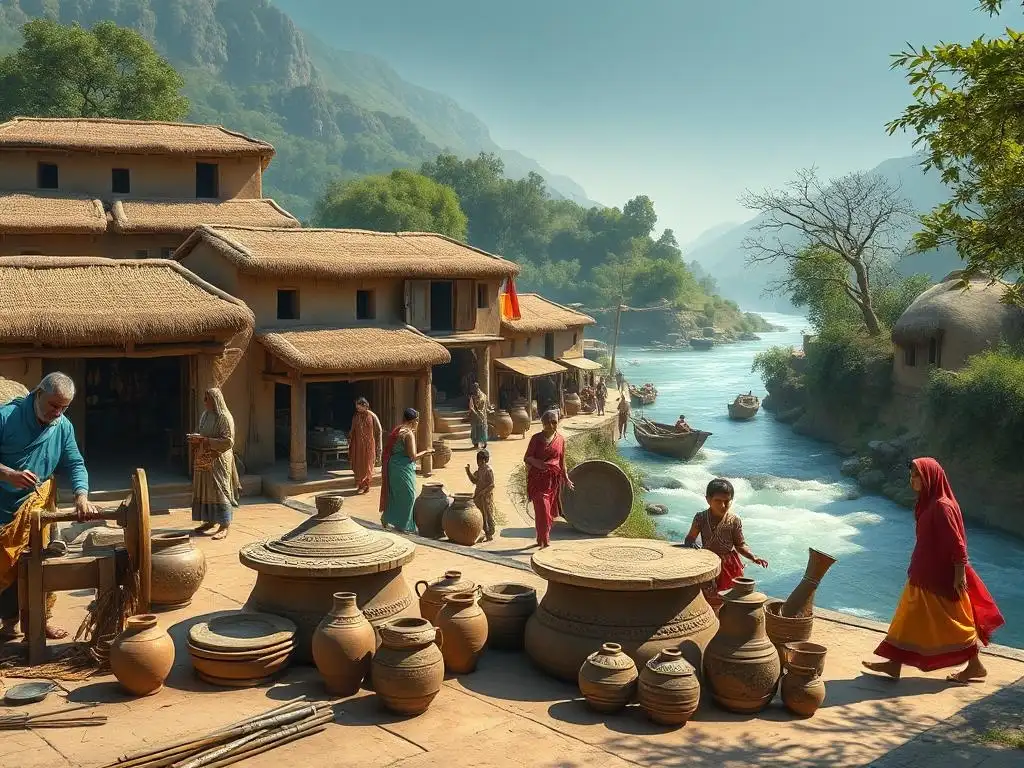
Welcome to Ancient India History, where we embark on an exciting journey through the rich tapestry of ancient Indian civilizations. Dive into our featured article, “Tools and Technology: Innovations That Shaped Daily Life in the Indus Valley,” as we uncover the fascinating daily life tools that not only reflect the ingenuity of the Indus Valley people but also offer a glimpse into their vibrant culture and sophisticated society.
What remarkable innovations did they create, and how did these tools influence their everyday lives? Join us as we explore the answers and much more, igniting your curiosity about the incredible legacies of Ancient India!
- Introduction to Indus Valley Daily Life Tools and Technology
- Innovations in Agriculture: Tools that Transformed Farming
- Craftsmanship and Trade: Tools that Enabled Artisans
- Domestic Tools: Enhancing Daily Life in the Indus Valley
- Urban Planning and Its Influence on Daily Life
- Transportation and Communication: Tools that Connected the Indus Valley
- Conclusion: The Legacy of Indus Valley Tools and Technology
- References and Further Reading on Indus Valley Daily Life Tools
-
Frequently Asked Questions
- What were the primary tools used in the Indus Valley civilization?
- How did the technology of the Indus Valley influence daily life?
- Were there any unique crafts or artifacts from the Indus Valley?
- How did the Indus Valley civilization contribute to later societies?
- What role did agriculture play in the daily life of the Indus Valley people?
- Final Reflection: The Enduring Legacy of Indus Valley Daily Life Tools
- Unveil the Innovations of the Indus Valley!
Introduction to Indus Valley Daily Life Tools and Technology
The Indus Valley Civilization, one of the world's earliest urban cultures, flourished between approximately 3300 BCE and 1300 BCE in what is now Pakistan and northwest India. This remarkable civilization is renowned for its advanced urban planning, intricate architecture, and a sophisticated understanding of technology.
Central to the daily lives of the people in this civilization were the tools and technologies they developed, which significantly shaped their agricultural practices, trade, and overall societal organization. By exploring the Indus Valley daily life tools, we can gain insights into how these innovations not only facilitated daily activities but also reflected the ingenuity and adaptability of an ancient society.
Overview of the Indus Valley Civilization
The Indus Valley Civilization, also known as the Harappan Civilization, emerged around the banks of the Indus River and extended across a vast area that included major cities like Harappa and Mohenjo-Daro. This civilization is characterized by its:
- Urban Planning: Cities were meticulously planned with grid-like streets, drainage systems, and standardized fired-brick buildings.
- Trade Networks: The Indus people engaged in extensive trade with neighboring regions, exchanging goods such as textiles, beads, and metals.
- Cultural Sophistication: Evidence of seals, pottery, and figurines suggests a rich cultural life, including religious practices and artistic expression.
The innovative tools and technologies developed during this time played a crucial role in supporting the complex social structure and vibrant economy of the Indus Valley.
Importance of Tools in Daily Life
Tools in the Indus Valley were not merely instruments; they were vital to the sustenance and progress of society. The significance of these tools can be categorized into several key areas:
- Agricultural Advancement:
- Plows: Agriculture was the backbone of the Harappan economy, and the invention of the plow enabled more efficient tilling of land, leading to increased crop yields.
- Irrigation Systems: Innovative irrigation techniques allowed for the cultivation of crops in arid regions, showcasing the civilization's advanced understanding of water management.
- Craftsmanship and Trade:
- Metal Tools: The use of copper and bronze tools facilitated the crafting of artisanal goods, which were essential for both daily use and trade.
- Weaving and Pottery: Tools for weaving and pottery-making not only supported local needs but also enhanced trade relations with other cultures.
- Domestic Life:
- Kitchen Utensils: A variety of tools such as grinding stones and clay cooking pots played a significant role in food preparation, reflecting the dietary practices of the people.
- Storage Solutions: The development of storage containers and granaries was crucial for preserving food and managing resources, especially during periods of drought.
These tools and innovations were integral to the daily life of the Indus Valley people, influencing their social structures, economic practices, and cultural expressions. By examining these aspects, we can appreciate the profound impact of technology on the development of one of the world's earliest civilizations.
Innovations in Agriculture: Tools that Transformed Farming
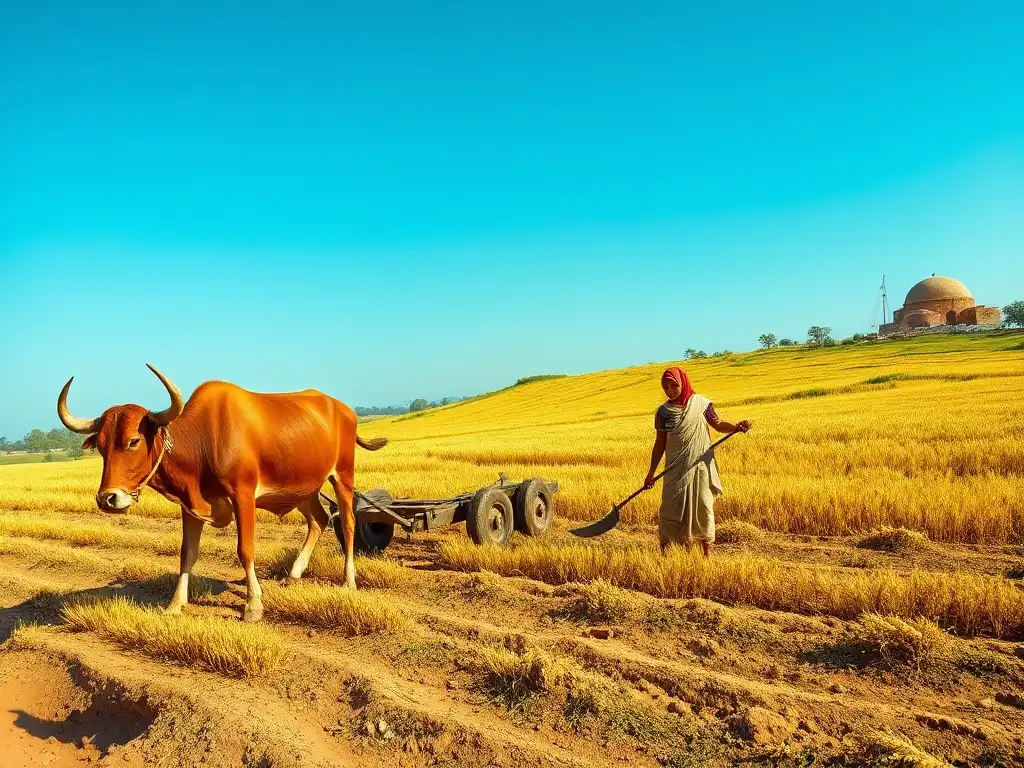
The Indus Valley Civilization, one of the most advanced ancient societies, showcased remarkable innovations in agriculture that significantly shaped daily life. The tools and techniques developed during this period not only enhanced food production but also laid the groundwork for sustainable farming practices.
Plowing Techniques and Equipment
The plowing techniques of the Indus Valley were revolutionary for their time. Archaeological evidence suggests that the people of this civilization utilized wooden plows, which were simple yet effective. These plows were typically drawn by oxen, allowing for deeper tilling of the soil, which improved aeration and nutrient distribution.
- Types of Plows:
- Single-tined Plow: Used for breaking the soil.
- Multi-tined Plow: Designed for more extensive tilling operations.
This advancement in plowing was crucial for cultivating crops such as wheat, barley, and cotton. The efficiency of these tools not only increased productivity but also allowed farmers to expand their cultivated land.
Irrigation Systems and Their Impact on Agriculture
Irrigation played a pivotal role in transforming agriculture in the Indus Valley. The civilization developed sophisticated water management systems that included canals and reservoirs, allowing them to harness the seasonal monsoon rains.
- Key Features of Irrigation Systems:
- Canal Networks: Designed to distribute water from rivers to agricultural fields.
- Wells and Cisterns: Used for storing and managing water resources.
The implementation of these irrigation systems ensured a consistent water supply, reducing dependency on rainfall. This innovation not only increased crop yields but also enabled the growth of surplus food, which supported urbanization and trade within the civilization.
Crop Storage: Granaries and Preservation Tools
To manage the surplus produced by their advanced agricultural practices, the Indus Valley people constructed granaries—large, well-ventilated structures designed for storing grains. These granaries were strategically located near urban centers, facilitating efficient distribution.
- Design and Functionality:
- Raised Platforms: Prevented moisture and pests from damaging stored crops.
- Ventilation Systems: Maintained optimal conditions for grain preservation.
In addition to granaries, various preservation tools were utilized, including clay pots and baskets, to store seeds and harvested crops. The ability to store food effectively allowed the Indus Valley Civilization to withstand periods of drought and maintain a stable food supply.
The innovations in agriculture during the Indus Valley Civilization, particularly in plowing techniques, irrigation systems, and crop storage methods, were instrumental in shaping daily life. These advancements not only improved agricultural productivity but also contributed to the overall stability and prosperity of the civilization.
Craftsmanship and Trade: Tools that Enabled Artisans
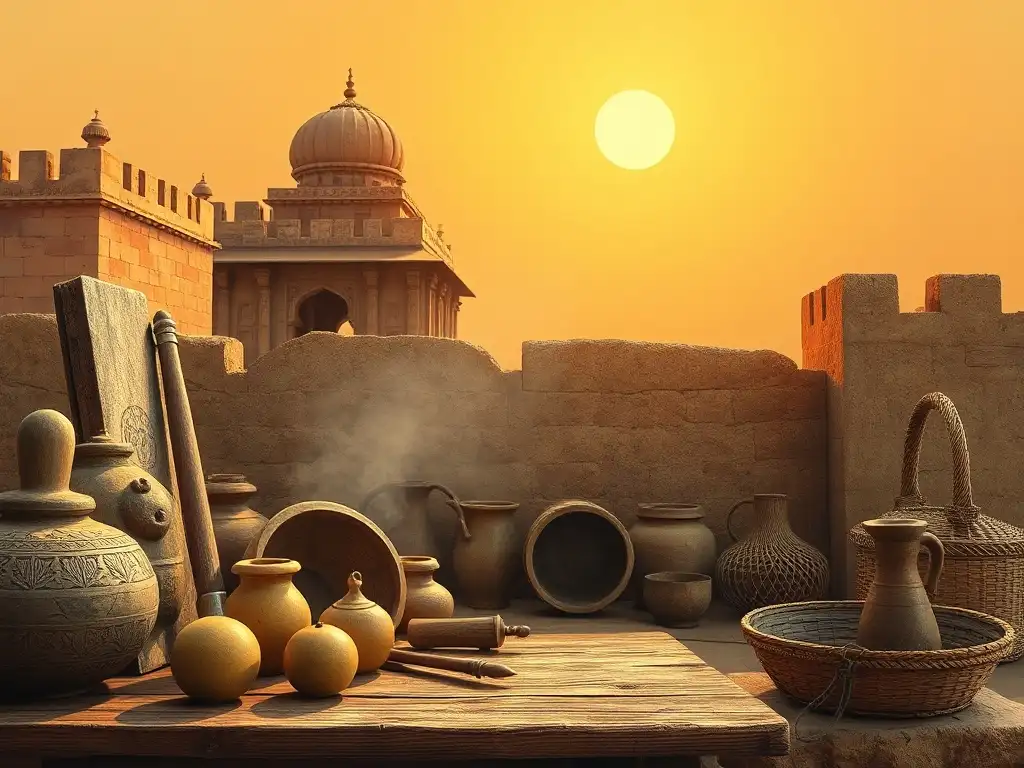
The Indus Valley Civilization, one of the earliest urban cultures in the world, showcased remarkable craftsmanship and trade practices that shaped daily life. The artisans of this civilization were skilled in various crafts, utilizing an array of tools to produce goods that were not only functional but also aesthetically pleasing. This section explores some of the key tools and technologies that enabled artisans to thrive in the Indus Valley, particularly in the realms of pottery, metalworking, and textile production.
Pottery and Ceramic Innovations
Pottery in the Indus Valley was not merely a utilitarian craft; it was an art form that reflected the cultural identity of the civilization. The artisans employed a variety of tools and techniques to create intricate pottery pieces.
- Wheel-Thrown Pottery: The introduction of the potter's wheel around 3000 BCE revolutionized pottery making. This technology allowed for the mass production of uniformly shaped vessels, which facilitated trade and storage.
- Decorative Techniques: Artisans used tools such as stamps and brushes to create intricate designs on pottery. Common motifs included geometric patterns and animal figures, which were often painted using natural pigments.
- Firing Techniques: The kilns used for firing pottery were advanced for their time, enabling artisans to create durable and heat-resistant ceramics. This innovation improved the quality of pots, making them suitable for cooking, storage, and trade.
The variety of pottery produced ranged from everyday cooking pots to ceremonial vessels, showcasing the sophistication of Indus Valley artisans in creating functional and decorative items.
Metalworking Tools and Techniques
The Indus Valley Civilization was known for its advanced metalworking skills, particularly in the production of bronze and copper tools. Metalworking played a significant role in both daily life and trade.
- Casting Techniques: The lost-wax casting method was a prominent technique used by artisans to create intricate metal objects. This process involved creating a model in wax, encasing it in clay, and then melting the wax away to produce a metal cast.
- Tools and Implements: Artisans crafted a variety of tools, including agricultural implements (such as plows and sickles), weapons, and household utensils. The introduction of metal tools improved efficiency in farming and daily tasks, significantly impacting daily life.
- Trade of Metal Goods: The demand for metal tools extended beyond the Indus Valley, leading to extensive trade networks. Artisans were not only providers of tools for their own community but also suppliers for neighboring civilizations, enhancing economic interactions.
The innovations in metalworking tools and techniques contributed significantly to the Indus Valley's economic prosperity and technological advancement.
Textile Production: Weaving Tools and Methods
Textile production was a vital aspect of daily life in the Indus Valley, with artisans employing specialized tools and techniques to create fabrics that were both functional and beautiful.
- Spinning Tools: The spindle whorl was a fundamental tool used in the spinning of cotton and wool fibers into thread. The efficiency of these tools enabled the production of high-quality textiles, which were essential for clothing and trade.
- Looms for Weaving: The use of horizontal and vertical looms facilitated the intricate weaving of fabrics. The design patterns found in textiles often reflected the artistic sensibilities of the artisans, with motifs similar to those seen in pottery.
- Dyeing Techniques: Artisans utilized natural dyes from plants and minerals to color fabrics, enhancing their aesthetic appeal. The ability to dye textiles in vibrant colors made them highly sought after in trade, contributing to the economic vitality of the civilization.
The combination of these tools and methods in textile production not only provided essential clothing for the population but also played a crucial role in trade, showcasing the advanced craftsmanship of the Indus Valley artisans.
The tools and technologies used in craftsmanship and trade within the Indus Valley Civilization reflect a society that valued innovation, efficiency, and artistic expression. These innovations significantly shaped daily life, enabling the community to thrive culturally and economically.
Domestic Tools: Enhancing Daily Life in the Indus Valley
Cooking Tools and Kitchenware
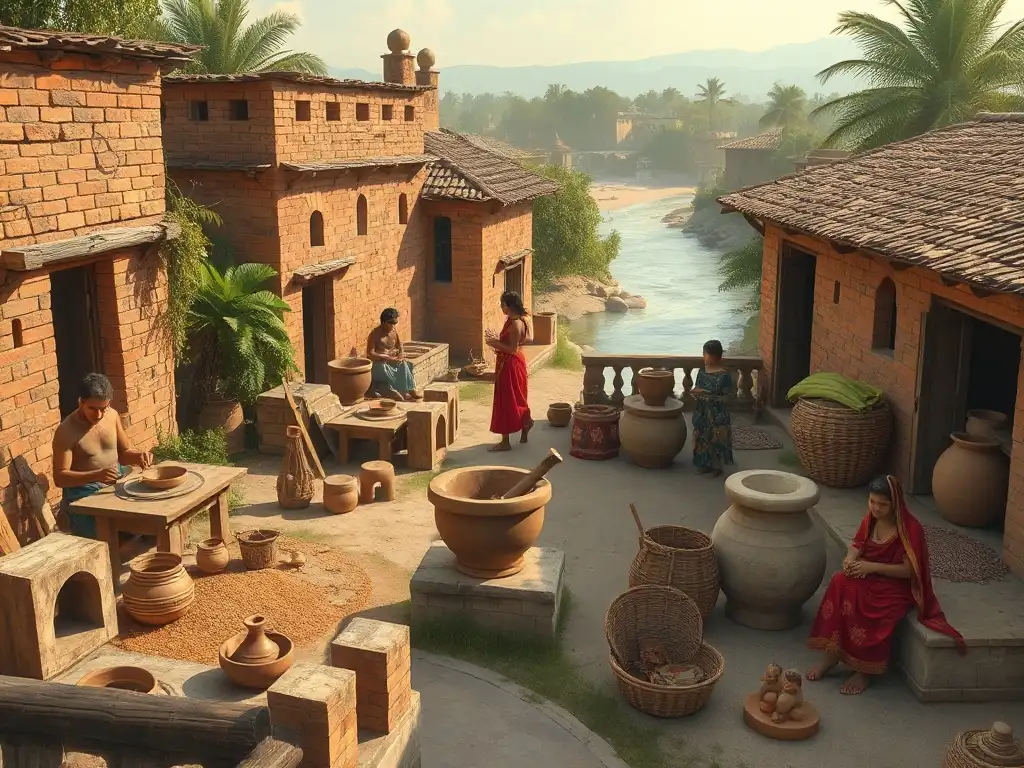
The Indus Valley Civilization, known for its advanced urban planning and sophisticated culture, had a remarkable array of cooking tools and kitchenware that significantly enhanced daily life. Archaeological excavations have uncovered various artifacts that provide insight into their culinary practices and domestic arrangements.
Key cooking tools included:
- Clay Pots: These were ubiquitous in Indus Valley households, used for boiling, baking, and storing food. Their design often featured thick walls, which provided excellent heat retention.
- Grinders and Pestles: Made from stone, these tools were essential for grinding grains and spices. The presence of such tools indicates a diet rich in cereals and legumes, with wheat and barley being staples.
- Tandoors: These clay ovens were used for baking bread and cooking meat. The efficiency of the tandoor allowed for a variety of cooking methods, which likely contributed to a diverse diet.
The ingenuity of these cooking tools reflects the Indus Valley people's understanding of material properties and their needs for efficient food preparation. The versatility of their kitchenware not only facilitated cooking but also enhanced social interactions during communal meals.
Household Implements: Cleaning and Maintenance Tools
Maintaining hygiene and cleanliness was vital for the inhabitants of the Indus Valley, and they employed various household implements to manage their living spaces effectively. These tools reveal much about the societal values regarding cleanliness and order.
Common cleaning and maintenance tools included:
- Brooms and Brushes: Made from natural fibers or twigs, these tools were likely used to sweep floors and maintain cleanliness in homes. Evidence suggests that they understood the importance of keeping their living areas tidy.
- Water Storage Vessels: Large clay jars and smaller containers were used for storing water. The development of drainage systems in cities like Mohenjo-Daro indicates that water management was a crucial aspect of daily life.
- Scoop Tools: Such implements, possibly made from wood or metal, were used for collecting waste or transferring materials during cleaning processes.
The presence of these household implements highlights the Indus Valley's emphasis on cleanliness, reflecting a societal commitment to health and hygiene that may have contributed to their overall quality of life.
Storage Solutions: Containers and Their Uses
An essential aspect of daily life in the Indus Valley was effective storage solutions. The civilization's ability to manage resources efficiently was key to their sustainability and prosperity.
Types of storage solutions included:
- Clay Containers: These varied in size and shape, serving multiple functions from food storage to burial practices. Their durability allowed for long-term preservation of grains and other perishable goods.
- Sealable Jars: Some jars featured lids or seals, which were crucial for maintaining the freshness of food items and protecting them from pests. This innovation indicates an advanced understanding of food preservation.
- Granaries: The construction of large granaries suggests that the Indus Valley people engaged in agriculture on a significant scale. These structures were designed to store surplus grains, ensuring food security during lean seasons.
The innovative storage solutions of the Indus Valley not only facilitated the management of resources but also played a vital role in trade and economy. By ensuring the availability of essential goods, these containers contributed significantly to the stability and growth of Indus Valley society.
Urban Planning and Its Influence on Daily Life
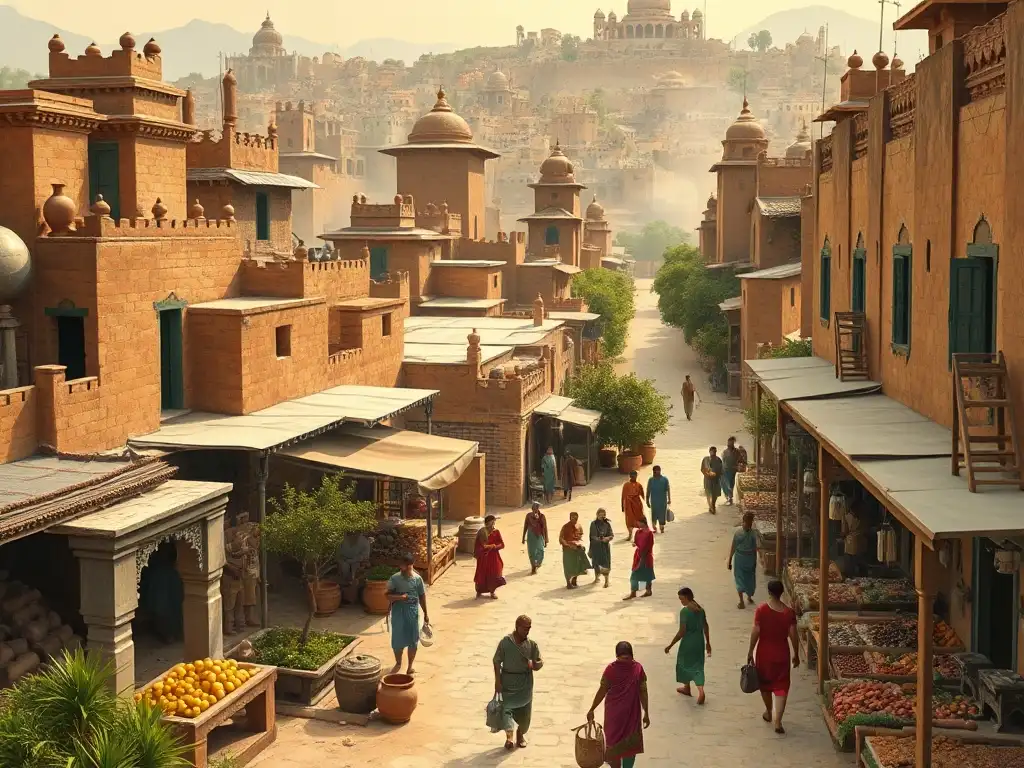
The urban planning of the Indus Valley Civilization (IVC) stands as one of its most remarkable achievements, significantly influencing daily life and societal structure. The cities of the IVC, such as Mohenjo-Daro and Harappa, were meticulously designed, reflecting a high degree of organization and planning that was unparalleled in the ancient world.
Construction Tools: Building the Indus Valley Cities
The construction tools used by the people of the Indus Valley were instrumental in shaping their urban environments. Archaeological findings reveal a range of tools made from materials such as:
- Copper and Bronze: These metals were used to create various tools, including chisels, saws, and hammers. The use of metal tools allowed for more efficient cutting and carving of bricks, which were the primary building material in Indus Valley cities.
- Stone Tools: Tools made from stone, such as axes and adzes, were also prevalent. These were essential for clearing land and shaping timber for construction purposes.
- Terracotta Tools: The use of terracotta for simple tools indicates a resourceful approach to tool-making, allowing for the creation of molds and other implements that facilitated building and crafts.
The construction techniques employed were advanced for their time. The cities featured grid-like street layouts, with houses constructed from standardized fired bricks. This standardization not only facilitated construction but also ensured durability. The presence of public buildings, such as granaries and baths, further emphasizes the sophistication of urban planning.
Sanitation and Drainage: Innovations for Public Health
A critical aspect of daily life in the Indus Valley was the civilization's emphasis on sanitation and drainage systems, which were revolutionary for their era. The urban centers were equipped with:
- Advanced Drainage Systems: The streets were lined with covered drains that channeled waste away from living areas. This system utilized a slope to ensure proper drainage, preventing water accumulation and minimizing health risks associated with stagnant water.
- Public Baths: The Great Bath of Mohenjo-Daro is a prime example of the importance placed on hygiene. This large, public bathing facility was likely used for ritualistic purposes and daily cleansing practices, reflecting the community's emphasis on cleanliness.
- Waste Management Practices: Excavations have uncovered evidence of toilets connected to drainage systems within homes, highlighting advanced waste disposal methods. The use of ceramic toilets and the systematic removal of waste through covered drains contributed to the overall public health of Indus Valley cities.
These innovations not only improved the quality of life for the inhabitants but also demonstrated an understanding of public health principles, setting a precedent for future urban developments. The meticulous attention to urban planning, construction, and sanitation in the Indus Valley Civilization illustrates the sophisticated tools and technologies that shaped daily life within this ancient society.
Transportation and Communication: Tools that Connected the Indus Valley
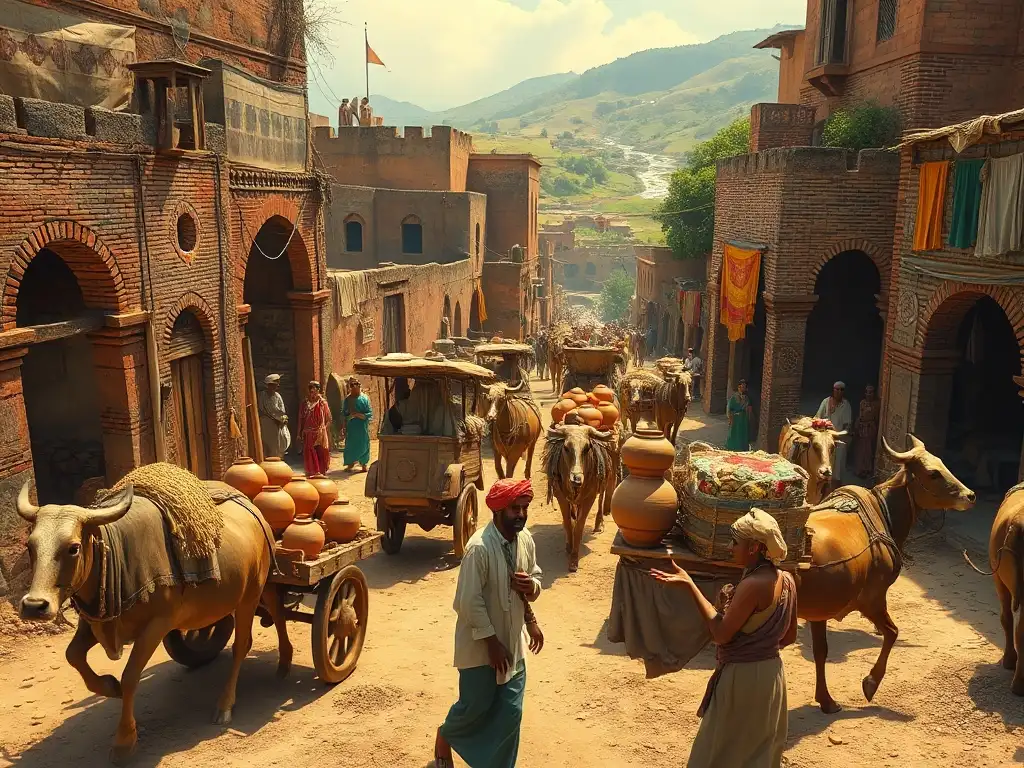
Wheel and Cart Innovations
The introduction of the wheel in the Indus Valley Civilization represents a significant technological advancement that profoundly influenced daily life. Archaeological findings suggest that the wheel was used as early as 3500 BCE, primarily for pottery making before its application in transportation. The spoked wheel, which appeared later, provided greater efficiency and durability for carts, allowing for easier transport of goods and materials.
The carts, typically made of wood, were often pulled by domesticated animals such as oxen. This not only facilitated trade but also enhanced agricultural practices. Farmers could transport heavier loads of produce to markets, while merchants could distribute goods over longer distances. The efficiency of these carts can be summarized in the following table:
| Feature | Description |
|---|---|
| Material | Primarily wood, sometimes reinforced with metal |
| Animal Power | Typically oxen |
| Design | Flatbed design for easy loading and unloading |
| Efficiency | Allowed for transport of larger quantities of goods |
The impact of these innovations on the economy and connectivity of the Indus Valley cannot be overstated. Carts allowed for the establishment of trade networks that connected various cities within the civilization, fostering economic growth and cultural exchange.
Trade Routes and Their Importance in Daily Life
The Indus Valley Civilization was characterized by a complex network of trade routes that facilitated commerce both within and beyond its borders. These routes were not only crucial for the exchange of goods but also for the dissemination of ideas and cultural practices.
Trade routes can be categorized into:
- Land Routes: Connecting major cities like Harappa and Mohenjo-Daro, these paths facilitated the movement of goods such as textiles, pottery, and agricultural products.
- Maritime Routes: The proximity to the Arabian Sea allowed for trade with distant civilizations, including Mesopotamia. Evidence suggests that goods such as lapis lazuli, metals, and semi-precious stones were traded.
The importance of these trade routes in daily life can be highlighted through the following points:
- Economic Growth: The exchange of goods led to wealth generation within the society, enabling the construction of advanced urban centers.
- Cultural Exchange: Interaction with other civilizations resulted in the adoption of new technologies and practices. For example, the introduction of new agricultural techniques improved crop yields.
- Social Structure: Trade created a stratified society where merchants and traders held significant status, leading to the emergence of a class system.
The tools and technologies related to transportation and communication played a pivotal role in shaping the daily life of the Indus Valley Civilization. The innovations of the wheel and cart, combined with extensive trade routes, not only facilitated economic prosperity but also fostered a dynamic cultural landscape that influenced subsequent civilizations.
Conclusion: The Legacy of Indus Valley Tools and Technology
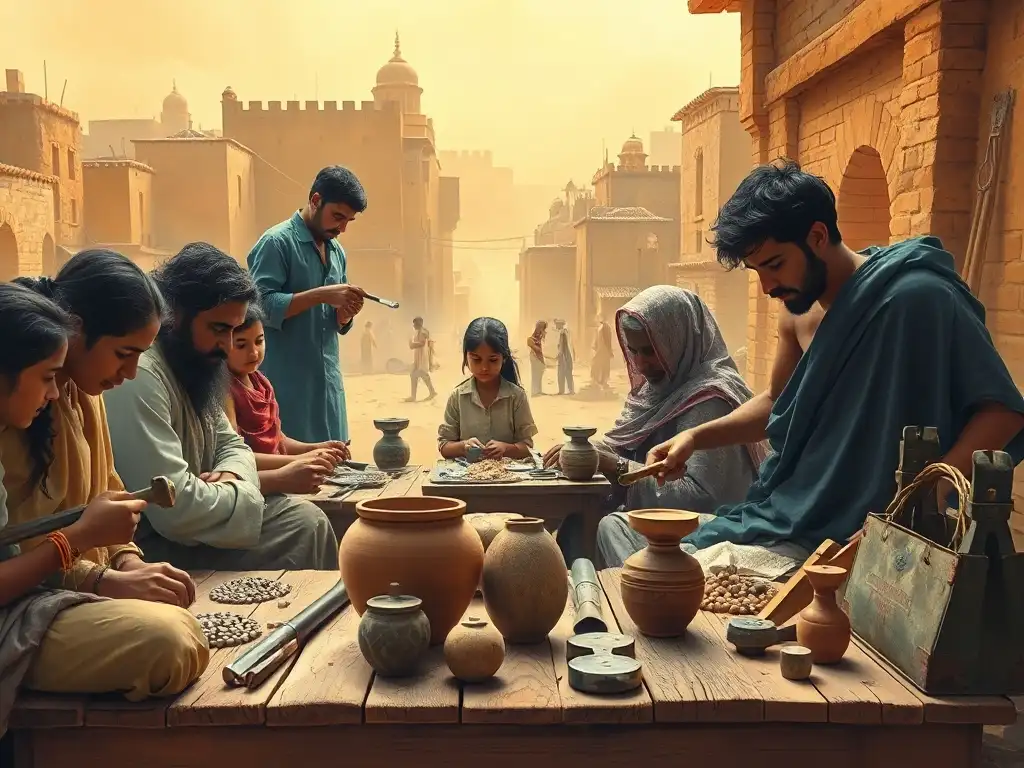
The Indus Valley Civilization, known for its advanced urban planning and sophisticated societal structures, left a profound legacy through its tools and technology. The innovations developed during this period not only facilitated day-to-day activities but also set a precedent for future civilizations in the region. As we explore the Indus Valley daily life tools, it becomes clear that these instruments were pivotal in shaping both the economy and the social fabric of the civilization.
The tools created by the people of the Indus Valley, such as advanced pottery techniques, agricultural implements, and textile production tools, showcase their ingenuity and adaptability. Each tool was designed to meet specific needs, whether for farming, trade, or domestic use, indicating a society that was both resourceful and innovative. These inventions played a critical role in enhancing the quality of life, increasing productivity, and enabling trade, thus contributing to the civilization's prosperity.
Lasting Impact of Indus Valley Innovations on Future Civilizations
The advancements made by the Indus Valley civilization influenced subsequent cultures in several significant ways. The tools and techniques developed during this era laid the groundwork for future technological innovations across the Indian subcontinent. For example:
- Agricultural Tools: The plows and irrigation systems introduced in the Indus Valley enabled more efficient farming practices, which were later adopted and improved upon by neighboring societies.
- Craftsmanship: The skillful production of textiles and pottery established high standards that influenced artisans in later cultures, ensuring that these crafts remained vital components of Indian society.
- Urban Planning: The sophisticated layout of cities, including drainage systems and standardized brick sizes, inspired urban development in subsequent Indian civilizations, ensuring that the principles of hygiene and organization remained central to city life.
The legacy of these innovations can be seen in various aspects of life in future civilizations, highlighting how the tools and technologies of the Indus Valley shaped the trajectory of Indian history.
Reflection on the Importance of Tools in Shaping Society
The significance of tools in the context of the Indus Valley goes beyond mere functionality; they represent the very essence of human progress. The ability to create and refine tools reflects the intellectual and cultural advancements of a society. In the case of the Indus Valley civilization, tools served multiple purposes:
- Economic Development: Tools enabled efficient agricultural practices, which in turn supported population growth and urbanization. The surplus production facilitated trade, allowing for the exchange of goods and ideas.
- Social Structure: The specialization of tools implied a division of labor, which contributed to more complex social hierarchies. Individuals became skilled craftsmen, farmers, and traders, creating diverse roles within the community.
- Cultural Expression: Artistic tools allowed artisans to produce intricate designs, showcasing the aesthetic values and beliefs of the society. This cultural heritage remains evident in archaeological finds today.
By examining the various tools and technologies of the Indus Valley civilization, we gain insight into the daily lives of its people and their remarkable ability to adapt and innovate. The study of these tools not only enriches our understanding of ancient Indian history but also underscores the fundamental role of technology in shaping societies throughout time.
References and Further Reading on Indus Valley Daily Life Tools
Suggested Books and Articles
-
"The Indus Civilization: A Contemporary Perspective" by Gregory L. Possehl
This comprehensive work offers an in-depth analysis of the Indus Valley Civilization, focusing on its daily life, social structure, and technological advancements. Possehl emphasizes the tools used in daily activities and their significance in understanding the civilization's development.
-
"Indus Valley Civilization: A Comprehensive Study" by A. K. Sharma
This book provides a detailed overview of the Indus Valley civilization, including the various tools and technologies that shaped daily life. The author meticulously discusses the materials, craftsmanship, and cultural implications of the tools discovered in archaeological sites.
-
"Craft and Technology in the Indus Valley" by R. S. Bisht
Bisht’s work delves into the craftsmanship and technological innovations of the Indus Valley people. The book highlights specific tools used in agriculture, pottery, and metallurgy, revealing their role in the economic and social fabric of the civilization.
-
"The Archaeology of Early Historic South Asia" by Robin Coningham and Ruth Young
This scholarly article explores the transition from the Indus Valley civilization to subsequent historical periods, with a focus on tools and technologies. The authors present findings from various archaeological sites, illustrating how these innovations influenced daily life.
Online Resources for Further Exploration
-
Archaeological Survey of India (ASI)
The ASI website provides valuable resources, including reports and publications on excavations related to the Indus Valley Civilization. Researchers can access detailed findings about tools and their usage in daily life.
-
The Indus Valley Civilization: A Digital Reconstruction
This online project offers an interactive exploration of the Indus Valley Civilization, with sections dedicated to daily life tools. It includes virtual reconstructions of urban layouts, tools, and artifacts, making it a great resource for visual learners.
-
Indus Valley Civilization - Ancient History Encyclopedia
This platform features articles and entries detailing various aspects of the Indus Valley, including tools used in agriculture, trade, and domestic life. The content is well-researched and presented in an easily digestible format.
-
The British Museum: Indus Valley Collection
The British Museum houses a significant collection of Indus Valley artifacts. Their online database allows users to explore various tools and their contexts, enhancing understanding of daily life in the civilization.
-
National Geographic: The Indus Valley Civilization
National Geographic offers articles and videos that discuss the Indus Valley Civilization's achievements and daily life. Their engaging presentation helps readers grasp the cultural significance of the tools utilized during that era.
By utilizing these resources, readers can gain a deeper understanding of the Indus Valley daily life tools and their impact on the civilization's society and culture.
Frequently Asked Questions
What were the primary tools used in the Indus Valley civilization?
The Indus Valley civilization utilized various tools made from bronze, copper, and stone, which were essential for agriculture, cooking, and craftsmanship.
How did the technology of the Indus Valley influence daily life?
The technology of the Indus Valley, including advanced drainage systems and weighing scales, significantly improved sanitation and trade, enhancing the quality of daily life.
Were there any unique crafts or artifacts from the Indus Valley?
Yes, the Indus Valley is known for its unique crafts, such as intricate pottery, jewelry, and seal carving, which reflect their artistic skills and cultural significance.
How did the Indus Valley civilization contribute to later societies?
The Indus Valley civilization laid the groundwork for subsequent Indian societies by introducing urban planning, advanced agriculture, and trade practices that influenced future civilizations.
What role did agriculture play in the daily life of the Indus Valley people?
Agriculture was central to the daily life of the Indus Valley people, as they cultivated crops like wheat and barley, which supported their economy and sustained their population.
Final Reflection: The Enduring Legacy of Indus Valley Daily Life Tools
The innovations that emerged from the Indus Valley civilization continue to resonate in our modern world, highlighting the profound impact of ancient tools and technology on daily life. As we navigate through our technologically advanced society, it becomes increasingly clear that the foundational inventions of the Indus Valley not only shaped their world but also laid the groundwork for the conveniences we often take for granted today. The ingenuity of these early tools serves as a reminder of humanity's relentless pursuit of improvement and adaptation.
Cultural and social landscapes are often defined by the tools we use, and the Indus Valley civilization exemplifies this connection beautifully. The sophisticated urban planning, advanced agricultural techniques, and innovative craftsmanship of this ancient society reflect a deep understanding of their environment and needs. As we reflect on their achievements, we can appreciate how these innovations fostered community, trade, and sustainability. The greatest innovations are those that enhance the quality of life for all.
This quote encapsulates the essence of the Indus Valley's contributions, reminding us that the tools we create should serve to uplift and unite society.
As we look to the future, let us take inspiration from the Indus Valley's legacy and consider how we can apply these lessons in our own lives. Reflect on the tools and technologies you engage with daily—are they enhancing your life and the lives of those around you? Embrace the spirit of innovation and adaptability that defined the Indus Valley, and challenge yourself to create or support advancements that promote community well-being and environmental sustainability. By doing so, we honor the past while paving the way for a brighter, more connected future.
Unveil the Innovations of the Indus Valley!
Thank you for diving into the fascinating world of the Indus Valley and appreciating the tools and technologies that shaped daily life in this remarkable civilization! Your eagerness to explore such an innovative era is inspiring. Now, let's put that curiosity into action!
Take the next step in your journey:
- Explore further: Research the tools and technologies of another ancient civilization to see how they compare with those of the Indus Valley. You might be surprised by your discoveries!
- Share your insights: Discuss your newfound knowledge with friends or in online communities. Engage others in the conversation about ancient innovations!
- Create a mini-project: Consider crafting a timeline of key inventions from various ancient civilizations, including the Indus Valley, to visualize the evolution of technology over time.
What do you think is the most surprising innovation from the Indus Valley that continues to influence our daily lives today? Share your thoughts below!