
The Lasting Impact of Indus Valley Art on Modern Indian Culture

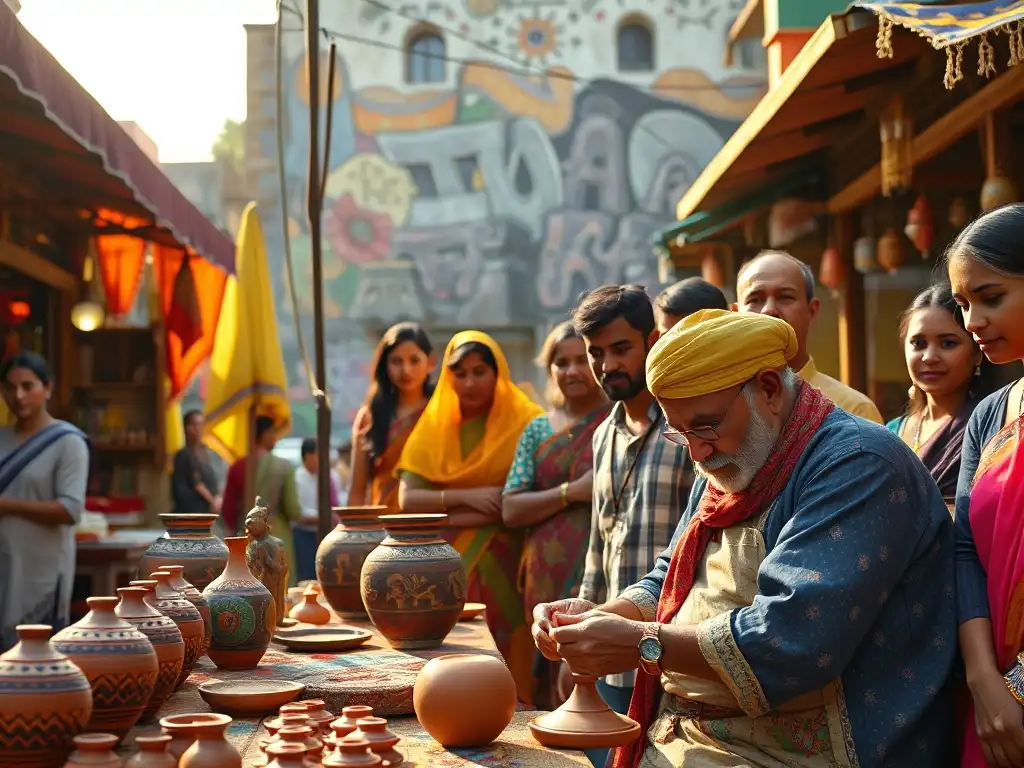
Welcome to Ancient India History, where we embark on a captivating journey through the rich tapestry of ancient Indian civilizations! Dive into the remarkable legacy of the Indus Valley, an extraordinary culture whose art continues to resonate in modern Indian society. In our featured article, "The Lasting Impact of Indus Valley Art on Modern Indian Culture," we unravel how these ancient artistic expressions have shaped contemporary creativity and aesthetics. Join us as we explore the profound connections between the past and present, igniting your curiosity to discover the enduring influence of this remarkable civilization.
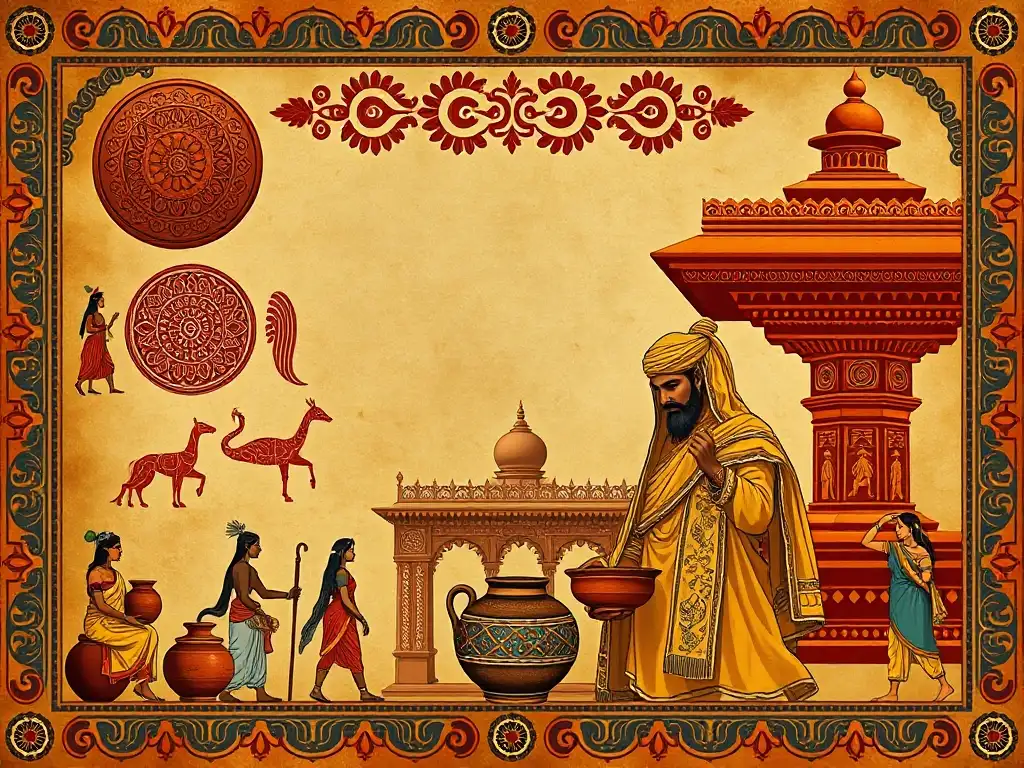
Introduction to Indus Valley Art and Its Significance
The Indus Valley Civilization, one of the world’s earliest urban cultures, flourished between 3300 and 1300 BCE in what is now Pakistan and northwest India. This ancient civilization is renowned for its advanced urban planning, sophisticated drainage systems, and remarkable artistic achievements. Indus Valley art is not merely a relic of the past; it embodies the social, spiritual, and technological contexts of its time, and its influence persists in various aspects of modern Indian culture.
The artistic legacy of the Indus Valley has not only provided insights into the daily lives and beliefs of its people but has also significantly shaped contemporary Indian art, design, and architecture. In this article, we will explore the lasting impact of Indus Valley art on modern Indian culture, delving into its key characteristics, themes, and the materials and techniques that defined this ancient art form.
Overview of the Indus Valley Civilization
The Indus Valley Civilization, also known as the Harappan Civilization, is characterized by its impressive city structures, such as Harappa and Mohenjo-Daro. These cities featured well-planned streets, advanced drainage systems, and standardized baked brick buildings. The civilization thrived due to its strategic location along the Indus River, which facilitated trade and agriculture.
- Key Features of the Indus Valley Civilization:
- Urban centers with complex layouts
- Advanced agricultural practices
- Trade networks extending to Mesopotamia
- A script that remains undeciphered
This civilization is often celebrated for its contributions to urban planning and social organization, but its artistic expressions reveal a rich cultural tapestry that continues to influence modern aesthetics.
Importance of Art in Indus Valley Society
Art in the Indus Valley Civilization played a crucial role in daily life, serving not only as decoration but also as a means of expression and communication. Artistic endeavors included pottery, sculpture, and seals, each reflecting the values, beliefs, and practices of the society.
- Roles of Art:
- Religious Significance: Many artworks, including figurines and seals, were likely used in religious or ritual contexts.
- Social Identity: Artifacts often depicted animals or symbols significant to various social groups within the civilization.
- Trade and Economy: Art was also a product of trade, with intricate designs enhancing the value of everyday items.
Through these artistic expressions, the Indus Valley people conveyed their understanding of the world around them, establishing a cultural legacy that resonates today.
Key Characteristics of Indus Valley Art
Unique Styles and Techniques in Indus Valley Art
Indus Valley art is distinguished by its unique styles and techniques, marked by a blend of realism and abstraction. The craftsmanship involved in creating pottery, terracotta figurines, and seals showcases a high level of skill and attention to detail.
- Distinctive Techniques:
- Pottery: Often painted with geometric designs and motifs, pottery was both functional and decorative.
- Seals: Carved from steatite, seals featured intricate designs and inscriptions, likely used for trade purposes.
- Sculpture: Terracotta and stone sculptures depicted human and animal forms, showcasing both stylistic diversity and cultural significance.
The innovative approaches used by artisans of the Indus Valley laid the groundwork for future artistic practices in the region.
Common Themes and Motifs Found in Artworks
The artworks of the Indus Valley Civilization often featured recurring themes and motifs that offer insights into the society's worldview.
- Prominent Motifs:
- Animals: Many artifacts depict animals, both real and mythical, symbolizing strength, fertility, and protection.
- Human Figures: Figurines often represented deities or everyday life, highlighting the importance of community and spirituality.
- Geometric Patterns: Repeated geometric patterns in pottery and textiles reflect the civilization’s aesthetic sensibilities and connection to nature.
These themes not only illustrate the daily lives of the Indus Valley people but also echo in contemporary art forms, establishing a connection between past and present.
Materials and Tools Used in Indus Valley Art
The artisans of the Indus Valley utilized a variety of materials and tools to create their art, showcasing their resourcefulness and creativity.
- Materials:
- Clay: The primary medium for pottery and figurines.
- Stone: Used for seals and sculptures, with steatite being particularly favored.
- Metals: Bronze and copper were employed for tools and ornaments.
- Tools:
- Pottery Wheels: Indicating a high level of technological advancement.
- Carving Tools: Essential for detailed work on seals and sculptures.
The choice of materials and tools not only influenced the aesthetic quality of the artworks but also demonstrated the technological capabilities of the Indus Valley Civilization.
The art of the Indus Valley Civilization is a testament to the creativity and innovation of its people, and its influence can still be seen in various aspects of modern Indian culture. As we continue to explore the intricate connections between ancient and contemporary artistic expressions, we gain a deeper appreciation for the rich tapestry of India's history and heritage.
Influence of Indus Valley Art on Modern Indian Culture
The artistic legacy of the Indus Valley Civilization, one of the world's earliest urban cultures, has significantly influenced modern Indian culture. This influence manifests in various forms, including visual arts, crafts, architecture, and urban planning. The intricate craftsmanship and aesthetic principles established during the Indus Valley period continue to resonate in contemporary expressions of Indian culture, demonstrating a rich continuity that connects ancient traditions with modern practices.
Continuity of Artistic Traditions from the Indus Valley
The Indus Valley Civilization (circa 3300–1300 BCE) was renowned for its sophisticated artistry, which included pottery, seals, sculptures, and jewelry. Many of these artistic traditions have persisted through centuries, often evolving yet retaining their core characteristics. For instance, the use of motifs such as animals and geometric patterns can be seen in traditional Indian textiles and pottery today.
Moreover, the craftsmanship of terracotta figures and intricate beadwork has influenced contemporary artisans, who often draw inspiration from these ancient styles. This continuity reflects a deep cultural heritage and the enduring appreciation for the aesthetic values established by the Indus Valley artists. The reverence for these ancient forms is evident in festivals and exhibitions that celebrate traditional crafts, thereby ensuring that the legacy of Indus Valley art remains alive and influential.
Indus Valley Art Influence on Contemporary Indian Art Forms
Modern Indian art forms, including painting, sculpture, and crafts, exhibit distinct influences from Indus Valley art. Contemporary artists often incorporate themes, motifs, and techniques that hark back to this ancient civilization. For example, the vibrant colors and intricate patterns commonly found in Madhubani and Warli art echo the decorative styles of the Indus Valley.
Additionally, sculptures inspired by the human figures found in Indus seals can be seen in the works of current sculptors who aim to reinterpret these ancient forms through a modern lens. The revival of ancient techniques, such as pottery styles and textile weaving methods, showcases the enduring impact of Indus Valley art on India's artistic landscape today. These influences not only enrich modern Indian art but also foster a sense of cultural identity rooted in India's ancient past.
Indus Valley Art Influence on Modern Architecture
The architectural achievements of the Indus Valley Civilization have left a lasting mark on modern Indian architecture. The advanced urban planning and architectural techniques employed by the Indus Valley inhabitants continue to inspire architects and urban planners. Key elements from this ancient civilization are evident in contemporary design, reflecting a synthesis of ancient wisdom and modern sensibilities.
Architectural Elements Derived from Indus Valley Structures
The hallmark of Indus Valley architecture is characterized by the use of standardized baked bricks, sophisticated drainage systems, and well-planned street layouts. Many modern architects draw inspiration from these features, incorporating similar principles of functionality and sustainability in their designs. For instance, the use of modular construction techniques and attention to drainage solutions can be traced back to the innovations of the Indus Valley builders.
Furthermore, the emphasis on symmetry and order in urban layouts is mirrored in contemporary developments, where planners strive to create harmonious living environments. The incorporation of courtyards, open spaces, and ventilation systems found in ancient homes reflects a growing awareness of environmental considerations in modern architecture.
Influence on Urban Planning and Design in Modern India
The urban planning principles established during the Indus Valley period have significantly influenced modern urban design in India. The grid-like street patterns and the concept of planned cities introduced by the Indus civilization serve as a foundation for contemporary urban development. Cities like Chandigarh and New Delhi exhibit organized layouts that echo the efficiency and foresight of ancient Indus Valley cities like Mohenjo-Daro and Harappa.
Additionally, the Indus Valley's focus on community-centric living spaces is increasingly relevant in today's urban planning discussions, as modern cities grapple with issues of congestion and sustainability. The integration of public spaces, gardens, and community facilities in urban designs today reflects a return to the principles of community and accessibility that were foundational to Indus Valley settlements. This connection between ancient and modern urban planning not only enhances livability but also pays homage to the innovative spirit of the Indus Valley Civilization.
Cultural Symbolism and Identity
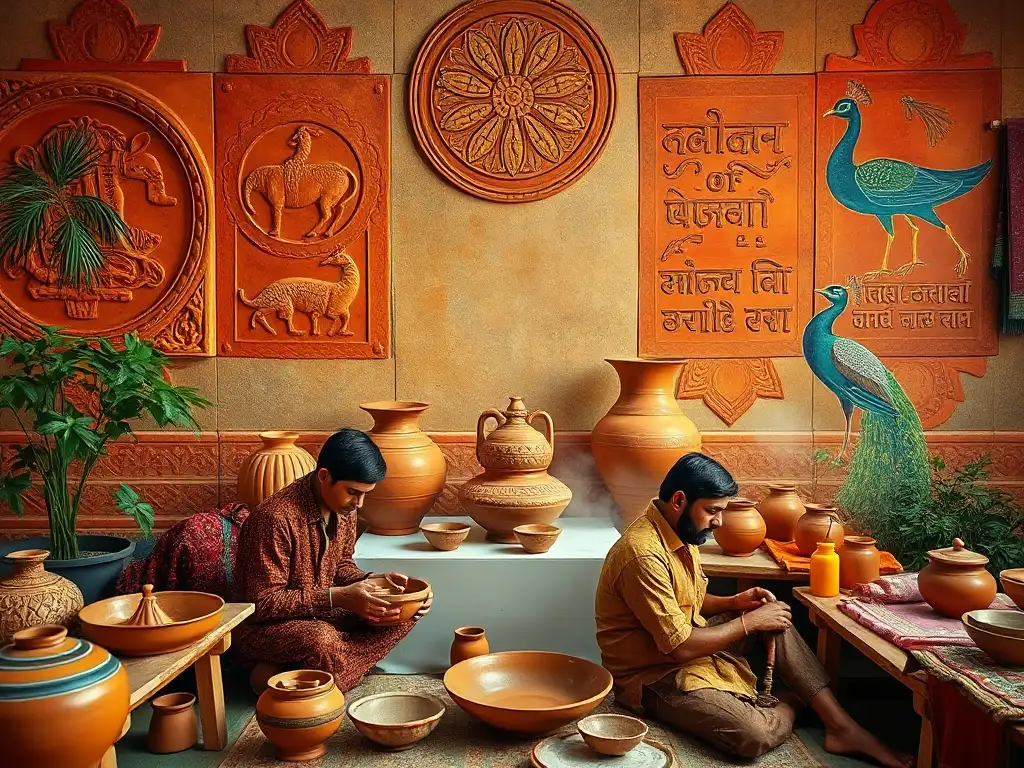
The art of the Indus Valley Civilization, which flourished between 3300 and 1300 BCE, is not only an aesthetic achievement but also a profound cultural expression that has echoed through the ages. The intricate designs, motifs, and symbols found in artifacts from this era serve as a foundation for modern Indian cultural identity. These symbols, often depicting animals, nature, and human figures, carry meanings that resonate with contemporary values and beliefs, reinforcing a sense of continuity and heritage among Indian communities.
In modern times, the reinterpretation of these ancient symbols has become a means for individuals and groups to connect with their ancestry. For many, the motifs present in pottery, seals, and sculptures evoke a sense of pride and belonging, enriching their cultural narrative. The enduring relevance of Indus Valley art is evident in various aspects, from fashion and textiles to graphic design and public art, where these ancient symbols are integrated, showcasing their timeless appeal.
Reinterpretation of Indus Valley Symbols in Modern Context
The reinterpretation of Indus Valley symbols in the modern context has manifested in various creative expressions, from visual arts to fashion. Designers and artists often draw inspiration from the geometric patterns and animal motifs characteristic of the Indus Valley artifacts. For example, the iconic peacock and fish motifs have been repurposed in contemporary textiles and home décor, maintaining their aesthetic value while also serving as cultural references that link the past to the present.
Moreover, the use of these symbols has extended into digital art and graphic design, where artists incorporate ancient imagery to create a visual dialogue that speaks to both tradition and modernity. This blending of old and new not only preserves the significance of Indus Valley art but also challenges contemporary audiences to engage with their cultural heritage in innovative ways. Through workshops and community projects, there is a growing movement to educate younger generations about these symbols, ensuring that the narratives they embody continue to thrive.
Role of Indus Valley Art in Shaping Indian Cultural Identity
Indus Valley art plays a crucial role in shaping Indian cultural identity by acting as a bridge between the ancient past and modern society. The values and aesthetics represented in the art of this civilization influence contemporary Indian art forms, rituals, and practices. The emphasis on harmony with nature, community, and spirituality found in ancient art resonates with modern Indian philosophical thought, which often seeks to integrate these elements into daily life.
Additionally, Indus Valley art contributes to a sense of unity among diverse ethnic and cultural groups within India. As various communities adopt and adapt these symbols, they foster a shared cultural heritage that transcends regional boundaries. This collective appreciation for Indus Valley art promotes cultural pride and solidarity, reinforcing the idea that these ancient contributions are foundational to the broader narrative of Indian civilization.
Educational and Cultural Institutions Preserving Indus Valley Art
The preservation and promotion of Indus Valley art are vital to understanding its lasting influence on modern Indian culture. Various educational and cultural institutions play a significant role in this endeavor, ensuring that future generations can appreciate and learn from the rich artistic legacy of the Indus Valley Civilization. These institutions engage in research, curation, and public education, creating a framework for the ongoing appreciation of ancient art.
Museums and Exhibitions Highlighting Indus Valley Art Influence Today
Numerous museums across India and beyond feature exhibitions that highlight the influence of Indus Valley art on contemporary culture. Institutions such as the National Museum in New Delhi and the Archaeological Museum in Dholavira showcase artifacts from the Indus Valley, providing insights into the sophisticated artistic practices of this ancient civilization. Special exhibitions often focus on the relevance of these artifacts in today’s context, encouraging visitors to draw connections between ancient and modern art forms.
These exhibitions not only display historical objects but also include interactive components, workshops, and lectures that engage the public in discussions about the significance of Indus Valley art. By fostering an appreciation for this ancient heritage, museums contribute to a broader understanding of its impact on modern Indian culture and identity.
Academic Research and Studies on Indus Valley Art
Academic research on Indus Valley art has expanded significantly in recent years, with scholars exploring its influence on various aspects of Indian culture. Studies delve into the intricacies of artistic techniques, symbolism, and the socio-economic context of the Indus Valley Civilization. This research is critical in uncovering the layers of meaning embedded in ancient artifacts and their relevance to contemporary issues.
Moreover, interdisciplinary approaches combining archaeology, anthropology, and art history provide new insights into how Indus Valley art informs modern artistic practices and cultural expressions. Academic conferences and publications further disseminate this knowledge, fostering a deeper understanding of the connections between ancient and modern art forms. Through education and research, the legacy of Indus Valley art continues to inspire and inform the cultural landscape of India today.
Conclusion: The Enduring Legacy of Indus Valley Art
The art of the Indus Valley Civilization holds a timeless significance, woven intricately into the fabric of modern Indian culture. Its motifs, techniques, and philosophies continue to resonate, influencing contemporary artistic expressions across various mediums. Through the exploration of pottery, seals, and sculptures from this ancient civilization, we see a profound connection that transcends millennia. The enduring legacy of Indus Valley art sheds light on the sophisticated aesthetic sensibilities and cultural richness that existed in ancient India, serving as both a source of inspiration and a foundation for future artistic endeavors.
As we reflect on the impact of Indus Valley art, it becomes clear that its influence extends beyond mere aesthetics. It encapsulates the values, beliefs, and daily lives of a civilization that thrived in harmony with nature and society. This connection to the past enriches modern artistic practices, inviting a deeper appreciation for cultural heritage and identity. The lessons drawn from this ancient art form encourage a dialogue between past and present, fostering creativity that bridges historical context with contemporary innovation.
Summary of Key Points on Indus Valley Art Influence Today
- Symbolism and Motifs: The intricate motifs found in Indus Valley art, such as geometric patterns and animal figures, are echoed in contemporary designs, from fashion to home décor.
- Craftsmanship Techniques: Traditional craftsmanship techniques, particularly in pottery and textile weaving, showcase a revival of ancient methods, emphasizing sustainability and cultural authenticity.
- Cultural Identity: Indus Valley art serves as a touchstone for Indian cultural identity, inspiring artists to incorporate traditional elements into modern works, thus fostering a sense of continuity.
- Global Appreciation: There is a growing global interest in the art of the Indus Valley, leading to exhibitions and discussions that highlight its relevance in the global art narrative today.
Future Implications for Indian Culture and Art
The impact of Indus Valley art on modern culture is poised to grow, as artists and scholars continue to explore its depths. The resurgence of interest in traditional art forms has led to innovative adaptations, ensuring that the essence of ancient techniques is preserved while meeting contemporary aesthetic standards. Furthermore, as globalization fosters cross-cultural exchanges, the unique artistic heritage of the Indus Valley is likely to inspire international collaborations and exhibitions, enhancing its visibility and appreciation worldwide.
Educational institutions are also beginning to incorporate the study of ancient art forms into their curricula, encouraging new generations of artists to draw upon historical influences. This not only enriches their creative expression but also nurtures a deeper understanding of cultural lineage, fostering pride in India's rich heritage. The future of Indian art, therefore, lies in its ability to harmonize traditional influences with modern perspectives, ensuring that the legacy of the Indus Valley Civilization remains a vital part of cultural discourse.
Call to Action
The exploration of Indus Valley art and its modern implications is a journey that invites everyone to engage with the past while fostering a connection to the present. We encourage readers to delve deeper into this fascinating subject, whether through visiting museums showcasing ancient artifacts, participating in workshops that revive traditional craftsmanship, or engaging with contemporary artists who draw inspiration from this rich heritage.
By supporting initiatives that promote the understanding of Indus Valley art, we contribute to the preservation and evolution of cultural identity. Join us in celebrating this remarkable legacy, and let us honor the artistry of the past while inspiring new generations to carry it forward into the future.
Encouraging Further Exploration of Indus Valley Civilization Art and Its Modern Relevance
To fully appreciate the influence of Indus Valley art today, we encourage exploration through various avenues:
- Museums and Exhibitions: Visit local and international exhibitions that feature artifacts from the Indus Valley to gain firsthand experience of their artistic significance.
- Workshops and Classes: Participate in workshops that focus on traditional art forms, such as pottery, textile design, and sculpture, to learn the techniques that have shaped modern Indian art.
- Online Resources: Explore documentaries, podcasts, and online courses that delve into the history and impact of the Indus Valley Civilization, providing rich insights into its art and culture.
- Community Engagement: Join community art projects or discussions that celebrate and promote the relevance of ancient art in contemporary society.
By engaging with these resources, individuals can deepen their understanding of how Indus Valley art continues to influence modern culture, fostering a greater appreciation for India's artistic heritage.
- Introduction to Indus Valley Art and Its Significance
- Key Characteristics of Indus Valley Art
- Influence of Indus Valley Art on Modern Indian Culture
- Indus Valley Art Influence on Modern Architecture
- Cultural Symbolism and Identity
- Educational and Cultural Institutions Preserving Indus Valley Art
- Conclusion: The Enduring Legacy of Indus Valley Art
- Call to Action
- What is the significance of Indus Valley art in ancient history?
- How does Indus Valley art influence today?
- What are some examples of Indus Valley artistic techniques?
- How did the Indus Valley civilization contribute to modern Indian culture?
- Why is it important to study the art of the Indus Valley?
Frequently Asked Questions
What is the significance of Indus Valley art in ancient history?
The Indus Valley art represents one of the earliest forms of complex civilization, showcasing advanced techniques in sculpture, pottery, and architecture that have influenced later Indian cultures.
How does Indus Valley art influence today?
Today, Indus Valley art continues to inspire modern artists and designers, reflecting its timeless aesthetic and the deep-rooted cultural heritage of India, seen in textiles, pottery, and even architecture.
What are some examples of Indus Valley artistic techniques?
The Indus Valley civilization is known for its intricate beadwork, terracotta figurines, and urban planning. These techniques set the foundation for many crafts and art forms practiced in India today.
How did the Indus Valley civilization contribute to modern Indian culture?
The Indus Valley civilization laid the groundwork for many cultural practices, including urban living, trade, and artistry, which are still evident in contemporary Indian society and art forms.
Why is it important to study the art of the Indus Valley?
Studying the art of the Indus Valley helps us understand the cultural evolution of India, revealing insights into the social structures, beliefs, and daily life of ancient civilizations, which continue to resonate in today's culture.
Final Reflection: The Enduring Legacy of Indus Valley Art in Modern Indian Culture
The influence of Indus Valley art on contemporary Indian culture is not just a historical footnote; it is a vibrant thread woven into the fabric of our identity today. As we explore the intricate designs, motifs, and philosophies that originated thousands of years ago, we realize that these ancient expressions continue to resonate deeply within our modern artistic and cultural practices. The echoes of this civilization remind us that art is a timeless language, transcending generations and evolving while retaining its core essence.
Cultural heritage shapes our understanding of who we are and where we come from. The impact of Indus Valley art can be seen in various aspects of modern Indian life, from architecture to fashion, and even in the revival of traditional crafts. This ongoing influence not only enriches our cultural landscape but also fosters a sense of pride and continuity. As the renowned artist Anish Kapoor once said, Art is a way of seeing the world; it is a way of understanding the world.
This understanding is rooted in our past, and the art of the Indus Valley serves as a crucial lens through which we can appreciate our present.
As we reflect on the lessons imparted by Indus Valley art, let us embrace the call to honor and integrate these ancient influences into our daily lives. Consider how you can incorporate elements of this rich heritage into your own creative expressions, whether through art, design, or even in the way you appreciate cultural narratives. By doing so, you not only celebrate the legacy of the Indus Valley but also contribute to the ongoing dialogue between past and present, ensuring that this remarkable heritage continues to inspire future generations.
Unveil the Vibrancy of Indus Valley Art in Today's Culture!
Thank you for exploring the fascinating world of Indus Valley art with us! You've just glimpsed the incredible ways ancient creativity continues to shape modern Indian culture. Now, it’s time to put this inspiration into action!
- Dive deeper into Indus Valley art by visiting a local museum or exploring online galleries dedicated to ancient artifacts.
- Share the beauty! Post your favorite pieces of Indus Valley art on social media and invite your friends to discuss their significance.
- Join a community of art enthusiasts! Participate in workshops or forums that celebrate the rich history and diverse techniques of Indian art.
What unique aspects of Indus Valley art do you believe deserve greater recognition in contemporary culture?