
The Rise and Fall of the Maurya Empire: Key Contributors to Its Legacy

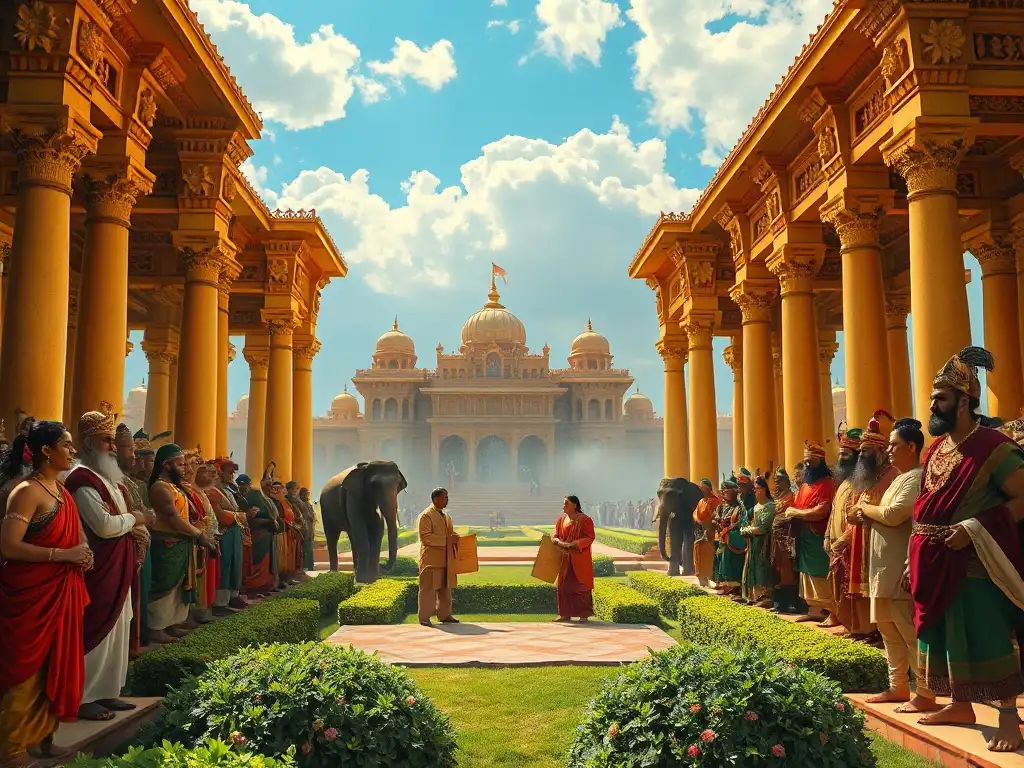
Welcome to Ancient India History, where we embark on a fascinating journey through time to uncover the rich tapestry of ancient Indian civilizations. In today's exploration, we delve into the Maurya Empire, a monumental chapter that shaped the cultural and political landscape of its era. Discover the key contributors who played pivotal roles in the rise and fall of this great empire, and how their legacies continue to influence modern India.
Prepare to be captivated by stories of visionaries and leaders whose remarkable contributions forged a path through history. Join us as we unravel the secrets and insights of the Maurya Empire—your adventure starts here!
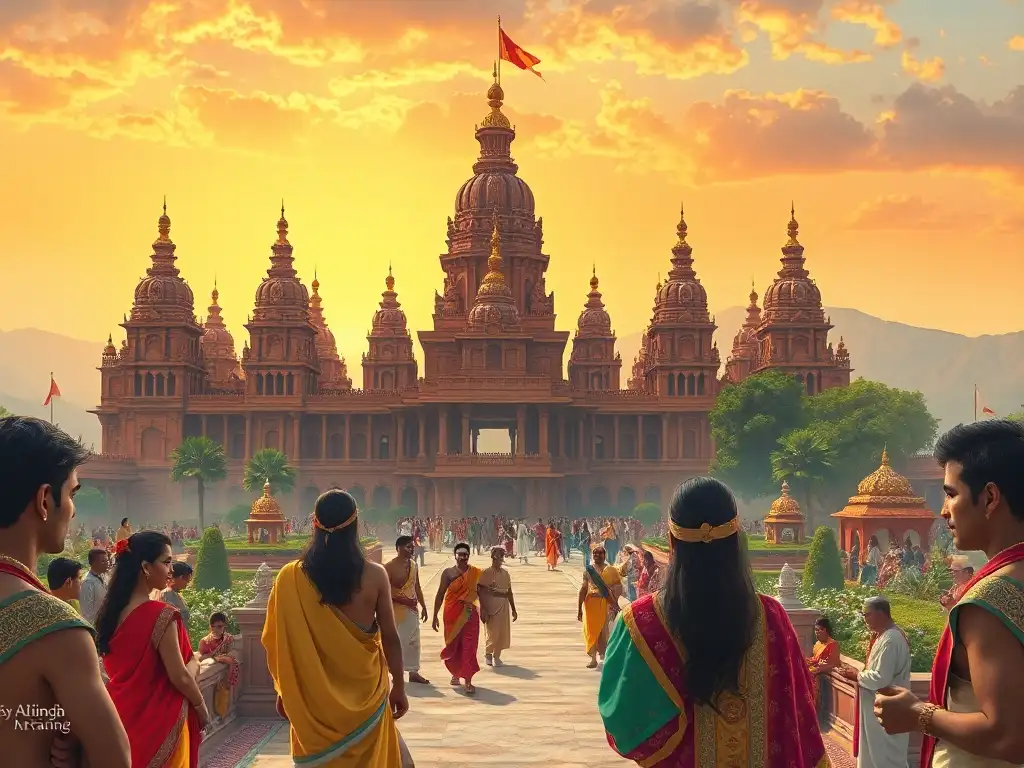
The Maurya Empire, one of the most influential dynasties in ancient India, stands as a testament to the complexity and richness of the subcontinent's historical tapestry. Spanning from 322 BCE to 185 BCE, this empire not only marked the emergence of a centralized political structure but also laid the groundwork for India's cultural and philosophical advancements.
In this article, we will delve into the key contributors who shaped the Maurya Empire, exploring their significant roles and the lasting legacies they left behind. From the visionary leadership of Chandragupta Maurya to the transformative reign of Ashoka the Great and the strategic brilliance of Kautilya (Chanakya), we will uncover how these figures not only influenced their era but also contributed to the broader narrative of ancient Indian civilization.
Introduction to the Maurya Empire
Overview of the Maurya Empire's History
The Maurya Empire emerged in the 4th century BCE, during a time of political fragmentation in India. Founded by Chandragupta Maurya, the empire expanded rapidly through a series of military conquests and strategic alliances. Under the guidance of his mentor Kautilya, the empire established a robust administrative structure, which facilitated the governance of vast territories.
The peak of the Maurya Empire is often associated with the reign of Ashoka the Great, whose policies promoted not only political stability but also social welfare and religious tolerance. However, after Ashoka's death, the empire gradually declined due to internal strife, economic challenges, and invasions, ultimately leading to its dissolution around 185 BCE.
Significance of the Maurya Empire in Ancient India
The Maurya Empire holds a pivotal place in ancient Indian history for several reasons:
- Political Unification: It was the first empire to unify most of the Indian subcontinent under a single administration, setting a precedent for future rulers.
- Cultural Flourishing: The Maurya period witnessed significant developments in art, architecture, and literature, including the famous rock edicts of Ashoka.
- Buddhism's Spread: Ashoka's conversion to Buddhism and subsequent promotion of the religion played a crucial role in its spread across Asia.
- Economic Prosperity: The empire's extensive trade networks facilitated economic growth and cultural exchange, linking India with the wider world.
Key Contributors to the Maurya Empire
Chandragupta Maurya: The Founder of the Empire
Chandragupta Maurya is often hailed as the architect of the Maurya Empire. His rise to power is attributed to his ability to unite various smaller kingdoms and tribes, culminating in the overthrow of the Nanda dynasty. His strategic acumen, guided by Kautilya's teachings in Arthashastra, enabled him to establish a centralized administration that would endure for centuries. Chandragupta's legacy is marked by:
- Foundational Policies: Implementation of governance structures that laid the groundwork for effective rule.
- Military Strategy: Successful campaigns that expanded the empire's boundaries.
- Cultural Integration: Efforts to unify diverse populations under a common identity.
Ashoka the Great: The Philosopher King
Ashoka, the grandson of Chandragupta Maurya, is one of the most celebrated rulers in Indian history. His reign is characterized by a profound commitment to the principles of non-violence and ethical governance. Following the Kalinga War, Ashoka underwent a spiritual transformation that led him to embrace Buddhism, which in turn influenced his policies. Key aspects of Ashoka's contributions include:
- Promotion of Buddhism: His advocacy for Buddhist values and compassion helped to spread the religion beyond India.
- Social Welfare Initiatives: Introduction of policies aimed at improving the lives of his subjects, including healthcare and infrastructure.
- Cultural Influence: Ashoka's edicts, inscribed on pillars and rocks, promoted moral governance and laid the foundation for future ethical leadership in India.
Kautilya (Chanakya): The Master Strategist
Kautilya, also known as Chanakya, was a pivotal figure in the formation and administration of the Maurya Empire. As an astute philosopher, economist, and political strategist, Kautilya's insights into statecraft are encapsulated in his seminal work, Arthashastra. His contributions include:
- Strategic Guidance: Advising Chandragupta on matters of governance, espionage, and military tactics.
- Economic Policies: Formulating strategies that bolstered the empire’s economy, enhancing trade and resource management.
- Political Philosophy: Establishing principles that have influenced Indian political thought for centuries, emphasizing pragmatism and realism in governance.
The Maurya Empire's legacy is intricately tied to the visionary leadership of its key contributors, whose insights and actions shaped the course of Indian history. Their combined efforts not only established a powerful empire but also left an enduring impact on the cultural and political landscape of ancient India.
Other Notable Figures in the Maurya Empire
While Chandragupta Maurya and Ashoka the Great are often highlighted as the most prominent leaders of the Maurya Empire, several other figures played crucial roles in shaping its history and legacy. These individuals contributed to the administration, military, and cultural development of the empire. Noteworthy figures include:
- Chanakya (Kautilya): A revered philosopher and statesman, Chanakya was instrumental in the rise of the Maurya Empire. He served as Chandragupta's advisor and strategist, crafting the Arthashastra, a treatise on statecraft, economics, and military strategy that remains influential today.
- Dasaratha Maurya: The father of Ashoka, Dasaratha's rule was marked by consolidation of power and territorial expansion, setting the stage for Ashoka's reign.
- Virasena: A notable military leader under Ashoka, Virasena's campaigns helped extend the empire's influence and secure its borders.
These figures, among others, contributed significantly to both the internal stability and external expansion of the Maurya Empire.
Bindusara: The Transitional Ruler
Bindusara, the son of Chandragupta Maurya, ruled from approximately 297 to 273 BCE. He is often considered a transitional ruler, bridging the gap between his father's foundational achievements and the expansive reign of his son, Ashoka. Bindusara's reign was marked by:
- Territorial Expansion: He continued his father's policy of expansion, successfully conquering several regions in present-day India, including parts of South India.
- Diplomatic Relations: Bindusara is known for establishing diplomatic ties with foreign territories, including the Seleucid Empire. His interactions with the Greeks are significant, showcasing the Maurya Empire's growing influence.
- Cultural Flourishing: His reign saw the continued patronage of arts and learning, laying the groundwork for the cultural achievements that would flourish under Ashoka.
While not as celebrated as his father or son, Bindusara's contributions were vital in maintaining the stability and continuity of the Maurya Empire during a crucial period of its development.
The Role of Women in the Maurya Empire
Women in the Maurya Empire held a complex yet influential role within society. While patriarchal norms were prevalent, several aspects highlight their contributions and significance:
- Political Influence: Women from royal families often wielded considerable influence in political matters. Historical accounts suggest that some queens and princesses actively participated in decision-making processes and diplomacy.
- Cultural Contributions: Women were instrumental in the preservation and transmission of cultural practices, traditions, and rituals. Their roles in religious ceremonies and social gatherings were crucial in maintaining cultural continuity.
- Economic Participation: Women engaged in various economic activities, including trade and agriculture. They contributed to the household economy and were involved in the production of textiles and handicrafts, which were vital to the Mauryan market.
The role of women in the Maurya Empire reflects a multifaceted society, where they played essential roles both within the domestic sphere and in broader socio-political contexts.
Cultural and Administrative Contributions of the Maurya Empire
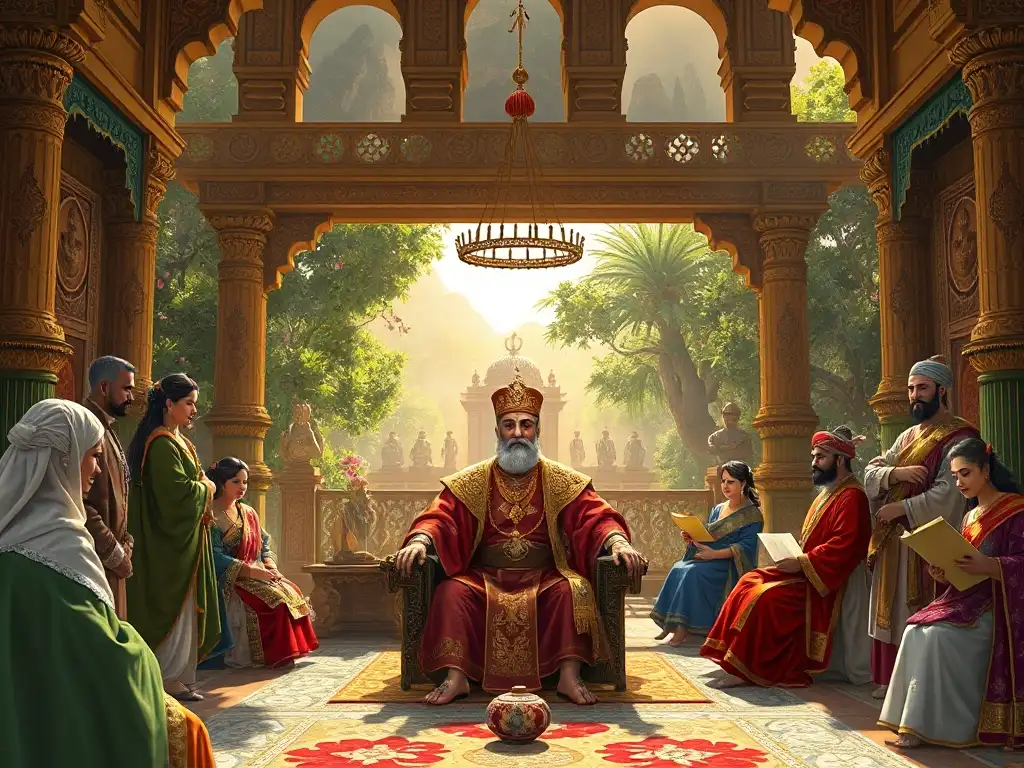
The Maurya Empire is renowned not only for its military conquests but also for its profound cultural and administrative contributions. The empire laid the foundation for governance, art, and culture that influenced future Indian civilizations.
Innovations in Governance and Administration
The Maurya Empire is often credited with pioneering several innovations in governance and administration that enhanced its efficiency and stability:
- Centralized Administration: The empire adopted a highly centralized administrative structure, with the emperor at the apex. This system allowed for effective governance across vast territories.
- Bureaucracy: A well-organized bureaucracy was established, comprising various officials who oversaw different aspects of governance, including finance, justice, and public works. This division of labor facilitated better management of resources and affairs.
- Legal Framework: The Maurya Empire implemented a codified legal system, which helped regulate societal norms and maintained order. Ashoka's emphasis on Dharma, or moral law, further reinforced this framework, promoting ethical governance.
These innovations not only strengthened the Maurya Empire during its peak but also set precedents for future Indian states.
Contributions to Art and Architecture
The Maurya Empire is celebrated for its remarkable contributions to art and architecture, reflecting the empire's wealth and cultural sophistication:
- Stupas and Pillars: The construction of stupas, notably the Sanchi Stupa, and the famous Ashoka Pillars, adorned with intricate carvings and inscriptions, exemplifies the architectural prowess of the period. These structures served both religious and commemorative purposes.
- Rock Edicts: Ashoka's rock edicts, inscribed on stone pillars, conveyed his policies and moral teachings across the empire. These inscriptions provide valuable insights into the socio-political climate of the time and showcase the use of art for governance.
- Buddhist Art: With the rise of Buddhism under Ashoka, the Maurya Empire fostered the development of Buddhist art, leading to the creation of exquisite sculptures and reliefs that depicted Buddhist themes, which later influenced various artistic traditions across Asia.
The artistic and architectural achievements of the Maurya Empire left a lasting legacy that continues to be celebrated and studied, highlighting the civilization's rich cultural heritage.
The Decline of the Maurya Empire
The decline of the Maurya Empire marks a significant chapter in ancient Indian history, characterized by a series of political, economic, and social factors that contributed to its eventual disintegration. This period began shortly after the reign of Ashoka, the last great Mauryan emperor, who is credited with spreading Buddhism and promoting peace across his empire. However, following his death in 232 BCE, the empire faced numerous challenges that weakened its structure and power.
The vastness of the Maurya Empire, which at its height encompassed much of the Indian subcontinent, led to difficulties in administration and governance. The centralized authority that had once unified the empire began to falter, creating opportunities for regional powers to assert their dominance. Additionally, internal strife, including succession disputes and power struggles among the Mauryan elite, further destabilized the empire.
As trade routes became less secure and economic conditions deteriorated, the Maurya Empire struggled to maintain its military strength and suppress revolts. By the end of the 2nd century BCE, the empire had fragmented into smaller kingdoms, signaling the official decline of Mauryan rule.
Factors Leading to the Decline
Several key factors contributed to the decline of the Maurya Empire:
- Weak Leadership: After Ashoka's reign, subsequent emperors lacked his vision and ability to govern effectively, leading to political instability.
- Administrative Challenges: The vast size of the empire made it difficult to manage effectively, causing delays in communication and governance.
- Economic Decline: Trade routes that had once flourished became unsafe, leading to a decline in commerce and diminishing the empire's wealth.
- Social Unrest: Discontent among various social groups, including local rulers, merchants, and the peasantry, created an environment ripe for rebellion.
- Invasions: External threats from groups such as the Bactrians and later the Scythians further strained the empire's resources and military.
These factors collectively led to the fragmentation of the Maurya Empire and the rise of regional powers, ultimately resulting in the dissolution of one of ancient India's most significant empires.
The Legacy of the Maurya Empire
Despite its decline, the Maurya Empire left a profound legacy that shaped the course of Indian history. Its contributions to governance, culture, and religion have had lasting impacts that resonate even today.
One of the most notable legacies of the Maurya Empire is the promotion of Buddhism by Emperor Ashoka. His efforts to spread the teachings of Buddha not only helped establish Buddhism as a major religion in India but also facilitated its spread to other parts of Asia. Ashoka's edicts, inscribed on pillars and rocks throughout the empire, exemplify the principles of dharma and non-violence, influencing future rulers and philosophies.
Additionally, the Maurya Empire is credited with advancements in administration and governance. The bureaucratic systems established during this era laid the groundwork for future Indian empires. The empire's promotion of trade and commerce fostered cultural exchanges that enriched Indian society.
Conclusion
The rise and fall of the Maurya Empire illustrates the complexities of governance in ancient civilizations. While it flourished under strong leadership and effective administration, internal and external challenges ultimately led to its decline.
Summary of Key Contributors and Their Impact
Key figures such as Chandragupta Maurya, the founder of the empire, and his grandson Ashoka, played pivotal roles in shaping the Maurya Empire's identity and legacy. Chandragupta established a unified state, while Ashoka expanded its influence through his policies of non-violence and religious tolerance. Their contributions laid the foundation for a powerful empire that significantly impacted Indian history.
The Enduring Legacy of the Maurya Empire in Ancient Indian History
The Maurya Empire's legacy continues to be felt in various aspects of Indian culture, philosophy, and governance. The principles of governance introduced during this period, along with the spread of Buddhism, have influenced generations. The empire's emphasis on ethical leadership and social responsibility remains relevant, underscoring the enduring impact of the Maurya Empire in ancient Indian history. Its story serves as a reminder of the complexities of power and the importance of strong, principled leadership.
- Introduction to the Maurya Empire
- Key Contributors to the Maurya Empire
- Other Notable Figures in the Maurya Empire
- Cultural and Administrative Contributions of the Maurya Empire
- The Decline of the Maurya Empire
- Conclusion
- What was the significance of the Maurya Empire in ancient India?
- Who were some of the key contributors to the Maurya Empire's success?
- How did Ashoka's policies influence the Maurya Empire's legacy?
- What led to the decline of the Maurya Empire?
- How did the Maurya Empire contribute to Indian culture?
Frequently Asked Questions
What was the significance of the Maurya Empire in ancient India?
The Maurya Empire was significant for its political unification of India and the establishment of a centralized administration, which laid the groundwork for future Indian states.
Who were some of the key contributors to the Maurya Empire's success?
Notable key contributors included Chandragupta Maurya, who founded the empire, and Ashoka the Great, known for his promotional policies of Buddhism and non-violence.
How did Ashoka's policies influence the Maurya Empire's legacy?
Ashoka's policies emphasized tolerance, peace, and welfare, which not only strengthened the empire but also spread Buddhism across Asia, influencing cultures beyond India.
What led to the decline of the Maurya Empire?
The decline of the Maurya Empire was due to factors such as internal strife, power struggles among successors, and economic challenges, which weakened its once strong governance.
How did the Maurya Empire contribute to Indian culture?
The Maurya Empire contributed significantly to Indian culture through advancements in art, architecture, and literature, exemplified by the Ashoka Pillars and the spread of Buddhism.
Final Reflection: The Enduring Legacy of the Maurya Empire
The exploration of the Maurya Empire's key contributors reveals not only the remarkable achievements of its time but also the profound lessons that resonate in our contemporary world. As we navigate through the complexities of modern governance, social structures, and cultural identity, the insights gleaned from the Maurya Empire's rise and fall serve as a poignant reminder of the delicate balance between power and responsibility. The legacy of leaders like Ashoka and the philosophical underpinnings of their reign continue to inspire discussions on ethical leadership and sustainable governance.
The influence of the Maurya Empire extends far beyond its historical timeline, shaping cultural and social landscapes in ways that are still felt today. The principles of unity, tolerance, and governance that emerged during this era underscore the importance of collaboration and empathy in our current society. In the end, it is not the years in your life that count, it's the life in your years.
This quote encapsulates the essence of the Maurya Empire's contributions, reminding us that the impact of our actions can transcend time, shaping future generations and fostering a sense of shared humanity.
As we reflect on the lessons of the Maurya Empire, I invite you to consider how you can embody the values of its key contributors in your own life. Whether through acts of leadership, community engagement, or personal growth, each of us has the power to leave a lasting legacy. Embrace the opportunity to learn from the past, and let the stories of the Maurya Empire inspire you to contribute positively to your community and the world at large. Together, we can build a future that honors the wisdom of history while forging new paths toward progress and understanding.
Uncover the Legacy: Dive Deeper into the Maurya History!
Thank you for exploring the fascinating journey of the Maurya Empire with us! You've unearthed key insights into its rise and fall, and now it’s time to take the next step in your historical adventure.
Here’s how you can connect further with this intriguing era:
- Dive into further research: Explore additional resources or books about the Maurya Empire to grasp its comprehensive impact on ancient India.
- Join the discussion: Share your thoughts on our community forum. What aspect of the Maurya Empire resonates with you the most?
- Educate others: Write an article or create a presentation based on your newfound knowledge to share the legacy of the Mauryas with friends or classmates.
Which aspects of the Maurya Empire's legacy do you think are most relevant to our modern world?