
The Cultural Exchange Between the Gupta Empire and the Silk Road


Welcome to Ancient India History, where we embark on a captivating journey through the rich tapestry of ancient Indian civilizations. In this exploration, we delve into the fascinating Gupta Empire Silk Road trade, a pivotal chapter that highlights the cultural exchanges and economic interactions that shaped not only India but also the broader world. What secrets lie within the intricate networks of trade routes that connected the East and West?
Join us as we uncover the remarkable stories and contributions of the Gupta Empire, and discover how these ancient links continue to influence our understanding of cultural heritage today. Dive in and let your curiosity guide you through the wonders of ancient India!
Introduction to the Gupta Empire and the Silk Road
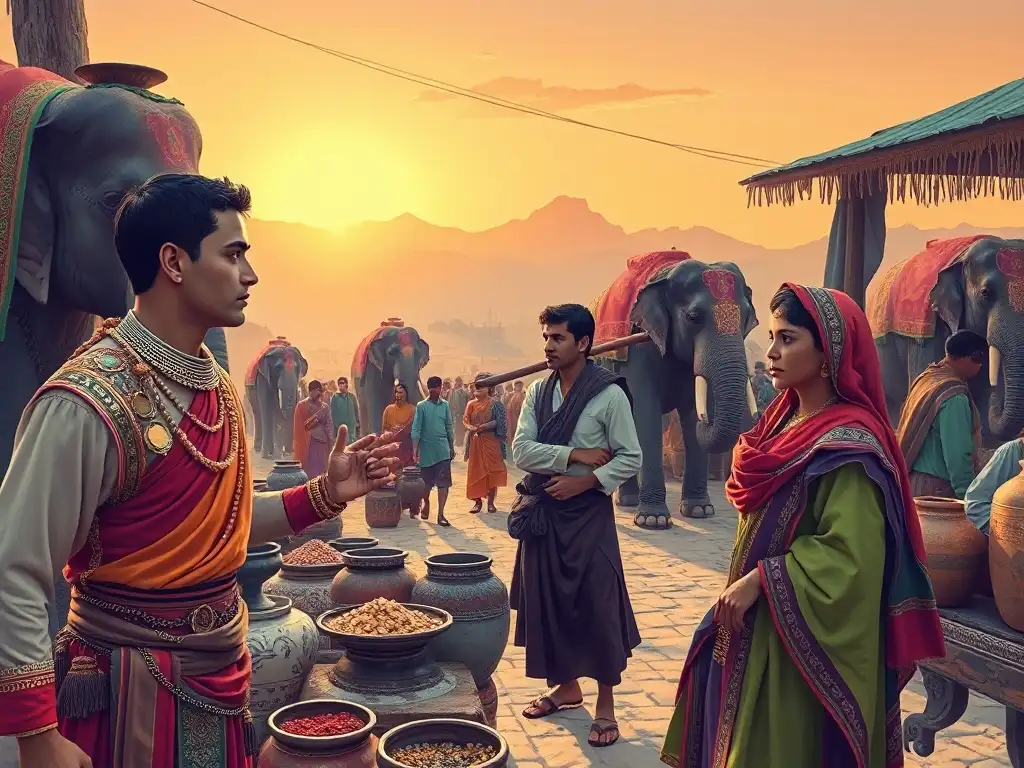
The Gupta Empire, often referred to as the "Golden Age of India," flourished from approximately 320 to 550 CE and is renowned for its remarkable advancements in art, science, and philosophy. During this era, the Gupta rulers established a vast empire that not only unified much of the Indian subcontinent but also facilitated significant cultural and economic exchanges.
One of the pivotal avenues for these exchanges was the Silk Road, a network of trade routes that connected the East and West, enabling the flow of goods, ideas, and cultural practices. The interactions between the Gupta Empire and the Silk Road significantly influenced the development of trade, art, and cultural practices, showcasing the dynamic interplay between these ancient civilizations.
Overview of the Gupta Empire's Historical Significance
The Gupta Empire is often celebrated for its contributions to various fields, including mathematics, astronomy, literature, and sculpture. Under the leadership of notable rulers such as Chandragupta II and Samudragupta, the empire saw the flourishing of artistic and intellectual pursuits. This period is marked by innovations such as the concept of zero in mathematics and advancements in medical sciences.
The stability and prosperity of the Gupta Empire created an environment conducive to trade, allowing merchants to thrive and cultural ideas to flow freely. This historical significance is vital for understanding how the Gupta Empire interacted with the Silk Road and the long-lasting impacts of these exchanges.
The Importance of the Silk Road in Ancient Trade
The Silk Road was not merely a single route but a complex web of paths that facilitated trade across continents, linking the East, including regions like China and India, to the West, stretching towards Europe and the Middle East. This extensive network allowed for the exchange of a wide array of commodities, including silk, spices, precious metals, and textiles. Additionally, it served as a conduit for the dissemination of cultural, religious, and technological ideas. The Silk Road was crucial for the Gupta Empire, as it provided access to diverse markets and resources, enhancing the empire's wealth and cultural depth.
The Gupta Empire Silk Road Trade: An Overview
The trade between the Gupta Empire and the Silk Road regions was characterized by a rich exchange of goods and cultural influences, contributing to the prosperity of both entities. The active participation of merchants and the establishment of trade routes played a fundamental role in this relationship.
Key Trade Routes Connecting the Gupta Empire and the Silk Road
Several key trade routes connected the Gupta Empire to the Silk Road, facilitating the movement of goods and ideas. These routes traversed through crucial geographic locations, including:
- The Northern Route: Connecting the Gupta Empire through the Himalayas to Central Asia.
- The Southern Route: Linking the Indian subcontinent to Southeast Asia and beyond, allowing for maritime trade.
- The Eastern Route: Facilitating trade with regions in China, enhancing cultural exchanges and the flow of goods.
These routes were vital in establishing the Gupta Empire as a significant player in international trade.
Major Goods Traded Between the Gupta Empire and Silk Road Regions
The Gupta Empire was both a supplier and consumer of various goods traded along the Silk Road. Major commodities included:
- Silk: Highly sought after in the Gupta Empire for its luxury and status.
- Spices: Such as pepper and cardamom, which were in high demand in foreign markets.
- Textiles: Indian cotton and woven fabrics were prized across regions.
- Precious Stones: Such as diamonds and pearls, which were traded extensively.
These goods not only enriched the Gupta economy but also enhanced cultural exchanges, as they were often accompanied by new ideas and practices.
The Role of Merchants in Gupta Empire Silk Road Trade
Merchants played a pivotal role in the trade between the Gupta Empire and the Silk Road. They acted as intermediaries, facilitating the exchange of goods and cultural practices. These traders were often well-versed in multiple languages and cultures, allowing them to navigate the complexities of international trade. The guilds of merchants in the Gupta Empire, organized for mutual support and protection, further strengthened these trade networks. Their activities not only contributed to economic prosperity but also led to the cultural diffusion that marked this period in history.
The intricate relationships between the Gupta Empire and the Silk Road trade fostered a unique cultural exchange that continues to be studied for its profound impacts on the history of ancient civilizations.
Cultural Exchange: Art and Ideas
The Gupta Empire, flourishing from approximately 320 to 550 CE, was a period marked by significant cultural advancements, much of which was influenced by the extensive trade networks established along the Silk Road. This ancient trade route connected the East and West, facilitating not just the exchange of goods but also ideas, beliefs, and artistic expressions. As traders and travelers moved along the Silk Road, they carried with them various forms of art and cultural practices that intermingled with Gupta traditions, creating a vibrant tapestry of artistic innovation.
Influence of Silk Road Trade on Gupta Art and Architecture
The art and architecture of the Gupta Empire were profoundly impacted by the exchanges along the Silk Road. This period saw the emergence of a distinctive style that blended local Indian traditions with foreign influences. For instance, the intricate carvings and sculptures found in Gupta temples exhibit characteristics reminiscent of Greco-Roman art, likely a result of interactions with traders from the Mediterranean.
Moreover, the use of colorful frescoes and elaborate stone carvings became prominent, inspired by techniques and styles encountered along the trade routes. The famous Ajanta Caves, with their stunning murals and sculptures, exemplify how Silk Road influences enriched Gupta artistic expression. These artworks often depicted Buddhist themes, reflecting the transmission of religious and cultural ideas through trade.
Transmission of Religious Ideas Through the Silk Road
The Silk Road was not merely a conduit for trade; it also facilitated the spread of religious beliefs. Buddhism, which had already gained a foothold in India, found new life and adaptation through interactions with travelers from Central Asia and beyond. As monks and traders journeyed along the Silk Road, they exchanged not only goods but also spiritual teachings and practices.
This exchange led to the development of new schools of Buddhist thought within the Gupta Empire, integrating elements from various cultures encountered along the route. The adaptation of Buddhist iconography and philosophy in Gupta art can be traced back to these interactions, showcasing how the Silk Road acted as a melting pot for religious ideas.
The Impact of Silk Road Philosophies on Gupta Society
The philosophical exchanges along the Silk Road also left a lasting impact on Gupta society. Ideas from various philosophical traditions, including those from Zoroastrianism, Hellenistic philosophy, and even early Islamic thought, began to permeate Gupta intellectual circles. This cross-pollination of ideas encouraged a more cosmopolitan worldview among Gupta scholars and thinkers.
The Gupta period is known for its advancements in various fields of knowledge, including mathematics and astronomy. The introduction of new philosophical concepts and methods of inquiry from the Silk Road likely played a role in this intellectual flourishing. The emergence of prominent figures like Aryabhata, who made significant contributions to mathematics and astronomy, reflects the synthesis of diverse philosophical influences fostered by these exchanges.
Technological and Scientific Exchange
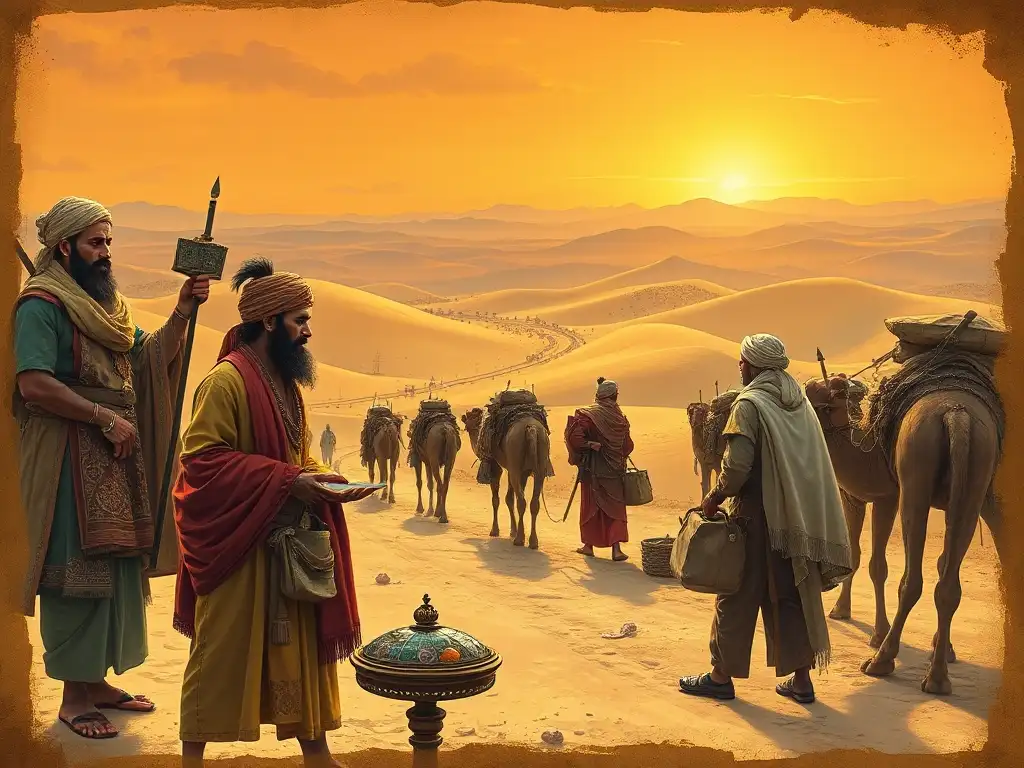
The Gupta Empire was not only a center of cultural and artistic activity but also a hub of scientific and technological advancement. The interactions facilitated by the Silk Road contributed significantly to the exchange of knowledge, leading to innovations that would shape future generations.
Advances in Science and Technology from the Gupta Empire
During the Gupta period, significant strides were made in various scientific fields, especially mathematics and medicine. The use of the decimal system, which is still in use today, is attributed to Gupta mathematicians. Techniques in surgery and medicinal practices were also advanced, with texts like the Sushruta Samhita outlining surgical procedures that would influence medical practices for centuries to come.
These advancements were influenced by knowledge acquired through trade and interaction with other civilizations along the Silk Road. For instance, the introduction of new medicinal herbs and practices from Central Asia enriched Gupta medicine, allowing for a more comprehensive understanding of health and healing.
Transfer of Knowledge Along the Silk Road
The transfer of knowledge along the Silk Road was not limited to physical goods. Scholars and travelers often exchanged ideas in the form of manuscripts, which included not only religious texts but also scientific treatises. This sharing of knowledge facilitated a greater understanding of astronomy, mathematics, and medicine across cultures.
For example, texts on astronomy that originated in Hellenistic Greece were translated and adapted within Gupta society, leading to a more refined understanding of celestial movements. The Gupta Empire's contributions to astronomy, including the concept of a heliocentric universe, can be traced back to this rich tapestry of knowledge exchange.
The Role of the Gupta Empire in the Spread of Innovations
The Gupta Empire played a crucial role in disseminating innovations that emerged from their scientific advancements and cultural exchanges. As a central hub along the Silk Road, Gupta scholars and artisans influenced neighboring regions, spreading their ideas and innovations across Asia.
The use of the numeral system and advancements in metallurgy, particularly in the creation of high-quality steel, were among the significant contributions that made their way through trade routes into other cultures. The Gupta Empire's influence can be seen in the way these innovations were adopted and adapted by subsequent civilizations, showcasing the lasting impact of the Silk Road on the development of technology and science in ancient history.
Language and Literature: A Cross-Cultural Interaction
The Gupta Empire, often referred to as a golden age of Indian culture, saw a remarkable flourishing of language and literature, significantly influenced by interactions along the Silk Road. This extensive trade network facilitated not only the exchange of goods but also ideas, religious beliefs, and linguistic elements.
The Gupta period marked a time when Sanskrit emerged as a prominent literary language, showcasing a rich tapestry of storytelling, poetry, and philosophical discourse. As traders, travelers, and scholars moved between the Gupta Empire and the regions connected by the Silk Road, they brought with them diverse languages and literary traditions that contributed to a vibrant cultural milieu.
The Influence of Silk Road Languages on Gupta Literature
The languages spoken along the Silk Road, including Persian, Greek, and later, Arabic, had a profound impact on Gupta literature. As merchants and diplomats engaged in trade, they introduced new vocabulary and stylistic elements to the existing literary corpus. For instance, the incorporation of Persian poetic forms and themes can be seen in later Sanskrit works, which began to exhibit a blend of local and foreign influences. This linguistic cross-pollination enriched the Gupta literary landscape, allowing for a more dynamic expression of ideas and cultural narratives.
Prominent Literary Works Reflecting Cultural Exchange
Several prominent literary works from the Gupta Empire illustrate the cultural exchanges facilitated by Silk Road trade. The famous playwright Kalidasa, known for his plays and poems, often drew inspiration from diverse themes that resonated with a broad audience, including those from different cultural backgrounds. Additionally, the Kumarasambhava, a poetic work that blends mythology and philosophy, reflects influences from both native Indian traditions and external sources. The Panchatantra, a collection of animal fables, also highlights this exchange, as similar stories were found along the Silk Road, suggesting a shared storytelling tradition that transcended geographical boundaries.
The Role of Translation in Fostering Understanding
Translation played a crucial role in bridging cultural divides during the Gupta Empire. As texts and ideas were exchanged, scholars engaged in translating works from various languages into Sanskrit and vice versa. This not only facilitated the dissemination of knowledge but also fostered mutual understanding among different cultures.
For example, Buddhist texts translated from Chinese and Central Asian languages into Sanskrit contributed to the spread of Buddhist philosophy, which gained a significant foothold in Indian culture during the Gupta period. Such efforts in translation ensured that diverse perspectives were preserved and appreciated, enriching the intellectual and cultural fabric of the empire.
Conclusion: Legacy of Gupta Empire Silk Road Trade
The cultural exchange between the Gupta Empire and the Silk Road left an indelible mark on both regions, highlighting the importance of trade routes in shaping civilizations. The blending of languages, literary styles, and ideas created a unique cultural heritage that resonated beyond the borders of India.
Lasting Impacts of Cultural Exchange on Future Civilizations
The legacies of the Gupta Empire's interactions with the Silk Road can be seen in subsequent civilizations that followed. The diffusion of artistic styles, literary forms, and religious philosophies laid the groundwork for future cultural developments in Asia. The integration of diverse influences helped shape the cultural landscapes of regions such as Southeast Asia, where Indian epics and artistic techniques were adopted and transformed. This enduring impact underscores the Gupta Empire's role as a pivotal player in the broader context of global cultural exchange.
Reflections on the Gupta Empire's Role in Global History
The Gupta Empire's engagement with the Silk Road exemplifies the interconnectedness of ancient civilizations. The exchange of ideas, languages, and literature reflects a dynamic dialogue that transcended borders, contributing to a shared human experience. As scholars continue to explore the nuances of this cultural exchange, the Gupta Empire's legacy as a facilitator of cross-cultural interactions remains a significant chapter in the history of global civilization. The richness of its literature and the depth of its cultural exchanges continue to inspire and inform our understanding of ancient world histories.
- Introduction to the Gupta Empire and the Silk Road
- The Gupta Empire Silk Road Trade: An Overview
- Cultural Exchange: Art and Ideas
- Technological and Scientific Exchange
- Language and Literature: A Cross-Cultural Interaction
- Conclusion: Legacy of Gupta Empire Silk Road Trade
- What was the Gupta Empire known for in terms of trade?
- How did the Silk Road impact the Gupta Empire?
- What contributions did the Gupta Empire make to culture and science?
- Were there any significant cultural exchanges between the Gupta Empire and other regions?
- How did the decline of the Gupta Empire affect Silk Road trade?
Frequently Asked Questions
What was the Gupta Empire known for in terms of trade?
The Gupta Empire was renowned for its thriving trade networks, particularly along the Silk Road, which facilitated the exchange of goods, ideas, and culture between India and other civilizations.
How did the Silk Road impact the Gupta Empire?
The Silk Road significantly boosted the Gupta Empire's economy by enabling the import and export of luxury goods, including silk, spices, and precious stones, which enriched the empire's culture and wealth.
What contributions did the Gupta Empire make to culture and science?
During the Gupta period, there were remarkable advancements in mathematics, astronomy, and art, with the invention of the decimal system and significant contributions to literature and philosophy that influenced later generations.
Were there any significant cultural exchanges between the Gupta Empire and other regions?
Yes, the Gupta Empire engaged in vibrant cultural exchanges with regions along the Silk Road, leading to the spread of Buddhism, art styles, and scientific knowledge, enriching both Indian and foreign cultures.
How did the decline of the Gupta Empire affect Silk Road trade?
The decline of the Gupta Empire led to decreased stability in the region, which adversely affected Silk Road trade routes, resulting in a decline in economic activity and cultural exchanges that had flourished during the empire's height.
Final Reflection: The Enduring Legacy of Gupta Empire Silk Road Trade
The cultural exchange between the Gupta Empire and the Silk Road is not just a historical footnote; it is a testament to the power of trade in shaping civilizations. Today, as we navigate an increasingly interconnected world, the lessons from this ancient relationship remind us of the importance of collaboration and the sharing of ideas across borders. The Gupta Empire's flourishing trade routes not only facilitated the exchange of goods but also fostered a rich tapestry of cultural interactions that resonate with us even now.
Cultural exchanges like those between the Gupta Empire and the Silk Road have profoundly influenced our social landscape, shaping art, philosophy, and technology. The legacy of this interaction can be seen in modern globalization, where the flow of ideas continues to transcend geographical boundaries. As historian John Green once said, "> The world is a big place, and it’s easy to forget how interconnected we all are." This interconnectedness is a reminder of the shared human experience that transcends time and space, urging us to appreciate the diverse influences that have shaped our societies.
As we reflect on the Gupta Empire's impact on Silk Road trade, let us embrace the spirit of curiosity and openness that characterized this vibrant exchange. I invite you to explore the richness of cultural interactions in your own life—whether through travel, literature, or conversations with those from different backgrounds. By fostering connections and understanding, we can honor the legacy of the Gupta Empire and contribute to a more harmonious and interconnected world.
Unveil the Rich Tapestry of Cultural Exchange!
Thank you for diving into the fascinating world of the Gupta Empire and its connections to the Silk Road! You've uncovered the incredible influences and exchanges that shaped ancient cultures. Now, it’s time to take action and deepen your exploration!
Here are some ways you can continue this journey:
- Dive deeper into ancient trade routes by exploring other cultures that flourished alongside the Silk Road. Check out our articles on the Roman Empire or the Persian influence on trade.
- Share your insights! Discuss what you’ve learned by joining our community forum. Contribute your thoughts or ask questions to connect with fellow history enthusiasts.
- Consider visiting a local museum or cultural exhibit that features artifacts from this era to bring the history to life in your own experience.
Which aspect of the Gupta Empire's influence do you find most intriguing, and how do you think it shaped the modern world?