
The Role of Architecture in Expressing Power: Key Builders of the Maurya Empire

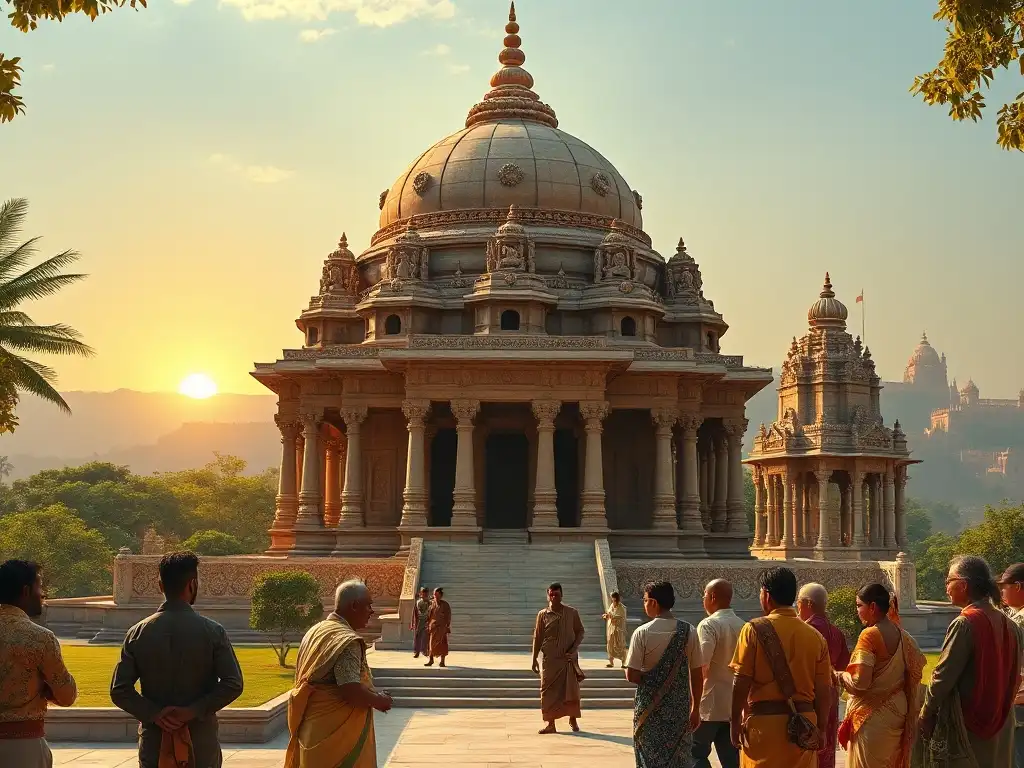
Welcome to Ancient India History, where we embark on a fascinating journey through the rich tapestry of India's past. Here, we delve into the extraordinary achievements and cultural legacies of ancient civilizations, from the enigmatic Indus Valley to the flourishing Gupta Empire.
In our featured article, we explore the "Maurya Empire architectural achievements," revealing how the grandeur of structures not only showcased artistic brilliance but also served as a powerful expression of authority. Prepare to uncover the secrets of key builders who shaped an era, and ignite your curiosity as you dive deeper into the architectural wonders that defined a civilization!

Introduction to the Maurya Empire Architectural Achievements
The Maurya Empire, which flourished from 322 to 185 BCE, stands as one of the most significant and powerful empires in ancient Indian history. Renowned for its vast territorial expanse and sophisticated administrative system, the Maurya Empire also left an indelible mark through its architectural achievements. These structures not only served functional purposes but also expressed the empire's grandeur, authority, and cultural identity.
The architecture of the Maurya Empire illustrates how monumental edifices, stupas, and pillars played a crucial role in consolidating power and disseminating messages of governance and spirituality. This article delves into the key builders who shaped the architectural landscape of the Maurya Empire and examines how their contributions reflected the empire's ambitions and ideals.
Overview of the Maurya Empire
The Maurya Empire emerged in the wake of the decline of the Nanda Dynasty, with Chandragupta Maurya as its founder. Under his leadership, the empire expanded significantly, encompassing a vast area from the northwestern regions of India to parts of modern-day Afghanistan and Bangladesh. One of the hallmark features of the Maurya Empire was its centralized administration, which facilitated the construction of elaborate architectural projects, including palaces, monasteries, and public works.
- Key Characteristics:
- Geographical Span: Covered a large portion of the Indian subcontinent.
- Centralized Administration: Enabled efficient governance and resource mobilization.
- Cultural Syncretism: Merged various regional styles and traditions in architecture.
The architectural achievements of the Maurya Empire were not merely utilitarian; they were imbued with cultural significance and political symbolism, reflecting the empire's ethos and aspirations.
Importance of Architecture in Expressing Power
Architecture serves as a powerful medium for expressing authority and cultural identity. In the context of the Maurya Empire, monumental structures were strategically designed to project the might and stability of the state, while also promoting the moral and spiritual values of its leaders.
- Functions of Mauryan Architecture:
- Symbol of Authority: Grand edifices like the Ashoka Pillars and stupas were erected to symbolize the emperor's power and commitment to dharma (moral law).
- Cultural Integration: Architecture facilitated the blending of local styles with influences from other regions, showcasing the empire's cosmopolitan nature.
- Public Engagement: Structures were designed to foster community interaction, as seen in the construction of public parks and water reservoirs.
Through their architectural endeavors, the Mauryan rulers left a lasting legacy that not only defined their era but also influenced subsequent generations.
Key Builders of the Maurya Empire
The architectural achievements of the Maurya Empire were accomplished through the vision and efforts of several key figures, each contributing uniquely to the empire's architectural landscape.
Chandragupta Maurya: The Visionary Leader
Chandragupta Maurya, the founder of the Maurya Empire, laid the groundwork for its architectural grandeur. His reign marked the beginning of a new era in Indian history, characterized by ambitious construction projects that reflected his vision of a unified and powerful state.
- Key Contributions:
- Fortifications: Established fortified cities that served as administrative and military hubs.
- Infrastructure Development: Promoted the construction of roads and trade routes, enhancing connectivity and commerce.
Chandragupta's architectural initiatives were integral to the empire's expansion and stability, establishing a precedent for future rulers.
Ashoka the Great: Architect of Peace and Power
Ashoka the Great, grandson of Chandragupta, is often regarded as one of the most influential rulers in Indian history. His reign marked a significant shift in focus from military conquest to the promotion of peace and dharma.
- Architectural Achievements:
- The Ashoka Pillars: Erected across the empire, these pillars served as edicts promoting moral and ethical governance.
- Stupas: Commissioned several stupas, including the famous Sanchi Stupa, which became important pilgrimage sites.
Ashoka's architectural contributions were not only expressions of power but also vehicles for spreading the principles of Buddhism, thus intertwining architecture with spiritual ideals.
Other Notable Figures in Mauryan Architecture
While Chandragupta and Ashoka are the most celebrated builders of the Maurya Empire, several other figures also played pivotal roles in shaping its architectural heritage.
- Key Contributors:
- Bindusara: Chandragupta's son, who continued the tradition of monumental construction.
- Local Artisans and Architects: Skilled craftsmen from various regions contributed to the rich tapestry of Mauryan architecture, incorporating diverse stylistic elements.
The collaborative efforts of these individuals and groups not only enriched the architectural landscape of the Maurya Empire but also facilitated the exchange of ideas and cultural practices, further solidifying the empire's legacy in ancient Indian history.
Architectural Styles and Techniques of the Maurya Empire
The architecture of the Maurya Empire (circa 322–185 BCE) represents a significant evolution in the architectural styles of ancient India, reflecting both its cultural heritage and the political aspirations of its rulers. One of the most notable aspects of Mauryan architecture is its incorporation of grandeur and functionality, merging aesthetic beauty with practical needs. The use of polished stone, intricate carvings, and monumental designs underlines the empire's emphasis on power and authority.
The architectural styles of the Maurya Empire were heavily influenced by earlier traditions, particularly those of the Indus Valley Civilization. However, the Mauryas introduced new features such as the monolithic pillars and stupas, characterized by their immense scale and elaborate ornamentation. These structures served not only religious purposes but also acted as symbols of the emperor's might, conveying a sense of permanence and stability.
Influence of Indus Valley Civilization on Mauryan Architecture
The Indus Valley Civilization, which thrived around 2500–1900 BCE, laid the groundwork for many architectural principles seen during the Maurya Empire. The use of standardized baked bricks, drainage systems, and urban planning can be traced back to the Indus Valley's sophisticated cities like Mohenjo-Daro and Harappa. The Mauryans adopted these techniques but expanded upon them, resulting in more monumental structures.
For instance, the emphasis on symmetry and the layout of cities was a direct inheritance from the Indus Valley. The Mauryans also embraced the idea of public spaces, creating grand assemblies and marketplaces that echoed the urbanism of their predecessors. This continuity highlights how the Maurya Empire not only respected its architectural lineage but also sought to enhance and transform it into a more powerful expression of imperial authority.
Innovations in Construction Techniques
Innovations in construction techniques were pivotal to the architectural achievements of the Maurya Empire. One of the most significant advancements was the development of the monolithic pillars, which were carved from single blocks of stone. These pillars, often reaching impressive heights, were intricately detailed with inscriptions and reliefs that conveyed messages of governance and dharma (moral law).
Another key innovation was the use of advanced masonry techniques, including the precise fitting of stones without the use of mortar. This method not only strengthened the structural integrity of buildings but also showcased the craftsmanship of Mauryan artisans. The introduction of curved domes and vaulted ceilings in structures such as stupas further exemplified the Mauryans' ingenuity, allowing for more spacious interiors and a sense of grandeur.
Use of Materials in Maurya Empire Architecture
The Maurya Empire's architectural achievements are notable for their diverse use of materials, which contributed to the durability and aesthetic appeal of their structures. Stone was the primary material, with sandstone and limestone being favored for their availability and workability. The famous Ashoka Pillars, for example, were carved from high-quality sandstone and polished to a fine sheen, symbolizing both artistic achievement and imperial power.
In addition to stone, timber and terracotta were also utilized, particularly in the construction of roofs and smaller structures. The careful selection of materials not only enhanced the visual impact of buildings but also demonstrated the empire's wealth and resources. The combination of these materials facilitated the construction of impressive monuments like the stupas, which have survived through the centuries, attesting to the Mauryas' architectural prowess.
Major Architectural Achievements of the Maurya Empire
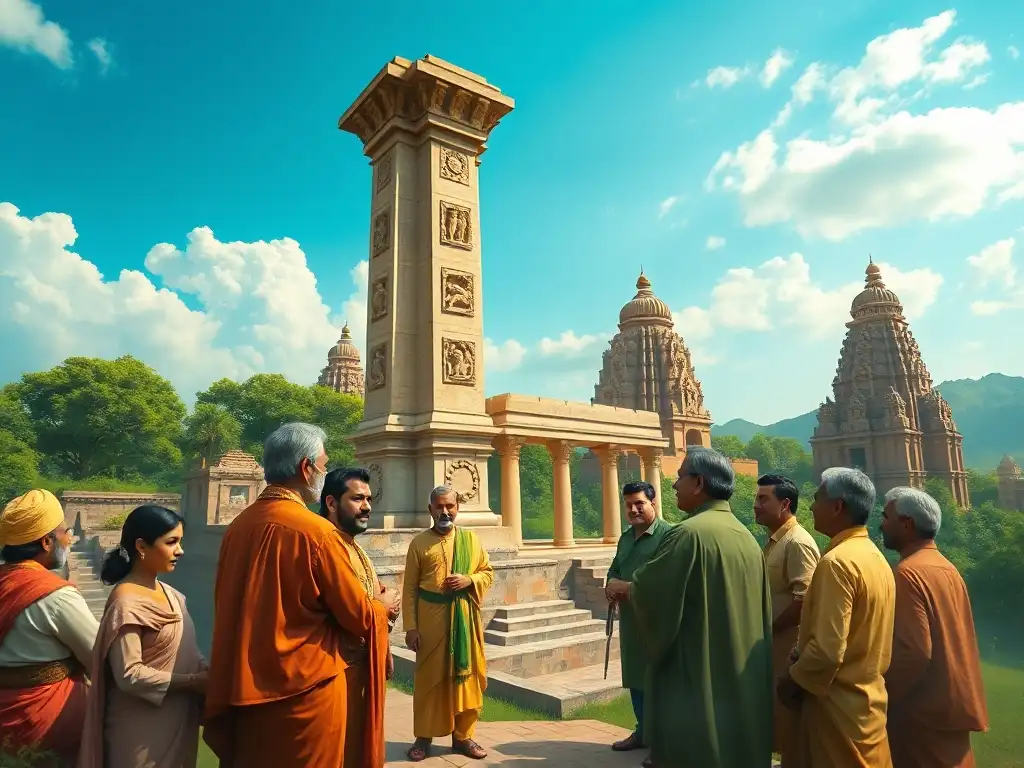
The architectural feats of the Maurya Empire are among the most remarkable in ancient Indian history, characterized by their monumental scale and intricate craftsmanship. The empire's commitment to architecture was not merely for aesthetic purposes; it served as a means to consolidate power, promote Buddhism, and disseminate the emperor's message across vast territories. Several key structures exemplify these achievements.
The Pillars of Ashoka: Symbols of Authority
The Pillars of Ashoka stand as iconic symbols of Mauryan architecture and authority. Erected by Emperor Ashoka across his empire, these pillars are notable for their height, with some reaching over 40 feet tall. Each pillar is adorned with carvings of animals, such as lions and elephants, which symbolize strength and protection.
The inscriptions on these pillars, known as the Edicts of Ashoka, convey important moral and ethical guidelines, reflecting the emperor's commitment to dharma and governance. The most famous of these is the Lion Capital of Ashoka, now the national emblem of India, which epitomizes the artistic excellence of the period and serves as a reminder of the empire's legacy.
Rock Edicts and Their Significance
The rock edicts, inscribed on cliffs and boulders throughout the Maurya Empire, represent a unique form of architectural expression that combines natural landscape with monumental writing. These edicts, numbering over thirty, communicate Ashoka's policies on justice, morality, and social welfare.
The use of rock surfaces as a medium for these edicts signifies a monumental approach to communication, ensuring that the emperor's messages reached a wide audience. The simplicity of the inscriptions, coupled with their strategic placement, exemplifies the Mauryan emphasis on accessibility and public engagement in governance.
Stupas and Monasteries: Architectural Marvels of the Maurya Empire
The stupas and monasteries constructed during the Maurya Empire are some of the finest examples of ancient Indian architecture, showcasing the empire's patronage of Buddhism. The Great Stupa at Sanchi, one of the most significant stupas, is renowned for its circular dome and elaborate gateways (toranas), which depict various scenes from the life of the Buddha.
These stupas served not only as reliquaries for Buddhist remains but also as centers for pilgrimage and meditation. The architectural design of stupas, with their hemispherical form symbolizing the universe, reflects the spiritual aspirations of the Mauryan period. Monasteries, such as those at Nalanda, further exemplify the empire's commitment to learning and spiritual growth, providing spaces for scholars and monks to study and practice Buddhism.
The architectural achievements of the Maurya Empire are a testament to their innovative spirit and deep cultural heritage, leaving a lasting impact on the architectural landscape of India and beyond.
The Role of Religion in Mauryan Architectural Developments
Religion played a pivotal role in shaping the architectural landscape of the Maurya Empire, serving as both a reflection of spiritual beliefs and a means of expressing the power of the ruling elite. The Mauryan period, particularly under Emperor Ashoka, witnessed a significant transformation in religious architecture, primarily influenced by Buddhism, but also encompassing Jainism and Hinduism. Architectural developments during this era were not merely functional; they were imbued with symbolic meaning, demonstrating the empire's commitment to religious tolerance and the promotion of a unified cultural identity.
The construction of stupas, monasteries, and rock-cut caves became prominent, serving as places of worship and meditation. These structures were strategically placed along trade routes and in urban centers, conveying the message of power and stability. The architectural forms used in Mauryan constructions often embodied the principles of harmony and balance, reflecting the spiritual aspirations of the time. Thus, the architectural achievements of the Maurya Empire stand as a testament to the profound influence of religion on the aesthetics and functions of their built environment.
Buddhist Influence on Architecture
Buddhism had a profound impact on the architectural achievements of the Maurya Empire, particularly during the reign of Emperor Ashoka (268-232 BCE). Ashoka, after embracing Buddhism, became a patron of the faith, commissioning numerous structures that embodied Buddhist principles. The most significant architectural form associated with Buddhism during this period was the stupa—domed structures that housed relics of the Buddha and served as focal points for pilgrimage and worship.
The Great Stupa at Sanchi is one of the most exemplary structures from this era, showcasing intricate carvings and sculptures that depict various scenes from the life of the Buddha. These stupas not only served as places of veneration but also symbolized the spread of Buddhist teachings across the empire.
Furthermore, rock-cut caves such as those at Barabar and Nagarjuni were developed as monastic complexes, providing spaces for monks to meditate and live in accordance with Buddhist practices. The architectural innovations that emerged during this period, characterized by their grandeur and meticulous craftsmanship, laid the foundation for subsequent Buddhist architecture throughout India and beyond.
Jain and Hindu Contributions to Mauryan Structures
While Buddhism dominated the architectural narrative of the Maurya Empire, Jainism and Hinduism also made significant contributions to the architectural landscape. Jain temples, with their intricate carvings and elaborate designs, reflected the community's devotion to non-violence and asceticism. The influence of Jain architecture can be seen in the detailed sculptures and the use of stone in many Mauryan constructions.
Hindu architecture, although less prominent during the initial phase of the Maurya Empire, began to emerge as a significant influence towards the latter part of the period. The incorporation of Hindu motifs and iconography in public structures and temples signified the integration of various religious practices within the empire. The architecture of this era laid the groundwork for later Hindu temples, characterized by their ornate detailing and complex layouts, which would flourish in subsequent centuries.
Legacy of Maurya Empire Architectural Achievements
The architectural achievements of the Maurya Empire have left an indelible mark on the cultural and historical landscape of India. The structures built during this time not only served immediate religious and administrative purposes but also symbolized the zenith of architectural innovation in ancient India. The legacy of the Maurya Empire's architecture is evident in its influence on subsequent dynasties, showcasing a blend of aesthetic beauty and functional design that continues to resonate in modern architecture.
Influence on Later Indian Architecture
The architectural styles and techniques developed during the Maurya Empire significantly influenced later Indian architecture, particularly in the Gupta period and beyond. The emphasis on grand stupas, intricately carved pillars, and rock-cut caves set a precedent for subsequent builders. For instance, the architectural principles of symmetry and proportion seen in Mauryan stupas were adopted and adapted by later dynasties, leading to the development of iconic structures such as the Kailasa temple in Ellora and the temples of Khajuraho.
Moreover, the integration of various religious influences—Buddhist, Jain, and Hindu—during the Mauryan period fostered a unique architectural idiom that later architects would draw upon. The use of local materials, innovative construction techniques, and elaborate ornamentation became hallmarks of Indian architecture, shaping the cultural identity of the region for centuries to come.
Preservation and Restoration of Mauryan Sites
The preservation and restoration of Mauryan architectural sites have become crucial in understanding the empire's historical significance and its contributions to Indian culture. Several Mauryan structures, such as the Great Stupa at Sanchi and the rock-cut caves at Barabar, have been recognized as UNESCO World Heritage Sites, highlighting their importance in world heritage.
Efforts to preserve these sites involve meticulous restoration work, employing traditional craftsmanship and modern conservation techniques to maintain the authenticity of the structures. Archaeological excavations and research initiatives continue to uncover the rich history associated with these sites, providing insights into the architectural practices and cultural life of the Maurya Empire. Moreover, educational programs and community engagement are vital in raising awareness about the significance of these ancient structures, ensuring their conservation for future generations to appreciate and learn from.
Conclusion: The Lasting Impact of Mauryan Architecture on Indian Civilization
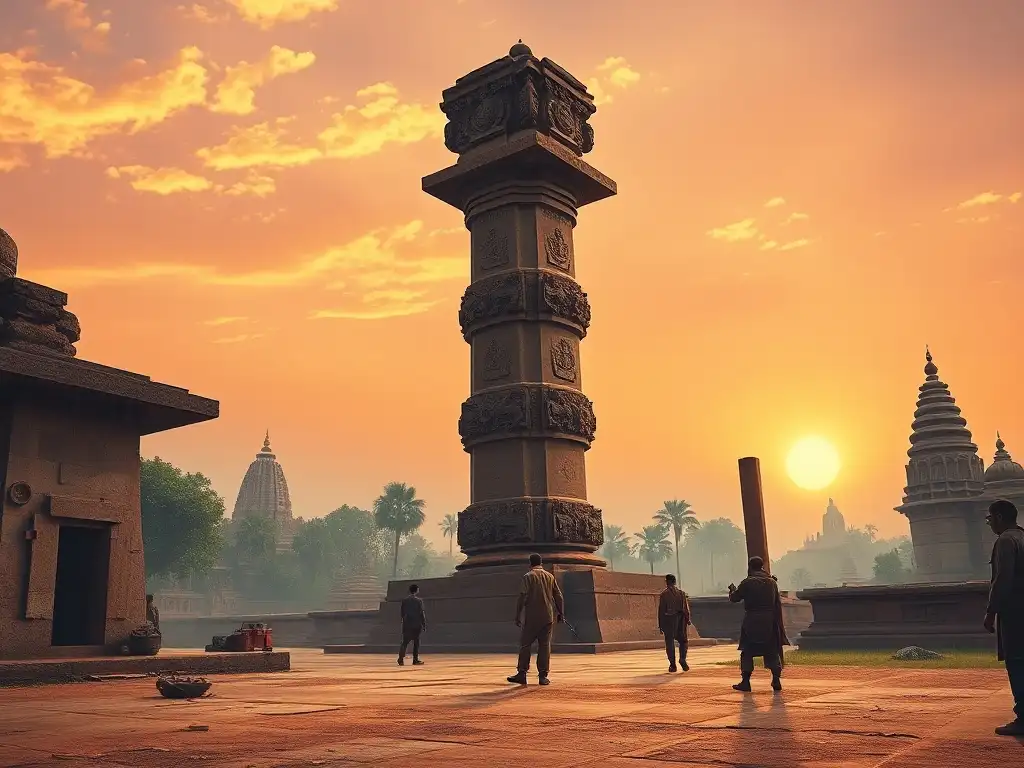
The architectural achievements of the Maurya Empire, particularly under the reign of Chandragupta Maurya and his grandson Ashoka, have left a profound and lasting impact on Indian civilization. The monumental structures and urban planning strategies employed during this period not only served immediate political and religious functions but also established a legacy that influenced subsequent architectural styles across the Indian subcontinent. The use of stone, intricate carvings, and the integration of religious motifs in structures like the stupas and pillars set a precedent for later dynasties, creating a distinct architectural language that resonated through the ages.
The Mauryan influence can be seen in the evolution of Buddhist architecture, particularly with the design of stupas, which became pivotal in the spread of Buddhism. The Great Stupa at Sanchi, for instance, exemplifies the architectural principles established during the Maurya period, showcasing the importance of symmetry and grandeur. Furthermore, the pillars of Ashoka, adorned with inscriptions and animal motifs, served not only as markers of his reign but also as a means of disseminating his edicts and philosophies, thereby reinforcing the connection between architecture, power, and governance in ancient India.
Reflection on Power and Architecture in Ancient India
In ancient India, architecture was a reflection of power, authority, and cultural values. The Maurya Empire, with its sophisticated urban planning and monumental structures, illustrated how architecture could be used as a tool for consolidating power and fostering unity among diverse populations. The grand edifices constructed during this era were not merely functional; they embodied the imperial ideology and the religious beliefs of the time, showcasing the rulers' aspirations and achievements.
The design and scale of Mauryan architecture highlighted the empire's strength and stability, while also serving as a means for the rulers to connect with their subjects. Temples, stupas, and palaces were strategically located to inspire awe and reverence. This relationship between power and architecture has continued throughout Indian history, influencing the designs of subsequent empires, such as the Gupta and Mughal, which further developed and expanded upon the architectural principles established by the Mauryas.
Future Research Directions in Mauryan Architectural Studies
Future research on Mauryan architecture holds great potential for uncovering new insights into the socio-political dynamics of the era. Scholars can explore various facets such as the regional variations in architectural styles within the empire, the technological advancements that facilitated construction, and the interplay between architecture and religion.
Additionally, interdisciplinary approaches involving archaeology, art history, and cultural studies can yield a deeper understanding of how Mauryan architecture influenced social structures and community life. The use of modern technologies, such as 3D modeling and digital reconstructions, could provide fresh perspectives on the original layouts and designs of Mauryan sites.
Moreover, examining the interactions between Mauryan architecture and neighboring cultures can illuminate the exchange of ideas and artistic influences that shaped the built environment of ancient India. Such studies not only enrich our understanding of the Maurya Empire's architectural achievements but also contribute to the broader narrative of ancient Indian civilization and its enduring legacy.
- Introduction to the Maurya Empire Architectural Achievements
- Key Builders of the Maurya Empire
- Architectural Styles and Techniques of the Maurya Empire
- Major Architectural Achievements of the Maurya Empire
- The Role of Religion in Mauryan Architectural Developments
- Legacy of Maurya Empire Architectural Achievements
- Conclusion: The Lasting Impact of Mauryan Architecture on Indian Civilization
- Reflection on Power and Architecture in Ancient India
- Future Research Directions in Mauryan Architectural Studies
Frequently Asked Questions
What were the architectural achievements of the Maurya Empire?
The Maurya Empire is renowned for its monumental architecture, including the famous Ashoka Pillars and the Great Stupa at Sanchi, which exemplify Buddhist influence and engineering prowess.
How did architecture reflect the power of the Maurya Empire?
Architecture in the Maurya Empire served as a visual representation of power, showcasing the wealth and religious devotion of its rulers, particularly through grand stupas and palatial structures.
Who were the key builders during the Maurya Empire?
Key figures include Emperor Ashoka, who commissioned many stupas and monuments, and architects who contributed to significant projects, emphasizing religion and state authority in their designs.
What materials were primarily used in Maurya architecture?
Maurya architecture predominantly utilized stone, particularly sandstone and granite, allowing for durability and intricate carvings that depicted mythological themes and royal insignia.
How did Maurya architecture influence later Indian architecture?
The architectural styles and techniques developed during the Maurya Empire laid the foundation for future Indian architecture, influencing elements such as stupa designs and the integration of carvings and symbols in later structures.
Final Reflection: The Enduring Legacy of Maurya Empire Architectural Achievements
The architectural feats of the Maurya Empire are not merely relics of the past; they serve as powerful symbols of authority and cultural identity that resonate in today's world. As we navigate through modernity, the grandeur and intricacy of Mauryan architecture remind us of the profound ways in which structures can embody the aspirations and values of a civilization. The monumental stupas, palaces, and pillars created during this era not only showcased the empire's power but also laid the groundwork for future architectural innovations.
The influence of Maurya Empire architectural achievements continues to shape our understanding of power dynamics and cultural expression. The intricate designs and monumental scale of structures like the Great Stupa at Sanchi and Ashoka's pillars reflect a society that valued both spiritual and political authority. These architectural marvels invite us to consider how the built environment can communicate messages of strength and unity. Architecture is the art of how to waste space.
– Philip Johnson. This quote serves as a reminder that every structure, whether grand or humble, carries with it a narrative that speaks to the values and priorities of its time.
As we reflect on the lessons from the Maurya Empire, let us challenge ourselves to recognize the power of architecture in our own lives. Consider how the spaces we inhabit can reflect our values and aspirations. Whether through the design of our homes, public buildings, or community spaces, we have the opportunity to create environments that inspire and uplift. Embrace the legacy of the Maurya Empire by engaging with the built world around you, and let it motivate you to contribute to a future where architecture continues to express the power of collective identity and purpose.
Unveil the Influence of Architecture: Take Action Today!
Thank you for exploring the fascinating interplay between architecture and power during the Maurya Empire! Your interest in how monumental structures reflect authority enriches your understanding of ancient civilizations. Now, let's transform that inspiration into meaningful action!
- Visit a local museum or historical site to experience firsthand how architecture influences your environment.
- Discuss your insights about the Maurya Empire with friends or on social media to spark engaging conversations about history and architecture.
- Consider exploring an architectural landmark in your area and reflecting on its significance—how has it impacted the surrounding community?
What aspect of architecture do you believe best conveys authority in today’s world?