
The Role of Public Works in the Political Legitimacy of the Maurya Empire


Welcome to Ancient India History, where we embark on a journey through the vibrant tapestry of ancient Indian civilizations. Here, we delve deep into the myriad ways in which the Maurya Empire shaped the region's legacy, particularly through its innovative public works. Discover how these monumental projects not only enhanced daily life but also played a crucial role in establishing the political legitimacy of this great empire.
Prepare to uncover fascinating insights that link architecture, governance, and society in ways you may never have imagined. Join us as we explore the profound impact of these contributions on the fabric of ancient Indian history!
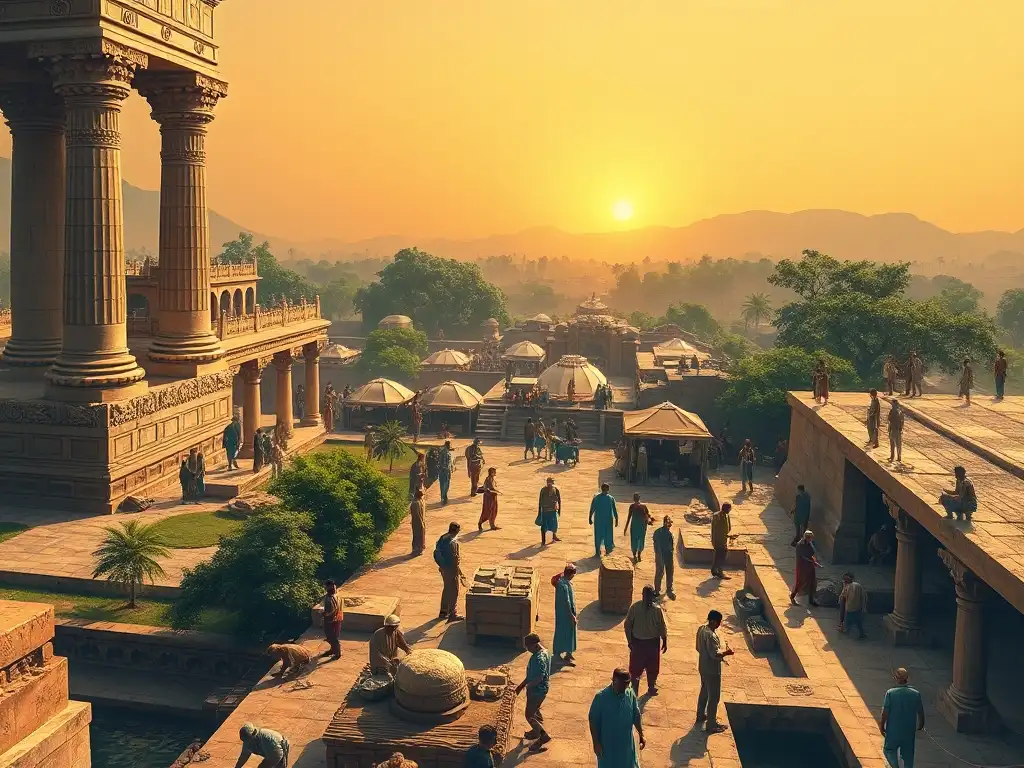
The Maurya Empire, one of the most significant and expansive empires in ancient India, is renowned for its sophisticated political structure and the pivotal role that public works played in establishing its political legitimacy. The Mauryan rulers, particularly Chandragupta Maurya and his grandson Ashoka, recognized that engaging in extensive public works was not merely an act of governance but a strategic means to solidify their authority and win the trust of their subjects.
Public works, which encompassed the construction of roads, irrigation systems, and monumental architecture, served as tangible evidence of the rulers' commitment to the welfare of the populace. This article explores how these projects influenced the political landscape of the Maurya Empire, fostering loyalty among the subjects and enhancing the rulers' legitimacy.
Introduction to Public Works in the Maurya Empire
Public works in the Maurya Empire were instrumental in shaping both the physical and social infrastructure of the time. These initiatives were not only vital for economic growth but also played a crucial role in the political narrative of the empire. By investing in public works, the Mauryan rulers demonstrated their ability to govern effectively and to provide for the needs of their people, thereby reinforcing their political legitimacy.
Definition of Public Works in Ancient India
Public works in ancient India can be defined as large-scale projects undertaken by the state to improve infrastructure and provide essential services to the populace. These projects included:
- Road construction: Facilitating trade and communication.
- Irrigation systems: Enhancing agricultural productivity.
- Public buildings and monuments: Signifying the power and benevolence of the rulers.
These initiatives were critical in shaping the daily lives of the citizens and were often seen as a reflection of the ruler's capability and commitment to his subjects.
Importance of Public Works for Political Legitimacy
The connection between public works and political legitimacy in the Maurya Empire can be understood through several key aspects:
- Symbol of Authority: Public works projects served as a physical manifestation of the ruler's power and vision for the empire.
- Economic Prosperity: By improving infrastructure, the empire stimulated trade and agriculture, leading to economic stability, which in turn fostered loyalty among the subjects.
- Social Welfare: Investments in public health, education, and welfare initiatives enhanced the quality of life for the citizens, reinforcing the idea that the ruler cared for their well-being.
This multifaceted approach to governance through public works made the Mauryan rulers appear more legitimate and approachable, fostering a sense of unity and cooperation within the empire.
Historical Context of the Maurya Empire
To fully appreciate the role of public works in the Maurya Empire, it's essential to understand the historical backdrop against which this empire flourished. The Maurya Empire was established in the 4th century BCE, following the dissolution of the fragmented kingdoms of the Indian subcontinent. Under the leadership of Chandragupta Maurya, the empire expanded rapidly, laying the foundation for an advanced and structured political system.
Overview of the Maurya Empire's Political Structure
The Maurya Empire was characterized by a centralized political structure that emphasized strong governance. Key features included:
- A well-organized bureaucracy: Facilitating efficient administration across vast territories.
- A network of spies: Ensuring loyalty and gathering intelligence.
- Legal systems: Codifying laws to maintain order and justice.
These elements combined to create a robust state capable of implementing large-scale public works initiatives, which were essential for maintaining the empire's stability and prosperity.
Key Leaders and Their Contributions to Public Works
The Mauryan Empire thrived under the leadership of several notable rulers, each contributing to public works in unique ways:
- Chandragupta Maurya: Established the foundation for public infrastructure, including roads and trade routes that connected different regions of the empire.
- Ashoka the Great: Known for his extensive contributions to public welfare, Ashoka promoted the construction of hospitals, wells, and rest houses for travelers, which highlighted his commitment to the people.
These leaders not only shaped the political landscape of the Maurya Empire but also set a precedent for future governance strategies centered around public works and their implications for political legitimacy.
Major Public Works Initiatives in the Maurya Empire
The Maurya Empire, one of the largest and most powerful empires in ancient India, is renowned for its extensive public works initiatives that played a crucial role in establishing political legitimacy and fostering the well-being of its citizens. Under the reign of Chandragupta Maurya and his grandson Ashoka, the empire undertook significant projects that not only enhanced infrastructure but also reflected the state's commitment to the welfare of its people. These initiatives encompassed various sectors, including transportation, water management, and urban planning, demonstrating the Mauryan rulers' understanding of the interconnectedness of public works and governance.
Infrastructure Development: Roads and Communication
One of the most notable achievements of the Maurya Empire was the development of a vast network of roads that facilitated trade, communication, and military mobility. The Grand Trunk Road, a crucial artery of commerce, connected important cities and regions, allowing for the efficient movement of goods and people. This infrastructure not only boosted economic activity but also enabled the central administration to exert control over distant territories.
The Mauryan roads were meticulously constructed, often lined with trees for shade and equipped with rest houses for travelers. Such development improved connectivity across the empire, fostering a sense of unity among diverse populations. Additionally, the establishment of waystations and communication posts ensured that information could be disseminated rapidly, further enhancing the governance of the empire.
Water Management: Irrigation Systems and Wells
Water management was another critical aspect of the Mauryan public works initiatives. The empire invested heavily in the construction of irrigation systems, canals, and reservoirs to support agriculture, which was the backbone of the economy. By improving water supply through these engineering feats, the Maurya rulers not only increased agricultural productivity but also ensured food security for their subjects.
Moreover, the construction of wells and water tanks throughout the empire addressed the essential need for drinking water, especially in arid regions. These efforts were vital in establishing the Maurya Empire as a benevolent authority that cared for the basic needs of its citizens, thereby reinforcing political legitimacy.
Urban Planning: Cities and Towns of the Maurya Empire
The Maurya Empire is also recognized for its well-planned urban centers, such as Pataliputra, the capital city. Urban planning during this period involved the systematic layout of cities, including residential areas, marketplaces, and administrative buildings. The cities were designed with wide streets, drainage systems, and public spaces, promoting a high standard of living.
The strategic location of towns along trade routes further facilitated economic growth and cultural exchange. By investing in urban development, the Maurya rulers created centers of administration and commerce that not only improved the quality of life for their subjects but also showcased the empire's power and sophistication. This urban infrastructure played a significant role in the political hierarchy, establishing the Maurya Empire as a formidable force in ancient India.
The Impact of Public Works on Political Legitimacy
The public works initiatives of the Maurya Empire had a profound impact on its political legitimacy, serving both practical and symbolic purposes. By addressing the essential needs of their populace, the Mauryan rulers cultivated a sense of loyalty and support among their subjects.
Enhancing Governance through Public Works
Public works served as an extension of the Mauryan governance model, demonstrating effective administration and resource management. Successful execution of large-scale projects showcased the empire's organizational capabilities and the rulers' commitment to the welfare of their citizens. This approach reinforced the perception of the Maurya Empire as a responsible and capable authority, enhancing political stability.
Furthermore, the employment generated by these initiatives provided livelihoods for many, which increased public satisfaction and loyalty towards the ruling class. The visible benefits of these projects made it easier for the Mauryan rulers to justify their authority, as citizens could directly see the advantages of their governance.
Public Works as a Tool for Social Integration
The public works initiatives in the Maurya Empire also played a vital role in promoting social integration among diverse communities. By creating infrastructure that linked various regions and cultures, the Mauryan rulers encouraged interaction and collaboration among different ethnic and social groups.
Projects such as roads and irrigation systems not only facilitated trade but also fostered cultural exchange, helping to dissolve regional differences. This integration was essential for maintaining harmony within the empire, thereby strengthening its political legitimacy. The Mauryan rulers were perceived as unifiers who brought together disparate groups under a common governance framework.
Public Perception and Loyalty: How Public Works Fostered Support for the Empire
The visible impact of public works on daily life significantly influenced public perception of the Maurya Empire. Citizens who benefited from improved infrastructure, agricultural support, and urban amenities developed a sense of loyalty and attachment to their rulers. The perception of the Mauryan leadership as benevolent and effective was further enhanced by the public works initiatives that addressed their needs and aspirations.
Moreover, the Mauryan rulers utilized these projects as a means of propaganda, associating their reign with prosperity and progress. By promoting public works as evidence of their commitment to the people, the rulers cultivated an image of legitimacy and authority that was critical for the stability of the empire. In essence, the public works in the Maurya Empire not only transformed the physical landscape but also shaped the political landscape, reinforcing the rulers' hold on power through the goodwill of their subjects.
Case Studies of Significant Public Works Projects

The Maurya Empire, under its various rulers, embarked on numerous public works projects that not only enhanced the infrastructure of the realm but also reinforced the political legitimacy of the rulers. These projects were integral in showcasing the power of the state, promoting social welfare, and ensuring that the emperor's authority was visible to his subjects. Here, we explore three significant case studies that exemplify the role of public works in the Maurya Empire.
The Grand City of Pataliputra
Pataliputra, the capital of the Maurya Empire, was a marvel of urban planning and engineering. Founded by the Mauryan emperor Chandragupta Maurya, the city was strategically located at the confluence of the Ganges and Son rivers, facilitating trade and defense.
- Urban Design: The city was meticulously planned with wide roads, residential quarters, and public spaces. It featured impressive wooden and brick structures, including palaces, temples, and public halls.
- Defensive Structures: To protect the city, impressive walls and fortifications were constructed, demonstrating the Mauryan emphasis on security and governance.
- Economic Hub: Pataliputra served as a center for commerce, attracting traders from across the subcontinent. The infrastructure facilitated trade routes, contributing to the economic prosperity of the empire.
The grandeur of Pataliputra not only served practical purposes but also symbolized the strength and stability of the Mauryan rule, thereby enhancing the political legitimacy of its leaders.
The Ashoka Edicts: A Symbol of Authority and Policy
One of the most significant public works of the Maurya Empire was the series of edicts issued by Emperor Ashoka, inscribed on pillars and rocks throughout the empire.
- Communication of Principles: These edicts conveyed Ashoka's commitment to Dhamma (moral law), emphasizing non-violence, tolerance, and social welfare.
- Visibility and Accessibility: The strategic placement of these edicts ensured they were visible to a wide audience, reinforcing Ashoka's authority and governance philosophy.
- Cultural Integration: The use of multiple languages and scripts in the edicts demonstrated an effort to communicate with diverse populations within the empire, promoting unity and understanding.
Through the Ashoka edicts, the emperor effectively used public works to disseminate his policies and ideals, fostering a sense of legitimacy and moral authority among his subjects.
The Dhamma Initiative: Promoting Social Welfare through Public Works
Under Ashoka's reign, the Dhamma initiative encompassed various public works aimed at enhancing the welfare of the populace.
- Construction of Hospitals: Ashoka established hospitals for humans and animals, emphasizing the importance of health and compassion in governance.
- Water Management Projects: The Mauryan Empire undertook extensive irrigation and water supply projects, ensuring agricultural productivity and addressing the needs of the populace.
- Rest Houses and Roads: The creation of rest houses along trade routes facilitated travel and commerce, demonstrating the state's commitment to the well-being of its citizens.
These initiatives not only improved the quality of life but also solidified Ashoka's reputation as a benevolent ruler, thereby reinforcing the political legitimacy of the Maurya Empire.
Challenges Faced in Implementing Public Works
While the Maurya Empire made significant strides in public works, various challenges arose that impacted the effectiveness and scope of these projects.
Financial Constraints and Resource Allocation
Implementing extensive public works required substantial financial resources.
- Taxation Burden: The need for funding often led to heavy taxation on the populace, which could provoke discontent and dissent.
- Economic Fluctuations: Changes in trade dynamics or agricultural yield could impact the treasury, limiting the resources available for public projects.
- Prioritization Issues: Balancing the allocation of resources between military needs and public works often created tensions within the administration.
These financial constraints frequently hindered the completion and maintenance of crucial infrastructure, posing a challenge to the legitimacy of the rulers.
Environmental and Geographical Challenges
The diverse geography of the Maurya Empire presented numerous obstacles to public works.
- Varying Topography: The empire's vast terrain, ranging from mountains to plains, complicated construction efforts and infrastructure development.
- Natural Disasters: Floods, droughts, and other environmental factors could damage existing projects and disrupt ongoing work.
- Resource Location: Accessibility to construction materials varied, leading to delays and increased costs in project implementation.
These environmental challenges tested the resilience of the Mauryan administration in fulfilling its public works commitments.
Resistance from Local Populations
Despite the benefits that public works brought, local populations sometimes resisted these initiatives.
- Cultural Differences: Some projects may have conflicted with local customs or traditions, leading to opposition from communities.
- Perceived Exploitation: If local populations felt that they were being exploited for labor without adequate compensation or benefit, it could foster resentment.
- Political Discontent: In regions where the Mauryan rule was tenuous, local leaders or factions might have actively resisted state-driven projects as a means of asserting their autonomy.
Such resistance could undermine the authority of the Mauryan rulers, posing a significant challenge to the political legitimacy they sought to maintain through public works.
Conclusion: The Lasting Legacy of Public Works in the Maurya Empire
The Maurya Empire, one of the largest and most powerful empires in ancient India, demonstrated a profound understanding of the relationship between public works and political legitimacy. The extensive network of roads, irrigation systems, and urban infrastructure not only facilitated trade and communication but also reinforced the authority and governance of the Mauryan rulers. By investing in public works, the Maurya Empire was able to foster a sense of unity and pride among its citizens, ensuring the stability and longevity of its rule.
The legacy of these public works continues to resonate today, as modern Indian governance still recognizes the importance of infrastructure development in promoting economic growth and national identity. The principles established during the Maurya period serve as a historical reference for contemporary public policy and urban planning, showcasing how effective governance can lead to societal advancement.
Summary of the Role of Public Works in Political Legitimacy
Public works in the Maurya Empire played a crucial role in establishing and maintaining political legitimacy. The construction of roads, cities, and irrigation systems not only enhanced the empire's economic viability but also displayed the rulers' commitment to the welfare of their subjects. This visible investment in infrastructure helped to cultivate loyalty and trust among the populace, reinforcing the notion that the rulers were benevolent and capable leaders.
Moreover, public works served as a tangible representation of the empire's power and reach. By connecting distant regions and facilitating trade, the Maurya Empire was able to integrate diverse cultures and communities, promoting a sense of shared identity among its citizens. Consequently, the political legitimacy of the Maurya rulers was bolstered through their proactive engagement in public works, establishing a model that would influence subsequent Indian dynasties.
Reflection on the Impact of Public Works on Modern India
The impact of public works initiated during the Maurya Empire can still be seen in modern India. The emphasis on infrastructure development remains a key component of governance, where investments in roads, transportation, and urban planning are viewed as essential for driving economic growth and improving the quality of life for citizens.
Furthermore, the Mauryan approach to public works highlights the importance of inclusive development that considers the needs of various communities. This principle continues to guide contemporary policies aimed at reducing disparities and enhancing participation in the development process. By reflecting on the historical significance of public works in the Maurya Empire, modern India can draw valuable lessons on governance, statecraft, and the enduring relationship between infrastructure and political legitimacy.
Further Reading on Public Works in Ancient Indian Civilizations
For those interested in deepening their understanding of the role of public works in ancient Indian civilizations, a variety of resources are available. These include scholarly books, research articles, and online platforms dedicated to exploring the rich history of ancient India.
Suggested Books and Articles
-
"The Maurya Empire: A Historical Overview" by R.S. Sharma
This book provides an in-depth look at the political, economic, and social structures of the Maurya Empire, with a specific emphasis on infrastructure and public works.
-
"Public Works in Ancient India: An Analytical Study" by V. N. Mishra
This article discusses various public works initiatives across ancient Indian civilizations, including the Mauryan period, and their implications for political authority.
-
"Infrastructure and Authority: The Role of Public Works in Ancient Indian Politics" by S. K. Gupta
This research paper examines the correlation between public infrastructure and political legitimacy in various ancient Indian states, including the Maurya Empire.
Online Resources for Exploring Ancient India History
-
Digital Library of Ancient Indian History
A comprehensive online repository of texts, images, and resources related to ancient Indian civilizations, including the Maurya Empire and its public works.
-
Ancient India Podcast Series
An engaging audio series that delves into various aspects of ancient Indian history, including episodes focused on infrastructure and governance during the Maurya Empire.
-
The Indian History Congress Website
A platform that provides access to papers and presentations from leading historians, covering topics related to public works and their political significance in ancient India.
These resources will enrich your understanding of the Maurya Empire's contributions to infrastructure and governance, highlighting their lasting impact on both historical and modern contexts.
- Introduction to Public Works in the Maurya Empire
- Historical Context of the Maurya Empire
- Major Public Works Initiatives in the Maurya Empire
- The Impact of Public Works on Political Legitimacy
- Case Studies of Significant Public Works Projects
- Challenges Faced in Implementing Public Works
- Conclusion: The Lasting Legacy of Public Works in the Maurya Empire
- Further Reading on Public Works in Ancient Indian Civilizations
- What were the major public works undertaken during the Maurya Empire?
- How did public works contribute to the political legitimacy of the Maurya Empire?
- What role did infrastructure play in the administration of the Maurya Empire?
- How did the public works impact the daily lives of ordinary citizens in the Maurya Empire?
- Were there any specific public projects that showcased the Maurya Empire's achievements?
Frequently Asked Questions
What were the major public works undertaken during the Maurya Empire?
The Maurya Empire implemented significant public works such as road construction, irrigation systems, and urban planning, which facilitated trade and agriculture.
How did public works contribute to the political legitimacy of the Maurya Empire?
By investing in public works, the Maurya rulers demonstrated their commitment to the welfare of the people, thereby enhancing their political legitimacy and authority.
What role did infrastructure play in the administration of the Maurya Empire?
Infrastructure improvements, including roads and communication systems, were vital for efficient governance and helped in the effective control of vast territories.
How did the public works impact the daily lives of ordinary citizens in the Maurya Empire?
The public works greatly improved the quality of life for citizens by providing better access to resources, markets, and essential services, leading to a more prosperous society.
Were there any specific public projects that showcased the Maurya Empire's achievements?
Yes, notable projects included the construction of the Grand Trunk Road and advanced water management systems, which highlighted the empire's engineering prowess and commitment to public welfare.
Final Reflection: The Enduring Legacy of Public Works in the Maurya Empire
The intricate relationship between public works and political legitimacy in the Maurya Empire underscores a timeless truth: effective governance is intrinsically linked to the welfare of the populace. As we navigate the complexities of modern governance, the lessons drawn from the Maurya Empire's emphasis on infrastructure and public services remain strikingly relevant. The ability of a state to foster trust and loyalty among its citizens through tangible improvements in their daily lives is a principle that resonates across centuries and cultures.
The impact of public works in the Maurya Empire continues to echo in our contemporary society, shaping our understanding of governance and civic responsibility. The monumental projects initiated by leaders like Ashoka not only transformed the physical landscape but also cultivated a sense of belonging and pride among the people. As historian Romila Thapar aptly noted, The Mauryan Empire was not just a political entity; it was a vision of a society where the welfare of the people was paramount.
This perspective invites us to reflect on how the legacies of past empires can inform our current approaches to public service and community engagement.
As we look to the future, let us take inspiration from the Maurya Empire's commitment to public works and consider how we can apply these lessons in our own lives and communities. Reflect on the ways you can contribute to the welfare of those around you, whether through advocacy, volunteering, or simply being an engaged citizen.
The power of public works lies not only in their physical manifestation but also in their ability to unite and uplift communities. Embrace the challenge to be a catalyst for positive change, and remember that every effort, no matter how small, can contribute to the greater good.
Unleash the Legacy of Public Works in Ancient India!
Thank you for diving deep into the fascinating intersection of public works and political legitimacy in the Maurya Empire! We hope this exploration has enriched your understanding of how infrastructure shaped governance and societal trust during ancient times. Now it's your turn to carry that knowledge forward and make an impact!
Here are some **exciting ways** to engage further:
- Explore the Past: Visit a local museum or historical site that showcases ancient Indian architecture or public works to see history come alive!
- Share Your Insights: Discuss your newfound knowledge with friends or on social media—what aspect of public works did you find most intriguing?
- Contribute to the Conversation: Join an online forum or write a blog post about how ancient practices can influence modern public policy.
What do you think is the most critical lesson we can learn from the public works of the Maurya Empire that can be applied to today's governance systems?