
The Maurya Empire's Provincial Administration: A Study of Autonomy and Control


Welcome to Ancient India History, where we invite you to embark on a captivating journey through the rich tapestry of ancient Indian civilizations. From the awe-inspiring ruins of the Indus Valley to the intellectual advancements of the Gupta Empire, our exploration delves deep into the remarkable contributions and diverse cultures that shaped this magnificent era. In our featured article, "The Maurya Empire's Provincial Administration: A Study of Autonomy and Control," we uncover the intricate balance between governance and independence that defined the Maurya Empire.
What secrets lie within the administrative framework that sustained one of history's greatest empires? Join us as we unravel these mysteries and ignite your curiosity about the profound legacy of ancient India!
The Maurya Empire, one of the most significant and expansive empires in ancient India, showcases a complex and sophisticated system of provincial administration that played a crucial role in its governance and stability. Understanding the Maurya Empire provincial administration involves delving into how the empire managed its vast territories, balancing autonomy and control across various regions. Spanning from the 4th to 2nd centuries BCE, the Maurya Empire represented a period of remarkable political organization, where the central authority under rulers like Chandragupta Maurya and his grandson Ashoka the Great implemented innovative administrative strategies.
This article will explore the intricate dynamics of provincial governance within the Maurya Empire, highlighting the methods employed to maintain order and facilitate economic and cultural development. The provincial administration not only reflects the empire's political acumen but also its ability to integrate diverse cultures and local traditions. By examining the structures, strategies, and impacts of provincial governance, we aim to shed light on how the Maurya Empire achieved its remarkable cohesion and longevity in the face of diverse challenges.
Overview of Maurya Empire's Administrative Structure
The administrative structure of the Maurya Empire was characterized by a well-organized hierarchy that enabled effective governance across its vast territories. The empire was divided into several provinces, known as Mahajanapadas, each overseen by a governor or Uparaja appointed by the emperor. This system allowed for localized administration while ensuring that the central authority maintained control.
- Key Features of the Administrative Structure:
- Central Authority: The emperor held supreme power, responsible for overarching policies and decisions.
- Provincial Governors: Appointed from the royal family or trusted officials, they acted as the emperor's representatives in the provinces.
- Local Administration: Each province was further divided into districts, managed by officials known as Amatyas.
Autonomy of Provinces
One of the notable aspects of the Maurya Empire's provincial administration was the level of autonomy granted to local governors. While the central government maintained ultimate control, governors had significant powers to make decisions tailored to their provinces' specific needs.
- Factors Contributing to Autonomy:
- Cultural Diversity: Provinces often had distinct cultures and traditions, necessitating localized governance.
- Economic Management: Governors were empowered to manage local resources, taxation, and trade.
- Military Control: Local military forces were often under the command of the governors, allowing them to respond swiftly to regional issues.
Control Mechanisms
Despite the autonomy granted to provincial governors, the Maurya Empire employed several mechanisms to ensure that central authority was upheld. These control measures were essential for maintaining order and preventing regional dissent.
- Control Measures Implemented:
- Regular Inspections: Officials from the central administration conducted periodic inspections to assess governance and report back to the emperor.
- Intelligence Network: A system of spies and informants was established to monitor the activities of provincial governors.
- Legal Framework: The empire established a codified set of laws to ensure uniformity and adherence to central policies.
Conclusion
The Maurya Empire provincial administration presents a fascinating case study of governance that balances autonomy with control. By understanding the complexities of its administrative structure, we gain insight into how one of ancient India's greatest empires managed to sustain itself and flourish amidst diversity. The following sections will delve deeper into specific aspects of this administration, including case studies of individual provinces and the roles of key figures in the governance of the Maurya Empire.
- Overview of Maurya Empire's Administrative Structure
- Autonomy of Provinces
- Control Mechanisms
- Conclusion
- What was the role of provincial administration in the Maurya Empire?
- How did the Maurya Empire balance autonomy and control in its provinces?
- What were the key features of provincial governance during the Maurya Empire?
- How did the Maurya Empire's provincial administration impact local cultures?
- What were the challenges faced by the Maurya Empire in provincial administration?
Introduction to the Maurya Empire Provincial Administration

The Maurya Empire, one of ancient India's most significant empires, established a complex and effective system of provincial administration that balanced autonomy with centralized control. This framework was crucial for managing the vast territories that spanned from the northern Himalayas to the southern tip of the Indian subcontinent. Understanding the nuances of the Maurya Empire's provincial administration reveals the sophistication of governance during this period and the strategies employed to maintain order and cohesion across diverse cultures and regions.
Overview of the Maurya Empire
The Maurya Empire, founded in 322 BCE by Chandragupta Maurya, marked a pivotal point in Indian history. At its zenith, the empire extended over 5 million square kilometers, encompassing a variety of ethnic groups, languages, and religions.
Key Features of the Maurya Empire:
- Founders and Notable Rulers:
- Chandragupta Maurya: Established the empire and laid the groundwork for its governance.
- Ashoka the Great: Expanded the empire significantly and is renowned for his promotion of Buddhism and non-violence.
- Capital Cities:
- Pataliputra: The capital city was a hub of administration and culture, showcasing impressive architecture and vibrant trade.
- Cultural Diversity:
- The empire included regions such as Magadha, Gandhara, and parts of present-day Afghanistan, which contributed to a rich tapestry of cultural and religious practices.
The Maurya Empire's provincial administration was characterized by a hierarchical structure that included governors (known as Uparikas) appointed by the emperor, who acted as the emperor's representatives in the provinces. This system allowed for local governance while ensuring that imperial policies were implemented effectively across the empire.
Importance of Provincial Governance
Provincial governance in the Maurya Empire played a critical role in maintaining stability and facilitating administration across its expansive territories. The following factors highlight its importance:
- Local Autonomy:
- Provinces were granted a degree of autonomy, allowing local leaders to manage regional affairs. This approach fostered loyalty among local populations, as they had a say in governance and the authority to address local issues.
- Efficient Tax Collection:
- The provincial structure enabled efficient tax collection, which was essential for the empire's economy. Local governors were responsible for ensuring that taxes were collected and resources were allocated effectively.
- Law and Order:
- Provincial administrators were tasked with maintaining law and order, which was crucial for trade and commerce. By addressing local disputes and enforcing laws, governors contributed to a stable environment conducive to economic activities.
- Cultural Integration:
- The Maurya Empire's diverse provinces necessitated a governance model that respected local customs and practices. This cultural integration fostered a sense of unity while allowing for regional identities to thrive.
- Military Security:
- Provinces served as strategic military outposts, essential for the defense of the empire. Governors often maintained local militias to respond quickly to threats, ensuring the security of the empire's frontiers.
The Maurya Empire's provincial administration exemplified a sophisticated balance of autonomy and control, facilitating effective governance across a vast and diverse empire. Understanding this system provides insights into the administrative prowess of ancient Indian civilizations and their approaches to maintaining order and unity amidst diversity.
Structure of the Provincial Administration in the Maurya Empire

The provincial administration of the Maurya Empire was a well-structured system that ensured both control and local governance across its vast territories. The empire, which reached its zenith under Emperor Ashoka, was divided into several provinces, each with its unique administrative framework designed to maintain the balance between central authority and provincial autonomy. This dual approach was essential for managing the diverse cultural and geographical landscape of ancient India.
In the Maurya Empire, central authority was represented by the emperor, who wielded ultimate power over the provinces. However, the effectiveness of governance relied heavily on the degree of provincial autonomy granted to local rulers and officials.
- Imperial Control: The emperor maintained control through a network of appointed governors, called Uparikas, who acted as the direct representatives of the crown. They were responsible for implementing imperial policies, collecting taxes, and maintaining law and order.
- Local Governance: Provincial leaders often had the discretion to manage local affairs, which allowed for a degree of flexibility in governance. This autonomy helped accommodate the diverse customs and practices of various regions within the empire.
The balance between central authority and provincial autonomy was crucial. While the emperor's directives were paramount, local leaders could tailor responses to specific regional issues, fostering loyalty and reducing the risk of rebellion.
Key Officials in Provincial Administration
The Maurya Empire's provincial administration was staffed by a range of officials, each with distinct roles that contributed to the overall governance of the provinces. Key officials included:
- Uparika (Governor): The highest-ranking official in a province, responsible for overseeing all administrative functions, maintaining order, and collecting taxes.
- Amatyas: These were high-ranking ministers who assisted the Uparika and handled specific departments such as finance, justice, and military affairs. Their expertise ensured efficient governance and local compliance with imperial policies.
- Pradesikas: Functioning as district officers, they managed smaller administrative units within provinces. Their role was crucial in implementing the policies decided by the Uparika and maintaining local governance.
- Dharma Mahamatras: Appointed by Emperor Ashoka, these officials were responsible for promoting moral governance and the principles of Dharma, reflecting the emperor's commitment to ethical administration.
This hierarchy of officials facilitated a well-organized provincial administration, enabling effective communication and the implementation of policies throughout the empire.
Administrative Divisions and Their Functions
The Maurya Empire was systematically divided into several provinces, each with its own administrative divisions. Understanding these divisions provides insight into the functions and responsibilities that defined the governance of the empire:
- Provinces (Mahajanapadas):
- Each province was a major administrative region, such as Magadha, Taxila, and Ujjain. The size and significance of these provinces varied, influencing the level of autonomy they enjoyed.
- Districts (Pradeshas):
- Provinces were further divided into districts, managed by Pradesikas. These districts were responsible for local administration, tax collection, and law enforcement, ensuring that imperial policies were enacted at the grassroots level.
- Villages (Gramas):
- The smallest administrative units were villages, where local governance was often managed by village headmen. This structure allowed for localized decision-making, enabling the empire to respond to specific community needs while maintaining overall imperial objectives.
| Administrative Level | Role | Key Responsibilities |
|---|---|---|
| Province (Mahajanapada) | Uparika (Governor) | Oversight of the entire province |
| District (Pradesha) | Pradesika (District Officer) | Local administration and tax collection |
| Village (Grama) | Village Headman | Management of village affairs and disputes |
The intricate network of provinces, districts, and villages established by the Maurya Empire allowed for a dynamic and responsive governance system capable of managing its vast and diverse territories effectively. This structure demonstrates the sophistication of the Maurya Empire's provincial administration, balancing control with local autonomy to facilitate stability and prosperity.
Features of Autonomy in Maurya Empire's Provinces

The Maurya Empire, one of the most significant empires in ancient Indian history, is renowned for its sophisticated provincial administration. This administration featured a blend of central control and local autonomy, allowing provinces to manage their affairs while remaining under the overarching authority of the Mauryan rulers. Below, we explore the various aspects that defined autonomy within the provinces of the Maurya Empire.
Local Governance and Self-Rule
The provinces of the Maurya Empire, known as Mahajanapadas, were granted a considerable degree of self-rule. Each province was managed by a governor, referred to as Uparika, who was appointed directly by the emperor. The Uparika had the authority to maintain law and order, collect taxes, and oversee local administration. This administrative structure allowed for:
- Local Decision-Making: Governors had the discretion to make decisions that catered to the specific needs and circumstances of their provinces. This localized governance fostered a sense of ownership and responsibility among the provincial leaders.
- Community Involvement: Local councils, often composed of respected elders and community leaders, played a crucial role in governance. These councils provided input on matters affecting their communities, thus enhancing the participatory aspect of governance.
- Crisis Management: In times of crises, such as natural disasters or invasions, provincial governors had the autonomy to mobilize local resources and implement emergency measures without awaiting directives from the central authority. This flexibility was vital for maintaining stability.
Overall, the system of local governance in the Maurya Empire encouraged a balanced relationship between the central authority and provincial autonomy, leading to effective administration across diverse regions.
Cultural and Administrative Autonomy
Cultural autonomy was a prominent feature of the Maurya Empire's provincial administration. The empire encompassed various regions with distinct cultural identities, languages, and traditions. To respect and preserve these differences, the Mauryan administration adopted several strategies:
- Promotion of Local Customs: The Mauryan rulers recognized the importance of local customs and traditions. Governors were encouraged to uphold and promote the cultural practices of their provinces. This respect for local culture helped in garnering loyalty from the populace.
- Adaptation of Administrative Practices: The administration in each province often adapted to local practices and norms, leading to variations in governance. For instance, the use of local languages in administration helped in better communication and engagement with the people.
- Religious Tolerance: The Maurya Empire was marked by a diverse religious landscape. The administration practiced religious tolerance, allowing various faiths to flourish. This approach not only fostered social harmony but also strengthened the legitimacy of the Mauryan rule.
These aspects of cultural and administrative autonomy contributed significantly to the stability and longevity of the Maurya Empire, as they aligned governance with the values and needs of the local populations.
Case Studies of Notable Provinces
Several provinces within the Maurya Empire exemplified the features of autonomy while showcasing diverse administrative practices. Here are notable examples:
| Province | Governor | Key Features of Governance |
|---|---|---|
| Magadha | Udayin | Known for its strong central influence; however, local councils played a significant role in resolving disputes among communities. |
| Avanti | Pushyamitra | Demonstrated a high degree of cultural autonomy, with local festivals and traditions being actively promoted by the provincial administration. |
| Taxila | Kautilya | A hub for trade and education, Taxila's governance focused on economic development, using local merchants to facilitate trade policies. |
These case studies highlight how the Maurya Empire's provincial administration effectively balanced control and autonomy, leading to a well-functioning and resilient empire.
The Maurya Empire's provincial administration stands as a testament to the effectiveness of combining local autonomy with central authority. This dual approach not only facilitated governance across vast and diverse territories but also ensured the integration of various cultural identities within the empire, allowing it to thrive for centuries.
Mechanisms of Control in the Maurya Empire

The Maurya Empire, which flourished from 322 to 185 BCE, was characterized by its sophisticated provincial administration that balanced autonomy with central control. The central government implemented various mechanisms to ensure effective governance across its vast territories while allowing local rulers some degree of self-governance. Understanding these mechanisms provides insight into the empire's ability to maintain order and unity.
Role of the Central Government
The central government of the Maurya Empire, led by the emperor, was the primary authority overseeing provincial administration. The emperor's role was crucial in establishing a cohesive governance structure that integrated diverse regions. Here are some key aspects:
- Appointment of Governors: Each province was governed by a Rajuka or Uparika, appointed directly by the emperor. These officials were responsible for collecting taxes, maintaining law and order, and implementing imperial policies.
- Imperial Edicts: The Mauryan emperors, particularly Ashoka, disseminated edicts that outlined administrative policies and ethical governance. These edicts served as a tool for both control and guidance, promoting a sense of shared values among provincial leaders.
- Resource Allocation: The central government controlled the distribution of resources, ensuring that provinces received adequate supplies while also monitoring regional productivity. This system reinforced the emperor's authority and facilitated economic stability.
- Military Presence: The Maurya Empire maintained a strong military presence in provinces to deter rebellion and ensure compliance with imperial directives. Garrisons were strategically placed to respond quickly to any disturbances.
Surveillance and Intelligence in Provincial Administration
A crucial aspect of the Maurya Empire's provincial administration was the effective use of surveillance and intelligence. This allowed the central government to monitor provincial activities and preempt potential uprisings:
- Spies and Informants: The empire employed a network of spies who reported on local affairs, including political dissent and economic conditions. This information was vital for the central government to maintain control over distant provinces.
- Local Councils: Local councils composed of influential community members played a dual role. While they assisted in governance, they also acted as eyes and ears for the central authority, relaying information about public sentiment and local issues.
- Royal Inspectors: Emissaries sent by the emperor, known as Dharma Mahamatras, conducted inspections throughout the provinces. They assessed local governance, addressed grievances, and ensured adherence to imperial policies, reinforcing the connection between central and provincial administration.
Legal Framework and Compliance
The Maurya Empire established a robust legal framework that governed both central and provincial administration. This framework was essential for maintaining order and ensuring compliance with the emperor's policies:
- Legal Codification: The Mauryan legal system was codified, providing clear guidelines for governance and justice. This consistency helped in mitigating conflicts and ensuring that local laws aligned with imperial directives.
- Judicial Authority: Provincial governors were granted judicial powers, allowing them to enforce laws and resolve disputes. This delegation of power fostered a sense of autonomy while ensuring that local decisions adhered to the overarching legal framework of the empire.
- Taxation and Accountability: Taxation was a critical aspect of governance, and the legal framework established clear guidelines for tax collection. Compliance was monitored through local officials, ensuring that revenues were remitted to the central treasury.
- Public Welfare Laws: The Maurya Empire introduced laws aimed at promoting public welfare, such as regulations on trade, agriculture, and labor. These laws not only served to control local economies but also demonstrated the emperor's commitment to the well-being of the populace.
The Maurya Empire's provincial administration was a complex interplay of control mechanisms that facilitated effective governance while allowing for local autonomy. The combination of a strong central government, efficient surveillance, and a comprehensive legal framework ensured that the empire maintained its stability across diverse regions.
Balancing Autonomy and Control: Challenges Faced
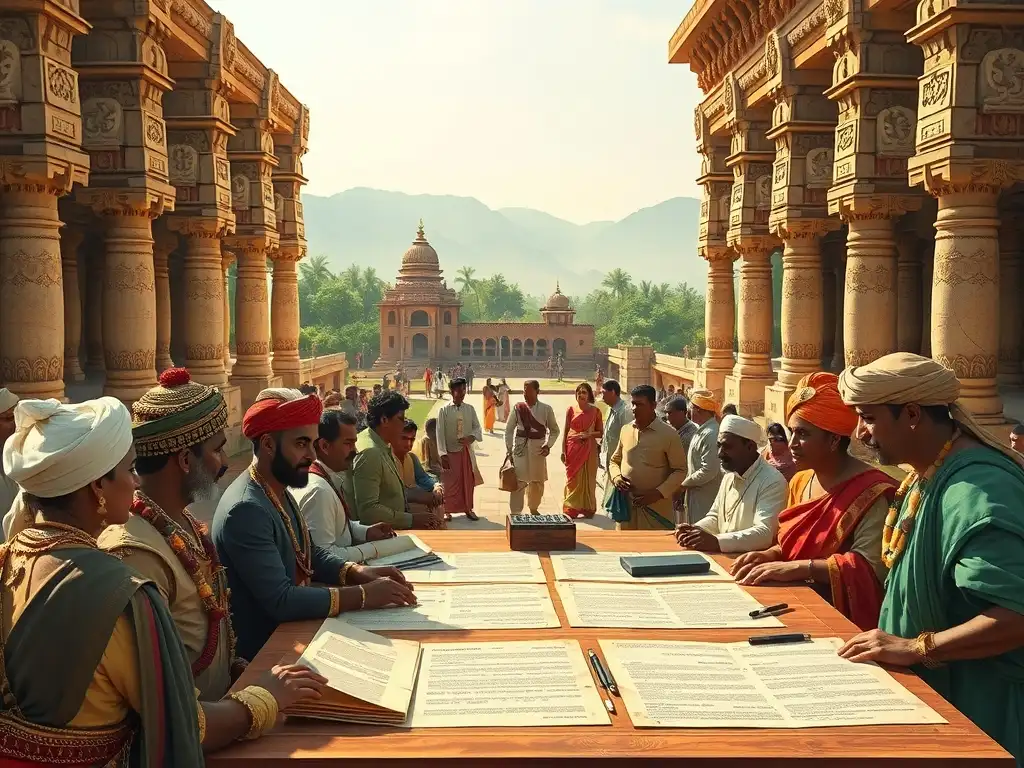
The Maurya Empire's provincial administration was marked by a delicate balance between central control and regional autonomy. This complex dynamic was crucial for maintaining stability and governance across the vast territories of the empire. The challenges faced in this balancing act included managing diverse local interests, ensuring effective communication between the center and provinces, and addressing the varying degrees of loyalty among local leaders.
The relationship between the central authority of the Maurya Empire and local leaders was often fraught with tension. Local leaders, or rulers of provinces (Mahamatras), held significant power and influence within their regions, which sometimes led to conflicts with the imperial administration.
- Resistance to Authority: Many local leaders, accustomed to a degree of autonomy, were reluctant to fully comply with the directives from the central government. This resistance could manifest in various forms, from passive noncompliance to outright rebellion.
- Power Struggles: The central authority, particularly under the rule of Chandragupta Maurya and later Ashoka, faced power struggles where local leaders sought to expand their influence at the expense of the central government. These struggles not only threatened the stability of the provinces but could also lead to broader unrest within the empire.
- Cultural Differences: The Maurya Empire encompassed a wide range of cultures and languages. Local leaders often prioritized local customs and traditions over imperial edicts, leading to friction between regional governance and central policies.
The economic and social landscape of the Maurya Empire profoundly influenced its provincial administration. Several factors contributed to the complexities of governance:
- Diverse Economies: Each province had its own economic structure, which was often based on agriculture, trade, or crafts. Local leaders were better positioned to understand these unique economic conditions, leading them to resist central policies that did not align with regional needs.
- Taxation and Resource Allocation: The central government relied heavily on tax revenues from provinces to fund its activities. Local leaders often negotiated terms regarding taxation, which sometimes resulted in disputes over revenue sharing and resource allocation. This negotiation process was essential for maintaining local support but could also lead to conflicts when the central authority imposed rigid tax policies.
- Social Hierarchies: The social structure within provinces influenced local governance. Different groups, such as merchants, artisans, and farmers, had varying interests, and local leaders needed to navigate these complexities to maintain their authority. Conflicts could arise if local leaders favored one group over another, leading to social unrest.
Historical Examples of Tension and Resolution
Historical records provide insight into specific instances of tension and resolution between the Maurya Empire's central authority and provincial leaders.
- The Revolt of the Kalinga: One of the most notable conflicts during Ashoka's reign was the revolt of Kalinga. The province resisted central control, leading to a brutal war that ultimately resulted in Ashoka's decision to adopt a policy of non-violence and dharma. This shift illustrates the consequences of failing to maintain harmony between the central authority and local governance.
- Local Governance Reforms: In response to ongoing tensions, the Mauryan administration implemented reforms aimed at enhancing local governance. For instance, the establishment of Rajukas (local governors) allowed for greater local representation and decision-making, which helped reduce conflicts and fostered a sense of autonomy within the provinces.
- Diplomatic Engagements: The Maurya Empire also employed diplomatic strategies to resolve disputes. Ashoka's approach to diplomacy included fostering relationships with local leaders through marriages and alliances, which not only secured loyalty but also reduced the likelihood of conflict.
The Maurya Empire's provincial administration was shaped by a complex interplay of autonomy and control, influenced by conflicts between central authority and local leaders, economic and social factors, and historical examples of tension and resolution. This dynamic played a crucial role in the empire's governance, ensuring its stability and prosperity for centuries.
The Impact of Maurya Empire's Provincial Administration
Contributions to Governance in Ancient India
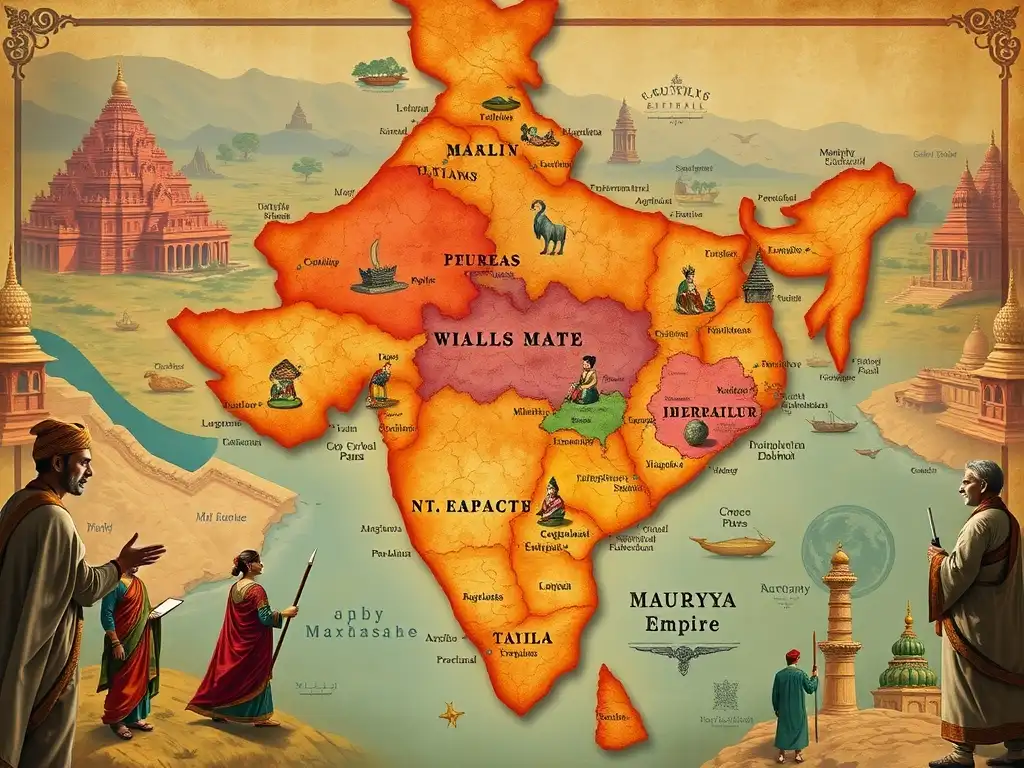
The Maurya Empire's provincial administration marked a significant turning point in the governance practices of ancient India. One of the key contributions was the establishment of a structured administrative hierarchy that allowed for efficient governance across vast territories.
- Provincial Division: The empire was divided into several provinces (Mahajanapadas), each governed by a viceroy or governor (Uparika), who was responsible for maintaining law and order, collecting taxes, and implementing the central government’s policies. This division allowed for localized governance, which was crucial for managing the diverse cultures and languages within the empire.
- Legal Framework: The Mauryan administration introduced a standardized legal framework, which included various laws and regulations that ensured justice across provinces. Kautilya’s Arthashastra, a treatise on statecraft and economics, emphasized the importance of law and order, providing a comprehensive guide for provincial rulers on governance, taxation, and administration.
- Taxation System: The Maurya Empire implemented a systematic taxation regime that included land revenue, trade taxes, and custom duties. Provinces were expected to collect taxes efficiently and submit them to the central treasury, which facilitated the flow of resources to sustain the empire’s military and infrastructure.
- Cultural Integration: The provincial administration played a pivotal role in integrating the diverse cultures of the empire. Governors were often encouraged to adopt local customs and practices, fostering a sense of unity and stability among various ethnic groups.
Influence on Subsequent Indian Empires
The Maurya Empire's provincial administration set a precedent for future Indian empires, influencing their governance structures significantly.
- Gupta Empire: The Gupta Empire, which followed the Mauryas, adopted a similar provincial model, maintaining a network of governors to manage different regions. This continuity ensured that the lessons learned during the Maurya period were not lost and were further refined.
- Regional Autonomy: Subsequent empires recognized the effectiveness of delegating authority to local rulers while maintaining overall control. This balance of autonomy and control became a hallmark of Indian governance, allowing empires to manage large territories without direct interference in local affairs.
- Administrative Innovations: The Mauryan emphasis on administrative efficiency inspired innovations in governance. Future rulers incorporated elements such as periodic assessments of provincial performance, which helped in maintaining accountability and transparency.
Legacy of the Maurya Administrative System
The legacy of the Maurya Empire's provincial administration extends beyond its immediate historical context and continues to influence contemporary governance in India.
- Centralized Authority with Local Governance: The model of centralized authority combined with local governance has been a persistent feature in Indian administration. This approach allows for localized decision-making while ensuring adherence to national policies.
- Cultural and Administrative Practices: Many cultural and administrative practices established during the Maurya period, such as the use of Prakrit as a language of administration, have endured through the ages, reflecting the empire's lasting impact on Indian civilization.
- Historical Documentation: The Maurya Empire was one of the first to maintain detailed records of governance, including edicts and inscriptions. These documents not only provide insight into the administrative practices of the time but also serve as crucial historical resources for understanding ancient Indian governance.
The Maurya Empire's provincial administration laid the groundwork for effective governance in ancient India, influencing subsequent empires and leaving a lasting legacy that resonates in modern administrative practices. Its structured approach to governance, legal frameworks, and taxation systems were pivotal in shaping the political landscape of India for centuries to come.
Conclusion: The Dual Nature of Maurya Empire's Provincial Administration
Summary of Autonomy and Control Dynamics
The Maurya Empire provincial administration exemplified a sophisticated blend of autonomy and control that distinguished it from other ancient empires. At the core of this system was the recognition of local governance, which empowered provincial leaders, often referred to as Uparikas or Mahamatras, to exercise a degree of autonomy. This autonomy allowed local leaders to address regional issues effectively while still adhering to the overarching authority of the central government.
- Regional Adaptation: Provincial governors were tasked with understanding local customs, laws, and economic conditions. This adaptability ensured that policies were relevant and effectively implemented, resulting in enhanced governance and stability across the empire.
- Central Oversight: Despite the autonomy granted to provincial leaders, the Mauryan central authority maintained stringent controls through a network of spies and emissaries. This system allowed the central government to monitor provincial activities, ensuring compliance with imperial policies and maintaining a balance between local governance and central authority.
- Taxation and Resource Management: The provincial administration also had a pivotal role in tax collection and resource management. While provinces could make local decisions regarding revenue, the central authority set overarching policies. This duality ensured a steady flow of resources to the empire while allowing provinces to cater to their unique needs.
The interplay between autonomy and control created a dynamic administrative framework that not only facilitated effective governance but also fostered loyalty among provincial leaders. Their ability to manage local affairs while remaining accountable to the Mauryan authority contributed to the empire's longevity and success.
Final Thoughts on Governance in Ancient Indian Civilizations
The governance model of the Maurya Empire provides valuable insights into the administrative practices of ancient Indian civilizations. The balance of autonomy and central control evident in the Maurya Empire's provincial administration reflects a nuanced understanding of governance that remains relevant in contemporary discussions about federalism and local governance.
- Legacy of Administrative Practices: The Mauryan approach influenced subsequent Indian empires, establishing a framework of governance that prioritized local engagement while ensuring adherence to central authority. This model of administration can be seen echoed in later dynasties, highlighting its effectiveness and adaptability over centuries.
- Cultural and Economic Impact: The administrative strategies implemented during the Maurya Empire facilitated not only political stability but also cultural and economic prosperity. By allowing provinces to thrive independently, the empire nurtured a diverse range of cultural practices and economic activities, enriching the overall tapestry of ancient Indian civilization.
- Relevance Today: The dual nature of governance practiced by the Maurya Empire serves as a reminder of the importance of balancing local autonomy with central oversight in modern governance frameworks. As societies continue to navigate similar challenges, the lessons learned from ancient Indian governance provide a valuable historical perspective.
The Maurya Empire provincial administration stands as a testament to the complexities of governance in ancient civilizations, emphasizing the significance of adaptability, oversight, and the interplay between local and central authorities in ensuring effective administration.
Frequently Asked Questions
What was the role of provincial administration in the Maurya Empire?
The provincial administration in the Maurya Empire was crucial for maintaining control over vast territories, ensuring efficient governance, and implementing central policies at the local level.
How did the Maurya Empire balance autonomy and control in its provinces?
The empire allowed a degree of autonomy to provincial governors while maintaining oversight through regular inspections and the appointment of royal officials to ensure alignment with central authority.
What were the key features of provincial governance during the Maurya Empire?
Key features included a structured hierarchy, the appointment of regional governors (known as Uparikas), and a system of taxation and law enforcement that adapted to local needs while adhering to imperial standards.
How did the Maurya Empire's provincial administration impact local cultures?
By allowing local customs to coexist with imperial policies, the administration promoted a cultural exchange that enriched both the local and imperial identities, fostering a sense of unity within diversity.
What were the challenges faced by the Maurya Empire in provincial administration?
The Maurya Empire faced challenges such as rebellions, communication barriers, and the difficulty of managing vast territories, which necessitated a delicate balance between autonomy and control.
Final Reflection: The Balance of Autonomy and Control in the Maurya Empire's Provincial Administration
The exploration of the Maurya Empire's provincial administration reveals a profound understanding of governance that resonates with today's political landscapes. The intricate balance between autonomy and control not only defined the Maurya Empire's success but also serves as a critical lesson for modern administrations. As we navigate the complexities of governance in our own societies, it becomes evident that the principles of effective administration laid down by the Mauryan rulers are as relevant now as they were over two millennia ago.
The legacy of the Maurya Empire's approach to provincial governance continues to shape our cultural and social frameworks. The interplay between local autonomy and centralized authority is a dynamic that persists in contemporary governance discussions. As we witness the rise of regional movements and calls for greater local autonomy, the Maurya Empire's model offers valuable insights into how to manage these tensions effectively. The true test of a leader is not how they wield power, but how they empower others.
This quote encapsulates the essence of the Mauryan strategy, highlighting the importance of fostering local governance while maintaining overarching control.
As we reflect on the lessons from the Maurya Empire, I invite you to consider how these principles can be applied in your own life and community. Think about the balance of autonomy and control in your personal and professional relationships. How can you empower those around you while still providing guidance and support? Embrace the wisdom of the past as a tool for shaping a more harmonious future, where collaboration and understanding pave the way for effective governance at all levels.
Uncover the Secrets of Ancient Governance!
Thank you for taking the time to dive into the remarkable world of the Maurya Empire’s provincial administration. You've now gained insights into how autonomy and control shaped one of history's greatest empires. To continue your exploration of this fascinating topic and enhance your understanding, here are some actionable steps you can take:
- Delve Deeper: Explore additional resources on ancient administrative systems to see how they compare to the Mauryan model.
- Join the Discussion: Share your thoughts about how these administrative techniques can be applied to modern governance.
- Engage with History: Connect with us on social media for daily insights and interesting facts about Ancient India.
What aspect of the Maurya Empire’s governance do you find most intriguing, and how can it inspire today’s leaders?