
The Role of Technology in the Maurya Empire: Key Innovators

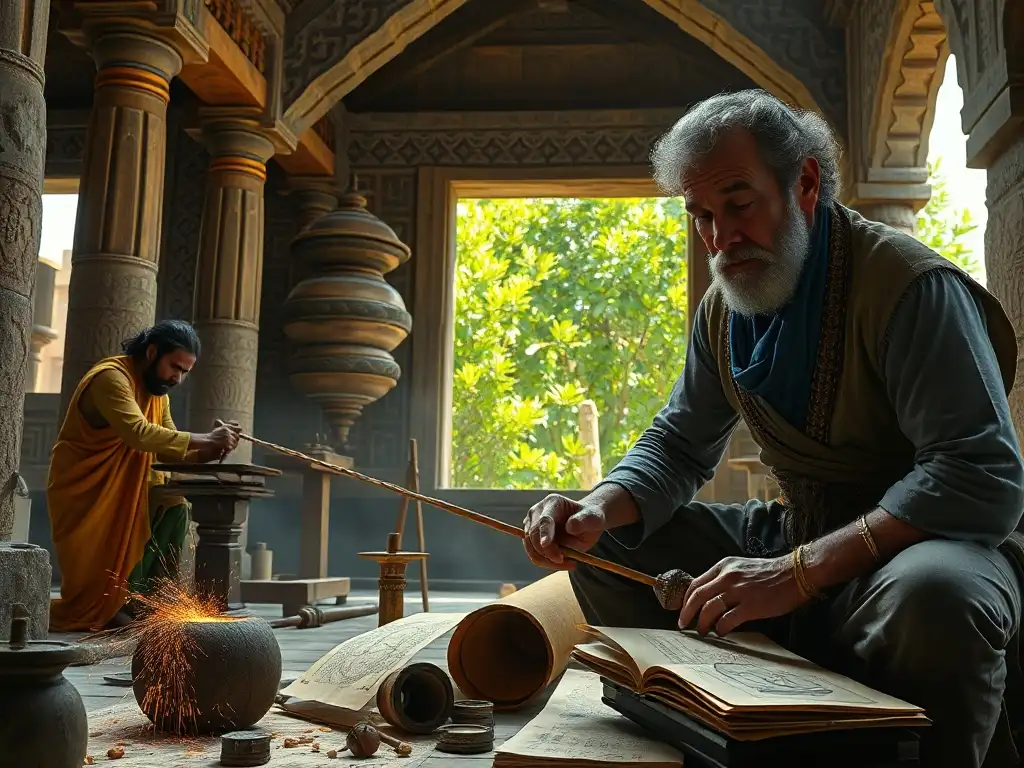
Welcome to Ancient India History, where we embark on a fascinating journey through the vibrant tapestry of one of the world's oldest civilizations. Dive into our latest exploration, “The Role of Technology in the Maurya Empire: Key Innovators,” as we uncover the ingenious advancements that shaped this remarkable era. From the groundbreaking agricultural techniques to the sophisticated urban planning of the Maurya Empire, discover how these innovations laid the foundation for future generations. Join us as we unravel the stories behind the technology that defined an empire and continue your adventure through the profound legacy of ancient Indian civilizations!
Introduction to Technology in the Maurya Empire
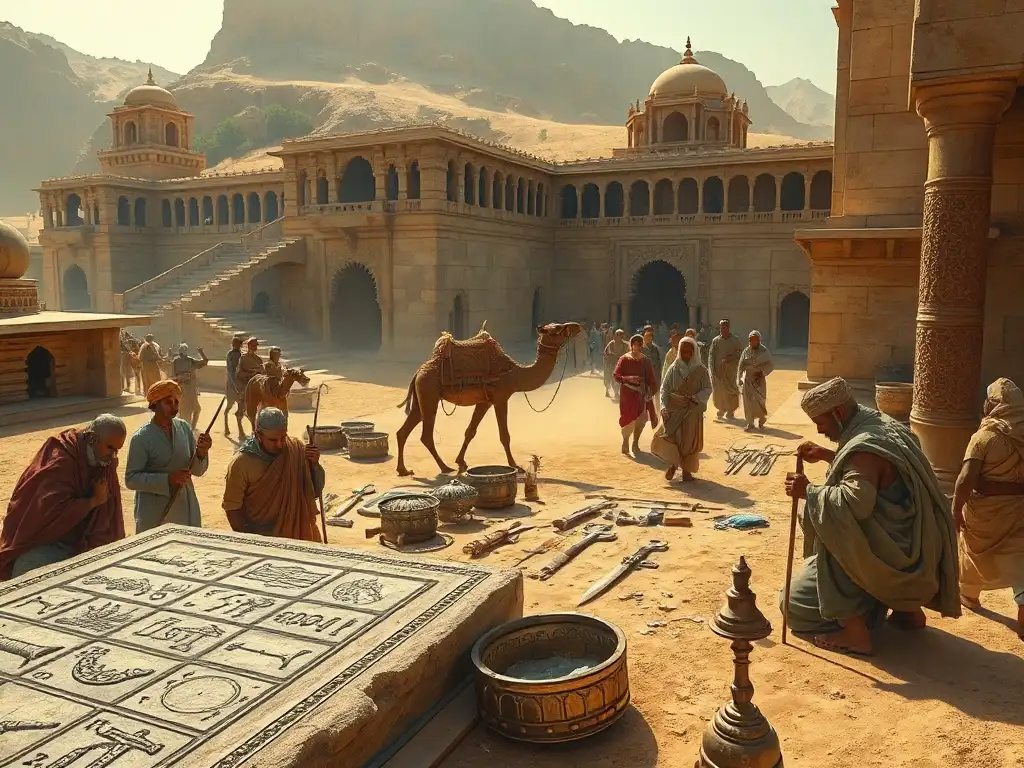
The Maurya Empire, which flourished from 322 to 185 BCE, stands as a monumental chapter in the annals of ancient Indian history. Renowned for its political sophistication and vast territorial expanse, this empire also made significant strides in various technological domains.
The interplay between governance and innovation during this period not only enhanced the quality of life for its citizens but also facilitated the empire's ability to maintain control over its territories and engage in trade with neighboring regions. Understanding the role of technology in the Maurya Empire is essential to grasping the full scope of its impact on both historical and modern contexts.
Overview of the Maurya Empire and Its Significance
The Maurya Empire, founded by Chandragupta Maurya, became one of the largest empires in ancient India, stretching from the eastern shores of the Indian subcontinent to the northwestern regions of modern-day Afghanistan. Under the rule of notable emperors like Ashoka the Great, the empire not only expanded its territory but also embraced a unique blend of administrative efficiency and cultural richness. The Mauryan administration was characterized by a centralized government, which enabled effective management and the implementation of innovative technologies that addressed the needs of a diverse populace.
The Importance of Technology in Ancient Civilizations
Technology has always played a pivotal role in the development of civilizations, serving as a catalyst for progress and innovation. In the context of the Maurya Empire, technology influenced various aspects of daily life, from agriculture to military strategies.
The advancements made during this era laid the groundwork for future innovations and offered insights into how societies can harness technology to improve their infrastructure, economy, and overall societal welfare. By studying the technological advancements of the Maurya Empire, we can better appreciate how these innovations shaped not only the region but also contributed to the broader narrative of human history.
Key Innovations During the Maurya Empire
Agricultural Innovations and Their Impact
Agriculture was the backbone of the Maurya Empire's economy, and several technological advancements were made to enhance productivity. The introduction of new farming techniques, such as crop rotation and irrigation systems, allowed for better yields and supported a growing population. Additionally, tools like the plow were refined, enabling farmers to cultivate land more efficiently. The implications of these innovations were far-reaching, leading to surplus production that stimulated trade and contributed to the empire's prosperity.
Engineering Marvels: Architecture and Infrastructure
The Maurya Empire is also celebrated for its impressive engineering feats. One of the most notable achievements was the construction of extensive road networks that facilitated trade and communication across vast distances. The construction of monumental structures, such as stupas and pillars, showcased advanced architectural techniques and artistic expression. These engineering marvels not only served functional purposes but also embodied the cultural and spiritual aspirations of the empire.
Military Advancements: Tools and Strategies
Military technology during the Maurya Empire underwent significant innovations that enhanced its capabilities. The use of war elephants, advanced weaponry, and strategic formations revolutionized battlefield tactics. The Mauryan military was known for its formidable organization and discipline, which were critical in maintaining the empire's vast territories. The integration of technology into military strategies ensured that the Maurya Empire could successfully defend itself against external threats and maintain internal order.
The role of technology in the Maurya Empire was fundamental to its success and longevity. From agricultural advancements to military innovations, the contributions of key figures and their ingenious inventions shaped the empire's legacy, leaving an indelible mark on the history of ancient India.
Notable Innovators in Mauryan Technology
The Maurya Empire, one of ancient India's most significant empires, was characterized by remarkable advancements in various fields of technology. This period saw the emergence of innovative thinkers and leaders who played crucial roles in promoting and implementing technological improvements across the empire. These innovators not only contributed to the infrastructure and administration of the empire but also influenced the daily lives of its citizens. From military innovations to advancements in agriculture, the contributions of these key figures helped shape the technological landscape of the Maurya Empire.
Chandragupta Maurya: The Visionary Leader
Chandragupta Maurya, the founder of the Maurya Empire, was a strategic visionary whose leadership laid the groundwork for technological advancements. His military campaigns, which unified various regions of India, required the development of sophisticated logistical systems and infrastructure. Chandragupta recognized the importance of roads and communication networks, leading to the construction of extensive roadways that facilitated trade and movement of troops.
Moreover, he implemented administrative strategies that emphasized efficient resource management. This included the use of advanced agricultural techniques to improve crop yields, thereby ensuring food security for the growing population. His alliance with Chanakya, a renowned scholar and strategist, further propelled technological development, as they worked together to create a bureaucratic system that promoted innovation and stability within the empire.
Ashoka the Great: Promoter of Technological Progress
Ashoka the Great, Chandragupta's grandson, is often hailed as one of the most influential rulers in Indian history. His reign marked a transformative period characterized by significant technological advancements. Ashoka's commitment to spreading Buddhism also led to the development of infrastructure that facilitated travel and communication, including the construction of rest houses and hospitals along major routes.
A pivotal aspect of Ashoka's technological legacy was his promotion of edicts inscribed on stone pillars. These pillars not only communicated his policies and ethical teachings but also showcased advancements in stone-carving techniques. The meticulous craftsmanship and engineering involved in erecting these pillars reflected a high level of skill and innovation in the Mauryan era. Furthermore, Ashoka's efforts in enhancing trade routes contributed to the flourishing of commerce and the exchange of ideas, further stimulating technological growth.
Other Influential Figures and Their Contributions
In addition to Chandragupta and Ashoka, several other influential figures contributed to the technological advancements of the Maurya Empire. Notable among them was Kautilya, also known as Chanakya, who played a significant role as a political strategist and economist. His treatise, the Arthashastra, provided insights into statecraft, military strategy, and economic policies, emphasizing the importance of technology in governance and resource management.
Another key figure was the architect and engineer who designed the elaborate irrigation systems that were crucial for agriculture in the empire. These innovations in water management not only improved agricultural productivity but also showcased the engineering prowess of the time. Together, these figures created a legacy of technological innovation that would influence future generations.
The Influence of Trade on Technological Development
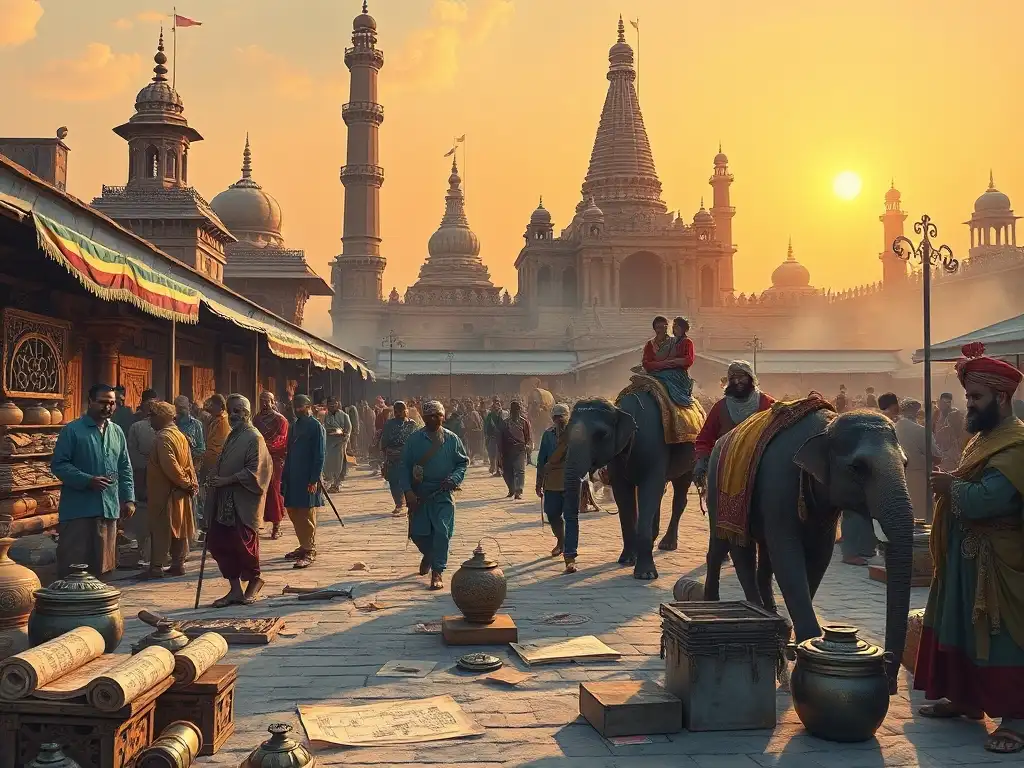
Trade played a pivotal role in the technological development of the Maurya Empire, facilitating the exchange of goods, ideas, and innovations across vast distances. The empire's strategic location along major trade routes allowed for interactions with various civilizations, leading to the adoption and adaptation of new technologies.
Trade Routes and Their Role in Spreading Technology
The Maurya Empire was intersected by several key trade routes, including the Grand Trunk Road, which connected the eastern and western parts of India. This road not only facilitated trade in spices, textiles, and precious metals but also served as a conduit for technological exchanges. Merchants traveling along these routes brought with them innovations from other regions, including advancements in metallurgy, agriculture, and textile production.
The establishment of well-maintained roads and the security provided by the Mauryan administration encouraged traders to travel extensively, which in turn supported the diffusion of technology. For example, the introduction of new agricultural techniques and tools from neighboring regions significantly impacted local farming practices, leading to enhanced productivity.
Cross-Cultural Exchanges: Innovations from Other Civilizations
The Maurya Empire's openness to cross-cultural exchanges was instrumental in fostering technological development. Interactions with neighboring civilizations, such as the Persians and Greeks, introduced new ideas and innovations that were integrated into Mauryan society. This cultural interchange led to advancements in various fields, including architecture, urban planning, and metallurgy.
For instance, the introduction of Hellenistic architectural styles influenced the construction of stupas and palaces in the Mauryan Empire. Additionally, knowledge of advanced irrigation techniques from Persia improved agricultural practices in India, demonstrating how cross-cultural exchanges significantly shaped technological progress within the empire.
The Maurya Empire was a hub of technological innovation, driven by visionary leaders and influenced by robust trade networks. The contributions of key figures like Chandragupta Maurya and Ashoka the Great, alongside the exchange of ideas through trade, laid the foundation for advancements that would resonate through history.
The Legacy of Mauryan Technology
The Maurya Empire, which thrived from approximately 322 to 185 BCE, is often celebrated for its profound contributions to various fields, including governance, trade, and culture. However, one of the most significant yet frequently overlooked aspects of this era is its technological innovations. The Mauryan Empire's advancements were not only remarkable for their time but also laid the groundwork for future developments in India and beyond.
Key technological innovations during this period included improvements in agricultural practices, urban planning, and metallurgy. For instance, the introduction of extensive irrigation systems enhanced agricultural productivity, which was essential for sustaining large urban populations. The Mauryan cities, such as Pataliputra, showcased advanced urban planning with well-defined streets, public baths, and drainage systems that reflected an understanding of hygiene and sanitation.
Furthermore, the Mauryan Empire excelled in metallurgy, particularly in the production of iron tools and weapons. The famous Iron Pillar of Delhi, which stands as a testament to the high level of metallurgy achieved, demonstrates the Empire's capability in creating durable and rust-resistant materials. These innovations not only enhanced the quality of life during the Mauryan era but also influenced subsequent civilizations, ensuring that the legacy of Mauryan technology continued to resonate through the ages.
Lasting Impacts on Subsequent Indian Civilizations
The technological advancements of the Maurya Empire had a profound and lasting impact on subsequent Indian civilizations. The agricultural techniques developed during this period, such as crop rotation and improved plowing methods, were adopted and refined by later dynasties, contributing to sustained agricultural productivity across the Indian subcontinent.
Moreover, the urban planning principles seen in Mauryan cities influenced the layout of later urban centers. The integration of public infrastructure, including roads and sanitation systems, became a hallmark of subsequent Indian urban development, showcasing the enduring legacy of Mauryan innovations.
In the realm of metallurgy, the techniques refined during the Maurya period laid the foundation for the subsequent development of crafts and industries in India. The expertise in iron production not only facilitated military advancements but also played a crucial role in trade, as iron tools and weapons became valuable commodities in regional and international markets.
Modern Perspectives on Ancient Mauryan Innovations
In contemporary discussions, the technological innovations of the Maurya Empire are increasingly recognized for their sophistication and relevance. Modern historians and archaeologists are revisiting the ancient texts and artifacts to gain insights into the technological prowess of the Mauryans. This renewed interest has shed light on the Empire's approach to problem-solving, resource management, and urban planning.
Furthermore, the Mauryan emphasis on sustainable agricultural practices is particularly relevant today as societies grapple with modern agricultural challenges. The principles of irrigation and crop management from the Mauryan period can inform current efforts to enhance food security and sustainability in the face of climate change.
The study of Mauryan technology also highlights the interconnectedness of ancient civilizations. The trade networks established during this period facilitated the exchange of ideas and innovations across regions, influencing not only India but also neighboring cultures. This perspective encourages a broader understanding of how ancient technologies shaped the world we live in today.
Conclusion
Summary of Key Points on Technology in the Maurya Empire
The Maurya Empire's technological advancements were pivotal in shaping both the socio-economic landscape of ancient India and its future civilizations. Key innovations in agriculture, urban planning, and metallurgy not only improved the quality of life during the Mauryan era but also established enduring legacies that influenced subsequent cultures. The Empire's commitment to infrastructure and resource management reflects a sophisticated understanding of technology's role in governance and societal development.
The Enduring Relevance of Mauryan Technological Advances in Today's Context
The relevance of Mauryan technological advances extends beyond historical significance; they offer valuable lessons for contemporary society. As we face modern challenges such as urbanization, climate change, and resource management, the insights gained from the Mauryan period can guide us in developing sustainable solutions. By understanding the innovations of the past, we can better appreciate the interplay between technology and civilization, ensuring that the legacy of the Maurya Empire continues to inspire future generations.
- Introduction to Technology in the Maurya Empire
- Key Innovations During the Maurya Empire
- Notable Innovators in Mauryan Technology
- The Influence of Trade on Technological Development
- The Legacy of Mauryan Technology
- Conclusion
- What were some key technological advancements during the Maurya Empire?
- Who were the major innovators in Mauryan technology?
- How did technology influence trade in the Maurya Empire?
- What role did metalwork play in the Maurya Empire?
- How did the Maurya Empire compare technologically to other ancient civilizations?
Frequently Asked Questions
What were some key technological advancements during the Maurya Empire?
The Maurya Empire saw significant progress in areas such as agriculture, urban planning, and metalworking, which helped in enhancing trade and infrastructure.
Who were the major innovators in Mauryan technology?
Prominent figures included Chanakya, who contributed to administrative techniques, and various engineers who developed advanced water management systems.
How did technology influence trade in the Maurya Empire?
Technological advancements in transportation, such as improved roads and shipping methods, greatly facilitated trade, leading to a prosperous economy.
What role did metalwork play in the Maurya Empire?
Metalworking allowed for the production of weapons, tools, and coins, which were essential for both defense and trade, boosting the empire's economy.
How did the Maurya Empire compare technologically to other ancient civilizations?
The Maurya Empire was known for its innovative technologies in governance and infrastructure, often rivaling contemporary civilizations like Persia and Greece.
Final Reflection: The Enduring Legacy of Technology in the Maurya Empire
The exploration of technology in the Maurya Empire reveals not only the ingenuity of ancient innovators but also its profound relevance in today's fast-paced world. As we navigate through the complexities of modern technology, understanding the foundations laid by civilizations like the Maurya Empire can inspire us to appreciate the transformative power of innovation. The advancements in governance, infrastructure, and trade during this period serve as a reminder that technology is not merely a tool but a catalyst for societal change.
The influence of Mauryan technological innovations continues to resonate in our cultural and social landscapes. From the sophisticated urban planning of Pataliputra to the efficient communication systems that facilitated trade, these advancements set a precedent for future generations. As we reflect on this legacy, we can draw parallels to contemporary technological developments that shape our lives today. Innovation is the ability to see change as an opportunity – not a threat.
This quote encapsulates the spirit of the Maurya Empire's approach to technology, encouraging us to embrace change and seek opportunities for growth.
As we conclude our exploration of technology in the Maurya Empire, I invite you to reflect on how these historical lessons can be applied to our current technological landscape. Consider how you can harness the power of innovation in your own life, whether through embracing new tools, fostering creativity, or advocating for sustainable practices. The past is not just a series of events; it is a wellspring of inspiration that can guide us toward a brighter, more innovative future. Let the legacy of the Maurya Empire inspire you to be an agent of change in your own community.
Unveil the Innovations That Shaped an Empire!
Thank you for diving into the fascinating world of the Maurya Empire with us! Your interest in how technology influenced this era has undoubtedly illuminated the remarkable innovations and inventors of the time. Now, let's take the next step to deepen your understanding and connection to this rich history.
Here are some actions you can take right now:
- Delve deeper: Explore further into the technological advances of the Maurya Empire by visiting our dedicated sections where we analyze various inventions in more detail.
- Share your insights: Start a conversation! Share this article with friends or on social media, and encourage them to discuss how technology has transformed the course of history in various empires.
- Engage with our community: Join our online forum to connect with fellow history enthusiasts. Share your thoughts on which innovator you believe had the most significant impact during the Maurya Empire.
How do you think the technological innovations of the Maurya Empire compare to today's advancements? We would love to hear your thoughts!