
The Role of Women in Mauryan Society: Influential Female Figures

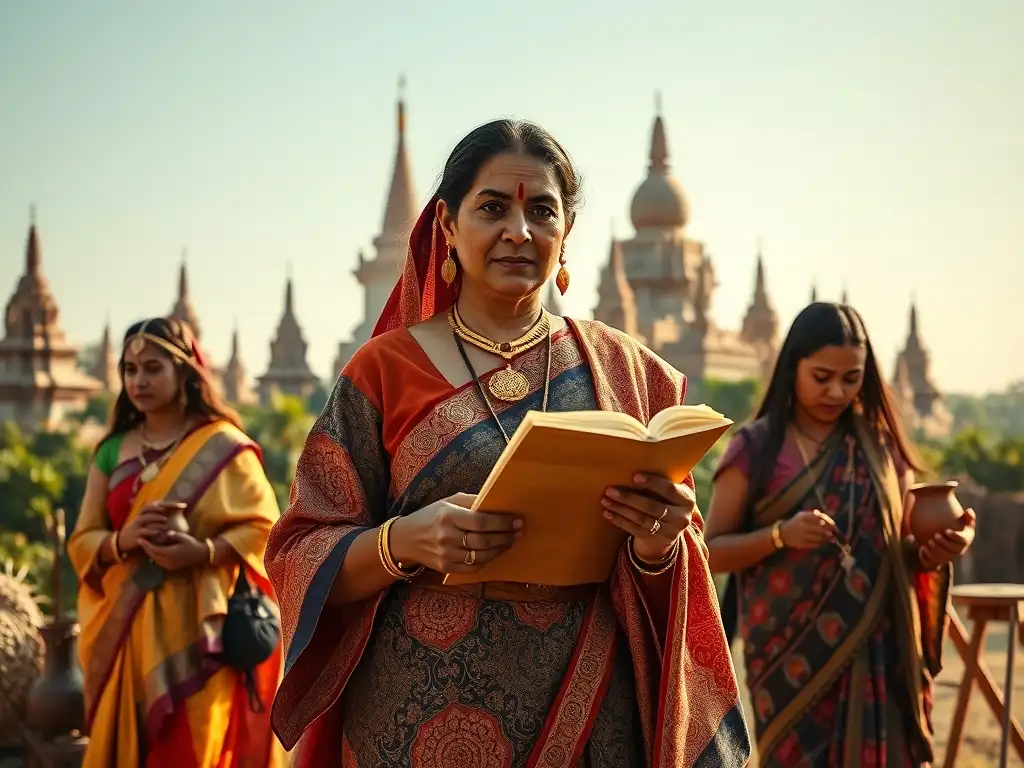
Welcome to Ancient India History, where we embark on a fascinating journey through the rich tapestry of ancient Indian civilizations. Delve into the intricate roles and profound impacts of influential female figures in Mauryan society, as we uncover the significant contributions of women during this remarkable period. What strengths and challenges did these women face, and how did they shape the cultural landscape of their time? Prepare to be intrigued as we explore the pivotal role of women in one of India’s most transformative eras. Join us in revealing the untold stories that await!
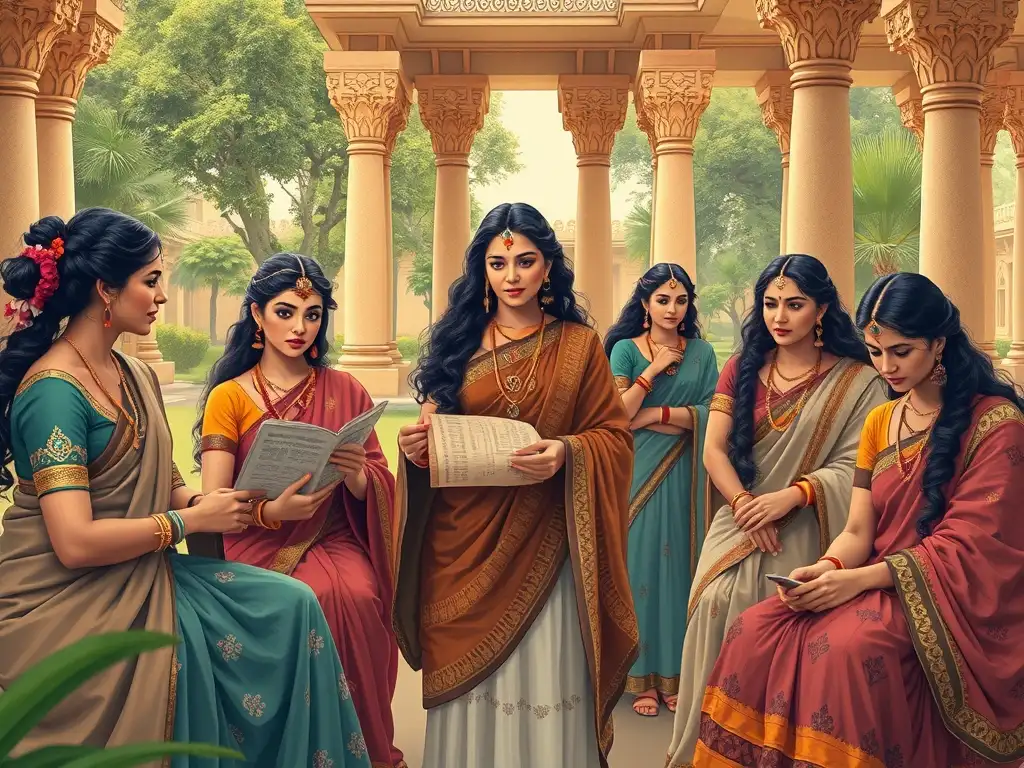
Introduction to Women in Mauryan Society
The Mauryan Empire, which flourished from 322 to 185 BCE, is renowned for its remarkable political, economic, and cultural advancements in ancient India. Among the multifaceted aspects of this civilization, the role of women stands out as a significant yet often overlooked area of study.
Women in Mauryan society played vital roles that extended beyond the confines of domestic life; they were influential figures who contributed to the socio-political and cultural fabric of the empire. This article explores the diverse experiences of women during this era, highlighting notable personalities and their contributions, while examining the societal norms that shaped their lives.
The status and influence of women varied widely across different strata of society, influenced by factors such as class, religion, and regional customs. While some women enjoyed privileges and power, others faced constraints imposed by patriarchal traditions. Nevertheless, the presence of powerful female figures in Mauryan history sheds light on the complexities of their roles. By delving into the lives of these influential women, we can better understand the dynamics of gender and power in one of India's most pivotal historical periods.
Importance of Women in Ancient Indian Civilizations
The role of women in ancient Indian civilizations, including the Mauryan Empire, was not merely peripheral; instead, it was integral to the overall functioning of society. Women contributed significantly in various domains, such as:
- Political Influence: Women often acted as advisors, rulers, or regents during times of transition or power struggles.
- Cultural Contributions: They participated in the arts, literature, and education, preserving and transmitting cultural heritage.
- Economic Participation: Many women engaged in trade, agriculture, and crafts, thereby contributing to the economy.
The recognition of women's roles in these domains underscores the necessity of understanding their contributions to the rich tapestry of Indian civilization. Their stories reflect a blend of empowerment and constraint, revealing a nuanced picture of gender dynamics in ancient societies. As we explore the influential female figures of the Mauryan Empire, we will uncover the layers of their impact on both their contemporaries and future generations.
Overview of the Mauryan Empire
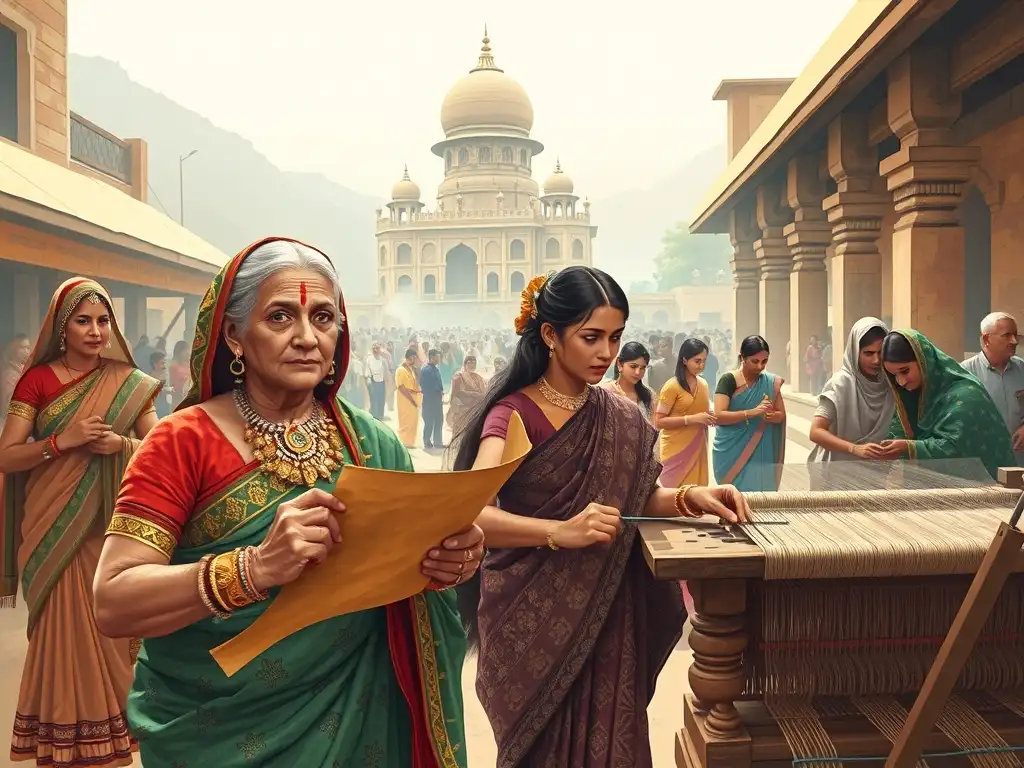
The Mauryan Empire, which flourished from 322 to 185 BCE, was one of the largest and most powerful empires in ancient India. Spanning vast territories across the Indian subcontinent, the empire was founded by Chandragupta Maurya and is renowned for its political sophistication, economic prosperity, and cultural achievements. The Mauryan period is marked by significant advancements in art, architecture, and governance, alongside notable developments in social structures, including the roles of women.
In this context, women in Mauryan society played a crucial role, not only as caretakers of the household but also as influential figures in political and cultural spheres. Their contributions, often overlooked, were integral to the fabric of Mauryan civilization, showcasing a complex dynamic between gender roles and societal expectations.
Historical Context of the Mauryan Empire
The Mauryan Empire arose following the decline of the Nanda Dynasty, a period characterized by political instability and regional fragmentation. Chandragupta Maurya capitalized on this disarray, uniting various kingdoms under a centralized administration.
Key events in the establishment of the Mauryan Empire include:
- Chandragupta's Alliance with Chanakya: A pivotal moment where Chandragupta partnered with the wise Brahmin Chanakya, who provided strategic counsel and political insight, leading to the effective overthrow of the Nandas.
- Expansion under Ashoka: The empire reached its zenith under Emperor Ashoka, who is famed for his conversion to Buddhism and the promotion of non-violence, compassion, and moral governance. This era saw the spread of Buddhism across Asia, significantly influencing cultural and philosophical thought.
- Cultural Flourishing: The Mauryan Empire witnessed monumental achievements in art and architecture, including the construction of stupas and intricate carvings that depict various aspects of life, religion, and governance.
The historical backdrop of the Mauryan Empire is essential to understanding the societal norms and the roles women inhabited during this period.
Key Features of Mauryan Society
Mauryan society was characterized by a complex social hierarchy, a well-organized administrative system, and cultural richness. Understanding the key features of this society provides insight into the status and influence of women within it.
- Social Stratification: The caste system played a significant role in shaping societal structures. While women were generally expected to adhere to domestic roles, those from higher castes often had access to education and could engage in cultural pursuits.
- Political Influence: Certain women emerged as powerful figures in the Mauryan court. Notable among them was Dharma, the wife of Ashoka, who is believed to have influenced his policies, especially those related to welfare and religious tolerance. Additionally, women from royal families often played crucial roles in diplomacy through marriages that forged alliances.
- Religious and Cultural Contributions: Women participated actively in religious practices and patronage. The Buddhist and Jain traditions offered women a platform for spiritual expression and leadership. Many women became nuns or lay practitioners, significantly contributing to the spread of these religions.
- Economic Activities: Women were involved in various economic roles, particularly in agrarian settings and craft production. Some women managed family businesses and were significant contributors to local economies, showcasing a degree of autonomy.
The role of women in Mauryan society was multifaceted, encompassing domestic roles, political influence, and cultural participation. Their contributions were essential in shaping the dynamics of this powerful ancient civilization, revealing a rich tapestry of gender interactions and societal constructs.
Prominent Women in Mauryan Society
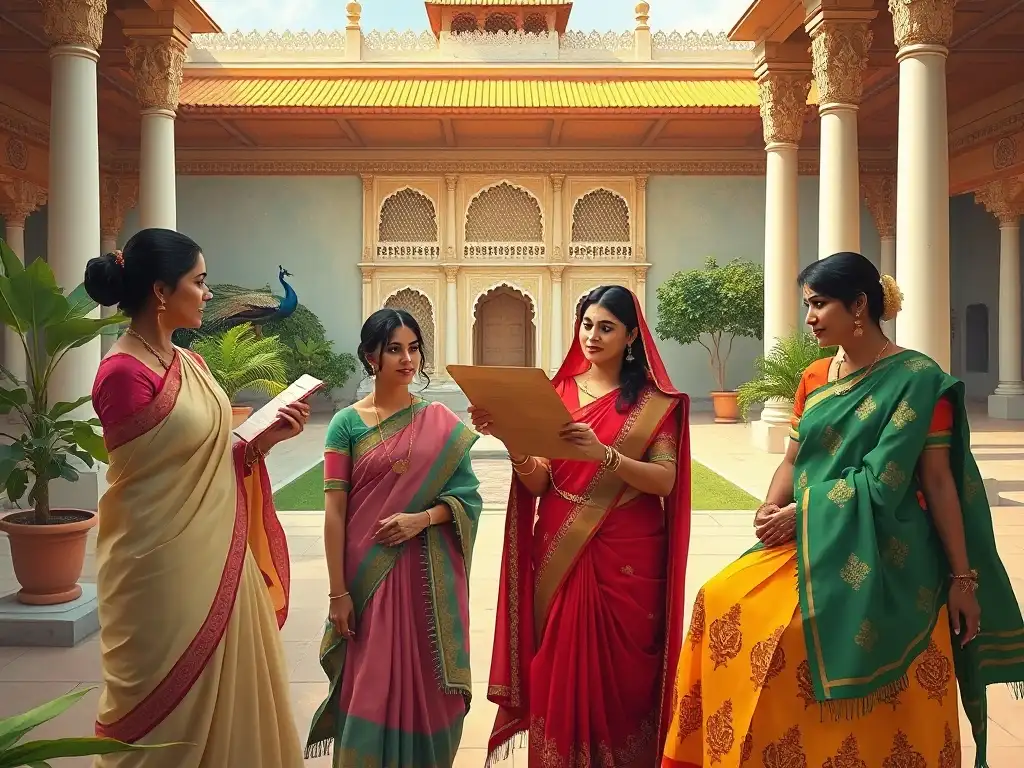
The Mauryan Empire, which flourished from 322 to 185 BCE, is renowned for its political, military, and cultural advancements. Within this rich tapestry of history, women played a vital role that often goes unnoticed. This section explores the significant influence of women in various spheres of Mauryan society, particularly in politics and religion, showcasing their contributions that shaped the empire.
Role and Influence of Women in Politics
Women in Mauryan society were not merely passive figures; they actively participated in political affairs, influencing decisions and policies. Their involvement extended beyond traditional roles, often intertwining with the male-dominated political landscape.
Examples of Political Figures: Durdhara and the Empresses of the Mauryan Dynasty
One of the most notable figures is Durdhara, the wife of Emperor Chandragupta Maurya. Durdhara's significance is highlighted in historical texts, where she is often portrayed as a strong and supportive partner to her husband. Her lineage connected her to influential families, granting her a unique position within the court. Her son, Bindusara, succeeded Chandragupta, indicating the importance of maternal influence in the succession of power.
In addition to Durdhara, several empresses of the Mauryan dynasty wielded considerable influence. Empresses often served as advisors to their husbands, shaping policies and diplomatic relations. For instance, the empresses were critical in maintaining alliances through marriage, a common practice in ancient Indian politics.
The political landscape of the Mauryan Empire was marked by the presence of women who, through their familial connections and personal agency, contributed to governance and the empire's stability. This influence is evident in the way women were portrayed in Arthashastra, a treatise on statecraft attributed to Kautilya, which highlights the strategic importance of women in political alliances.
Contributions of Women to Religion and Spirituality
Women also played a crucial role in the religious and spiritual spheres of Mauryan society, often acting as patrons and practitioners of various faiths, especially Buddhism, which gained prominence during this period.
Notable Female Figures in Religious Contexts: The Influence of Women in Buddhist Communities
The Mauryan Empire saw the rise of influential female figures within the Buddhist community. One such figure was Vasavadatta, who is mentioned in various Buddhist texts as a dedicated practitioner and supporter of Buddhist teachings. Her patronage of monasteries and stupas contributed to the spread of Buddhism throughout the empire.
Women were not only followers but also influential in the formulation of Buddhist philosophy. They engaged in discussions and were respected for their insights, as seen in the Therigatha, a collection of verses by female monks that articulate their experiences and spiritual journeys. This collection showcases the profound impact women had on religious discourse, providing unique perspectives that enriched Buddhist teachings.
Moreover, royal women often sponsored religious activities, including the construction of stupas and monasteries, which served as centers for worship and community gatherings. The support of women in these endeavors helped to solidify Buddhism's place in Mauryan society, establishing it as a significant religious force.
The role of women in Mauryan society was multifaceted, with their influence permeating both political and religious domains. Figures like Durdhara and various empresses exemplify the political agency of women, while notable religious figures highlight their contributions to spiritual life. The legacy of these women continues to resonate, reflecting their integral role in shaping the Mauryan Empire.
Women as Patrons of Art and Culture
The role of women in Mauryan society extended beyond domestic spheres, significantly impacting the artistic and cultural landscape of the period. As patrons of art and culture, women contributed to the flourishing of various artistic endeavors, including architecture, sculpture, and literature. Their influence was evident in the commissioning of monuments, promoting cultural events, and supporting artisans.
Women utilized their social standing, wealth, and influence to foster an environment where art and culture could thrive, often acting as mediators between artists and the royal court. This patronage led to the creation of exquisite artworks that not only reflected the values and beliefs of the time but also highlighted the importance of women in shaping this cultural narrative.
Moreover, women’s involvement in cultural affairs was not limited to wealth and status; it also included participation in religious and spiritual practices. Many women played essential roles in the promotion of Buddhist art, especially during the Mauryan Empire's embrace of Buddhism under Emperor Ashoka. By supporting the establishment of monastic orders and contributing to the construction of stupas, these women not only enriched the artistic traditions of their time but also ensured that their cultural legacies were preserved for future generations.
Impact on Mauryan Arts and Architecture: Contributions to Stupas and Sculptures
The Mauryan Empire saw the emergence of remarkable architectural feats, particularly in the form of stupas and sculptures, which were significantly influenced by the patronage of women. The Great Stupa at Sanchi, for instance, is a prime example of how women contributed to these monumental structures. Although specific records of female patrons are scarce, it is believed that women from affluent families, including queens and noblewomen, were instrumental in funding the construction of stupas dedicated to the Buddha and other deities.
These stupas were not merely religious edifices; they served as cultural hubs where communities gathered for festivals and rituals. Women played an active role in these events, often leading ceremonies and offering donations for the upkeep of these sacred sites. Their contributions helped shape the aesthetics of Mauryan architecture, leading to the inclusion of intricate carvings and reliefs that depicted various aspects of daily life, nature, and religious iconography.
Additionally, sculptures from the Mauryan period reflect the nuanced portrayal of women, capturing their elegance and strength. The artistic representations often depicted women in various roles—goddesses, musicians, and dancers—which underscores their integral position in society. The combination of patronage and artistic representation provided a platform for women to express their identities and assert their presence within the male-dominated narratives of history.
The contributions of women as patrons of art and culture during the Mauryan Empire were vital in shaping the artistic and architectural achievements of the period. Their influence extended to the creation and maintenance of stupas and sculptures that remain significant in understanding the cultural heritage of ancient India.
Case Studies of Influential Women
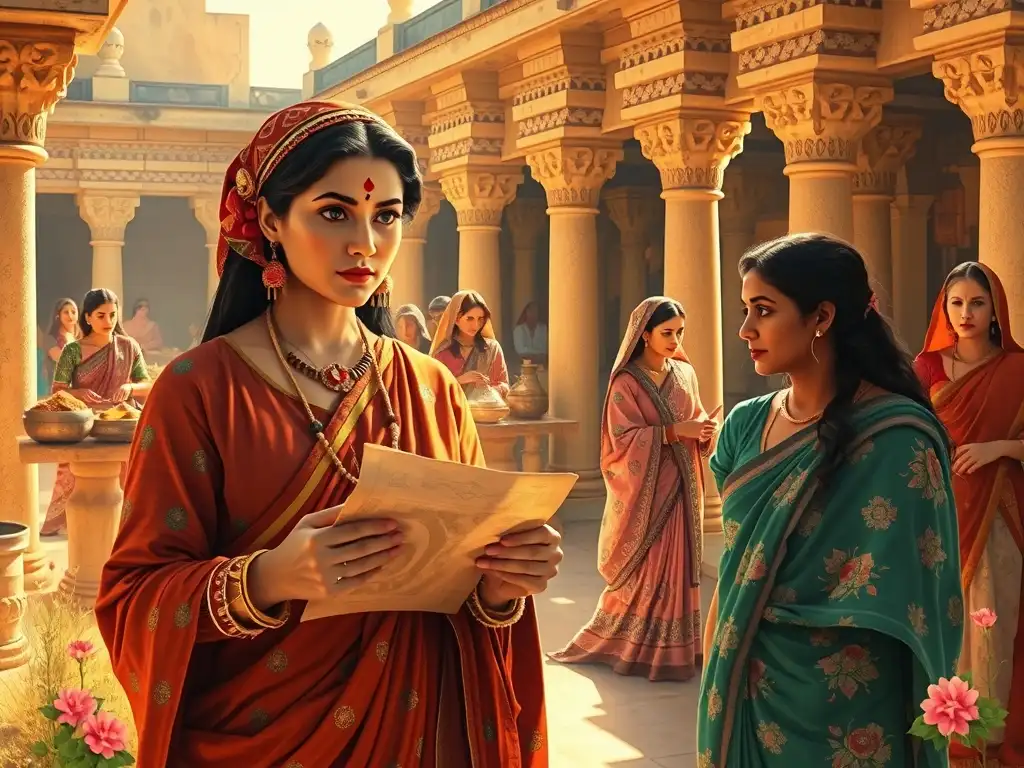
The Mauryan Empire, one of the most significant periods in ancient Indian history, was marked by a variety of influential figures, including women who played crucial roles in shaping society. This section examines notable female figures from the Mauryan period, highlighting their contributions and legacy.
Case Study: Chandragupta Maurya's Wife, Durdhara
Background and Historical Significance
Durdhara, the wife of Chandragupta Maurya, is often regarded as a pivotal figure in the early Mauryan Empire. Born into a royal family, her marriage to Chandragupta solidified political alliances and helped establish the foundation of the Mauryan dynasty. Historical texts suggest that she was not only a supportive partner but also a key influencer in the decisions that shaped the empire’s early governance.
Durdhara's significance extends beyond her marital ties; she is often credited with fostering a sense of unity and stability within the royal household. Her role was vital during a tumultuous time when Chandragupta was consolidating power against the Nanda dynasty and external threats.
Contributions to Society and Legacy
Durdhara's contributions are multifaceted, encompassing both political and cultural dimensions. She was instrumental in the establishment of various royal decrees and initiatives aimed at improving the welfare of the populace. Durdhara's influence is particularly noted in the promotion of educational and cultural advancements within the empire.
Her legacy is also reflected in the reverence for strong female figures in later Indian cultures. The stability she fostered allowed for the flourishing of arts and education, which would become hallmarks of the Mauryan period. Furthermore, her descendants, including her son, played significant roles in the continuation of the Mauryan legacy, demonstrating how her influence extended beyond her lifetime.
Case Study: Queen Vrihadratha
Life and Achievements
Queen Vrihadratha, another prominent figure in the Mauryan Empire, is often highlighted for her leadership and political acumen. Little is documented about her early life, but her marriage to Emperor Bimbisara positioned her at the heart of Mauryan politics. Vrihadratha is known for her wisdom and ability to navigate the complex sociopolitical landscape of her time.
Her achievements include not only her contributions to the administrative functions of the empire but also her role in mentoring future leaders. Historical accounts depict her as a queen who actively participated in governance, showcasing the potential for women in leadership roles during the Mauryan period.
Influence on Subsequent Generations
The impact of Queen Vrihadratha on subsequent generations is significant. Her ability to influence political decisions and engage with the court provided a model for future female rulers in India. She is often cited as an example in discussions about women in Mauryan society and their potential to shape history.
Her legacy can be seen in the way later dynasties recognized the importance of women in governance. Vrihadratha's life and achievements symbolize the potential for female empowerment in ancient societies, challenging the traditional perceptions of gender roles in history. As a result, her story continues to inspire discussions about the contributions of women in Mauryan society and their enduring influence on Indian history.
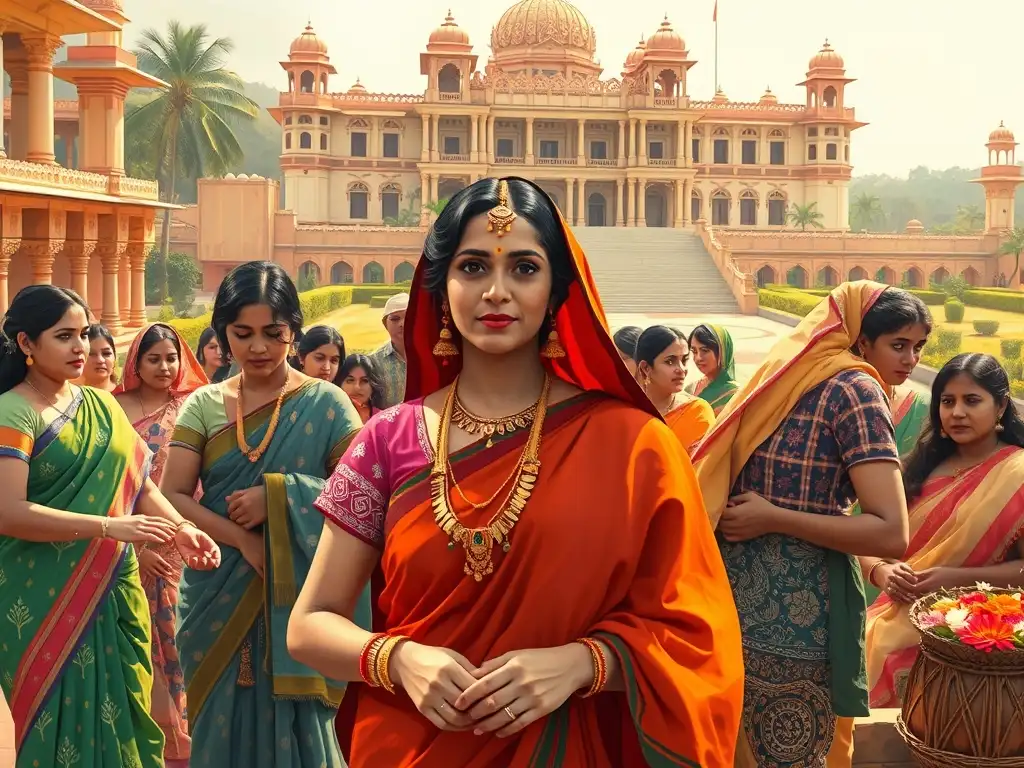
Rights and Roles of Women in Daily Life
In Mauryan society, the status of women was complex and multifaceted, reflecting a blend of rights and restrictions that varied across different social strata. Women were generally afforded certain rights, including the ability to own property, engage in trade, and participate in religious rituals. However, their primary role was often seen as that of a homemaker and caretaker, responsible for managing the household and nurturing children.
In the realm of family life, women held significant influence. They were expected to contribute to the family’s well-being and were often involved in decision-making processes, particularly in matters related to domestic affairs. The Arthashastra, a treatise by Kautilya, highlights that women could inherit property and were entitled to their share of family assets, which underscores their economic rights within the household.
Moreover, some women engaged in professions such as weaving, pottery, and even trade. Evidence suggests that women participated in markets, selling goods and services, which granted them a degree of economic independence. Notably, women from higher social classes had more opportunities for social engagement and could often partake in cultural and religious activities, thereby enhancing their visibility in society.
Education and Intellectual Contributions of Women
Education for women in Mauryan society was not uniformly accessible but varied based on social class and regional practices. While elite women often received some education, particularly in the arts, literature, and philosophy, it was less common for women from lower classes to have the same opportunities. However, the existence of female scholars and philosophers indicates that some women did indeed pursue intellectual endeavors.
One prominent figure is Vasavadatta, who is mentioned in ancient texts as a learned woman possessing deep knowledge in the sciences and arts. This reflects the potential for women to contribute intellectually to society, albeit within a limited framework. The ability to read and write was recognized as valuable, and some women are believed to have participated in literary circles, contributing to the development of poetry and prose.
Additionally, women were often patrons of the arts and literature, influencing cultural developments through their support of poets and scholars. The role of women as patrons is crucial in understanding their contributions to the intellectual landscape of the Mauryan Empire. This patronage helped cultivate an environment where both male and female thinkers could flourish, leading to a rich cultural exchange that benefited society as a whole.
While women in Mauryan society faced various limitations, their rights and roles were significant, particularly in the realms of family, economy, and culture. Their contributions, whether as homemakers, traders, or intellectuals, played a vital role in shaping the society of the time. Understanding these dynamics is essential for appreciating the complexity of women's lives during the Mauryan Empire and their lasting legacy in ancient Indian civilization.
The Legacy of Women in Mauryan Society
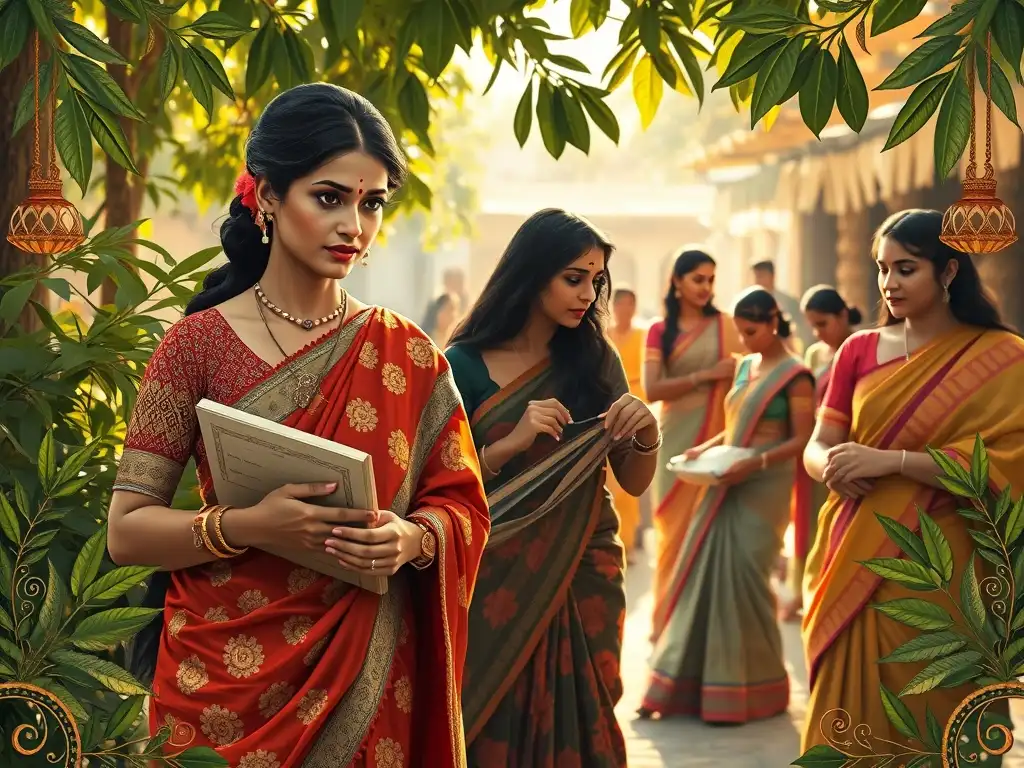
The role of women in Mauryan society was pivotal, not only in shaping the cultural and social fabric of the time but also in influencing future generations. The Maurya Empire, which thrived from 322 to 185 BCE, showcased a complex social structure where women held significant positions, contributing to various domains such as politics, religion, and economics.
Long-term Impact on Indian History and Culture
Women in Mauryan society were not merely passive participants; they played active roles that would resonate throughout Indian history. For instance, figures like Vasavadatta, a prominent queen, demonstrated political acumen and influence over state affairs. The narratives surrounding such women highlight that they were seen as crucial to the lineage and stability of royal families.
- Cultural Contributions: Women were involved in the arts, literature, and religious practices. Many texts from the period reflect the importance of female deities, showcasing women's integral role in spirituality. The Puranas, for example, illustrate the reverence for goddesses, thereby embedding the concept of feminine divinity deep into Indian culture.
- Economic Roles: Women also participated in trade and agriculture, managing households and contributing to the economy. This involvement in economic activities laid the groundwork for later developments in women's rights and economic independence in subsequent eras.
The legacies of these women's contributions can be seen in later Indian cultures, where the ideals of feminine strength and wisdom continued to be celebrated through literature and art.
Comparison with Women’s Roles in Subsequent Indian Empires
When examining the status of women in subsequent Indian empires, such as the Gupta Empire, it becomes evident that the Mauryan period set a precedent for both empowerment and restriction.
- Gupta Empire: During the Gupta period (approximately 320 to 550 CE), women's roles were often viewed through a more patriarchal lens. While some women, like the poet Vasanti, emerged in literature, many faced increased restrictions in terms of mobility and autonomy compared to their Mauryan predecessors.
- Influence of Religion: The rise of Hinduism during the Gupta era also transformed women's roles, often emphasizing domesticity and motherhood over public life. This shift contrasted with earlier Mauryan traditions where women were more visible in governance and public affairs.
- Comparative Analysis: The relative decline in women's status during the Gupta period can be attributed to various factors, including the consolidation of patriarchal norms and the influence of religious texts that began to prioritize male authority.
The differences observed between the Mauryan and Gupta periods highlight the fluidity of women's roles within the societal structures of ancient India.
Conclusion
The legacy of women in Mauryan society is marked by their influential roles in various aspects of life, from governance to culture. The contributions of women such as Vasavadatta reflect a time when female figures were recognized as essential contributors to the empire's prosperity and cultural richness.
While the Mauryan period empowered women in many ways, the subsequent transition towards more restrictive norms in later empires serves as a reminder of the fluctuating status of women throughout Indian history. Understanding these dynamics is crucial for appreciating the complexities of gender roles in ancient civilizations and their lasting impact on Indian culture and society.
The examination of women in Mauryan society reveals not only their significant contributions but also the evolving narrative of women's status in Indian history, setting the stage for ongoing discussions about gender roles in contemporary society.
Reflection on the Importance of Recognizing Women in Ancient Indian History
The study of ancient Indian history has predominantly focused on the contributions of men, often overshadowing the significant roles that women played in shaping society, culture, and governance. Recognizing women in ancient Indian history is crucial for several reasons.
Firstly, it provides a comprehensive understanding of historical narratives. Women were not merely passive figures; they were active participants in political, religious, and social spheres. For instance, during the Mauryan period, women like Dharini, a prominent figure known for her intellectual contributions, challenged the traditional notions of gender roles. Acknowledging such figures allows historians to construct a more balanced and nuanced view of the past.
Secondly, recognizing the roles of women in Mauryan society helps to highlight the diversity of experiences within ancient civilizations. Women from different social classes, castes, and regions had varying degrees of influence and autonomy. The examination of their lives reveals the complexities and dynamics of gender relations and societal structures at that time. For example, the queen consorts of Mauryan kings often wielded considerable power, influencing decisions and policies, which underscores the importance of women's agency.
Furthermore, the acknowledgment of women's contributions promotes a re-evaluation of cultural legacies. Ancient texts and inscriptions often reflect male-dominated perspectives, yet they also contain references to female figures who played pivotal roles in their communities. By critically analyzing these sources, scholars can uncover the essential contributions of women, thereby enriching our understanding of the socio-cultural fabric of the Mauryan Empire.
In addition, recognizing women in ancient history is essential for fostering a sense of identity and pride among contemporary women. Understanding the historical struggles and achievements of women can inspire modern generations, encouraging them to challenge societal norms and pursue leadership roles in various fields. This reflection on the past serves not only as an acknowledgment of women's historical significance but also as a catalyst for ongoing discussions about gender equality and women's rights.
The importance of recognizing women in ancient Indian history, particularly during the Mauryan period, lies in its capacity to provide a more holistic view of the past, celebrate diverse experiences, and inspire future generations. By bringing these influential female figures into the spotlight, we can appreciate the rich tapestry of contributions that shaped ancient Indian civilization.
Frequently Asked Questions
What was the status of women in Mauryan society?
Women in Mauryan society had a varied status; while some enjoyed freedom and rights, others faced restrictions depending on their social class and caste.
Who were some influential female figures during the Mauryan Empire?
Notable women such as Dharma, the wife of Emperor Ashoka, and Vasavadatta, known for their political and social influence, played significant roles in shaping the empire.
Did women participate in the economy during the Mauryan period?
Yes, women were involved in various economic activities, including crafts, trade, and agriculture, contributing to the economic stability of their families and communities.
How did the Mauryan Empire view women's education?
Education for women was not widespread, but some elite women had access to learning and literature, reflecting a progressive attitude towards women’s education in certain circles.
What were the legal rights of women in the Mauryan period?
Women had specific legal rights, including the ability to own property and inherit wealth, although these rights were often limited by social norms and cultural practices.
Final Reflection: The Enduring Legacy of Women in Mauryan Society
The exploration of women's roles in Mauryan society reveals a profound truth: their influence was not merely confined to the shadows of history but rather illuminated the very fabric of their civilization. Today, as we strive for gender equality and recognition of women's contributions across various fields, understanding the historical significance of influential female figures in ancient societies like the Mauryan Empire becomes increasingly relevant. Their stories remind us that women's voices have always been integral to societal progress, challenging us to acknowledge and honor their legacies in our contemporary world.
The impact of women in Mauryan society extends beyond mere historical interest; it resonates deeply within our cultural and social landscapes today. As we reflect on the lives of figures such as Chandragupta's queens and the women who played pivotal roles in governance and culture, we recognize the ongoing struggle for women's rights and representation. Their stories serve as a powerful reminder that "the history of women is the history of the world," urging us to embrace the lessons of the past as we navigate the present and future.
As we conclude this exploration, I invite you to reflect on the lessons learned from the remarkable women of the Mauryan Empire. Consider how their resilience and influence can inspire you to advocate for equality and recognition in your own life and community. Let their stories motivate you to uplift the voices of women around you, ensuring that their contributions are celebrated and remembered, just as we have done here. Together, we can continue to write a narrative that honors the past while forging a more equitable future.
Empower Your Knowledge: Embrace the Legacy of Influential Women!
Thank you for exploring the rich tapestry of women’s roles in Mauryan society! Delving into the lives of these remarkable female figures has illuminated their significant impact on ancient India. Now that you've gained valuable insights, it’s time to take those learnings further and celebrate their legacies.
Here are a few empowering actions you can take today:
- Research and share stories of influential women from various cultures and historical periods to broaden your understanding and appreciation.
- Join forums or communities dedicated to women's history to connect with like-minded individuals and exchange ideas.
- Visit a local museum or historical site that showcases women's contributions to history, and invite friends to join you for an enriching experience.
Which influential woman from history resonates with you the most, and how might her story inspire your journey today?