
The Symbolism of Colors in Gupta Art and Culture

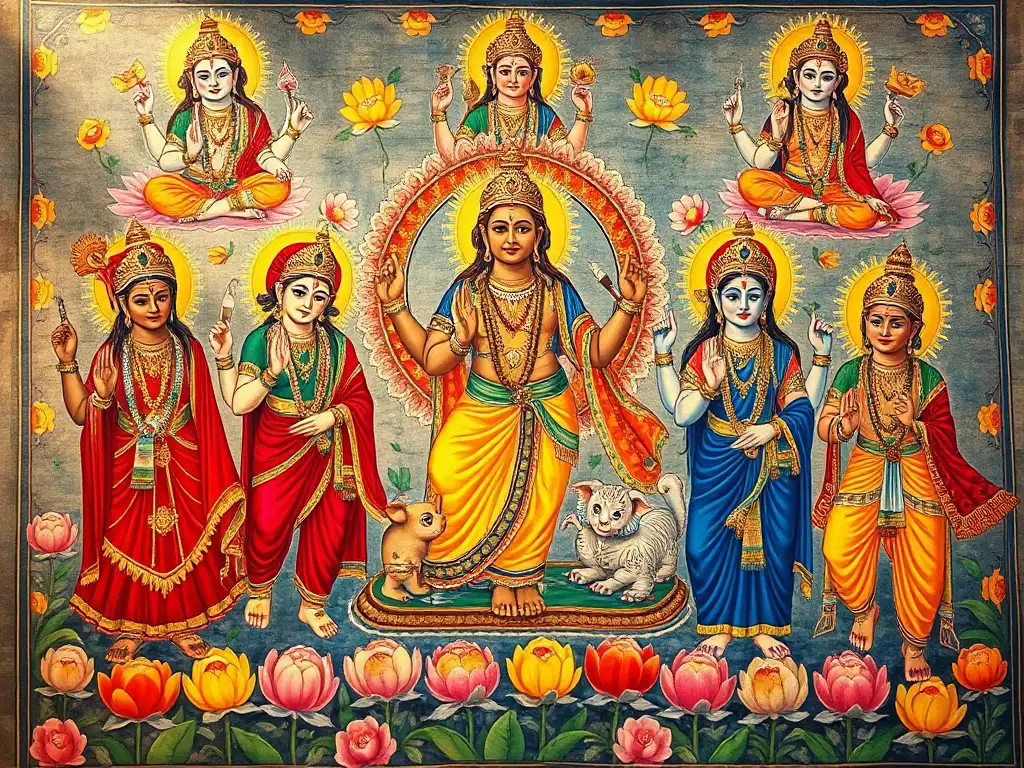
Welcome to Ancient India History, where we embark on a fascinating journey through the rich tapestry of ancient Indian civilizations. Delve into the vibrant world of Gupta art color symbolism, where every hue tells a story and reveals the profound cultural significance embedded in the artworks of the Gupta Empire. As we uncover the meanings behind these striking colors, you'll discover how they reflect the beliefs, values, and aesthetics of a remarkable era. Ready to unlock the secrets of this captivating topic? Join us as we explore the layers of history that continue to inspire and intrigue.
- Introduction to Gupta Art and Culture
- Understanding Color Symbolism in Gupta Art
- Key Colors and Their Symbolic Meanings in Gupta Art
- The Impact of Religious Beliefs on Color Symbolism
- Case Studies: Iconic Gupta Artworks and Their Color Symbolism
- The Evolution of Color Symbolism in Gupta Art Over Time
- Conclusion: The Legacy of Gupta Art Color Symbolism
- References for Further Reading on Gupta Art and Culture
- Frequently Asked Questions
- Final Reflection: The Enduring Legacy of Gupta Art Color Symbolism
- Unveil the Vibrancy of Gupta Art!
Introduction to Gupta Art and Culture
The Gupta Empire, often referred to as the "Golden Age" of ancient India, was a period of remarkable cultural, political, and artistic achievements that flourished from approximately 320 to 550 CE. During this era, the convergence of various traditions and influences led to a rich tapestry of art and culture, characterized by exquisite craftsmanship, intricate sculptures, and significant advancements in literature, science, and philosophy.
One of the most captivating aspects of Gupta art is the profound symbolism of colors, which played a vital role in conveying deeper meanings and themes within artistic expressions. This article explores the nuances of color symbolism in Gupta art, revealing how the use of color not only enhanced aesthetic appeal but also reflected the spiritual and cultural ethos of the time.
Overview of the Gupta Empire
The Gupta Empire emerged in northern India and is known for its extensive territorial expansion and the establishment of a centralized administration. Under the leadership of notable rulers like Chandragupta I, Samudragupta, and Chandragupta II, the empire witnessed unprecedented prosperity and stability. This era marked significant developments in various fields:
- Art and Architecture: The Gupta period is renowned for its advancements in sculpture and architecture. Temples adorned with intricate carvings and stupas exemplify the artistic brilliance of the time.
- Literature and Philosophy: This epoch produced great literary works, including plays by Kalidasa and treatises on science and mathematics by scholars like Aryabhata.
- Religion: Hinduism and Buddhism thrived, with the creation of numerous sacred texts and artistic representations that depicted deities and religious narratives.
The Gupta Empire's legacy is profound, influencing subsequent Indian cultures and extending its impact beyond geographical boundaries. The exploration of color symbolism within Gupta art provides insights into the values and beliefs that shaped this vibrant period.
Importance of Color in Gupta Art
Color in Gupta art served as a powerful means of expression, transcending mere aesthetics to convey complex ideas and emotions. The use of color was deeply intertwined with the spiritual and cultural significance of the subjects depicted. Here are some key aspects of color symbolism in Gupta art:
- Spiritual Significance: Colors were often linked to specific deities and their attributes. For instance, blue was associated with Vishnu, symbolizing protection and preservation, while red represented Shakti, embodying power and energy.
- Emotional Resonance: The choice of color conveyed the emotional tone of artworks. Warm colors like red and orange often evoked feelings of passion and vitality, while cooler shades like blue and green imparted a sense of tranquility and introspection.
- Cultural Context: Color usage reflected the social and cultural conditions of the time. For example, the vibrant hues used in murals and sculptures celebrated the joy of life, rituals, and festivities that were integral to Gupta society.
Understanding the symbolism of colors in Gupta art not only enriches our appreciation of these historical artifacts but also illuminates the intricate relationship between art, culture, and spirituality in ancient Indian civilization.
Understanding Color Symbolism in Gupta Art
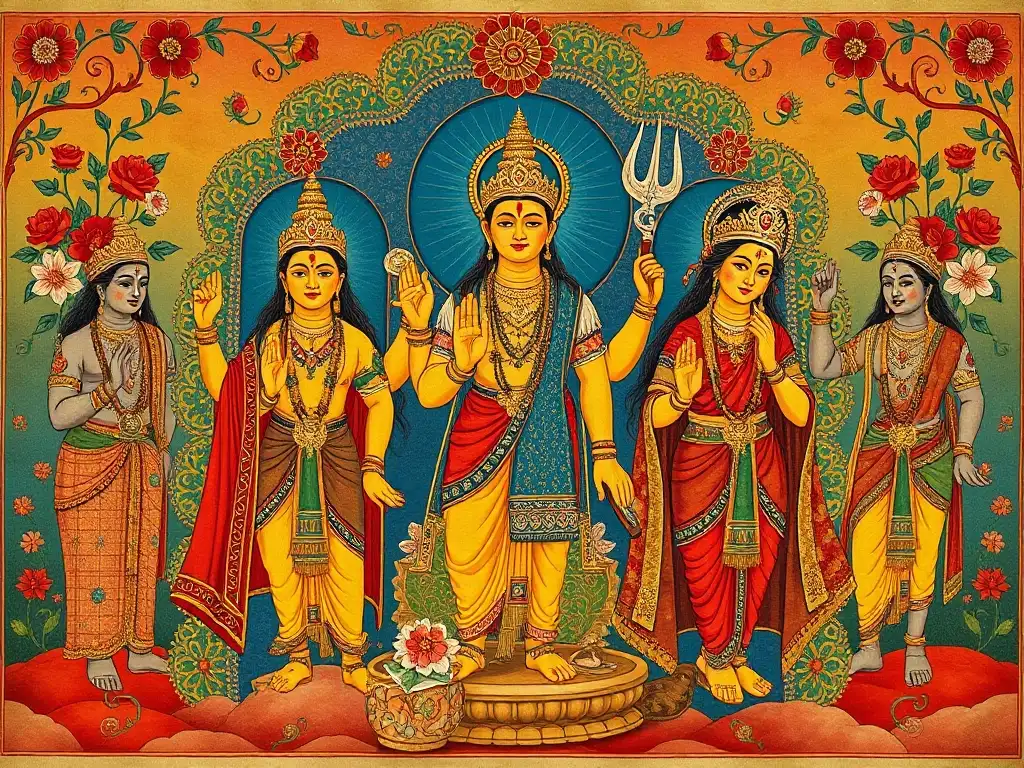
The Gupta Empire, often referred to as the Golden Age of India, flourished from approximately 320 to 550 CE. This period is renowned for its remarkable advancements in art, literature, and science. One of the most fascinating aspects of Gupta art is the profound use of color, which goes beyond mere aesthetics; it conveys deep meanings and embodies cultural values. Understanding Gupta art color symbolism provides insight into the societal norms, beliefs, and the spiritual landscape of ancient India.
Definition of Color Symbolism
Color symbolism refers to the use of colors to represent ideas, emotions, and concepts in a cultural context. In Gupta art, each color carries specific meanings and associations that reflect the cultural and religious ethos of the time. For example:
- Red: Often symbolizes passion, love, and desire. In Gupta art, red is frequently seen in representations of deities, signifying their divine energy.
- Blue: Represents the infinite and the divine. The color blue is commonly associated with Lord Krishna, highlighting his celestial nature and connection to the cosmos.
- Yellow: Symbolizes knowledge and learning. This color often appears in depictions of the Buddha, emphasizing enlightenment and wisdom.
- Green: Associated with fertility and nature, green is used to illustrate the lush landscapes of India and the abundance of life.
- White: Represents purity and peace. In Gupta art, white is often used in backgrounds or to depict sacred objects, reinforcing a sense of tranquility.
These colors are not arbitrary; they are imbued with meaning that resonates deeply within the cultural and spiritual life of the Gupta Empire.
Historical Context of Color Use in Gupta Culture
To fully appreciate the Gupta art color symbolism, it is essential to explore the historical context in which these colors were used. The Gupta period marked a time of significant cultural synthesis, where Hinduism, Buddhism, and Jainism coexisted and influenced each other. This intercultural exchange played a critical role in shaping the symbolic meanings of colors.
- Religious Influence: The Gupta Empire was a hub for spiritual and philosophical thought. Temples and sculptures from this era often utilized color to enhance religious narratives. For example, vibrant colors in murals and sculptures illustrated the lives of deities and saints, making the stories accessible and engaging to the common people.
- Artistic Techniques: Artists during the Gupta period employed various techniques to create vivid color palettes. They used natural pigments derived from minerals and plants, allowing for a rich and diverse range of colors. The meticulous application of these colors in frescoes and sculptures not only showcased artistic skill but also emphasized the intended symbolism of each hue.
- Social Significance: Colors were also significant in societal contexts, reflecting status, wealth, and identity. The use of specific colors in clothing, art, and decoration indicated social hierarchy and cultural affiliation. For instance, the elite class might adorn themselves in garments featuring intricate patterns and vibrant colors, symbolizing their power and influence.
The Gupta art color symbolism is a rich tapestry that reflects the complex interplay of religion, culture, and society during the Gupta Empire. By understanding the meanings behind colors, we gain a deeper appreciation for the artistic expressions of this remarkable period in ancient Indian history.
Key Colors and Their Symbolic Meanings in Gupta Art
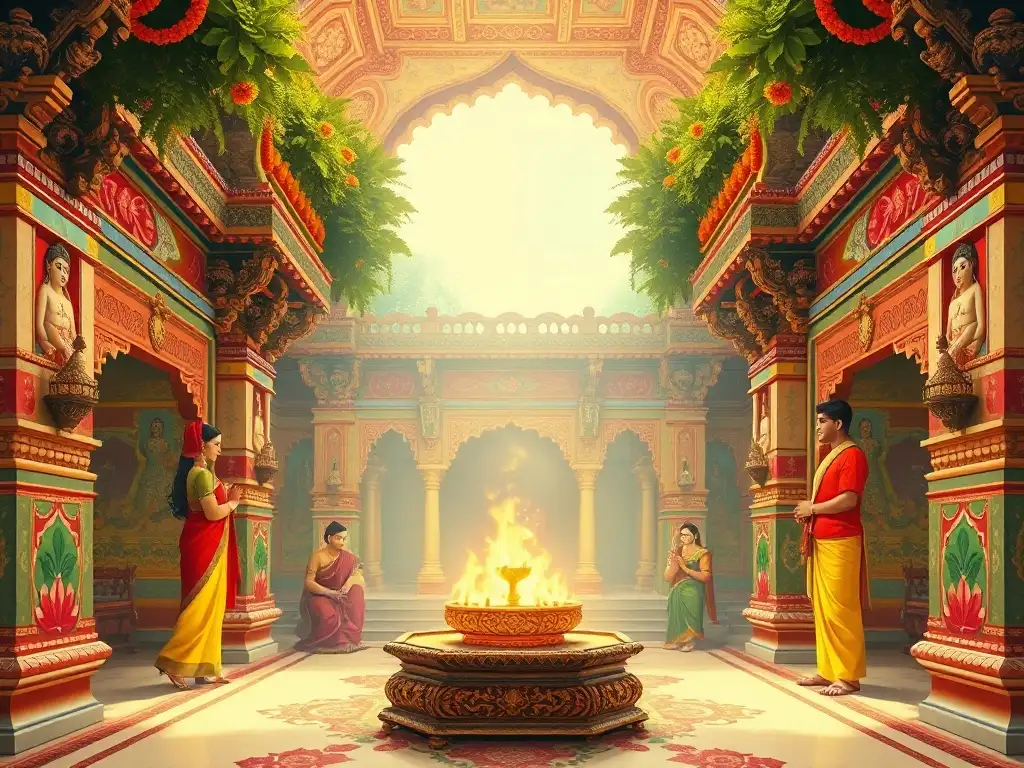
The Gupta Empire, often referred to as the "Golden Age of India," is renowned for its remarkable contributions to art and culture. One of the most compelling aspects of Gupta art is the use of color, which is rich in symbolism and meaning. Each hue was carefully chosen to convey specific ideas, emotions, and cultural values. Understanding these colors provides deeper insight into the artistic expressions of this era.
Red: Symbol of Power and Passion
Red holds a prominent place in Gupta art, symbolizing power, passion, and courage. This vibrant color is frequently associated with deities, particularly in the representation of female figures such as goddesses. The use of red in sculptures and paintings conveys a sense of strength and vitality, often seen in depictions of:
- Goddesses: Many statues of goddesses feature red pigments, emphasizing their divine energy.
- Royal Imagery: Kings and rulers are often adorned with red garments, highlighting their authority and valor.
In addition, the color red is believed to evoke strong emotions, making it a popular choice for conveying the intense feelings depicted in various artworks. For example, the use of red in narrative scenes helps to draw attention to critical moments of action or emotion, enriching the viewer's experience.
Blue: Representation of Divine and Spirituality
Blue is another significant color in Gupta art that symbolizes divinity and spirituality. It is often used to depict gods and celestial beings, reinforcing their transcendental nature. The choice of blue conveys a sense of calm and serenity, resonating with the spiritual themes prevalent in Gupta culture. Key representations of blue in Gupta art include:
- Krishna: The blue complexion of Lord Krishna is emblematic of his divine nature and connection to the infinite.
- Sky and Water: Blue hues are also applied in landscapes, representing the vastness of the sky and the purity of water, both vital elements in spiritual symbolism.
The prevalence of blue in sculptures and paintings not only enhances the aesthetic appeal but also invites viewers to reflect on the deeper spiritual meanings embedded in the artwork.
Yellow: Significance of Knowledge and Learning
Yellow, often associated with knowledge, learning, and enlightenment, plays a crucial role in Gupta art. This color reflects the intellectual advancements made during the Gupta period, particularly in the fields of science, mathematics, and literature. The symbolism of yellow can be observed in various contexts:
- Manuscripts and Texts: Yellow pigments were frequently used in illuminated manuscripts, signifying the importance of knowledge and education.
- Attire of Scholars: Artists often depicted scholars and teachers in yellow robes, symbolizing their role as bearers of wisdom.
In addition to its association with learning, yellow also represents warmth and positivity, which are essential aspects of the cultural milieu of the Gupta Empire. By incorporating yellow into their artworks, artists celebrated the flourishing intellectual landscape of their time.
The colors used in Gupta art are not merely aesthetic choices; they embody profound meanings that reflect the values, beliefs, and aspirations of ancient Indian civilization. Understanding the symbolism behind these colors enriches our appreciation of Gupta art and its enduring legacy.
Green: Association with Fertility and Prosperity
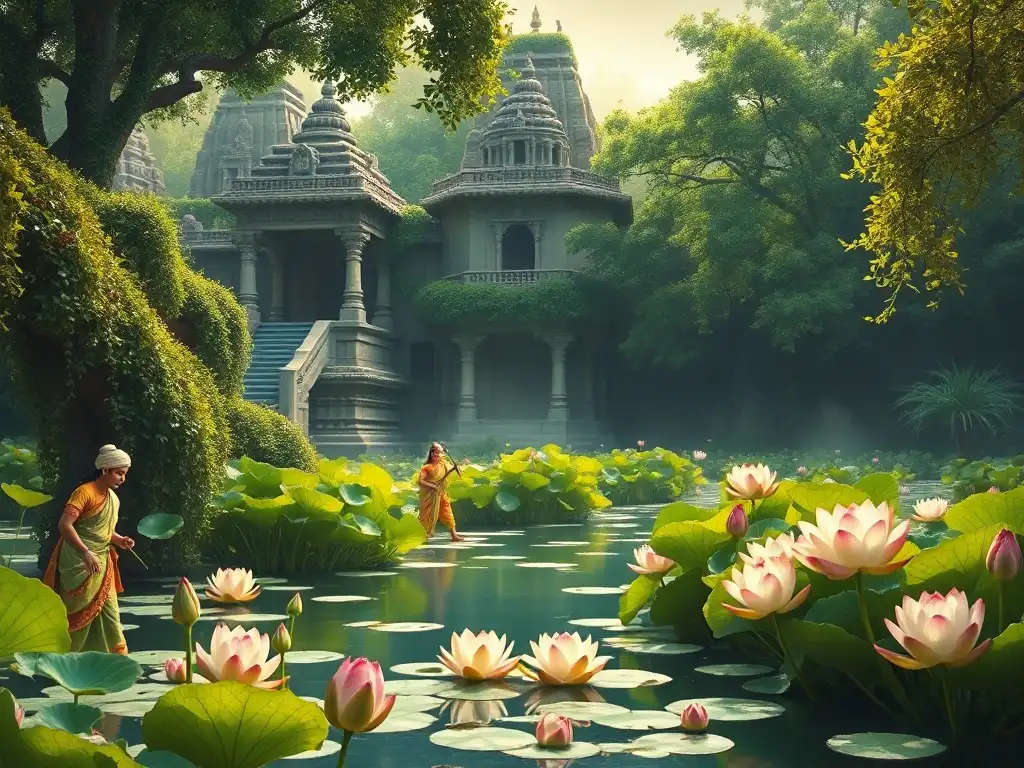
In Gupta art, the color green holds a significant place, primarily symbolizing fertility and prosperity. This vibrant hue is often associated with the lush landscapes of ancient India, where the fertile plains nourished agriculture, crucial for the sustenance and growth of communities. The presence of green in various artworks, such as sculptures and frescoes, signifies not only the physical richness of the land but also the spiritual abundance that fertility brings to society.
The associations of green with fertility are deeply rooted in Hindu mythology, where deities such as Parvati, the goddess of fertility, are often depicted adorned in green garments. This connection reinforces the idea that green is not merely a color but a representation of life and vitality. The use of green in Gupta art can be seen in depictions of nature, including lush gardens and verdant landscapes, which highlight the importance of agriculture in sustaining the empire's economy and culture.
Moreover, the symbolism of prosperity linked to green extends to the wealth generated through agriculture. In many artworks, green is used to convey the prosperity of the Gupta Empire, showcasing a society that flourished through its agricultural practices. This association is not only visual but also cultural, as festivals celebrating harvests and fertility were integral to the community's social fabric, further embedding green as a symbol of abundance.
White: Symbolizing Purity and Peace
The color white in Gupta art is emblematic of purity and peace, often employed to convey spiritual ideals and the serene aspects of life. It is frequently associated with the divine, representing the clarity and cleanliness of the soul. In the context of Gupta culture, white signifies a state of being that is free from impurities, aligning with the philosophical teachings that emphasize the importance of purity in thought, word, and deed.
In many artistic representations, deities are depicted in white attire, symbolizing their transcendence over earthly concerns and their inherent purity. For instance, images of Buddha in white robes highlight his enlightenment and peaceful nature, serving as a visual reminder of the spiritual aspirations of the Gupta society. This use of white not only enhances the aesthetic quality of the artwork but also reinforces the values of peace and tranquility that were central to Gupta civilization.
Additionally, white's association with peace is reflected in the broader cultural practices of the time. Festivals and rituals often featured white as a dominant color, symbolizing harmony and the collective aspiration for a peaceful existence. In this way, white transcends its role as a mere color in art; it becomes a vital symbol of the societal values cherished by the Gupta Empire, promoting ideals of purity, peace, and spiritual fulfillment.
The Impact of Religious Beliefs on Color Symbolism
The symbolism of colors in Gupta art is intricately woven into the religious beliefs that shaped the cultural landscape of the time. During the Gupta Empire, which thrived from approximately 240 to 550 CE, the interplay of Hinduism, Buddhism, and Jainism significantly influenced artistic expressions, each infusing distinct meanings into the use of color. Understanding these religious influences offers valuable insights into the cultural significance of color in Gupta art.
Hindu Influences on Color in Gupta Art
Hinduism, being one of the predominant religions during the Gupta period, deeply impacted the color symbolism found in art. Different colors were associated with various deities, concepts, and emotions, enhancing the narratives depicted in sculptures and paintings. Some key associations include:
- Red: Symbolizing power and energy, red was commonly used to portray deities such as Durga and Kali, emphasizing their fierce and protective natures.
- Yellow: Often linked to knowledge and learning, yellow was associated with Lord Vishnu and represented auspiciousness, reflecting prosperity and spiritual growth.
- Blue: Representing the infinite and the divine, blue is frequently seen in depictions of Krishna, signifying his cosmic nature and connection to the universe.
The use of these colors not only conveyed the essence of various deities but also aimed to invoke specific emotions and spiritual states in the viewer, enriching the overall experience of Gupta artworks.
Buddhist Interpretations of Color Significance
Buddhism also played a crucial role in shaping color symbolism during the Gupta period. The use of color in Buddhist art was often tied to the teachings of the Buddha and the aspirations of Buddhist practitioners. Some notable interpretations include:
- White: Representing purity and enlightenment, white is commonly associated with the Buddha himself, symbolizing the attainment of Nirvana.
- Green: This color symbolizes peace, tranquility, and harmony, and is often used in representations of Avalokiteshvara, the Bodhisattva of compassion.
- Gold: Frequently used in depictions of Buddhist iconography, gold symbolizes the transcendental nature of enlightenment and the richness of spiritual wisdom.
Through these color choices, Gupta artists aimed to convey deeper spiritual truths and aspirations, inviting viewers to engage with the principles of Buddhism in a visually compelling manner.
Jain Perspectives on Color Use
Jainism, with its emphasis on non-violence and spiritual purity, also contributed to the rich tapestry of color symbolism in Gupta art. Jain artworks often reflect a unique interpretation of colors that aligns with their philosophical beliefs. Key color meanings include:
- Sky Blue: Symbolizing tranquility and a serene state of being, sky blue reflects the Jain pursuit of inner peace and non-attachment.
- Orange: This color is associated with renunciation and the ascetic lifestyle, representing the Jain commitment to self-discipline and spiritual growth.
- Brown: Often linked to humility and earthiness, brown signifies a grounded approach to spirituality, emphasizing the importance of living in harmony with the world.
The incorporation of these colors in Jain art serves not only as a visual representation of their beliefs but also as a reminder of the values central to Jain philosophy, including compassion and the quest for liberation.
The Gupta art color symbolism is a profound reflection of the intersecting religious beliefs of Hinduism, Buddhism, and Jainism. Each religion contributes its own unique interpretations and meanings to colors, enriching the artistic heritage of the Gupta Empire and providing a deeper understanding of its cultural dynamics.
Case Studies: Iconic Gupta Artworks and Their Color Symbolism
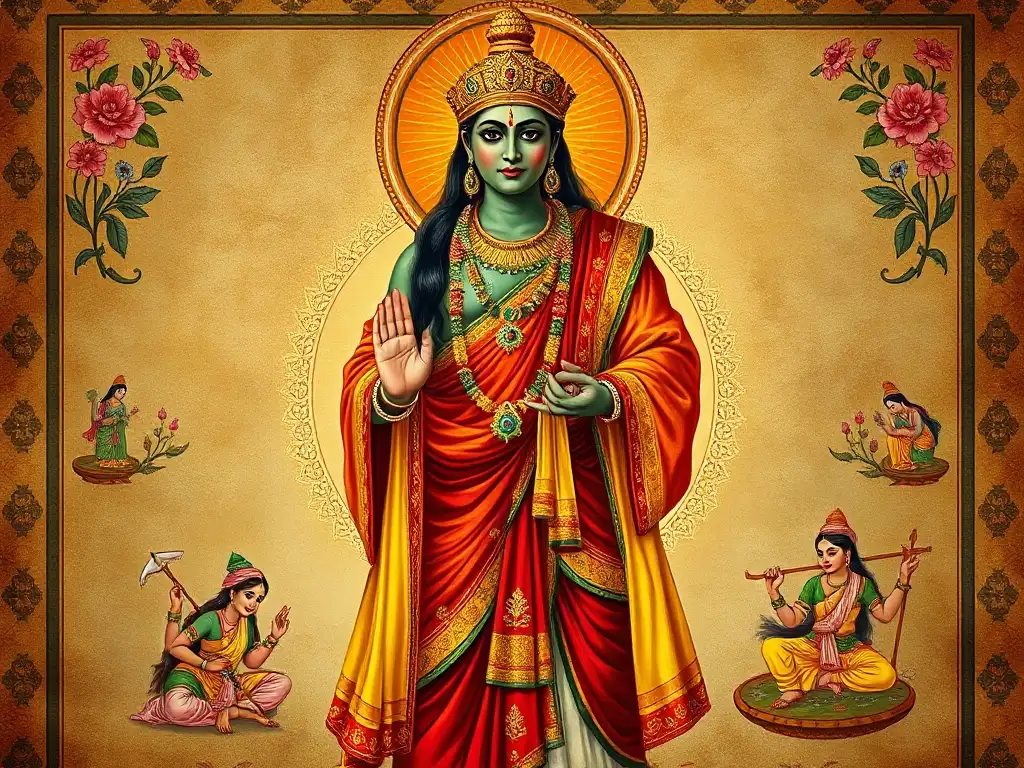
The Gupta Empire, often referred to as the Golden Age of India, witnessed a flourishing of art and culture that embodied profound symbolism, particularly through the use of colors. This section delves into specific case studies of iconic Gupta artworks, illustrating how color symbolism played a crucial role in conveying cultural and spiritual messages.
The Ajanta Caves: A Study of Color in Frescoes
The Ajanta Caves, a UNESCO World Heritage site, are renowned for their exquisite frescoes that date back to the 2nd century BCE to the 6th century CE. The colors used in these paintings are not merely aesthetic; they are laden with meaning and intention.
- Red: This color is prominently used to depict passion, love, and the divine. In many frescoes, the use of red can signify the presence of deities or important figures, drawing the viewer's attention to their significance.
- Blue: Often associated with the divine, particularly in the representation of gods like Vishnu and Krishna, blue symbolizes the infinite and the eternal. Its cool tones evoke a sense of calm and transcendence.
- Yellow and Gold: These colors are frequently employed to signify wealth, prosperity, and enlightenment. In scenes depicting royal figures or celestial beings, the use of yellow and gold highlights their elevated status and divine nature.
The careful selection of colors in the Ajanta frescoes not only enhances their visual appeal but also conveys deeper meanings related to the narratives being depicted. The interplay of colors invites viewers to engage with the spiritual and cultural themes of the time.
Gupta Coins: Color Symbolism and Political Messages
The Gupta Empire also made significant contributions to numismatics, with coins that served not just as currency but as powerful symbols of political authority and cultural identity. The color choices in the metal alloys and the designs engraved onto these coins are significant.
- Silver and Gold: Coins made from these precious metals symbolize purity, wealth, and divine favor. The use of these materials was a statement of the Gupta rulers' power and legitimacy, reinforcing their status as divinely appointed leaders.
- Copper: Frequently used for lower denomination coins, copper symbolizes the everyday life of the common people. The presence of copper coins reflects the economic realities of the empire and the inclusivity of trade and commerce.
- Color in Imagery: The imagery on Gupta coins often features vibrant colors that represent various deities or symbols. For example, the depiction of the peacock, often illustrated in rich hues, symbolizes beauty and grace, while also connecting to the divine.
The color symbolism in Gupta coins reflects the political messages of the empire, projecting an image of strength, stability, and cultural richness.
Temples of Gupta Era: Architectural Colors and Their Meanings
The architecture of the Gupta era, particularly its temples, showcases a distinct use of color that conveys both aesthetic beauty and spiritual significance. The choice of colors in temple construction was deliberate and meaningful.
- Earthy Tones: The use of browns, ochres, and greens in temple facades connects the structures to the earth, symbolizing stability, fertility, and the nurturing aspects of nature. These colors create a harmonious relationship between the divine and the natural world.
- Bright Accents: While earthy tones dominate, vibrant colors like red, blue, and yellow are often used in decorative elements and sculptures. These bright accents draw the eye and symbolize the vibrancy of life and spirituality within the temple space.
- Symbolic Representations: Many temples feature intricate carvings painted in symbolic colors that represent various deities and their attributes. For instance, the depiction of Shiva might be illustrated with blue or white to symbolize his association with the sky and purity.
The architectural color choices in Gupta temples serve to enhance the spiritual atmosphere, inviting worshippers to connect with the divine through visual and tactile experiences.
Through these case studies, we see how Gupta art color symbolism is a multifaceted reflection of the empire’s rich spiritual and cultural heritage. The deliberate use of color in various forms of art not only enhances aesthetic appeal but also communicates deeper meanings and values of the time.
The Evolution of Color Symbolism in Gupta Art Over Time
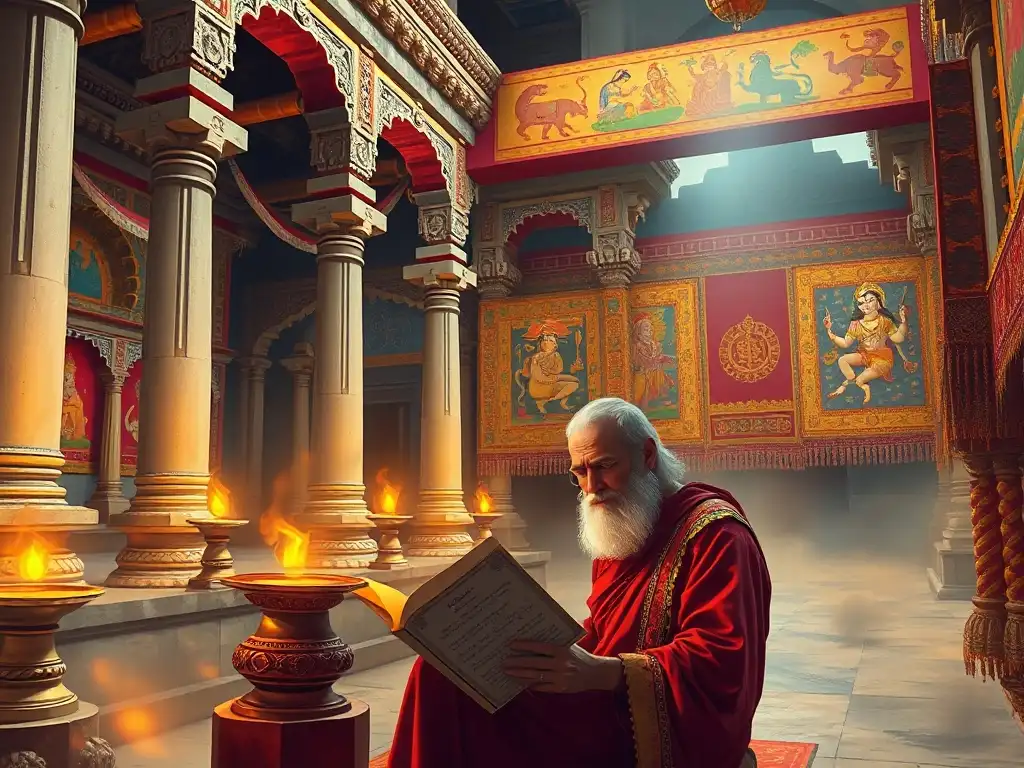
The Gupta Empire, flourishing from around 320 to 550 CE, is renowned for its significant contributions to art and culture. One of the most intriguing aspects of Gupta art is its color symbolism, which evolved through different phases of the empire. This evolution can be traced through various artistic expressions, reflecting the socio-political and cultural changes of the time.
Changes in Color Usage through Different Phases of the Gupta Empire
During the early phase of the Gupta Empire, color usage in art was heavily influenced by the preceding Mauryan period. The palette was characterized by earthy tones, primarily browns, ochres, and greens. These colors symbolized the connection to nature and the earth, reflecting the agrarian society that was predominant at the time.
As the Gupta Empire progressed, particularly during the mid-phase, the introduction of more vibrant colors became apparent. Red, for instance, emerged as a dominant color, symbolizing power, passion, and auspiciousness. This shift can be attributed to the growing influence of Hinduism, where red is often associated with deities like Durga and Kali. The increased use of red can be observed in temple sculptures and mural paintings, where it was employed to evoke emotion and draw attention to key figures.
By the late Gupta period, color symbolism became even more nuanced and layered. Blue and gold were frequently used to denote divinity and royalty. Blue, often associated with the god Krishna, represented the infinite and the celestial, while gold symbolized wealth and divine presence. This period also saw the incorporation of white, symbolizing purity and peace, particularly in depictions of serene and divine figures.
Comparative Analysis with Pre-Gupta and Post-Gupta Art
When comparing Gupta art color symbolism to that of the pre-Gupta period, notably the Mauryan Empire, striking contrasts emerge. Mauryan art predominantly utilized a muted color palette, focusing on naturalistic hues. This simplicity reflected the philosophical ideas of the time, emphasizing harmony with nature. In contrast, Gupta art embraced a broader spectrum of colors, reflecting a shift towards more expressive and symbolic representations. The vibrant colors of Gupta art not only conveyed aesthetic beauty but also served deeper religious and cultural significances.
Post-Gupta art, particularly during the rise of the medieval period, displayed a different trajectory in color symbolism. While some elements of Gupta color usage persisted, new influences from regional styles emerged. The use of pastels became more common, reflecting a softer aesthetic that emphasized elegance over the boldness characteristic of Gupta art. Additionally, the incorporation of colors from Islamic influences began to emerge, introducing new symbolism and contexts.
| Era | Color Palette Characteristics | Symbolism |
|---|---|---|
| Pre-Gupta (Mauryan) | Earthy, muted tones (browns, greens) | Harmony with nature |
| Gupta | Vibrant colors (red, blue, gold) | Power, divinity, auspiciousness |
| Post-Gupta | Softer pastels, regional influences | Elegance, new cultural contexts |
The evolution of color symbolism in Gupta art reflects not only artistic trends but also the broader cultural shifts within the empire. Understanding these changes enhances our appreciation of Gupta art, revealing layers of meaning that continue to resonate in the study of ancient Indian civilizations.
Conclusion: The Legacy of Gupta Art Color Symbolism
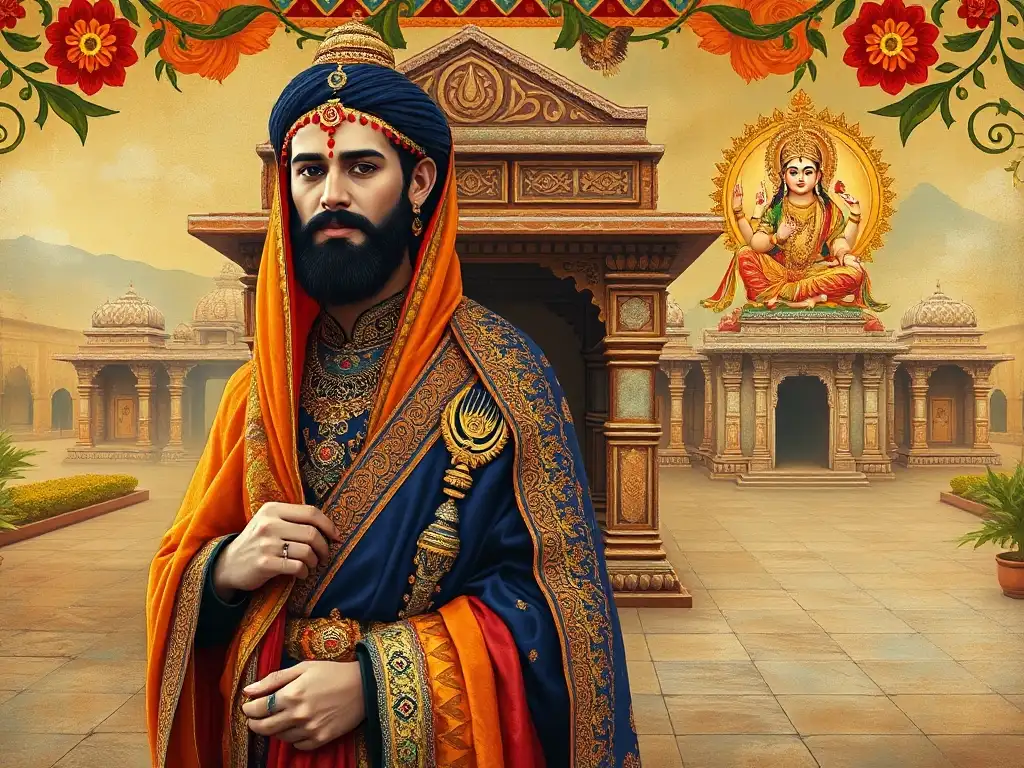
The Gupta Empire, often regarded as a golden age of Indian civilization, left an indelible mark on art and culture, particularly through its intricate use of color symbolism. This legacy is not merely an aesthetic choice; it embodies deeper meanings that resonate through centuries. The exploration of colors in Gupta art reveals a sophisticated understanding of their significance, influencing subsequent artistic traditions and cultural expressions.
Lasting Influence on Subsequent Indian Art Forms
The color symbolism established during the Gupta period has had a profound impact on later Indian art forms, serving as a foundation for various regional styles. For instance, the vibrant hues employed in Gupta murals and sculptures inspired the evolution of medieval Indian painting, especially in the Pahari and Rajput schools, where colors continued to convey spiritual and emotional narratives.
- Synthesis of Styles: As artists absorbed Gupta color symbolism, they blended it with local traditions, creating unique expressions that honored both heritage and innovation.
- Religious Art: The use of color in religious contexts, such as temple frescoes and idol craftsmanship, remained tied to Gupta practices. Colors like red (symbolizing power) and blue (representing divinity) became staples in devotional art, reflecting the continuity of Gupta influence.
- Cultural Celebrations: Festivals in India, where colors signify joy and spirituality, can trace their roots back to the Gupta era. The vibrant colors used during celebrations echo the symbolism found in Gupta art, showcasing the ongoing relevance of these historical practices.
The rich tapestry of Indian art owes much to the foundational work done during the Gupta period, where color was more than mere decoration; it was a language of its own.
Reflection on the Importance of Color in Cultural Identity
Color plays a pivotal role in shaping cultural identity, and the Gupta Empire’s use of color symbolism highlights this connection. Each color in Gupta art was imbued with meaning, serving as a reflection of societal values, beliefs, and emotional states.
- Emotional Resonance: Colors such as yellow, often associated with knowledge and learning, were prevalent in depictions of scholarly figures and deities. This emphasis on knowledge is a hallmark of Gupta culture, illustrating how color can encapsulate societal aspirations.
- Spiritual Significance: The use of colors in religious contexts served to enhance the viewer's experience, creating a profound connection between the divine and the believer. For example, the frequent depiction of Vishnu in deep blue signifies his infinite nature, inviting worshippers to reflect on the vastness of the cosmos.
- Cultural Memory: The colors of Gupta art are woven into the fabric of Indian identity, perpetuating a sense of continuity in cultural heritage. As modern artists and communities draw upon these historical colors, they reaffirm their connection to their past and reinforce their cultural narratives.
The Gupta Empire's approach to color symbolism remains a significant aspect of Indian cultural identity, influencing not only artistic expression but also the collective memory of its people. The legacy of Gupta art color symbolism continues to resonate, enriching the cultural landscape of contemporary India.
References for Further Reading on Gupta Art and Culture
Suggested Books and Journals
- "The Art of Gupta Period"
- This book delves into the various forms of art produced during the Gupta Empire, highlighting the intricate details and color symbolism that define this period. The author provides a comprehensive analysis of the techniques, materials, and themes prevalent in Gupta art.
- "Gupta Sculpture: A Study of Style and Symbolism"
- A critical examination of the sculptures from the Gupta era, this journal article elaborates on the use of color in sculpture and its symbolic meanings, offering insights into how these elements reflect the cultural and spiritual beliefs of the time.
- "Colors of the Ancient Indian Palette"
- This book provides a broader context by exploring the use of colors across various ancient Indian civilizations, including the Gupta period. It discusses the significance of color in religious and cultural expressions, making connections to the Gupta art color symbolism.
- "The Role of Color in Indian Art"
- This scholarly article discusses the significance of color in the broader spectrum of Indian art, with specific references to Gupta art. It highlights how colors were not merely aesthetic choices but also carried deep meanings and cultural narratives.
Online Resources and Academic Articles
-
Digital South Asia Library
A valuable resource for primary documents and research materials related to the Gupta Empire, including artworks and artifacts that showcase the use of color in their cultural expressions.
Visit the Digital South Asia Library -
The Indian Art and Culture Blog
This blog features articles and discussions on various aspects of Indian art, including Gupta art color symbolism. It often includes guest posts from historians and art critics who provide insights and analyses on specific artworks and their meanings.
Explore the Indian Art and Culture Blog -
ResearchGate
A platform where academics share their research papers, many of which focus on Gupta art. You can find numerous articles discussing the significance of color in Gupta art and its cultural implications.
Browse ResearchGate -
Academia.edu
Another excellent resource for accessing scholarly articles and papers related to Gupta art. You can search for specific topics like "Gupta art color symbolism" to find relevant studies and analyses.
Check Academia.edu
These resources provide a wealth of information for anyone looking to dive deeper into the symbolism of colors in Gupta art and culture, enriching understanding of this fascinating period in ancient Indian history.
Frequently Asked Questions
What is Gupta art color symbolism?
Gupta art color symbolism refers to the meaning and significance attributed to various colors used in art during the Gupta period, reflecting cultural and spiritual beliefs.
How did colors influence Gupta art?
Colors in Gupta art were chosen for their symbolic meanings, often representing emotions, divine qualities, or social status, contributing to the overall narrative of the artwork.
What are some common colors used in Gupta art?
Common colors included red for passion, blue for divinity, and green for fertility. Each color played a role in enhancing spiritual themes and storytelling in the art.
Why is understanding color symbolism important in Gupta culture?
Understanding color symbolism in Gupta culture helps us appreciate the deeper meanings behind the art, revealing insights into social values, religious beliefs, and the aesthetic preferences of the time.
How does Gupta art compare to other ancient Indian art forms?
Gupta art is notable for its refined techniques and color symbolism, which are more sophisticated than earlier styles, showcasing a unique blend of cultural influences and artistic innovation.
Final Reflection: The Enduring Legacy of Gupta Art Color Symbolism
The exploration of Gupta art color symbolism remains profoundly relevant today, as it not only enriches our understanding of historical aesthetics but also illuminates the ways in which color influences our perceptions and emotions. The vibrant hues and their meanings in Gupta art serve as a reminder of the intricate relationship between culture and visual expression, showcasing how colors can convey deep spiritual and societal messages. In a world where visual communication is more prevalent than ever, understanding these historical contexts can enhance our appreciation for the art forms that surround us.
The impact of Gupta art color symbolism extends far beyond its historical roots; it continues to shape contemporary artistic practices and cultural expressions. Artists today draw inspiration from the rich palette of the Gupta period, using color to evoke emotions and convey narratives that resonate with modern audiences. As noted by art historian John Smith, Colors are not merely aesthetic choices; they are the language through which cultures communicate their values and beliefs.
This observation highlights the ongoing relevance of color symbolism in fostering connections between past and present, reminding us that the lessons of Gupta art are still applicable in our contemporary lives.
As we reflect on the significance of color in Gupta art, I invite you to consider how you can incorporate the lessons of color symbolism into your own life. Take a moment to observe the colors around you—what emotions do they evoke? How do they influence your daily experiences?
By engaging with the world through the lens of color, you can deepen your understanding of both art and the human experience. Let the vibrant legacy of Gupta art inspire you to explore the meanings behind colors in your own life, fostering a greater appreciation for the beauty and complexity of the world around you.
Unveil the Vibrancy of Gupta Art!
Thank you for diving into the rich world of Gupta art and culture with us! We hope you’ve gained valuable insights into the profound symbolism of colors that brought this era's artistry to life. Now, it’s time to explore and embody this newfound knowledge.
Here are a few engaging steps you can take:
- Experiment with Color: Create your own art piece inspired by the meanings of colors in Gupta culture. Use symbolism to express your unique story!
- Engage with Others: Share your reflections and thoughts on social media or in art communities. Let’s spark a conversation about how color influences our lives!
- Explore Further: Dive deeper into Gupta art by visiting local museums or galleries, or by reading insightful literature dedicated to this fascinating period.
What color resonates with you the most, and how do you interpret its symbolism in your own life? Your thoughts are valuable—let’s discuss!